About Antiguo Hotel Reforma
Antiguo Hotel Reforma stands at París 32, on the corner of Paseo de la Reforma in Colonia Tabacalera, Alcaldía Cuauhtémoc. Despite its name, it is no longer a working hotel: today it is an intermittently activated cultural and private-event venue used for concerts, electronic-music parties, exhibitions, brand events, weddings, film shoots, and multidisciplinary festivals. Events held there as recently as March 2026 confirm that the building continues to trade under the Antiguo Hotel Reforma or Hotel Reforma name.
The hotel opened in late 1936, reportedly with a gala dinner shortly before Christmas. It was commissioned by engineer and politician Alberto J. Pani and completed by his young nephew, architect Mario Pani, although Carlos Obregón Santacilia disputed the authorship after having worked on the original structure and foundations. That bitter professional argument became an important episode in the history of Mexican modernism.
When new, Hotel Reforma was among the capital’s most modern and prestigious lodging establishments. It offered approximately 250 rooms, each with a private bathroom—an unusual standard in Mexico City at the time—and became an early high-rise presence on what was then an avenue of low mansions. Its public rooms, luxurious interiors, bold vertical massing, curved architectural elements, tezontle cladding, and celebrated roof garden embodied the city’s ambitions to compete with major international capitals.
Diego Rivera was commissioned to create the four-panel Carnaval de la vida mexicana for the hotel’s dining or banquet room. Rivera’s satirical treatment of political and social figures proved controversial, and the transportable panels were not installed as originally intended. Visitors should not expect to find those Rivera panels inside the present venue.
The building declined as newer hotels changed expectations along Reforma. The 1985 earthquake damaged it and accelerated a long period of closure and near abandonment. Conservation and restoration efforts eventually allowed portions to return to use. By 2018 it was hosting special events, while the 2022 arrival of the immersive Museo del Futuro, or MUFO, marked its most visible recent reinvention. MUFO combined digital installations, design, gastronomy, mixology, and nightlife, although it operated in temporary seasons rather than as a permanent conventional museum.
Events and Programming
Antiguo Hotel Reforma is not a conventional theater with a continuous calendar. It is a flexible rental venue whose programming depends on independent promoters. Its strongest identity is in electronic music, DJ culture, immersive art, queer nightlife, and large-format parties, with occasional pop, hip-hop, private corporate, fashion, food, and cultural events.
No complete public archive exists, and private events are rarely listed. Publicly documented programming from 2021 through 2026 shows the following pattern:
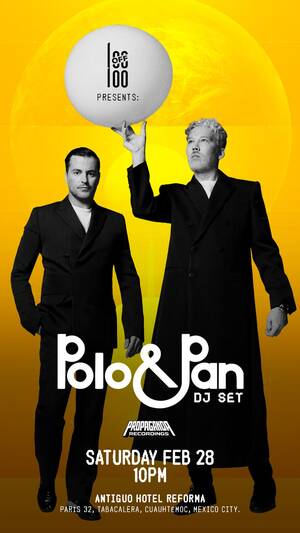
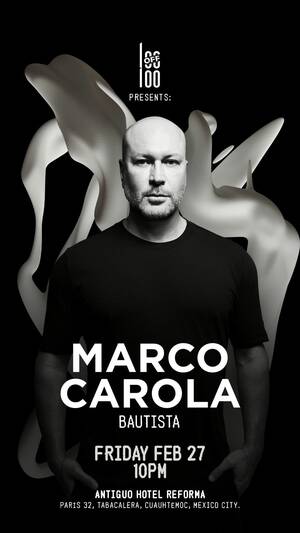
2021: No substantial, venue-specific public program could be reliably confirmed, reflecting the limited event environment of that period.2022: MUFO introduced large digital installations and audiovisual rooms. Its nighttime program included DJ Tennis, DeCulto, Klingande, and the Algo Bien closing party, alongside immersive exhibitions and an extended presentation connected with Banksy’s work. 2023: The venue hosted Goldie, Dillom, BUNT., Latin Mafia, AQUIHAYAQUIHAY, a sold-out Jungle DJ set, and Pride Together, whose lineup ranged from Félix da Housecat to Mexican queer and underground performers. Baile Eterno closed the year with four stages, cumbia, Caribbean sounds, DJs, and Sonido La Changa. 2024: Programming included Octave One’s first Mexico City appearance, TÄNDRAH with Jimi Jules, and a Darius and Duñe show. This mix reinforced the venue’s preference for house, techno, deep house, and producer-led electronic performances. 2025: Documented events included Horse Meat Disco, The Overview Effect during Art Week, Pervert’s eighth-anniversary inclusive rave, Pride Together, a private Chet Faker performance, Cecile Believe, Padre DJ, and the multi-stage Deseo Futuro New Year’s Eve party. Pride Together used three floors and four stages for house, techno, disco, reggaetón, performance, queer art, and immersive installations. 2026: Marco Carola performed in February, followed by a Polo & Pan DJ set and the two-stage Euforia micro-festival featuring Sickick in March. As of August 23, 2026, no reliable public listings for later 2026 or 2027 had been identified. That does not indicate closure; the venue frequently announces individual rentals close to their event dates.
Published admission prices have ranged broadly from approximately MXN 300–900 for many local parties and standard DJ events to MXN 1,500–1,800 for internationally known headliners and premium 2026 shows. Early phases are usually cheapest, while later phases, VIP tables, and special packages cost more. Immersive exhibitions and daytime events use different pricing models.
Tickets and Booking
There is no permanent public box office with reliable daily hours. Tickets are normally released through the promoter’s authorized sales channel, with the organizer—not the building—setting prices, refund rules, age limits, entry times, and VIP arrangements. Buyers should use only the sales channel named in the original event announcement and avoid screenshots, duplicated QR codes, or resale offers.
Popular shows can move quickly through pricing phases. Jungle’s 2023 DJ set sold out within minutes, while TÄNDRAH was also marked sold out. For major electronic acts, buying during the first announced phase is the safest strategy. Door sales should never be assumed; some events reach capacity in advance, and published 2026 conditions stated that ticket and table sales could be final and nonrefundable.
Seating, Capacity, and Layout
There is no single capacity figure because organizers can open different portions of the building. The venue’s standard private-event specification lists approximately 700 guests for a cocktail setup, 250–400 in an auditorium-style arrangement, and about 200–250 for a seated banquet. By contrast, Pride Together publicized a 2,500-person configuration using three floors, four stages, and two large bars. These numbers describe very different footprints and should not be treated as interchangeable.
Most concerts and raves are general-admission standing events without fixed seating. Stages, dance floors, bars, art installations, VIP tables, and circulation routes are built specifically for each production. Large festivals may divide the building into genre-based rooms, while a wedding or private concert may use only the restored principal spaces.
For a close view of a DJ, arrive early and stand near the central front area, but avoid pressing against bottlenecks beside bars or doorways. Farther back generally provides more room to dance and a better overall view of projections. Upper rooms can offer a more intimate atmosphere, but access, sightlines, sound balance, and elevator availability vary. No verified public measurements, rigging limits, ceiling heights, or permanent seating chart are available.
Sound, Lighting, and Production
The venue does not publish a permanent house sound-system inventory, speaker model, lighting plot, stage dimensions, power schedule, or acoustic specification. Production therefore appears to be event-specific. Past events have installed multiple independent stages, projection environments, LED and immersive audiovisual systems, lasers, club lighting, and large DJ rigs. MUFO demonstrated the building’s ability to accommodate room-scale digital artworks and synchronized audiovisual installations.
This flexibility is an advantage, but it also means sound quality can change between promoters and rooms. One recent attendee described the sound at a Mahmut Orhan event positively, while reviews of other events concentrated on crowding and service rather than audio. For electronic shows, high-fidelity earplugs are advisable: the rooms are often configured for powerful club-level volume.
Getting There and Parking
The visitor entrance is normally listed as París 32, Colonia Tabacalera, 06030 Ciudad de México. The easiest option is Metrobús Line 7, whose París stop is on Paseo de la Reforma within a very short walk of the building. Line 7 uses the city’s double-decker buses and connects this part of Reforma with Hidalgo, Chapultepec, Auditorio, Campo Marte, and northern districts. The standard Metrobús fare is paid with a Movilidad Integrada card.
Metro Revolución on Line 2 is roughly a 10–15-minute walk, depending on the exit and pedestrian traffic. From the station, walk south toward Plaza de la República and continue southeast toward Paseo de la Reforma and Calle París. Metro Hidalgo, serving Lines 2 and 3, is another walkable alternative to the east. Revolución station provides ramps, tactile guidance, Braille signs, and escalators, although not every route through the station is step-free.
The venue does not advertise a dedicated public parking garage. Valet service may be included for certain private functions, but concertgoers should not assume it will operate. Paid garages are available around Reforma and the nearby hotels, but prices and closing times vary. Metered curb spaces are limited and can disappear quickly during large events, marches, road closures, or weekend activities.
For rideshare or taxi arrival, Calle París is generally more practical than stopping in an active Reforma traffic or Metrobús lane. Expect congestion immediately after a sold-out event. Because many parties run until 3:00, 5:00, 7:00, or even 9:00 a.m., check transit operating hours before entering; a rideshare, authorized taxi, or prearranged pickup may be necessary after midnight.
Inside the Venue
Entry normally involves scanning a digital ticket, an age and identification check, and basic security screening. Most nightlife events are restricted to guests aged 18 or older, while at least one MUFO party used a 21-and-over limit. Bring an original, valid government-issued photo ID; a picture of an ID may not be accepted.
Bars are installed for most nighttime events, and the largest festivals have offered multiple bars, food areas, or temporary vendors. There is no dependable full-service restaurant or permanent concession menu. Restrooms exist on the principal event floors, but queues can become lengthy during busy parties. Coat check, lockers, merchandise stalls, free drinking water, and public Wi-Fi are promoter-dependent rather than guaranteed.
Visitor experiences are mixed. Many people value the historic architecture, central location, immersive exhibitions, and unusual atmosphere. Others have reported overcrowding, hour-long bar queues, confusing payment processes, poor service, and uncomfortable elevator experiences at particular high-attendance events. These complaints appear strongly tied to individual organizers and event density, but they justify arriving early, monitoring card charges, requesting receipts, and identifying exits before the main performance begins.
Accessibility
The Americans with Disabilities Act is United States legislation and does not certify venues in Mexico. No comprehensive Mexican accessibility audit or venue-wide step-free map for Antiguo Hotel Reforma was found. A 2022 MUFO event explicitly advertised wheelchair access, and current venue listings identify an accessible entrance and restroom, but the historic, multi-floor layout can still create limitations.
Visitors who need step-free access should obtain event-specific confirmation before purchasing because each promoter opens different rooms and may route guests differently. Ask whether the scheduled stage, bars, accessible restroom, and emergency exit are all on a continuous step-free route; whether an elevator will be operating; and whether a companion or designated viewing area can be arranged. Do not assume that accessibility advertised for one event applies to another.
Nearby Amenities
For a meal close to the venue, nearby choices include La Distral and Sonora Grill Reforma for full-service dining, La Gloriosa for a contemporary cantina experience, and Finca Don Porfirio or Terraza Cha Cha Chá around the Monumento a la Revolución. The Monument and Plaza de la República are about a ten-minute walk away and provide one of the neighborhood’s most recognizable meeting points.
Nearby accommodation includes Barceló México Reforma, Fiesta Americana Reforma, Hotel Casa Blanca, and Hotel Regente on París. Staying in Tabacalera is particularly useful after all-night events, when public transit may have stopped and rideshare demand is high. Book early during Pride weekend, Art Week, major holidays, and New Year’s Eve.
What Makes This Venue Special
Few Mexico City dance venues place contemporary electronic music inside a building so closely tied to the birth of Mexican modern architecture. The contrast is the attraction: an elegant 1930s hotel conceived for international travelers now fills with projection art, techno, cumbia, queer performance, and independent cultural production.
Its adaptive reuse has preserved public awareness of a building that might otherwise have remained closed. It also supplies centrally located space for local DJs, visual artists, food vendors, technicians, performers, and LGBTQIA+ communities. Pride Together’s inclusion in the city’s official Pride tourism program demonstrates that the venue’s cultural role extends beyond commercial nightlife. No reliable study quantifies its economic impact, so claims about jobs or neighborhood revenue would be speculative.
Visitor Tips and Information
Arrive 45–60 minutes early for sold-out events; recent reports describe long exterior lines.
Bring original photo identification and keep your digital ticket available offline.
Wear comfortable closed shoes: most events involve hours of standing, stairs, and dancing.
Carry high-fidelity earplugs, particularly for techno, house, and multi-stage festivals.
Do not assume there will be seating, coat check, re-entry, lockers, or food.
Use a small bag where possible. No permanent venue-wide bag policy has been published.
Check every card charge and request a receipt at bars.
Identify exits and meeting points when entering, especially during multi-floor events.
Arrange late-night transportation before the final set rather than joining the largest departure rush.
Frequently Asked Questions
Is Antiguo Hotel Reforma still a hotel?
No. The historic building retains its hotel name, but it does not operate as conventional visitor accommodation. It is now used intermittently for concerts, electronic parties, immersive exhibitions, weddings, cultural programs, filming, and private events. Nearby working hotels should be used if you need overnight accommodation.
What is the exact address?
The address used by current event listings is París 32, Colonia Tabacalera, Alcaldía Cuauhtémoc, 06030 Ciudad de México. The building occupies a prominent corner beside Paseo de la Reforma. Some historical sources use older Reforma street numbers, so París 32 is the most useful address for present-day arrival.
What is the capacity of Antiguo Hotel Reforma?
Capacity depends on which rooms are opened. Standard private configurations have been listed at roughly 200–250 banquet guests, 250–400 auditorium guests, or 700 standing cocktail guests. Major festivals have advertised space for 2,500 people across three floors and four stages. Always treat the event’s own capacity as controlling.
Does the venue have assigned seating?
Most public concerts, DJ shows, and raves are general-admission standing events with no assigned seats. Banquets and private functions can install tables and chairs, while certain promoters sell VIP tables or reserved lounge areas. A VIP ticket does not necessarily provide a clear stage view, so review the event-specific layout before purchasing.
What is the minimum age for entry?
Most nighttime events are restricted to guests aged 18 or older, and valid identification is normally mandatory. Some productions have imposed a 21-and-over limit, while daytime exhibitions may admit broader age groups. The age rule belongs to the individual event, not to a permanent venue policy, so confirm it before buying.
Can I purchase a ticket at the door?
Possibly, but door sales are not guaranteed. International DJs and well-publicized parties can sell out before event day, and some promoters operate only with advance digital tickets. If door admission is offered, it may cost more than the final online phase. Do not travel to the venue relying on unconfirmed availability.
How early should I arrive?
Arrive about 45 minutes before the advertised start for a normal event and up to an hour early for a sold-out show, Pride festival, or New Year’s Eve party. Early arrival reduces time in exterior lines, makes security easier, and lets you understand a multi-floor layout before corridors and bars become crowded.
What identification should I bring?
Bring an original, current government-issued photo ID, such as a passport or Mexican voter credential. An expired document, photocopy, or phone image may be rejected. The ticket name does not always need to match the ID, but the document must prove that you meet the event’s minimum-age requirement.
Does Antiguo Hotel Reforma have a bag policy?
No permanent venue-wide bag dimensions were publicly available. Security rules are set by each promoter and may prohibit large backpacks, professional camera equipment, outside drinks, sharp objects, aerosols, or other items. A compact crossbody bag is the safest choice. Check the original event instructions rather than relying on rules from an earlier show.
Is Antiguo Hotel Reforma wheelchair accessible?
Some events have explicitly advertised wheelchair access, and listings identify an accessible entrance and restroom. However, the historic building has multiple floors and event layouts change. Confirm that your specific stage and amenities are on a step-free route and that any required elevator will be operating before attending.
Is there parking at the venue?
Do not expect a dedicated public parking garage. Valet service may be arranged for certain private functions, but it is not universal. Paid garages and limited metered spaces exist around Reforma and Tabacalera, with variable prices and hours. Public transit or rideshare is usually easier, especially when road closures affect Paseo de la Reforma.
What is the nearest public transit stop?
The París stop on Metrobús Line 7 is the closest and sits on Paseo de la Reforma near the venue. Metro Revolución on Line 2 and Metro Hidalgo on Lines 2 and 3 are also within walking distance. For late-ending events, verify the final departure time because parties commonly continue beyond normal transit hours.
Are food and drinks sold inside?
Most nightlife events install bars selling beer, mixed drinks, and other beverages. Large festivals may add food vendors or a food-court area, but there is no guaranteed permanent restaurant. Eat beforehand if food availability has not been announced, and never assume that outside food or beverages can pass security.
Should I bring cash or a card?
Bring access to both if possible, although accepted payment methods vary. Some visitors have reported slow card service or disputed surcharges at individual events. Review the amount before authorizing payment, keep receipts, and activate transaction alerts. Cash can be useful when networks are congested, but carry only what you reasonably expect to spend.
Is there a dress code?
There is no universal formal dress code. Electronic shows generally favor comfortable clubwear, sneakers, expressive fashion, and lightweight layers. Weddings, branded events, and private receptions may require more formal clothing. Because floors can be hard and events last many hours, footwear suitable for standing and stairs is more important than dressing elaborately.
Can I take photographs or video?
Phone photography is commonly seen at public parties, but professional cameras, detachable lenses, flashes, tripods, and recording equipment may require authorization. Immersive exhibitions can impose separate rules to protect installations. Follow instructions from security and performers, and avoid filming other attendees in sensitive queer or nightlife spaces without consent.
Are the original architectural features still visible?
The building continues to display its distinctive early-modern massing and much of its historic character, although it has undergone modifications, damage, closure, and restoration. Event spaces use preserved architectural details as a backdrop for temporary stages and installations. The famous Rivera panels commissioned for the hotel are not a current on-site attraction.
What has been announced for the rest of 2026 and beyond?
Publicly indexed 2026 events included Marco Carola, Polo & Pan, and Euforia through March. As of August 23, 2026, no reliable later-2026 or 2027 public program was found. Because the property operates primarily as a rental venue, announcements may appear individually rather than as part of a seasonal calendar.