Events and Programming
Pasagüero is a small-to-medium-sized live-music forum in Mexico City’s Centro Histórico, known for programming that moves between indie rock, post-punk, garage, electronic music, hip hop, experimental sounds, cumbia, surf rock, reggaeton and alternative nightlife. The room also hosts DJ parties, themed nights, multidisciplinary events and occasional cultural projects that combine music with visual art, performance or fashion.
The most useful way to understand the venue is as an independent, flexible room rather than a single-genre club. Recent programming has included Mexican and international touring acts, emerging local artists, electronic producers, underground dance promoters and established alternative performers. The public event record from 2021 through 2026 is incomplete, but it shows Pasagüero functioning as a home for several overlapping scenes rather than a conventional concert hall.
During the pandemic period, public listings were relatively sparse. A November 2021 electronic event was announced at Pasagüero, while a 2022 concert by Mexican rapper Proof was promoted at the address under the name Motolinía 33, described as “formerly Pasagüero.” That event offered general admission at MXN $200 and a limited VIP and meet-and-greet option at MXN $600.
The venue’s 2023 return was marked by two electronic nights presented with CommonSense Records and associated partners, featuring Bostich and Fussible of Nortec. That reopening established the direction of the new chapter: contemporary programming, live electronics and club-oriented events rather than a purely nostalgic revival.
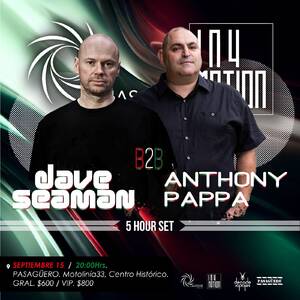
Other notable events from 2023 included Vitalic’s live electronic performance, Lost Acapulco with Telekrimen, a five-hour back-to-back set by Dave Seaman and Anthony Pappa, Tropikal Forever, the Halloween production Terror Abominable with Abominablez, and Día de Muertos-themed techno programming. Published ticket examples ranged from approximately MXN $300 to MXN $650, with some special packages reaching MXN $600.
In 2024, Pasagüero continued to combine concerts with dance-oriented programming. The calendar included Diaspora, a DJ-led night featuring guaracha, reggaeton, afrobeat, dancehall, amapiano and hip hop; Juan Cirerol; Valgur; No Somos Marineros; Capricho electronic parties; and the Sueña Despierto showcase with Mabe Fratti, Mint Field, Demencia Infantil and Lorelle Meets the Obsolete. An experimental arts night also used the room for electronic performances, video work, visual projections and laser-based production.
Programming recorded for 2025 included Lorelle Meets the Obsolete, the rap showcase Radikal Hoops Vol. 2, and themed late-night events such as Halloween BDSM. The examples point to a venue comfortable with post-punk, indie, rap, bass music, electronic club culture, performance and adult-oriented nightlife, depending on the promoter and the specific night.
Early 2026 programming broadened the range further. Public announcements and event records included Northern Invasion, a riddim and dubstep event; Silverio; Lolina with Kelman Duran and other experimental performers; a Nortec Bostich and Fussible DJ set; neo-perreo programming; Agrupación Cariño; an art-and-music gathering promoted with a Funktion-One system; and a Generación Espontánea jam session with Willy Terrazas and guest musicians.
Typical ticket pricing depends heavily on the promoter. Low-cost community or jam events have appeared around MXN $70, while standard club and concert admissions commonly fall between MXN $175 and MXN $400. International electronic acts and special productions have reached approximately MXN $500 to MXN $650, and meet-and-greet packages may cost more. Prices usually rise through early-bird, presale and day-of-event stages.
Tickets and Booking
Concert tickets are generally sold through a digital ticketing service, with some events also offering direct box-office sales at the venue. The city’s venue guide specifically notes both purchasing methods. Not every promoter uses the same arrangement, so an event may have only digital sales, limited physical sales, or no door tickets once capacity is reached.
For popular concerts, buying during the first announced presale is the safest strategy. Pasagüero’s smaller room and standing-floor format mean that limited-capacity events can become unavailable before the event date, particularly when the bill includes a cult international artist, a reunion, or a well-established Mexican act.
Check the ticket description carefully for the difference between general admission, VIP, meet-and-greet, early-bird and day-of-event pricing. At Pasagüero, “VIP” has appeared as a promotional access or artist-interaction package rather than evidence of permanent VIP seating. The venue does not publish a single year-round pricing structure.
Keep the confirmation or digital ticket accessible before reaching the entrance. Security screening and age verification are part of the normal entry process, and event-specific rules can affect admission, re-entry, bags, costumes, photography and alcohol service.
About Pasagüero
Pasagüero is located at Calle Motolinía 33 in the Centro Histórico of Mexico City, Alcaldía Cuauhtémoc. It occupies a former commercial transit passage and takes its identity from the unusual proportions of that space: an elongated, tunnel-like room with a double-height ceiling, exposed metal structures and a raised stage at the rear.
The venue’s recorded opening date is April 2004. Its origin is linked to brothers Ricardo and Rodrigo Pandal, whose early-2000s idea was to create a forum where music, art, nightlife and urban culture could coexist. Before the Pasagüero identity fully developed, the space was associated with concerts, exhibitions and experimental cultural activity, including the “Public Art 2004” presentation of a giant bottle designed by Alex Arango.
An archival administrative resolution from 2006 records a noise-related inspection, sanctions and a closure order connected with the establishment then identified at Motolinía 33. The same record describes a 199-square-meter ground-floor area. Later reporting shows that the venue continued through subsequent periods, so the document is best understood as part of a complicated operating history rather than as the final end of Pasagüero.
In late 2012 and early 2013, Pasagüero closed for a substantial remodel. The redesign, attributed to industrial designer Eduardo Olivares, aimed to make the room adaptable as a gallery, concert space, bar or theater. Movable partitions and technical cabling were integrated into overhead rails, while the bar layout was changed to improve sightlines. The venue also operated in association with La Bipo for a period, adding a stronger cantina and food component.
The 2013 return featured Silverio, Pablito Mix and Charly Monttana, reflecting the venue’s ability to place different audiences in the same program. Earlier and later performers associated with Pasagüero include Los Ángeles Azules, DAT Politics, Assemblage 23, Junior Boys, The Dears, Vince Clarke, La Prohibida, María Daniela y su Sonido Lasser, Nortec, Enjambre, Dënver and many Mexican independent acts.
The venue then faced the disruption caused by the COVID-19 pandemic. Its 2023 relaunch was presented as a deliberate return to contemporary independent culture, with director Ricardo Pandal describing the need for alternative forums and new talent rather than relying only on nostalgia.
Seating and Layout
Pasagüero is primarily a standing venue. The main room is an open floor leading toward an elevated stage at the far end, with bars positioned along the sides rather than directly blocking the audience’s view. There is no published permanent seating chart, numbered-seat system or standard theater configuration.
For a concert, the front-center area offers the closest view and the strongest sense of physical connection with the performer. The middle of the room is usually the most balanced choice for sound and sightlines. The side and rear areas are more practical if you want to move between the stage, bar and exits or if you prefer more personal space.
Because the room is long and narrow, arrival time can affect the experience more than ticket category. The city’s venue guide recommends arriving early to secure a good position near the stage. For electronic parties, the best location may depend on where the promoter places the DJ booth, additional speakers, screens or visual installations.
No authoritative public source confirms a current maximum capacity, exact room dimensions, balcony, permanent VIP section or fixed seating configuration. The 199-square-meter figure belongs to a 2006 administrative record and should not be treated as a current event-capacity figure.
Getting There and Parking
The address is Calle Motolinía 33, Centro Histórico, Mexico City. Motolinía is part of the pedestrian network in this section of downtown, and the entrance is reached from the pedestrian street rather than from a large vehicle forecourt. The venue sits near the intersection area of Motolinía, Francisco I. Madero and 16 de Septiembre.
The simplest public-transit option is Metro Allende on Line 2. The station’s south-eastern exit is at Tacuba and Motolinía, making the final walk short: continue along Motolinía toward the venue address. Allende operates until midnight on weekdays and Saturdays, with a later opening time on Sundays and holidays; a single Metro journey costs MXN $5.
Metro Bellas Artes, served by Lines 2 and 8, is also within walking distance through the pedestrian streets of the Centro Histórico. San Juan de Letrán is another nearby option, although the exact walk depends on the exit used and the night’s pedestrian restrictions. Local listings place Allende at roughly 300 meters, San Juan de Letrán at roughly 450 meters and Bellas Artes at roughly 540 meters from the address.
No dedicated Pasagüero parking lot is identified in the public listings reviewed. Street parking around this part of Centro is limited, and Motolinía itself is not a practical event drop-off lane. If using a rideshare or taxi, a drop-off near Tacuba, Madero or another vehicle-accessible cross street is a practical arrangement based on the pedestrian entrance. Paid public parking may be available in the surrounding downtown blocks, but venue-specific rates are not published. ticketfairy.com
Late-night events can finish after the Metro’s normal operating window. For shows scheduled into the early morning, plan a rideshare, authorized taxi or prearranged pickup rather than relying on the train home.
Inside the Venue
Expect a compact, energetic and deliberately informal environment rather than a polished arena interior. The public description emphasizes exposed metal structures, a tunnel-like hall, an elevated rear stage and bars running along the room. The enclosed layout can become hot when the floor fills, particularly during high-energy rock, punk, electronic and dance events.
The venue’s drinks service is centered on draft beer, bottled water and conventional spirits. A dining area operates near the entrance during evening hours, and restaurant listings describe Mexican and Spanish-influenced food, including antojitos and bar-style dishes. Food availability, menu and service hours may change according to the event or operating schedule.
Entry normally involves a security check and identification or age verification. The venue guide recommends arriving early, especially if you want a position close to the stage. Promoters may add their own restrictions for bags, costumes, outside drinks, cameras, re-entry or themed events, so do not assume that rules from one night apply to another.
Pasagüero does not publish a permanent technical rider for public use. The venue’s documented sound concept sends frequencies forward along the long central corridor, with drums and bass intended to remain forceful throughout the room. A 2013 relaunch also highlighted improved sound and a revised bar arrangement.
Additional equipment is often supplied by the promoter. For example, a 2026 art-and-music gathering announced a Funktion-One system and turntables, while a 2024 experimental event used video, laser and visual-projection elements. These are event-specific production choices, not proof of a permanent house inventory.
Nearby Amenities
Pasagüero’s location is convenient for combining a concert with a Centro Histórico walking route. Avenida Francisco I. Madero, Casa Boker, the Casa del Marqués de Prado Alegre and other historic attractions are within a few minutes of the venue. The surrounding district has a dense concentration of restaurants, cantinas, cafés, bars and late-night food counters.
For pre-show food, the most practical strategy is to eat before entering the queue or use the venue’s entrance dining area if it is operating that evening. Restaurant listings place typical per-person spending around MXN $200 to MXN $300, although this reflects dining rather than concert admission and may not describe every event night.
Nearby lodging ranges from historic-center hotels around the Zócalo and Madero corridor to smaller hotels and hostels in the Centro area. Staying within walking distance is useful for late events because Metro service ends around midnight under normal schedules.
What Makes This Venue Special
Pasagüero’s strongest feature is the contrast between its location and its programming. Outside, the venue sits among historic facades and pedestrian streets in one of Mexico City’s oldest urban districts. Inside, the industrial passage, exposed structure, concentrated crowd and loud forward-throwing sound create a setting better suited to independent music, dance culture and experimental nightlife than to formal seated concerts.
The room has repeatedly acted as a meeting point for scenes that do not always share the same commercial circuit. Rock, electrocumbia, post-punk, rap, surf, techno, reggaeton, queer nightlife, performance and visual art have all appeared in its history. That adaptability is central to its identity: the venue can host a band showcase one night, a DJ-led dance party the next and an art-heavy multimedia event after that.
Its cultural importance is best understood through the role of independent forums in Mexico City. Researchers and cultural commentators describe small and medium-sized live venues as infrastructure for emerging artists, promoters and local creative economies. Pasagüero’s long-running association with new talent, touring alternative acts and downtown nightlife places it within that wider ecosystem, although no public study quantifies its individual economic impact.
Visitor Tips and Information
Bring a valid government-issued ID, your ticket confirmation and only the essentials. Age restrictions are event-specific, but many concerts and nightlife events at Pasagüero are promoted for people aged 18 and older. Alcohol service is restricted to adults, and the venue or promoter may refuse entry under its right-of-admission policies.
Wear comfortable clothing and shoes. Most shows involve standing, dancing or moving through a crowded floor, and the room can become warm. A light layer is easier to manage than a bulky coat. Themed parties may publish their own dress requirements, but no single permanent dress code is documented for every event.
Accessibility information is limited. The public material reviewed does not verify accessible seating, a step-free entrance, an accessible toilet, elevator access or an ADA-equivalent compliance statement. One current directory flags the location as not wheelchair accessible, but that listing is not a venue-issued accessibility policy. Visitors who require step-free access should confirm the specific arrangement for their event before purchasing.
Arrive 30 to 60 minutes before the advertised performance time if you want a good view, need to collect a wristband or expect a popular crowd. For late-night parties, arrange the trip home before entering, particularly if the event runs beyond normal Metro hours.
No verified public announcement identifies a regular 2027 or later Pasagüero calendar. The documented 2026 activity shows continued interest in concerts, club nights, bass music, experimental electronics, Mexican popular music and cross-disciplinary gatherings, but future programming should be treated as event-by-event rather than assumed from a permanent annual schedule.
Frequently Asked Questions
Where is Pasagüero located?
Pasagüero is at Calle Motolinía 33 in Mexico City’s Centro Histórico, within Alcaldía Cuauhtémoc. The entrance is reached from the pedestrian section of Motolinía, near the Madero and 16 de Septiembre corridor. Because the immediate street environment is largely pedestrian, cars and rideshares should use a nearby accessible cross street for drop-off rather than stopping directly at the entrance.
What type of music is played at Pasagüero?
Programming covers indie rock, post-punk, garage, electronic music, hip hop, techno, dubstep, reggaeton, neo-perreo, surf rock, cumbia and experimental music. The venue also hosts DJ parties, multimedia events, jam sessions and themed nightlife. The exact style depends on the promoter, so checking the individual event description is more useful than treating Pasagüero as a single-genre club.
Does Pasagüero have seated concerts?
Pasagüero is primarily a standing-room venue with an open floor and an elevated stage. Permanent numbered seating or a standard theater seating plan is not publicly documented. Some events may arrange tables, dining or special access differently, but visitors should assume that general admission means standing unless the event description specifically promises seats or reserved areas.
What is Pasagüero’s capacity?
No authoritative current capacity figure is publicly published. An archival 2006 administrative document records a 199-square-meter ground-floor area, but that is not the same as a current legal event capacity. Because layouts and operating conditions can change by event, capacity may be controlled by the venue and promoter for each production rather than advertised as one permanent number.
How much do Pasagüero tickets cost?
Verified examples range from about MXN $70 for a low-cost jam session to MXN $175–$400 for many concerts and parties. Larger electronic productions have reached approximately MXN $500–$650, while meet-and-greet packages can cost more. Prices normally change by early-bird, presale, later presale and day-of-event stages, so ranges are more reliable than one fixed admission price.
Can tickets be bought at the door?
Some Pasagüero events offer box-office or day-of-event sales, while others rely on digital advance tickets or sell out before the night. The venue’s public guide confirms that both digital purchasing and venue box-office sales are used. Do not assume door availability, especially for international electronic acts, themed parties or events advertised as limited-capacity.
What age do you have to be to enter?
Age requirements vary by event, but many concerts and nightlife productions at Pasagüero are restricted to adults, commonly 18 and older. Some event terms specify age verification at entry and restrict alcohol service to adults. Bring a valid government-issued identification document even if the ticket itself does not display an age restriction.
Is identification required at Pasagüero?
Yes, visitors should expect identification checks because the venue’s published visitor guidance includes age accreditation as part of entry. The exact documents accepted may depend on the promoter and security staff, but a current government-issued photo ID is the safest choice. A digital ticket alone may not be sufficient for an adult-only event with alcohol service.
Is Pasagüero wheelchair accessible?
Public accessibility information is incomplete. No venue-issued document reviewed confirms accessible seating, a step-free entrance, an accessible restroom or ADA-equivalent compliance. One current directory marks the listing as not wheelchair accessible, but that information is not a formal venue statement. Anyone requiring step-free access should verify the entrance and restroom arrangement for the specific event before buying.
Is there parking at Pasagüero?
No dedicated venue parking lot is identified in the public listings reviewed. Motolinía is a pedestrian street in this area, and street parking around the Centro Histórico is limited. Nearby paid parking facilities may exist in surrounding blocks, but Pasagüero does not publish a venue-specific parking rate or reserved arrangement. Public transit or a planned taxi drop-off is usually simpler. ticketfairy.com
What Metro station is closest to Pasagüero?
Metro Allende on Line 2 is the closest and most straightforward station. Its south-eastern exit reaches Tacuba at the corner of Motolinía, after which the venue is a short walk along the pedestrian street. Bellas Artes on Lines 2 and 8 is also nearby, while San Juan de Letrán provides another central alternative.
Does the Metro run after Pasagüero events?
Under normal schedules, Metro service ends at midnight: weekdays and Saturdays at 12:00 a.m., and Sundays and holidays at 12:00 a.m. Pasagüero events may continue into the early morning, so late-night attendees should arrange a rideshare, authorized taxi or pickup in advance. Special citywide schedule extensions cannot be assumed for an ordinary concert night.
Does Pasagüero serve food and drinks?
Yes. The venue’s public description mentions an entrance dining area and bars along the room. Drinks commonly include draft beer, bottled water and conventional spirits, while restaurant listings describe Mexican and Spanish-influenced food and antojitos. Menus and availability can change with the event, so a concert night may offer a more limited selection than a regular dining service.
How good is the sound at Pasagüero?
The room is designed around a long central corridor, and the venue description says its audio approach projects frequencies forward so drums and bass remain intense across the space. A 2013 remodel was also described as improving the sound system. Additional speakers or production equipment may be brought in for specific events, so the final result depends on the artist, promoter and engineer.
Does Pasagüero have permanent VIP seating?
A permanent VIP seating section is not publicly documented. Some shows have sold VIP, meet-and-greet or special-access tickets, but these appear to be event-specific packages rather than a fixed seating tier. Unless an event description explicitly promises reserved seating, expect the main experience to take place on the shared standing floor with access determined by the particular production.
When should I arrive for a Pasagüero concert?
Arrive 30 to 60 minutes before the advertised performance time if you want a strong position near the stage, need to pass security, or expect a popular show. The venue’s guidance specifically recommends arriving early for a good view. For a sold-out or high-demand event, arriving close to showtime can mean a longer line and a less favorable place on the floor.
What are the most important things not to forget?
Bring your ticket confirmation, valid photo identification, a charged phone and comfortable shoes. Keep bags small because security procedures and promoter rules vary. Avoid arriving with outside alcohol or food unless the event explicitly permits it. If the event is themed, read the dress or costume requirements in advance, since special productions may apply rules that do not exist for ordinary concerts.
What is Pasagüero known for historically?
Pasagüero opened in 2004 and became known as an independent Centro Histórico forum for music, art, nightlife and emerging culture. Its history includes concerts by Mexican and international alternative acts, a 2013 remodel that improved sightlines and flexibility, a pandemic-era pause and a 2023 relaunch led by electronic and contemporary programming.