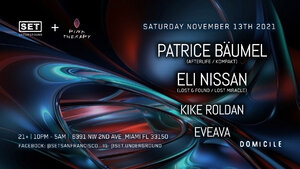
About 6391 NW 2nd Ave
6391 NW 2nd Ave is no longer an operating Domicile venue. Domicile closed its Little Haiti location in July 2024 and reopened at 2900 NW Seventh Avenue in Allapattah on September 5, 2025. Current 2026 Domicile events are held at that newer address, even though several event calendars and map listings continue to attach the club’s old NW 2nd Avenue address to new shows. Visitors should not travel to 6391 NW 2nd Ave for a Domicile event without independent confirmation that the event is specifically taking place there.
The former venue was a compact, standing-room dance club near NW 64th Street, on the western side of Little Haiti. A concert directory reported a capacity of 350, but no official fire-capacity document or floor plan is publicly available. Dimensions, ceiling height, load-in details and formal rental specifications were never published. The most reliable physical description is a small black-box room equipped with scaffolding, lights, a dance floor and a modest outdoor decompression area.
Its importance came from what it rejected. There were no elaborate tables, velvet ropes or polished superclub theatrics. Domicile concentrated on hard techno, industrial sounds, darkwave and community-led underground parties. Admission was usually affordable by Miami nightlife standards, and the room’s raw construction placed dancers, local DJs and international guests in the same close, intensely physical environment. Local critics named it Miami’s Best Dance Club in 2023.
History and Current Status
Owner Sagiv Israeli took over the Little Haiti space in 2022 after identifying a gap in Miami’s nightlife: a low-cost club dedicated consistently to harder electronic music rather than occasional techno bookings. According to Israeli, an early patron described the nameless gathering place as his “domicile,” meaning a place that felt like home, and the name remained. Public event records confirm activity at the address by June 2022, followed by increasingly frequent bookings through 2023 and the first half of 2024. No reliably documented public event at this address was found for 2021.
Domicile’s original business entity was registered at 6391 NW 2nd Ave in September 2022, although that entity later became inactive. The club nevertheless continued programming events. In July 2024, it announced that circumstances beyond its control prevented further operation at its home venue. The owner later explained that bringing the old building into code compliance would have required substantial renovations, making relocation faster than rebuilding the space.
Following the closure, Domicile presented parties in temporary or undisclosed warehouse locations before completing its move to Allapattah. A separate active company associated with a food market registered 6391 NW 2nd Ave as its principal address in July 2025, but a corporate filing alone does not prove that a particular public-facing business is currently operating there. What can be confirmed is that the address is not the present Domicile nightclub.
Events and Programming
The original location’s schedule was dominated by techno at the darker and faster end of the spectrum. Early documented nights included Malicia Goth Nights in June 2022, Shlømo in July and Nur Jaber in October. The latter was an 18-and-over techno event with a $15 advance price, illustrating the combination of international talent, emerging Miami support acts and accessible admission that became central to the club’s identity.
Programming expanded substantially in 2023. International bookings included Rebekah, Aadja, SHDW & Obscure Shape and LSDXOXO. Miami Music Week brought collaborations with visiting promoters and lineups featuring artists such as Ø [Phase], Volvox, Julia Govor, Holden Federico, Joyhauser and Luigi Madonna. Typical tickets ranged from approximately $15 to $30, with $20 frequently cited as a standard cover.
The calendar was broader than hard techno. Malicia Goth Nights returned regularly with darkwave, post-punk, EBM, industrial, death-rock and 1980s new wave. Corruption combined techno with fetish fashion and kink-positive programming. Proibidæ established a residency centered on Brazilian baile funk, women-identifying performers, queer participation and thoughtful engagement with Latin American club culture. These nights demonstrate how the room connected scenes that received limited representation in Miami’s mainstream clubs.
Early 2024 programming included Untitled Rhythms, collaborations with Boston’s Infra collective, Lady Starlight with Lindsey Herbert, trance and hard-dance artist Davor, and a joint Perreo del Futuro and Internet Friends event headlined by Toccororo and LOLSNAKE. Malicia continued through June 2024. The Little Haiti venue then ceased operating in July.
There were no verified public events at 6391 NW 2nd Ave during 2025 or 2026. Listings that associate 2026 artists with this address appear to be using outdated venue metadata. Current primary event records place Domicile’s hypnotic, industrial, experimental and hard-techno programming at 2900 NW Seventh Avenue. No confirmed programming for 6391 NW 2nd Ave in 2027 or beyond was found.
Tickets and Booking
Tickets for the old venue were generally sold through the promoter’s official event listing, with limited door admission when a night had not sold out. Standard parties commonly cost $15 to $30, while occasional events offered free entry with an advance RSVP. Miami Music Week, Art Week and high-profile international bookings could use several price tiers that increased as the date approached.
There was no conventional daytime box office, assigned seating inventory or season-ticket system. Each promoter established its own age limit, dress requirements, refund terms and entry procedure. Anyone encountering a new ticket listing that names both Domicile and 6391 NW 2nd Ave should verify the actual street address before purchasing. The Domicile name is active, but this particular location is not.
Seating, Layout and Production
The former club was essentially general admission and standing room only. There were no fixed theater seats, balcony levels or dependable seated VIP sections. The DJ and production area occupied one end of the black-box room, leaving the majority of the interior as an open dance floor. Moving farther back reduced crowd pressure and bass intensity, while the center and front provided the most immersive experience.
The building’s visual identity came from its simplicity: dark walls, exposed functional elements, scaffolding and event-specific strobes, haze or colored lighting. It was not an architecturally restored theater or purpose-built concert hall. The makeshift industrial presentation was part of the appeal, producing a warehouse-rave atmosphere without the scale or infrastructure of a large warehouse complex.
Domicile promoted powerful sound and carried its production equipment into temporary events after the closure. However, reliable model numbers, amplifier specifications, mixer inventories, speaker placement diagrams and electrical capacities for 6391 NW 2nd Ave were never published. The Funktion-One system promoted at the current Allapattah club should not automatically be attributed to the former Little Haiti room.
Getting There and Parking
The building is at 6391 NW 2nd Ave, close to NW 64th Street. When the club operated, most guests arrived by rideshare or used limited street parking. No official guest parking garage or permanent staffed venue lot was documented. Drivers had to observe residential restrictions, private-property signs, driveways and tow-away notices on surrounding streets.
Miami-Dade Metrobus Route 2 currently travels along NW 2nd Avenue between Downtown Miami and the El Portal area, with stops around NW 64th Street. Following the July 20, 2026 service adjustment, weekday buses generally operate every 30 to 35 minutes, with the final terminal departures occurring around 10:30 to 11 p.m. That schedule would not have served the 5 a.m. conclusions typical of the former club’s events.
There is no Metrorail station within a short walk. Guests historically used Route 2 from Downtown or connected by rideshare from a rail station. For late-night travel in this part of Miami, a prearranged ride remains more practical than depending on overnight transit. The safest pickup point is a legal, well-lit location that does not obstruct NW 2nd Avenue or neighboring businesses.
Inside the Former Venue
The experience was deliberately basic. Local reporting describes an inexpensive, sweaty room where people primarily came to dance rather than sit, dine or purchase bottle service. A small outdoor area gave guests space to cool down between sets. The old premises had two indoor bathrooms, supplemented at times by portable toilets, a significant limitation compared with Domicile’s much larger replacement venue.
Entry normally involved a ticket check, security screening and presentation of a physical government-issued photo ID. Age policies varied considerably: some events were fully 18-and-over, some were 21-and-over, and several advertised entry for women at 18 and men at 21. Those distinctions came from individual promoters and should not be treated as universal policies.
Photography rules also depended on the event. Corruption prohibited outside photography to protect privacy, while other community-led nights emphasized consent and freedom from harassment. Fetish events required leather, latex, vinyl, lingerie, mesh or comparable themed clothing. Malicia encouraged dark attire and sometimes prohibited shorts or flip-flops. Ordinary techno events were much more casual, with breathable clothing and comfortable shoes being the practical choice.
Accessibility and Inclusive Facilities
No trustworthy venue-issued accessibility guide, ADA seating plan or accessible-restroom specification for the former location was published. It would therefore be inaccurate to promise step-free entry, accessible bathrooms, reserved viewing space, hearing assistance or an accessible parking area. The later need for expensive code-compliance work should not be interpreted as proof of any specific ADA violation; the publicly reported explanation did not identify individual deficiencies.
Socially, many promoters treated the club as an inclusive space. Event notices prohibited judgment, verbal harassment and physical harassment, while queer, goth, Latin, kink and alternative communities were explicitly welcomed. That cultural inclusivity was one of the room’s defining strengths, although it is separate from verified physical accessibility.
Nearby Amenities
The immediate blocks are not a dense hotel or entertainment district, so the old club worked best as a destination rather than part of a walkable bar crawl. Little Haiti Cultural Complex and the Caribbean Marketplace are several blocks southeast and remain major centers for Afro-Caribbean art, food, performances and community programming. The complex reports participation by more than 100,000 visitors annually.
Clive’s Café, Sur and other casual businesses along NW 2nd Avenue offer daytime or early-evening food, while Lakou and ZeyZey provide dining, drinks and cultural programming farther east around NE 59th to NE 61st streets. Hours vary, and many Little Haiti kitchens close earlier than clubs in Wynwood or Downtown. For hotels and reliable post-midnight transportation, Wynwood, the Design District, Downtown and the airport corridor provide more choices than the immediate area.
What Made This Venue Special
Domicile gave Miami an alternative to large, image-conscious clubs. Its comparatively low covers allowed younger fans, working DJs and curious newcomers to experience international techno without purchasing a table or navigating a luxury dress code. The small room also gave local artists meaningful support slots and placed them directly before audiences drawn by respected touring acts.
The venue’s 2023 Best Dance Club recognition reflected more than its bookings. It became common ground for hard-techno ravers, goths, punks, queer dancers and Latin collectives. Proibidæ’s residency was especially significant because it gave baile funk a context shaped by cultural knowledge, queer presence and artistic selection rather than mainstream popularity.
No formal study has quantified the club’s jobs, visitor spending or wider economic contribution to Little Haiti. Its clearest impact was cultural: it demonstrated demand for affordable, music-first nightlife and helped establish artists, residents and recurring parties that continued after the address closed. Its short lifespan also illustrates the challenges faced by independent venues operating in older Miami buildings where code upgrades can exceed what a small club can sustain.
Visitor Tips and Information
The most important advice is simple: do not assume a Domicile ticket is for 6391 NW 2nd Ave. Verify the complete address printed on the current event information. Reviews posted after July 2024 may describe secret pop-ups, the Allapattah location or the Domicile brand generally, even when an old map profile continues displaying the Little Haiti address. This makes recent review scores unreliable as a description of the former room.
If researching or photographing the historic exterior, remember that it is private commercial property, not a museum or preserved nightlife landmark. Do not attempt to enter, park in a private lot or disturb the current occupants. The building’s legacy is best understood through its surviving lineups, community projects and influence on Miami’s underground scene rather than through a present-day venue visit.
Frequently Asked Questions
Is Domicile still located at 6391 NW 2nd Ave?
No. Domicile stopped operating at 6391 NW 2nd Ave in July 2024. After a period of temporary warehouse events, the club opened its new permanent home at 2900 NW Seventh Avenue in Allapattah in September 2025. Current Domicile programming takes place at the newer address, not at the former Little Haiti location.
Why do some 2026 event listings show the old address?
Some event databases retained Domicile’s original address after the club moved. As a result, 2026 artists and ticket listings can appear under 6391 NW 2nd Ave even when primary event information places the show at 2900 NW Seventh Avenue. Treat an old map card or automated concert calendar as insufficient confirmation and check the complete address attached to the promoter’s current event details.
Are any events announced at 6391 NW 2nd Ave for 2026 or later?
No confirmed public events were found for the address in 2026 or beyond. Domicile’s verified 2026 schedule belongs to its Allapattah venue. Several third-party listings still associate new shows with NW 2nd Avenue, but this conflicts with current event records. Unless an organizer expressly identifies 6391 NW 2nd Ave as the location, visitors should presume the former club remains closed.
When did Domicile begin operating at this address?
Owner Sagiv Israeli has said he took over the Little Haiti space in 2022. The earliest firmly verified event located during this research was a Malicia darkwave and post-punk night on June 18, 2022, followed by Shlømo in July and Nur Jaber in October. A Domicile business entity was formally registered at the address in September 2022.
What was the capacity of the former Domicile?
One established concert directory listed the capacity as 350, consistent with descriptions of an intimate room holding a few hundred dancers. However, no official occupancy certificate, fire-capacity notice or approved floor plan was available publicly. The figure should therefore be treated as a reported capacity rather than a verified legal maximum. Actual attendance could also have varied with production equipment and outdoor use.
Did the venue have seats or VIP tables?
The Little Haiti club was predominantly a standing, general-admission dance space. There were no fixed theater seats, balcony sections or conventional sightline categories. It was also known for avoiding the bottle-service and VIP-table model associated with Miami’s larger clubs. Guests selected their position on the floor, moving forward for intensity or toward the back and outdoor area for more personal space.
How much did tickets usually cost?
Historical advance tickets commonly cost between $15 and $30. Local coverage identified approximately $20 as a typical cover, while selected events offered free RSVP entry or escalating price tiers. International headliners and Miami Music Week parties could cost more. These figures describe the former venue’s 2022–2024 programming and should not be used to predict prices at the current Domicile location.
Was parking available at the venue?
No permanent, officially documented guest parking facility was associated with the old club. Attendees generally used surrounding street spaces or arrived by rideshare. Street availability depended on the night, and drivers needed to avoid driveways, private lots, residential restrictions and tow-away zones. Because the venue is closed, visitors should not treat nearby commercial property as event parking or enter lots belonging to current occupants.
Which bus serves 6391 NW 2nd Ave?
Miami-Dade Metrobus Route 2 runs along NW 2nd Avenue, with stops near NW 64th Street. It connects the corridor with Downtown Miami and the El Portal area. As of the July 2026 adjustment, service generally runs every 30 to 35 minutes on weekdays. Final trips leave too early to function as transportation home from the former club’s traditional pre-dawn closing times.
Was Domicile an all-ages venue?
No. Every documented event required adults and a valid physical photo ID. The exact limit varied: some nights were 18-and-over, others were 21-and-over, and several advertised 18-and-over admission for women but 21-and-over admission for men. Those rules were event-specific rather than permanent. Anyone attending the current Domicile should follow the age stated for that particular event.
Could guests take photographs inside?
Photography was not governed by one universal rule. Privacy-centered events such as Corruption prohibited outside photography and used an approved event photographer, with guests retaining the right to decline photographs. Other promoters also discouraged intrusive filming. Ordinary club nights could be less restrictive, but consent remained important. Guests were expected to follow posted instructions rather than assume phone photography was always permitted.
Did the venue have a dress code?
Regular techno events generally favored casual, dance-ready clothing rather than formal Miami clubwear. Themed nights imposed stricter rules. Corruption required fetish or kink attire, while Malicia encouraged black goth clothing and sometimes prohibited shorts and flip-flops. Because the concrete, crowded room became hot, lightweight clothing and secure shoes were more practical than heels, heavy coats or elaborate items that restricted movement.
Was the former venue wheelchair accessible?
No reliable venue-issued accessibility information was published, so step-free entry, accessible restrooms and reserved viewing areas cannot be confirmed. Reports that the building required code-compliance work did not identify whether accessibility was among the specific problems. Since the nightclub is closed, there is no active accessibility service to arrange at this address. Accessibility inquiries for present Domicile events must concern the Allapattah building instead.
What bathroom and outdoor facilities were available?
The former premises had two indoor bathrooms and sometimes relied on portable toilets, according to the owner’s comparison with the replacement venue. A small outdoor area allowed guests to cool down and step away from the speakers. These facilities were functional rather than luxurious, and the limited bathroom count could produce lines during busy events. There was no large landscaped courtyard or extensive lounge complex.
What sound and lighting equipment did the club use?
Domicile was known for loud, bass-focused production and a dark room animated by scaffolding, strobes, haze and event-specific lighting. Exact speaker models, amplifiers, consoles and fixture inventories for 6391 NW 2nd Ave were not published. The current club promotes a Funktion-One system, but that equipment should not be assumed to match what was installed in the former Little Haiti room.
Why did the Little Haiti location close?
Domicile initially described the closure as resulting from circumstances beyond its control. The owner later said the old location had been shut down by the city and that making it code-compliant would have required costly renovations. Management had already begun planning a move, and relocating ultimately proved faster than rebuilding the NW 2nd Avenue premises. The club closed there in July 2024.
What happened to Domicile after the closure?
The organization continued producing events at temporary warehouse locations while preparing a permanent replacement. It reopened in Allapattah in September 2025 inside a former auto-repair property. The new venue was planned with a custom sound system, substantially more restrooms, a large covered outdoor area and weekday community activities such as DJ instruction, production workshops, yoga and meditation.
Is 6391 NW 2nd Ave worth visiting as a nightlife landmark?
The address has historical importance to Miami’s underground dance community, but it is not maintained as an attraction, museum or preserved club interior. There is little reason to make a special visit unless researching neighborhood nightlife history. Anyone viewing the exterior should remain on public property, respect current occupants and avoid entering private parking or expecting access to remnants of the former venue.