Events and Programming
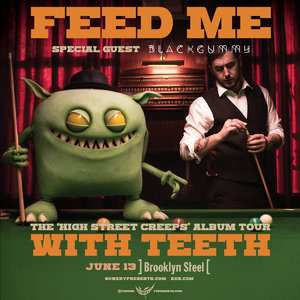
Brooklyn Steel is primarily a live-concert venue, with a booking profile that moves between indie and alternative rock, punk, metal, electronic music, pop, R&B, hip-hop, singer-songwriters, DJ events and occasional fan-meeting or special-format programs. The current calendar around September 5, 2026 shows the range clearly: Citizen, Virtual Riot and Blanke, Lucky Daye, Aldous Harding, Bikini Kill, The Charlatans UK, The Linda Lindas, Dying Fetus, Altın Gün, Tricky, Quadeca, TroyBoi, Rhye and Jai Wolf are among the recent or announced bookings. The 2027 calendar already includes Dinosaur Jr., SABAI x HOANG, Die Spitz and Blondshell, confirming that the room continues to serve touring acts between club scale and large theater or arena scale.
The venue’s recent history is especially associated with artist residencies and multi-night runs. LCD Soundsystem opened Brooklyn Steel with five sold-out concerts in April 2017, later became the first act to play ten shows there, returned for a planned 20-show residency in late 2021 and staged another 20-show run in 2022. The final three dates of the 2021 residency were canceled because of the Omicron surge. In 2023, LCD Soundsystem included four Brooklyn Steel dates in its New York residency, while Pavement played four consecutive nights. Car Seat Headrest’s three-night March 2022 run later became the source of the live album Faces from the Masquerade .
Other notable recent bookings illustrate the venue’s breadth. The 2024 program included Tycho, FIDLAR and Sleater-Kinney, while archived 2025 listings included Grizzly Bear, Autechre, The Beta Band, Josh Ritter, Momma, Narrow Head, King Buffalo, Fleshwater and Chat Pile. The room can therefore feel like an indie-rock hall on one night, a loud punk or metal club on another, and a dance-music venue when the stage is pushed forward and the floor is used for a late set.
Shows are frequent, but the exact schedule changes quickly. The most useful long-term expectation is a steady calendar of touring concerts rather than a fixed weekly series. Doors and age limits are event-specific, and current listings show all-ages, 16-and-over and 18-and-over formats. A typical concert lasts long enough to include an opener and a headliner, while DJ or fan-event programs may use different door and performance times.
Face-value pricing varies by artist, day and production. A practical recent range is roughly $20–$35 for emerging or smaller touring acts, $40–$80 for many established artists, and $80–$150 or more for high-demand shows, premium areas or special packages. A recent public listing showed a $30 ticket plus fees, while current secondary-market listings regularly display higher prices that do not represent normal face value. Treat resale prices as a separate market and compare the original price before paying a premium. ticketfairy.com
Tickets and Booking
Start with the venue’s current event calendar and use the primary purchase option attached to the individual show. On-sale dates are set show by show; current listings display separate announcement, presale and general-sale information when applicable. Artist presales, promoter presales and fan-club allocations may appear before the public sale, but there is no single presale schedule that applies to every Brooklyn Steel event.
For popular artists, buy as soon as the general sale opens and decide in advance whether you want the floor, balcony or any event-specific premium section. LCD Soundsystem’s 2021 residency sold quickly enough to require a waitlist, and multi-night runs by established acts can create similar demand. If a show is not sold out in advance, door sales may be available once the venue’s box office opens on the night of a show.
Keep the event’s age designation in mind before buying. The age rule belongs to the individual performance, not to the building as a whole. Bring identification if the event is age-restricted, particularly for 18-and-over programs. Doors commonly open 90 minutes to two hours before the advertised concert start, but the ticket and event listing control the actual time.
About Brooklyn Steel
Brooklyn Steel is an indoor, approximately 20,000-square-foot concert venue at 319 Frost Street in East Williamsburg. Its commonly published concert capacity is 1,800, although architectural descriptions refer to a reconfigurable room capable of accommodating about 2,000 people in certain layouts. The practical takeaway is that it is one of New York’s larger club rooms: big enough for major touring productions, but substantially more intimate than an arena.
The building began its conversion in July 2016 and was completed in 2017. It occupies a former steel fabrication plant, and the design deliberately retains that industrial identity through exposed structural elements, dark finishes, heavy steelwork and salvaged material. The original plant’s steel was reused in the venue, and an installation incorporating old industrial fans helped preserve the connection to the building’s previous life.
Brooklyn Steel became important because it gave Brooklyn a room for artists who had outgrown smaller clubs but did not yet need an arena. Its opening was part of the broader movement of live music into East Williamsburg’s former manufacturing district. The venue received a Brooklyn and Queens design award and a Pollstar award for best new concert venue in 2018, and its sound and architecture earned national critical attention soon after opening.
Seating and Layout
Most concerts use general admission. The main floor has no permanent rows of concert seats, so your experience depends on where you stand, how early you arrive and how crowded the event becomes. The floor is not simply a flat warehouse slab: structural work created raised audience areas and a sloped configuration that improves sightlines from farther back. For a close-up experience, arrive early and move toward the front. For more breathing room, the rear or side areas are usually easier to leave during a set.
A large second-floor balcony overlooks the rear portion of the room. The center rail is the most useful balcony position for a full-stage view, while the sides provide a more angled perspective. The balcony is generally better for visitors who want a stable sightline, less crowd pressure and easier access to the bars, although the sound and physical energy can feel less intense than on the floor. The balcony is reached by stairs, so it should not be treated as the accessible alternative to standing-room space.
Some events offer a premium balcony or Preferred Terrace arrangement with access to a designated viewing area and an adjacent lounge. These features are not guaranteed for every show and should be considered event-specific rather than permanent house seating. There is also an accessible viewing platform on the main floor, to the right of the stage when facing it, with folding chairs available by request.
Getting There and Parking
The address is 319 Frost Street, Brooklyn, NY 11222. The public entrance and concert line are around the Debevoise Avenue side of the building, near the Frost Street corner, so visitors approaching along Frost should look for the entrance around the corner rather than assuming the address marks the exact door.
The simplest subway option is the L train to Graham Avenue. From the station at Graham and Metropolitan Avenues, allow approximately 10–12 minutes on foot. The G train’s Nassau Avenue stop is also nearby, with a walk of roughly six to 10 minutes depending on the exit and route. The L/G complex at Metropolitan Avenue and Lorimer Street is another practical option, generally requiring a longer walk. Subway service and weekend work can change, so check the evening’s route status before leaving.
Nearby bus service includes the B24 and B43, with stops around Kingsland Avenue, Richardson Street and Graham Avenue. The closest bus stop is reported at Kingsland Avenue and Richardson Street, approximately a few minutes’ walk from the venue, while Graham Avenue and Richardson Street is farther away but useful when approaching from the L-train corridor.
Brooklyn Steel does not have a dedicated venue parking lot. Street parking exists on surrounding industrial blocks but becomes difficult on sold-out nights, especially close to doors. Nearby garages and lots are the more predictable option; published listings have shown event parking from about $13 to $25 on some dates, although rates and availability change by night. Build in time to walk from the parking location rather than expecting to park directly outside.
For rideshare or taxi drop-off, use the Frost Street and Debevoise Avenue corner or a nearby legal curb rather than blocking the concert entrance. After a sold-out show, the immediate blocks can become congested as large numbers of people request cars at once. Walking a few blocks toward Graham Avenue or Metropolitan Avenue before requesting a ride can make pickup easier.
Inside the Venue
Expect standard concert security, including walk-through metal detectors and bag inspection. Oversized bags, GoPro-style cameras and video cameras are not permitted, and the venue has a no-reentry policy. A normal-size backpack or smaller bag is generally allowed, but smaller is safer because all bags may be searched and event-specific restrictions can be stricter. Leave weapons, outside alcohol, large equipment bags, selfie sticks, laser pointers and similar items at home.
The room includes three bars and approximately 40 restroom fixtures, an unusually generous provision for a club of this size. Published visitor information describes drink service but no regular meal service, so dinner should be planned before arrival. A coat check is available on some nights; venue event documents have listed a fee of about $5 per item, but operation and pricing can vary.
The atmosphere is deliberately industrial: dark gray and black finishes, exposed steel, large structural elements and bright yellow wayfinding details. The room is spacious compared with many New York clubs, but a sold-out floor can still feel very dense, particularly near the front, bars and restroom routes. Recent visitor reports consistently praise the staff, room design and sound, while some describe difficulty moving through a packed floor during a set.
Sound, Lighting and Production
The installed sound system is a major part of Brooklyn Steel’s identity. The venue uses an L-Acoustics system built around ten K2 line-array elements, eight KS28 subwoofers, four K1-SB units, frontfill, delay, sidefill and drumfill speakers, with LA8 and LA12X amplification. The system was designed to deliver consistent coverage while allowing the room and stage to change size.
The technical architecture is unusually flexible for a club. A remote-controlled gantry retained from the former fabrication plant can reposition flown audio arrays, while a movable steel-and-concrete stage measures approximately 21 feet deep by 40 feet wide and can travel upstage or downstage by as much as 30 feet. The stage weighs more than 60,000 pounds, and the production grid moves with it. Three mezzanines were engineered for crowd flow, sightlines and vibration from dancing.
The project also includes three existing gantries, one of which was evaluated for a five-ton unit over the audience and for audio or lighting positions. That infrastructure lets touring productions adapt the room for a full-capacity rock show, a smaller stage presentation or an electronic set without treating every event as the same physical layout. Public project documentation confirms the rigging and stage systems; exact event lighting plots vary by artist and production.
Acoustic isolation was treated as a design problem from the beginning. A new 10,000-square-foot green roof acts as an acoustic lid, while an air gap, added mass and interior treatment help contain low frequencies. Windows facing nearby residences were replaced with concrete-filled blocks, and the venue uses full-height acoustic barriers around the performance space. The green roof also functions as an apiary, giving the building a sustainability feature rarely associated with a large concert club.
Nearby Amenities
The blocks immediately around Brooklyn Steel are more industrial than the denser Bedford Avenue and waterfront sections of Williamsburg. For a reliable pre-show meal, walk toward Graham Avenue or Metropolitan Avenue rather than expecting a restaurant directly beside the entrance. Fandi Mata is a nearby pizza and Mediterranean option, while DeStefano’s is known for steak. Mesa Coyoacan on Graham Avenue offers Mexican food and margaritas and is a practical stop from the Graham Avenue subway station.
For a drink before or after the show, the Graham Avenue and Metropolitan Avenue corridors provide more choices than Frost Street itself. Nearby neighborhood bars include FourFiveSix and other small beer, cocktail and music-oriented spots. Allow extra time if you want a sit-down dinner: popular restaurants may be busy before doors, and the venue line can build while you are still eating.
Accommodation is concentrated in Williamsburg and Greenpoint. Frequently listed nearby options include Henry Norman Hotel, Hotel Le Jolie, Franklin Guesthouse, The William Vale, McCarren Hotel & Pool, Hotel Indigo Williamsburg, The Hoxton Williamsburg and The Williamsburg Hotel. Henry Norman Hotel is among the closest, while the larger Williamsburg hotels are generally within a short rideshare trip or a walk of roughly 15–25 minutes.
For late-night travel, the L train is usually the most straightforward connection toward Manhattan, but service changes and post-show crowds can make the first train after a concert feel busy. If you are using a rideshare, walk toward a less congested avenue before requesting pickup. Visitors staying nearby can often walk back toward Graham Avenue, Greenpoint or Williamsburg’s hotel district instead of waiting at the busiest curb outside the venue.
What Makes This Venue Special
Brooklyn Steel’s distinguishing feature is the balance between raw industrial character and unusually sophisticated concert infrastructure. It looks like a former factory because much of the building’s structural language remains visible, yet the stage can move, the production grid can follow it, and the sound system was designed for controlled coverage rather than simply filling a large empty box.
The room also helped change the geography of New York live music. When it opened, audiences in Brooklyn no longer had to cross the East River to see many artists at the 1,000-to-1,800-capacity level. The venue became part of East Williamsburg’s conversion from manufacturing district to arts and nightlife corridor, bringing regular visitor spending to nearby restaurants, bars, hotels, transportation providers and production workers. No public venue-specific economic-impact study establishes a precise dollar figure, so this local economic effect is best understood as a reasonable result of its regular concert activity rather than a measured official total.
Its cultural importance comes from the combination of local identity and national reach. Brooklyn-associated artists such as LCD Soundsystem helped define the venue’s early reputation, while acts including PJ Harvey, The Decemberists, Mitski, Goldfrapp, Whitney, Tycho, Slowdive, Pavement, Car Seat Headrest and many others established it as a serious touring room. The booking history is broad without becoming generic: the room can support guitar bands, dance music, experimental acts, metal, pop and hip-hop while retaining the physical intensity of a club.
Visitor Tips and Information
Brooklyn Steel provides an ADA viewing platform on the main floor with ramp access, folding chairs and nearby accessible restroom facilities. Visitors who need assistance should identify themselves to security on arrival so staff can direct them to the accessible entrance and viewing area. The balcony is reached by stairs and should not be assumed to have elevator access. Because event layouts can change, guests with specific mobility, hearing or seating requirements should confirm arrangements before the show.
Bring only the essentials: ticket, identification when required, phone, payment method, medication and a small bag. Oversized luggage is particularly inconvenient because there is no guarantee it can be stored. Wear supportive shoes for a concrete standing floor, and consider hearing protection for loud rock, metal and electronic performances. There is no general dress code; practical clothing matters more than formality.
For a sold-out general-admission show, arriving around doors gives you the best chance of choosing a preferred floor position and reduces the pressure of the main security line. If you care more about a balcony rail than the front floor, arrive early enough to reach the stairs before the upper level fills. If you want to avoid the densest crowd, stand farther back or use the balcony, and do not wait until the middle of the set to cross the room for a drink or restroom break.
Frequently Asked Questions
What is the capacity of Brooklyn Steel?
Brooklyn Steel is generally described as an 1,800-capacity concert venue. Architectural material also describes a reconfigurable layout for approximately 2,000 attendees, depending on the event arrangement. Most concerts use a standing general-admission floor with a balcony, so the usable capacity and sightlines can change with stage position, production equipment, premium areas and any event-specific seating plan.
Is Brooklyn Steel an all-standing venue?
Most shows use standing general admission on the main floor, and there are no conventional theater-style seats across the room. The balcony may include rail space or limited seating depending on the event. Brooklyn Steel also has a designated accessible viewing platform with folding chairs. If you need to sit for medical or mobility reasons, do not assume ordinary floor admission includes a chair.
Where is the best place to stand?
For the closest artist view, arrive early and move toward the front of the general-admission floor. For a complete stage view with less crowd pressure, the center of the balcony is usually the strongest choice. The rear and side floor areas provide easier exits and more room to move. Sound can vary by location, so moving a few feet may improve the balance of vocals, guitars and bass.
Does Brooklyn Steel have a balcony?
Yes. A large second-floor balcony overlooks the rear portion of the main room and is one of the venue’s most useful viewing areas. The center rail offers a clear overview, while the side sections have more angled sightlines. Balcony access is by stairs, and current accessibility information does not identify it as an elevator-served area. Visitors needing step-free viewing should use the main-floor accessible platform.
What age do you have to be to enter?
There is no single age rule for every Brooklyn Steel event. Current listings show all-ages programs as well as 16-and-over and 18-and-over concerts. The age designation attached to your specific event controls entry, including whether younger guests need an adult. Bring identification for age-restricted shows, especially if you may be asked to verify that you meet the stated minimum.
When do doors open at Brooklyn Steel?
Doors commonly open between 90 minutes and two hours before the advertised concert start, but the exact time varies by artist, opener and event format. Fan meetings, DJ programs and special events may use a different schedule. Check the event information on your ticket before traveling, and arrive earlier if you want the front floor, balcony rail or an accessible position.
Can you buy tickets at the door?
If a show has not sold out in advance, tickets may be sold at the venue on the night of the event once the box office opens. Door inventory is not guaranteed, and popular shows can sell out before doors. Buying early is safer for in-demand artists. A door purchase may be useful for lower-demand concerts, but do not travel expecting availability without checking the event status first.
How much do Brooklyn Steel tickets usually cost?
Prices vary considerably, but recent public examples suggest about $20–$35 for emerging acts, $40–$80 for many established artists and $80 or more for high-demand concerts or premium packages. Fees are often added to the advertised price. Resale prices can rise far above face value, particularly for residencies, reunions and limited multi-night runs, so compare the original price before buying from a secondary seller. ticketfairy.com
What subway stop is closest to Brooklyn Steel?
The most commonly used stop is Graham Avenue on the L train, approximately a 10–12-minute walk from the venue. Nassau Avenue on the G train is also close, while the Metropolitan Avenue/Lorimer Street complex provides another option with a longer walk. Because weekend service changes are common in New York, check the route before leaving and allow extra time after late shows.
Does Brooklyn Steel have parking?
There is no dedicated venue parking lot. Visitors who drive must use street parking or a nearby public lot or garage. Street spaces can be difficult to find on busy concert nights, so a reserved garage is more predictable if you must bring a car. Published nearby listings have shown prices from roughly $13 to $25 on some dates, but rates vary with demand and event timing.
Where should rideshares drop off?
The practical meeting point is near the Frost Street and Debevoise Avenue corner, close enough to the entrance without stopping directly in the concert line. After a sold-out show, the curb outside may be congested and rideshare demand can surge. Walking a few blocks toward Graham Avenue, Metropolitan Avenue or another less crowded street can make it easier for a driver to reach you.
Is Brooklyn Steel wheelchair accessible?
Published accessibility information describes a ramped entrance, a main-floor accessible viewing platform to the right of the stage and folding chairs available on request. An accessible restroom facility is also identified near the platform. The balcony is reached by stairs, so it is not the dependable option for guests who need step-free access. Tell security about your needs when you arrive so staff can assist.
What bags are allowed inside?
A bag no larger than an average backpack is generally permitted, but all bags may be searched and event-specific restrictions can change. Oversized backpacks, luggage, beach bags and equipment cases are poor choices because they may be refused and cannot necessarily be stored. A small crossbody, purse or compact backpack usually makes entry easier, particularly during a crowded sold-out show.
Can I bring a professional camera or GoPro?
Oversized bags, GoPro cameras and video cameras are listed among the items not permitted. Ordinary phone photography may be governed by the artist’s instructions, so flash, long recording and professional-looking equipment can create problems even when casual phone use is tolerated. If photography matters to you, check the event-specific rules and bring only a phone unless professional equipment has been approved in advance.
Does Brooklyn Steel serve food?
Published venue information emphasizes several full bars rather than a regular restaurant or meal program. Plan to eat before arriving, especially because the venue sits in a relatively industrial part of East Williamsburg and nearby restaurants can become busy before doors. Graham Avenue, Metropolitan Avenue and the surrounding Williamsburg streets offer more dependable dining choices than relying on food service inside the concert room.
Are there restrooms and a coat check?
The venue is publicly described as having approximately 40 restroom fixtures and three bars. A coat check operates on some nights; event documentation has listed a fee of about $5 per item, though the service and price may vary. Arrive early if you need to check a coat, because lines can grow sharply just before the headliner and after the show.
Does Brooklyn Steel allow re-entry?
No-reentry rules are listed in current venue information, meaning you should not plan to leave for dinner, return to your car or step outside and come back in. Take care of food, transportation, smoking and coat-check decisions before entering. If you have an accessibility or medical need that may require leaving, ask venue staff about the arrangement before passing through security.
Why is Brooklyn Steel known for its sound?
The room uses a permanent L-Acoustics system with K2 line arrays, KS28 subwoofers, frontfill, delay, sidefill and dedicated amplification. Its movable stage and repositionable production grid help maintain coverage when the room is reconfigured. Visitor reviews frequently praise the clarity and volume, although any large concert room can sound different depending on the mix, crowd density and where you stand.
What kind of music is booked at Brooklyn Steel?
The program is broad but music-led. Expect indie and alternative rock, punk, metal, electronic and dance acts, pop, R&B, hip-hop, experimental performers, singer-songwriters and occasional special events. The room is particularly well suited to artists who have moved beyond smaller clubs but still want a standing audience and a more immediate atmosphere than a theater or arena can provide.