About Desert Safari Ras Al Khaimah
Desert Safari Ras Al Khaimah is best understood as an outdoor tour experience rather than a conventional theatre, arena or single-purpose venue. The attraction listing is based in Al Ashish, within the Al Wadi desert area, while individual packages may use Bassata Desert Village, Bedouin Oasis Camp or another nearby camp. Confirm the camp and pickup arrangements attached to your reservation rather than assuming every safari follows the same route.
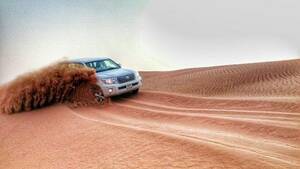
The standard experience combines hotel transfers, approximately 45 minutes of guided dune driving, a sunset stop, sandboarding, a short camel ride and an evening at a Bedouin-inspired camp. Dinner packages usually add henna painting, Arabic welcome drinks, shisha, a barbecue buffet and live Tanoura and belly-dance performances. Morning, private, romantic, quad-bike, dune-buggy and overnight versions are also available.
The setting is what distinguishes the Ras Al Khaimah safari from an urban attraction. Visitors travel through crimson, ochre and terracotta dunes associated with the Al Wadi landscape, where desert tourism sits alongside nature reserves, camel farms and traditional hospitality experiences. The atmosphere changes noticeably after sunset, when low seating, lanterns and open-air dining replace the afternoon’s off-road activity.
History and Development
A complete opening history for the business listed as Desert Safari Ras Al Khaimah has not been published. Its current web presence refers to operations spanning 2010–2026, and the attraction remained active with daily packages and recent visitor reviews in 2026. It should not be confused with the history of the individual desert camps used by safari companies.
Bassata Desert Village, the best-documented large camp associated with Ras Al Khaimah safaris, opened in 2014 under Red Sea Tourism. Designed as a Bedouin-style hospitality and events village, it developed into a venue for daily safari dinners, overnight stays, weddings, incentive groups, private celebrations and occasional music festivals. Its operator reports space for approximately 2,000–2,500 guests.
Bedouin Oasis Camp, another established Al Ashish option, opened in 2011 and was renovated in 2025. A 2025 meetings and events guide lists capacities of about 100 overnight guests and 350 people for dinner and shows. The presence of several camps explains why online descriptions sometimes quote different capacities, accommodation types and entertainment programmes for what appears to be the same Ras Al Khaimah desert safari.
Events and Programming
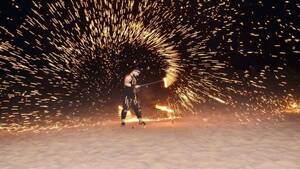
Programming is primarily experiential and recurring rather than a calendar of touring artists. Evening safaris run on most days, subject to weather and availability, with dune bashing followed by camel rides, sandboarding, dinner and a rotating sequence of Tanoura, belly-dance, fire or folkloric performances. Some premium Bassata packages also advertise dragon-fire and camel shows.
The camps can also support private weddings, corporate incentives, group dinners and bespoke cultural entertainment. Bassata’s open desert layout has previously accommodated electronic-music events: Ravestomp Festival took place in December 2022 with techno and psytrance artists, overnight camping, food stalls and a temporary production system. Mirage New Year 2023 followed with more than 20 local and international acts across three stages during a 20-hour programme.
Publicly documented activity since 2021 includes regular glamping and dinner-show operations in 2021, the two large music events in 2022, organised safari and private-event programmes through 2023–2024, and the introduction of electric off-road motorbikes at Bassata in 2025. In 2026, the verified programme remained focused on daily safaris, camel trips, overnight stays and bespoke events. No named public concert or festival beyond 2026 had been formally confirmed by August 2026.
Tickets and Booking
Advance booking is strongly recommended because this is a timed tour with vehicle and transfer allocation, not a walk-up attraction. Reservations should state the pickup hotel, number and ages of children, dietary needs, chosen activities and whether the vehicle is shared or private. Confirm whether tax, dinner and optional rides are included before paying.
As a planning guide, shared evening safaris are commonly advertised from about AED 200–400 per person. Private morning vehicles may begin around AED 600 for a group of up to six. Guided quad-bike packages generally fall around AED 250–475, while high-powered dune buggies can cost AED 1,400 or more per vehicle. Private romantic dinners and premium overnight rooms cost considerably more. Prices vary with transfers, season and inclusions.
Cancellation terms are operator-specific, although 24 to 48 hours’ notice is common for a full refund. Late cancellations, missed pickups and partially used tours are generally non-refundable. Popular winter evenings, weekends, public holidays and large-group dates should be reserved well ahead.
Seating, Layout and Production
There is no numbered auditorium seating plan. Guests normally sit around a central outdoor performance and dining space on low cushions, rugs, benches or dining chairs. Standard packages may use shared tables, while VIP and private packages can provide table service, gazebos or separated majlis-style areas. Front or centrally positioned tables offer the clearest view of the dancers and fire performers.
Bassata’s quoted 2,000–2,500 capacity applies to large event configurations, not necessarily a normal safari dinner. Bedouin Oasis is substantially smaller, with a published dinner-and-show capacity of approximately 350. Neither the attraction nor the major camps publish verified dimensions, fixed seating charts or permanent stage measurements.
Regular shows use amplified music, microphones, coloured lighting and performance effects, but a permanent sound, lighting or rigging inventory is not publicly available. Large festivals and private events bring temporary stages, sound systems, generators, décor and production equipment. Event organisers should therefore request a current technical specification rather than relying on equipment used for a previous festival.
Getting There and Parking
The attraction listing is at HR8C+2H in Al Ashish, Ras Al Khaimah. Nearby camps lie off the Emirates Road and Al Shohadaa Road approaches within the Al Wadi desert district. Because camp entrances and operator offices are not always in the same place, use the location supplied with your booking on the day of travel.
Hotel pickup is the simplest option and is included in many packages from Ras Al Khaimah resorts. There is no direct public bus to the desert camps, and the final approach requires a private vehicle or taxi. Visitors travelling independently should arrange the return journey before arrival; taxis may not wait in the desert unless pre-booked.
Bedouin Oasis is roughly 20–30 kilometres from central Ras Al Khaimah, about 15 kilometres from Al Hamra Mall and approximately 13–22 kilometres from the airport, depending on the route and mapping method. Standard cars can reach established camp entrances, although low-clearance sports cars are not advised. Public information does not provide a verified parking-space count or universal parking charge.
Inside the Camp
Expect an informal outdoor environment rather than an enclosed, climate-controlled venue. Arrival usually includes dates, Arabic coffee or tea and soft drinks. Activities take place before dinner, followed by a barbecue buffet with vegetarian dishes available when requested. Some operators can prepare Jain meals with advance notice. Alcohol is normally excluded, and availability varies by camp, package and licensing conditions.
Established camps provide toilets and handwashing facilities, although their standard and distance from the seating area vary. Overnight products range from basic tents with shared bathrooms to air-conditioned huts, domes, pods and rooms with private facilities. There is no verified public coat check, permanent merchandise counter or guest Wi-Fi standard, so carry only what you need.
Nearby Amenities
The desert camps are isolated, with no practical pre-show restaurant or bar within walking distance. The nearest concentration of dining, shops and hotels is around Al Hamra Village and Al Marjan Island. Al Hamra Mall is approximately 15 kilometres from Bedouin Oasis, while the Ritz-Carlton Al Wadi Desert provides the closest luxury resort setting to several safari routes.
If you are not using an included transfer, allow extra time for the desert access road and arrive before the stated activity time. Overnight guests should bring personal toiletries and any essential medication, as returning to a shop after check-in is inconvenient. Late-night transport should always be arranged in advance.
Accessibility, Policies and Visitor Safety
American ADA legislation does not apply in the UAE, and no comprehensive step-free-access specification has been published for this attraction. Loose sand, uneven ground, low seating, camel mounting and high-sided 4x4 vehicles create significant barriers. Travellers with limited mobility should request a private transfer, standard-height chair and direct-to-camp itinerary, while confirming the location of accessible toilets before booking.
Dune bashing is generally unsuitable for pregnant guests and people with serious back, neck, heart or motion-sickness concerns. Infants may be excluded, and young children require appropriate safety seats and adult supervision. Anyone skipping the dune drive should ask whether a gentler road transfer to the camp can be arranged.
Bring valid photo identification, sunscreen, sunglasses and a hat. Wear breathable clothing with good coverage and closed shoes suitable for hot sand. A light jacket is useful on winter nights. Large luggage, pets, illegal substances and unsafe participation in motorised activities are generally prohibited. Buggy and quad-bike guests may be required to sign a waiver.
Live dancing and alcohol service may be reduced or suspended during Ramadan and other religious occasions. Photography for personal use is normally part of the experience, but visitors should ask before photographing local staff, other families or performers at close range.
Recent Visitor Experiences
Recent reviews consistently praise the experienced dune drivers, punctual hotel pickups, sunset scenery, family-friendly atmosphere and breadth of activities. Visitors particularly mention the barbecue dinner, fire shows, quad biking and the willingness of guides to help with photographs. A 2026 family review also described flexible early transport for an autistic guest who became overstimulated.
More critical comments note that camel rides can be very short, the evening programme may feel commercial rather than historically authentic, and some extras are sold after arrival. Motion sickness and summer heat are recurring concerns. Confirm ride durations and add-on prices in writing, and choose an evening departure during the hottest months.
What Makes This Experience Special
The safari connects modern adventure tourism with a landscape fundamental to Emirati identity. Low tents, communal coffee, camels, majlis-style hospitality and stories of desert travel introduce traditions shaped by water scarcity, seasonal movement and strong obligations towards guests. The presentation is designed for visitors, but its underlying themes remain central to Bedouin heritage.
Desert venues also contribute to Ras Al Khaimah’s expanding visitor economy. The emirate welcomed 1.35 million overnight visitors in 2025, with tourism revenue rising 12% and meetings and wedding revenue growing 25%. Camps support drivers, guides, performers, caterers, animal handlers and event-production businesses while giving weddings and incentive groups an alternative to coastal resorts.
That growth carries environmental responsibilities. Ras Al Khaimah’s tourism strategy calls for economic benefits to reach local businesses while protecting desert habitats, conserving cultural heritage and reducing waste, water use and environmental disturbance. Visitors can help by remaining on authorised routes, avoiding wildlife, refusing litter and choosing responsibly managed activities.
Frequently Asked Questions
Is Desert Safari Ras Al Khaimah one fixed venue?
No. It is an attraction and tour operation based around Al Ashish and the Al Wadi desert. Packages may use different camps, including Bassata Village or Bedouin Oasis. Check the named camp, pickup point and return arrangements on your confirmation, as facilities and capacities differ considerably between sites.
How long does an evening desert safari take?
Allow approximately five to six hours, including hotel pickup, dune driving, the sunset stop, camp activities, dinner and entertainment. Transfer time varies with your hotel and the number of shared pickup points. Private packages can be more direct, while overnight stays continue until breakfast and checkout the following morning.
What time does the evening safari start?
Pickup is normally during the mid-to-late afternoon so the dune drive reaches a viewing point before sunset. Exact times move with the season and your hotel location. Keep the afternoon free and be ready before the assigned pickup window, as a missed shared transfer may be treated as a no-show.
How much should I budget?
A shared dinner safari generally starts around AED 200–400 per person. Budget extra for quad bikes, longer camel rides, dune buggies, photographs, premium seating or private transfers. Overnight accommodation ranges from basic tents to air-conditioned rooms, with prices commonly extending from several hundred dirhams to more than AED 1,000.
Is dinner included?
Dinner is included in most evening and overnight packages but not automatically in every morning, camel or motorised tour. Typical inclusions are barbecue meats, rice, salads, bread, vegetarian dishes, water and soft drinks. Declare vegetarian, vegan, allergy-related or Jain requirements when reserving rather than waiting until arrival.
Can I visit without dune bashing?
Usually, provided it is arranged beforehand. A private or direct-to-camp transfer may allow pregnant travellers, older guests or people with back and motion-sickness concerns to attend dinner and entertainment without crossing the dunes at speed. This option is not guaranteed on a shared vehicle, so obtain written confirmation before booking.
Is the safari suitable for children?
Many families attend, but age rules differ by operator and activity. Infants may not be accepted for dune bashing, and some products admit children only from age four. Request an age-appropriate safety seat, supervise children around animals and vehicles, and consider a private transfer if your child needs a quieter or shorter experience.
Can wheelchair users participate?
Do not assume full wheelchair accessibility. Deep sand, uneven paths, low cushions and high vehicle steps are common, and a verified accessible route has not been published. Camp-only participation may be possible with a private transfer, firm-surface drop-off, dining chair and staff assistance, but accessible toilet arrangements must be confirmed individually.
What should I wear?
Choose lightweight, breathable clothing that covers the shoulders and legs, with secure closed shoes for sandboarding and walking on hot sand. Bring sunglasses, sunscreen and a hat. From November to March, add a light jumper or jacket because open desert camps can feel cool after sunset. Avoid loose jewellery and impractical heels.
Can I drive directly to the camp?
Yes, established camps can generally be reached in a normal car by following the confirmed access route, although very low-clearance vehicles are discouraged. Do not navigate solely to an operator’s office or generic attraction pin. Request the current camp location and prearrange your return if travelling by taxi.
Is there public transport to Desert Safari Ras Al Khaimah?
No direct public bus serves the desert camp entrances. Buses can take visitors between major urban districts, but the final section requires a taxi, tour transfer or private car. An included hotel pickup is normally more convenient and may cost less than arranging separate outward and late-night taxi journeys.
Are quad bikes and dune buggies included?
Usually not in the lowest-priced evening package. Quad bikes and buggies are commonly sold as add-ons or separate tours, with different vehicle sizes and ride durations. Check whether the activity is guided, where it takes place, what safety equipment is supplied and whether insurance is included before signing a waiver.
Can I stay overnight in the desert?
Yes. Options range from basic igloo or regular tents with shared toilets to air-conditioned treehouses, domes, heritage huts, pods and sandy rooms. Most overnight packages include dinner, evening entertainment and a light breakfast. Compare bathroom arrangements and air conditioning carefully, particularly when travelling during the hotter months.
Are alcohol and shisha available?
Shisha is commonly available, although it may be included only in a communal area or charged separately. Alcohol is normally excluded and depends on the camp’s licence and package. Service and live entertainment may change during Ramadan or religious observances, so visitors should not assume the normal programme operates every evening.
What happens during bad weather?
Sandstorms, heavy rain, poor visibility or unsafe driving conditions can lead to modified routes, postponed departures or cancellation. The operator may offer another date or refund according to its policy. Provide a reachable local telephone number, keep the afternoon flexible and avoid making a tightly timed onward booking immediately after the safari.
How far in advance should I arrive for pickup?
Be ready at your hotel lobby approximately 10–15 minutes before the confirmed window. Shared vehicles may collect guests from several resorts, and sunset timing leaves limited room for delays. Keep identification and essential belongings with you, use the toilet beforehand and inform the operator promptly if your room, hotel or group size changes.
What is the best time of year to go?
November to mid-March offers the most comfortable temperatures for dune activities, outdoor dining and overnight stays. Summer safaris still operate, but late-afternoon departures are preferable and heat-sensitive travellers should avoid optional daytime rides. Winter weekends are popular, so book early and bring a layer for the cooler journey back.