About Ras Al Khaimah
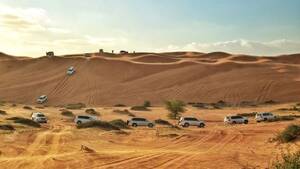
Despite sometimes appearing in event listings as “Ras Al-Khaimah”, this is not one building with a single address, capacity or seating plan. It is the city and wider emirate of Ras Al Khaimah, commonly shortened to RAK. Organisers use the destination name for events staged at Al Marjan Island, Al Hamra, Al Jazirah Al Hamra Heritage Village, Al Nakheel, desert resorts, Jebel Jais and other temporary locations.
This distinction matters when planning a visit: the exact site printed on your ticket determines everything from parking and seating to accessibility and weather exposure. The emirate’s established infrastructure ranges from a roughly 1,000-seat cultural theatre to exhibition halls, resort ballrooms, beaches, golf courses and temporary outdoor arenas. The Ras Al Khaimah Exhibition Center in Al Nakheel has three event areas, 37,400 square metres of space and a reported maximum capacity of 5,000. Al Hamra International Exhibition & Convention Center offers 2,700 square metres and capacity for up to 3,000.
History and Development as an Event Destination
Ras Al Khaimah has evidence of continuous settlement stretching back more than 7,000 years. Historically known as Julfar, it became an important Arabian Gulf trading centre associated with seafaring, pottery and pearling. The Qawasim later developed one of the region’s strongest maritime fleets. Ras Al Khaimah formally joined the United Arab Emirates on 10 February 1972.
Modern cultural infrastructure expanded around the turn of the millennium. A 2001 account of the Ras Al Khaimah Cultural Centre described a main theatre with 940 seats, an orchestra area, balcony, a 210-seat projection room, galleries, reading rooms and multimedia facilities. Current venue directories generally round its auditorium capacity to 1,000. The Ras Al Khaimah Art Festival followed in 2013, initially as a three-day exhibition for 30 emerging artists. Since 2019, its principal home has been Al Jazirah Al Hamra Heritage Village, where restored coral-stone houses and lanes function as an open-air gallery.
Events and Programming
Programming is unusually diverse because Ras Al Khaimah treats its landscapes as event spaces. The documented 2021 calendar included the Art Festival, New Year fireworks and the Global Citizen Forum, whose gala featured Nicole Scherzinger, Wyclef Jean, Emmanuel Kelly and Afrojack. In 2022, the Art Festival celebrated its tenth edition, RAKtopia launched as a beach-based music and wellness festival at Longbeach Campground, and the emirate continued hosting international conferences and professional golf.
Major 2023 programming included the Ras Al Khaimah Half Marathon, triathlon, Arab Aviation Summit, Global Citizen Forum and the 24-team Minifootball World Cup in a purpose-built waterfront stadium. The year also demonstrated the destination’s range: mountain cycling, art, live music, industry conferences and mass-participation sport could all appear on the same calendar.
In 2024, 106 artists from 35 countries and approximately 45,000 visitors attended the month-long Art Festival. Other documented events included HIGHLANDER, professional golf, the half marathon, a gaming competition, the Arab Aviation Summit and Global Citizen Forum. Armin van Buuren’s 1,000-ticket Pillars of Creation premiere at Al Wadi Desert combined trance music with large-scale lighting and visual production. New Year celebrations continued along the Al Marjan–Al Hamra waterfront.
The 2025 calendar featured more than 100 artists at the Art Festival, the UAE Tour’s Jebel Jais stage, professional golf, major wedding and real-estate conferences, and a half marathon gathering reported at more than 10,000 participants and spectators. Ras Al Khaimah welcomed 1.35 million overnight visitors during the year.
In 2026, the 14th Art Festival brought together more than 100 artists from 49 countries, while the half marathon returned to an all-Al Marjan Island route. Other promoted programming included the UAE Tour and HIGHLANDER. A Russian-language open-air music festival, Zhara Fest, was announced for Al Marjan Island with Grigory Leps, Ani Lorak, Emin and other artists, although its revised date remained unconfirmed at the time of research in August 2026.
Beyond 2026, the Art Festival has announced a “Lost in Translation” edition for 22 January–14 February 2027. Wynn Al Marjan Island is also scheduled to introduce a purpose-built theatre and an original immersive production in 2027, offering both conventional seated viewing and a roaming backstage experience.
Tickets and Booking
There is no central box office for “Ras Al Khaimah”. Buy through the official sales channel named by the individual organiser, resort or cultural institution, and check that the ticket states the precise district and entrance. Large public celebrations and the main Art Festival exhibition are frequently free, while workshops, dining experiences, races, conferences and concerts may be separately charged.
Recent chamber-style candlelight concerts in a desert resort started around AED 200, illustrating the likely entry point for premium small-capacity performances. Prices for festivals, races and VIP hospitality vary too widely to give a dependable emirate-wide range. For limited concerts, book soon after release; for free events, reserve parking or admission if registration is requested.
Seating, Layout and Production
Layouts depend entirely on the site. The Cultural Centre provides traditional fixed theatre seating. Exhibition centres can be configured with stages, theatre rows, banquet tables, booths or standing floors. Resort ballrooms usually offer divisible, pillar-free layouts, while beaches, heritage lanes and desert sites are commonly general admission with temporary stages, barriers and hospitality areas.
At standing concerts, the clearest overall view is normally behind the densest front section and near the production control position, where sound and lighting are balanced. At Al Jazirah Al Hamra, there is no single “best seat”: visitors move between courtyards, coral buildings, screenings and installations. Wear stable footwear because historic surfaces may be less even than a purpose-built auditorium.
No permanent sound or lighting specification applies across Ras Al Khaimah. Major outdoor shows bring temporary line-array audio, video, lighting and staging systems appropriate to each landscape. Looking ahead, Wynn’s 2027 development has announced a 900-capacity theatre seating 450, with advanced staging, sound and lighting. Its 7,708-square-metre events centre will include a 2,633-square-metre column-free ballroom, six meeting rooms and a 1,390-square-metre event lawn.
Getting There and Parking
Always navigate to the specific venue, not simply “Ras Al Khaimah”. Al Marjan Island, Al Hamra and Al Jazirah Al Hamra are in the southern coastal tourism district. Al Nakheel and the Cultural Centre are closer to the city. Al Wadi Desert lies inland, while Jebel Jais requires a separate mountain drive. Walking between these districts is not practical.
Drivers from Dubai commonly approach via E311 or E611 before joining roads towards Al Hamra and Al Marjan Island. Published road distance from Dubai to Ras Al Khaimah is approximately 79 kilometres, although travel time rises sharply during New Year celebrations and road closures.
As published in August 2026, intercity buses connected Dubai’s Union bus station with Ras Al Khaimah for approximately AED 27–30 each way. City routes cost AED 8, including the Red Line towards Al Jazirah Al Hamra, Green Line towards the airport and Orange Line linking Al Nakheel with the main bus station. Most city services finish between approximately 9pm and 10pm, so they may not suit late concerts.
Metered taxis operate around the clock. Published standard tariffs began at AED 4 by day or AED 5 at night, plus distance and end-of-trip charges. Parking varies by event: resorts and smaller cultural sites usually have on-site or adjacent spaces, whereas major waterfront festivals create temporary car parks and traffic systems. New Year events have required vehicle registration, early arrival and use of assigned parking zones; roads to the principal celebration area have closed as early as 8pm.
Inside the Event
Expect ticket or registration checks, possible identity verification, bag inspection and security screening. There is no destination-wide bag-size rule, so follow the individual event notice. Temporary festivals generally provide portable toilets, food trucks, first aid and information points; resort and convention events use permanent hospitality facilities. Merchandise, cloakrooms and cashless payment cannot be assumed.
Alcohol may only be consumed in licensed areas such as approved hotel venues or designated festival bars. Public drinking outside authorised spaces is prohibited. Dress is generally smart-casual or relaxed, but modest clothing is appropriate in public and heritage locations. Personal photography is often accepted, subject to performer restrictions and respect for other visitors; professional cameras and drones may require permission.
Nearby Amenities
Al Marjan Island and Al Hamra have the strongest concentration of beach resorts, restaurants, cafés and visitor accommodation. Options include large properties operated under the Waldorf Astoria, Ritz-Carlton, Mövenpick, Hampton, Rixos and Pullman brands. Al Hamra Mall provides an indoor alternative for meals and shopping before events at the heritage village or southern waterfront.
City events around Al Nakheel or Al Qawasim Corniche are closer to local restaurants, Manar Mall and business hotels. Desert-resort events are comparatively self-contained, so eat on site or before departure. For Jebel Jais programmes, carry water and do not rely on finding late-night services near the event. After buses finish, a taxi, hotel transfer or designated driver is the practical return option.
Accessibility and Inclusive Facilities
ADA is a United States standard and does not govern UAE venues. In Ras Al Khaimah, the usual term is “People of Determination”, and accessibility is regulated through UAE and local building requirements. These call for accessible routes, parking, toilets and suitable lifts in applicable public and commercial buildings.
Accessibility still varies at outdoor and historic sites. The destination publishes a list of hotels and attractions with accessible parking, ramps, rooms, leisure facilities and meeting spaces. Major New Year festival plans have included wheelchair-accessible pathways, ramps, dedicated parking and assistance staff. Contact the specific organiser before booking if you require step-free seating, a companion place, hearing support, accessible transport or medication storage.
What Makes Ras Al Khaimah Special
Ras Al Khaimah’s defining feature is that the setting often becomes part of the production. Electronic music can be staged among desert dunes, contemporary art inside a former pearling village, road races on a coral-shaped island and endurance challenges in the Hajar Mountains. This gives events a sense of place that a conventional arena cannot reproduce.
The events sector also supports a wider economic strategy. Overnight visitors increased from 1.28 million in 2024 to 1.35 million in 2025, with tourism revenues rising 12% in each reported year. MICE visitors grew 15% during 2024. The Art Festival simultaneously supports emerging artists, activates heritage buildings and brings tens of thousands of visitors into the community, linking conservation with creative-industry and tourism growth.
Visitor Tips and Information
Check the district, entrance and parking instructions before leaving. Allow at least 60–90 minutes for an ordinary ticketed event and several hours for New Year celebrations or international sport. Outdoor programming is most comfortable from autumn through spring; evenings can be cool in the desert and considerably cooler on Jebel Jais, while exposed daytime events require sun protection and water.
Recent visitors describe the Art Festival’s heritage-village setting as relaxed, atmospheric and more intimate than larger city arts events. Reviewers praise the preserved architecture, clean facilities and plentiful parking, but recommend water, closed shoes and enough time to explore. New Year visitors consistently warn that traffic is the main drawback, particularly when arriving from Dubai late in the evening.
Frequently Asked Questions
Is Ras Al Khaimah one specific concert venue?
No. It is a city and emirate used as a broad event-location label. Your booking may ultimately be for Al Marjan Island, Al Hamra, Al Jazirah Al Hamra Heritage Village, Al Nakheel, a beach resort, Al Wadi Desert or Jebel Jais. Never travel using only the destination name; confirm the individual venue and entrance first.
What is the capacity of Ras Al Khaimah?
There is no single capacity. The Cultural Centre holds approximately 1,000, Al Hamra International Exhibition & Convention Center reports capacity up to 3,000, and the Ras Al Khaimah Exhibition Center reports up to 5,000. Temporary waterfront events can accommodate much larger crowds, but their safe capacity and layout are determined separately for each production.
Are events in Ras Al Khaimah indoors or outdoors?
Both. Conferences, theatre and exhibitions frequently use cultural centres, hotel ballrooms and exhibition halls. Music festivals, fireworks, races, art installations and adventure events are often outdoors on beaches, islands, heritage sites, golf courses, desert land or mountain routes. Check whether your ticket specifies standing, seated, covered or fully exposed conditions before choosing clothing.
How much do tickets usually cost?
Public art exhibitions, New Year festivals and community programmes are often free, although premium zones and activities may cost extra. Small-capacity concert listings have recently started near AED 200. Race entries, conferences, dining events and VIP concert packages vary substantially. The individual event listing is the only dependable source for inclusions, age categories and refund terms.
Can I buy tickets at the door?
Door sales depend on the organiser and should not be assumed. Limited-capacity concerts, gala events, workshops and dining experiences can sell out in advance. Free festivals may still require parking registration or timed reservations. Buying through the organiser’s authorised channel also reduces the risk of receiving an invalid ticket or incorrect instructions from an unofficial reseller.
What are the best seats for a concert?
For a fixed theatre, central seats around the middle rows generally balance sightlines and sound. At a standing outdoor concert, a position near the production-control area often provides the most balanced audio and a complete view of lighting and screens. Front barriers offer proximity but may involve crowd pressure, louder sound and a restricted view of the full production.
Is parking free at Ras Al Khaimah events?
Many resorts, malls and heritage locations provide complimentary parking, but this is not universal. Major festivals may use temporary, registered or assigned car parks, while premium tickets sometimes include a dedicated pass. New Year parking is particularly controlled. Read the event map carefully because the correct car park may be some distance from the stage or viewing area.
Can I reach events by public transport?
Intercity and local buses serve Ras Al Khaimah, including routes towards Al Jazirah Al Hamra, the airport, Al Nakheel and the main bus station. They do not necessarily stop beside every resort or temporary arena. Because many services finish by approximately 9pm–10pm, visitors attending late events should plan a taxi or hotel transfer for the final leg and return journey.
How early should I arrive?
Arrive 60–90 minutes before a normal performance, allowing longer for ticket collection or unfamiliar resort entrances. Races may require arrival before sunrise. For New Year waterfront celebrations, arrive several hours early because parking fills, road restrictions begin and police may close approaches by evening. Late arrival can leave you walking a considerable distance or unable to enter the event zone.
Is Ras Al Khaimah accessible for wheelchair users?
Many modern hotels, exhibition spaces and public events provide step-free entrances, accessible toilets and designated parking, but heritage, desert and mountain conditions vary. UAE venues use the term People of Determination rather than ADA compliance. Request precise details for the named site, including surface type, viewing-platform access, companion seating, drop-off distance and availability of staff assistance.
What is the bag policy?
There is no emirate-wide bag policy. Security teams may inspect bags and prohibit large luggage, glass, sharp objects, outside alcohol or professional equipment. Race baggage usually follows a separate labelled-bag system. Carry only essentials in a compact bag and check the individual event notice, especially for concerts, conferences and temporary waterfront festivals with controlled security perimeters.
Can I bring food and drink?
The policy changes by event. Some outdoor viewing and camping zones permit personal refreshments, while enclosed festival grounds may prohibit outside food and drink. Food trucks, hotel catering or concession stalls are common at major events. Alcohol must remain within licensed areas and cannot be consumed freely in public. Never bring glass containers unless the organiser expressly permits them.
Are children allowed at events?
Family festivals, art programmes, fun runs and public fireworks commonly welcome children. Certain concerts, night-time resort events, bars and VIP zones may impose minimum ages of 18 or 21. Children may also require their own ticket even when seated with an adult. Check both the age rule and identification requirement before travelling, rather than relying on the event’s general description.
What should I wear to an outdoor event?
Choose breathable, modest clothing, comfortable closed footwear, sun protection and a light evening layer. Heritage-village lanes and desert surfaces favour trainers over heels. Jebel Jais can be much cooler than the coast, particularly after sunset. For resort galas or conferences, smart-casual or formal dress may be specified. Swimwear should remain within beach and pool areas.
Can I take photographs or fly a drone?
Personal phone photography is usually acceptable unless the performer or organiser restricts it. Ask permission before photographing individuals and never photograph sensitive government or military sites. Professional cameras may need accreditation. Drones require appropriate authorisation and are commonly banned around crowds, fireworks and controlled airspace; unauthorised equipment may be stopped or confiscated at major celebrations.
What happens if bad weather affects an event?
Outdoor events may delay, shorten, relocate or cancel programming because of wind, rain, heat, reduced mountain visibility or unsafe sea conditions. Keep your booking confirmation available for official notifications and review the refund or postponement terms. Do not travel onto mountain roads during severe conditions merely because the event has not yet issued a public cancellation notice.
Where is the best area to stay after an event?
Stay around Al Marjan Island or Al Hamra for waterfront festivals, the Art Festival and southern resort events. Choose the city or Al Nakheel for the Cultural Centre, exhibition centre and Corniche programming. For Al Wadi Desert, the host resort is usually the simplest option. Mountain events still require a drive, so prioritise accommodation with organised transport or secure late check-in.