About Playa del Carmen
Playa del Carmen (simply “Playa” locally) is a bustling Caribbean resort city in the Solidaridad municipality of Quintana Roo, Mexico. The city grew rapidly from a small fishing village into a major tourist hub, officially becoming a municipality in 1993. Playa is known for its white-sand beaches, warm turquoise sea and relaxed island vibe, while its signature feature is the long pedestrian boardwalk (Quinta Avenida) lined with shops, cafés and bars. Visitors often stroll the five-mile (8 km) pedestrian promenade that parallels the shore . The city’s unique charm blends casual beach living with modern amenities. Iconic attractions include the bronze “Fundadores” sculpture (two mermaids forming an arch) on the oceanfront and the 19th-century church of Our Lady of Guadalupe in the town center. Playa’s beachfront is a gateway to the Mesoamerican Barrier Reef (visible just offshore), making it popular for snorkeling and diving. In recent decades, Playa del Carmen has become the cultural heart of the Riviera Maya: a place where local Mayan tradition and international flair coexist, driven by festivals, markets and a vibrant nightlife scene.
Events and Programming
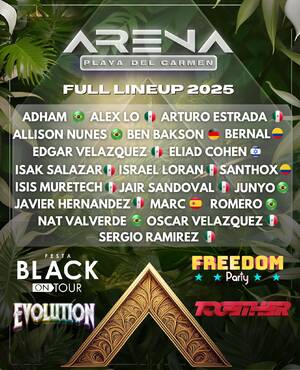
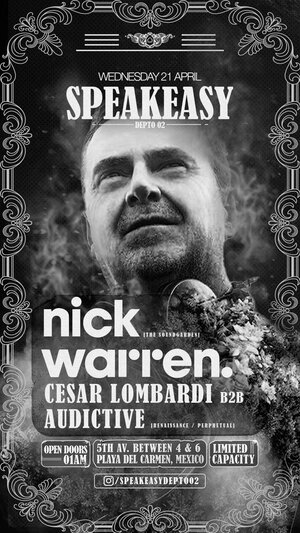
Playa del Carmen hosts festivals and live events year-round. The biggest local celebration is the annual Carnival in late February–early March, when Fifth Avenue and downtown are filled with colorful parades and nightly free concerts on a beachfront stage . For example, Playa’s 2025 Carnaval (Feb 26–Mar 4) featured top Latin acts like Jesse & Joy, Bomba Estéreo and Nicki Nicole . In the fall, the city holds a multi-day Jazz Festival , bringing international jazz and Latin artists to the Teatro de la Ciudad and other venues. (In 2025 the Jazz Fest offered single-day tickets around MXN 950 each and a 3-day pass for MXN 1,950 .) Besides these highlights, Playa’s calendar includes Day of the Dead festivities in early November, Christmas and New Year’s fireworks on the beach, and fiestas for Mexican Independence Day. Every weekend and holiday sees something special: art markets, street performances, seaside yoga classes, and open-air concerts or DJ sets on Playa’s beaches. Local clubs and theaters host live music shows almost nightly, ranging from beachfront reggae to Spanish-language theater. Whether it’s a salsa band in a plaza, a DJ on a rooftop bar, or a cultural dance show at Parque Fundadores, Playa del Carmen offers a steady stream of entertainment for visitors.
Tickets and Booking
Buying tickets in Playa del Carmen varies by event. Major festivals like Carnival and Jazz require advance planning: tickets for multi-day events often go on sale weeks or months ahead. For instance, Jazz Festival passes were sold through local ticket outlets (often via boletos.org.mx) and at the Teatro box office . Carnival concerts on the central stage are usually free, though you may need to register for a wristband through the city’s event office. For other concerts and shows, look for approved ticket vendors or purchase directly at the venue box office. Beware of touts; always use formal channels. Smaller rooftop or club events sometimes sell tickets at the door. Ferry tickets to Cozumel are sold at the Ultramar terminal (around MXN 100 one-way for adults ) or online, and ADO bus tickets to Cancun/Tulum can be bought at the ADO counter or official app. Booking early is wise for popular shows and busy dates – hotels and guided tours also sell out quickly around Carnival, Christmas and Spring Break.
Seating and Layout
Playa del Carmen’s venues are an eclectic mix of indoor theaters, open-air plazas and beachfront stages. The modern Teatro de la Ciudad (City Theater) has about 726 fixed seats plus a few wheelchair spots . Best views here are in the center orchestra section, with front-center rows offering the clearest sightlines and acoustics. For open-air events, seating is usually bench-style or general admission. Carnival concerts at Plaza 28 de Julio Amphitheater have tiered bleachers, so arriving early helps secure a front-row bench. Parades and street fairs line Fifth Avenue, where the entire avenue serves as viewing space – you can stand curbside or grab a café table along the route. Beach clubs and poolside venues typically offer a mix of high-top tables and cabanas; VIP sections are up front or on terraces, while general admission stands by the stage or around the pool. If you want an immersive view, pick a spot near the stage, but be warned these areas get crowded. In summary: for indoor shows, sit center; for outdoor gigs, stake out a spot early; and along Fifth Avenue, watch from any intersection for the best parade angles.
Getting There and Parking
Playa del Carmen is easy to reach by road, bus or ferry. It’s about 70 km (45 miles) south of Cancún International Airport (CUN) via Highway 307, a drive of roughly an hour. ADO shuttle buses run frequently from Cancun and the airport to Playa’s ADO Turística terminal (located at Quinta Avenida #141 on 5th, open 24/7) . Taxis and private shuttles are also available – a taxi from Cancun Airport usually costs about $90–$100 USD. If you rent a car, note that Mexican toll roads apply on the highway from Cancun. Boats arrive daily from the Cozumel ferry pier (just north of downtown); the Ultramar ferry from Cozumel takes about 40 minutes .
Parking downtown can be challenging but manageable. There are color-coded street parking zones: Green (~20 MXN/hr), Yellow (~15 MXN/hr) and Red (~10 MXN/hr) . Pay at an on-street kiosk or via the “Estacionamiento Playa” mobile app (plus a 10% fee). The city limits street parking to 3 hours on weekdays . Note: parking on Fifth Avenue is free at night (9pm–7am), Sundays and Mexican holidays . For longer stays, use one of the public garages. Popular lots include a covered garage on 5th Avenue (about MXN 180–200 per day with 24h security and EV chargers) and the Centro Mall lot (around MXN 170/24h) . During big events, tourists can save money by parking outside the center – for example Puerto Aventuras, 15 minutes south, offers a park-and-ride shuttle service for about 30 MXN round-trip . In summary, plan to pay for most downtown parking (or rely on your hotel’s lot) and use apps to extend time remotely to avoid fines .
Inside the Venue
Once at a show or gathering, you’ll encounter Playa del Carmen’s relaxed yet lively atmosphere. Entry procedures depend on the event: large concerts and festivals often have security checkpoints for ticket scanning and quick bag checks. Indoor venues like the Teatro de la Ciudad also have a box office or ticket desk, security and assigned seating. Outdoor or street parties typically allow free movement, though popular spots may require an event wristband. In all cases, dress is casual (beachwear by day, smart-casual at night); sunglasses and hats are common, and people are quick to dance or move to the music.
Inside or nearby venues, you’ll find plenty to eat and drink. Beachfront shows often have food stalls serving tacos, ceviche, grilled corn and fruit cups; bars on-site sell ice-cold beer, margaritas or Coco Loco cocktails. In the theater or covered venues, concession stands offer popcorn, soda and snacks. Nearby restaurants and cafés range from seafood grills to international cuisine. Plan to be outdoors for many events, so bring sunglasses and a light jacket for cooler nights.
Restrooms are usually available: permanent bathrooms are at commercial centers and plazas (often for a small fee, ~5 MXN), and large events set up portable toilets. Drinking fountains are rare – it’s wise to buy bottled water. Merchandise kiosks or vendor carts will sell T-shirts, hats and crafts at bigger festivals, especially along Fifth Avenue. Connectivity is decent: cafes and shops offer free WiFi, and local SIM cards (Telcel or AT&T) provide reliable cell service across town. No formal coat checks exist at most open-air sites, so keep valuables in a small bag. Overall, expect a friendly, festive vibe inside Playa del Carmen’s event “venues”: people mingle, enjoy live music under the stars, and take in the tropical nighttime ambiance.
Nearby Amenities
Every convenience you might need during your visit is close to Playa’s Main Street and beaches. Quinta Avenida itself is full of restaurants and bars: you’ll find casual taco stands and taco restaurants on small side streets (e.g. local favorite taquerías), seafood grills serving fresh ceviche and fried fish by the ocean, and international eateries (Italian pizza, Argentine grill, Japanese sushi, etc.) along the main drag. A unique local spot is Alux Restaurant, located inside a natural cave near Calle 9, though reservations are recommended. For lighter fare, juice stands and ice-cream cafes dot the boardwalk area. Bars are everywhere too: beachfront bars (like Zenzi) beam music across the sand, while nightclubs (Mandala, Coco Bongo and others on 10th and 12th Avenues) keep party-goers busy well past midnight.
Hotels of all kinds are within a short distance. Luxury all-inclusive resorts (such as Grand Hyatt, RIU, Sandos and others) stretch north into Playacar, about 10–15 minutes from downtown. In the center area, boutique and mid-range hotels (Mahekal Beach Resort, The Carmen, Hotel Plaza Playa) and condo rentals put you right next to 5th Avenue. Many downtown hotels offer rooftop bars or pools with ocean views – useful for pre-show dinners. Aside from hotels, Quinta Avenida and the nearby 30th Avenue have banks, ATMs and supermarkets (Mega, Walmart) for currency and supplies. Pharmacies (Farmacias del Ahorro, Similares, etc.) are open around the clock, usually found on corner blocks or near the main bus terminal. Public transportation hubs (ADO terminal, ferry pier) also host convenience stores and eateries. If you’re headed to a venue at night, keep in mind that there are taxi stands on popular corners and shuttle vans connecting to outlying areas – rides back to north Playa or Playacar are easy to arrange after a late show.
What Makes This Venue Special
Playa del Carmen’s built environment may not have ancient cathedrals or castles, but it has a distinct spirit and charm. Its pedestrian Fifth Avenue transforms nightly into a living festival: lit by strings of lights and frequented by street performers, art vendors and flower-sellers, it feels like a permanent party. The city’s identity is symbolized by the famous twin-mermaid statue at Parque Los Fundadores – a reminder of Playa’s seafaring roots. Architecturally, Playa features a mix of open-air plazas, colorful modern low-rise buildings, and rustic beachfront bars, giving it a casual, tropical elegance. One historic landmark is the Nuestra Señora Church (1950s style), centrally located, while all around are murals and sculptures created by both local and international artists, reflecting Playa’s bohemian vibe.
Cultural moments and nightlife truly define Playa’s personality. Each year it hosts the Riviera Maya Jazz Festival, the weeklong Mardi Gras-like Carnaval, and the World Surfing Games, all of which cement its reputation as an entertainment hub. Legendary street parades and film crews have made this shoreline famous. Travelers love it for the seamless transition from relaxing beach days to energetic dance nights. Artists and DJs often rave about the outdoor concert experiences here – picture a sunset DJ set by Crystal Blue Caribbean waters, or a live salsa band kicking off on a stage backed by palm trees. In short, what makes Playa special is the combination of its natural beach beauty and a vibrant, inclusive cultural scene. The city prides itself on hospitality: visitors from over 50 countries mingle here, giving Playa del Carmen a cosmopolitan flair unmatched by typical small towns. It’s that unique blend of serene beach and electric festival atmosphere that keeps both tourists and performers coming back.
Visitor Tips and Information
Accessibility: The core streets of Playa del Carmen are largely flat and well-paved. In 2021, the city upgraded the sidewalks and ramps on 5th Avenue to be wheelchair-friendly . Parque Los Fundadores (the main beachfront park) has gentle sloping paths from top to bottom, making it fully accessible . Beach access ramps exist at many points along the shore (e.g. Calle 2, 4 and 6 Norte have wooden ramps down to the sand ). Restaurants and shops in tourist areas often have patios with wheelchair entry. Accessible restrooms are available in major malls (Paseo del Carmen, Quinta Alegría) and at Playa Norte 88 beach . Four venues of the city theater are reserved for wheelchair users . Still, farther inland you may encounter uneven sidewalks and fewer curb cuts, so plan your route with central Playa in mind.
What to Bring: Always pack sunscreen, a hat and sunglasses – the sun is very strong even in winter. Light, breathable clothing and a swimsuit (if you’ll beach-hop between events) are essential. A small rain jacket or poncho is wise between June and October (hurricane season brings occasional storms). Bring local currency (Mexican pesos) for beach chair rentals (often ~50–100 pesos per day) and small purchases. Credit cards are accepted at most hotels, restaurants and stores, but carry cash for street vendors or small stands. Mobile data plans work well here, but you can also buy a local SIM at the airport or convenience stores. In your daypack, include water (or plan to buy bottled water – tap water isn’t drinkable) and an extra layer for cooler evenings (winter nights can drop to 15–20°C). Always have a copy of your passport or ID when going out, and wear comfortable footwear for cobblestone or sandy areas.
Common Mistakes to Avoid: First, don’t underestimate the environment. The beach sand is soft but can hide rocks or coral, so water shoes are helpful for ocean wading. Second, always secure your belongings at the beach or on crowded streets – Playa is generally safe, but pickpocketing can occur in tourist areas. It’s unwise to swim after excessive drinking or ignore posted safety flags on the beach. Third, be aware of local scams: only use authorized taxi stands, and if a ride seems overpriced negotiate before starting. Don’t pay sticker prices at malls; a quick “¿Cuánto cuesta?” usually leads to a lower offer. Remember that free WiFi is available in many shops and parks if you need directions or travel apps. Finally, if you rent a car, stick to legal parking zones – fines and towing happen fast for violations. .
Venue Policies: Each event has its own rules, but common policies include bag checks at concert entrances and a ban on professional cameras or large lenses (phones and small cameras are fine). Smoking is generally allowed only in outdoor areas – inside air-conditioned theaters, you won’t find places to smoke. Minors must be accompanied by an adult if attending evening events; many nightclubs enforce 18+ (some require 21) and will check ID. Dress code is casual but neat; for clubs avoid beachwear (no bare feet or swimsuits off the beach). Most venues let you bring TDكسارة (English). International visitors note: tipping ~10-15% in restaurants and $1–2 USD per drink is customary. Also, Mexico has high voltage (127V), the same plugs as in the US; if you have chargers or appliances from Europe, you’ll need adaptors.
Frequently Asked Questions
How do I get from Cancun International Airport to Playa del Carmen?
Playa del Carmen is about a 45–60 minute drive south of Cancun Airport. You can take the ADO shuttle bus directly from Cancun Airport (Terminal 4) to Playa’s bus station on 5th Avenue. Private airport shuttles or taxi services are also available (taxi costs around $100 USD). Driving a rental car on Mexico’s toll road 307 is another convenient option.
Is Playa del Carmen safe for travelers?
Playa del Carmen is generally safe for tourists, especially in the busy hotel and downtown zones. Normal travel precautions apply: watch your belongings, don’t carry large sums of cash, and avoid unlit isolated footsteps at night. Petty theft can happen on crowded streets or beaches. Stick to well-traveled areas, use hotel safes for passports, and lock your room. Emergency services are solid, and many locals speak English for assistance.
Are ride-sharing services like Uber available in Playa del Carmen?
No, Uber and other rideshares are not available in Playa del Carmen due to local regulations. Taxis are the common alternative: use the traditional taxi stands (black/yellow cabs with meters) or call a radio taxi. Taxi drivers often quote flat rates based on the destination, so it’s wise to agree on a fare beforehand or insist the meter is used. For short hops, colectivo minivans are a cheap shared option.
Where is the main ADO bus station located in Playa del Carmen?
The main ADO bus terminal is on Fifth Avenue at Calle 2 Norte (Quinta Avenida #141) . It’s a short walk from the beach and the ferry pier. This station serves buses to Cancun, Tulum, Valladolid, the Cancun airport and other destinations. It operates 24/7, and you can buy tickets there or online for Mexican destinations.
What currency and language are used in Playa del Carmen?
The official currency is the Mexican peso. US dollars are accepted at many tourist establishments (especially in central Playa), but you’ll get a better deal using pesos. ATMs are plentiful along 5th Avenue and in malls. Spanish is the official language, and while you’ll hear it everywhere, English is widely spoken in hotels, restaurants and shops. Learning a few phrases in Spanish (por favor, gracias, etc.) can enhance your experience.
When is the best time of year to visit Playa del Carmen?
The most popular time is in winter—December through April—when the weather is warm and dry. New Year’s, Carnival (Feb/Mar), Easter and summer break bring big crowds. For fewer tourists, consider May–June or late fall (September–October), but note there may be afternoon rains and sometimes sargassum on the beaches. Hurricane season runs June–November; Playa usually avoids major storm hits, but it’s something to watch in late summer. In short: dry-season for perfect beach weather, shoulder-season for smaller crowds.
Are the beaches in Playa del Carmen free and public?
Yes, by Mexican law all beaches are public and free to access. You can lie on the sand and swim anywhere along the coast at no charge. Beach clubs and resorts may own beachfront restaurants or charge for chair rentals and umbrellas, but the sand itself is open to everyone. Many public beach entries (especially off 5th Avenue) have concrete or wooden ramps for easy access. Always watch for any posted signs or cordoned-off private areas, but generally all Playa beaches are open to visitors.
How do I buy tickets for concerts, festivals, or the ferry to Cozumel?
For large events like the Jazz Festival or holiday concerts, buy tickets in advance from official outlets (the theater box office or event websites). Authorities often sell wristbands or passes locally. Smaller shows may sell at the door until sold out. The Ultramar ferry to Cozumel sells tickets at the Playa ferry terminal – both one-way and round-trip fares are available (around 100 MXN one-way for adults ). Tip: avoid street resellers, and check schedules online since ferries run roughly every 30–40 minutes during the day.
What is the dress code and age limit for nightclubs in Playa del Carmen?
Nightlife in Playa is typically casual, but many clubs insist on neat attire (no beach sandals or tank tops at upscale venues). For men, collared shirts and closed-toe shoes are common requirements. Women often wear dresses or clubwear. Mexican law requires ID to buy alcohol at 18, and many clubs enforce an 18+ policy (some even 21+). Clubs will ask for ID at entry and may refuse underage guests. The general rule: look neat and bring valid ID (passport or driver’s license) for entry.
Where can I find ATMs and pharmacies near popular areas like 5th Avenue?
ATMs are everywhere downtown – you’ll see them outside banks and in shopping centers along and near 5th Avenue (Quinta Alegría mall, Paseo del Carmen mall and even the ferry terminal). Major banks (Bancomer, Banamex, etc.) and convenience stores have cash machines. Likewise, pharmacies are plentiful: you’ll find 24/7 pharmacies on most corners of central Playa (Farmacias del Ahorro, Similares). Even if you’re walking late at night, one is usually not far since many stay open late or round-the-clock.
What should I pack for a beach trip to Playa del Carmen?
Pack typical beach-trip essentials: sunscreen (reef-safe is a plus), sunglasses, a wide-brim hat, swimwear and light clothing. Bring water shoes if you plan to snorkel (the beach has some rocky areas). A lightweight rain jacket is helpful from May through October. Don’t forget insect repellent for evenings. You’ll also want copies of your ID or passport, sufficient pesos for small purchases (and credit cards for convenience), and a reusable water bottle. If coming for nightlife, include a dressier outfit. Finally, packing a bit of common-sense: protect valuables, keep copies of important documents, and a phone with local emergency contacts stored.
How accessible is Playa del Carmen for wheelchair users?
Playa del Carmen is unusually flat and quite accessible compared to many Mexican cities. The renovated sections of 5th Avenue have smooth ramps and wide sidewalks . Several beach accesses have wooden ramps, and Parque Fundadores has sloped paths down to the shore . The city theater has reserved wheelchair seating . Large malls and the bus terminal have accessible restrooms . That said, some older blocks farther from the main area still have broken pavement. Overall, many visitors with mobility needs report that Playa’s main tourist zones are navigable with a wheelchair.
What common tourist mistakes should I avoid in Playa del Carmen?
Don’t overpay for trivial items: always negotiate or ask for prices at shops and taxi stands to avoid tourist-scams. Never leave valuables unattended on public beaches or during street festivals. A common mistake is not carrying enough local currency – many small vendors don’t take cards. Also, travelers sometimes swim too far out (the currents can be strong) or forget sunscreen in the sun. Lastly, avoid unlicensed taxis or unofficial tour operators: use regulated services to ensure fair pricing and safety.
Are there lifeguards on the beaches in Playa del Carmen?
Some beaches have lifeguard stations, particularly out near resort hotels, but not all. The busiest areas around 5th Avenue are patrolled, but it’s still advisable to swim cautiously. Always observe the flag system: green means “clear” and red means “no swimming” due to currents or jellyfish. If no lifeguard is present, stick to shallow water. Beach conditions can change quickly (riptides and coral reefs can be hazards), so never swim alone or at night.
Is the tap water safe to drink in Playa del Carmen?
No, tap water in Playa del Carmen is not safe to drink.Sip bottled or purified water instead, which is readily available everywhere. Bottled water is inexpensive at supermarkets. Hotels generally provide bottled water or filters in rooms. Even local residents avoid tap water for drinking and often rinse produce with purified water. For brushing teeth and handwashing, tap water is usually considered okay, but swallowing it is not recommended.
Should I worry about hurricanes or seasonal weather issues in Playa del Carmen?
Hurricane season runs officially from June through November, with peak risk in Aug–Oct. Playa sometimes sees tropical storms, but major hurricane hits are relatively rare. Still, summer and early fall can bring heavy rain, afternoon showers, and seaweed (sargassum) on the beaches. If you travel in those months, plan a flexible itinerary and consider travel insurance. For the best weather (sunny, pleasantly warm, minimal rain), visit from late November through early May.