About 2001 11th St NW
2001 11th St NW stands on the northeast corner of 11th and U Streets in Washington’s historic U Street corridor. Its current announced identity is Icon DC, a four-level LGBTQ+ entertainment and dining destination combining nightlife, cabaret, live performance, dining and community events. The operators describe more than 12,000 square feet divided into three adaptable spaces. Licensing documents list 285 seats, a maximum indoor occupancy load of 750 and a sidewalk-cafe area with 20 seats and a total load of 40. Individual events may operate at substantially lower limits; several 2026 pop-ups were capped at 200 guests.
Operating-status caution: Icon is the current name, but its status has fluctuated during its phased 2026 opening. District officials approved its multipurpose-facility license on June 10, 2026. On July 31, however, Department of Buildings danger notices reportedly closed the premises for lack of an occupancy permit. Event calendars subsequently continued to list programming, including events in August and fall 2026, but research did not find an authoritative public notice explaining whether the permit issue had been fully resolved. Visitors should therefore regard walk-in hours and individual events as subject to confirmation rather than assuming the entire building is operating nightly.
The building’s importance predates Icon by more than a century. Black entrepreneur and banker John Whitelaw Lewis financed its construction in 1922, and Black architect Isaiah T. Hatton designed it. A drugstore originally occupied the first floor. In 1926, a basement nightclub opened and evolved through names including Night Club Bohemia, Club Caverns and Crystal Caverns before becoming Bohemian Caverns. National Register documentation describes the three-story brick building and calls the basement club the “doyenne” of U Street, serving Washington’s African American elite during the corridor’s Black Broadway era.
From Bohemian Caverns to Icon DC
The club’s defining feature was its theatrical cave interior, with faux rock walls, stalactites and stalagmites surrounding an intimate performance room. Duke Ellington, Cab Calloway, Miles Davis, John Coltrane, Nina Simone, Thelonious Monk, Charles Mingus, Bill Evans, Eric Dolphy, Shirley Horn and other major artists were associated with the venue. Horn held an extended residency, while Ramsey Lewis recorded celebrated live material in the room. The club also became part of local Prohibition lore, when discreetly served drinks and late-night music helped U Street flourish as a social destination.
Promoters Tony Taylor and Angelo Alvino took control in 1959 and established Bohemian Caverns as one of Washington’s premier modern-jazz rooms. Business declined during the late 1960s, and the civil unrest following the April 1968 assassination of Martin Luther King Jr. deepened the U Street corridor’s economic crisis. The Caverns closed that year. Later incarnations included Frank’s Cave, a disco period and the Underground Cafe before the property was eventually boarded up.
Redevelopment began in the late 1990s. Owner Al Afshar reportedly invested more than $3 million over approximately three years, recreating the grotto-like basement, restoring the wider building and adding a restaurant and upper-floor lounges. Sources place the revival between 1998 and 2000, reflecting a phased restoration rather than one simple reopening date. By the mid-2000s, the complex contained Bohemian Caverns below, a ground-floor restaurant and Līv nightclub upstairs.
That incarnation closed in March 2016 after declining profits, landlord tensions and a vehicle crash that had interrupted operations. Harlot, an elaborately decorated restaurant and lounge, arrived in 2019, with Mama ’San using the basement for dining, DJs and events. Harlot’s programming continued through spring 2025, but it had stopped regular operations by June; its liquor license was formally canceled on November 19, 2025. Icon DC began phased pop-up operations in 2026 and restored conspicuous exterior details, including the neon sign, piano-key motif and saxophone.
Events and Programming
The address has retained a broad entertainment profile rather than returning exclusively to jazz. From 2021 through 2025, Harlot hosted weekly drag brunches, restaurant events, karaoke, live instrumental brunches, Howard University homecoming parties, social gatherings and late-night DJ events. Electronic programming ranged from Afro House and Afro Tech to classic, minimal, progressive and melodic house. A 2023 live-cellist brunch combined classical, R&B and hip-hop arrangements with a prix-fixe meal.
The drag brunch was particularly successful. It returned to Harlot in 2021 as a weekly Saturday event with celebrity impersonations, buffet food and a full bar. By 2022, demand supported two Saturday performances. Historic prices moved from about $45 in 2021 to $50 in 2022, while other food-and-performance experiences reached approximately $55. Those figures are useful as historical guidance, not current Icon pricing.
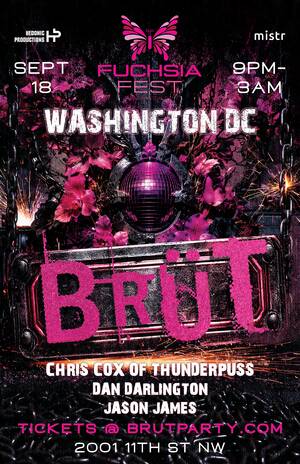
Icon’s 2026 programming shows a stronger LGBTQ+ focus while preserving the building’s mixed-use character. Early events included appearances by nationally known drag performers such as Kandy Muse and Heidi N Closet, local drag casts, meet-and-greets, Pride parties, DC Black Pride nightlife, DJs on separate floors and after-hours dancing. Other listings have included hyperpop and electroclash nights, pup-community socials, international bear and leather dance brands, house and techno, stand-up comedy and community happy hours.
The announced long-term concept is wider still: cabaret, concerts, curated dinners, art exhibitions, vendor markets and special events. A recurring comedy showcase has been advertised into early 2027, and touring LGBTQ+ dance events have announced fall 2026 dates. No reliable calendar extending beyond early 2027 was found, so claims of later programming would be premature.
Tickets and Booking
There is no verified traditional daytime box office. Admission is generally handled event by event, with some nights requiring advance tickets and others using a door cover. Recent examples range from no cover before a stated time to approximately $10 afterward. Comedy has also been listed around $10 with a two-item minimum. Larger touring parties, dining shows and VIP or meet-and-greet experiences can cost more.
For a popular drag guest, Pride weekend or touring dance brand, advance purchase is the safer strategy. Check whether the ticket covers only entry or also includes reserved seating, food, a minimum purchase or meet-and-greet access. Door times can precede the main performance by an hour or more. The former Harlot drag brunch routinely sold out, demonstrating that even daytime events at this address can fill quickly.
Seating and Layout
Icon is not a conventional seated theater and has no published fixed-seat chart. The building contains a first floor, basement and two upper floors, allowing different levels to host restaurant seating, cabaret, dancing or DJ-driven events. The official concept identifies three principal spaces across four levels. The basement is the room most closely associated with historic Bohemian Caverns and generally provides the most intimate atmosphere.
Configurations change by event. A comedy, dinner or cabaret program may use tables and chairs, while Pride parties and DJ nights rely heavily on standing room and dance-floor space. For a stage-oriented event, an early arrival offers the best chance of securing an unobstructed position. For dancing, the basement has drawn favorable comments for its scale and DJ energy, although crowding around bars and stairs can slow movement between floors.
No verified room dimensions, stage measurements, rigging plans or detailed technical rider are publicly available. Likewise, there are no confirmed manufacturer specifications for the current sound, lighting or projection systems. Licensing agreements do require amplified speakers to be raised, mounted or isolated to reduce vibration. The operator also agreed to window insulation, potential sound-system upgrades and additional soundproofing where needed.
Getting There and Parking
The exact address is 2001 11th St NW, at U Street NW. The closest Metrorail stop is U Street/African-American Civil War Memorial/Cardozo on the Green and Yellow lines. From the station’s Vermont Avenue side, walk west along U Street toward 11th Street. The station has elevators, escalators, bike racks and bikeshare access but no Metro parking facility.
Current Metrobus options include north-south service along 11th Street and crosstown service on or near U Street. The network was reorganized in June 2025, so older references to the 63, 64, 90 or 92 may no longer match current route names. Current planning materials identify D44 along 11th Street, with other crosstown routes serving the U Street corridor.
Icon has no confirmed on-site parking, and its settlement agreement expressly acknowledges limited neighborhood parking. Metered and residentially restricted street spaces are highly competitive on weekend nights. A garage near 14th and U commonly starts around $20 for event parking, but rates rise with demand. Public transportation, walking or rideshare is usually easier.
Entry lines are required to run primarily along U Street rather than past residences on 11th Street. Rideshare passengers should avoid stopping directly beside an active line or blocking the intersection. After a crowded event, walking one block from the door before requesting pickup can make identification easier and reduce congestion.
Inside the Venue
Expect an event-dependent experience rather than one uniform nightly setup. Security may check identification and tickets at the entrance, with rope-and-stanchion lines monitored by staff. The venue’s operating agreement requires management to retain control of security, entry and exit procedures rather than transferring that responsibility to outside promoters. Weekend operations extending beyond 3 a.m. require additional credentialed security or police detail.
The first floor is intended to support dining and bar service; the basement and upper levels support nightlife and performance. On Friday and Saturday, licensed nightlife activity may continue until 3 a.m. After that time, the basement and upper floors must close to patrons, alcohol must be secured, and the first floor may continue only as a seated, food-oriented restaurant with conversational background music. Whether that late-night restaurant service operates on a particular night can vary.
Food availability, merchandise and coat check are event-specific. A fall 2026 touring party advertised coat check, but that does not establish a permanent service every night. No dependable public information confirms free guest Wi-Fi, fixed merchandise counters or restroom locations. Mobile reception may vary in the below-grade Caverns space, so save essential ticket details before descending.
Nearby Amenities
The corner sits in one of Washington’s densest dining and nightlife districts. Solly’s U Street Tavern and Lulu’s Winegarden are almost directly across 11th Street, providing casual drinks, patios and bar food. Farther west and east along U Street are numerous Ethiopian, American, Caribbean and late-night restaurants. Ben’s Next Door offers a full restaurant and long bar near the historic Lincoln Theatre, while JoJo provides American and Cajun-influenced dining with live-music character.
U Street has fewer conventional hotels than downtown, Dupont Circle or the convention-center area. Visitors staying overnight will generally find a wider choice within a short Metro ride or approximately a 10- to 20-minute rideshare trip. For dinner before a seated show, allow at least 90 minutes; for a club night, arriving before the advertised cover increase can save money and reduce time in line.
What Makes This Venue Special
Few Washington nightlife addresses carry this many overlapping histories. The building began as a project of a pioneering Black banker and Black architect, became a center of Jazz Age entertainment, survived U Street’s economic decline and later participated in the neighborhood’s revival. Its cave-themed basement connected internationally recognized jazz musicians with local audiences at close range.
The address also has LGBTQ+ significance. Oral-history material recalls the refuge and social connection that its later clubs provided, while Icon now explicitly presents the property as a platform for LGBTQ+ culture, performance and community. Its restoration of the exterior neon, musical symbols and piano-key details signals an attempt to respect the building’s entertainment legacy while changing the programming for a contemporary audience.
Its economic value is best understood as part of the wider U Street ecosystem. Performances generate work for artists, DJs, drag entertainers, comedians, restaurant staff, security personnel and independent producers while drawing customers to nearby businesses. At the same time, agreements covering noise, queues, parking, security and trash show the continuing need to balance nightlife with a dense residential neighborhood. No reliable venue-specific employment, revenue or visitor-spending figures have been published.
Visitor Tips and Information
Most late-night events appear to be 21+, but age rules are set separately for each program. Bring government-issued photo identification, preserve a copy of your ticket and review any event-specific minimum purchase. Dress codes are generally theme-driven rather than formal; some leather, bear or costume events encourage expressive attire without requiring it. No universal bag-size, professional-camera or re-entry policy has been publicly confirmed.
Accessibility information remains incomplete. The nearby Metro station is elevator-accessible, but Icon has not published a detailed statement confirming step-free routes to every floor, elevator availability, accessible restroom locations, hearing assistance or wheelchair viewing areas. Because this is a historic, four-level building with a basement, visitors should not assume that every programmed space is independently accessible. Service animals remain protected under applicable law.
Recent guest comments praise the drag performances, welcoming energy and basement dance floor. Criticism has focused on slow bar service, long drink waits and the challenge of a new operation finding its rhythm. Reviews of the former Harlot similarly praised its colorful interior and celebratory drag brunches, while overall ratings were mixed on consistency and value.
Frequently Asked Questions
Is Icon DC the same venue as Bohemian Caverns?
It occupies the same historic building and includes the basement associated with Bohemian Caverns, but Icon DC is a different operation with broader programming. Rather than functioning solely as a jazz club, it combines LGBTQ+ nightlife, drag, DJs, cabaret, comedy, dining and private or community events across several levels.
Is Icon DC currently open?
Icon is the current announced venue name, but visitors should exercise caution. A July 31, 2026 report documented Department of Buildings closure notices related to an occupancy permit. Later calendars continued to advertise events, yet no authoritative public resolution was found. Do not assume regular walk-in operations simply because an event remains listed.
What is the capacity of Icon DC?
The approved multipurpose-facility application lists 285 seats and a maximum indoor occupancy load of 750. The sidewalk cafe has 20 seats and a total occupancy load of 40. Actual event limits may be lower; multiple early 2026 pop-ups were approved for only 200 attendees while the venue completed its phased opening.
Is the venue seated or general admission?
Both formats are possible. Comedy, dining and cabaret events may use tables or arranged seating, while drag nights, Pride parties and DJ events commonly use standing-room or dance-floor layouts. There is no permanent public seat map, so ticket descriptions are more useful than the building’s overall seated capacity when planning a particular visit.
How old is the building?
The building dates to 1922 and was financed by Black banker and entrepreneur John Whitelaw Lewis. Architect Isaiah T. Hatton designed it. The basement began operating as a nightclub in 1926, giving the address a century-long connection to U Street entertainment even though its names, operators and musical styles have repeatedly changed.
Does the basement still look like a cave?
The basement’s historic identity comes from theatrical faux-rock walls, stalactites and stalagmites rather than a natural cave. These features were recreated during the late-1990s restoration. Current event descriptions continue to market the room through its Caverns heritage, although decor and floor layouts may change under Icon’s adaptable event model.
What kind of music does Icon DC play?
Programming has included mainstream club music, house, techno, Afro House, hyperpop, electroclash, R&B and Pride-oriented dance sets. Different DJs may play simultaneously on the main floor and in the basement. Icon also plans concerts and cabaret, so the music can change substantially from a drag showcase to a touring dance party.
Are events at Icon DC always 21 and older?
No single age rule has been published for every program, although many nightlife and alcohol-centered events are explicitly 21+. A daytime market, exhibition or non-nightlife performance could use a different rule. Always treat the restriction attached to the specific event as controlling and carry government-issued photo identification if alcohol will be served.
How much do tickets usually cost?
Recent examples range from free admission before a cutoff to roughly $10 for late entry or stand-up comedy. Dining shows, touring parties, VIP access and meet-and-greets can cost more. Historical Harlot drag brunches cost approximately $45 to $50, while a live-music prix-fixe brunch reached about $55.
Can I buy tickets at the door?
Some events offer door admission, but availability is not guaranteed. A no-cover period may end at a stated hour, after which a cover applies. For a national drag guest, Pride party, limited-capacity comedy show or touring brand, advance booking reduces the risk of encountering a sellout, changed price or event-specific guest list.
Does Icon DC have food?
Dining is part of Icon’s announced concept, and its license permits first-floor restaurant service. On Friday and Saturday, the first floor may transition to seated food service after nightlife ends at 3 a.m. That provision does not mean a complete late-night menu is available every weekend, particularly while operations remain phased.
Is there a coat check?
Coat check has been advertised for at least one touring dance event, but no evidence confirms that it operates every night. For winter visits or costume-heavy parties, consult the event’s stated amenities rather than assuming storage is available. Avoid bringing oversized bags or valuable outerwear if an event has not expressly mentioned coat check.
Is Icon DC wheelchair accessible?
No sufficiently detailed venue statement confirms an elevator, step-free access to all four levels, accessible basement entry or restroom specifications. The nearest Metro station has working elevators, but that does not establish accessibility inside the venue. Guests with mobility requirements should not assume that every event room in this historic multilevel building is reachable without stairs.
Where should I park for Icon DC?
There is no confirmed venue parking lot. Street parking is limited, competitive and frequently subject to residential restrictions. Paid garages around the wider U Street and 14th Street area may start around $20 for an evening, with higher prices during major events. Metro, bus, walking or rideshare is generally more predictable.
Which Metro station is closest?
Use U Street/African-American Civil War Memorial/Cardozo on the Green and Yellow lines. The Vermont Avenue entrance provides the most direct approach: continue west on U Street to 11th Street. The station has elevators and escalators but no commuter parking, making it suitable for accessible rail arrival rather than park-and-ride travel.
How early should I arrive?
For general admission, arrive 30 to 45 minutes before the main performance, especially if sightlines or seating matter. For a popular drag guest or Pride event, earlier arrival may help avoid long security and bar lines. Comedy listings have opened doors approximately an hour before showtime, while club nights may reward arrival before a cover increase.
Does Icon DC have a dress code?
No universal formal dress code has been published. Most nights favor expressive club attire, while themed events may suggest leather, costume, bear, pup or Pride clothing. At least one touring party stated that gear was encouraged but not required. Practical footwear is advisable because guests may stand, dance and move between several levels.
Are photography and professional cameras allowed?
No consistent venue-wide camera policy could be verified. Casual phone photography is common at nightlife and drag events, but performers, promoters and private-event clients may set stricter rules. Professional cameras, detachable lenses, flashes and recording equipment should not be assumed permissible. Respect performers and other patrons by obtaining consent before close-up photography.