About 618 H St NW
618 H St NW is not a conventional purpose-built concert hall. It is a historic, mixed-use Chinatown building containing Chinatown Garden restaurant on the first floor and an upstairs event space commonly listed as 618 DC, Bar 618, or 618 Cocktail and Whiskey Lounge. The nighttime operation is event-driven rather than a dependable seven-night club, so visitors should rely on the details issued for their particular party or performance.
The address remained active in August 2026. Chinatown Garden continued serving customers, while the upper floors hosted promoter-led electronic music events through summer 2026. The team that built much of 618 DC’s recent underground reputation moved its core operation to a larger H Street NE venue in fall 2025, but independent organizers continued using 618 H St NW afterward. In practical terms, the building is open, although the upstairs space may be dark on nights without a scheduled event.
Published club listings place event capacity at approximately 200. The restaurant’s alcohol-license records list a total Certificate of Occupancy capacity of 212 for the licensed premises. Promoters may sell fewer tickets depending on how much room is assigned to bars, vendors, visual installations, performers, coat check, or outdoor access, so visitors should think of 618 as an intimate roughly 200-person venue rather than a large nightclub.
A Chinatown Landmark with a Long History
The building began as two brick rowhouses, 618 and 620 H Street NW, constructed between approximately 1852 and 1857. Number 618 had become a tailor shop by 1921. The On Leong Chinese Merchants Association purchased both properties in October 1931 as Washington’s Chinese community relocated from its first Chinatown near Pennsylvania Avenue, which was displaced by construction of the Federal Triangle.
Architect Marcus T. Hallett combined and dramatically remodeled the rowhouses in 1932. The completed headquarters had association offices on the second floor, an assembly hall and shrine to Guan Yu on the third, and Chinese-owned businesses at street level. Early tenants included the Hong Yick & Company curio and import shop and the Mong Sang herbal pharmacy. Hong Yick’s space later became the Wing Sing Gift Shop. The project reportedly cost $45,000 including property acquisition.
From this building, On Leong provided business coordination, loans, job assistance, translation, legal support, charity, celebrations, and other services to Chinese residents. It helped raise funds for a permanent Chinese Christian Church home in the 1950s and later joined efforts to resist further Chinatown displacement associated with major downtown redevelopment, a convention center, and a sports arena.
The association sold the property in 1997. Chinatown Garden opened on the ground floor that year, and the old rear residential wings were replaced with a concrete-block addition during 1997–98. The On Leong headquarters had already become a DC landmark in 1996; the property was added to the National Register of Historic Places on June 21, 2024.
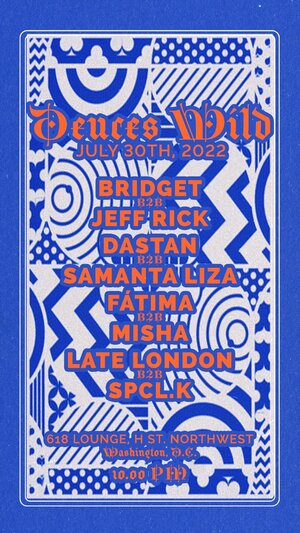
Nightlife arrived upstairs much later. Penny Whisky Bar opened during the late 2010s and was rebranded as 618 Cocktail and Whiskey Lounge around 2019. By 2021, its rooms were regularly being adapted for electronic music, dance classes, salsa and bachata socials, queer parties, art-centered events, and independent live performances.
Events and Programming
618’s defining program is underground dance music. Its calendars have covered house, deep house, minimal, techno, acid, trance, jungle, drum and bass, garage, Jersey club, darkwave, EBM, Italo disco, ambient, dub reggae, experimental electronics, and globally influenced club music. Two-room events allow promoters to contrast styles—for example, progressive house upstairs and harder techno below, or an energetic main room paired with open decks in the loft.
The 2021–23 period mixed free or inexpensive electronic parties with salsa and bachata nights, workshops, social dancing, open-deck sessions, and local DJ showcases. A 2023 listing advertised a remodeled main room, upgraded DJ booth, tuned Bassboss system, and separate loft programming. Latin dance events used two floors and sometimes opened the rooftop or terrace during suitable weather.
Programming broadened further in 2024 and 2025. Events included UK dub pioneer Mad Professor, an intimate Orion Sun afterparty, dark electronic and ambient performances, a WorldPride party with an all-POC queer DJ lineup, Goth Prom, fetish-informed queer techno events, live bands, art installations, vendor markets, film-related gatherings, and a high-profile appearance by UK producer Joy Orbison.
Events during 2026 continued the late-night, two-floor format, particularly deep house, minimal, progressive house, and techno sessions. Touring selectors were generally paired with several DC, Baltimore, Philadelphia, or New York artists, reinforcing the venue’s role as a meeting point between the local scene and the wider East Coast underground. Some parties ran until 6 or 7 a.m. under applicable licensing arrangements. No verified public announcement for programming beyond 2026 was found during research completed August 23, 2026.
Tickets and Booking
Tickets are normally sold through the organizer’s authorized event listing rather than through a permanent venue box office. Sales often begin several weeks before an event, with prices increasing through early-bird, advance, final-release, and door tiers. Typical recent admission has been about $15–$30. Free or $5 community events have occurred, while imported headliners, special productions, and limited-capacity parties have reached approximately $25–$40.
Door sales are common when capacity remains, but they should not be assumed. Popular queer events, touring DJ appearances, WorldPride programming, and special afterparties can move quickly. Buying during the first or second release usually provides the best balance of price and certainty. Some organizers deliberately describe 618 as an “undisclosed” or secret location until event day; ticket holders should read their entry instructions even when they already recognize the address.
Seating and Layout
Most upstairs events are general admission and standing, with no permanently assigned seats. The historic building is about 40 feet wide, creating long, relatively narrow rooms rather than a broad ballroom. Its multiple levels are the attraction: visitors can move between a main dance floor, a second music area or loft, bar space, and an outdoor roof deck or terrace when it is included in the event plan.
For maximum energy, stand near the center of the main dance floor but outside the immediate speaker line. The rear and edges are better for conversation and an easier exit. The upper room generally offers a looser, more social atmosphere, while the terrace is valued as a cooling-off and smoking area. Sightlines are informal, and structural piers, equipment, or crowded circulation routes can partially obstruct views during live performances.
There is no consistently advertised VIP section. Promoters may install lounge furniture, photo areas, vendor tables, performance platforms, or themed environments, but the room usually prioritizes dancing over seating. Anyone who needs a chair or low-stimulation space should confirm that the particular organizer is providing one.
Architecture, Design, and Production
The three-story, six-bay façade is an unusually expressive example of Chinese eclectic architecture. Signature details include red brick, Chinese-inspired window heads, steel balconies with fretwork patterns, and decorative pagoda roofs with upturned rafters and terra-cotta S tiles. The façade has changed little since the 1932 renovation even though the restaurant and upper-floor interiors have been extensively altered.
The rooms are flexible rather than technically standardized. Different organizers have advertised a tuned Bassboss system, Grand Ancestor equipment, Turbosound deployment, reinforced low frequencies, upgraded DJ booths, projection art, moving visuals, fog, and flashing lights. These references do not establish one permanent house specification: major promoters frequently supplement or reconfigure sound and lighting for their own production.
A 2026 mural by artist Jeff Huntington honors Mabel Ping-Hua Lee, the Chinese American suffrage advocate who argued for women’s political participation in the early 20th century. Its placement adds a contemporary public-art layer to a building already associated with Chinese American organization, commerce, survival, and representation.
Getting There and Parking
The address is 618 H Street NW, between 6th and 7th streets in Chinatown. Gallery Place–Chinatown is the most convenient Metro station, served by the Red, Green, and Yellow lines. Use the H Street/7th Street side of the station and walk east toward 6th Street. Judiciary Square and Metro Center are also reasonable alternatives, generally about a seven- to ten-minute walk depending on the exit used.
Current D-series Metrobus services stop along H Street and nearby 6th and 7th streets. Union Station is approximately a 15- to 20-minute walk or a short Metro or rideshare trip. Capital Bikeshare docks, conventional taxis, scooters, and rideshare services are widely available around Gallery Place. H Street can become congested before and after events at the nearby arena, so a pickup on 6th Street or I Street may be easier than waiting directly outside.
There is no dedicated venue parking lot. The Gallery Place garage entrance at 732 6th Street NW is about a two-minute walk, and additional garages operate around 8th Street and Massachusetts Avenue. Typical reserved or event parking in the neighborhood falls around $15–$35, although major arena events can raise prices. Street spaces are scarce and subject to meters, rush-hour restrictions, residential rules, and temporary event controls.
For parties ending after 2 a.m., verify that the chosen garage permits overnight access and does not reset its daily rate in the middle of the stay. Some downtown garages allow vehicles to exit after their entrance closes, while others impose a second charge after a stated reset time. Metro may stop running well before a 6 a.m. event ends, making a planned rideshare, night bus, or designated driver important.
Inside the Venue
Expect an ID check, ticket scan, and security screening at the event entrance. The upper venue is reached by stairs from the street-level vestibule. The atmosphere is more DIY and community-oriented than polished bottle-service nightclub: dark rooms, strong bass, changing visual installations, tightly packed dance floors, and a mixed crowd of dedicated music fans, artists, and local promoters.
A staffed bar generally serves beer, spirits, cocktails, water, and at some events nonalcoholic beverages. Chinatown Garden operates separately downstairs, generally during lunch and dinner hours. Do not assume the restaurant kitchen will remain open when a late event begins. Merchandise and local vendor stalls appear at selected programs rather than every night.
Coat check is event-specific; one major queer party advertised a staffed $3 service, but many events provide none. The outdoor terrace is frequently used for smoking, conversation, vendor markets, photography, or relief from the dance floor. Access can be limited by weather, production choices, or capacity controls.
Accessibility and Inclusive Facilities
The principal limitation is vertical access. Published event information warns that 618 has several stairs and multiple floors, and no dependable public information confirms an elevator serving the upper dance spaces. The event venue should therefore not be assumed wheelchair accessible. Visitors with mobility needs should obtain a specific access plan before purchasing, including the location of the performance, bar, restroom, seating, and emergency exit.
People sensitive to sensory effects should expect high sound levels, heavy bass, darkness, fog, strobes, flashing lights, and crowded rooms unless an organizer states otherwise. Earplugs are strongly advisable. Several queer-led events have published explicit zero-tolerance rules covering racism, sexism, transphobia, homophobia, ableism, harassment, leering, and nonconsensual touching, with identifiable staff or floor monitors available during the event.
Nearby Amenities
Chinatown Garden is the most convenient pre-event meal because it occupies the first floor. It serves Cantonese, Chinese American, seafood, noodle, tofu, vegan, and vegetarian dishes, usually until around 9 p.m. Recent diners have praised its generous portions, old-school booths, fried rice, seafood, and communal dining, although feedback on consistency, service, and cleanliness is mixed.
Other casual restaurants cluster along H, I, and 6th streets, including New Big Wong, Tony Cheng, Wok and Roll, and numerous ramen, Vietnamese, fast-casual, and arena-oriented choices. The neighborhood also has karaoke rooms, cocktail bars, cinemas, and late-night gathering places. Hotels within a short walk include properties around 7th and H streets, F Street, and Massachusetts Avenue.
For a standard 10 or 11 p.m. dance event, arriving in Chinatown 60–90 minutes early allows time for dinner and possible arena traffic. If a ticket specifies an early live performance, workshop, or open-deck slot, arrive close to doors; 618’s smaller capacity means the room can shift from quiet to crowded quickly.
What Makes This Venue Special
Few DC dance spaces combine this degree of historic weight with contemporary underground programming. The façade tells the story of a Chinese American community forced to rebuild its neighborhood, while the upper rooms have become associated with queer, trans, POC, experimental, and independent organizers seeking a flexible alternative to mainstream nightlife.
Recent visitors praise the staff’s attentiveness, the freedom given to promoters, the ability to move among different levels of intensity, and the terrace as a place to decompress. Organizers have used the building for raves, mosh pits, live bands, dance instruction, drag, visual art, film, markets, and community-centered celebrations. Criticism tends to concern the stairs, occasional crowding, inconsistent online operating information, and the condition of the older building.
No venue-specific economic impact study has been published. Its clearest contribution is cultural: providing affordable small-room infrastructure, paid work for local artists and event staff, space for local vendors, opportunities for first-time DJs, and a bridge between DC’s independent scene and touring underground performers. That activity now coexists with national recognition of the building’s Chinese American history.
Visitor Tips and Information
Bring a government-issued photo ID, your ticket confirmation, earplugs, and a payment method accepted at the bar. Wear shoes suitable for stairs and extended dancing. Dress codes are usually absent, although themed queer, fetish, goth, or formal events may encourage or require a particular look. Age limits vary, but most late-night programs are 21 and older.
Do not assume there will be seating, coat check, food, a bag check facility, or reentry. Photography rules also vary, especially at queer and consent-focused events. Follow the organizer’s instructions, ask before photographing other guests, and respect any phone-free dance-floor policy. For after-hours parties, plan the trip home before arrival because Metro service may end several hours before the music.
Frequently Asked Questions
Is 618 H St NW still open?
Yes, the building was active as of August 23, 2026. Chinatown Garden continued operating downstairs, and promoter-led events continued upstairs through summer 2026. However, 618 is no longer best understood as a regular nightly cocktail bar. The upper floors open primarily for scheduled events, and the former core management team moved its main operation elsewhere in fall 2025.
What name should I look for on an event listing?
Listings may identify the venue as 618 DC, 618 Cocktail and Whiskey Lounge, Bar 618, or simply 618 H St NW. Some promoters initially call it an undisclosed Chinatown location and release entry instructions to ticket holders later. All of these descriptions can refer to the event rooms above Chinatown Garden at 618 H Street NW.
How many people does 618 DC hold?
Club listings commonly give a capacity of about 200. Alcohol-license records list a total licensed and Certificate of Occupancy capacity of 212 for the premises. Actual ticket inventory may be lower when an event uses extra room for performers, vendors, art, production equipment, furniture, or coat check. Expect an intimate, crowded small-club experience rather than a large concert hall.
Is the venue seated or standing?
Nearly all music and nightlife events are general admission and primarily standing. There are no permanent assigned seats or traditional theater rows. Limited chairs, couches, benches, or lounge areas may appear around room edges, depending on the organizer. Guests who cannot stand for a full event should verify that reserved seating or a resting area will be available.
Is 618 DC the same place as Chinatown Garden?
They occupy the same historic building but serve different functions. Chinatown Garden is the long-running first-floor Chinese restaurant. The nightlife and performance rooms are on the upper floors and use separate event branding. Eating downstairs does not automatically provide event admission, and holding an upstairs ticket does not mean restaurant food will be available after the kitchen closes.
What do tickets normally cost?
Most recent advance tickets have fallen between approximately $15 and $30. Community showcases and open-deck events can cost less, while touring headliners and elaborate limited-capacity parties may reach $25–$40. Prices usually rise in stages as the event approaches. Door admission, when available, is generally more expensive than the first advance release.
Can I buy a ticket at the door?
Many events offer door sales, but only while capacity remains. A listing that mentions tickets at the door is not a guarantee that space will remain when you arrive. Touring artists, Pride events, queer holiday parties, and special afterparties can sell strongly. Advance purchase is the safer option, particularly if you are traveling into DC specifically for the event.
Are events always restricted to ages 21 and older?
Most late-night dance parties are 21 and older because alcohol is served and the events run into early morning. Occasional concerts or ambient performances have admitted guests 18 and older. The limit is set for each program, so never assume that a younger guest will be admitted based on a previous show. Everyone should bring valid government-issued photo identification.
What is the closest Metro station?
Gallery Place–Chinatown is the most convenient station and serves the Red, Green, and Yellow lines. Leave toward H and 7th streets, then walk east on H Street toward 6th Street. The venue is only a short walk from that exit. Judiciary Square and Metro Center provide alternatives when service changes affect Gallery Place or a particular rail line.
Where should I park for an event?
The closest major option is the Gallery Place garage, entered from 6th Street and roughly two minutes from the building. Several additional garages operate near 8th Street and Massachusetts Avenue. Event parking commonly costs around $15–$35. For parties ending after 2 a.m., confirm overnight access, closing procedures, rate-reset times, and whether you can retrieve the vehicle before morning.
Is the upstairs venue wheelchair accessible?
Do not assume that it is. The historic upper-floor venue is reached by several stairs, and no reliably documented public elevator serves the event rooms. Accessibility may also differ between the main floor, upper room, terrace, bar, and restrooms. A guest with limited mobility needs a specific event access plan before purchasing rather than relying on a general venue listing.
Does 618 have a coat check?
Coat check depends on the event. Some larger queer and winter parties have provided an inexpensive staffed service, while many ordinary club nights offer none. Because the dance floors are compact, carrying a large winter coat can become uncomfortable. Read the event instructions and avoid bringing valuables or bulky items unless storage has been expressly confirmed.
Can I eat inside during a late-night event?
Food service upstairs is not consistent. Some events offer light snacks, but many operate primarily as bar-and-dance-floor programs. Chinatown Garden downstairs usually closes around 9 p.m., often before late-night doors. Eat beforehand if food is important. Nearby Chinatown restaurants provide numerous alternatives, but their closing times can be earlier on weekdays or affected by arena schedules.
Are there strobes, fog, and very loud sound?
Frequently, yes. Promoters have advertised reinforced bass systems, projections, moving visuals, fog, flashing lights, and immersive lighting. Production changes from party to party, but high volume and strong low frequencies are normal. Bring high-fidelity earplugs and take breaks on the upper level or terrace. Anyone with photosensitivity or sensory concerns should check the production warning for that event.
Is there a dress code?
Ordinary house and techno events generally have no formal dress code; comfortable dance clothing and secure footwear are sensible. Goth, fetish, Pride, costume, or themed parties may encourage a specific look, and certain consent-focused events reserve discretion at the door when participation in the theme is central. Formal attire has occasionally been suggested playfully rather than required.
What time do events end?
Standard club nights have often ended around 3 or 4 a.m., while licensed after-hours events may continue until 6 or 7 a.m. Earlier concerts and ambient programs can finish near midnight or 1 a.m. The advertised end time matters for transportation planning: Metro may stop running long before an extended party finishes, particularly on weeknights.
Can I smoke at 618 DC?
Smoking is not permitted on indoor dance floors. When the rooftop terrace or patio is open, organizers commonly use it as the designated smoking and social area. Terrace access can close because of weather, capacity, sound restrictions, or production requirements. Follow posted rules and staff directions rather than assuming every event includes outdoor access or permits all forms of smoking.
Why is the building historically important?
It served as the On Leong Chinese Merchants Association headquarters from 1932 to 1997 and helped anchor Washington’s rebuilt Chinatown after displacement from Pennsylvania Avenue. Its offices, meeting hall, shrine, stores, and community work supported generations of Chinese residents. The distinctive pagoda-roofed façade is a DC landmark, and the property joined the National Register of Historic Places in 2024.