About The Block Foodhall DC
The Block Foodhall DC is permanently closed. It formerly operated at 1110 Vermont Avenue NW in downtown Washington, close to McPherson Square and Thomas Circle. District regulators determined that the business was no longer operating on September 27, 2023, and formally canceled its alcohol license on November 8, 2023. The address is now occupied by The Continent, a separate West African restaurant and nightlife venue that opened in 2024.
The Block was an Asian American-owned, immigrant-owned and female-owned food-hall concept created by restaurateur Arturo Mei. The original branch opened in Annandale, Virginia, in December 2016, followed by North Bethesda in November 2019 and Washington in March 2020. The DC location was the smallest and most urban version: a combination of counter-service restaurants, communal seating, a cocktail bar and an upstairs area used for dining and special events.
Although sometimes listed as an event venue, The Block was never a conventional concert hall. It had no permanent theater seating, balcony or documented performance stage. Its importance came from mixing food, nightlife and chef-led experimentation in one downtown room—and from giving emerging Asian American and Filipino American businesses a comparatively flexible place to establish an audience.
History: Opening Days to Closure
Rose Ave Bakery opened inside The Block on March 11, 2020, just days before pandemic restrictions shut down most normal restaurant activity in Washington. Early plans called for poke, ramen, Asian-inspired sandwiches, pastries and a full bar, but several initial vendors either never reopened or left after short runs. During the earliest reopening period, Rose Ave effectively operated alone in the large food-hall space, using preorders and limited pickup hours to survive.
The hall began rebuilding momentum in January 2021 when chefs Tom Cunanan and Paolo Dungca opened Pogiboy, a playful Filipino American fast-food counter inspired partly by Jollibee and classic American drive-ins. Its menu included sinigang-seasoned fried chicken, longganisa and tocino burgers, Filipino spaghetti, adobo flavors and a blooming-onion-style snack served with chile-crab-fat mayonnaise.
Paolo Dungca expanded within the hall during 2022. Piccoletto served inexpensive handmade pasta incorporating ingredients such as mentaiko, nori, shoyu butter and chile crisp. Hiraya transformed part of the building into a polished weekend Filipino tasting room. Its eight-course menus cost approximately $95 during the nine-month pop-up, which ended in October 2022 after the concept secured a permanent H Street location.
Despite this culinary attention, the hall never fully recovered its intended office-worker customer base. Contemporary coverage described empty stalls, whitewashed walls and a diminished collection of vendors. Rose Ave prepared to leave for Woodley Park in 2022, while Hiraya completed its pop-up that October. Regulators found The Block out of business in September 2023, establishing a firm endpoint even though outdated business pages continued to display its former hours afterward.
Events and Programming
The Block’s programming fell into three broad categories: chef collaborations and tasting menus, Asian American community events, and late-night DJ parties. It did not maintain a complete public event archive, so claims that it hosted regular concerts or a full weekly performance calendar should be treated cautiously.
Food programming was its strongest area. A 2020 Filipino takeout event helped reunite Cunanan and Dungca before Pogiboy opened. In May 2021, Pogiboy collaborated with chef Harold Villarosa on a special menu that benefited a Filipino American community organization. Hiraya then presented recurring weekend tasting dinners during much of 2022, while Piccoletto supplied a more casual counter-service counterpart.
Documented nightlife included The Almighty Rave in August 2021, a 21-and-over anime and cosplay party with electronic, hip-hop and trance DJs. Admission was free with advance registration or $5 at the door. In March 2022, the hall hosted a late-night gathering connected to a regional culinary awards program. Summer 2022 brought Asian nightlife parties featuring hip-hop and EDM, VIP tables and late operating hours; advertised general admission was generally around $20 to $28.
No verified events were held under the name The Block Foodhall DC in 2024, 2025 or 2026 because the venue had already closed. It has announced no programming for 2026 or beyond. Events currently held at 1110 Vermont Avenue belong to the replacement business and should not be presented as part of The Block’s history.
Tickets and Booking
Ordinary food-hall entry was free and did not require a ticket, reservation or cover charge. Customers ordered separately at each restaurant counter and at the bar. The venue did not maintain a traditional box office, assigned-seat ticket inventory or subscription program.
Tickets were used only for selected tasting menus, promoted parties and private functions. Prices varied substantially by format: some DJ events offered free advance registration or a $5 door charge, promoted dance parties were commonly around $20 to $28, and Hiraya’s multi-course tasting experience was approximately $95 before optional drinks, tax and gratuity. VIP tables were available at certain nightlife events, but no consistent pricing structure was published.
There are no legitimate current tickets for The Block Foodhall DC. Anyone encountering an old event page, outdated hours or an active-looking vendor listing should note that the venue’s license was canceled in November 2023.
Seating and Layout
The Block used flexible restaurant seating rather than fixed audience rows. The ground floor contained vendor counters, the bar and shared tables. An upper level supplied additional seating, electrical outlets and anime-themed wall treatments. Visitors also remembered a purple neon sign reading “This is our happy place,” which helped distinguish the interior from the surrounding office building.
Regulatory records listed 175 seats and a total occupancy of 175 in 2023. No reliable public source provides the room’s exact length, width, ceiling height or square footage, so those measurements should not be estimated. The listed figure was a restaurant capacity, not a dedicated concert capacity.
For everyday dining, seating was generally first come, first served. The upper area suited longer meals, laptop use and Hiraya’s more structured tasting experience. During DJ parties, parts of the floor could function as standing or dancing space, with VIP tables offered by individual promoters. There were no objectively “best seats” comparable to a theater; proximity to speakers, the bar or busy circulation paths mattered more than sightlines.
Architecture, Design and Production Capabilities
The venue occupied the lower floors of a modern downtown office building rather than a landmark market hall. Its design emphasized white walls, communal furniture, colorful vendor branding, neon signage and anime imagery. No venue-specific architect, major renovation history or preservation significance has been reliably documented. Its visual identity came primarily from the contrast between a playful Asian-inspired interior and the conventional business district outside.
No public technical rider identifies the sound console, loudspeaker brands, subwoofers, microphones, lighting fixtures, power distribution or loading arrangements. Archived events confirm that the room could support DJs and amplified dance music, but it should not be described as a purpose-built live-music venue. Hard surfaces and an open plan produced a lively, potentially loud environment, particularly when music, bar activity and food service operated simultaneously.
There is no evidence of permanent dressing rooms, backstage facilities, a loading dock reserved for performers, theatrical rigging, orchestra equipment, hearing-assistance systems or a full merchandise area. Event organizers appear to have adapted the restaurant floor using portable DJ equipment, event lighting and temporary furniture arrangements.
Getting There and Parking
The former address is 1110 Vermont Avenue NW, Washington, DC 20005 . McPherson Square is the most convenient Metro station, serving the Blue, Orange and Silver lines. Its Vermont Avenue entrance places visitors within a short walk of the building. Farragut North on the Red Line is another practical option, especially for travelers approaching from Dupont Circle, Woodley Park, Bethesda or Union Station.
Numerous Metrobus services use nearby stops on 14th, I and K streets. Because Metro introduced a redesigned bus network on June 29, 2025, visitors to the current address should rely on the latest stop information rather than old articles that mention discontinued route numbers. The neighborhood is also highly walkable from Franklin Square, Thomas Circle, Lafayette Square and the White House area.
The building has an attached covered garage with an entrance on Vermont Avenue and a reported clearance of 6 feet 2 inches. Published space counts conflict, but typical short-term rates around the address fall roughly between $12 and $20, with weekend and event pricing sometimes higher. Operating hours vary, and some reservations do not permit overnight parking. Free street parking is scarce; metered spaces are more realistic but fill quickly.
For rideshare pickup, Vermont Avenue is the most obvious meeting point, although drivers may prefer nearby L Street during busy periods. Capital Bikeshare docks are available around McPherson Square and Thomas Circle. Cyclists should expect downtown traffic and limited curb space rather than a dedicated venue bicycle facility.
Inside the Former Venue
The Block operated like a counter-service market. Guests entered, selected a vendor, ordered directly and carried food to shared tables. Different concepts maintained different schedules, meaning not every counter was open whenever the bar or building was accessible. This mismatch was one of the venue’s recurring practical limitations.
Its most memorable food included Rose Ave’s ube mochi crullers, Vietnamese coffee doughnuts and matcha cookies; Pogiboy’s tocino burger, sinigang fried chicken and Filipino spaghetti; Piccoletto’s Asian-influenced pasta; and Hiraya’s refined Filipino tasting courses. Drinks came from the central Block Bar, which supplied cocktails, beer and event-themed beverages.
No reliable archived policy confirms a coat check, public Wi-Fi, permanent merchandise booth or charging service, although visitors reported plentiful electrical outlets upstairs. Restrooms were inside the premises, but detailed historical information about their number, location, accessibility or inclusive facilities was not published.
Accessibility and Former Venue Policies
Archived material does not provide enough detail to certify the former food hall’s complete ADA configuration. There is no dependable documentation of doorway widths, an accessible route to the upper level, accessible restroom counts, lowered counters, hearing loops, captioning or sensory accommodations. The nearby McPherson Square station has elevators, and the building garage reports at least one accessible parking space, but those facts should not be used to infer every feature of the closed venue.
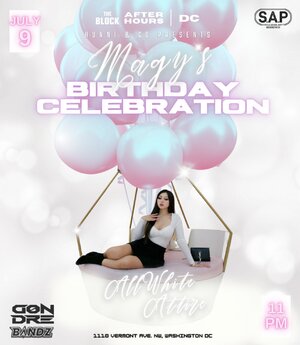
Daily dining was casual and generally open to families. Ticketed nightlife could be restricted to ages 21 and older, with government-issued photo identification required for alcohol service. Dress requirements were promoter-specific: one summer party requested stylish seasonal clothing, while a birthday event required white attire. The hall did not publish a lasting venue-wide dress code.
No verified general policy survives for bags, professional cameras, outside food, reentry or smoking. Individual event organizers may have imposed their own rules. Service animals would have been governed by applicable law, but ordinary pets inside a food-service establishment should not be assumed to have been permitted.
Nearby Amenities and the Address Today
The former food hall space is now The Continent, an upscale West African restaurant and late-night lounge with dining, music and private-event activity. It is a wholly separate business. The neighboring Lincoln restaurant served its final meals on December 20, 2025, so older guides describing Lincoln as an active pre-event option are outdated.
Nearby hotels include the Residence Inn at Thomas Circle, Hotel Zena and the Capital Hilton. The surrounding blocks contain quick-service lunch counters, hotel bars and higher-end restaurants, while the broader 14th Street and downtown corridors offer substantially more choice. Franklin Square is useful for an outdoor break during daylight hours.
For late-night transportation, rideshare is often simpler after Metro service ends. Visitors using the building garage should confirm closing procedures before leaving the vehicle; some garages require the entry ticket or mobile pass to reopen the gate after staffed hours.
What Made The Block Foodhall DC Special
The Block’s lasting contribution was culinary rather than architectural. Rose Ave grew from its tiny pandemic-era counter into a standalone bakery and received major local recognition, including being named Bakery of the Year in 2021. Hiraya’s nine-month tasting pop-up led directly to a permanent restaurant project, while Pogiboy gave prominent Filipino American chefs a casual format for imaginative, approachable food.
The venue also provided downtown space for Asian-centered nightlife, cosplay, DJs and community gatherings at a time when the central business district was struggling with empty offices. Its story illustrates both the value and vulnerability of restaurant incubators: The Block helped individual vendors build loyal followings, yet the food hall itself could not overcome its opening timing, reduced commuter population and incomplete vendor lineup.
Visitor Tips and Information
Do not travel to 1110 Vermont Avenue expecting to find The Block, Pogiboy’s original counter, Rose Ave’s original bakery stall or Hiraya’s tasting room. The food hall has closed, its former ticket pages are historical, and its published hours should be ignored.
The exterior address remains easy to reach by Metro, walking or rideshare. If visiting the current business, confirm that establishment’s own hours, reservations, age requirements and dress expectations. Allow additional time if driving because downtown street parking is limited and garage procedures vary by day.
Frequently Asked Questions
Is The Block Foodhall DC still open?
No. District regulators found the business out of operation on September 27, 2023, and canceled its restaurant alcohol license on November 8, 2023. The premises at 1110 Vermont Avenue NW now contain The Continent, a different restaurant and nightlife concept. Old menus, vendor schedules and event listings for The Block are no longer valid.
When did The Block Foodhall DC close?
An exact final service date has not been publicly documented. The most reliable official milestone is September 27, 2023, when enforcement officials determined that the establishment was out of business. Its license was formally canceled on November 8, 2023. It is therefore safest to describe The Block as having ceased operations by September 2023.
What replaced The Block Foodhall DC?
The Continent, an upscale West African restaurant, bar and late-night lounge, now operates at the same address. It announced that it was open in June 2024. Its dining room, entertainment schedule, dress expectations and reservation system belong to the new business and should not be confused with The Block’s former vendors, events or policies.
Was The Block Foodhall DC a concert venue?
Not in the conventional sense. It was primarily a food hall and bar with flexible communal seating. It occasionally hosted DJs, dance parties, cosplay events, chef dinners and private functions, but no permanent stage, theater seating or professional concert specifications were published. Searches describing it as a concert hall generally reflect isolated nightlife bookings rather than its principal use.
What was the capacity of The Block Foodhall DC?
A 2023 District alcohol-license roster listed 175 seats and a total occupancy of 175. That was a restaurant occupancy figure, not necessarily the number admitted to every dance party or private function. Event capacities could have been lower after accounting for equipment, tables, security and floor configuration. Exact dimensions and standing-room calculations were not publicly documented.
Does The Block Foodhall DC have any 2026 events?
No. The Block has no 2026 program because it closed in 2023. Events advertised at 1110 Vermont Avenue in 2026 are associated with the current occupant or another organizer, not The Block Foodhall DC. Archived event pages can remain visible long after a venue closes, so always check the named host and current venue identity.
Did visitors need tickets for The Block?
No ticket was required for everyday dining. Visitors could enter, order from individual counters and use available communal seating. Tickets or advance registration applied only to selected DJ parties, tasting menus and private events. There was no central box office. Historical admission ranged from free or $5 for some parties to approximately $95 for Hiraya’s tasting menu.
What was the closest Metro station?
McPherson Square was the most convenient station, particularly its Vermont Avenue entrance. It serves the Blue, Orange and Silver lines. Farragut North on the Red Line was another reasonable option. Both remain useful for reaching the current business at the address, although elevator or escalator outages should be considered when planning an accessible trip.
Is parking available at 1110 Vermont Avenue NW?
Yes. The building has a covered garage accessed from Vermont Avenue, with a reported 6-foot-2-inch clearance. Published capacity figures differ, so a precise number should not be assumed. Short-term parking around the address generally costs about $12 to $20, with higher event or overnight rates possible. Confirm closing time and exit procedures before leaving the garage.
Was The Block Foodhall DC wheelchair accessible?
Public records do not provide enough detail to certify every element of the former venue. The ground-floor restaurant was in a commercial office building, McPherson Square has elevator access, and the garage includes accessible parking. However, the accessible route to the former upper seating level, restroom configuration and availability of specialized accommodations were not reliably documented.
Was The Block an all-ages venue?
Daytime food-hall service was generally family-friendly, but individual nightlife events could be restricted to ages 21 and older. The Almighty Rave and documented 2022 dance parties were advertised as 21-plus. Guests purchasing alcohol needed acceptable government-issued identification. There was no single age policy that applied uniformly to every meal, tasting menu, party and private rental.
What food vendors operated at The Block DC?
Prominent tenants included Rose Ave Bakery, Pogiboy, Piccoletto and Hiraya. Early plans also involved poke, ramen and an Asian sandwich concept, but the pandemic disrupted that lineup. Rose Ave specialized in Asian American pastries; Pogiboy served Filipino American fast food; Piccoletto made Asian-influenced pasta; and Hiraya offered progressive Filipino tasting menus.
Did The Block have assigned seats or VIP areas?
No permanent assigned seating existed. Daily visitors selected open communal tables, while tasting dinners used arranged restaurant seating. Certain promoted dance parties offered VIP tables, but these were event-specific packages rather than a permanent VIP balcony or section. Guests attending louder events would have experienced the strongest sound near the temporary DJ position and bar area.
Did The Block have a dress code?
Normal food-hall service was casual. Some ticketed parties imposed themes or stronger expectations, including summer attire or an all-white dress request. Those rules came from individual promoters rather than a lasting venue-wide policy. Historical guests should not assume that the dress requirements of the replacement restaurant are the same as those used by The Block.
Were bags and cameras allowed?
No reliable archived venue-wide bag or photography policy has been found. Casual diners would ordinarily have carried everyday personal items, while individual nightlife organizers may have conducted ID or security checks and restricted professional equipment. There is no evidence of a permanent bag-check counter or coat check. Current visitors must follow the policies of the replacement business.
Why did The Block Foodhall DC matter culturally?
It provided a downtown platform for Asian American and Filipino American chefs during an exceptionally difficult period for restaurants. Rose Ave, Pogiboy, Piccoletto and Hiraya used the space to test distinctive ideas and build audiences. Some later expanded beyond the hall, making The Block more significant as an incubator and community gathering place than as a long-running destination itself.
Can visitors still see anything from the former food hall?
The building and address remain, but the interior has been converted for a different restaurant concept. Former vendor counters, seating arrangements, signage and decor should not be expected to survive in their original form. Anyone interested in The Block’s legacy will find it more clearly reflected in the businesses and chefs that developed there than in the present-day premises.
What is the best way to visit the former location?
Take the Blue, Orange or Silver Line to McPherson Square and use the Vermont Avenue side of the station. The address is a short downtown walk. There is little reason to visit solely for The Block because it no longer exists, but the location is convenient to Thomas Circle, Franklin Square, Lafayette Square and the central business district.