Events and Programming
2 Rugby Street is the address of the Old Pavilion Stand at Wellington’s Basin Reserve in Mount Cook. It is not a standalone concert hall or theatre. The address is associated with a historic cricket ground, the New Zealand Cricket Museum, Cricket Wellington offices, sporting events and function rooms within the wider Basin Reserve complex. This distinction matters because some third-party event listings have used “2 Rugby Street” as a location label even when the event took place across the road or elsewhere within the Basin precinct.
The regular programme is overwhelmingly sport-led. Expect international Test cricket, one-day cricket, T20 double-headers, women’s cricket, domestic Wellington Firebirds and Wellington Blaze fixtures, club cricket, school finals, junior football, community festivals and private functions. The ground is also used for exhibitions, meetings, corporate events, celebrations and occasional music-led festivals rather than a permanent programme of touring performances.
Recent verified activity from 2021 to 2026 includes domestic cricket during the COVID-affected 2021 season, the ICC Women’s Cricket World Cup in 2022, international Tests against England, Sri Lanka, Australia and England again in 2023 and 2024, recurring Super Smash and Ford Trophy fixtures, community cricket, and the 2026 return of junior football. The 2022 Women’s World Cup programme included seven Wellington matchdays and a semi-final at the Basin Reserve.
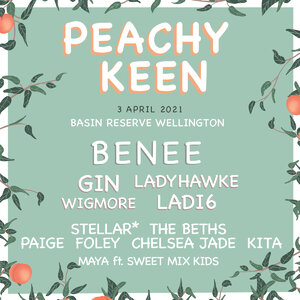
The venue’s broader events programme has also included Beers at the Basin, which returned on 28 February 2026 with craft breweries, local wine, food vendors and New Zealand music. Cricket Wellington has established community-facing initiatives such as Kilikiti cricket and cultural festivals, while the Trust has explored bringing back Summer Sessions or a similar summer event. These programmes show that the Basin can host more than sport, but they remain occasional rather than the core identity of 2 Rugby Street.
As at 15 September 2026, the announced 2026/27 programme includes a BLACKCAPS Test against India, WHITE FERNS cricket against Bangladesh, a later BLACKCAPS fixture against Sri Lanka, domestic Firebirds and Blaze cricket, community matches and Cricket Wellington’s 150th-anniversary initiatives. A “Moments and Milestones” exhibition of 45 historical images was installed around the Basin Reserve in September 2026.
Tickets and Booking
There is no permanent box office for “2 Rugby Street” as a generic venue. Ticketing depends on the event organiser. International cricket and selected domestic matches are sold in advance, while some Ford Trophy, community and junior fixtures are free. A published Christmas Eve Super Smash example used adult tickets of $10 and child tickets of $5, while other fixtures have offered free entry. Prices for Tests, tournaments, festivals, hospitality and function bookings vary by event and seating area.
For popular international matches, book as soon as the fixture is released, particularly for opening days, weekend sessions and matches involving Australia, England or India. Check whether the ticket covers one match, a full day or a multi-day Test package. Super Smash double-headers may use one ticket for both the women’s and men’s matches, while community sport may operate on a free-entry basis.
Function-room bookings are separate from spectator tickets. The RA Vance Stand contains the Trish McKelvey Lounge and Norwood Room, which can be hired for meetings, celebrations, conferences, seminars and private events. The current published function capacities are up to 140 in the Trish McKelvey Lounge and up to 200 in the Norwood Room, subject to the selected layout and event requirements.
About 2 Rugby Street
The address sits within the Basin Reserve, one of New Zealand’s oldest dedicated cricket grounds. The site began as a lagoon shown on Wellington’s 1840 plans. The 1855 earthquake raised the surrounding land, turning the former basin into a swamp. Drainage and levelling began in 1863, the reserve was leased for cricket in 1866, and the first recorded match at the ground took place on 11 January 1868.
The Basin Reserve became a Historic Area in 1998. The Old Pavilion, located at the 2 Rugby Street address, was built in 1924–25 and is a Category II historic place. The William Wakefield Memorial, erected at the reserve in 1882, is another protected structure. The site’s heritage significance comes not only from cricket but also from its role as a rare central green space, its unusual circular road setting and its long connection with Wellington community life.
The address is especially important because the Old Pavilion now houses the New Zealand Cricket Museum. The museum preserves New Zealand cricket history and opens during selected Basin Reserve matchdays, on scheduled public opening days and for private visits. Entry is free when the museum is open, although access can be restricted on paid matchdays to people holding event tickets.
Seating and Layout
The main ground is an outdoor cricket oval rather than a conventional auditorium. Spectators may be allocated grandstand seats, terrace seating or grass embankment areas depending on the event. Published council material has described a capacity of about 8,000, rising to approximately 9,000 when the Museum Stand is in use, although the practical capacity can change with event configuration, temporary seating, safety requirements and ticket zoning.
The RA Vance Stand provides the principal modern spectator, player, media and hospitality facilities. The ground also includes the Old Pavilion or Museum Stand, grassed banks, terrace seating, the scoreboard end and viewing areas around the oval. The current public information does not provide a complete row-by-row seat map or a definitive modern seat count for every stand, so the seating plan supplied for a particular match should take priority.
For a traditional Basin experience, the grass embankments offer an informal, open-air view and are popular for families and long days of Test cricket. Grandstand seating is more practical in unsettled weather and provides a defined seat, while higher positions offer a broader view of field placements. Reviews from recent visitors praise the historic setting, Mount Victoria backdrop and relaxed grass-bank atmosphere, but also mention slower entry, catering queues and toilet queues during capacity crowds.
Function spaces use flexible theatre, banquet, boardroom, U-shaped, cabaret and cocktail layouts. The Norwood Room is 207 square metres, has high ceilings and can be divided into two smaller breakout areas. The Trish McKelvey Lounge has floor-to-ceiling windows overlooking the playing area and a built-in bar.
Architecture, Technical Facilities and Renovations
The Old Pavilion was restored and strengthened after being declared an earthquake risk in 2012. The project included internal strengthening, new concrete, re-cladding and careful retention of heritage timber, doors, flooring, wall tiles, plasterwork and joinery. It reopened for the first Test between New Zealand and India in February 2020, with the restored structure designed to extend its useful life by at least 50 years.
The late-1970s redevelopment created the present oval form, grass embankments, modern entry gates and the RA Vance Stand. The stand contains changing rooms, indoor practice facilities, player and umpire areas, media facilities, corporate rooms and viewing spaces. The later Ewen Chatfield Pavilion added player viewing rooms, kitchenettes, toilets, an umpire’s changing room, physiotherapy rooms, drug-testing and first-aid facilities.
The scoreboard was refurbished with a 10-metre by 0.96-metre LED panel. The venue has integrated audiovisual technology and high-speed Wi-Fi in the function rooms, and free high-speed Wi-Fi has also been offered on the banks during cricket events. CCTV was added to the Wellington City Council Safe City system in 2024.
The public specifications do not provide a concert-style sound-system inventory, lighting plot, stage dimensions, decibel limits, rigging points or touring production rider. The Basin has historic floodlighting and event audiovisual infrastructure, but it should not be treated as a dedicated music venue with a standard touring production package. Technical requirements for a function or festival need to be confirmed as part of the individual booking.
Getting There and Parking
The address is 2 Rugby Street, Mount Cook, Wellington 6021, within the Basin Reserve precinct. The wider ground is also commonly described through its Sussex Street location. The principal public entry points are the C.S. Dempster Gate at the northern end near Kent Terrace and the John R. Reid Gate at the southern end near Adelaide Road. Entry gates can vary by match or event, so follow the instructions on the ticket or event notice.
Wellington Railway Station is the nearest major train interchange. From the station, visitors can walk through the central city or continue by taxi. Bus stops serve both the Kent Terrace and Adelaide Road sides of the ground. The venue’s visitor information recommends public transport because there is no general on-site parking for Basin spectators. Public parking is available in the central city within walking distance, but availability and charges vary.
Function-hire information separately refers to off-street parking for booked events. That should not be assumed to mean that matchday spectators can park inside the ground. The venue does not publish a standard rideshare drop-off zone for every event; a practical approach is to use the gate specified by the organiser and allow extra time to walk around the reserve if traffic controls are operating.
Inside the Venue
Matchday entry may involve ticket scanning, accreditation checks, bag searches and searches of personal possessions. Security can also operate during or after an event. Visitors may be refused entry for intoxication, disorderly behaviour, failure to follow staff instructions, invalid tickets or possession of prohibited items. The playing boundary is normally restricted unless the event specifically permits field access.
Food vendors are available for major international and Super Smash matchdays, and merchandise stalls are usually positioned near the northern entrance or Old Pavilion area depending on the event. Function bookings can include bar facilities, catering and audiovisual support. The venue’s published information does not confirm a permanent public coat check, so do not rely on one being available.
Visitors should expect a relaxed sports-ground atmosphere rather than a theatre lobby. Outdoor seating, grass banks, changing weather and movement around the oval are part of the experience. During a large Test or festival, allow time for food, toilets and entry queues. The central location makes it easy to leave the ground for a meal, although re-entry rules depend on the event.
Accessibility and Inclusive Facilities
The New Zealand Cricket Museum publishes wheelchair-accessible entry and a wheelchair-suitable bathroom. Its recommended step-free route is through the John R. Reid Gate on Rugby Street, keeping left along the driveway past the groundsman’s cottage and continuing towards the Pavilion Grandstand. The museum also states that low-sensory private visits can be accommodated by arrangement.
The Trish McKelvey Lounge and Norwood Room are described as having disabled access. Guide dogs are permitted under the ground’s entry conditions. However, the venue does not publish a single comprehensive accessibility statement covering every spectator area, temporary seating section, toilet, gate, viewing position and event configuration. Visitors who require a particular space should confirm the arrangement for the specific match or function before purchasing.
Nearby Amenities
The Basin is close to central Wellington, Mount Victoria, Te Aro and Newtown. Nearby pre-match choices include cafés around College Street, restaurants on Tory Street, venues around Courtenay Place and bars on Cambridge Terrace. Local visitor information specifically highlights L’affare for breakfast or coffee, Damascus and Dragons on Tory Street, Havana on Wigan Street, and the Welsh Dragon on Cambridge Terrace.
Te Aro and Mount Victoria provide the largest concentration of nearby accommodation, dining and late-night transport options. The compact city centre is generally more useful than searching for facilities immediately beside the ground, particularly after an evening function or festival. On major matchdays, book dinner ahead and allow extra time for traffic around the reserve.
What Makes This Venue Special
The Basin Reserve’s character comes from its combination of city-centre accessibility, open grass banks, historic stands and uninterrupted sporting use. It hosted New Zealand’s first Test at the ground in 1930, the first women’s Test involving New Zealand in 1948, and some of the country’s most memorable cricket performances. The venue’s recorded milestones include Martin Crowe and Andrew Jones’s 467-run partnership in 1991 and Brendon McCullum’s 302 in 2014.
Its history is broader than cricket. The Basin has hosted football, rugby, athletics, cycling, hockey, baseball, softball, boxing, marching, religious services, concerts, exhibitions, political gatherings and community celebrations. In 1879, it was the site of New Zealand’s first public display of electricity, demonstrated through a floodlit football match that ended when the steam generator stopped.
The ground also has a measurable community role. Recent Trust planning documents describe approximately 70 event days, 100 practice days and 80 functions in a typical year, alongside school finals, junior sport, disability sport, community cricket and cultural festivals. International matches bring visitors into Wellington, while regular community use keeps the reserve connected to local clubs, schools, families and volunteers.
Visitor Tips and Information
Do not bring alcohol, illicit drugs, umbrellas, glass bottles, cans, commercially produced takeaway food, air horns, vuvuzelas, laser pointers, fireworks, weapons, scooters, bicycles, skateboards or oversized flag poles. Dogs and other pets are not permitted, although guide dogs are allowed. Plastic bottles up to 1.5 litres, thermos flasks, prams and soft-sided chilly bags are permitted under the published conditions.
Low-profile collapsible seats may be allowed if they are no higher than 300 millimetres from the ground and no wider than 600 millimetres. Standard deckchairs and sofas are prohibited. Clothing must meet reasonable standards of decency, and radios or audio devices may be used only with earphones. Cameras and recording equipment can be restricted for particular events, while commercial recording requires permission.
Bring sun protection and warm layers: the Basin is exposed, and shade can become cool even during summer. For grass-bank seating, arrive early if you want a particular viewing position. For major Tests and festivals, allow at least 30–45 minutes for transport, security and entry rather than arriving just before the scheduled start.
Frequently Asked Questions
Is 2 Rugby Street a concert venue?
Not in the usual sense. 2 Rugby Street identifies the Old Pavilion Stand at the Basin Reserve, a historic cricket and community-sport ground. The reserve can host festivals, functions and occasional music events, but it does not operate as a dedicated concert hall with a permanent touring programme, fixed stage, concert seating plan or published production rider.
What is actually located at 2 Rugby Street?
The address is within the Basin Reserve in Mount Cook. The Old Pavilion Stand houses the New Zealand Cricket Museum, while the wider ground contains cricket facilities, spectator areas, offices, function rooms, practice spaces and heritage structures. Event listings may use the street address even when the relevant entrance is on Sussex Street, Kent Terrace or Adelaide Road.
What events are planned for 2026 and beyond?
The announced 2026/27 programme includes a BLACKCAPS Test against India, WHITE FERNS cricket against Bangladesh, a later BLACKCAPS match against Sri Lanka, domestic Firebirds and Blaze fixtures, community cricket and anniversary activities. Cricket Wellington is also marking 150 years with exhibitions, special events, commemorative merchandise and a book project. Specific match dates and ticket categories can change.
Are tickets required to enter the Basin Reserve?
It depends on the event. International cricket and selected festivals normally require valid tickets or accreditation. Some domestic competitions, school fixtures, community sport and Ford Trophy matches may be free. The ground’s entry conditions allow staff to refuse admission without a valid ticket or pass, so check the event information before travelling rather than assuming every match has free entry.
How much do tickets usually cost?
There is no single 2 Rugby Street ticket price. Published examples range from free community or domestic fixtures to low-cost family cricket, including an adult price of $10 and child price of $5 for a Christmas Eve Super Smash event. International Tests, World Cup matches, festivals, hospitality and private functions use separate pricing, so prices vary by event and seating area.
Which entrance should I use?
The Basin has a northern C.S. Dempster Gate near Kent Terrace and a southern John R. Reid Gate near Adelaide Road. The correct entrance can vary according to the match, seating section, security plan or function booking. Check the instructions attached to your ticket. Museum visitors using wheelchairs are directed through the John R. Reid Gate and along the internal driveway to the Old Pavilion.
Does the Basin Reserve have assigned seating?
Some major matches use allocated grandstand or hospitality seating, while other areas operate as general admission grass banks or terraces. The exact arrangement is event-specific. A ticket may identify a stand, section or seat, but access to other areas can be restricted during crowded or ticketed fixtures. Use the seating information supplied for the individual match rather than relying on a generic ground map.
Can I sit on the grass embankment?
Grass-bank seating is one of the Basin’s defining features and is commonly used for domestic and international cricket when the ticket configuration allows it. Visitors often value the relaxed view and open atmosphere. Bring sun protection and a low-profile collapsible seat if permitted. Standard deckchairs are not allowed, and wet weather can make the bank uncomfortable.
What is the capacity of the Basin Reserve?
Published council material has described capacity at roughly 8,000 spectators, increasing to about 9,000 when the Museum Stand is included. This is not a universal capacity for every event: temporary seating, safety zones, ticketed areas and operational decisions can change the number. The function rooms are much smaller, with up to 140 in the Trish McKelvey Lounge and 200 in the Norwood Room.
Is there parking at 2 Rugby Street?
The general visitor information says there is no on-site parking for Basin spectators and directs visitors towards public parking in central Wellington. Function-hire information separately refers to off-street parking for booked functions. Do not assume that function parking is available during a match or festival. Public transport is usually the safer option for busy international fixtures.
How do I reach the Basin by public transport?
Travel to Wellington Railway Station and walk through the central city or continue by taxi. Bus stops serve both sides of the ground, including the Kent Terrace and Adelaide Road approaches. Exact routes and stop arrangements can change with roadworks or event traffic management, so allow extra time and follow the approach stated on the event information.
Is the venue wheelchair accessible?
The New Zealand Cricket Museum has wheelchair-accessible entry and a wheelchair-suitable bathroom. Its recommended route is through the John R. Reid Gate on Rugby Street. The Trish McKelvey Lounge and Norwood Room are also described as having disabled access. A complete accessibility specification for every spectator section is not published, so confirm the exact event layout if you need step-free seating or companion space.
Can I visit the New Zealand Cricket Museum without a match ticket?
The museum offers free public visits on scheduled opening days and private bookings. It also opens during selected Basin Reserve matches. On paid matchdays, access may be restricted to people holding tickets for the game, and opening hours can change with the event calendar. Check the current museum schedule before making a special journey.
What food and drink is available inside?
Major international and Super Smash matchdays generally include food vendors, while function bookings can include catering and bar facilities. The range and opening times vary by event. Commercial takeaway food from outside, including common fast-food meals and pizza, is prohibited under the published entry conditions. Visitors should not assume that every smaller domestic fixture will have the same catering offer.
Can I bring a picnic or water bottle?
Thermos flasks, plastic bottles up to 1.5 litres and soft-sided chilly bags are listed as permitted. Glass bottles and cans are prohibited, as is commercially produced takeaway food. Security staff can search possessions and confiscate prohibited items. If you are attending a festival or international match, event-specific rules may be stricter than the general conditions.
Can I hire a room at the Basin Reserve?
Yes. The RA Vance Stand contains two published function spaces: the Trish McKelvey Lounge and Norwood Room. They are used for meetings, seminars, conferences, celebrations, weddings, team-building activities and corporate events. The lounge seats up to 140, while the Norwood Room can accommodate up to 200 depending on layout. Both include access features, Wi-Fi and audiovisual capabilities.
What is the most historic feature at 2 Rugby Street?
The Old Pavilion, built in 1924–25, is the signature historic building associated with the address and now houses the New Zealand Cricket Museum. The reserve also contains the William Wakefield Memorial, erected in 1882, and the groundsman’s cottage, built in the 1880s. Together they form part of a protected historic sporting landscape rather than a modern stadium-only complex.
What should I bring for a day at the Basin?
Bring your ticket, photo identification if required by the event, sun protection, warm layers, a refillable plastic bottle and weather-appropriate clothing. A permitted low-profile seat can help on the grass bank. Avoid umbrellas, glass, cans, large deckchairs, pets, bicycles and commercial takeaway food. Arrive early for popular Tests, festivals and double-headers because queues can build at gates, food stalls and toilets.