Current Events and Programming
As of 15 September 2026, there are no verified public performances or tickets on sale at 21/23 Cambridge Terrace. The former Club 121 and b.Space basement closed for earthquake-strengthening work, and the building is being converted into a new Drifter hotel-hostel. Current pre-opening recruitment advertises a Wellington opening in December 2026, but no confirmed return of the nightclub or announcement of a 2026 performance calendar has been found.
Historically, the address was one of Wellington’s most recognisable small electronic-music rooms. Its programme concentrated on house, techno, electro, drum and bass, garage, breaks, bass music and experimental club sounds, with local selectors sharing bills with touring artists from New Zealand and overseas. The room was used for late-night DJ sets, album and label showcases, promoter takeovers, open-decks sessions and community-focused dance events rather than seated concerts or conventional theatre.
Verified public listings from 2021 include Chaos In The CBD, DJ Boring, Skin On Skin, the Born On Road showcase with UK artists, and a New Year’s Eve bill led by Skream. The 2022 record includes Dance System, Baby Kiko, Keepsakes, Liquid Earth, Skin On Skin, jamesjamesjames, Ewan McVicar, Dusky, Mall Grab and a bass-music night featuring JAEL with a local open-decks session. These bookings show the venue’s preference for dancefloor-led programming and genre-crossing electronic artists.
The Club 121 period also connected the basement to the wider 121 creative community, which began with house parties in 2015 and later expanded into larger one-off events, warehouse raves and a multi-day festival. The organisation’s influence therefore extended beyond the address itself, helping local DJs, promoters, designers and production crews build audiences.
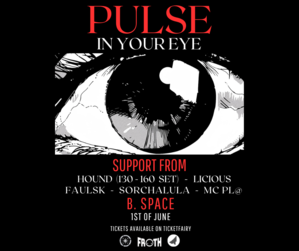
b.Space relaunched the room in early 2024 as a more open community nightclub, with promoters encouraged to bring their own ideas and line-ups. Documented events included Aloka with Flatmate and Chazz, Robbie Doherty, Mainphase and Neffa-T, Froth’s Donk Night, OA, Soul Mass Transit System, Techno Gender Fluid, Blueprint, the HOTPOT MAMAZ showcase and a year-end event with Jsdwizzle, Foxtrot and Swimcap.
The final clearly documented b.Space-presented event was a February 2025 bill featuring Wiri, Sinjin and Miss Doobie. Its listing described the night as the last b.Space event before construction began, making it the clearest dividing line between the venue’s performance era and the current redevelopment.
Tickets and Booking
There are currently no verified event tickets for 21/23 Cambridge Terrace. During the Club 121 and b.Space years, tickets were generally sold in advance by the individual promoter, with some smaller nights offering limited door sales. Availability, door times, age rules and re-entry conditions varied by event, so there was no single permanent ticket policy that applied to every show.
Archived listings show a typical historical range of approximately NZ$10 to NZ$40, with many local nights priced around NZ$15–$25. International guests and larger promoter bills could reach NZ$32–$40 or more, while some community or open-decks sessions were free. Booking fees could be added separately, and popular nights were promoted as limited-capacity events.
There was no publicly documented permanent box office, membership scheme or venue-wide presale programme. The most reliable historical strategy was to buy as soon as a promoter announced a line-up, particularly for overseas DJs, themed nights and end-of-year events. That advice does not currently create a route to entry: the former club space is not advertising performances while redevelopment continues.
About 21/23 Cambridge Terrace
21/23 Cambridge Terrace is a heritage-listed central Wellington building in Te Aro, near Courtenay Place. It is also known as the former Wellington East or Cambridge Terrace Post Office and as Oriental Chambers. The building was completed in 1930 to designs prepared in the office of Government Architect John Mair. Its original functions included the post office on the ground floor and the Post and Telegraph Department’s Radio Section on upper floors.
The architecture is a late-1920s transitional form: neo-Classical civic detailing adapted to a tall, stepped building. Wellington City Council describes its large base, recessed wings and stepped shaft as giving the structure a formal presence, while the heritage record identifies the entire external envelope for protection. Upper-storey additions were made in 2003 when the building was converted into backpacker accommodation.
For many years the upper levels housed Base Wellington, while the lower part of the building operated as hospitality and nightlife space. The basement had earlier associations with bars and clubs before becoming the Cambridge Terrace home of Club 121. Club 121 operated at the address from approximately 2020 until late 2022, after earlier operating from another Wellington site. It was followed by b.Space in 2024.
Redevelopment and Future Use
The building is being strengthened and converted into an eight-storey Drifter hotel-hostel. The construction scope included micro-piles, new foundations, reinforced-concrete shear walls, a beam-and-column structure and an external concrete strengthening frame at the rear. Contractors also describe the salvage, restoration and reinstatement of significant heritage elements.
The proposed new use is accommodation rather than a dedicated nightclub. Published project information describes private rooms, premium shared bunks, a wellness studio, co-working areas, a bar and a restaurant, with a planned sleeping capacity of 277 beds across nine levels. The operator’s current site lists Drifter Wellington as coming soon, while current recruitment material refers to a December 2026 opening. No independent announcement confirms that the former basement will reopen as a public performance room.
Seating, Layout and Capacity
The former Club 121 and b.Space room was a basement nightclub, not an auditorium. Reporting and event material describe a dark, windowless, dancefloor-focused space where the audience stood around a DJ booth or performance area. The room’s character came from proximity, bass and crowd energy rather than tiered seating, balconies or formal sightlines.
No authoritative public capacity figure, room dimensions, approved floor plan or fixed seating configuration has been located. Third-party descriptions sometimes suggest a small-to-medium club, but those informal estimates should not be treated as an official capacity. There is also no verified public record of permanent VIP sections, reserved seating or a standard accessibility viewing platform.
For the former dancefloor layout, the best position depended on the event. Being close to the booth offered the most direct connection with the performer, while the rear or side edges provided more room to move away from the loudest sound. Because the space was designed around standing and dancing, visitors seeking conventional seated viewing would have found few, if any, fixed options.
Sound, Lighting and Production
Club 121 was recognised by local music practitioners for its dedicated house system. A Massey University case study describes it as one of Wellington’s few venues with a system suited to the high-fidelity, low-frequency demands of club music. That made it particularly appropriate for long DJ sets, house, techno and bass-heavy programming.
Event-specific listings identify production supplied by Further Sound and Lightcraft, including laser effects for at least one 2024 techno event. These references confirm a serious sound and lighting approach, but they do not establish a permanent equipment inventory, speaker model, console list, lighting plot, stage dimensions or technical rider. Those details should not be inferred from promoter descriptions.
Getting There and Parking
The address is 21–23 Cambridge Terrace, Te Aro, Wellington 6011, close to Courtenay Place and the central city. It is within an established nightlife and hospitality district, with Te Papa, the waterfront, Cuba Street and Tākina all within walking distance. Current accommodation information places Courtenay Place about two minutes away and Te Papa about seven minutes away on foot.
There is no verified dedicated venue car park. Current information for the planned Drifter property states that on-site parking is not provided. Visitors driving to the area must rely on council-controlled street spaces or commercial parking buildings. Published Wellington parking material shows that central-city rates vary by zone and time, with examples ranging from roughly NZ$3 to NZ$5 per hour; signs and pay-by-plate instructions at the time of parking take precedence.
Public transport is generally the practical option. Wellington Railway Station and the central bus interchange are north of the building, with current accommodation information estimating a walk of about 25 minutes from the station. Metlink’s Airport Express connects Wellington Airport with the station, normally taking about 25–35 minutes from the station depending on traffic. From the station, visitors can continue by bus towards Courtenay Place or walk through the central city.
Inside the Former Venue
Historical visitors should have expected an R18 club environment, late door times and music continuing into the early morning. Many archived events ran from approximately 9pm or 10pm until 3am or 4am. Age restrictions were set by the individual event, but the documented listings are overwhelmingly R18, and some explicitly stated that identification was required for entry.
The basement atmosphere was intentionally raw and immersive: concrete, darkness, loud low-end sound and a crowd concentrated around the music. Food service was not a defining part of the club’s programme, while drinks were part of the nightlife operation. Public listings do not provide a dependable venue-wide record of coat check, merchandise, Wi-Fi, restroom layout, bag limits, photography rules or re-entry procedures, so those details should not be assumed for any future use.
Accessibility and Inclusive Facilities
No verified venue-specific accessibility statement, accessible seating plan, step-free route, lift arrangement or accessible toilet information has been found for the former Club 121 or b.Space room. That is especially important because the performance space was in a basement within an older heritage building. Visitors with mobility, sensory or access requirements should not rely on historic event listings as proof of facilities.
The programming included community-led events and at least one explicitly gender-fluid techno night, suggesting that inclusive dance culture was part of the room’s recent identity. That cultural intent should not be confused with a published accessibility guarantee. Any future event in the building would need its own confirmation of entrance, toilets, viewing space, lighting, sound levels and support arrangements.
Nearby Amenities
The surrounding Courtenay Place and Te Aro area provides a dense choice of bars, cafés, restaurants and late-night food within a short walk. Current neighbourhood information places several restaurants and bars two to three minutes from the building, with Cuba Street and the waterfront also close enough for pre-event dining or a post-event walk.
Nearby accommodation has historically included the hostel operating in the same building and hotels around Courtenay Place, Wakefield Street and the central city. That made the address convenient for visitors attending late events, although the former hostel use is being replaced by Drifter. Because Wellington nightlife and transport conditions change, visitors should allow extra time for the walk back to their accommodation after midnight.
Visitor Experiences and Reviews
User-generated reviews of Club 121 commonly praise the intimate underground atmosphere, strong sound system, energetic dancefloor and inclusive crowd. Other comments mention occasional toilet-maintenance issues and inconsistent service experiences. These are anecdotal impressions rather than a formal visitor survey, but they broadly match the venue’s reputation as a music-first basement with high atmosphere and limited polish.
Reviews of the former accommodation in the building tended to value the central location, helpful staff and proximity to nightlife, while also reflecting the compromises of budget accommodation. Those reviews are relevant to the building’s visitor history but should not be read as current reviews of the planned Drifter operation.
What Made 21/23 Cambridge Terrace Special
The address combined three unusual layers: a formally designed 1930 civic building, a backpacker and hospitality complex, and a basement that became an important home for Wellington’s electronic-music community. Few city venues could place a serious club sound system directly beneath a former post office with such a prominent heritage façade.
Its importance was cultural rather than architectural as a performance venue. Club 121 provided a stable home for house and techno at a time when Wellington’s dance scene depended heavily on temporary spaces, while b.Space deliberately opened the room to independent promoters. Local collectives could present new artists, specialist genres and community events without needing the scale of a major arena.
The redevelopment preserves the building’s commercial and social importance but changes its role. The next chapter is expected to centre on accommodation, food, drink, co-working and traveller-oriented social spaces rather than a dedicated late-night club. That makes the former performance history especially useful for understanding why this address remains significant to Wellington’s nightlife story.
Visitor Tips and Information
Do not travel to 21/23 Cambridge Terrace expecting a current Club 121 or b.Space event. Check the exact event date and venue name carefully when reading old listings, because the same basement has appeared under several names and archived pages can remain searchable after closure.
For any future event announcement, confirm the age restriction, ticket type, door time, re-entry rule, ID requirements, accessibility arrangements and whether the event is standing-room only. Ear protection would have been sensible for the former club’s high-volume sound system, particularly near the booth or main speakers.
There is no verified dress code. Practical clothing and comfortable footwear would have suited the former dancefloor better than formal attire. Large bags and bulky coats were poorly matched to a crowded basement environment, although a permanent bag policy has not been located. Do not assume that a future Drifter event will follow the former nightclub’s operating rules.
Frequently Asked Questions
Is 21/23 Cambridge Terrace still a nightclub?
No. The basement previously operated as Club 121 and later b.Space, but its documented nightclub programme ended before earthquake-strengthening and redevelopment work. The building is being converted into a Drifter hotel-hostel, with current recruitment material pointing to a December 2026 opening. No confirmed announcement says that the former nightclub will return as a permanent performance venue.
Are there events or tickets available there in 2026?
No verified 2026 public performances or ticketed club nights were found for 21/23 Cambridge Terrace. Searchable event pages largely refer to historical Club 121 and b.Space activity. The current redevelopment is focused on accommodation and hospitality, so old listings should not be treated as evidence that the basement is open for events.
What is planned for the building?
The building is being redeveloped as Drifter Wellington, a hybrid hotel-hostel with private rooms, shared bunks and social facilities. Published project material refers to a wellness studio, co-working areas, a bar and restaurant, with 277 planned beds across nine levels. Current recruitment material describes the Wellington property as a new opening planned for December 2026.
What type of music was booked at Club 121?
Club 121 concentrated on electronic dance music, particularly house, techno, deep house, electro and related styles. It also hosted bass, garage, breaks and experimental events, plus touring DJs and specialist promoter showcases. The programming favoured long dancefloor sets and a close relationship between the DJ, sound system and crowd rather than conventional seated concerts.
What did b.Space programme?
b.Space continued the electronic focus but operated more as a platform for independent promoters. Its documented events included techno, house, trance, broken beat, garage, speed garage and bass nights, with local selectors appearing alongside artists from the United Kingdom, Australia and elsewhere. The venue also hosted community-led showcases and themed nights rather than relying on one narrow genre.
How much did tickets usually cost?
Historical listings show prices from about NZ$10 for smaller local nights to NZ$40 or more for prominent international bookings. Many events sat between NZ$15 and NZ$25, while selected touring acts and larger bills reached NZ$32–$40. Prices varied by promoter and ticket release, and booking fees could be added separately. There are no current ticket prices because no current programme is verified.
Was the venue seated or standing?
The former basement was primarily standing-room and dancefloor-oriented. It was not laid out like a theatre with a numbered seating plan, balcony or formal auditorium sightlines. Some visitors could rest along the edges, but the central experience was dancing close to the DJ or performers. Any future event in the redeveloped building would need to publish its own layout.
What was the capacity of the venue?
No authoritative public capacity figure or approved room dimensions have been located. Informal online descriptions suggest a relatively intimate club, but those estimates are not reliable enough to quote as an official capacity. The safest description is a small basement performance room that could feel crowded during popular late-night events.
Was 21/23 Cambridge Terrace an historic building?
Yes. The building was completed in 1930 as the Wellington East, later Cambridge Terrace, Post Office. It also housed the Post and Telegraph Department’s Radio Section and is recognised for its late-1920s neo-Classical skyscraper form. The exterior is heritage protected, and the building is also known as Oriental Chambers.
Who designed 21/23 Cambridge Terrace?
The building was designed through the office of Government Architect John Mair. Its design combines a substantial civic base, stepped central massing and recessed side wings, producing a formal inter-war appearance. The building’s original architectural character remains important to the current strengthening and hotel-conversion project.
Does the venue have a dedicated car park?
No dedicated event-venue car park has been verified. Current information for the planned Drifter property states that on-site parking is not available. Visitors should expect to use metered street parking or a commercial parking building in the central city, with rates and time limits varying by location. Always follow the signs displayed at the specific parking space.
How do you reach the address by public transport?
The building is in central Te Aro, close to Courtenay Place bus connections. Wellington Railway Station and the main bus interchange are north of the address, with the walk estimated at about 25 minutes. Travellers from the airport can use the Airport Express to Wellington Station, then continue by bus or walk through the central city.
Was the former venue accessible?
No reliable public accessibility statement has been found for Club 121 or b.Space. The performance room was in a basement within an older heritage building, but step-free access, lift arrangements, accessible toilets and viewing positions are not documented in the sources reviewed. Anyone considering a future event should seek specific confirmation rather than assuming modern accessibility facilities.
Were events generally age-restricted?
Yes. The documented event listings are predominantly R18, and some specifically stated that identification was required for entry. Age restrictions were determined by the event and its licence, so a future function in the redeveloped building could use different rules. Visitors should rely on the individual event information rather than the address alone.
Did the venue host live bands as well as DJs?
DJs and electronic artists dominated the documented programme, but the space also hosted live electronic performances, specialist showcases and producer-focused events. The wider 121 organisation presented bands and larger live acts at other locations, while the Cambridge Terrace basement remained primarily a club room rather than a conventional live-band venue.
What made the sound system notable?
A local music case study identifies Club 121 as one of Wellington’s few venues with a dedicated house system suited to accurate, powerful low-frequency club music. Event listings also identify specialist production suppliers for sound and laser lighting. No complete permanent equipment list has been published, so individual models and technical specifications cannot be confirmed.
Will the former nightclub reopen after construction?
No confirmed reopening plan has been found. The redevelopment information focuses on Drifter accommodation, social spaces, a bar, restaurant, wellness facilities and co-working areas. The operator has not publicly confirmed a permanent Club 121 or b.Space return, nor published a future concert calendar for the address. Any claim of reopening should therefore be treated as unverified until formally announced.
Why is the address important to Wellington’s music scene?
The address gave Wellington’s house and techno community a stable basement venue with a serious sound system, close to the Courtenay Place nightlife district. Club 121 also grew from local house-party culture into a broader events organisation, while b.Space opened the room to independent promoters. Its significance is therefore tied to community-building and artist development as much as to individual shows.