Events and Programming
There are no current events at Bodega Wellington. The venue closed permanently after its final gig on 23 December 2016, so there are no Bodega performances listed for 2021, 2022, 2023, 2024, 2025 or 2026, and no confirmed announcements for 2026 or beyond. Current event archives show zero upcoming concerts and preserve the last known listings from late 2016.
Bodega’s historical programming was centred on live music in a compact bar environment rather than a formal theatre schedule. It became particularly associated with original New Zealand acts, alternative rock, indie, punk, jazz, roots, reggae, soul, hip-hop, electronic music and experimental performers. The range could move from a local guitar band or singer-songwriter to metal, drum and bass, rap, comedy or a touring international act.
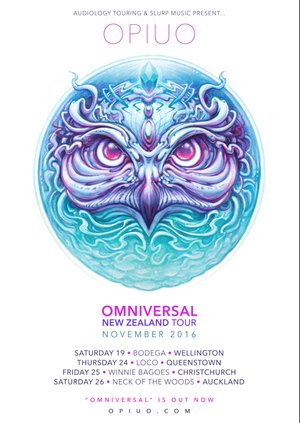
Notable international performers connected with the venue included The White Stripes, Steve Earle, Killing Joke, The Melvins, Peter Hook, Black Rebel Motorcycle Club, Roni Size, The Misfits, Ghostface Killah, Lydia Lunch, The Fall, Earl Sweatshirt, Peter Murphy, The Buzzcocks and The Selecter. The owners’ 2016 farewell statement also identified repeat visitors such as Jon Spencer Blues Explosion, KT Tunstall and The Brian Jonestown Massacre.
The local and national roster was equally important. Historical accounts mention Chris Knox, The Chills, the Jean-Paul Sartre Experience, David Kilgour, The Renderers, Tim Finn, Fur Patrol, Gin Wigmore, Unknown Mortal Orchestra, Hollie Smith, Fat Freddy’s Drop, The Phoenix Foundation and many other New Zealand artists. Bodega’s value was not simply that established names played there; it gave developing Wellington musicians a reliable room in which to build an audience.
Archival listings show the kind of ticket pricing that applied before closure. A 2012 Fat Freddy’s Drop performance carried a NZ$45 cover charge and sold out, while a 2013 release show advertised early-bird and student tickets at NZ$20, with a NZ$35 ticket-and-release package. These examples suggest a broad historical range of about NZ$20–$45 for ordinary public shows, although prices varied by artist, promoter and event. They are not current prices.
Tickets and Booking
No Bodega tickets can now be purchased because the venue no longer operates. Old event pages, venue listings and ticket links should be treated as historical records rather than evidence of a forthcoming show. The absence of a current programme is explained by the venue’s December 2016 closure, not by a quiet 2026 season.
When Bodega was operating, tickets were generally tied to individual promoters and shows rather than a large permanent box-office system. Historical listings show advance sales, cover charges and occasional door sales. Most performances were general admission, with no published evidence of reserved seating, numbered tickets or a conventional tiered seating plan. Popular small-room shows could sell out, so advance purchase and early arrival were sensible habits.
Booking the venue historically appears to have been informal and relationship-led. An oral history describes promoters consulting a wall planner, then using posters, word of mouth, radio gig guides and a street blackboard to publicise shows. Later event listings show that the venue also hosted private functions and upstairs room hire, but no current booking service or private-event operation exists under the Bodega name.
About Bodega
Bodega was a Wellington bar and live-music venue that operated for 25 years, from 1991 until December 2016. It began as La Bodega café in an old Edwardian shop at the corner of Willis and Abel Smith Streets. Proprietors Fraser McInnes and Steve Jinks extended the building at the rear, creating a room where alternative beer and alternative music could develop together.
The original Willis Street room occupied an unusual position between the central city and inner suburbs such as Aro Valley and Brooklyn. Its temporary feel, relatively cheap rent and proximity to residential streets helped create a neighbourhood-pub atmosphere in which students, musicians, tradespeople, office workers and clergy could share the same bar. That mixture became central to Bodega’s identity.
The venue moved to 101 Ghuznee Street in the early 2000s as the inner-city bypass threatened the original site. National Library records and closure coverage date the relocation to 2002. A later oral-history account separately recalls staff and regulars carrying the distinctive horseshoe bar around the corner with bagpipes and a New Orleans jazz band; accounts differ on the precise year of that procession.
The Ghuznee Street building was a four-storey, 1936 Art Deco or stripped-classical structure of approximately 1,070 square metres. Before Bodega, it had been associated with Nestlé’s chocolate operations, an RSA and the Brasserie Flipp restaurant. After Bodega closed, the building underwent strengthening and heritage refurbishment and became the Wellington headquarters and retail space for skincare company Antipodes, with the project completed in 2019.
Published venue records do not provide a verified official capacity, room schedule or dimensioned floor plan for the Ghuznee Street Bodega. The commonly quoted figure of roughly 180 people, with 100–120 considered more comfortable, comes from an oral-history account of the original Willis Street bar and should not be presented as the official capacity of the later premises.
Seating and Layout
Bodega was primarily a standing venue. Historical descriptions portray a compact main room with a small stage, a bar running along one side and limited stools or tables rather than rows of seats. There was no published reserved-seating map or VIP section. The best view was generally close to the stage, although the intimacy also meant that a busy show could produce crowded sightlines. ticketfairy.com
The upstairs Burgundy Room became part of the venue by 2011. It functioned as a separate lounge and additional event space, offering a quieter area and another vantage point rather than a conventional balcony or theatre gallery. Fringe Festival records also show the room being used for performances and special events.
Because the venue was small and audience members stood close to performers, the listening experience was direct and physical. People seeking the strongest connection with a band would traditionally stand near the front; those wanting more breathing room were better placed towards the edges or in the upstairs room when it was open. There is no evidence of formal acoustic zoning or premium sightline seating.
Sound, Lighting and Production
The clearest technical description relates to the original Bodega room. Its sound was reportedly built around a basic vocal PA, while instruments were heard through their own stage amplifiers. The small scale made this simple arrangement workable and allowed bands to set up quickly, with short soundchecks rather than lengthy production periods.
That description should not be mistaken for a complete technical specification of the later Ghuznee Street venue. Public venue listings mention lighting, a staging area and dance-floor capability, but do not publish speaker models, mixing-console details, microphone inventories, stage dimensions, power specifications, lighting fixtures, rigging limits or a professional production rider.
For performers, Bodega’s appeal appears to have been flexibility and immediacy rather than a large installed production system. The room suited bands, DJs, small touring acts, club nights and unusual one-off performances that benefited from close audience contact.
Getting There and Parking
The former venue address was 101 Ghuznee Street, Te Aro, Wellington 6011. It is now a former-venue location rather than an event destination, so there is no Bodega entrance, event-night parking arrangement, rideshare protocol or venue-managed transport service to use.
For someone visiting the area to see the former site from the street, public transport remains the simplest option. Current Metlink information identifies bus stops around Ghuznee Street at Cuba Street and Ghuznee Street at Victoria Street, placing the former address within the central Te Aro walking network. Routes and stop arrangements can change, so current departure information should be checked on the day.
There is no verified Bodega-specific car park or historical venue parking rate to report. Visitors to the wider Te Aro area should plan around ordinary central-city street parking and commercial parking facilities rather than expecting a dedicated venue space. The former building should not be entered as though it were an open bar or music venue.
Inside the Venue
At its peak, Bodega felt more like a lived-in neighbourhood bar than a polished concert hall. The atmosphere was informal, close and sociable, with the music room and bar operating as one community space. Historical accounts repeatedly describe a mixed audience and a venue that remained active after performances rather than emptying immediately when the last band finished.
The venue’s character came from its imperfections: a compact room, a close stage, a prominent bar, a makeshift feel and a crowd that included both regulars and touring artists. Those qualities could also produce practical compromises, including crowded conditions, limited seating and a less formal visitor experience than a purpose-built theatre.
There is no current entry procedure, security policy, merchandise service, coat check, food-and-drink menu, restroom guide, Wi-Fi provision or photography policy to follow. Historical event listings do show R18 restrictions for some performances, so adult age limits were an important part of the former gig experience.
Accessibility and Inclusive Facilities
Bodega has no current accessibility service because it is closed. Archived secondary descriptions portray the old venue as having stairs, narrow circulation and limited wheelchair access, particularly for the upstairs Burgundy Room. No authoritative historical access audit, step-free entrance specification, accessible seating plan or accessible-toilet certification was located. Anyone researching the venue for historical reasons should therefore avoid assuming modern accessibility standards applied. ticketfairy.com
The current building has since undergone major seismic strengthening and refurbishment, but that later work belongs to the Antipodes headquarters project, not to an operating Bodega venue. It should not be used to infer what access facilities Bodega offered before closure.
Nearby Amenities
Although there is no show to attend, the former Ghuznee Street setting remains part of a dense Te Aro hospitality district. Nearby options documented in current Wellington visitor information include Customs Brew Bar at 39 Ghuznee Street, Regent at 55 Ghuznee Street, Puffin at 60 Ghuznee Street and restaurants and bars around Cuba Street.
For a daytime heritage or music-history visit, Volco on Egmont Street and 1154 Pastaria near Cuba and Ghuznee provide food options within the wider walking area. The Intrepid Hotel is located above Puffin, giving the precinct a current boutique-accommodation option, although none of these businesses is connected with Bodega’s former operation.
What Makes This Venue Special
Bodega mattered because it helped turn Wellington’s alternative music community into a sustained local culture. It was unusually open to original New Zealand music, and its low-pressure environment let artists test new material, return regularly and build relationships with audiences. An associated label, Beats Bodega Records, also released early albums by local acts including Short, Cinematic and The Stereo Bus.
The venue’s history is full of memorable details: the old Willis Street room was built into the back of a café; a horseshoe bar became part of local lore; the White Stripes played there before becoming globally prominent; and the move to Ghuznee Street was remembered as a communal procession rather than a conventional relocation. These stories explain why Bodega is remembered as a Wellington institution rather than simply another closed bar.
Its closure also exposed the fragility of Wellington’s live-music infrastructure. In 2018, former co-owner Murray Hepple described the shortage of suitable mid-sized rooms as a major problem for touring artists and local promoters. Later reporting on Wellington’s 2024 music scene continued to list Bodega among the city’s important shuttered venues.
Visitor Tips and Information
The most important tip is not to treat old listings as current. Bodega is a former venue, and there are no 2026 shows, ticket releases or future announcements confirmed under that name as at 14 September 2026. The former address can be viewed as part of Te Aro’s urban and music history, but the present building is associated with a different use.
Historical visitors generally encountered general admission, standing-room conditions and occasional R18 restrictions. Casual clothing suited the informal bar setting, while early arrival helped with crowded performances. Those details describe the former experience only; there is no current dress code, bag policy, photography rule or door-time policy.
For accessibility research, rely on the historical caution that stairs and narrow spaces were reported, but do not assume the later refurbished building reflects the old venue. For music fans, the most useful modern alternative is to explore Wellington’s current live scene while treating Bodega as part of the capital’s recorded venue history.
Frequently Asked Questions
Is Bodega Wellington still open?
No. Bodega closed permanently in December 2016 after a final gig on 23 December. The venue is not operating as a bar, concert room or function space, and there is no current programme under the Bodega name. The former Ghuznee Street premises later became part of an Antipodes headquarters and retail project, so visitors should not expect to enter a working music venue.
Are there any Bodega events in 2026?
No confirmed Bodega events have been found for 2026 or beyond. Current concert archives show zero upcoming concerts and identify the last listed performances as taking place in 2016. References to Bodega in newer music writing are historical, usually discussing Wellington’s former venues and the effect their closures had on the local scene.
What was the last event at Bodega?
The venue’s final night took place on 23 December 2016. Contemporary coverage described it as one last gig before the doors closed after 25 years of live music. Individual archive databases preserve other late-2016 listings, including Yossarian, Black Milk and Tomás Ford, but they do not replace the closure announcement identifying 23 December as the final night.
Where was Bodega located?
Bodega’s later home was listed at 101 Ghuznee Street in Te Aro, Wellington. The venue originally operated on upper Willis Street near the corner of Abel Smith Street before moving because of the inner-city bypass. The former Ghuznee Street building is now associated with a different commercial use, so the historic address should not be confused with a current venue entrance.
When did Bodega first open?
Bodega began in 1991 as La Bodega café, later expanding into a live-music bar. The original premises occupied an old Edwardian shop on Willis Street, where the owners extended the building at the rear to create a music room. It remained connected with Wellington’s alternative scene for 25 years before closing at the end of 2016.
Why did Bodega move from Willis Street?
The original Willis Street building was threatened by construction of Wellington’s inner-city bypass. The venue therefore moved to premises on Ghuznee Street in the early 2000s, with closure coverage and library records placing the move around 2002. A separate oral-history account remembers the horseshoe bar being carried between locations as part of a community procession.
What type of music did Bodega book?
Bodega was best known for original New Zealand music, especially alternative rock, indie, punk, jazz, roots, reggae, soul, hip-hop and experimental work. Its programme also included touring international rock, metal, electronic and rap acts. The venue’s identity was broad but artist-led: it favoured distinctive performers and strong local connections over a narrow commercial genre.
Which famous artists played Bodega?
Historical records associate Bodega with The White Stripes, Steve Earle, Killing Joke, The Melvins, Peter Hook, Black Rebel Motorcycle Club, Roni Size, The Misfits, Ghostface Killah, The Fall and The Buzzcocks. New Zealand acts included Fat Freddy’s Drop, The Chills, Tim Finn, Fur Patrol, Gin Wigmore, Hollie Smith and Unknown Mortal Orchestra.
What was Bodega’s capacity?
No verified official capacity or dimensioned plan for the Ghuznee Street venue has been located. An oral-history account gives the original Willis Street room a capacity of about 180 at a squeeze, with 100–120 considered more comfortable. That figure should be treated as a historical description of the earlier room, not as the official capacity of the later Bodega premises.
Did Bodega have seating?
Bodega was primarily a general-admission standing venue. Historical descriptions mention a small stage, a bar-side layout and limited stools or tables rather than rows of fixed seats. The upstairs Burgundy Room offered a separate lounge-style area, but there is no evidence of reserved seating, numbered sections or formal VIP seating. Sightlines were closest and most direct near the stage.
ticketfairy.com
What was the Burgundy Room?
The Burgundy Room was an upstairs space associated with Bodega by 2011. It served as a lounge, extra event room and occasional performance area. It was not a large theatre balcony or a premium ticket section. Festival records show that it could host separate creative events, while historical venue descriptions present it as a quieter alternative to the crowded main room.
How much did Bodega tickets cost?
Archived examples suggest historical public-show prices commonly fell between about NZ$20 and NZ$45, depending on the artist and event. A 2012 Fat Freddy’s Drop show listed a NZ$45 cover charge, while a 2013 release event advertised NZ$20 early-bird tickets and a NZ$35 ticket-and-release package. These figures are historical only and have no relevance to current ticket sales.
Were Bodega shows usually R18?
Many evening performances were advertised as R18, although the exact age restriction depended on the event and licensing conditions. Historical listings explicitly show R18 entry for some concerts. Because Bodega has closed, there is no current age policy to check, and old event restrictions should not be applied to other Wellington venues or present-day events.
Was Bodega wheelchair accessible?
Archived descriptions indicate limited wheelchair access, with stairs and narrow circulation affecting the venue and its upstairs room. No authoritative historical access audit, step-free entrance statement or accessible-toilet specification was found. The later strengthening and refurbishment of the building was a separate project and should not be used to infer what facilities Bodega provided.
ticketfairy.com
What sound system did Bodega use?
The clearest published description concerns the original Willis Street room, where vocals ran through a basic PA and instruments were projected through their own amplifiers. The arrangement suited the compact space and allowed quick set-ups. No detailed technical rider for the later Ghuznee Street venue has been located, so speaker models, console details, stage dimensions and lighting specifications cannot be verified.
Was there parking at Bodega?
No dedicated Bodega car park or venue-specific parking arrangement has been verified. The former address was in central Te Aro, where visitors historically relied on surrounding street parking, commercial car parks, buses, taxis and walking routes. Because the venue closed in 2016, there is no present-day Bodega parking policy, rideshare drop-off point or event-night traffic plan.
How could visitors reach the former site by bus?
The former Ghuznee Street address sits near central bus stops around Ghuznee Street at Cuba Street and Ghuznee Street at Victoria Street. Current Metlink information identifies services through this part of Te Aro, but routes and timetables can change. Anyone visiting the former location should use current public-transport information and remember that the destination is now a former venue.
What is at the former Bodega building now?
The former Bodega building underwent heritage refurbishment and seismic strengthening for Antipodes headquarters and retail space. The project began in late 2016 and was completed in 2019, retaining and restoring elements of the 1930s building while adapting the interior for modern commercial use. This later project is separate from Bodega’s former fit-out and visitor facilities.
Why is Bodega important to Wellington?
Bodega helped nurture Wellington’s alternative and original-music culture by giving local artists a consistent, intimate room alongside touring performers. Its mixed audience and informal atmosphere made it a community meeting place as well as a gig venue. Its closure also contributed to wider concerns about Wellington’s shortage of suitable mid-sized rooms for performers and promoters.