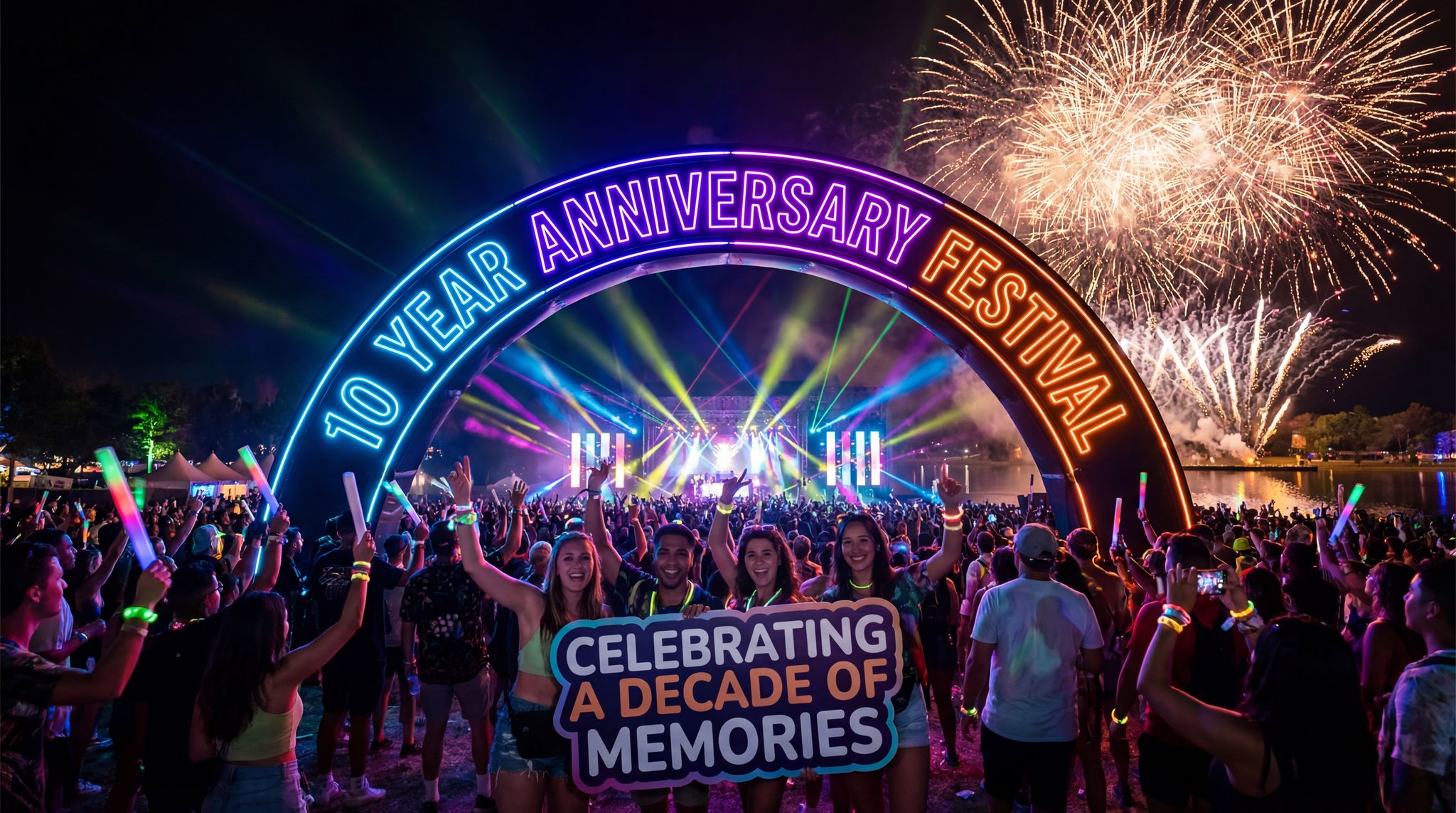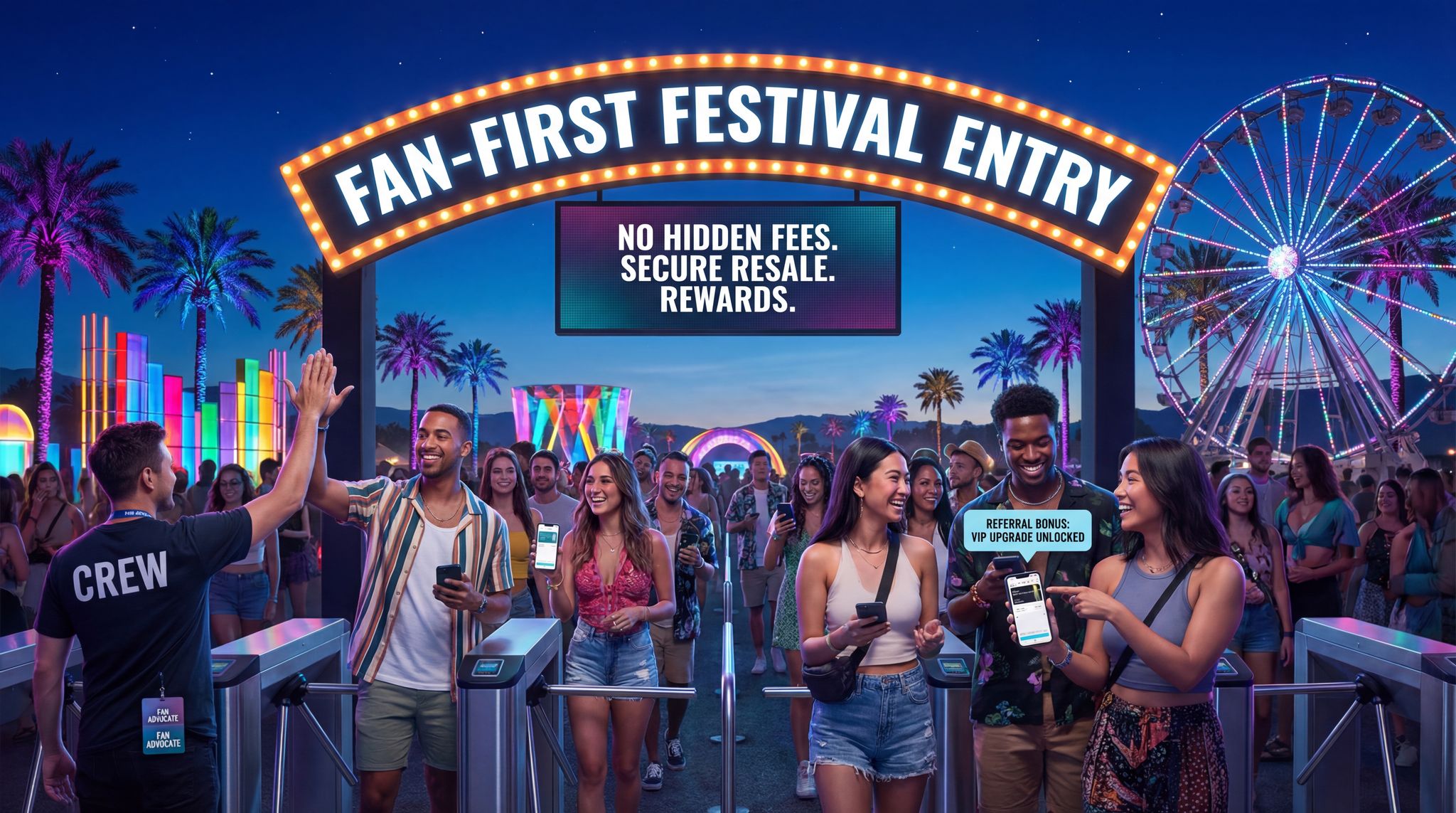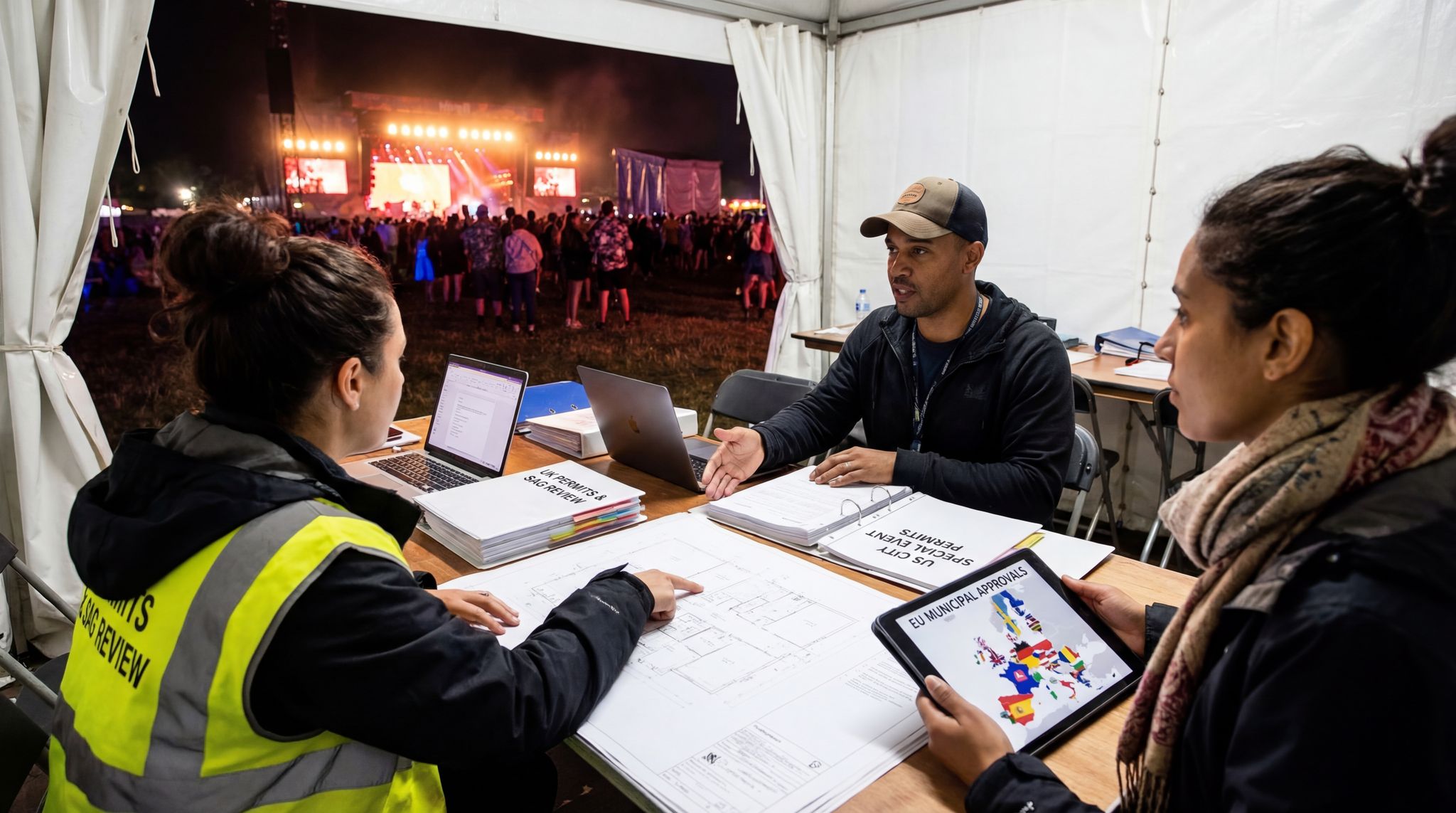
Planning a multi-genre festival site is akin to designing a temporary city, where each neighborhood offers a distinct experience. Many successful festivals divide their grounds into themed districts or “genre neighborhoods” to help attendees navigate and enjoy diverse entertainment. As the official Glastonbury Festival website notes, “each area of the Festival has its own character, its own loyal fans and its own special attractions”. Whether it’s a boutique jazz-and-food fair or a massive music festival spanning dozens of stages, thoughtful zoning can transform a chaotic field into an intuitive, immersive landscape.
Unique Identity for Each District
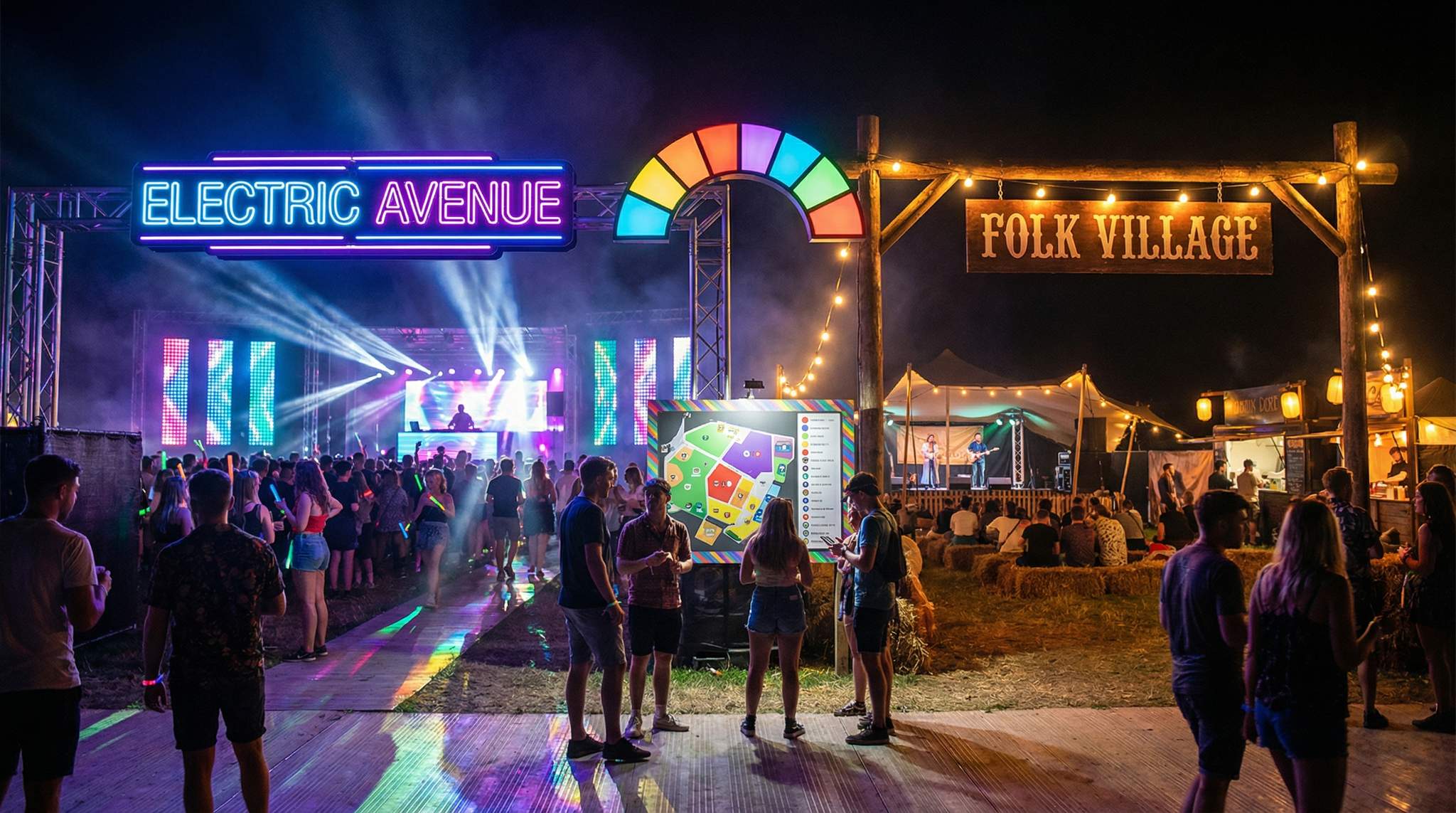
To make navigation intuitive, give each festival district a clear identity through visual and auditory cues. Design an entry portal for each zone – an archway or gateway sign that announces the district’s name and theme as people enter. At large events like Glastonbury (UK) or Coachella (USA), these portals help attendees immediately recognize they’ve stepped into a new realm. Complement the entry with a distinct color scheme on banners, lighting, and staff uniforms in that area. For instance, a chill jazz lounge area might feature cool blues and purples, while an EDM dance arena blazes with neon accents. Each district can even have its own soundtrack or ambient music when the stages are idle – reinforcing the mood. The goal is that a guest walking from one zone to another experiences a noticeable shift in atmosphere: the decor, signage, and even the background sound all signal a new genre neighborhood.
Such sensory branding pays off in easier wayfinding. Attendees may say “let’s meet at the red gate for the jazz quarter” or follow the distant thump of bass to locate the dance tent. Incorporating symbols or icons for each district on maps and directional signs (for example, a saxophone icon for a jazz zone, or a guitar for a rock area) further boosts quick recognition. International festivals use this technique to overcome language barriers as well – color-coding and iconic imagery ensure that even if attendees come from abroad, they can intuitively navigate to their preferred music zones without relying solely on text.
Amenities Matched to the Vibe
Each genre-themed district should not only look and sound unique, but also cater to its audience’s needs and tastes. Cluster the amenities – food stalls, bars, merchandise, rest areas – to match the vibe of that zone. This creates a cohesive experience and keeps festival-goers happily immersed in the atmosphere.
Go Cashless With RFID Technology
Enable contactless payments, faster entry, and real-time spending analytics with RFID wristbands and NFC-enabled ticketing for your events.
For example, a smooth jazz or blues corner might feature a craft cocktail lounge or a wine bar under string lights, offering a relaxed upscale feel for an older crowd. In contrast, near a high-energy EDM or rock stage, you’d prioritize quick “grab-and-go” refreshment stands, beer counters, and energetic snack options (think burrito trucks, pizza slices, or energy drinks). The menus and even the vendor decor can align with the music: at a reggae stage, you might have Caribbean jerk chicken and tropical smoothies, whereas a folk/acoustic area could host organic coffee, local craft brews, and artisanal food trucks.
This alignment extends beyond food and drink. Consider merchandise and activities: a pop music zone might have flashy apparel and photo booths, while a metal or punk stage’s market could sell band t-shirts, vinyl, and edgy art. Family-friendly or cultural music areas benefit from amenities like face-painting, craft stalls, or workshops nearby to engage those audiences. By serving the needs of each district’s demographic right where they are, attendees aren’t forced to trek across the venue for what they want – they can stay longer in the zone that fits their taste.
Planning a Festival?
Ticket Fairy's festival ticketing platform handles multi-day passes, RFID wristbands, and complex festival operations.
Case in point, Rock in Rio (a global festival originating in Brazil) built multiple thematic “Rock Streets” in its festival city. These were mini-neighborhoods with colorful storefront facades themed after Brazil, the United States, and the UK – each offering matching street food and performances, a strategy highlighted in BizBash’s coverage of Rock in Rio’s festival design. A festival producer designing genre neighborhoods can take a similar approach on any scale: if your event has a Latin music stage and an indie rock stage, treat them like different districts – perhaps the Latin area is decorated with vibrant murals and has a taco stand and dance tent, while the indie area sports a retro aesthetic with craft beer and record store pop-ups. The consistency in each zone’s vibe delights attendees because everything around them – the music, the food, the people – feels in sync.
Layout and Landscaping for Sound Separation
One challenge when creating adjacent genre districts is managing sound bleed between stages. Without proper planning, a delicate acoustic band’s set could be drowned out by a DJ’s bass from the next area. Successful festival layout uses distance, orientation, and physical buffers to contain each neighborhood’s sound and preserve its atmosphere.
Start with smart stage positioning: separate stages by as much distance as the site allows, and aim loudspeakers away from other zones. Many large festivals arrange stages back-to-back or oriented outward in a radial pattern, so that the loud fronts of each stage face away from each other. At Lollapalooza in Chicago, for instance, the designers took advantage of a natural slope and treeline to house the electronic stage (Perry’s Stage) in its own nook, reducing its sound spilling into the rock areas. If your venue has natural features like hills, groves of trees, or buildings, use them as acoustic shields between districts. Plant additional landscaping or position rows of vendors and art installations strategically to act as sound barriers. Even temporary measures like hay bales, decorated plywood walls, or shipping containers with art murals can absorb and deflect sound while enhancing the visual theme.
Speaker technology can help too. Modern line-array systems allow precise sound direction and volume control to minimize how far music travels beyond the intended audience area. Align your speaker stacks and adjust their tilt to contain audio to the zone’s footprint. Some events stagger performance schedules slightly so that directly neighboring stages aren’t blasting at the same time – or they place a quieter genre adjacent to a louder one to naturally mitigate conflicts.
Boost Revenue With Smart Upsells
Sell merchandise, VIP upgrades, parking passes, and add-ons during checkout and via post-purchase emails. Increase average order value by up to 220%.
Additionally, consider creating transitional or buffer zones between two very different districts. For example, between a tranquil folk area and an EDM stage, you might place a stretch of art installations, chill-out lounges or retail stalls where there’s no loud music at all. These act like acoustic and sensory “airlocks,” easing attendees from one ambiance to another. As a best practice, festivals aiming to provide quiet respite areas often require at least a 30-meter gap plus barriers separating those zones from any main stages, according to guidelines for creating quiet zones at music festivals. Applying a similar rule of thumb, even if you can’t get 30+ meters between stages, maximize whatever distance is feasible and fill that space with stuff (food courts, art walls, fences draped in sound-absorbing material) that breaks up the sound waves. The result will be each genre neighborhood feeling more distinct and comfortable, without sonic clashes.
Intuitive Navigation and Signage
Clear navigation goes hand-in-hand with your district design. Attendees should be able to instinctively find areas by following the sensory cues and good signage. Color-coded signs and flags can guide people from the main entrance to each district (e.g., arrows with blue flags pointing toward the “Blues & Jazz Village,” or a path lined with green lights leading to the “Eco-Friendly Chill Zone”). Naming each district creatively but clearly in line with its genre helps it stick in people’s minds – for instance, calling the EDM zone “Electric Avenue” or the folk area “Acoustic Alley” gives attendees a fun shorthand. Use these names on all communications, maps, and on-site signage.
Need Festival Funding?
Get the capital you need to book headliners, secure venues, and scale your festival production.
At the entry portal of each neighborhood, include a map or info-board specific to that zone, listing the performances and amenities found there. This reminds visitors what’s special about the area they’re entering. Festival volunteers or staff assigned to a zone can even dress to match the theme (such as retro outfits in a disco/funk area) to add flavor and assist with directions. The easier it is for a first-timer to say “I’ll meet you at the neon dragon gate in the EDM district” and actually find it, the better the experience for everyone.
Lighting also plays a role after dark: differentiate districts with colored lighting beacons or projections on large structures. For example, one far-ranging Australian New Year festival illuminated each area with a signature color visible from afar (one field washed in green light, another in red), so at night people could orient themselves by the glow on the horizon. Small touches like this prevent attendees from feeling lost in a sea of stages – instead, they move confidently from one beloved zone to the next.
Measuring Dwell Time and Adjusting the Plan
Designing genre neighborhoods is not a one-and-done effort – it’s important to evaluate how attendees actually use the space and refine accordingly. One useful metric is dwell time: how long people spend in a given district. High dwell times can indicate a popular, engaging zone that people enjoy, while unusually low dwell times might reveal a problem (perhaps the area lacks enough attractions, or it’s too hard to find or too close to a louder stage).
In short, measuring dwell time helps confirm if each genre neighborhood is fulfilling its purpose or whether adjustments are needed to improve its appeal.
Festival organizers now use technology like RFID wristbands or mobile app data to track crowd movement. These systems can tell if attendees are lingering in the jazz courtyard for hours versus just passing through the experimental music tent. According to event tech experts, tracking visitor flow and dwell time provides insights into the popularity of different zones, allowing planners to optimize layouts and improve traffic flow. For instance, if data shows the “Global Music” district had sparse attendance all day, organizers might relocate that stage closer to a main pathway or add more enticing vendors there next year. Conversely, if the EDM arena is jam-packed with people staying put for long stretches, perhaps more space or amenities are needed to support that crowd (or maybe more dance-music zones should be added, since demand is high).
Even without high-tech tools, gather feedback and observe behavior to judge your zoning success. Conduct attendee surveys or casual interviews: Did they find it easy to navigate? Which area was their favorite hangout, and why? Use heat maps from drone footage or security cameras to see crowd densities. If you notice the craft beer garden by the indie stage is always empty, maybe that indie crowd prefers coffee and shaded seating over beer – an insight to guide swapping offerings next time. Or if the family zone is full of adults seeking a quieter spot, it might signal a need for more chill-out areas event-wide, not just for families.
The key is to treat your festival layout as a living design that improves each year. The first time you implement clear genre neighborhoods, you’ll learn a lot about what worked and what didn’t. Maybe the color coding wasn’t obvious enough, or one themed entry arch needed to be taller or more iconic to be seen from afar. Perhaps two stages were still too close and bled sound, prompting a reorientation or better buffering next time. By measuring dwell times and gathering input, a festival producer can fine-tune the zoning so each district truly serves its purpose: delighting its target audience and contributing to the event’s overall flow.
Conclusion
Designing “districts with purpose” means thinking like an urban planner for your festival. It’s about carving up the event space into meaningful neighborhoods that celebrate different genres or activities in a way that feels natural and inviting. When done right, genre-based districts reduce attendee stress (no more wandering aimlessly or hearing clashing soundtracks), encourage exploration (“let’s check out the funk stage area after lunch!”), and create memorable pockets of atmosphere that guests rave about long after.
From small regional festivals in city parks to sprawling international events on farms or beaches, the principles remain the same: give each area an identity, tailor the environment to its experience, and keep the whole layout coherent. A multi-genre festival doesn’t have to feel disjointed – with purposeful design, it becomes an exciting journey through different worlds of music and culture, all coexisting harmoniously on one map. Festival producers who master the art of genre-themed districts will be equipped to deliver smoother, smarter events that keep fans both oriented and exhilarated.
Frequently Asked Questions
How do festivals create unique identities for different genre districts?
Festivals establish unique district identities by using distinct visual and auditory cues like entry portals, specific color schemes, and themed staff uniforms. For example, a jazz zone might feature cool blues and purples, while an EDM area uses neon accents. Ambient soundtracks further reinforce the mood when stages are idle, signaling a clear shift in atmosphere.
Why is it important to match amenities to specific festival zones?
Clustering amenities like food stalls and merchandise to match a zone’s vibe keeps attendees immersed and prevents them from leaving the area. A folk area might offer organic coffee and artisanal food, while high-energy rock stages benefit from grab-and-go options like pizza or energy drinks, catering directly to the specific demographic’s preferences.
How can festival organizers prevent sound bleed between adjacent stages?
Organizers minimize sound bleed by orienting stages away from each other and utilizing physical buffers like hills, trees, or art installations. Creating transitional zones filled with quiet activities creates necessary distance, while modern line-array speaker systems allow precise volume control to contain audio within the intended district’s footprint.
What are effective ways to improve festival navigation using district design?
Effective navigation relies on sensory cues and clear signage, such as color-coded flags or lighted paths leading to specific zones. Naming districts creatively, like “Electric Avenue” for EDM, provides a fun shorthand for attendees. Entry portals with maps and distinct landmarks help visitors intuitively recognize and locate different neighborhoods without relying solely on text.
What is dwell time and how is it used in festival planning?
Dwell time measures how long attendees spend in a specific festival district, often tracked via RFID wristbands or mobile apps. High dwell times indicate an engaging zone, while low times suggest a need for improvements. This data helps organizers optimize layouts, adjust vendor placement, and refine future event designs based on actual crowd behavior.
What are the benefits of creating genre neighborhoods at music festivals?
Genre-themed districts reduce attendee stress by making navigation intuitive and preventing sonic clashes between stages. This zoning strategy encourages exploration and creates immersive atmospheres where amenities align with the music. The result is a cohesive experience where guests can easily find the entertainment and services that match their specific tastes.