Festival Anniversary Planning: Setting the Stage for a Milestone Celebration
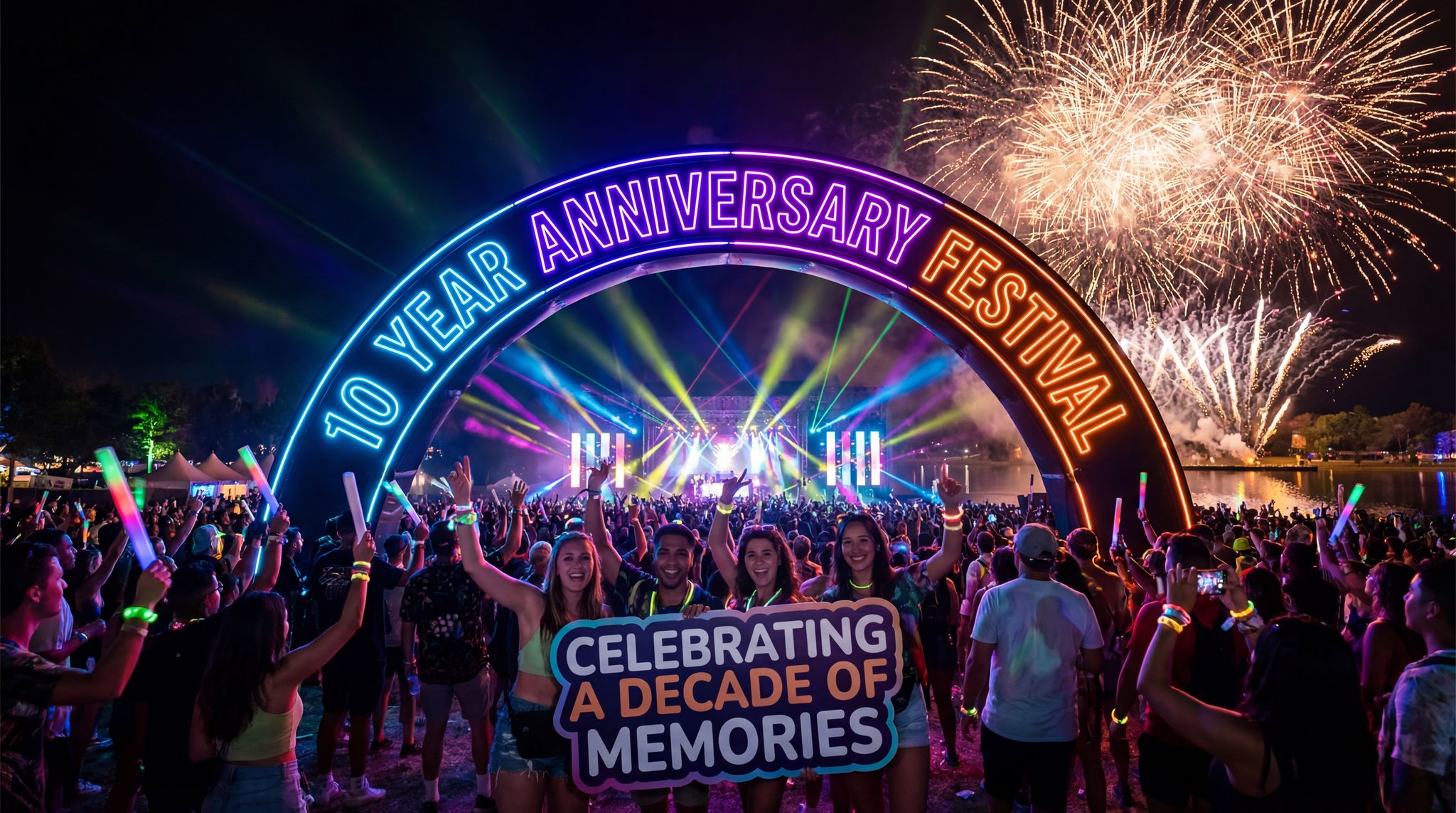
Reaching a 10th or 25th year is a landmark achievement for any festival. For festival producers, festival anniversary planning is a chance to honor a decade (or more) of history while thrilling fans with something new. Not many events make it this far – in 2022-23 only 56% of music festivals in Australia were profitable – so a milestone edition is both a celebration and a strategic opportunity. It’s your moment to strengthen the festival’s brand and prove its longevity in an industry where many newcomers falter due to financial pitfalls early on. The key is balancing nostalgia with innovation: honoring the past that built your community, while delivering fresh surprises that launch the next chapter.
Before diving into the fun parts, producers should start early – often 18–24 months out – to map out the milestone year. A successful festival milestone celebration requires input from all corners: founders and long-time crew (for historical insight), marketing teams (to amplify the anniversary story), operations (to handle any scale-up), and even the fans themselves. The planning process must be more comprehensive than a typical year, essentially treating the milestone edition as its own special project. Below is a high-level timeline for how to plan a festival 10th anniversary, from early vision to showtime:
| Time Before Festival | Key Milestone Planning Steps |
|---|---|
| 12–18 months out | Define the anniversary vision (themes, goals). Assemble a core planning team including original founders or veteran staff to guide legacy elements. Audit what made past editions great (and what to improve). Outline any expansions (extra day, bigger venue) and start navigating permits or local approvals early if changes are big. Begin approaching headliners or alumni artists well in advance. |
| 9–12 months out | Secure major elements: lock in headliners (especially if inviting back legacy acts or special reunions). Confirm venue or site changes (e.g., an expanded grounds or returning to a beloved original location). Start developing anniversary branding (logo variations, tagline “10 Years of …”). Initial outreach to sponsors with exclusive “milestone edition” partnership packages. If considering a festival rebrand or image refresh, this is the time to plan it strategically (some events use a milestone to refresh their brand identity and reignite fan interest). |
| 6–8 months out | Public announcement & ticket strategy: unveil the anniversary edition with a save-the-date and nostalgic teaser content (e.g., a montage of the last 9 years). Open early-bird ticket sales, perhaps offering past attendees a loyalty discount or first access. Roll out initial lineup news, highlighting any “10th Anniversary Special Guest” or alumni performance to stir excitement. Continue sponsor discussions; secure media partnerships (local press, industry magazines) interested in covering the 10-year story. |
| 3–5 months out | Fan engagement & content: launch interactive campaigns (e.g., “Vote for your favorite festival moment” or #10YearChallenge photo contests). Release commemorative merch pre-orders online (limited edition apparel or a 10-year poster series). Finalize plans for on-site historical exhibits, VIP alumni areas, or special after-parties. Coordinate with production teams on any new technical requirements (fireworks, additional stages, multimedia for tribute segments). Ramp up press outreach with human-interest angles (how the festival grew, community impact). Ensure contingency and safety plans are updated for larger crowds or new activities. |
| 1–2 weeks out | Execution readiness: on-site setup for any museum-style installations or signage celebrating the history. Brief all staff and volunteers on special programming (know the story to tell fans!). Double-check all anniversary-specific details: is the “10th Anniversary” branding visible at entrances and on merch? Are alumni artists taken care of with hospitality? Soft-launch any new tech (festival app features, cashless systems) to ensure smooth adoption during the big days. |
| Festival days | Celebrate and observe: deliver the unforgettable experiences planned – from shoutouts to day-one fans, to surprise guest appearances. Keep an eye on operations as scale or special effects (pyrotechnics, drone shows) may require extra vigilance. Have the MC or video screens acknowledge the milestone throughout. Capture abundant content: this edition will feed marketing for years to come. Perhaps host a brief on-stage thank-you with the founders to honour everyone who made the journey possible. |
| Post-event | Thank-yous and legacy content: publish a heartfelt thank-you to attendees, staff, and partners. Release an epic aftermovie or even a short documentary episode recapping the 10-year journey. Gather feedback specifically on the anniversary additions (did fans love the legacy exhibit, the surprise act?). Document everything new you tried – this will inform future festival anniversary celebration ideas and improvements. |
Planning a 25th anniversary festival follows a similar timeline, just on a grander scale of legacy. The earlier you start, the more you can secure unique elements (like rare artist reunions or special permits) that set your milestone edition apart. And if plans do slip behind, treat it like a project rescue: prioritize critical tasks and get your festival planning back on track methodically.
Honoring the Past: Celebrating Your Festival’s Legacy
A milestone year is the perfect time to shine a spotlight on the festival’s journey. Long-time fans and crew have built a community identity around the event – now you can celebrate that shared history together. Honoring the past doesn’t mean wallowing in nostalgia for nostalgia’s sake; it means highlighting the milestones and values that brought the festival this far. Here are ways to celebrate the legacy:
Free Tool: Size Your Festival Site
Zoned capacity planning for arena, campsite, parking and entry lanes — against UK Purple Guide and NFPA density standards. Finds your bottleneck zone.
Retrospective Exhibits and Storytelling
Transform your festival site (or online channels) into a living museum of your history. Attendees love to see how far things have come:
– Photo Galleries & Timelines: Create a photo wall or timeline installation showing each year’s highlights – from the muddy first year with 500 people to the first sold-out edition. Include candid shots of fans, crew, and artists over the years. Glastonbury Festival, for example, published a 50-year anniversary book filled with iconic photos and anecdotes, bringing its rich history to life for fans.
– Founders & Crew Tributes: If possible, invite your founders or longest-serving crew on stage for a quick acknowledgment. Hearing a founder reflect on “that first year when only 300 people showed up” gives context and humanises the festival’s origin. It’s a feel-good moment that also reinforces trust (fans see the humble roots and passion behind the event).
– Storytelling Content: In the lead-up, share “#ThrowbackThursday” posts of memorable moments (crowd-favorite performances, legendary weather challenges overcome, funny behind-the-scenes stories). A short documentary or mini-doc series can be gold for social media. For instance, Coachella marked its 20th year with an official documentary “20 Years in the Desert”, featuring archival footage and artist interviews – a content piece that engaged fans worldwide while cementing its legacy.
– Memorabilia Displays: Set up glass cases or a small tent exhibit with memorabilia: past years’ wristbands, posters, merchandise, even old stage props or staff laminate passes. It sparks nostalgia for veterans and educates newer attendees. Some festivals have partnered with local museums or libraries to curate anniversary exhibits in the host city, extending legacy celebration beyond the venue.
Alumni Artists and Legacy Lineups
Booking the lineup for a milestone year is a delicate art: you want legendary acts from the festival’s past as well as hot new talent to show you’re not stuck in the past. Many veteran producers plan a “legacy lineup” element for anniversaries:
– Bring Back Key Alumni: Identify artists who were pivotal in your early years or had legendary sets that fans still talk about. Inviting them back as honored guests or headliners can be a huge draw for long-time attendees. When ONE Musicfest (Atlanta) hit its 10th year, it stacked the bill with artists that had defined its last decade alongside current stars, rewarding loyal fans with a trip down memory lane.
– Surprise Reunion or Special Set: Nothing generates buzz like a surprise on-stage reunion or an unannounced guest. Ultra Music Festival’s 20th anniversary is a prime example – the founders managed to secretly reunite Swedish House Mafia as a surprise closing headliner, creating a viral “I was there!” moment. Consider if any band or DJ collective associated with your fest could do a one-off reunion just for this occasion. (Keep it top-secret, but do have a backup plan in case the surprise act cancels last-minute.)
– Heritage Slots: Dedicate a stage or time slot to “Festival Legends.” This could be a throwback DJ stage playing hits from the year of your first edition, or a sequence of bands from the festival’s early lineups. At Glastonbury’s 50th (2022), organizers honored their roots by highlighting artists who had played in the 1970s and 80s, reinforcing the festival’s pioneering role in music culture.
– Balance Nostalgia with Relevance: While legacy acts are great, the show must also appeal to newer fans. Aim for a lineup mix where legacy acts don’t dominate the entire bill. For example, when The Bamboozle festival hit 10 years, it not only brought back punk/rock veterans like Bon Jovi and Brand New but also featured then-current stars like Skrillex and Mac Miller. This multi-generational approach can broaden your audience – older fans come for the classics, younger fans come for the trending names, and everyone discovers something.
– “Full-Circle” Moments: Think about symbolic bookings. Good Vibes Festival in Malaysia celebrated its 10th year by returning to its original venue (Sepang) and extending from two days to three to accommodate “our biggest lineup to date,” said Entertainment Director Wan Alman. They even worked with visual artists to re-create famous art installations from past editions on the new grounds. The message was clear: We’re back where it all started, bigger and better. Such gestures resonate emotionally with the community.
Planning a Festival?
Ticket Fairy's festival ticketing platform handles multi-day passes, RFID wristbands, and complex festival operations.
Curating the lineup for a milestone is about storytelling through music. Each artist choice can nod to a piece of festival history or signal where it’s headed. Communicate those connections in your marketing (“XYZ is back for the first time since playing our inaugural year in 2013!”) so fans catch the significance. And if budget allows an extra flourish, consider a collaborative set – for instance, two beloved artists from different eras doing a one-time joint performance. It’s the kind of unique surprise that turns a festival milestone celebration into legend. Just be sure to lock in key bookings early and get those contracts airtight (with backup options), as losing a promised legacy headliner last-minute could deflate months of buildup.
Engaging Long-Time Fans and Enhancing the Experience
Multi-year festivals succeed because of their community – the fans who come back year after year. An anniversary is the perfect time to thank these supporters and deepen their loyalty, while also welcoming first-timers into the fold. The goal is to make every attendee, especially the veterans, feel like part of the festival’s story. When planning a festival anniversary celebration, consider special experiences and perks that reward long-time fans and create lasting memories for all.
Loyalty Rewards and Fan Recognition
Your most loyal fans (those who have been to multiple editions or even all previous nine) are your festival’s evangelists. A milestone event is a chance to roll out the red carpet for them:
– Pre-Sale Privileges: Offer an exclusive pre-sale or discounted tickets for returning attendees. For example, send a private ticket link to those who bought tickets in past years, giving them first dibs on the 10th year passes. This not only shows appreciation but also drives early sales.
– VIP Upgrades for Veterans: Consider a special “10-Year Club” package. If data shows a segment of fans attended, say, 5+ years, surprise them with a complimentary upgrade or a dedicated fast-lane at the entrance. Some festivals mail “Thank You” swag (like a patch or pin saying “5 Year Attendee”) with the ticket package – a small gesture that makes die-hards feel seen.
– On-Site Fan Recognition: Little touches on-site can go a long way. Perhaps a Wall of Fame listing the names or photos of fans who’ve attended every single edition (get their consent and make it fun!). Or have the MC shout out a couple of long-time attendees each day (“We’ve got John here who’s been to all 10 editions – give him a hand!”). One UK festival invited a group of fans who met at the festival years ago (and even had a marriage happen there) to do a brief on-stage toast to the crowd – a heartwarming story that underscored the festival as a life experience, not just a concert.
– Legacy Membership Programs: Some events formalize loyalty into a membership or season-pass program. If your festival might spawn year-round engagements (club nights, smaller gatherings), launch it on the anniversary. For example, Insomniac’s Bassrush brand introduced a fan membership around its 10-year mark to offer fans year-round benefits and exclusive access. A membership ties fans to the brand long-term, beyond the one event.
Commemorative Merchandise and Keepsakes
No milestone festival is complete without special merch and mementos. Fans love tangible items to remember an epic edition, and merchandise becomes both a keepsake and a marketing tool (every time they wear that 10th-year t-shirt, it’s free advertising). Some ideas:
– Anniversary Merch Line: Design a unique 10th anniversary logo or artwork incorporating the festival’s iconic symbols. Produce a limited run of high-quality items: t-shirts listing all ten years’ lineups on the back, hoodies with a bold “X Year Anniversary” crest, enamel pins or woven patches, and commemorative posters. Festivals like Tomorrowland release deluxe hardcover photo books and even vinyl records of notable live sets for big anniversaries, catering to hardcore fans and collectors.
– Freebies and Giveaways: Consider commemorative items included with the ticket as a surprise. This could be something small but meaningful: a lanyard with “10 Years of [Festival]” on it, a special edition wristband design (maybe woven with the years or a different material), or a souvenir program/zine that features festival history and artist interviews. These gestures reward everyone in attendance with a piece of the legacy. Keep practicality in mind – for example, a festival in a hot climate gave out free branded bandanas imprinted with “Year 10” artwork, which helped fans with sun protection and became a collectible.
– On-Site Memorabilia: Set up a merch museum booth displaying vintage t-shirts and posters from each year – then sell a “mystery box” containing one random vintage item alongside new merch. Die-hard fans will love the chance at scoring, say, a Year 1 t-shirt (it builds excitement and clears out old inventory creatively). Also, consider printing a limited-edition anniversary festival map or guide – highlighting how the site evolved over time – as a nice souvenir handout.
– Digital Collectibles: For tech-savvy audiences, digital memorabilia like NFTs or special edition festival app badges can play a role. While not every festival demographic will be into blockchain collectibles, some events have minted anniversary artwork as limited NFTs for superfans. Even simpler, you can issue an exclusive digital download (e.g., a compilation album of live recordings from the past decade) to ticket holders – a thank-you that also reinforces the festival’s musical legacy.
Beyond merch, think of experiential “keepsakes.” Photo booths are great – how about a “Then and Now” photo station where returning groups of friends can pose with a photo of themselves from the festival years ago? These experiential touches focus on the fans’ personal journeys alongside the festival’s journey.
Every commemorative item or activity should tie back to the festival’s identity. Authenticity is key: use inside jokes or symbols known to your community (that quirky art car that was at every edition, or a tagline from a famous stage moment) to decorate merch and installations. Long-time fans will appreciate the Easter eggs, and newer fans will learn the lore, further binding them to the community.
Fresh Experiences and Fan Engagement
Finally, don’t forget the power of social media engagement around the anniversary. Encourage fans to share their own festival stories: “What’s your favorite memory from the last 10 years of [Festival]?” Use a unique hashtag (e.g., #10Yearsof[Festival]) and perhaps display selected fan posts on screens during the event. This not only markets the festival through user-generated content but also makes fans feel like active participants in the celebration, not just attendees. Some festivals even create an online Hall of Memories microsite where fans can upload photos and testimonials – effectively crowdsourcing a digital scrapbook of the festival’s history.
By deeply engaging your audience – especially the long-time supporters – you strengthen the festival’s community for the future. The milestone edition should leave your core fans saying, “They remembered us and made this year special for us,” while newcomers should think, “I’ve got to be here every year – this festival is something truly special.”
Maximizing Media Buzz and Sponsorship Around the Anniversary
Milestone editions aren’t just big for your fans – they’re big news for the broader industry and potential sponsors. A 10th or 25th anniversary is a built-in news hook that can significantly elevate your festival’s profile. Smart producers leverage this moment to gain extra press coverage, attract new partnerships, and inject more funding into the event. Here’s how to put your festival’s milestone on the media map and turn it into marketing gold.
Go Cashless With RFID Technology
Enable contactless payments, faster entry, and real-time spending analytics with cashless RFID wristbands for your events.
Crafting a Compelling PR Narrative
Media outlets love an anniversary story if you give them a narrative beyond just “Festival X turns 10.” Develop a compelling storyline about your festival’s evolution or impact:
– Human Interest Angles: Emphasize the people behind and around the festival. Perhaps the event was a scrappy upstart that beat the odds (many festivals don’t survive beyond a few years, making ten years remarkable by itself). Or highlight a devoted fan family that has attended every year, or how the local community embraced the event over time. These angles can land features in local newspapers, music blogs, even regional TV news (“Tonight at 6: The little festival that grew into a cultural phenomenon”).
– Press Release with Punch: Create a detailed press release and media kit for the anniversary. Include notable statistics from the festival’s history – total attendees over the decade, number of artists who have graced the stages, economic impact figures if available (“…over 10 years, the festival brought an estimated $25 million into the local economy”). Lead with something attention-grabbing, e.g., “From 1,000 attendees to 50,000: [Festival] Celebrates 10 Years of Music and Community.” Having concrete numbers and achievements can catch journalists’ eyes. According to the International Festivals & Events Association, quantifying your event’s impact adds credibility and newsworthiness.
– Media Partnerships: Consider teaming up with a media outlet as an official anniversary partner. This could be a local radio station broadcasting live from the festival, a music magazine producing a special “10th Year Festival Edition” feature, or a streaming partner like Boiler Room or BE-AT.TV to live-stream certain anniversary sets worldwide. In exchange for exclusive content or early access, you get guaranteed coverage. For example, a festival in New Zealand collaborated with a national TV channel to produce a 1-hour documentary on its 20th year, which aired a week before the event – free nationwide promotion portraying the festival’s legacy in a positive light.
– Influencer & Alumni Endorsements: Leverage the artists and influencers who have been part of your journey. Ask a popular artist who played at the first edition to record a short video message (“I can’t believe [Festival] is 10 years old – it’s been amazing to watch it grow. See you there!”). Share these clips on social media and with press – they serve as authentic testimonials. Similarly, invite well-known industry figures (promoters, local officials, even the mayor if the festival boosted local culture) to comment on the milestone in press quotes. These authoritative voices can make your press materials more compelling and shareable.
– Special Content for Press: Create visual assets that scream “anniversary.” This might be a striking 10-year logo, comparison photos of Year 1 vs Year 10 crowds, or a short highlight reel. Provide media with archival footage or high-res photos from each year – it increases the chance they’ll run a retrospective piece if you’ve done the homework for them. If any aspect of your festival is “record-breaking” this year (biggest lineup, new stage, etc.), highlight that too. For instance, “introducing the largest stage ever constructed at this venue” or “longest fireworks show we’ve ever done to close out the finale”. These superlatives make headlines.
Don’t wait until festival week to generate buzz; start seeding stories 2-3 months out. A common approach is a feature in a major publication or blog timed a few weeks before the event, focusing on the festival’s milestone. In parallel, engage the local press – they’ll be interested in things like the community impact, any special city involvement (are local food vendors or cultural groups part of the celebration?). By the time the gates open, aim for a flurry of positive press and social media chatter about the “can’t-miss anniversary edition.”
Need Festival Funding?
Get the capital you need to book headliners, secure venues, and scale your festival production.
Sponsorship Opportunities and Partnerships
An anniversary often means bigger production and expenses – but also greater visibility that you can offer to sponsors. Many brands love partnering with events that demonstrate longevity and loyalty. Here’s how to capitalize on that:
– Anniversary-Themed Sponsorship Packages: Create unique sponsor opportunities tied to the milestone. For example, a “10th Anniversary Stage presented by [Brand]” where the sponsor’s name is prominently associated with the legacy celebration. Or partner with a beverage company to create a limited-run “Anniversary cocktail” served in branded cups with both your logos. Because it’s a one-time special edition, you can justify a premium price – sponsors know this content won’t be repeated next year by their competitors. Outline these special packages clearly in your sponsor deck, emphasizing expected attendance boost and press coverage (more eyes on their brand).
– Leverage the Loyalty Angle: A festival reaching 10+ years signifies a loyal audience – something sponsors crave. Emphasize your demographics: e.g., “Our core audience has grown with us over a decade; 70% of last year’s attendees had been at least once before – demonstrating loyalty and trust in our brand.” Sponsors of consumer goods, tech, or lifestyle products may be keen to tap into such a dedicated community. If you’ve collected data (via dedicated festival ticketing software or surveys), use it to show fan engagement levels. According to industry research, brand recall is higher when an audience has an emotional connection to an event – and a decade of memories definitely builds emotional connection.
– Ceremonial Partnerships: Involve sponsors in the celebration programmatically. Perhaps a sponsor could fund an art installation (“XYZ Company Presents: The [Festival] History Tunnel”). Or a car sponsor could provide a “10th Year Shuttle Service” for alumni guests and contest winners, making their brand part of a VIP experience. By integrating sponsors into the fabric of the event, rather than just banners, you give them stories to tell too. A sponsor might run a social media contest: “Share your favorite [Festival] memory for a chance to win free tickets and a backstage tour courtesy of [Sponsor]” – boosting engagement for both of you. Ensure you have a way to measure the sponsor’s ROI (foot traffic to their activation, social impressions, etc.). Using tech tools to track sponsor engagement and ROI can demonstrate the value clearly, increasing chances of re-signing them for future years.
– Community and Government Support: After 10 or 25 years, your festival likely has substantial community impact. Don’t overlook partnerships with local authorities or tourism boards in a milestone year. City councils or state arts funds may offer grants or promotional support for an event that has become a regional cultural fixture. For instance, a 25th year festival might receive a “Proclamation Day” from the city mayor, or the tourism board might help market the event internationally as part of a destination campaign. These partnerships can bring in resources or at least reduce red tape (permits, park usage fees) as officials take pride in your success.
– Long-Term Deals: Use the anniversary as a springboard to discuss multi-year sponsorship deals. If a brand is excited to be part of year 10, propose a package that covers years 10 through 12 at a combined rate. Longevity is your selling point – you’re not a flash-in-pan event, you’re a tradition. Sponsors, like fans, appreciate reliability. You could approach sponsors with something like “celebrate with us on year 10, and join us in shaping the next decade of [Festival].” It’s a powerful pitch that goes beyond a transactional logo placement.
From a budget perspective, plan for higher production spend in a milestone year (bigger acts, special effects, etc.), but also target higher sponsorship revenue to offset it. Many veteran festival producers advise allocating 20-30% more budget to a milestone edition’s programming and production value, knowing that strong marketing and sponsor outreach can cover those enhancements. In practice, that might mean adding an extra headliner (and negotiating a one-off rate if they’re an alumni artist who loves your event), investing in a spectacular end-of-night fireworks or drone show, or commissioning unique stage decor that becomes the visual hallmark of the anniversary. These “wow factors” not only justify a premium ticket price or sponsor fee but also give media something to latch onto, creating a virtuous cycle of revenue and publicity.
Scaling Up Operations and Managing Risk for the Big Event
With great celebration comes great responsibility. A milestone year often involves scaling up – whether it’s larger crowds, longer hours, new venues, or additional attractions. Production teams must be extra vigilant to ensure that all the special plans don’t compromise the smooth running and safety of the event. Here we address the nuts and bolts of executing a more complex festival milestone celebration, from logistics to risk management.
Capacity, Infrastructure, and Logistics
It’s common for a 10th or 25th anniversary edition to draw larger attendance than usual. Lapsed fans might return for nostalgia’s sake, and the amplified marketing can attract newcomers. Plan for this uptick:
– Right-sizing the Venue: Evaluate if your current venue can comfortably handle a bump in crowd size or if you need to extend the site. This could mean expanding into adjacent areas or upgrading to a bigger location. INmusic Festival in Croatia, for example, connected two islands with a bridge to expand capacity for its 10th year when 70,000 fans showed up. If you move back to a nostalgic venue (like Good Vibes returning to Sepang Circuit), ensure modern infrastructure can be brought in to meet current needs (e.g., enough water stations, Wi-Fi connectivity for festival ticketing and cashless payments, etc.). Always coordinate early with local authorities on any site changes – permits, emergency egress plans, and neighborhood notifications might all require updates.
– Scaling Infrastructure: More people and more activities mean more infrastructure. Increase the count of toilets, entry gates, parking or shuttle services, and medical stations proportionally. If adding an extra day or stage, bolster your power supply (generators, backup power), lighting towers, and staff rotations. Logistics managers might create separate budgets and schedules for the “special” elements like an exhibit tent or extra pyrotechnics, so these are accounted for on top of regular needs. It’s wise to conduct a full site inspection and maybe even a tabletop simulation of the anniversary event operations 2-3 months out – walk through the entire flow of people and identify bottlenecks, then mitigate them in advance (e.g., more directional signage, alternate routes to popular stages, etc.).
– Transportation & Accommodation: A milestone event can draw fans from farther away (especially for a 25th year, which might achieve near-legendary status). Be ready with travel logistics. Work with local transit or rideshare companies to ensure sufficient service. Consider partnering with hotels or campsites for special “Anniversary travel packages”. If your festival is remote or camping-based and you expect record attendance, expand campground capacity and facilities accordingly (and don’t forget to increase security patrols in those areas as population grows). Engaging tourism partners (as covered earlier in sponsorship) can also help here – e.g., an airline might sponsor and add capacity if you’re attracting international attendees for the first time.
– Staffing and Crew Management: You’ll likely need more hands on deck – both professional crew and volunteers. Aim to bring back experienced crew members who know the festival’s quirks (their institutional knowledge is gold during a complex edition), and supplement with fresh talent for capacity. Brief all staff extensively on the new elements. For instance, if there’s an interactive art piece that can only accommodate 10 people at a time, frontline staff should know how to manage that queue and explain it to curious attendees. Empower your team to take pride in the milestone: share the festival’s history during training, possibly even pairing veteran crew with newer members so knowledge is passed down. Morale and clarity among staff will translate to a better attendee experience, especially when the site is busier than ever.
From a budget perspective, plan for higher production spend in a milestone year (bigger acts, special effects, etc.), but also target higher sponsorship revenue to offset it. Many veteran festival producers advise allocating 20-30% more budget to a milestone edition’s programming and production value, knowing that strong marketing and sponsor outreach can cover those enhancements. In practice, that might mean adding an extra headliner (and negotiating a one-off rate if they’re an alumni artist who loves your event), investing in a spectacular end-of-night fireworks or drone show, or commissioning unique stage decor that becomes the visual hallmark of the anniversary. These “wow factors” not only justify a premium ticket price or sponsor fee but also give media something to latch onto, creating a virtuous cycle of revenue and publicity.
Scaling Up Operations and Managing Risk for the Big Event
With great celebration comes great responsibility. A milestone year often involves scaling up – whether it’s larger crowds, longer hours, new venues, or additional attractions. Production teams must be extra vigilant to ensure that all the special plans don’t compromise the smooth running and safety of the event. Here we address the nuts and bolts of executing a more complex festival milestone celebration, from logistics to risk management.
Capacity, Infrastructure, and Logistics
It’s common for a 10th or 25th anniversary edition to draw larger attendance than usual. Lapsed fans might return for nostalgia’s sake, and the amplified marketing can attract newcomers. Plan for this uptick:
– Right-sizing the Venue: Evaluate if your current venue can comfortably handle a bump in crowd size or if you need to extend the site. This could mean expanding into adjacent areas or upgrading to a bigger location. INmusic Festival in Croatia, for example, connected two islands with a bridge to expand capacity for its 10th year when 70,000 fans showed up. If you move back to a nostalgic venue (like Good Vibes returning to Sepang Circuit), ensure modern infrastructure can be brought in to meet current needs (e.g., enough water stations, Wi-Fi connectivity for cashless payments, etc.). Always coordinate early with local authorities on any site changes – permits, emergency egress plans, and neighborhood notifications might all require updates.
– Scaling Infrastructure: More people and more activities mean more infrastructure. Increase the count of toilets, entry gates, parking or shuttle services, and medical stations proportionally. If adding an extra day or stage, bolster your power supply (generators, backup power), lighting towers, and staff rotations. Logistics managers might create separate budgets and schedules for the “special” elements like an exhibit tent or extra pyrotechnics, so these are accounted for on top of regular needs. It’s wise to conduct a full site inspection and maybe even a tabletop simulation of the anniversary event operations 2-3 months out – walk through the entire flow of people and identify bottlenecks, then mitigate them in advance (e.g., more directional signage, alternate routes to popular stages, etc.).
– Transportation & Accommodation: A milestone event can draw fans from farther away (especially for a 25th year, which might achieve near-legendary status). Be ready with travel logistics. Work with local transit or rideshare companies to ensure sufficient service. Consider partnering with hotels or campsites for special “Anniversary travel packages”. If your festival is remote or camping-based and you expect record attendance, expand campground capacity and facilities accordingly (and don’t forget to increase security patrols in those areas as population grows). Engaging tourism partners (as covered earlier in sponsorship) can also help here – e.g., an airline might sponsor and add capacity if you’re attracting international attendees for the first time.
– Staffing and Crew Management: You’ll likely need more hands on deck – both professional crew and volunteers. Aim to bring back experienced crew members who know the festival’s quirks (their institutional knowledge is gold during a complex edition), and supplement with fresh talent for capacity. Brief all staff extensively on the new elements. For instance, if there’s an interactive art piece that can only accommodate 10 people at a time, frontline staff should know how to manage that queue and explain it to curious attendees. Empower your team to take pride in the milestone: share the festival’s history during training, possibly even pairing veteran crew with newer members so knowledge is passed down. Morale and clarity among staff will translate to a better attendee experience, especially when the site is busier than ever.
On the tech side, consider upgrades that can help manage scale. For instance, if you haven’t already, the anniversary might be the time to implement a cashless payment system or RFID wristbands for smoother transactions and entry – it reduces queues and provides excellent data on attendee flow. Just avoid going overboard with too many brand-new tech solutions at once; veteran organizers warn against event tech overload that can confuse staff and attendees. Test any new systems in advance (perhaps at a smaller event or a soft launch) so that they enhance the milestone edition rather than cause headaches.
Safety and Risk Management
With added scale and spectacle, safety planning becomes even more critical. The last thing you want is the festival’s 10th anniversary to be remembered for an incident. Heighten your risk management in these ways:
– Emergency Planning Drills: Review and reinforce all emergency procedures. Conduct drills with your security and medical teams specifically for the new aspects – e.g., “What if the new pyrotechnics start a small fire?” or “What if crowd crush occurs at the anniversary stage unveiling?”. Work with local emergency services on these plans; given your festival’s long presence, you may already have relationships with police, fire, and medics – use that social capital to collaboratively ensure the safest event possible. In fact, many seasoned production managers include local EMS in planning meetings for a milestone event knowing the risks might differ from previous years (larger crowds, different layout, etc.).
– Crowd Management: Anniversary or not, crowd surges and bottlenecks remain a top risk at festivals. If you’re increasing capacity or adding a wildly popular surprise act, adjust your crowd control measures. This can mean more robust barrier systems, one-way walking routes in tight areas, and additional screens or sound relays for overflow crowds (so people don’t all push toward one stage if it’s beyond full). Study your past crowd flow patterns and anticipate trouble spots. For example, if you know the main stage lawn was at 90% capacity last year, and you expect 20% more attendees, you might need to extend viewing areas or even implement temporary crowd limits where security meters access to certain zones. It’s better to be proactive than to react in the moment. Consider having an independent crowd safety consultant do an assessment; as recent festival safety reports have underscored, complacency is the enemy even for veteran events.
– Health & Weather Contingencies: After a decade, you probably have experienced a bit of everything – heat waves, storms, maybe a pandemic. Use that learned wisdom. Enhance your weather monitoring if the special edition has more at stake (e.g., a larger stage that could be more sail-like in wind, or a third day that extends your exposure to possible bad weather). Have contingency programming if a headline set gets delayed or cancelled – perhaps a respected alumni artist can do an impromptu acoustic set on short notice if needed. For health, with potentially older demographic subsets attending (some original fans may now be middle-aged), ensure medical facilities and ADA accommodations are up to par. Something as simple as providing a cooling tent or a quiet space can be a lifesaver. Post-COVID, many festivals also keep backup staff on standby in case key crew or artists fall ill last-minute.
– Insurance and Legal Check-up: A milestone year is a good prompt to review your insurance coverage and contracts. Are you covered adequately for the larger capacity or multi-day run? Double-check all those force majeure and cancellation clauses – the last few years (with events postponed due to global events) taught organizers the importance of rock-solid contracts. Also, if you’re doing new things like drone shows or pyrotechnics not used before, loop in your insurers and local authorities early to confirm compliance with regulations and any permit conditions. Nothing would dampen an anniversary faster than a permit violation or an underinsured incident.
– Team Communication: Implement robust communication channels for your team during the event – extra radio units, a dedicated WhatsApp or Slack for rapid updates, even emergency notification tech systems to reach attendees if something urgent comes up (like an evacuation or weather delay). A milestone means more programming and potentially more spread-out crowds, so real-time comms are vital to coordinate and respond effectively. After 10+ years, hopefully your show-stop procedures are refined – empower your safety officers to “stop the show” if any serious safety concern arises. It’s far better to have a brief pause (which most fans will understand if communicated calmly) than to push through and risk injury.
All these precautions boil down to one principle: don’t let the spectacle overshadow safety and logistics. It’s easy to get carried away wanting to make the anniversary the biggest show ever – and you should aim high – but not at the expense of the hard-earned reliability your festival already has. Fans will remember the mind-blowing lineup, the cool exhibits, and the emotional moments; they shouldn’t remember long lines, chaotic entry, or unsafe overcrowding. Meticulous operational planning ensures that the fun parts of the celebration go off without a hitch.
Smart Promo Codes & Presale Access
Create percentage or flat-rate discount codes with usage limits, date ranges, and ticket type restrictions. Plus unlock codes for private presales.
Balancing Nostalgia with Innovation
The crux of any festival milestone celebration is this: how do you pay homage to a rich history without looking like you’re stuck in the past? The best anniversary editions feel both familiar and fresh. They reinforce why the festival earned its place over the years, and also set the tone for the next decade. Striking that balance of nostalgia and innovation is as much an art as booking the lineup. Here are strategies to achieve it:
1. Identify Core Traditions to Preserve: First, pinpoint what must not change. Over 10+ years you’ve likely developed certain beloved traditions – be it the midnight fireworks on the last night, the founder’s welcome speech, or a quirky ritual like releasing lanterns or playing a particular closing song. Keep these intact and highlight them during the anniversary (“Now, join us in our tradition of X for the 10th time!”). These moments give returning fans the warm fuzzies and show newbies what the “essence” of the festival is. Consistency in some experiences – no matter how small – builds a sense of identity. For example, Burning Man (while not a typical festival) has very defined rituals, and even as it grows and innovates, those remain the backbone that loyal attendees expect.
2. Pinpoint Areas Ripe for Refresh: Next, be honest about aspects that might have grown stale or could use a boost. A milestone is the ideal time to refresh elements of your event to keep it thriving. This could be stage design and theming – perhaps your main stage has looked the same for five years; for the anniversary, unveil a completely new design or introduce AR/VR effects to the visuals. It might be expanding genre diversity – maybe your festival was known just for rock, but this year you introduce an EDM stage or a world music showcase to signal an evolution (without alienating rock fans, since the main offering remains). By identifying one or two dimensions to innovate (e.g., production tech, site layout, interactive art, new genre, ticketing model, etc.), you ensure the event doesn’t feel like a re-run. Some festivals even use milestones to pilot new concepts: at a 15th year, a festival might add a daytime conference or workshop series to grow into a music + ideas festival for the future. Trialing it during the anniversary when you have extra attention can be strategic.
3. Involve Your Community in Innovating: One smart way to introduce innovation without rejection is to involve the fans in the process. Earlier we noted how INmusic Festival took a fan-sourced approach by having a “line-up wish list” on their website for the 10th edition. This not only engaged fans (so they felt part of the change) but also provided the organizers insight into what new directions the audience might embrace. You can expand this concept beyond lineup: run polls or forums asking, “What new experience would you love at our 10th anniversary?” You might get ideas like “wellness chill-out zone” or “silent disco” or “after-hours art walks” from the very people who will attend. While you can’t implement every idea, even a few fan-driven innovations will show that the festival grows with its community’s desires. Moreover, co-creating some elements with local artists, makers, or fan clubs can produce fresh programming that still feels on-brand because it comes from the community.
4. Define the Narrative – Past Meets Future: Craft an explicit theme or storyline for the milestone that ties old and new together. For instance, phrase the festival’s tagline or opening address around the concept: “Ten years of [Festival] – Reflecting on a decade of unity and leaping forward into a new era.” Some events choose a theme like “Timeless”, “X (Ten) – The Next Chapter”, or “[Festival] 10.0” to convey that this edition is both a version update and a tribute. By articulating it, you help fans and media understand the balance you’re striking. It also guides your team creatively – all departments from stage design to marketing can riff on that theme of blending history and future. For example, the merch could have a retro design on the front and a futuristic design on the back, symbolizing the bridge between eras.
5. Embrace Modern Technology (Judiciously): Using new tech can signal progress, but implement it in service of the experience, not just for hype. If you’ve never had a festival app, perhaps launch one for the anniversary with features like interactive maps, augmented reality quests, or a “history mode” where pointing your phone at certain landmarks shows historical photos via AR. Ensure any tech truly adds value – savvy festival organizers focus on streamlined, not excessive tech to avoid distracting from the music and community. Another example: introduce a cashless RFID wristband system (if not already in use) to showcase that the fest is keeping up with the times – fans might appreciate shorter lines and the ease of not carrying cash, especially those younger attendees used to Apple Pay, etc. Just communicate clearly and provide help for those new to it (again balancing old-school and new-school).
Boost Revenue With Smart Upsells
Sell merchandise, VIP upgrades, parking passes, and add-ons during checkout and via post-purchase emails. Increase average order value by up to 220%.
6. Plan for Legacy Beyond the Anniversary: Finally, treat the milestone as a launchpad for the future. What initiatives started this year can become regular features? Perhaps the sustainability efforts you amped up (like a zero-waste initiative or solar-powered stages) become a proud tradition moving forward, showing that as the festival matures, its responsible footprint does too. Or the new stage you tried out for fun – if it was a hit, make it permanent. Use post-event surveys and team debriefs to decide which experimental elements graduate into core components. Your community will appreciate knowing that their favorite new thing from the anniversary isn’t just a one-off. Conversely, if something didn’t work well, you can frame it as “an experiment for the anniversary – we tried it, learned, and we’ll adjust course.” Innovation doesn’t mean perfect execution every time, but milestones give some leeway to try bold ideas. As an experienced producer would say, the only mistake would be failing to apply the lessons learned to improve the next editions. Every success or failure in the anniversary year should inform your strategic planning going forward.
At the end of the day, a festival’s longevity depends on staying relevant without losing its soul. Long-time fans should walk away from the anniversary feeling that the heart of the festival – the camaraderie, the vibe that made it special – is still intact or even stronger. New fans should leave amazed that an event with such history can also feel cutting-edge and catered to their generation. If you can achieve both, you’ve not only pulled off an unforgettable celebration – you’ve set the stage for many more years of success.
Frequently Asked Questions
When should you start planning a milestone festival anniversary?
Festival producers should begin planning a milestone anniversary 18 to 24 months in advance. This extended timeline allows organizers to secure major elements like legacy headliners, expanded venue permits, and exclusive sponsorship deals while treating the milestone edition as its own comprehensive special project.
How do you celebrate a music festival’s legacy and history?
Organizers celebrate festival history by creating retrospective exhibits, booking alumni artists, and sharing storytelling content. Successful legacy celebrations include physical memorabilia displays featuring past wristbands and posters, on-stage founder tributes, and interactive timeline installations that highlight the event’s evolution from its inaugural year.
What is a legacy lineup at a music festival?
A legacy lineup is a curated festival bill featuring legendary acts from the event’s past alongside current trending talent. This booking strategy often includes surprise artist reunions, dedicated heritage time slots, and returning alumni who played pivotal roles during the festival’s early years.
How can festivals reward loyal fans during an anniversary event?
Festivals reward long-time attendees by offering exclusive pre-sale privileges, loyalty ticket discounts, and complimentary VIP upgrades. Organizers also recognize veteran fans through dedicated fast-lane entrances, commemorative merchandise giveaways, and public on-site acknowledgments like a fan Wall of Fame for those attending multiple editions.
Why do brands sponsor milestone festival editions?
Brands sponsor milestone festivals to capitalize on heightened media visibility, larger attendance, and deep audience loyalty. A 10th or 25th anniversary demonstrates long-term event stability, allowing sponsors to purchase premium anniversary-themed packages and engage with a dedicated community that has a strong emotional connection to the festival.
How do festival organizers manage larger crowds for anniversary editions?
Organizers manage increased anniversary attendance by scaling up infrastructure, expanding venue capacity, and implementing robust crowd control measures. This includes adding more toilets, medical stations, and entry gates, alongside utilizing temporary crowd limits, one-way walking routes, and overflow screens to prevent dangerous bottlenecks.
What makes a festival anniversary newsworthy for PR campaigns?
A festival anniversary becomes newsworthy when PR campaigns highlight compelling human-interest stories, community impact, and quantified economic statistics. Pitching concrete achievements, such as growing from 1,000 to 50,000 attendees or generating millions for the local economy, provides media outlets with an engaging narrative beyond just the event’s age.
How do festivals balance nostalgia with innovation during milestone years?
Festivals balance the past and future by preserving beloved core traditions while refreshing stale elements like stage design or technology. Organizers achieve this by introducing modern upgrades like RFID wristbands or interactive AR art, ensuring the event honors its roots while evolving for the next generation.