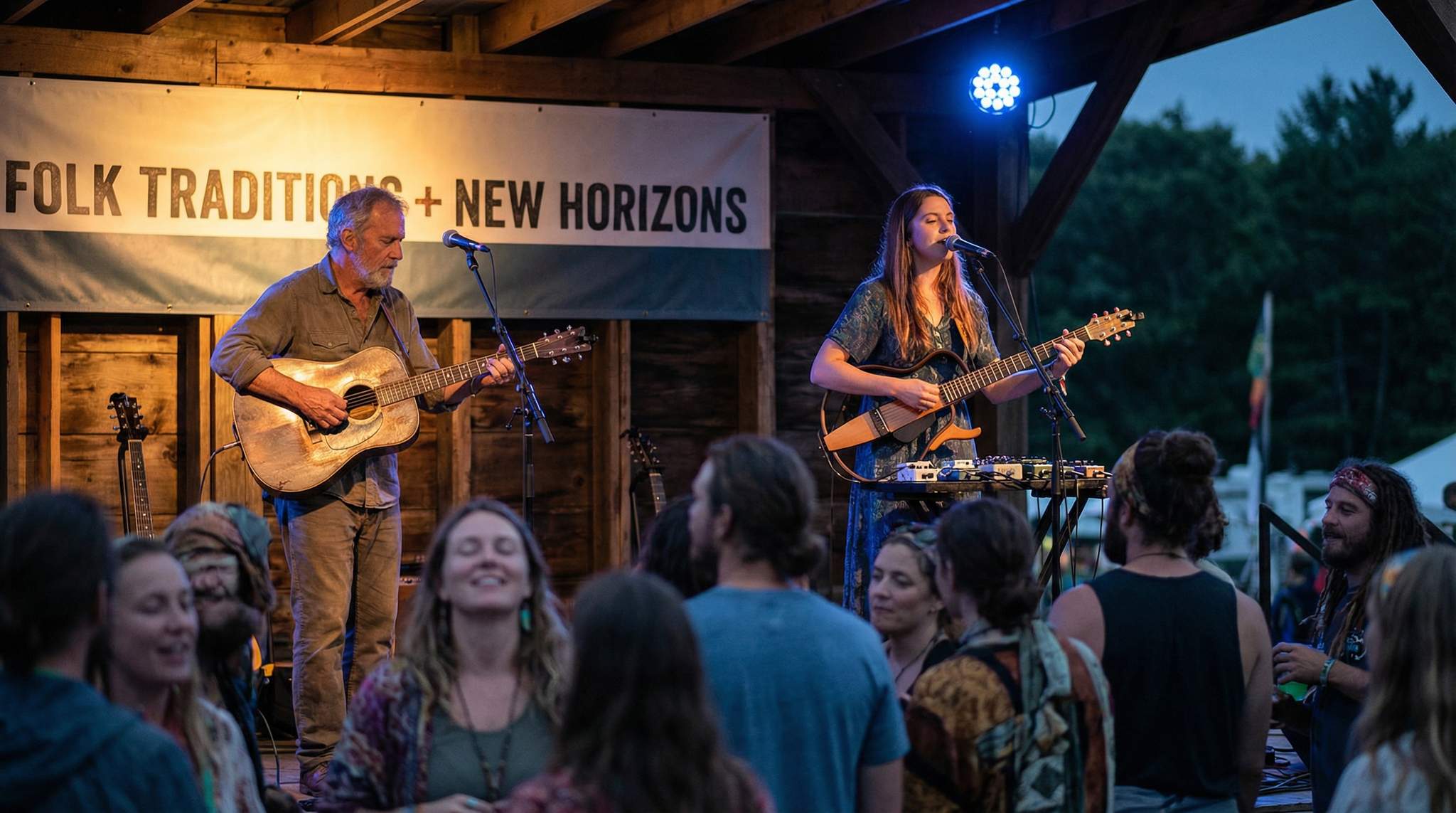
Balancing the familiar with the new is a timeless challenge in festival programming. Festival producers around the world grapple with how to satisfy audiences’ love of well-known songs while also introducing fresh works. Striking this balance can transform a good festival into a great one. The key is pairing beloved repertoire with premieres in a way that honors tradition and sparks discovery. For example, Ireland’s Tradition Now festival explicitly celebrates “the continual evolution of traditional music whilst honouring its roots” – a philosophy any festival organizer can adopt. By thoughtfully blending old and new, festivals can please core fans, attract curious newcomers, and keep their cultural offerings vibrant.
Pair Familiar Favorites with New Premieres (Familiarity Meets Discovery)
One reliable strategy is to pair known repertoire with premieres on your program. Beloved songs or time-tested acts provide a sense of familiarity that anchors the audience. When you slot a new work or first-time collaboration alongside these favorites, you offer the thrill of discovery without alienating attendees. The familiar material builds trust and enjoyment, making listeners more open to something unfamiliar that follows.
Festival producers across the globe use this technique to craft exciting yet comfortable lineups:
- United States & Canada: Many North American folk festivals (e.g. the Philadelphia Folk Festival or Canada’s Winnipeg Folk Festival) schedule veteran folk heroes performing classic tunes on the same bill as emerging artists debuting original songs. Audiences come for the names they know and leave having discovered new talent.
- United Kingdom: At England’s Cambridge Folk Festival, a crowd might sing along to traditional ballads with a famous headliner one night, then experience a premiere of a newly written folk suite the next day. Scotland’s Celtic Connections festival even commissions new works annually – its New Voices strand each year commissions groundbreaking new bodies of work from emerging Scottish artists. These premieres are woven into the program alongside Celtic classics, satisfying die-hard traditionalists and adventure-seekers alike.
- Asia & Oceania: Balancing tradition and innovation is essential for festivals in culturally rich regions. In India, the Rajasthan International Folk Festival (RIFF) unites local folk legends with contemporary musicians from around the world. The 2024 edition, for example, featured 280+ artists from countries like France, Norway, South Korea, and Zimbabwe collaborating with Rajasthani folk masters, blending roots music with modern styles. Audiences in the majestic Mehrangarh Fort enjoyed age-old Rajasthani melodies and the excitement of boundary-pushing new fusion performances in the same event. Likewise, Australia’s Woodford Folk Festival and New Zealand’s WOMAD bring Indigenous and traditional artists to the stage and often spark one-off collaborative sets that have never been heard before – giving festival-goers a dose of novelty grounded in heritage.
By programming known crowd-pleasers side-by-side with premieres or experimental sets, you cater to both the comfort of familiarity and the excitement of discovery. The familiar acts draw people in, while the new works give your festival a forward-looking edge. It’s a formula that keeps programming fresh without straying from the festival’s identity.
Grow Your Social Following With Every Sale
Require social media follows, shares, or playlist adds to unlock presale access or special pricing. Turn every ticket purchase into audience growth.
Communicate the Value of Premieres (Honest, No Hollow Hype)
When presenting a premiere or exclusive performance, communicate its value honestly. Festival marketing sometimes falls into the trap of slapping “World Premiere!” or “Exclusive Appearance!” on a lineup as a hollow hype tactic. But savvy audiences – especially in genres with devoted fanbases like folk, classical, or jazz – can sense when an “exclusive” is just a buzzword. Instead of relying on labels, emphasize what genuinely makes the new work special:
- Tell the Story: Every premiere has a story behind it. Perhaps a celebrated folk singer wrote a new song about a current social issue, debuting it live for the first time at your festival. Or maybe your festival commissioned an original collaboration between artists from different cultures. Highlight these narratives in your press releases and on stage. For instance, if two popular bands from Mexico and Spain are creating a one-time fusion set just for your event, explain how this came about and why it’s exciting.
- Explain the Context: Let the audience know how the new piece fits into the larger tradition or theme of your festival. Is it reviving a nearly forgotten folk tale with a modern twist? Is it an experimental take on a classic dance form? By framing the premiere in context, you help attendees appreciate its significance. Avoid overselling any premiere as “the greatest thing ever” if you know most of your audience isn’t familiar with the creators – instead, focus on why it’s interesting. Enthusiasm is good; exaggeration is not.
- Avoid “Exclusivity” Gimmicks: Unless a performance truly is a one-off that people will regret missing, don’t lean too hard on exclusivity language. Experienced festival-goers may have felt burned by “exclusive” shows elsewhere that turned out to be underwhelming. It’s better to build trust by saying, for example: “This will be the first time this work is performed – a unique experience for our audience,” rather than “once-in-a-lifetime must-see” (unless it really is!). Honesty in promotion sets the right expectations and enhances credibility. When audiences know why a premiere matters, they’re more likely to show up and be engaged.
In communicating premiere value, aim to educate and excite. Use clear, authentic messaging in your marketing materials, website, and social media that celebrates new work without hyperbole. When done right, audiences will understand the premiere is a special opportunity and not just festival filler.
Planning a Festival?
Ticket Fairy's festival ticketing platform handles multi-day passes, RFID wristbands, and complex festival operations.
Provide Support: Rehearsal Time and Contextual Notes
Debuting new material at a festival isn’t just a plug-and-play affair – it requires extra support and preparation. To set up premieres for success, a wise festival producer will provide artists and audiences the tools they need:
- Adequate Rehearsal and Soundcheck: New works (especially multi-artist collaborations or commissioned pieces) often require more practice to get right. Build in rehearsal time in your schedule or offer access to the venue earlier. For example, if you’ve booked a brand-new ensemble piece for a folk festival in Singapore, arrange for the musicians to arrive a day early to rehearse on-site. This ensures the premiere sounds polished. It also helps with technical logistics like sound levels, lighting cues, or any multimedia elements for the new work. Nothing is worse than a world premiere derailed by feedback squeals or missed cues due to lack of rehearsal.
- Artist Briefings: Brief performers on the audience demographics and festival culture. An emerging artist premiering a song at a venerable festival in Spain should know if the crowd expects some explanation or if they typically sing along. Encourage the artists to introduce their new piece on stage with a short story or dedication – this personal touch can bridge the gap between an unfamiliar piece and the audience. Many folk traditions value storytelling, so a pre-song anecdote can make a premiere feel as warm as an old favorite.
- Contextual Program Notes: If your festival provides printed programs, mobile app info, or even an emcee introduction, include contextual notes about the premiere. A few sentences about the composer’s background, the inspiration for the new work, or its connection to traditional music can significantly enhance appreciation. An audience in France hearing the first performance of a newly unearthed Breton folk song variant will listen more eagerly if they know what they’re hearing and why it’s unique. Even if you don’t have formal program booklets, consider blog posts or social media spotlights before the event to educate ticket holders about the upcoming new works.
- Cultural and Language Context: Particularly at international festivals, language can be a barrier to understanding a new song’s lyrics or story. If a new piece will be sung in a regional language or involves complex folklore, provide translations or explanations (projected surtitles, handouts, or a spoken introduction). This respect for context shows that you value both the new work and the audience’s experience.
By investing time and resources into rehearsals and context, you empower artists to deliver their best and help the audience connect with unfamiliar material. This extra effort often means the difference between a premiere that falls flat and one that becomes a highlight of the festival.
Capture the Moment: Press Coverage and Archiving
A premiere or unique traditional collaboration isn’t just a performance – it’s a story. Make sure you capture that story for press and archives:
- Engage the Media: Ahead of the festival, pitch the premiere to media outlets as a newsworthy item. Local newspapers, music blogs, or radio stations from the UK to Indonesia love a good human-interest angle or cultural story. For instance, a premiere of a long-lost folk song from Malaysia being performed for the first time in 50 years could be headline material in regional press. Likewise, if an Australian festival is commissioning an Aboriginal elder and a contemporary songwriter to create a new piece together, highlight the intercultural significance. Invite journalists to rehearsals or to interview the artists involved. Not only does this garner press coverage—which boosts your festival’s profile—it also educates the public on why the new work matters.
- Document the Performance: Hire a photographer and/or videographer to professionally record the premiere performance (within the bounds of artist agreements). High-quality photos of that moment when the new song soars over the crowd, or video snippets of the audience’s reaction, are invaluable. They can be used in post-festival marketing recaps, on social media, and in promotional material for next year. If the premiere is especially significant (say, a tribute piece in honor of a folk legend), consider recording the audio or video in full. These recordings enrich your festival’s archives and can potentially be packaged as exclusive content for fans later.
- Archive for the Future: Keep organized records of all new works presented at your festival. Note the date, composer/artist, circumstances of the commission, and any reception notes. Over years, this builds a legacy archive that shows how your festival contributes to musical heritage. It can be useful for attracting sponsors or grants as well – demonstrating commitment to artistic development. Also, should any premiered piece go on to wider fame, your festival’s archives and footage become historically important (and a point of pride).
- Social Media Buzz: Leverage your festival’s social channels to share the story in real time. Live-tweet a compelling quote from the premiere’s lyrics, post an on-site photo with a caption about this being a first-ever performance, or do a brief Facebook Live with the composer backstage about how they feel post-premiere. This not only markets the current festival, but also creates an online record of the event’s cultural impact. Tag relevant cultural organizations or music associations – they might reshare and expand the reach of the story.
Capturing and publicizing premieres properly turns a single festival set into a piece of content that lives beyond the moment. It amplifies the value of the new work and showcases your festival as an innovator as well as a preserver of tradition.
Data-Driven Event Marketing
Track ticket sales, demographics, marketing ROI, and social reach in real time. Exportable reports give you the insights to make smarter decisions.
Learn and Adapt: Track Reception and Refine the Mix
The job isn’t done when the music stops. To continually improve the balance of premieres and traditional repertoire, festival producers should track the reception and use insights to fine-tune next year’s programming mix:
- Audience Feedback: Gather feedback from attendees about the new works. This can be informal (overheard comments, talking to festival-goers, social media reactions) or formal (post-event surveys, feedback forms). Ask questions like: “Which performance stood out to you?” or “How did you enjoy the new piece by X artist?”. If you notice audience members in Germany raving on Twitter about a modern twist on a folk song that premiered, that’s a good sign you hit the mark. Conversely, if a lot of people say they “didn’t get” the experimental piece, consider that in your future plans.
- Attendance and Engagement Data: Use any available data to see how premieres fared. Did the tent empty out when the unknown new act came on, or did most people stay? Modern ticketing and event platforms (such as Ticket Fairy) can help track crowd flow and engagement at multi-stage festivals. For example, if you scan tickets or count heads at stages, you might find that a world-premiere performance in the afternoon drew a bigger-than-expected crowd, indicating strong interest. If you have an event app, look at whether people bookmarked or rated the new performance. Hard numbers can validate what was popular and what wasn’t.
- Critical and Artist Feedback: Check media reviews or artist feedback too. Professional critics might highlight a premiere as the festival’s triumph – or its weak link. Artists involved can provide insight into audience reactions that you might have missed (“People were humming the new chorus after the show!” or “The crowd seemed disengaged at certain parts.”). These perspectives help refine how you present new works going forward. Maybe the new string quartet piece would work better on a smaller stage with a more attentive crowd, or maybe the premiere rock song needed a later evening slot to match the energy of the audience.
- Adjusting the Ratio: Based on the intel gathered, be ready to tweak the mix. There’s no perfect formula for how many new pieces versus traditional crowd-pleasers a festival should have – it depends on your audience and mission. Some festivals, like Poland’s long-running New Tradition Folk Festival, even center their programming on nurturing new folk sounds – the main event is a competition for innovative folk bands at the New Tradition Folk Festival – while others sprinkle in just one or two premieres for flavor. If your 2024 festival’s two premiere acts were big hits, perhaps you introduce three or four new works in 2025. If they were met with polite applause but low enthusiasm, maybe focus on making those few really count with better context rather than increasing quantity.
- Keeping an Eye on Trends: Tastes evolve over time. Keep watch on industry trends and your genre’s community. Is there a growing appetite for experimentation among your festival’s fan base? Or are people craving nostalgia and comfort in uncertain times? The answers might influence how boldly you push new content. The next generation of festival-goers might have different expectations for novelty versus nostalgia. By tracking these shifts (through online forums, fan groups, broader music trends), you can anticipate what mix will satisfy both the old guard and new audiences.
Remember, programming is an art as much as a science. Use data and feedback to inform your decisions, but also trust your festival’s artistic vision. With each year’s experience, you’ll refine the balance between premieres and traditional favorites that best suits your event’s unique character and community.
Need Festival Funding?
Get the capital you need to book headliners, secure venues, and scale your festival production.
Frequently Asked Questions
How can folk festivals balance traditional songs with new premieres?
Festival producers balance lineups by pairing familiar repertoire with new works or first-time collaborations. This strategy uses beloved songs to anchor the audience, building trust that makes listeners more open to discovering fresh material. Examples include Scotland’s Celtic Connections, which commissions new works alongside Celtic classics to satisfy diverse tastes.
How should festivals market world premieres to audiences?
Festivals should market premieres by honestly communicating the story and context behind the work rather than relying on hollow exclusivity labels. Highlighting narratives, such as a cross-cultural collaboration or a song about a current issue, helps audiences appreciate the significance and builds credibility without overselling the performance.
What support do artists need when debuting new work at festivals?
Artists debuting new material require adequate rehearsal time, soundchecks, and contextual support like program notes or translations. Providing these resources ensures complex collaborations sound polished and helps audiences understand the work’s background. For example, arranging early arrival for musicians allows for necessary practice before a premiere performance.
Why is it important to document festival premieres?
Documenting premieres through professional photography, video, and press coverage turns a single performance into a lasting story for archives and marketing. Capturing these moments amplifies the work’s value, showcases the festival as an innovator, and creates a legacy archive that demonstrates a commitment to artistic development for future sponsors.
How can festival organizers measure the success of new performances?
Organizers measure success by tracking audience feedback through surveys, social media reactions, and attendance data during the set. Analyzing crowd flow and engagement helps determine if the new work resonated. This data allows producers to refine the balance of premieres versus traditional repertoire for future festival programming.
What are examples of festivals that mix tradition with new music?
Festivals like the Rajasthan International Folk Festival blend local legends with global contemporary artists, while Australia’s Woodford Folk Festival hosts one-off collaborative sets. Similarly, Ireland’s Tradition Now celebrates the evolution of music alongside its roots. These events prove that pairing heritage acts with experimental fusion keeps cultural offerings vibrant.