Introduction: The Family Audience Opportunity in 2026
A Growing Segment in the Experience Economy
The live events landscape of 2026 has seen families emerge as one of the most dynamic and fast-growing audience segments. Millennial and Gen Z parents are eager to share experiences with their children, from music festivals to sports games to cultural fairs. This generational shift means events are no longer just adult outings – they’re increasingly multigenerational experiences where parents, kids, and even grandparents attend together. For event promoters, this trend unlocks huge opportunities: tap into the family market, and you not only fill more seats, but also cultivate the next generation of loyal fans.
Global data underscores how central children’s influence has become. Studies show that roughly 70% of parents worldwide now choose activities and destinations based on their children’s interests. In other words, when the kids are excited about an event, chances are the whole family will go. And modern parents actively involve their kids in planning – 85% of parents find it important to ask for their children’s input on family purchases and plans. The takeaway is clear: winning over families means winning over both the parent and the child.
Why Marketing to Families Requires a Unique Approach
Marketing to families isn’t as simple as promoting a generic “fun for all ages” message and calling it a day. Families have unique needs and decision drivers that set them apart from other demographics. A late-night promo video of a wild crowd might entice college students, but it will likely turn off a parent of a five-year-old. Just as engaging Baby Boomers and seniors requires a different approach, reaching parents with young kids demands its own playbook. Event marketers must speak to what parents care about – safety, convenience, and value – while also capturing children’s imaginations with excitement and wonder.
For example, a family-focused festival might promote its daytime activities and kid zone, whereas an event for young adults highlights late-night after-parties. After all, you can’t effectively sell to both with one message – the family segment requires its own campaign highlighting kid-friendly perks, while the young adult segment responds to a completely different vibe. The channels differ too – the parent might see your ad in a Facebook parenting group, while their teen catches a TikTok video about the event. In short, family marketing requires a tailored, dual-audience strategy rather than a one-size-fits-all blast.
Embracing a Multigenerational Mindset
To succeed in family marketing, event promoters need to think multigenerational at every step. That means crafting experiences that delight children without boring their parents – and vice versa. The most successful family-oriented events find overlap in interests: for example, an outdoor festival might host a morning cartoon screening or craft workshop that kids love, followed by an afternoon concert that parents enjoy (with kids dancing along). By designing marketing and programming that appeals across age groups, you turn events into shared family adventures rather than just outings for the kids.
Adopting this mindset also builds long-term loyalty. If a child has an amazing time at your event, they’ll be asking Mom and Dad to go again next year – and the parents, seeing their kids happy, will be eager to return. Over time, those kids grow into teens and adults who already feel connected to your festival, venue, or brand. Many veteran promoters recognize that today’s kids are tomorrow’s ticket-buyers. By winning families now, you’re essentially seeding your future fan base. This multigenerational approach requires more planning and coordination, but it pays dividends in both immediate attendance and sustained audience growth for years to come.
Ready to Sell Tickets?
Create professional event pages with built-in payment processing, marketing tools, and real-time analytics.
Tailoring Event Content and Experience for Families
Age-Appropriate Programming for All Ages
Families often span a wide range of ages, so your event content needs to offer something for everyone. Parents with toddlers have different needs than those with preteens. The key is to provide age-appropriate programming in parallel. For example, at a music festival, consider adding a “Kids Zone” stage or tent with puppet shows, magicians, or performances by kid-friendly bands while the main stage features headliners for adults. Major festivals do this masterfully – they create distinct spaces and schedules so that young children, older kids, and adults each have engaging options without one group feeling left out.
It’s also crucial to clearly communicate these offerings in your marketing. Let parents know upfront that your event has dedicated activities for different age brackets (e.g. a quiet play area for toddlers, a game zone for tweens, etc.). Highlighting that “there’s something for all ages” reassures families that everyone will be entertained. Conversely, avoid content that could alienate either group – keep overtly adult themes (violence, profanity, etc.) out of promotions for family events, and ensure any characters or performers aimed at kids are genuinely kid-friendly. Striking the right balance in programming will make families feel welcome and excited to attend together.
Balancing Entertainment and Enrichment
Modern parents often seek out events that are not only fun, but also enriching or educational for their children. Striking a balance between entertainment and enrichment can set your event apart in the family market. This doesn’t mean turning your festival into a classroom – it means layering in elements that parents feel good about. Think of science or art booths at a fair where kids can learn through play, or workshops during a music event where children can try instruments or crafts. These additions give parents the sense that the outing has developmental value, not just entertainment.
When marketing, call out these benefits. Use messaging like “hands-on science exhibits for curious kids” or “artistic workshops included” in your promotions to catch parents’ attention. Just be sure to keep the tone exciting rather than pedantic – it should feel like fun learning rather than a school field trip. A great example is how some family music festivals incorporate environmental or cultural activities (like planting trees or learning about different world instruments) alongside concerts. Parents appreciate that their kids are broadening their horizons, and kids often end up even more engaged because the activities are interactive. The result: parents feel the event is time well-spent, and children come away inspired – a win-win that you should emphasize in your marketing materials.
Inclusive and Safe Environments
No parent will bring their kids unless they trust that the event environment is safe, comfortable, and inclusive. Marketing your event to families means proactively addressing safety concerns and demonstrating that all are welcome. Be explicit in highlighting measures like on-site security, first aid stations, and child safety protocols (e.g. wristbands for kids with parent contact info). Especially in the post-2020 era, parents are highly attuned to health and safety – so if your event has sanitation measures, crowd control plans, or a lost-child center, mention it. According to industry experts, emphasizing event safety in your marketing significantly boosts parents’ confidence and willingness to buy tickets.
Inclusivity is another crucial aspect. Family audiences can be diverse not just in age, but also in abilities and backgrounds. Make it clear that your event welcomes all families. This could involve noting features like wheelchair-accessible routes for strollers and disabled attendees, or offering sensory-friendly spaces for kids on the autism spectrum who might need a calmer area. Use inclusive language and imagery in your ads – for instance, show diverse families (various cultures, single parents, grandparents with grandkids) enjoying the event together. The goal is for any parent to see your promotion and think, “This looks safe and welcoming for my family.” If you can achieve that, you remove a major barrier to attendance.
Grow Your Events
Leverage referral marketing, social sharing incentives, and audience insights to sell more tickets.
Memorable Themes and Characters
One of the most powerful ways to capture children’s attention is through memorable themes and characters. Kids are drawn to the familiar and the fantastical – whether it’s pirates, princesses, superheroes, or favorite TV characters. Savvy event promoters incorporate these elements both in the event programming and in the marketing creative. For instance, a food festival could add a fun “Carnival Circus” theme for its family section, complete with clowns and colorful décor, making the visuals instantly appealing to kids. Or a concert series might have a friendly mascot character (imagine a musical cartoon animal) that appears in videos and onsite to engage children.
When crafting marketing materials, don’t shy away from leaning into a theme. Use vibrant imagery, playful fonts, and maybe even a cartoon version of your event logo to signal that this is a family-friendly affair. If you can license or partner with a known children’s character that aligns with your event, even better – seeing a beloved character in an ad will make kids beg their parents to go. Even without an official character, create your own mascots or a thematic story (e.g. “Join the Space Adventure at XYZ Festival!”) to spark kids’ imaginations. Remember, children often become your smallest but most passionate marketers – if they fall in love with your event’s theme or mascot, they’ll do everything they can to convince their parents to attend.
Family-Friendly Scheduling and Amenities
Choosing Family-Friendly Dates and Times
The timing of your event can make or break its appeal to families. Parents live by schedules – school, nap times, bedtime routines – so an event that ignores those realities will struggle to draw a family crowd. Whenever possible, schedule family-oriented events on weekends or during school holidays when kids are free and parents don’t have work conflicts. Daytime and early evening slots are far more popular with families than late-night affairs. For example, a concert that starts at 7 PM will attract many more parents-with-kids than one starting at 10 PM. Surveys of millennial parents consistently show a strong preference for weekend daytime events when the whole family can attend.
Beyond the event day, also consider the time of year. If you’re targeting families, avoid clashing with major school events or exam periods. Many promoters have learned that launching a family festival the week school starts is a recipe for low turnout. Instead, align with school vacations – summer break, spring break, or winter holidays – when families are actively looking for activities. And always communicate clearly about scheduling in your marketing: emphasize “doors open early for families” or “join us for a Sunday afternoon of music” in ads to signal that it’s conveniently timed. By respecting families’ time constraints, you remove a big obstacle that often prevents parents from attending events.
On-Site Amenities that Impress Parents
If you want to convince parents to bring their kids, you need to show that you’ve thought through the practical comforts. Families have a lot of “stuff” and special circumstances – strollers, diaper bags, nap needs – and the more accommodating your event, the more likely parents will commit. Highlight amenities like stroller parking, plentiful restroom facilities with baby-changing stations, and comfortable seating or shade. Parents will absolutely notice when an event says “We have a nursing mothers’ tent and quiet area for toddlers.” These touches signal that the organizer genuinely understands family needs.
Another huge factor is parking and transportation. Families often drive (few parents want to juggle public transit with young kids and gear), so ensure your marketing mentions convenient parking or drop-off areas. If you can offer free or discounted parking for families, shout about it – nearly half of parents in one survey said free parking was very important in their decision to attend an event. Similarly, if your venue is tough to get to, consider running a shuttle or partnering with a rideshare service for a family discount, and promote that perk. Make it as easy as possible for a parent to say “Yes, we can manage a trip to this event without hassle.”
Comfort and Convenience for Kids
Kids who are comfortable and happy make the whole event better for everyone – and parents know this. That’s why marketing should emphasize features designed for children’s comfort. Simple examples: areas to take breaks (like a chill-out zone with pillows or mats), free water refill stations to keep kids hydrated, and protection from the elements (shade tents, indoor cooling areas, or heaters in cold weather). If your event is outdoors, parents will worry about sun, rain, or heat affecting their little ones – so mention provisions like covered pavilions, misting tents, or a sheltered picnic area. Showing that you’ve anticipated kids’ needs builds trust with parents.
Also consider conveniences like childcare or kid check-in services if appropriate. Some large events and resorts provide a supervised play area where parents can drop kids off for an hour to enjoy an adult activity – even if you can’t go that far, you might offer short kids’ workshops that effectively give parents a breather on-site. In your promotions, discuss any “parents’ relief” offerings: e.g. “Take advantage of our Kids’ Craft Corner, where children can play under staff supervision while you enjoy the keynote speaker.” This directly addresses a parent’s unspoken question: “Will I get a moment to relax?” Even small touches (like free earplugs for kids at loud concerts, or lending out noise-canceling headphones) can be featured in marketing to show you truly care about the family experience.
Food and Nutrition Options
Don’t underestimate how much food options factor into a family’s decision to attend an event. Hungry kids get cranky, and parents are often juggling dietary needs or picky eaters. If your event offers kid-friendly food and thoughtful nutrition choices, make sure to promote that. For example, advertise that there will be children’s menus or smaller portion options from vendors, healthy snacks (not just cotton candy and fries), and accommodations for common allergies (peanut-free, gluten-free, etc.). Parents will breathe easier knowing they can find something their child will eat on-site.
Another tip: highlight any policies that allow parents to bring in certain items for their kids. Many music festivals now explicitly state that parents can bring baby food, formula, or one water bottle per child despite general no-outside-food rules. If you have such allowances, mention them in your event FAQs and marketing emails – it shows you’re putting family needs first. Additionally, consider partnering with family-oriented food brands as sponsors; a sponsored “family picnic zone” by a known healthy snack brand, for instance, can both provide value to attendees and create cross-promo content. When parents trust that their kids won’t go hungry (or sugar-crazy) at the event, they’re far more inclined to buy those tickets.
Family-Friendly Ticketing and Pricing Strategies
Bundle Deals and Family Packages
One effective way to drive family attendance is to make the ticket purchase itself more family-friendly. Standard one-price-per-person tickets can add up quickly for a household. Offering bundle deals or family packages can both incentivize parents and make them feel appreciated. For example, you might sell a “Family 4-Pack” of tickets at a slight discount versus buying individually, or create a package that includes two adult and two child tickets at one flat rate. This not only provides a small savings, but also simplifies the buying process – parents can check out in one go, knowing the whole family is covered.
When marketing these bundles, spell out the value. Instead of just listing a price, explicitly say “Family Pack: 4 tickets for $X (save 20%)” so parents immediately see the benefit. Some events take it further by bundling extras: e.g. a family package that comes with meal vouchers or merchandise for the kids. If you have the margins to include freebies like a T-shirt for the child or a free parking pass with the family ticket, promote that perk front-and-center. The easier and more cost-effective you can make it for a parent to say “yes, let’s take everyone,” the more likely you’ll get the whole family through the door.
Child Discounts and Free Entry
Nothing grabs a parent’s attention like seeing the word “FREE” next to their kid’s age. Child discounts or free entry for kids are a time-tested strategy to boost family turnout. Many events let children under a certain age attend free (common cut-offs are under 5, under 10, or under 12), or offer steep discounts for youth tickets. If your budget allows it, consider letting young kids in at no cost – parents will often happily pay for their own tickets if the kids are free, whereas having to pay full price for a 4-year-old might deter them entirely. The lost revenue on the child ticket is usually outweighed by the gain of two adult tickets that would not have sold otherwise.
Make these policies extremely clear in your marketing. If kids under 10 are free, that should be in every family-targeted ad headline and on the ticketing page in bold. It’s a major selling point. Also, ensure your online ticketing flow accommodates it (e.g. allow adding a free child ticket for headcount or at least state “no ticket needed for kids under 10”). You can also use youth discounts creatively: perhaps offer a “Teen Ticket” at 50% off for ages 13–17 to attract families with older kids who might otherwise stay home. Ultimately, parents want to feel they’re getting a good deal bringing the whole crew, and generous child pricing does exactly that. It also earns goodwill – families will remember that your festival didn’t charge an arm and a leg for their little ones, which makes them more likely to return and recommend it.
Flexible Payment Options for Families
Attending events as a family can be expensive, especially for big-ticket festivals or destination events. One way to lower the barrier is to offer flexible payment options that make the cost more manageable. In 2026, many event organizers are adopting “Buy Now, Pay Later” plans and installment ticketing. This allows parents to split a large payment over a few months, rather than swallowing the cost all at once. For instance, a $400 family festival package might be only ~$100 per month for four months on a payment plan, which feels far more feasible to a tight-budget household.
If your ticketing platform supports it, definitely advertise these payment plans. A simple note like “Payment plans available – lock in your tickets for just 25% down” in your marketing emails or on the checkout page can sway a family on the fence. According to industry data, offering installment plans for tickets can significantly increase conversion rates by making higher-priced events accessible to more buyers. In promotions, emphasize the ease (“Book now, pay over time”) and security of the option (parents will want to know it’s reputable and doesn’t add huge fees). Platforms like Ticket Fairy integrate with services like Affirm, Klarna, and Afterpay to offer such plans seamlessly, turning what could be a budget-breaking purchase into an easier commitment. The result is more families able to say “yes” to your event because the cost fits their monthly budget.
Transparency and Trust in Pricing
Pricing transparency is paramount when marketing to cost-conscious families. Parents often have strict budgets, and nothing causes more frustration than surprise fees or shifting prices at checkout. Be upfront and clear about total costs in your marketing. Wherever possible, advertise the “all-in” price (ticket + fees) so that parents can make a quick judgment. If a ticket is $50 but ends up $65 after fees, many parents will feel misled – instead, messaging like “$65 including all fees” sets proper expectations. Better yet, if you can eliminate hidden surcharges entirely, make that a selling point. For instance, embracing fully transparent pricing with no surprise fees builds enormous trust with buyers and can become a competitive advantage.
Dynamic pricing (where ticket prices fluctuate based on demand) is another practice to handle carefully. While it can maximize revenue, families generally loathe feeling like they’re penalized for buying late or for high demand. If your event uses surge pricing, be prepared for pushback from parents who may see it as price gouging. Consider instead using early-bird discounts and then fixed regular pricing – it’s more predictable for family budgets. In your communications, emphasize any price guarantees (“buy now to lock in this price – it won’t suddenly increase”). If your ticketing platform (like Ticket Fairy) avoids dynamic pricing entirely, you can highlight that “our ticket prices stay the same – no surprises” to further reassure buyers. The bottom line: make families feel financially safe in purchasing, and they’ll be far more likely to click “Buy”.
Digital Marketing and Social Media Strategies
Targeted Social Advertising to Parents
Social media advertising is a cornerstone of event marketing, but to reach families effectively you must target with precision. Start by focusing on platforms where parents spend time. Facebook remains a goldmine for reaching parents – you can use Meta’s ad targeting to zero in on users who have “Parents of children ages X” in their profile, or target by interests like parenting, family travel, or kids’ entertainment. Likewise, Instagram (also via Meta) is excellent for visually showcasing your event’s family fun, especially to millennial moms. Modern parents are actually far more likely to turn to Facebook for family activity ideas than traditional media; one study found they are 7× more likely to get recommendations on Facebook than from magazines. Use that to your advantage by running tailored campaigns in parenting groups and community pages.
When creating ad content for parents, emphasize the benefits and remove the fears. Short videos or carousel ads that show happy families at your event, with captions like “A day of fun the whole family will love” or “Safe, easy, and unforgettable!” tend to perform well. Also, include calls-to-action that resonate with parents’ needs – e.g. “Book family tickets now and save” or “Plan your family outing today.” And don’t forget about YouTube and Google: many parents search online for “things to do with kids this weekend” – ensure you’re running search ads or using local SEO so your event shows up in those queries. Targeting parents with intent (people actively looking for family activities) can yield excellent ROI. The key is to meet parents where they are already online, with messaging that speaks to what they care about.
Engaging Content on Kids’ Favorite Platforms
While parents hold the purse strings, the kids can wield plenty of influence – especially as they get older. To spark that “Mom, can we please go?!” effect, consider pushing content on platforms where kids and young teens spend time (with appropriate measures, of course). YouTube is huge for children; if you can create an exciting promo video or partner with a popular family-friendly YouTube channel, you’ll capture young eyeballs. Think of fun content like a behind-the-scenes clip of the event setup featuring a character or performer kids love. This isn’t about hard-selling tickets, but about building hype among the little ones.
TikTok is another powerful channel in 2026, even for family events. While TikTok’s user base skews young, many pre-teens and teens watch TikTok (often alongside their parents). Creating a few playful TikToks – maybe a dance challenge with your event mascot or a sneak peek at a cool attraction – can organically reach kids. Just ensure it’s genuinely entertaining; overly polished ads won’t resonate on TikTok. Even better, involve actual families or kid influencers in the content if possible (e.g. a real kid “reviewing” how fun last year’s event was). Also, don’t overlook visual discovery platforms like Pinterest as a way to reach family audiences. A lot of parents use Pinterest to find ideas for family outings, so posting eye-catching Pins of your event (like a colorful “Top 5 things families will love at ___ festival” graphic) can capture interest from parents planning their weekends. By tailoring your content style to each platform – silly and fast-paced for TikTok, visual and informative for Pinterest, video-centric for YouTube – you’ll effectively engage both the young and the young-at-heart.
Email and SEO for Family Audiences
Don’t forget the power of email marketing and search visibility when targeting families. Email may feel old-fashioned to Gen Z, but for many parents (especially working professionals), it’s a primary way they organize family activities. If you have an email list, segment out subscribers who are likely parents (for example, those who bought multiple child tickets in the past, or who attended specifically family-focused events) and send them tailored content. An email newsletter highlighting “Upcoming Family Events” or offering a special family discount code can be highly effective. Keep the tone helpful and enthusiastic – subject lines like “Looking for a fun family weekend? We’ve got you covered!” drive opens. Aim to provide useful info (like event schedules, what to bring for kids, etc.) alongside the sales pitch, so parents feel the email is genuinely helping them plan.
SEO is equally critical because parents often search the internet when seeking things to do. Ensure your event page and website are optimized for keywords families would use. Phrases like “kid-friendly festival in [City]” or “fun activities for kids this [Month]” should appear in your titles and descriptions. Consider writing a short blog or guide that ties into your event (“Top 10 Family Activities in [City] this Summer”) – this kind of content can rank on Google and subtly promote your event to searching parents. Also, get your event listed on popular family event calendars and parenting blogs in your region (many cities have websites dedicated to kids/family event listings). Those listings not only improve your SEO, they put your event directly in front of local moms and dads who are actively hunting for what to do this weekend. In digital marketing for families, being easily found is half the battle.
Responding to Parent Inquiries Quickly
Family audiences tend to have more questions before they buy. Parents might wonder: “Is the venue stroller-friendly? Are there restrooms with changing tables? Can we bring snacks for the kids?” How you handle these questions can directly impact ticket sales. Make it a priority to offer fast, friendly pre-sale customer support geared toward parents’ concerns. That means having a detailed FAQ section for your event (with family-specific Q&A), and monitoring your communication channels (email, Facebook comments, DMs) for common queries. A quick, helpful response like “Yes, we’ll have ear protection for kids available at the gate – thanks for asking!” can be the final nudge that gets a parent to complete their purchase.
It’s wise to train your customer support or social media team on the kinds of questions parents typically ask. Consider even creating content around it – for example, a short blog post or live video Q&A titled “Planning Your Day at [Event]: Tips for Families,” where you address things like parking logistics, what to bring for kids, and available amenities. By proactively answering these, you both build trust and reduce repetitive direct inquiries. Many veteran promoters have seen family ticket sales rise noticeably after making customer support a priority in their marketing. In fact, lightning-fast answers to parent questions can directly boost ticket conversions. If a mom or dad feels confident that all their concerns are heard and addressed, they’re far more likely to hit “Purchase”. Make “no question too small” your mantra – the payoff will be seen in your conversion rates.
Community Outreach: Parent Networks and Local Partnerships
Partnering with Schools and Youth Organizations
One of the most trusted channels to reach families is through schools and youth organizations that parents already engage with. Think about it: if a flyer comes home in a child’s backpack or a school newsletter mentions an event, parents pay attention. Collaborating with local schools, PTAs (Parent-Teacher Associations), and youth clubs (like Scouts, sports leagues, community centers) can give your event a direct line to family audiences. You might sponsor a school’s fun fair and get permission to distribute your event flyers there, or provide a special “school family” discount code that the PTA can share with parents.
Be sure to approach these partnerships with a win-win mindset. For instance, offer the school a small fundraising opportunity – “For every ticket sold through your school’s code, we’ll donate $2 back to the school.” This incentivizes the school to promote your event and earns goodwill from parents. In marketing materials, mention if your event supports local education or youth causes; parents love events that give back to their kids’ community. Also consider timing your outreach to the school calendar – send info to schools a few weeks before a break or holiday (when families will be planning activities). Always clear approvals with school administrators and follow their guidelines for any communications. When done right, school partnerships can drive a significant uptick in family attendance, because the recommendation is coming from a trusted source in parents’ lives.
Grassroots Outreach and Family Print Media
In a digital world, sometimes old-school tactics work wonders for local family marketing. Grassroots outreach – like putting up posters at the neighborhood playground or dropping off flyers at the public library’s kids’ section – can directly reach parents during their daily routines. Make use of community bulletin boards at places families frequent: recreation centers, daycare entrances, children’s museums, grocery stores (many have community boards), and places of worship. A colorful poster featuring happy kids at your event, along with a clear date and “Fun for the whole family!” message, can catch a parent’s eye as they scan the board. These tactics are hyper-local but can be very effective, especially for community events or regional festivals.
Don’t overlook local print media either. Regional parenting magazines, family sections in newspapers, or community newsletters are often hungry for content and event listings. A press release or blurb sent to these outlets could earn you a free mention in the “What to Do This Month” section. You might also consider a small ad in those publications if budget permits – they typically aren’t expensive and directly target your demographic. Direct mail is another option: some event promoters still successfully use postcards mailed to households in family-heavy zip codes, showcasing a fun image and an invitation to the event. In fact, creative use of direct mail and print ads can still generate a strong response from local families even in 2026. The key is to design the collateral to appeal to families (bright visuals, concise info on kid-friendly features) and provide a clear call to action (like a QR code or easy URL to buy tickets). Integrating a bit of offline marketing can complement your online efforts and reinforce your message with parents who see your event referenced in multiple places.
Parent Groups and Word-of-Mouth Referrals
The holy grail of family event marketing is organic word-of-mouth – when parents tell other parents, “You’ve got to bring your kids to this.” Cultivating this kind of buzz should be part of your strategy. Start by engaging with parent communities both online and offline. On Facebook, for instance, there are likely local parenting groups or “Moms of [Town]” forums where event recommendations get passed around. You can politely share your event there (following group rules – often best done by offering a special group discount or asking an admin for permission to post). Similarly, neighborhood apps like Nextdoor can be used to announce family-friendly events to nearby parents.
To really accelerate word-of-mouth, consider launching a referral program that rewards attendees for bringing other families. For example, after someone buys a ticket, offer them a unique referral link where if they invite another family who purchases, they get some perk (like a $10 concession voucher or a chance to win VIP upgrades). Turning guests into ambassadors can significantly amplify your reach – especially if you give families an easy way to share (one-click Facebook share or a WhatsApp message template). Many experienced event marketers have boosted sales by turning fans into ambassadors through referral programs. In fact, structured referral campaigns have delivered ROI as high as 20:1 by leveraging the enthusiasm of attendees. Ticket Fairy’s platform, for instance, includes built-in referral tracking that has driven 15–25% extra ticket sales for events by tapping into social sharing. The key is to make it fun and worthwhile: maybe the referring parent gets a free merch item or their kid gets to meet a performer as a thank-you. Little incentives go a long way when families are excited to spread the word.
Working with Family and Parent Influencers
Mom Bloggers and Parenting Influencers
In the realm of family marketing, mom bloggers and parenting influencers are akin to celebrity endorsers. Parents trust other parents, especially those who have built a following by sharing honest advice about family life. Identifying and partnering with a few key parent influencers can dramatically extend your reach. Look for popular mommy bloggers in your region, local Instagram accounts that focus on kids’ activities, or YouTube channels where parents vlog their family adventures. These creators often have hyper-engaged audiences of fellow parents who value their recommendations. If an influencer mom says “We had a blast at this event with our kids – highly recommend,” you can bet plenty of her followers will consider buying tickets.
Approach these influencers with genuine collaboration ideas. Offer them free tickets or VIP family packages to attend your event, and encourage them to share their real experience (good and bad – authenticity is key). Many will gladly trade coverage for access, especially if your event aligns with their content niche. Ensure they have all the info families care about (schedules, amenities, etc.) so they can highlight those in their posts. Also, don’t overlook micro-influencers: a local parent on Instagram with 2,000 highly relevant followers can sometimes drive more conversions than a national account with 100k generic followers. The key is the trust factor – a micro-influencer who is essentially “that super-involved PTA mom” can have incredible sway in her community. When they post an Instagram Story from your event’s family zone or write a blog review praising how smoothly things ran with kids in tow, it’s marketing gold you simply can’t buy through traditional ads.
Kid Influencers and Youth Stars
Beyond parent influencers, there’s a new breed of promoters: kid influencers. These are children or teens on platforms like YouTube, TikTok, or Instagram who have amassed large followings (often for toy reviews, gaming, dance, or just their charismatic personalities). While you must navigate this space carefully – adhering to advertising standards and always involving guardians in agreements – a shoutout or appearance by a kid influencer can massively boost your event’s “cool factor” among young audiences. For example, if you’re running a comic convention or a fair with a gaming zone, having a popular teen YouTuber attend and vlog about it can send hordes of their young fans begging their parents to go.
To work with kid influencers, approach their parents or management with a clear proposal that emphasizes the family-friendly nature of your event. Offer VIP treatment for the young influencer’s family (since a parent will obviously accompany them) and perhaps a role in the event – like a meet-and-greet session or them being a guest judge in a kids’ talent contest at your event. Make sure any content they create is authentic and not overly scripted; audiences can sniff out a forced promo, and it could backfire with negative comments if done wrong. But when done right, it’s extremely powerful. Consider the example of a kids’ music festival that partnered with a 12-year-old TikTok dance sensation – they had the influencer teach a dance at the event and post about it, which drove huge engagement as thousands of kids shared her video and asked their parents to attend so they could learn the dance too. Kid influencers turn the marketing funnel upside down: they get the children excited en masse, which in turn puts pressure on the parent population to buy tickets. In 2026, this tactic is becoming more common, and when aligned with the right event type, it can be a game-changer.
Authentic Collaborations and Reviews
Whether it’s mom influencers or kid stars, authenticity is the name of the game. Family audiences are quick to tune out blatant advertising, but they respond to genuine stories and recommendations. When planning influencer engagements, prioritize true fit over sheer follower count. An influencer partnership will be far more effective if that person genuinely loves your event and it shows. One way to ensure authenticity is to invite influencers’ families to be part of the event narrative. For instance, if you have a parenting blogger attend, have them do a “takeover” of your event’s Instagram for a day, sharing candid moments of their family at the festival – not just glossy promos, but real snapshots of, say, their kids eating ice cream or dancing to a song. This kind of content feels real and relatable to other parents.
Always encourage honest feedback. A few constructive comments from an influencer (“Little Johnny got tired by 3pm, but luckily the festival had a quiet tent where he napped and bounced back!”) actually enhance credibility. Parents know no event is perfect; hearing a balanced story will make them trust the recommendation more. It’s also crucial to follow through on promises: if you tout that an influencer raved “best family event of the year!”, make sure your event delivers on those expectations for everyone. Amplify the influencer-generated content through your own channels too – share their blog reviews, re-post their testimonials, and incorporate their quotes (with permission) into email blasts or on your website. This leverages social proof, showing prospective attendees that other families have had a fantastic time at your event. When families see real peers endorsing your event, they’re far more likely to take the leap and buy tickets.
Turning Kids into Event Advocates
Interactive Campaigns Kids Love
If you can capture children’s imaginations during your marketing campaign, they’ll become your loudest little advocates. Designing interactive campaigns specifically aimed at kids can generate excitement that spills over to parents. One approach is to gamify your marketing: for instance, create an online scavenger hunt or quiz for kids related to your event’s theme (“Find the hidden [Festival Mascot] on our website and win a prize!”). Young ones love treasure hunts and challenges, and they’ll often involve their parents to help – which in turn exposes the parents to your event details. In one case, a family festival hid secret codes in their Instagram posts and gave a free merch item to the first 50 kids who decoded the message – this led to kids bugging their parents to check Instagram daily and engage with the festival’s content.
Contests are another golden tactic. Kids are highly motivated by the chance to win something cool. You could run an art contest (“Draw your dream band performing at our festival – winner gets free tickets and their artwork featured on stage!”) or a video contest on TikTok (“Show us your best dance for a chance to perform on the kids’ stage”). Not only do contests get kids talking and working on entries (keeping the event top-of-mind in the household), they also generate user content you can share. Just ensure the contests are easy enough for your target age group and always get parental consent when collecting submissions. By embedding fun interactive elements in your pre-event marketing, you turn the promotion itself into an activity for kids – and if there’s one thing kids rarely keep to themselves, it’s something fun they’re doing!
Collectibles and Shareable Content for Kids
Children are natural collectors and sharers. Leveraging that instinct can amplify your event’s word-of-mouth in surprisingly effective ways. Consider creating collectible items or shareable goodies as part of your marketing. Something as simple as a sticker or badge can go a long way – for example, mail out “Official Fan” stickers to the first 500 people who request info about your event, and design the sticker so kids would proudly slap it on their notebook. Every time that notebook comes out at school, it’s advertising. Some events take this further by releasing digital collectibles, like a series of character trading cards on social media or downloadable coloring pages featuring festival mascots. Kids will swap and share these with friends because it’s fun content, not a sales pitch.
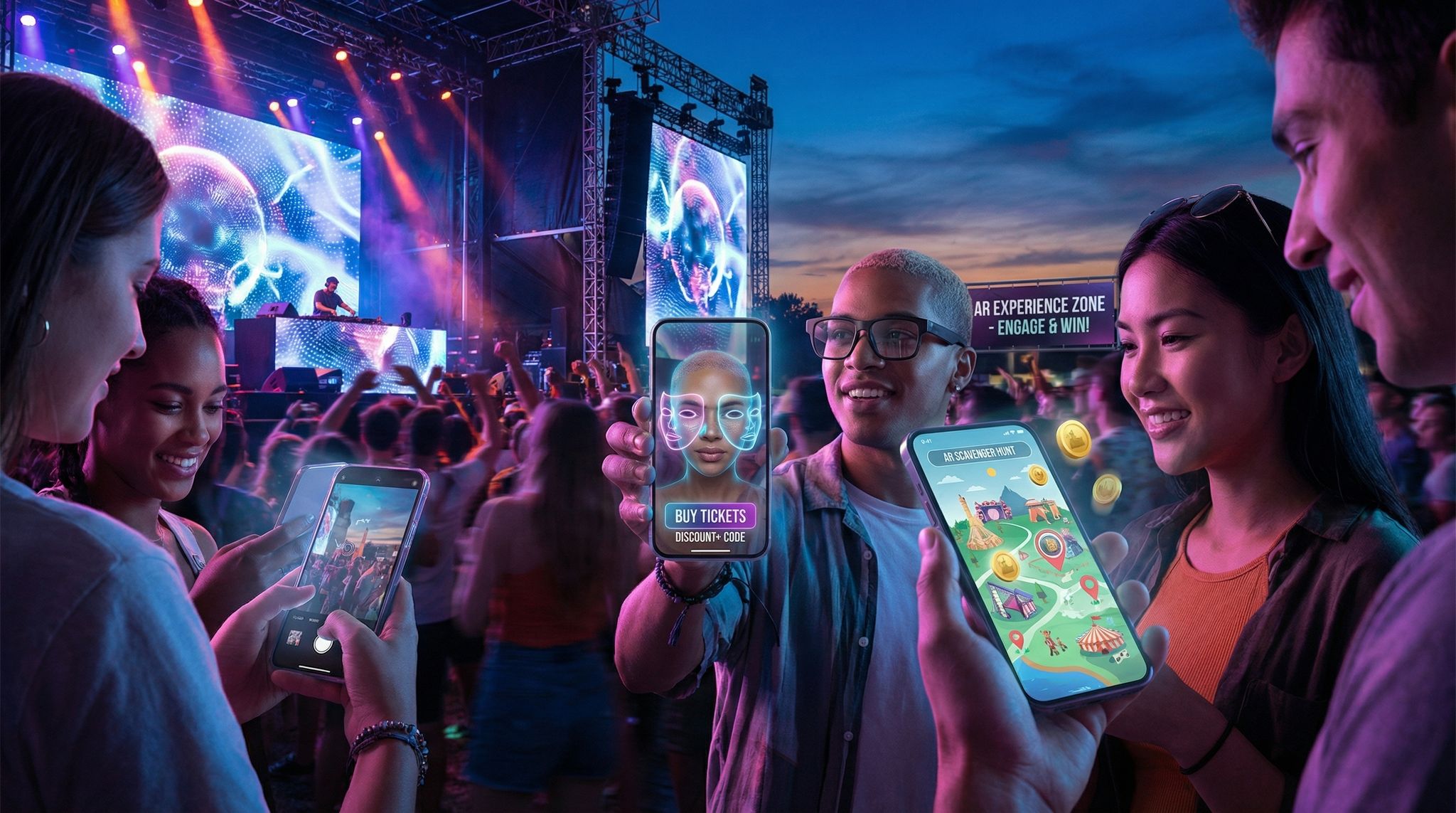
Another angle is to arm kids with social media filters or AR effects. In 2026, augmented reality can turn a marketing campaign into a playground. Maybe you have a Snapchat or Instagram filter that puts a virtual crown or superhero cape (with your event logo) on the user – kids will love playing with it and sharing selfies. Or perhaps a simple AR game in your event app where kids can catch virtual creatures around town (imagine a mini Pokémon GO themed to your event). These kinds of shareable experiences get kids talking at school: “Hey, have you tried the game from that upcoming festival? It’s so cool!” This peer-to-peer buzz among children is invaluable because it doesn’t feel like marketing at all to them – it’s just fun. As those conversations multiply, you’ll have a wave of youngsters who are already engaged with your event before they even arrive, making them all the more eager to go – and making their parents far more likely to hear constant pleas until tickets are bought.
Pre-Event Engagement Activities for Children
Another way to turn kids into mini-ambassadors is by offering pre-event engagement that gives them a taste of the magic to come. Think of it as an extended teaser specifically for children. For instance, if you’re hosting a festival, you might do a special “Kids’ Day Out” at a local mall or park a couple weeks before – a free mini-event where families can come for an hour, meet a costumed character from the festival, play a game, or watch a short performance. Children who attend will be buzzing about it afterward, effectively marketing your main event via playground chatter. Even kids who don’t attend might hear about it or see pictures, stirring up FOMO among the little ones.
If in-person previews aren’t feasible, go virtual. Host a “virtual story time” on Facebook Live or YouTube Live where a performer from the event reads a bedtime story or teaches a simple craft related to the event theme. Promote this to parent networks (“free online story time next Wednesday at 7pm!”); those who join will get their kids acquainted with your event characters or theme early on. The children start associating positive experiences with your brand, so when the real event is around the corner, they’re already fans. Some events also send out an “Adventure Guide” email series for kids – essentially a weekly email in the month leading up to the event that has a fun fact, a joke, or a small activity (e.g. a printable puzzle) all tied to the event’s theme. Parents can show these to their kids, making the anticipation period interactive. By the time ticket sales open or the event arrives, kids feel like they’re part of the journey – and they’ll be enthusiastically reminding their parents not to miss it.
The Power of Kid-to-Kid Buzz
Children can be incredibly persuasive marketers to each other. If you manage to get a group of kids excited about your event, they will naturally spread that excitement within their social circles – at school, on playdates, in online gaming chats, you name it. This kid-to-kid buzz often flies under the radar of traditional marketing metrics, but it can manifest in a swell of last-minute ticket requests as parents hear about the event from their children’s friends. To encourage this, try seeding small groups with excitement. For example, give out some free family passes to a local youth sports team or Scout troop – essentially turning them into early adopters. Those kids go back and tell their classmates how they all get to go to this cool event, and suddenly other kids are begging to go so they’re not left out.
Cultural nuances come into play here too. In some communities, group activities among children (like entire classes or extended families attending together) are common – if you tap into that, you could convert one enthusiastic child into a whole group of ticket sales. Always be ethical and transparent; the goal is to inspire, not manipulate. But there’s no denying the effectiveness of genuine enthusiasm. One memorable example was a touring children’s musical that offered a free “promo performance” at a few elementary schools in each city. The day after these school assemblies, the show’s ticket hotline would light up – parents reported their kids came home singing the songs and wouldn’t stop talking about it until tickets were secured. That’s the endgame: create such excitement among kids that parents almost don’t have a choice (in the best possible way). When you reach that point, you’ve essentially turned the children into your event’s most energetic sales team.
Cultural Considerations and Regional Differences
Adapting to Local Family Values
“Family” can mean slightly different things across cultures, and successful event marketing must adapt to those local family values. Start by researching what families in your target region prioritize. For example, in some countries education is highly emphasized, so framing an event as educational (even if entertainment-focused) can resonate more strongly. In other places, pure fun and togetherness might be the bigger draw. Tailor your messaging accordingly: a marketing campaign in Germany might highlight a festival’s cultural enrichment for kids, while in Brazil the emphasis might be on joy, music, and shared celebration.
Also, be mindful of how family roles and dynamics play out culturally. In many Asian cultures, for instance, family outings often include the extended family; grandparents might come along to events too. Marketing in those contexts could acknowledge multi-generational attendees (“Bring the whole family – from the little ones to Grandma and Grandpa!”). In Western countries, messaging might focus more on the nuclear family or even single-parent families. Showing images that reflect the typical family units of your audience (be it mom-dad-kids, single parent with child, or multi-generational group) will make your promotion feel relatable. Essentially, speak the cultural language of family – what feels heartwarming, exciting, or valuable in one culture may need tweaking in another.
Navigating Cultural Sensitivities
When marketing to families internationally or to diverse cultural groups, it’s crucial to be aware of sensitivities and norms. Content that is perfectly fine in one culture might be inappropriate in another. A simple example: a Halloween-themed event with spooky imagery might delight families in the US, but could confuse or even upset audiences in countries where Halloween isn’t celebrated. Similarly, depictions of certain animals or characters might have different connotations elsewhere. If your event will market across regions, avoid slang, idioms, or humor that doesn’t translate well. Keep visuals modest and universally family-friendly – for instance, what’s considered acceptable attire for performers in advertising can vary (some cultures are more conservative about clothing and depictions of gender roles).
It’s a good practice to consult local contacts or cultural experts when crafting campaign materials for a new market. They can flag any unintended meanings or offensive elements. For example, colors have symbolism: white is associated with purity in some places, but mourning in others; a thumbs-up gesture is positive in some cultures and rude in others. These details might seem small, but they affect how a family perceives your event invite. Show respect for cultural and religious norms too – if you’re promoting a festival in the Middle East, you might avoid scheduling it during prayer times or ensure the food vendors align with dietary laws (halal, etc.) and mention this in your marketing. Demonstrating cultural sensitivity isn’t just about avoiding mistakes; it actively builds trust. Parents will feel more comfortable attending an event that clearly respects their values and traditions.
Regional Timing and Holidays
Just as individual families have schedules, whole regions have calendars of festivals and holidays that dictate when family time happens. Aligning your marketing with these can significantly boost its effectiveness. For instance, in India, school holidays often align with festivals like Diwali or with long summer breaks; planning a family event right after exam season ends (and marketing it as a “post-exams treat for the kids!”) can tap into huge pent-up demand. In Europe, August is typically when families take extended vacations – you might see lower attendance then, so either avoid scheduling events in late July/August or specifically market them as part of a holiday experience for tourists.
If you’re marketing across multiple countries, create region-specific campaign calendars. Promote earlier in nations where people plan far ahead, and be ready for last-minute sales in places where spontaneity is more common. Also, be conscious of weekends – note that in some Middle Eastern countries, the weekend falls on Friday–Saturday rather than Saturday–Sunday; failing to account for that in your event date or promo timing could cause you to miss your audience. Public holidays that are big family days (like Golden Week in China/Japan, or Thanksgiving weekend in the US) can be double-edged – great for attendance if your event ties into the holiday, but risky if people traditionally do other things. Sometimes it’s better to schedule right before or after major family holidays and market your event as an extension of the celebration. By syncing your strategy with the rhythms of local life, you increase the chance that families will be available, willing, and excited to incorporate your event into their plans.
Platform Preferences by Region
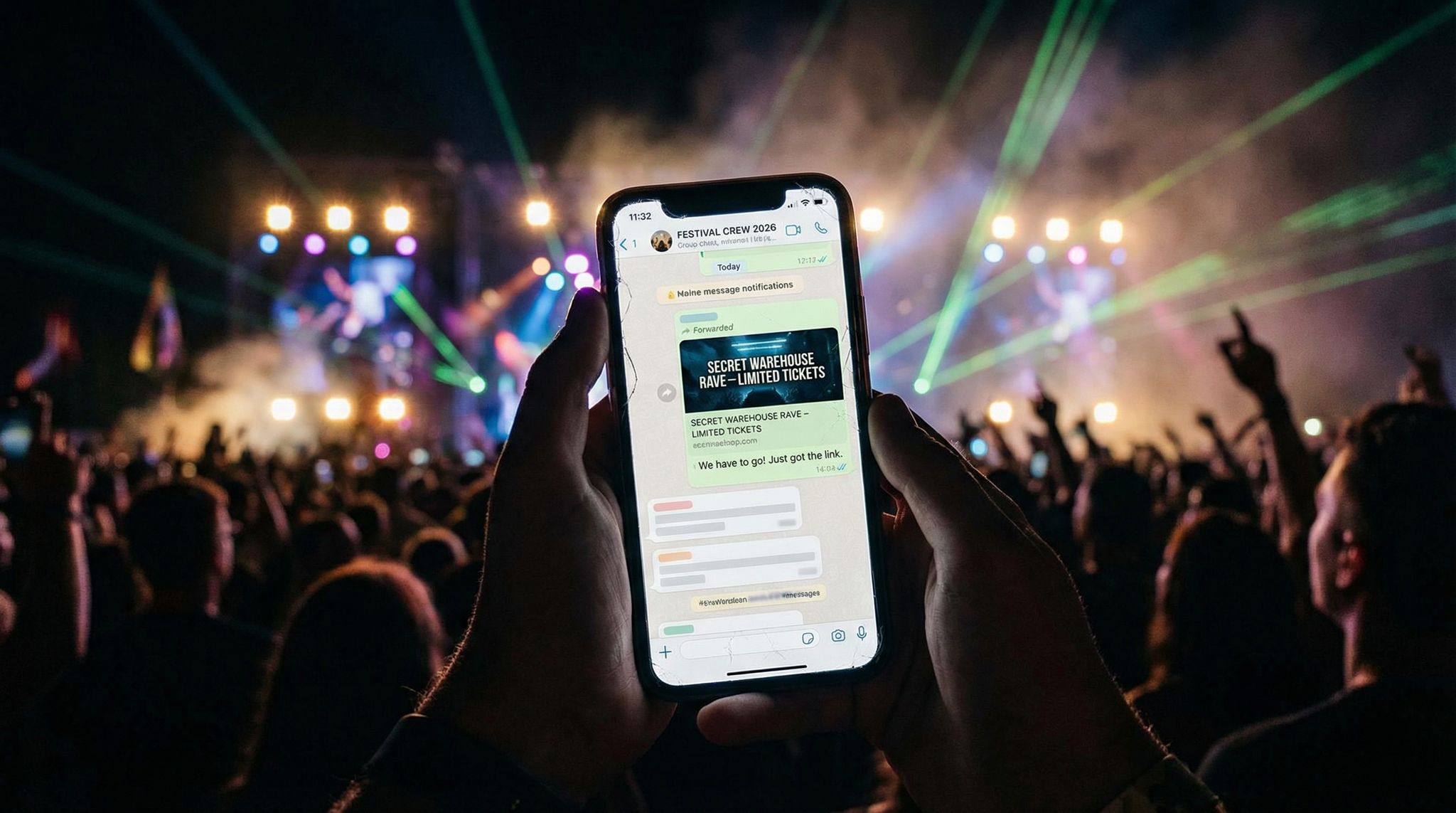
Which marketing channel works best can vary a lot by region when targeting families. While Facebook might work well in the US or Australia for reaching parents, in China you’d be looking at WeChat or Weibo; in Japan, LINE groups might be more influential; WhatsApp and community forums are key in parts of the Middle East for sharing event info among families. It’s vital to understand the platform preferences of parents (and kids) in your target market. Do some research or leverage local marketing partners to find out, for example, if email is widely read or if SMS text blasts would be more effective.
Adjust your content format to fit those channels too. Perhaps in one country, parents rely on a school-run app that lists events for kids – you’d want to ensure you’re listed there. Or maybe radio ads during school pickup hours have a big impact (radio is still huge in some regions for reaching moms in the car). Meanwhile, in many developing markets, families leapfrog straight to mobile internet, so short mobile-friendly videos in messaging apps could be key. The overarching rule is not to assume the channels that work at home will work everywhere. By customizing your marketing mix to each locale’s habits – maybe it’s heavy on YouTube and regional influencers in one country, and more about flyers through community centers in another – you’ll engage far more family leads. If possible, hire a local parent or consultant to review your plan; their insight on “everyone uses X app here for kid stuff” is gold and can save you from wasting effort on the wrong channel.
Multilingual Marketing
Language is another crucial consideration for reaching the whole family. If you’re marketing in an area with multiple languages or a large immigrant population, providing multilingual marketing materials can greatly expand your reach. Parents are much more comfortable and receptive when reading information in their native language. For example, many events in the U.S. successfully attract Spanish-speaking families by producing bilingual English–Spanish flyers and social posts. In Canada, an event in Montreal would do well to market in both English and French. Even within one country, consider the dominant languages of your community – perhaps translating a Facebook ad into Hindi, Mandarin, or Arabic (where relevant) will hook parents who would otherwise scroll past an English ad.
Don’t stop at just translations – ensure cultural context is correct too. It’s wise to have a native speaker do or review translations, rather than relying solely on machine translation, so that idioms and tone are appropriate. If your event or venue staff can accommodate multiple languages (say you have volunteers who speak Spanish or Chinese at a U.S. event), mention that as a selling point: “Staff available who speak __ on site” can reassure families who aren’t comfortable in the main language. Offering a simple FAQ in other key languages on your website is also a welcoming gesture. These efforts show respect and make your event accessible to a wider audience. Families should feel “this event is for us” when they see your marketing – and speaking their language, literally, is one of the most direct ways to convey that.
Do’s and Don’ts for Winning Family Audiences
Key Do’s
- Do speak to both the parent and the child. Craft marketing messages that highlight what parents care about (safety, convenience, value) while also showcasing the fun and magic that kids crave. For example, an event ad might tout “secure family parking and relaxing lounges for mom and dad” alongside “live cartoon shows and games for the kids.”
- Do showcase real family experiences. Use photos and testimonials of actual families enjoying your past events. Seeing relatable imagery – kids with painted faces laughing, parents relaxing on the grass – builds trust that your event delivers on its promises. Social proof is powerful in convincing new families to attend.
- Do make it easy for families to say “Yes.” Offer family ticket bundles, kids-free deals, and clear information about logistics. Provide details upfront on schedules, amenities, and what to expect, so parents feel confident. The less friction (financial or logistical) you give them, the more likely they’ll commit.
- Do leverage community networks and influencers. Partner with schools, parent groups, and family bloggers who can endorse your event in a trusted context. A recommendation in a school newsletter or by a beloved mom influencer can carry far more weight than a generic ad.
- Do adapt to your audience’s culture. Tailor your marketing to local norms – from language and imagery to timing around holidays. Showing families that you understand their world (whether it’s highlighting Diwali festivities in India or offering bilingual materials in California) makes your campaign resonate on a personal level.
Key Don’ts
- Don’t use one-size-fits-all marketing. Avoid blasting out the same message to college students, young professionals, and families alike. What excites a 21-year-old might alienate a parent of a toddler. Segmentation is essential – don’t lump everyone together with one generic campaign.
- Don’t overhype and underdeliver. Be cautious with promises. If you advertise “tons of activities for kids” but only have one bouncy castle, parents will feel misled (and kids will be bored). It’s far better to exceed expectations than to face disappointed families.
- Don’t ignore the practical details. Leaving out information on parking, restroom availability, or event length in your marketing is a mistake. Parents will fill in the blanks with worst-case assumptions (“Probably no changing tables there… let’s skip it”). Address the nitty-gritty concerns proactively in your messaging.
- Don’t rely solely on digital channels. While online marketing is crucial, don’t forget offline touchpoints. Many families discover events through community sources. If you neglect local flyers, posters, and press – or fail to engage on-the-ground networks – you’re missing a chunk of your potential audience.
- Don’t disrespect cultural or family values. Steer clear of any content that could be seen as inappropriate or insensitive to your target families’ beliefs. Even something like an edgy joke or an image of kids doing something unsafe can backfire badly. Always review your campaign through the lens of a cautious parent in your specific market.
Real-World Examples of Successful Family Event Marketing
Case Study: Festival Family Zone Boosts Attendance
A striking example of family-centric marketing success comes from a major UK music festival that traditionally catered to adults. A few years ago, the organizers noticed many attendees were aging into parenthood and would stop coming unless they could bring their kids. In response, the festival created a dedicated family zone (complete with daily children’s shows, a circus, and ample amenities for parents). But they didn’t just add it – they marketed it. Their promotional materials prominently featured the new Kidzfield, showing photos of children enjoying puppet shows and craft workshops, alongside messaging like “Fun for all ages – bring the family.” They also announced that children under 12 would get in free with a ticketed adult.
The result was transformative. Family attendance surged; thousands of parents who might have skipped the fest decided to come, kids in tow. The move not only filled more tickets (adult sales went up roughly 15% year-over-year, reversing a prior decline), but it also cultivated new goodwill. Press coverage highlighted the festival as “surprisingly family-friendly,” which further spread the word. Now that event sees multiple generations returning annually – it’s become a family tradition for many. The lesson: by genuinely investing in the family experience and shouting about those features in your marketing, you can breathe new life into even a longstanding event. This festival turned what could have been a liability (aging fans) into an asset (a reputation as an inclusive, all-ages affair).
Case Study: Kid-Driven Campaign Sells Out Tour
Consider the case of a touring children’s musical show that expertly turned kids into its best marketers. The promoters knew that their true “sales team” were the preschoolers who adored the show’s characters. So they launched a multi-faceted campaign directly targeting little ones (while of course being parent-friendly). They partnered with a popular children’s YouTube channel to create a series of short videos where the costumed characters from the show visited real kids at a playground and “invited” them to the performance. These videos weren’t traditional ads – they felt like fun content and were shared widely by parents and educators. Kids who saw them would squeal with excitement and insist on watching again (free advertising on loop).
Additionally, the tour’s marketing team distributed free coloring sheets and storybook pages to daycare centers in each city a few weeks before show dates. Teachers used them as activities, and excited children brought the colored pages home – effectively delivering a flyer straight to the parents. On social media, the promoters ran a contest for families to submit a video of their child reenacting a famous song or dance from the show, with winners getting tickets and a meet-and-greet. The contest went viral in parent circles and local news picked up the adorable entries. All these kid-centric tactics created immense pester power. Many parents reported that their toddlers talked about the show nonstop until the family finally went. The outcome? Most dates on the tour sold out, and they even added extra shows in some cities due to demand. By putting children at the heart of the campaign – engaging them through media they love and activities they enjoy – this tour converted kiddie enthusiasm directly into ticket sales.
Case Study: Community Event Leverages School Partnerships
Even smaller-scale events can win big with the right family marketing moves. A community winter festival in Canada provides a great example. This festival had modest attendance in its first year, so for its second year the organizers decided to heavily involve local schools. They created a program where elementary students could earn a free ticket by reading a certain number of books in December (promoting literacy tied in nicely with the school curriculum). The schools announced this “Winter Festival Reading Challenge” and it spread like wildfire – kids were motivated to read, and every child who hit the goal brought home a certificate with a free child ticket and discounted adult ticket offer.
At the same time, festival reps visited school parent nights with booths full of event info, showing off the family activities planned (like ice slides and a Santa’s workshop). They even got the high school band – which many of the younger kids looked up to – to perform at the festival, and had those teens go around as youth ambassadors telling families to come see them play. Thanks to these efforts, the festival’s attendance tripled, and families with school-age children became the core audience. Local media also loved the story (“kids read their way into a festival for free!”), which gave free PR. What this illustrates is the power of aligning your event with community institutions. By engaging the school system and framing the festival as a family-and-education-friendly outing, they tapped into a ready-made network that led to exponential growth in family turnout.
Frequently Asked Questions
How can event marketers effectively target family audiences?
Marketing to families requires a dual-audience strategy that appeals to both parents and children simultaneously. Promoters must highlight safety, convenience, and value to satisfy parents while capturing children’s imaginations with exciting themes and characters. Successful campaigns use a multigenerational mindset, creating shared adventures where age-appropriate programming overlaps to delight all family members.
What ticketing strategies encourage families to attend events?
Effective family ticketing strategies include offering bundle deals like “Family 4-Packs” to simplify purchasing and provide visible value. Providing child discounts or free entry for young kids significantly boosts turnout, as parents are more willing to pay for themselves if children attend for free. Flexible payment plans also make higher-priced events more accessible to household budgets.
Why should event marketing highlight safety and amenities for families?
Emphasizing safety measures like on-site security, first aid, and lost-child centers significantly boosts parents’ confidence in attending. Marketing materials should explicitly highlight inclusive environments alongside practical amenities like stroller parking, nursing tents, and quiet zones. addressing these logistical needs proactively reassures parents that the event is a secure, comfortable place for their children.
How can influencers be used to market events to families?
Partnering with mom bloggers and parenting influencers builds trust through authentic recommendations, as parents value advice from peers. Additionally, engaging kid influencers on platforms like YouTube and TikTok can generate excitement among children, creating “pester power” where kids urge their parents to buy tickets based on enthusiastic reviews from relatable youth stars.
How can event organizers partner with schools to boost family attendance?
Collaborating with local schools and youth organizations allows events to reach families directly through trusted channels. Strategies include sponsoring school fairs, distributing flyers, or offering fundraising opportunities where schools earn money for every ticket sold using a specific code. This approach leverages existing community networks and school newsletters to drive significant family attendance.
How can event marketing campaigns engage children directly?
Interactive campaigns engage children through gamification, such as online scavenger hunts, art contests, or challenges related to the event theme. Providing collectibles like stickers or digital assets like social media filters encourages kids to share content with friends. This pre-event engagement turns children into enthusiastic advocates who actively persuade their parents to attend.