Anime convention planning in 2026 is all about authenticity, community, and cultural immersion. Unlike general pop culture events, anime conventions weave in Japanese cultural experiences – from charming maid cafés to epic cosplay masquerades – to create a world where fans feel like they’ve stepped into their favourite anime. This guide offers practical strategies for how to organize an anime convention that stands out. We’ll draw on real examples from successful anime cons around the globe, so you can learn what it takes to run an unforgettable event for anime fans.
Anime Convention Planning for Authentic Fan Experiences
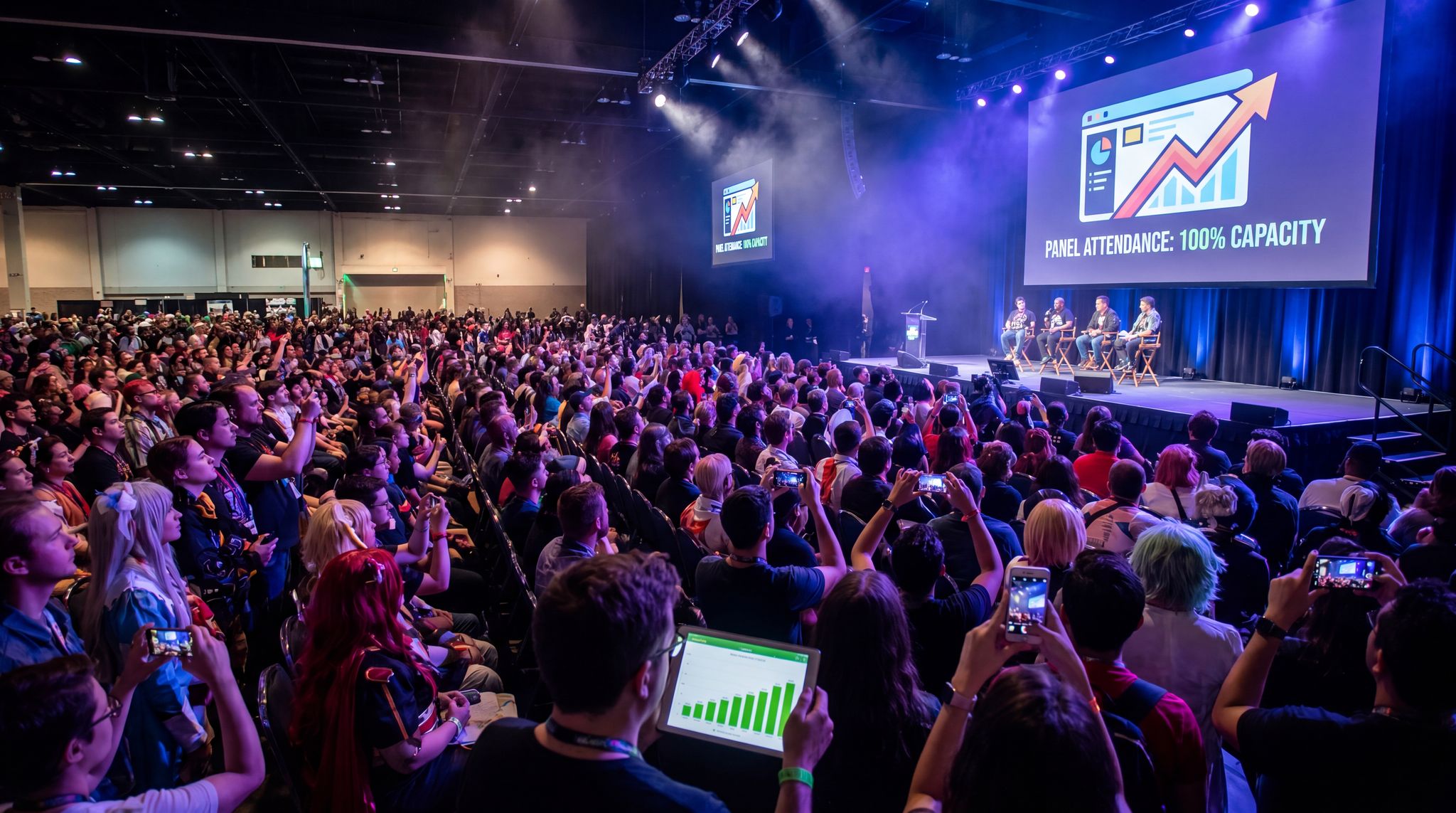
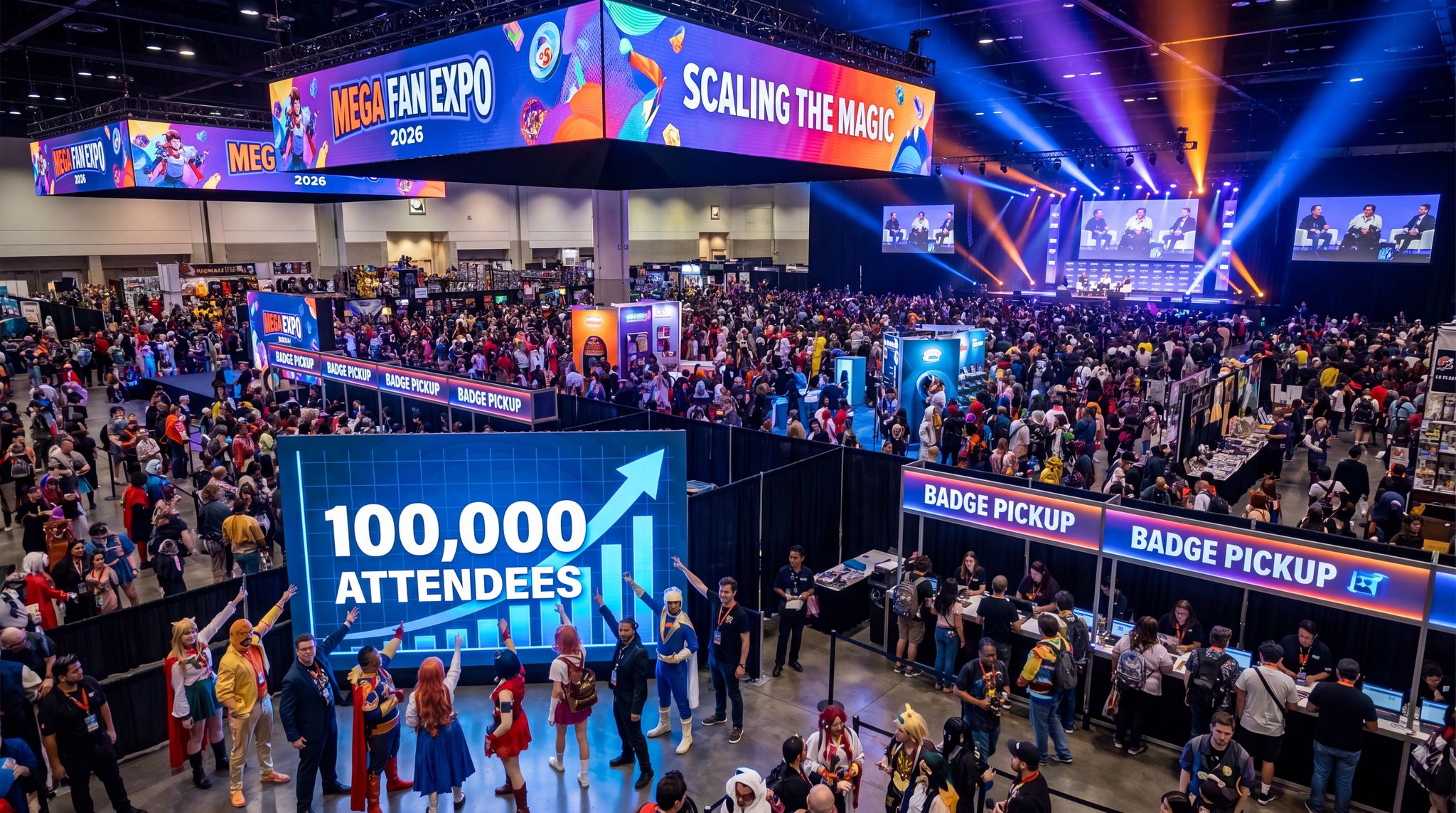
Anime conventions have exploded in popularity, becoming a cornerstone of global fan culture. The biggest events attract enormous crowds: North America’s Anime Expo draws over 100,000 attendees each year, and Europe’s Japan Expo in Paris saw 254,000 visitors in 2022. These gatherings thrive by offering more than merchandise and celebrity signings – they deliver authentic fan experiences that celebrate Japanese pop culture. From small local cons to mega-expos, understanding what makes anime fans tick is key.
Know Your Audience: Anime fans are passionate and detail-oriented. They care deeply about authenticity – whether it’s accurate cosplay, subbed vs. dubbed screenings, or traditional cultural touches. Successful anime convention planning tips often start with engaging the fan community early. Consider running polls or forums to learn which anime series, guests, or activities your target audience most wants. As one industry report notes, niche fandom events are booming in 2026 – meaning anime cons can thrive by catering directly to what passionate fans crave. When planning, embrace the fact that anime conventions are niche conventions and lean into that specialty.
Balance Culture and Fun: A top complaint from anime con attendees is when an event feels like a generic comic-con with a few anime trappings. To avoid this, consciously integrate Japanese cultural elements at every planning stage. This might mean securing Japanese guests (like popular voice actors or anime directors), offering cultural workshops, and paying attention to theming and decor. For example, Anime Expo distinguishes itself by bringing in more high-profile creators from Japan than any other US fan event. By making authentic content the focus – rather than an afterthought – you’ll meet fan expectations and stand apart from general pop culture conventions.
Turn Fans Into Your Marketing Team
Ticket Fairy's built-in referral rewards system incentivizes attendees to share your event, delivering 15-25% sales boosts and 30x ROI vs paid ads.
Plan for Different Scales: Running a successful anime convention can mean 2,000 attendees or 100,000 – scale affects execution, but not the core mission. Smaller cons (say 2,000–5,000 attendees) might be community-run and budget-sensitive, relying on volunteer staff and local guest talent. In contrast, massive cons like Anime Expo or Germany’s DoKomi (which surpassed 155,000 attendees in 2023) involve complex logistics and professional management. Adjust your planning timelines and team structure accordingly. Large events require formal department leads (for programming, guest relations, operations, etc.), while smaller events might have a tighter organising committee with everyone wearing multiple hats. No matter the size, the goal is the same: create an immersive, well-run celebration of anime that feels true to the fandom.
Integrating Japanese Cultural Experiences
One thing that sets anime conventions apart is the incorporation of Japanese cultural experiences that make attendees feel closer to the source of their fandom. From themed eateries to traditional arts, these touches transform a convention into a living slice of Akihabara or Harajuku.
Ready to Sell Tickets?
Create professional event pages with built-in payment processing, marketing tools, and real-time analytics.
Maid Cafés and Themed Experiences
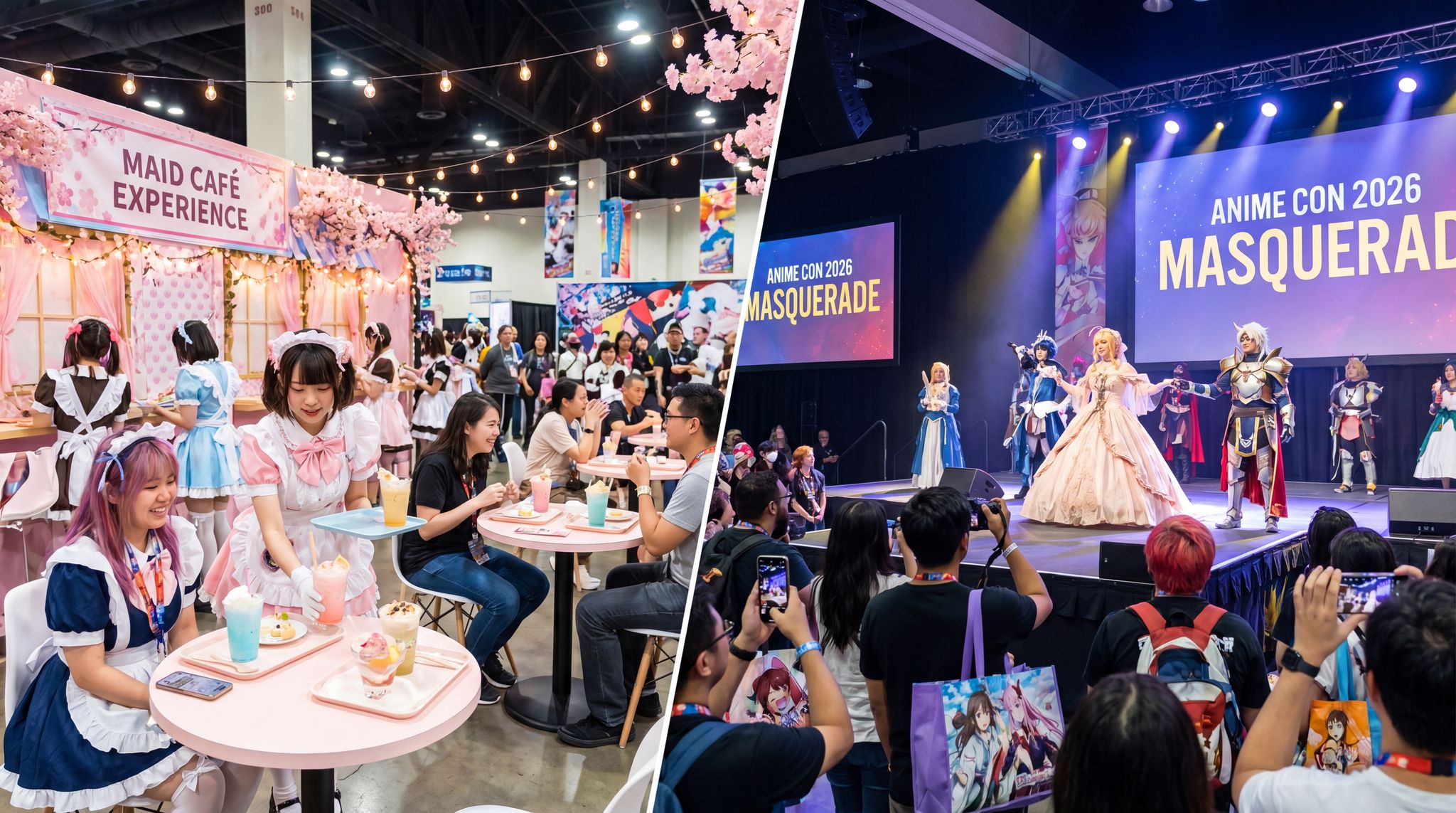
A staple of many anime cons is the maid café – a playful, interactive dining experience inspired by the famous maid cafés of Tokyo’s Akihabara district. Organizing a maid café on-site can delight attendees, but it requires careful planning. You’ll need to train a team of “maids” (or butlers, for a butler café variation) in customer service and performance, coordinate with catering for food & beverage service, and manage reservations to avoid long waits. Authenticity is key: incorporate Japanese phrases, use themed menus, and create a cute atmosphere with café decor so fans feel like they’ve walked into an anime scene.
Real-world example: Germany’s DoKomi convention operates its own maid café (“Lucky Chocolate”) and even a host club (“Sweet Spice”), each staffed by about 40 themed performers to meet attendee demand. Their success shows that investing in a well-produced themed cafe can become a signature attraction. If you don’t have capacity to run it in-house, consider partnering with a local Japanese cafe or a fan volunteer group that has experience – but maintain quality control and clear codes of conduct for staff and attendees.
Beyond cafes, look at other themed experiences to enrich your event. Some ideas:
– Tea Parties or Traditional Ceremonies: Host a Japanese tea ceremony demonstration or a casual “Tea Party” with costumed characters for VIP attendees.
– Pop-Up Izakaya or Snack Bar: Create a small lounge that sells Japanese snacks, drinks (Ramune, anyone?), and lets fans hang out in an anime-themed setting.
– Arcade and Game Center: Many anime fans also love Japanese arcade games. Setting up a mini game center with popular rhythm or fighting game cabinets (or their console equivalents) can replicate the feel of a Tokyo arcade.
– Idol Performances: If resources allow, invite a J-Pop cover dance group or local “idols” to perform. Anime conventions in Southeast Asia and the US have featured anisong (anime song) concerts or dance showcases that energize the crowd.
The key is to choose cultural elements that fit your budget and audience size. Even small touches – like decorating with koi banners for Boys’ Day, or having staff in yukata outfits – add authenticity. Just ensure any cultural content is presented respectfully. For instance, if you host a kimono dressing workshop or martial arts demo, involve knowledgeable instructors or cultural groups to lead it. Authenticity builds trust with attendees who want a genuine taste of Japan.
Smart Promo Codes & Presale Access
Create percentage or flat-rate discount codes with usage limits, date ranges, and ticket type restrictions. Plus unlock codes for private presales.
Screenings, Panels and Workshops with Cultural Flair
Anime screenings are another cornerstone of anime cons. Fans love the chance to watch episodes or premieres together on the big screen. Work with anime distributors or studios to secure screening rights – many are open to fan events, especially if you can promise a decent audience. If possible, premiere something new or host a “simulcast” screening of a hot show’s latest episode to create buzz. Ensure you provide a proper viewing experience: a darkened room, good projector and sound, and maybe even subtitles if it’s a raw import. For popular titles, schedule multiple screenings or use a ticketing system to manage capacity so everyone gets a fair chance to attend.
Take inspiration from Anime Expo, where industry partners often host screenings and sneak peeks of upcoming films. In 2022, AX featured world premiere content for big franchises (like One Piece Film: Red previews and special episodes) to fan acclaim. Smaller cons can’t always get exclusives, but you can still curate themed blocks (e.g. “Retro Mecha Hour” or “Rom-Com Marathon”). Introduce each showing with a brief talk to give context or fun facts – attendees appreciate the personal touch.
Grow Your Events
Leverage referral marketing, social sharing incentives, and audience insights to sell more tickets.
In addition to screenings, incorporate workshops and interactive cultural panels. Many anime conventions successfully run hands-on workshops on topics like:
– Cosplay crafting – e.g. armour building, wig styling, prop painting techniques.
– Art and drawing – tutorials on drawing manga, comic inking, digital art; sometimes hosted by guest artists or skilled fans.
– Language and culture – basic Japanese language classes, “anime slang 101,” or presentations on Japanese mythology in anime.
– Music and dance – teach otagei (cheer/dance moves for idol concerts), anime song karaoke contests, or K-pop dance workshops (since anime fans often overlap with K-pop fans too).
Don’t underestimate the value of fan-led programming. Many experienced attendees love sharing their knowledge. You can issue a call for panel submissions a few months in advance – common at anime cons – to crowdsource unique panel ideas from the community. Just have a review process in place to select quality, relevant content. For example, Otakon (a long-running East Coast anime convention) prides itself on being “by fans, for fans,” with numerous fan-run panels alongside guest sessions.
Case study: One mid-sized con instituted a “culture track” of programming that included a bento box making workshop, a lecture on Shinto symbols in Naruto, and a live calligraphy demo where attendees could get their names written in kanji. These sessions had smaller audiences (20–50 people) but added huge value for those fans seeking a deeper connection to Japan’s culture behind their favorite anime. The lesson: mix fun pop content with educational bits – the variety keeps attendees engaged across a 3-day convention.
Cosplay Events and Masquerades
Cosplay is the lifeblood of anime conventions. You’ll see attendees in costume at any fan event, but anime cons elevate cosplay to an art form. From casual meetups to elaborate stage competitions, cosplay programming deserves a dedicated chunk of your planning effort. Let’s break down how to support cosplayers and put on shows that wow the crowd.
Grow Your Social Following With Every Sale
Require social media follows, shares, or playlist adds to unlock presale access or special pricing. Turn every ticket purchase into audience growth.
Cosplay Meetups and Fan Gatherings
On any convention floor, cosplayers naturally gather for photoshoots and to bond over shared series. As an organizer, you can facilitate these meetups to make them even better. How?
– Schedule Official Photoshoots: Create a space (or backdrop) and time slots for popular fandoms. For instance, 1:00pm at the atrium for My Hero Academia cosplayers, 2:00pm for Demon Slayer, etc. List these in the programme so cosplayers know where to go. This encourages community and yields fantastic photo ops, which in turn become organic marketing for your con on social media.
– Cosplay Lounge or Repair Station: Set aside a room or area where cosplayers can rest, fix costumes (provide basics like sewing kits, glue, safety pins), and even change outfits. Keeping cosplayers comfortable means they’ll stick around longer and have a better experience.
– Parades or Casual Contests: If a full competition is too much, you can do a cosplay catwalk or parade where anyone can strut their costume on stage without the pressure of judging. Some cons do casual “hall cosplay awards” – staff rove the venue and hand out ribbons to outstanding costumes spotted among attendees. This recognises cosplayers who might not enter the contest.
Also, consider collaborating with cosplay guest judges or famous cosplayers (if you invite any as guests) to host meet-and-greets or Q&A panels about cosplay. Fans appreciate learning from veterans. The goal is to celebrate cosplay at all levels, from the first-timers in store-bought outfits to the crafting experts with months-in-the-making creations.
Running a Successful Masquerade Competition
The highlight of cosplay programming is often the Cosplay Masquerade, a main-stage event where cosplayers show off their work and compete for prizes. A well-run masquerade can be the crown jewel of your convention (often filling your largest hall), while a poorly run one can devolve into chaos – so plan carefully! Here are key steps and tips:
- Clear Rules and Categories: Publish the contest rules well in advance. Typical cosplay contests have craftsmanship categories (based on skill level or group vs. solo) and sometimes performance/skit categories. Define what is allowed on stage (e.g. no real weapons, effects like smoke or fire) and your prop weapon policy. For safety, all prop weapons should be peace-bonded and conform to strict guidelines – no live steel, no functional projectile weapons, etc. Many conventions require prop check at the door; ensure security or staff can tag approved props to keep everyone safe.
- Pre-Judging and Judges: For craftsmanship awards, have a pre-judging session where contestants meet judges up close to show costume details. Recruit experienced judges – local cosplay contest winners, costume designers, or anime industry folks. If possible, bring at least one guest judge with name recognition (popular cosplayer or cosplay YouTuber) to attract contestants. Provide judges with a rubric to ensure consistency (e.g. scoring on accuracy, creativity, construction quality).
- Rehearsal and Stage Management: Masquerades can involve dozens of contestants, so organization is vital. Do a walkthrough or rehearsal to get everyone familiar with stage cues, microphone use (if doing skits), and safety (making sure capes won’t trip anyone, etc.). Your stage crew should have a stage manager to queue up contestants and techs to handle lighting/music cues for each entry. Keep the show moving – long delays between entries lose the audience’s attention.
- Entertainment and Hosts: Choose an energetic MC or host who can banter with the crowd and fill dead time (like when judges retreat to deliberate). Some cons intersperse performances (dance groups, singing, or a short game) during intermissions. Just ensure anything extra doesn’t overly prolong the event – attendees will get restless if a cosplay contest runs for three hours. Aim for a tight, high-impact show.
- Awards and Prizes: Even if your budget is small, try to offer at least symbolic prizes or trophies. Many conventions partner with sponsors or exhibitors to get prize support (like gift cards, swag, or even sewing machines from a craft store sponsor). Recognise a variety of achievements – not just “Best in Show,” but also Judge’s Choice, Best Craftsmanship, Best Performance, or fun awards like Best Prop or Best Youth Costume for under-age cosplayers. Spreading the recognition encourages more people to participate next time.
Properly managing a cosplay competition requires practice and good communication. Consider following a detailed playbook from veteran organizers – for instance, structuring a fair cosplay contest and enforcing clear prop weapon rules is covered in seasoned organizer guides, which also emphasize strict safety protocols for large crowds. By learning from those who have run contests at comic-cons and anime cons, you can avoid common pitfalls (like disorganised lineups or unsafe props on stage). A great masquerade leaves everyone buzzing and creates memorable moments that attendees will talk about (and share online) long after the convention.
Pro Tip: Have a plan for crowd control at your marquee events like the masquerade. It’s not uncommon for anime cons to hit room capacity and have to turn people away for the big show. Use ticketed entry (free tickets given out earlier in the day) or a wristband system to manage the line fairly. Always prioritize safety – in one instance, overwhelming day-one crowds at Anime Expo 2022 led the Fire Marshal to temporarily halt entry for safety. That’s a scenario you want to avoid through proactive planning, like line caps and communication. In the next section, we’ll look closer at managing crowds and other logistics.
Guest Panels and Interactive Programming
Anime conventions aren’t just about activities – they’re about people. Guest speakers, industry panels, and fan-led sessions all contribute to a rich programme. Here’s how to coordinate your programming to keep attendees informed and entertained throughout the event.
Keep Tickets in Fans' Hands
Our secure resale marketplace lets attendees exchange tickets at face value, eliminating scalping while keeping you in control of the secondary market.
Booking Voice Actors, Creators and Performers
High-profile guests can elevate your convention’s profile, but they also come with costs and logistics. Anime fans especially love meeting voice actors (both Japanese seiyuu and local dub actors), anime directors, artists (manga creators or character designers), and musical acts (from J-Pop bands to anime theme song singers). Booking these guests requires starting early – often 8-12 months ahead for top-tier guests – and working through agents or talent management companies.
Budgeting and Fees: Appearance fees for guests vary widely. A domestic voice actor from a popular series might charge a few thousand dollars plus travel; a Japanese celebrity director or an A-list voice actor could run $10,000 or more in fees, plus international travel and hospitality. Some might request business class flights or a companion traveler. Plan your guest budget realistically and prioritize who will resonate most with your audience. It’s often better to have a handful of guests who are highly relevant to current fan interests than a long roster of names that don’t excite people. If budget is tight, consider rising star actors or internet-famous creators (like anime YouTubers, cosplay influencers) who may be more affordable but still draw crowds.
Below is a sample guest budget range (for illustrative purposes):
| Guest Type | Typical Fee Range (USD) | Notes for 2026 |
|---|---|---|
| US Anime Voice Actor | $1,000 – $5,000 + expenses | Higher end if lead role in big franchise; many will do panels + autographs. |
| Japanese Voice Actor (Seiyuu) | $5,000 – $15,000 + expenses | Consider interpreter costs; huge draw if it’s a rare appearance. |
| Anime Director/Producer | $3,000 – $10,000 + expenses | May come with interpreter; can host screenings or premieres. |
| Cosplay Celebrity/Influencer | $500 – $2,000 + expenses | Often will judge cosplay, do meetups; some might accept lower fee for booth space. |
| Musical Act (anisong singer, band) | $5,000 – $20,000+ | Varies greatly by fame; factor production costs (sound, lights) for concerts. |
Note: Fees can fluctuate; guests might lower fees for fan-driven events or if routing through multiple conventions on one trip. Always negotiate professionally and secure written agreements.
Guest Relations: Once guests are confirmed, solid guest hospitality is crucial. Assign a guest liaison (or “handler”) to each VIP – someone experienced, reliable, and preferably familiar with the guest’s work. Their job is to ensure the guest’s schedule is managed (getting them to panels on time, autograph sessions, etc.), as well as their comfort (green room stocked with requested snacks, dietary needs met, some time to rest between events). A happy guest who feels cared for is more likely to give fans a great experience and want to return. Obtain clear info from guests in advance: do they require an interpreter on stage? Are they willing to do a VIP meet-and-greet? Any special needs or schedule constraints? Pro tip: Have backup plans for transportation and a volunteer always ready to escort guests through crowds – popular anime guests will get stopped for selfies if they walk the floor unaccompanied.
Scheduling Panels and Signings: Balance your guest programming across each day. Typically, guests will do panel sessions (e.g. Q&A talks or presentations), autograph sessions, and perhaps photo ops. For big name guests, use pre-scheduled autograph tickets or a lottery system to control crowds. The last thing you want is a six-hour queue of disappointed fans only to be cut off. Some conventions charge for autographs or have voucher systems; others include autographs free with attendance but cap the number per person. Choose a system that fits your crowd size and the guest’s capacity. Communicate all procedures clearly in your program and on signage.
Free Tool: Size Your Festival Site
Zoned capacity planning for arena, campsite, parking and entry lanes — against UK Purple Guide and NFPA density standards. Finds your bottleneck zone.
Many anime conventions also coordinate with industry partners (like anime publishers, streaming services, or game companies) to host panels. For example, a Crunchyroll industry panel might preview upcoming titles. These can be big draws, but coordinate scheduling to avoid overlaps with your headline guest panels if possible. Stagger “big events” so attendees don’t have to choose one over the other – that improves overall satisfaction.
Fan Panels, Contests and Meetups
In addition to official guest content, fan-driven programming is a hallmark of anime conventions. Embrace your community’s creativity by featuring attendee-led panels and activities. These not only fill out your schedule (often at minimal cost), but they also empower fans to contribute and feel ownership of the event.
Here are popular fan-led elements to consider:
– Discussion Panels and Fandom Debates: Topics can range from “The Evolution of Magical Girl Anime” to “Underrated Anime of the 1990s.” Ensure panelists are knowledgeable and the topic is relevant. These sessions thrive with a moderator who can keep things on track. Vet submissions for quality – ask for references or past panel video if available.
– Workshops and Demos: As mentioned earlier, many skilled attendees might run how-to sessions (drawing, cosplay tips, Japanese cookING, etc.). Provide necessary supplies or AV equipment and verify that the host actually has the expertise they claim.
– Contests and Games: Beyond cosplay, anime cons often have AMV (Anime Music Video) contests, art contests, or trivia competitions. For AMVs, you’ll need submissions in advance and A/V setup to screen the finalists – plus judges who know both technical and artistic aspects of AMV creation. Trivia contests or “anime name that tune” games can be hosted live; just ensure questions are fair and have a plan to resolve ties. Prizes can be small (e.g., donated merch or extra swag from vendors), as it’s more about bragging rights and fun.
– Community Meetups: Not every gathering needs formal programming. Consider scheduling meetups for specific interest groups: an LGBTQ+ anime fans meetup, a meetup for fans of a specific long-running series (like a Gundam fan meet), or even “older anime fans (30+) meetup” to help attendees find like-minded friends. These can be simply a line in the schedule and a room allocation – minimal effort for potentially high community value.
Managing the Schedule: Anime conventions typically run programming from morning until late night, given many attendees’ high energy and willingness to enjoy the con around the clock. It’s not unusual to have late-night content like 18+ (adults-only) panels or anime screenings that run past midnight. When planning, design your schedule in tracks (e.g., Main Events, Panels 1-5, Workshop Room, Video Room, etc.) and use scheduling software or spreadsheets to map it out visually. Keep fan submissions and guest sessions in separate color codes to ensure you don’t double-book a guest by mistake. Always leave a bit of buffer time between sessions in the same room (even 5–10 minutes) to allow for turnover and setup – this prevents a cascading delay if one panel runs long.
It’s wise to publish a programme grid well ahead of the event (at least a couple of weeks) so attendees can plan. In 2026, tech-savvy fans expect a mobile-friendly schedule or even a convention app with personal scheduling functionality. If your budget permits, a basic web schedule or integration with a tool like Sched can do wonders for attendee experience. Some advanced pop culture convention ticketing solutions include built-in schedule and panel reservation systems – for example, an integrated badge registration platform for fan conventions might allow attendees to RSVP for limited-seat panels or join waitlists, helping you gauge demand.
Translation & Accessibility: If you have Japanese guests or content in Japanese (screenings, etc.), plan for translation. Hire professional interpreters for stage panels (consecutive or simultaneous translation) so that language isn’t a barrier. It’s worth investing in good interpreting – fans notice when a guest’s words are translated accurately and with enthusiasm. Additionally, consider accessibility: provide captions or sign language interpretation for major events if possible, and ensure people with disabilities have seating access and line accommodations. Anime fandom is diverse and inclusive, and your convention should strive to welcome everyone.
Smooth Entry With Mobile Check-In
Scan tickets and manage entry with our mobile check-in app. Supports photo ID verification, real-time capacity tracking, and multi-gate coordination.
Operations, Safety, and Logistics
Behind every seamless anime convention experience is a mountain of operational planning. From the moment tickets go on sale to the teardown on closing night, smart logistics keep things running smoothly. In this section, we’ll cover registration and badges, crowd management, and exhibitor hall logistics, all with an eye to the unique needs of anime fan events.
Registration, Badges & Ticketing Systems
An attendee’s first impression of your convention often comes from the registration process. Long lines or confusion at badge pickup can sour the mood before the fun even begins. To ensure a smooth start:
– Offer Tiered Badges: Anime cons typically have weekend passes, single-day tickets, and often VIP tiers (e.g., a VIP badge that might include perks like priority seating or exclusive merchandise). Clearly outline what each badge includes and price them appropriately. For example, a VIP ticket might be $200 and include early entry and a meet-and-greet, while a regular weekend pass might be $60–$80. Early-bird pricing tiers can incentivize fans to buy early, boosting your cash flow.
– Utilise Efficient Ticketing Technology: Use a robust online ticketing platform that can handle high demand when sales launch and provide on-site tools. Modern systems like the Ticket Fairy event ticketing platform let you customize badge types (attendee, exhibitor, artist, press, etc.), offer discounts or referral codes, and even add-ons like paid workshops or autograph session tickets. Crucially, choose a system with a fast, reliable check-in app – scanning QR codes or RFID badges at entry allows throughput of dozens of people per minute, preventing door jams. Aim to process at least 1,000 – 2,000 attendees per hour at peak check-in, depending on your total attendance.
– Badge Pickup Strategies: If possible, offer badge mailing in advance for a fee or allow local pickup the evening before Day 1. Many larger cons have a Day 0 pickup for pre-registered attendees which greatly alleviates the crush on Day 1 morning. If your venue allows, run registration late into the evening prior. Also, set up separate lines for different needs: new registrations, pre-reg pickups, VIP/fast-track, problem resolution. Clear signage and well-trained volunteers in these areas are essential. No one likes being in the wrong line after waiting 30 minutes.
– On-site Sales and Capacity: Decide if you’ll sell tickets at the door. At many anime cons, especially post-2020, more attendees buy online, but some still walk up. If you’re nearing venue capacity, have a plan to cut off sales if needed and communicate on social media to prevent people from showing up in vain. Use real-time analytics on ticket sales (the kind provided in platforms with live dashboards) to monitor how close you are to any caps. If you see a surge, you might open extra registration stations or delay certain programming to accommodate registration delays.
– Fraud and Scalping Prevention: Unfortunately, popular cons can attract scalpers or fraudsters selling fake badges. Combat this by using ticketing tech that supports anti-scalping measures – for example, Ticket Fairy’s platform has features like personalised QR codes and fan-to-fan resale that ensure each badge is traceable to a buyer (preventing mass scalping). Communicate to fans that official badges are only through your channels. If a badge sells out (like VIP passes), consider a waitlist or an official resale mechanism so fans don’t resort to eBay or sketchy scalpers. Maintaining fan trust here is critical; unlike some ticket companies that use surge pricing, fan-centric events usually keep prices stable and fair to avoid backlash.
Beyond the basics, think about the little details: Provide lanyards and badge holders (often sponsored with logos to offset cost). Make sure badges have unique designs each day or a way to visually verify single-day usage (different colour badges or date prints). And have a re-print policy – e.g., charge a small fee for lost badges to deter carelessness, but always verify ID to prevent sharing. Efficient registration sets the tone that your convention is professional and caring, so it’s worth the investment in good systems and staff training.
Crowd Management and Safety
Anime fans are known for their enthusiasm – which is fantastic, but can lead to crowding challenges. Whether it’s a stampede to grab exclusive merch or massive queues for a hit panel, you need robust crowd management strategies. Attendees will forgive a long wait if it’s handled fairly and safely; they won’t forgive disorganisation that leads to chaos or feeling unsafe.
Line Management: Lines will form for registration, popular panels, autographs, and the exhibit hall opening, among other things. Adopt advanced queue strategies from experienced fan events. Some tips:
– Use stanchions or tape on the floor to clearly mark where lines should form. Have volunteers or signs indicate, for example, “Line starts here for Main Events Hall”. This prevents sprawling blobs of people that block walkways.
– For very high-demand events, consider ticketed entry. For instance, Comic-Con International famously uses a wristband system for Hall H; you might not need that level, but you could hand out tickets for a panel room when people line up, so they can leave and come back at panel time instead of camping in line all day. If you do this, communicate clearly – let attendees know via the program or app how to participate.
– Train volunteers as “Line Managers.” They should enforce no cutting, keep folks moving periodically (to avoid bunching), and update waiting attendees if possible (“The room is half filled, you’re likely to get in” or “this session is now full”). Line managers also serve as the eyes and ears to alert if anyone needs medical attention in line or if tempers are flaring.
– Queue Entertainment: One way to keep long lines happy is providing some entertainment or engagement. Think about playing anime music or running trivia contests for those waiting. Some cons have volunteers stroll the line with a simple quiz and hand out small prizes (stickers, candy) for correct answers. It lifts the mood and distracts from the boredom of waiting.
Crowd Safety: Always respect venue capacity limits. Anime cons often draw younger attendees who might crowd into small panel rooms beyond safe numbers if not controlled. Work with venue security to monitor room capacities and don’t be afraid to close a room when full. It’s better to have a few upset latecomers than a fire hazard. In outdoor spaces or exhibit halls, ensure aisles are wide enough and not blocked by furniture or displays. Designate a safety officer or team to roam and spot potential crowding issues before they escalate.
A lesson from 2022: Anime Expo in LA had such demand on opening day that the Fire Marshal briefly halted entry because too many people crowded the entrances at once. The takeaway is to stagger high-traffic points. If you anticipate a huge surge at opening, you might open doors early or in waves (e.g., VIPs 30 minutes early, general attendees after) to ease pressure. Similarly, for exhibit hall openings, consider a “rolling opening” by sections or an early access pass raffle to thin out the stampede – or simply communicate and countdown so people don’t push.
Emergency Plans: Even though anime cons are fun environments, you must prepare for serious scenarios. Have a written emergency plan covering evacuations (know your venue’s exits and rally points), medical emergencies (hire on-site EMTs or partner with a first aid service; definitely have water stations around to prevent dehydration), and any security threats. Given recent history, also plan for health safety protocols if needed – many 2021–2022 events had vaccination or mask requirements, and while those may relax, be ready to implement such measures if public health conditions change. Communicate rules clearly ahead of time so attendees know what to expect.
Lastly, foster a safe, inclusive atmosphere. Anime cons are known as welcoming spaces for diverse communities, from LGBTQ+ fans to people of all backgrounds unified by love of anime. Train staff and volunteers on a clear anti-harassment policy (“Cosplay is not consent” should be a visible slogan, reminding everyone that unwelcome physical contact or creepy behavior is not tolerated). Provide a discreet way for attendees to report issues – whether it’s harassment, lost child, etc. – such as an operations help desk or identifiable security staff. When attendees feel safe and respected, they can fully enjoy the convention experience.
Exhibitor Hall and Artist Alley Management
The exhibitor hall (dealer’s room) and Artist Alley are the commercial heart of an anime convention. Fans love hunting for rare figures, plushies, art prints, and collectibles. A well-curated and well-run hall can significantly boost attendee satisfaction and your event’s revenue (through booth fees and sponsorships). Here’s how to get it right:
Layout and Flow: Design the floor plan with crowd flow in mind. Popular strategies include wider main aisles (to accommodate heavy traffic) with smaller cross aisles. Don’t tuck a big-name vendor in a tiny corner that will clog; give them space. Similarly, group similar vendors logically (anime merch retailers in one zone, artist alley tables grouped, etc.) or intermix a bit to encourage attendees to traverse the whole hall. Leave room for line queues at booths that will have signings or exclusives (some vendors bring guests or limited-edition drops). For fire safety, maintain required aisle widths and an open perimeter if needed by the venue.
Vendor Selection: Curate a mix of vendors that appeal to your attendees. Common categories at anime cons include: figure and toy sellers, manga/book retailers, Japanese snack vendors, cosplay accessories and wig sellers, plushies and craft merchants, and big industry booths (if any anime publishers or streaming services exhibit). Also decide on a stance about bootlegs – reputable cons have an anti-bootleg policy to protect fans from counterfeit merchandise. Make it clear in vendor contracts that selling unlicensed merch is grounds for ejection. Do an inspection on Day 1 with staff who know common bootlegs (there are guides online) and enforce this; fans will trust your event more if they know the dealer’s room is legit.
Artist Alley: The Artist Alley showcases independent artists selling prints, pins, handmade crafts, and artwork often inspired by anime and manga. It’s a huge draw (sometimes more than commercial dealers) in many anime conventions. Typically, artist alley tables are cheaper and often in a separate section of the hall or an adjacent space. Decide how you’ll allocate these tables – many cons use a lottery or juried application because demand from artists far exceeds space. For example, Anime Expo uses a hybrid lottery system due to thousands of applications for limited spots. Whatever system you pick, be transparent and fair. Publish the table cost, what it includes (usually a 6’ or 8’ table, 2 chairs, maybe 2 badges), and any rules (like adult content policies, fan art vs. original art rules, etc.). As a reference point, a mid-sized con might charge $200–$300 for an artist alley table for the weekend, whereas a major con like Anime Boston charges around $700 for a standard 6-foot artist space (including one badge). Adjust pricing to your attendance – artists can only make so much in sales based on foot traffic.
Exhibitor Relations: Just as you have a guest liaison, consider having an exhibitor coordinator who communicates with vendors before and during the event. Provide clear setup times (many venues allow night-before setup), instructions for loading docks or freight elevators, and rules (like when they can restock, what time they must close each day). Offer amenities if possible: water stations or vendors lounge, and early access to the hall each morning for setup. A happy vendor is more likely to rebook next year, supporting your event’s financial stability.
Revenue and Tickets: Managing the exhibitor hall also ties into your ticketing and finances. Use your ticketing platform’s features to offer exhibitor badges (for booth staff to enter early) and even sell booth space through an application system if that simplifies things. Some conventions create a tiered pricing for booths: e.g., standard 10’x10’ booth vs. corner booth at a higher price, or premium sponsorship booths near the entrance. Make these options clear and deliver on what you promise (if someone paid for a premium spot, ensure they indeed get prime placement in the floor plan).
Security in the hall is important too – have staff or hired guards to patrol for theft prevention (unattended tables can be targets) and to enforce closing times. Train everyone on a polite but firm approach – remember vendors and artists are your partners, not just customers.
Finally, collect feedback post-event: which booths had the most traffic, were there choke points in the layout, did vendors do well (so they return)? Use that data to refine for next year. A well-run exhibit hall can become a bragging point for your convention (“our Artist Alley is juried for quality and diverse art!” or “our dealer’s room features official vendors so you can buy with confidence”). In attendee surveys, the shopping experience often rates highly – or is a source of complaints if mismanaged – so don’t treat it as an afterthought.
Community Building and Marketing Your Anime Con
Even the best convention content won’t shine if nobody shows up. That’s where marketing and fan community engagement come in. Anime conventions benefit hugely from word-of-mouth within fan circles and the enthusiasm of their own communities. In 2026, effective anime convention organizer guides emphasise building year-round engagement rather than one-off ads. Let’s explore some strategies to boost attendance and excitement, from grassroots tactics to influencer partnerships.
Year-Round Fan Community Engagement
The days when a convention was only active on the weekend it takes place are long over. Today, running a successful anime convention means nurturing a community 365 days a year. In fact, conventions have transformed into year-round communities, with top events keeping fans engaged long before and after the show. Here’s how you can cultivate that energy:
– Social Media Presence: Maintain active social media profiles (Facebook, Instagram, TikTok, X/Twitter) where you regularly share content. Highlight cosplay throwbacks, run polls (“Which guest announcement would make your year?”), and showcase fan art or contest winners. Encourage attendees to post using your event hashtag. During the off-season, celebrate anime news or holidays (like sharing a festive anime illustration during New Year). Consistency keeps your event in fans’ minds.
– Fan Groups and Discord: Consider creating an official Discord server or forums for your convention. This gives die-hard attendees a place to chat, plan meetups, and give you direct feedback. It also makes it easier to mobilize your biggest advocates – for example, recruiting moderators or getting volunteers. Some conventions also empower “street teams” or ambassador programs through these communities, where superfans help distribute flyers or hype online in exchange for perks.
– Mini-Events and Collaborations: Host smaller events throughout the year if feasible. This could be virtual watch parties (live-tweet a new anime episode release together) or local meetups like a cosplay picnic or a holiday cosplay ball. Some anime cons partner with local theaters to co-host anime movie premieres, gaining publicity and goodwill. By having a presence outside the main event, you keep the community alive and attract newcomers. As one 2026 convention marketing guide notes, organisers who deliver content between editions see stronger loyalty and repeat attendance.
– Content Drip and Teasers: Treat your convention like an anime series rollout – tease and reveal content in story arcs. For instance, announce one guest or major event at a time rather than all at once. Use creative reveals (a silhouette of a guest to be unveiled, or a riddle for fans to guess an event theme). This drumbeat of announcements over months sustains excitement and media attention. And when fans engage – by sharing a teaser or debating guesses – amplify it. Perhaps run a contest (“retweet our guest hint for a chance to win a free autograph ticket”). The key is interactive marketing that makes fans feel part of the journey to the con.
Crucially, make sure to collect attendee data (emails at minimum) when they buy tickets or register interest. Owning your fan contact list means you can send newsletters or targeted offers (like early-bird ticket alerts). If you use a robust event platform, you should have full access to attendee emails and demographics – which allows tailored communication. For example, you might email past VIP ticket buyers with a special loyalty discount for the new VIP package, or invite attendees from two years ago who didn’t come last year with a “we missed you – here’s what’s new” message. Building long-term relationships is at the heart of community-building and will increase retention.
Influence, Media and Referral Marketing
Anime fandom lives online, so leveraging influencers and media can dramatically amplify your reach. Here are a few marketing tactics for anime conventions in 2026:
- Engage Niche Influencers: Identify popular figures in the anime community – YouTubers who review anime, TikTokers known for cosplay skits, or Instagram cosplayers with large followings – and invite them to be part of your event. This could be formally as guests or panelists, or informally as special attendees given a press or influencer badge. By involving them, you tap into their audience. For instance, a cosplay influencer with 50,000 followers might vlog their convention prep and experience, essentially providing free promotion to thousands of engaged fans. Provide clear guidelines or suggestions (like an event hashtag, or particular attractions you’d love them to showcase). Authenticity is key: the influencer’s content should be their genuine experience, not a forced ad.
- Press Coverage: While local news might not cover an anime con in depth, specialty media will. Reach out to outlets like Anime News Network, OTAQUEST, or Crunchyroll News, as well as mainstream entertainment blogs, with press releases highlighting what makes your con unique (a world premiere, a notable Japanese guest making a rare appearance, record attendance, etc.). Garnering articles or interviews can lend credibility and widen awareness. Even small cons can get coverage if there’s an interesting angle – for example, “first anime convention in X city” or “fan-run event explodes in size”. Don’t forget local press too; a human-interest story about passionate fans coming together can do well in community newspapers or TV.
- Referral Programs: Word-of-mouth is incredibly powerful in fandom circles. Turn your attendees into ambassadors by implementing a fan referral program. Many event ticketing platforms (including Ticket Fairy) have built-in referral features that give each buyer a unique link to share. When their friends buy through it, the fan gets a reward (cash back, merch, or upgrade). This not only boosts sales but also deepens engagement – fans love helping make “their” con bigger and better. Real-world results show referral incentives can boost attendance by 15–25% through peer-to-peer outreach. If you haven’t tried a referral system, 2026 is the year to consider it, as more events report significant ROI from letting fans spread the word.
- Promotions and Partnerships: Consider cross-promotion with anime clubs, retail shops, or adjacent events. For example, partner with a local manga store to display flyers and maybe offer a discount code to their customers. Or if there’s a Japanese cultural festival in your region, arrange a booth swap or stage appearance to plug your con (you host an anime cosplay contest on their stage, they promote their festival at your event). Such partnerships expand your reach to people who are likely interested but may not be on your radar yet.
- Paid Ads Smartly: If budget allows, targeted digital ads can help – but do it smartly. Target terms like “anime convention near me” or interests like specific anime genres on platforms like Google and Facebook. Short video ads on TikTok or Instagram showing last year’s con highlights (cosplay crowd shots, exciting panels) can entice viewers. Always include a clear call-to-action (e.g. “Pre-register now for 20% off”). However, don’t rely solely on ads; organic community buzz often yields better conversion for fan events. Balance referral marketing vs. paid ads to get the best ROI, leaning on the fact that enthusiastic fans recruiting friends can be more persuasive than a banner ad.
Finally, track your marketing efforts. Use unique URLs or discount codes for different campaigns to see what’s working. A platform with good analytics (UTM tracking, conversion dashboards) will help here. For example, Ticket Fairy’s dashboard can show you how many ticket buyers came from your influencer’s link vs. Facebook ads vs. the referral program. Double down on what works, and don’t be afraid to adjust messaging if you see fans responding more to one aspect (say, your cosplay contest) than another.
By treating marketing as an extension of the fan experience – rather than a hard sell – you’ll attract attendees who are genuinely excited and informed about what your convention offers. Create hype, communicate clearly, and deliver on your promises, and your anime convention will grow in both size and reputation.
Frequently Asked Questions
What is an anime convention masquerade?
An anime convention masquerade is a main-stage cosplay competition where attendees showcase their crafted costumes and perform skits. Organizers typically divide these events into craftsmanship and performance categories, utilizing experienced judges and pre-judging sessions to evaluate construction quality, accuracy, and stage presence.
How do you organize a maid cafe at an anime convention?
Organizing a convention maid cafe requires training performers in Japanese customer service, coordinating food and beverage catering, and implementing a reservation system to manage wait times. Successful setups incorporate authentic Japanese phrases, themed menus, and immersive decor to replicate the traditional Akihabara cafe experience.
How much does it cost to book an anime voice actor for a convention?
Booking a domestic anime voice actor typically costs between $1,000 and $5,000 plus travel expenses. High-profile Japanese voice actors, known as seiyuu, command higher fees ranging from $5,000 to $15,000. Organizers must also budget for international flights, hospitality, and professional stage interpreters.
What are the standard rules for cosplay prop weapons at conventions?
Convention cosplay prop rules strictly prohibit functional projectile weapons and live steel blades. Security teams require all props to undergo a safety inspection at the door, where approved items are peace-bonded with visible tags. These strict guidelines ensure crowd safety in densely packed event spaces.
Why should anime conventions use fan referral programs?
Fan referral programs significantly boost convention attendance by leveraging word-of-mouth marketing within highly engaged fandoms. Event data shows these peer-to-peer outreach incentives can increase ticket sales by 15% to 25%. Attendees receive rewards like merchandise or upgrades when friends purchase badges through their unique tracking links.
How do organizers manage large crowds at anime conventions?
Organizers manage convention crowds by utilizing staggered entry times, ticketed panel access, and clearly marked queue lines managed by trained volunteers. Implementing robust check-in technology that scans 1,000 to 2,000 attendees per hour prevents dangerous bottlenecks and ensures compliance with strict venue fire safety capacities.
What is the difference between an Artist Alley and an exhibitor hall?
An Artist Alley features independent creators selling handmade crafts, original artwork, and fan prints, usually operating from smaller, less expensive tables. The exhibitor hall houses commercial vendors and industry brands selling licensed merchandise, figures, and apparel from larger, premium booth spaces.
How do anime conventions prevent ticket scalping and fake badges?
Conventions combat ticket scalping by utilizing advanced event ticketing platforms that issue personalized QR codes or RFID badges traceable to the original buyer. Organizers also implement official fan-to-fan resale mechanisms and waitlists for sold-out VIP tiers, ensuring attendees purchase authentic entry passes safely.