Introduction
Organizing a drum ‘n’ bass or dubstep festival that welcomes all ages might seem daunting at first. After all, bass music events are known for their booming sound, high energy, and often adult-oriented atmospheres. However, with thoughtful planning and smart design, festival producers around the world have proven that youth-safe bass festivals are possible without compromising the experience for core fans. By creating family-friendly zones, adjusting schedules and sound levels, training staff on child safety, and educating attendees about hearing protection, organizers can open their gates to the next generation of bass lovers. The result is a more inclusive community, ensuring bass music culture thrives for years to come.
Designing Safe Spaces: Alcohol Perimeters and Family Zones
One of the first challenges in hosting an all-ages bass festival is managing spaces where adults and minors can coexist comfortably. A key strategy is to designate alcohol-permitted areas separate from general audience areas. In many countries (e.g., the US, Canada, Australia), liquor laws require that minors be kept out of bar service zones at events. Festival organizers can set up fenced-off “beer garden” sections or clearly marked 18+/21+ areas where alcohol is sold and consumed. This physical separation prevents underage attendees from mingling directly in drinking areas and allows staff to monitor alcohol consumption closely. It’s a common approach in places like Australia, where Bass in the Domain’s alcohol management policies often confine alcohol to specific sections to comply with regulations and ensure strict guardian oversight to keep youth safe. By containing alcohol within defined perimeters, you reduce the chance of accidental sharing with minors and create a more controlled environment.
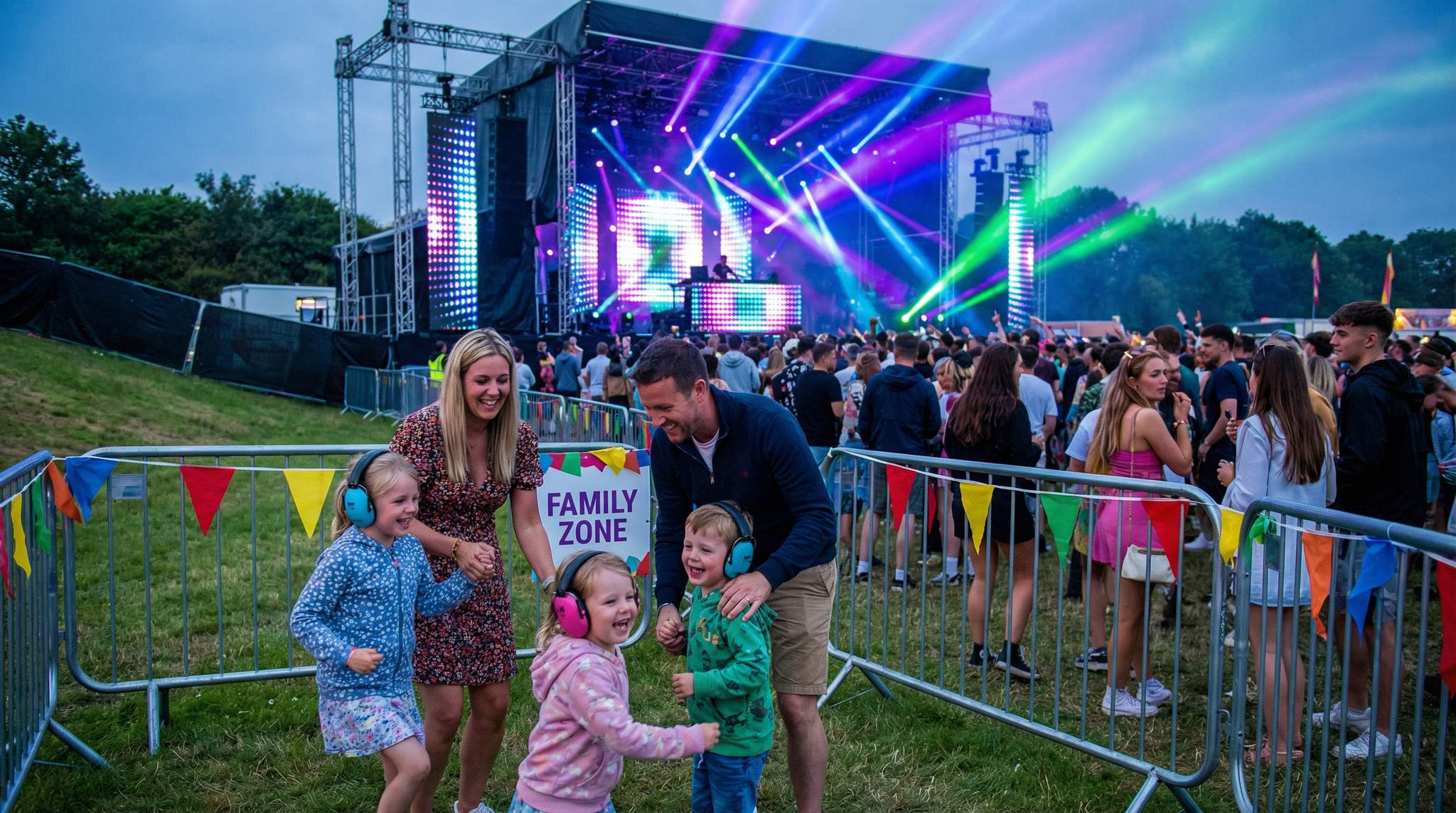
In tandem, create family zones that cater specifically to attendees with children. These zones act as a sanctuary amidst the festival frenzy – an area with a slightly calmer atmosphere, more seating, shade, and amenities for families. For example, major international festivals have offered dedicated family campgrounds and kid-friendly activity areas on-site. At Ireland’s Electric Picnic festival, organizers set up dedicated family camping areas and even a children’s area (the “Soul Kids” garden) filled with activities like crafts workshops and kids’ discos tailored for young festival-goers. By providing such spaces, you give parents and children a place to retreat when they need a break from the crowds or loud music. Family zones should be located away from the most intense sound systems and rowdy crowd flows – perhaps to the side of a main stage or at the back where volume is lower and there’s room for kids to dance without being caught in a crush. Consider equipping these areas with essentials like water, first aid, baby changing stations, and even some sensory-friendly elements for kids who might be overwhelmed by the festival stimulus.
Another benefit of a defined family area is cultural: it signals to everyone that families belong at the festival. Posting gentle reminders around family zones (e.g. “Family Area – please keep it clean and kid-friendly”) can encourage other attendees to be mindful when passing through. Meanwhile, confining the heaviest partying (and any adult-only antics) to other parts of the venue or after certain hours ensures that the presence of kids does not detract from adults’ enjoyment elsewhere. Some large festivals even set curfews on when children can be in certain high-energy areas. For instance, at one iconic UK festival, families are discouraged (and effectively disallowed) from entering the most notorious after-hours party zones once it gets late (around 10 PM), acknowledging that the intensity in those corners isn’t suitable for kids. By planning the geography of your event with both safety and experience in mind, you can maintain the festival’s full-throttle bass drops in one area while offering a safe haven in another.
Free Tool: Size Your Festival Site
Zoned capacity planning for arena, campsite, parking and entry lanes — against UK Purple Guide and NFPA density standards. Finds your bottleneck zone.
Family-Friendly Scheduling and Programming
A successful all-ages festival requires rethinking the show schedule and programming so that younger attendees aren’t left out of the highlights. One smart tactic is scheduling headliners earlier in the event timetable than you might for an 18+ festival. Instead of having the biggest drum & bass or dubstep act close the night at midnight, consider placing a headline set in the late afternoon or early evening. This way, families with kids can catch the most anticipated performances before fatigue or bedtimes force them to leave. It’s an approach used by various family-friendly events – the idea that you “headline twice”: once in prime-time for all ages, and again later for the hardcore night owls. By 8 or 9 PM, an all-ages crowd can witness a top-billed DJ drop massive basslines on the main stage, creating a memorable shared experience for young fans and their parents alike. Then, if your festival runs late into the night, you might feature another marquee artist in the traditional closing slot geared more toward the adult crowd. Staggering star performers like this ensures young festival-goers don’t feel they missed out on the main event, while still giving adult attendees the late-night climax they expect.
Beyond timing, think about the content and programming of your festival day. Daytime slots could be leveraged for more youth-inclusive performances or activities. Perhaps mix in a “bass music 101” workshop or an on-stage demonstration that appeals to teenagers curious about DJing or music production. Some festivals integrate fun educational elements like beatbox lessons, dance-offs, or even moderated Q&A sessions with artists early in the day – engaging content that can inspire younger audience members. When booking performers, be mindful of anything excessively adult in their typical show – for instance, explicit lyrics or graphics – especially during the hours kids will be most present. You need not sanitize the festival’s artistic lineup completely (after all, it’s “without compromise”), but small adjustments such as asking a rapper to keep their 4 PM set PG-13, or avoiding overtly R-rated video projections in broad daylight, can go a long way. Many parents will appreciate these considerations. A festival in Mexico City or Mumbai, for example, might intersperse its heavy bass acts with some cultural performances or visual spectacles that fascinate all ages, ensuring the day isn’t just endless aggressive sound with no respite.
Planning a Festival?
Ticket Fairy's festival ticketing platform handles multi-day passes, RFID wristbands, and complex festival operations.
Also consider the overall length of the event day for all-ages attendees. If your festival normally runs past midnight, you might officially advertise the all-ages programming until a certain hour (e.g., “All-ages welcome until 10 PM”), after which an “after-dark” segment could be 18+ only. Clear communication is key. Publishing a schedule that highlights which hours or stages are family-friendly helps set expectations. Some events use symbols or color-coding on their programs to denote shows suitable for everyone versus those better for adults late at night.
Sound Management: Loudness Limits and Hearing Protection
Bass music by nature is loud and physical – those deep subwoofers and high-decibel drops define the experience. Yet protecting young ears is a paramount concern when you open your festival to minors. Children’s hearing is particularly sensitive; prolonged exposure to loud noise can damage their hearing even more quickly than adults’. In fact, sounds above roughly 80 decibels can be harmful over time, and many concerts easily exceed 100 dB. For context, normal conversation is about 60 dB, whereas a dubstep stage might hit 105–110 dB near the speakers. Given this reality, festival producers must strike a balance between delivering the chest-rattling sound the audience expects and mitigating the risk of hearing damage for younger (and older) attendees alike.
Start by establishing clear loudness policies with your audio engineers and sound technicians. Set a reasonable decibel ceiling for the front-of-house sound, especially during daytime or family hours. For example, you might agree that before evening, no stage will exceed a certain SPL (sound pressure level) at the mixing desk. If the venue has local noise ordinances, these might already impose limits that you should adhere to. Modern sound systems can be calibrated to still feel powerful without cranking every frequency to the max. Emphasize deep bass you can feel while possibly toning down some of the highest, harshest volumes. Additionally, site layout can help here: orient speakers and stage designs so that family zones or common areas have slightly lower exposure (distance and directionality of speakers can spare the playground area from direct blasts of sound).
Crucially, provide ample hearing protection options and encourage their use. This is where education and action go hand in hand. Make it easy (and free, if possible) for any attendee – especially children – to get quality earplugs or earmuffs. Many forward-thinking festivals partner with hearing protection companies or health organizations to supply inexpensive earplugs at gates or information booths. Some even include a pair of basic foam earplugs with each ticket or sell stylish high-fidelity earplugs at merchandise stands. For kids, over-ear defenders (the kind that look like colorful headphones) are often the best choice for young ears. You can market them as festival merchandise – branded with the festival logo – turning hearing protection into part of the cool festival gear. These may look like regular headphones, but they effectively shield children’s ears from loud noises. Make announcements reminding everyone to use their ear protection before particularly loud sets. Place signs around the venue with messages like “Protect Your Ears: Free Earplugs at the Info Tent – Enjoy the Music Safely!”. Not only does this help in the moment, but it also instills good habits in young music fans for the rest of their lives.
Free Tool: Project Your Bar Revenue
Per-head spend benchmarks by event type turned into projected bar and food revenue, with a stock-mix estimate and gross-margin line. Free calculator.
Don’t shy away from education moments about ear safety during the festival. A mentor-like MC or even one of the artists can take a minute between acts to share a quick personal tip: e.g. a DJ mentioning how they wish they’d started wearing earplugs sooner, so now they encourage everyone (young and old) to do the same. These brief PSA-style moments, if delivered earnestly, can resonate. You might incorporate a fun visual on the video screens – perhaps a quick decibel meter graphic showing how loud the last song was, followed by a reminder to take care of your hearing. By normalizing hearing protection, you’re proving that enjoying earth-shaking bass and staying safe are not mutually exclusive. The goal is to keep the music powerful while making safety a seamless part of the experience.
Staff Training for Guardian Policies and Child Safety
Having minors on the festival grounds introduces new responsibilities for the event staff and security teams. It is vital to develop and train everyone on clear policies regarding guardianship, supervision, and what to do if a child gets lost or faces any issue. Start by formalizing an underage attendance policy well ahead of the event – this should detail the age limits and any guardian requirements for entry, and it must comply with local laws. Many festivals worldwide set specific rules, such as under-18s must be accompanied by an adult at all times, often with a limit on how many minors one adult can supervise. For instance, Bass in the Domain in Australia stipulates that an adult (21+ if not the parent) may accompany a maximum of two underage attendees, and those minors must remain with their guardian throughout the event, a standard enforced by festivals like Bass in the Domain. If any underage patron is caught drinking or violating rules, that policy holds the guardian accountable too – both the minor and the responsible adult can be asked to leave the premises immediately. Using a robust ticketing platform can assist in this: for instance, Ticket Fairy allows organizers to create age-specific ticket categories (like child tickets that can only be purchased alongside an adult ticket) and collect guardian details upfront, so compliance is baked into the event registration platform process. Communicating such rules to ticket buyers in advance (during the ticket purchase process and through pre-event emails) is critical so that families arrive prepared to abide by them.
Need Festival Funding?
Get the capital you need to book headliners, secure venues, and scale your festival production.
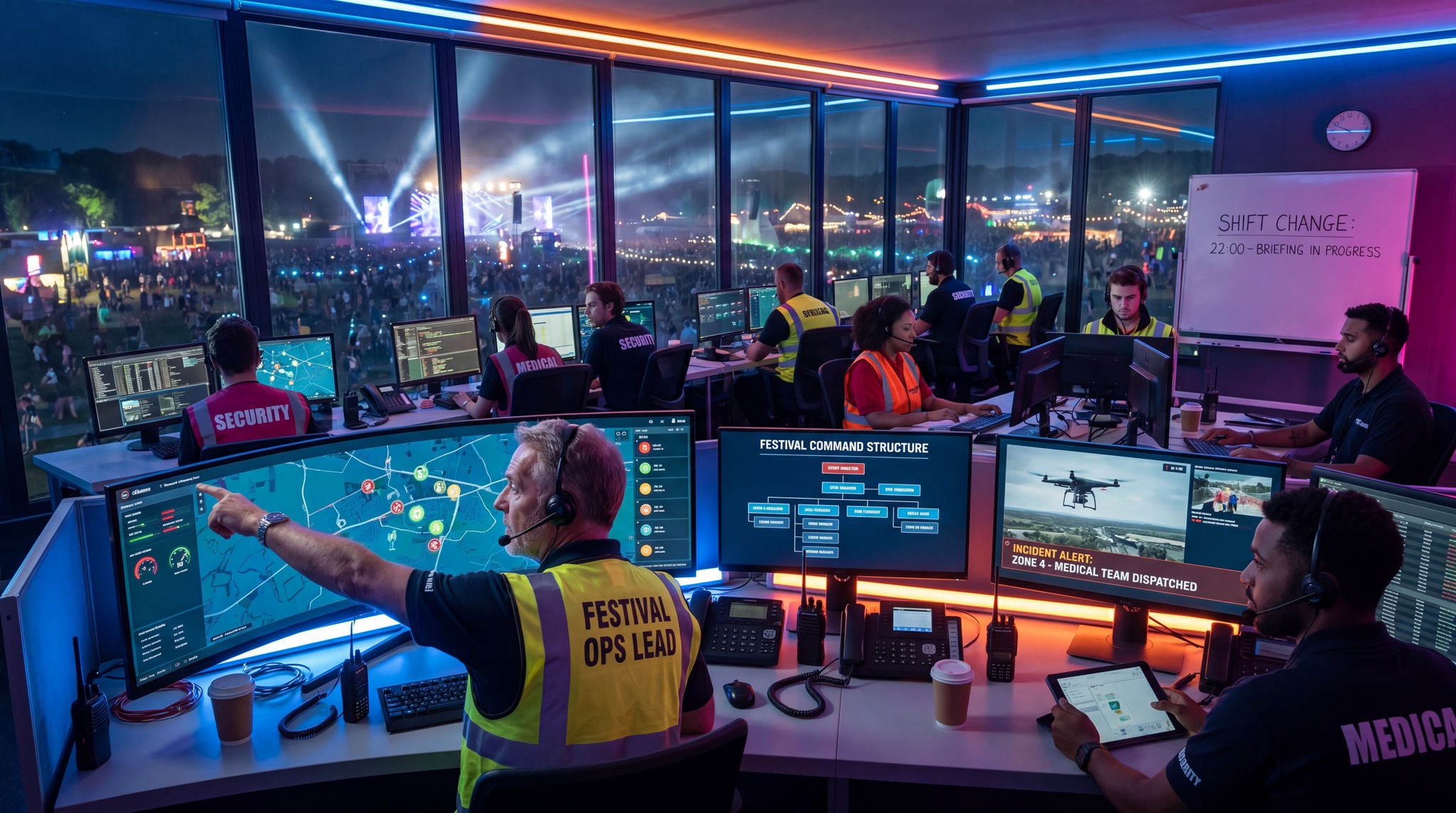
Once your policy is set, implement it on the ground. Issue different-color wristbands or badges to under-18 attendees, to make age identification simple at a glance. Likewise, mark the wristbands of verified guardians. At entry gates, staff should be trained to check that any youth is entering with an approved guardian, verifying IDs and the adult-to-child ratio. It’s wise to set up a child registration system – for example, some festivals require parents to register their kids’ details either online beforehand or at a special on-site welcome desk. This can involve collecting a contact phone number for the guardian and emergency info. In return, the child might receive a wristband that has a unique ID number or even the guardian’s phone number written on it (commonly done at large fairs and amusement parks). This simple step vastly streamlines reunification if a child gets separated: any staff member who finds a lost child can quickly call the number on their wristband or radio the central command with the ID to locate the parent.
Every staff member, from security to volunteers, should know the protocol for lost children. Establish a clearly marked meeting point or “Lost Kids” center (tent) where staff will bring any found child. Train the team never to leave a lone child unattended, and ideally to always have at least two staff members (including at least one with a background check clearance if possible) observing any child in the lost kids area for safety. Reunification procedures might include checking the adult’s ID against the child’s wristband info to ensure they match the registered guardian. These measures might sound obvious, but in the stress of a live event, having a predefined plan that staff can follow is invaluable. Regularly remind staff during pre-festival briefings: if you see a child wandering alone, or any situation where a minor might be at risk, immediately alert security control and guide the child to the designated safe area. Swift response is essential.
Additionally, brief your team on handling scenarios unique to youth attendance. For instance, how to politely approach an adult attendee who appears to be impaired and is responsible for a child – do you have on-site support or a welfare team that can assist if a parent needs a break or if a child’s guardian is unfit to continue supervision? In some cases, having a family services or welfare team (staffed with people experienced in childcare or social work) can be a huge asset. They can patrol family zones, help out with minor emergencies (a lost toddler, a teenager who had a panic attack in the crowd, etc.), and generally reinforce a safe atmosphere. The presence of such staff also reassures parents that the festival truly cares about their kids’ well-being.
Embracing the Next Generation of Bass Fans
By implementing the measures above, festival organizers can prove that bass music culture is capable of welcoming the next generation. The payoff for these efforts is enormous – not just in safety and compliance, but in the vibrant community that grows when young fans feel included. Imagine a 14-year-old drum & bass enthusiast getting to attend their first festival with a parent: they watch in awe as the lights flash and feel the thump of the bass drop in their chest. They also see earplugs being handed out and notice how organizers provided a cool chill-out zone just for families. That experience sends a powerful message: you belong here, and we want you to enjoy this music for years to come. Many veteran bass DJs and producers today fell in love with the scene as teenagers; by creating all-ages opportunities, you’re paving the way for the future artists, promoters, and super-fans of the genre.
Go Cashless With RFID Technology
Enable contactless payments, faster entry, and real-time spending analytics with RFID wristbands and NFC-enabled ticketing for your events.
There’s also a bridging of generations that happens at youth-friendly festivals. Parents who might have been rave or metal fans in their own youth get to share a piece of that passion with their children, creating family bonding over music. Some events have capitalized on this by offering free or discounted parent tickets (for example, the Warped Tour rock festival in the US famously let parents attend for free if they accompanied a ticket-holding child). That initiative, coupled with the creation of a supervised parents’ chill tent called “Reverse Daycare,” turned out to be a win-win: teens got to attend their favorite festival, and their parents had a comfortable place to retreat, complete with seats, shade, and even earplug stations. The result was a safer experience for the youth and peace of mind for the adults. Festival organizers in the bass music scene can take a page from that book by finding creative ways to make guardians feel welcomed and appreciated – whether it’s a complimentary coffee stand for designated driver parents or a quiet lounge away from the noise.
Importantly, none of these family-friendly measures have to dull the edge that makes a drum & bass or dubstep festival exciting. When done right, an all-ages edition preserves the core festival atmosphere – the spectacle, the community, the electrifying performances – while layering in extra support and options for those who need them. The main stages can still roar with energy, the crowds can still lose themselves in the music. The difference is that somewhere on the grounds, a ten-year-old with giant earmuffs is breakdancing with their older siblings, and a group of teenagers is experiencing their first big festival under the watchful eye of a parent – and everyone is having a blast. The presence of youthful energy can even enhance the event’s vibe: it reminds the older fans of their early days and brings fresh enthusiasm (nothing beats seeing a kid’s eyes light up at their first bass drop!).
By showing that the bass music festival community takes care of its young and vulnerable members, you also foster a culture of responsibility and PLUR (Peace, Love, Unity, Respect) values. This can improve public perception of the scene; local authorities and neighbors tend to look more kindly on events that actively promote safety, education, and inclusivity. Over time, these all-ages editions can become a hallmark of your festival brand – known as events where anyone from 8 to 80 can come enjoy quality bass music in a secure environment. That broad appeal can boost ticket sales and loyalty as well, as families return year after year. In a practical sense, you’re cultivating your next generation of customers. Today’s 16-year-old who has a great time at your festival (and learns about safe listening) could become tomorrow’s VIP ticket-buyer or even an artist on your stage.
Frequently Asked Questions
How can festivals manage alcohol consumption at all-ages events?
Organizers designate specific alcohol-permitted areas separate from general audience zones to comply with liquor laws and ensure safety. By using fenced-off beer gardens or marked 18+/21+ sections, staff can monitor consumption closely and prevent underage attendees from mingling in drinking areas, reducing the risk of accidental sharing.
What features should a festival family zone include?
Family zones act as sanctuaries with calmer atmospheres, shade, and seating located away from intense sound systems. These areas should be equipped with essentials like water, first aid, and baby changing stations, alongside kid-friendly activities like crafts workshops or discos to provide a necessary break from the crowds.
When should headliners perform at all-ages bass festivals?
Successful all-ages festivals schedule headliners earlier in the evening, often around 8 or 9 PM, so families can catch major acts before bedtimes. This “headline twice” strategy allows youth to experience top-billed DJs while saving a second marquee artist for the traditional late-night adult slot.
Why is hearing protection important for children at music festivals?
Children’s hearing is highly sensitive, and sounds above 80 decibels can cause damage faster than in adults. Since bass music stages often reach 105–110 dB, festivals must provide earplugs or over-ear defenders to prevent permanent injury while allowing young fans to enjoy the music safely.
How should festival staff handle lost children?
Staff must immediately alert security control and guide the child to a designated “Lost Kids” tent or meeting point. Protocols involve never leaving a child unattended, ensuring two staff members are present, and using wristband registration data or ID checks to verify guardians before reunification.
What are common guardian policies for underage festival attendees?
Many festivals require under-18s to be accompanied by an adult at all times, often limiting the number of minors one guardian can supervise. Strict policies hold guardians accountable, meaning if a minor violates rules like underage drinking, both the youth and the responsible adult may be ejected.