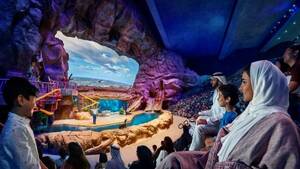
About The National Aquarium Abu Dhabi
The National Aquarium Abu Dhabi is a new mega-aquarium attraction in the Rabdan (Al Qana) district of Abu Dhabi, opened on 12 November 2021 . As the largest aquarium in the Middle East, it spans over 5,500–9,000 square metres and houses roughly 45,000–46,000 marine and freshwater animals across more than 10 themed zones . Signature features include the world’s longest acrylic undersea tunnel (55 metres long) and massive tanks (5,000 m³ volume, 5 m deep) . Its ten themed galleries – from “UAE’s Natural Treasures” to “Red Sea Wreck” and “Frozen Ocean” – blend global ecosystems with local heritage (for example, showcasing pearl-diving history) . The aquarium is operated by The National Aquarium LLC under the Al Qana waterfront development (an Al Barakah International project) and cost approximately US$490 million . In short, this world-class attraction is notable for its scale, conservation focus, and immersive design – a landmark in Abu Dhabi’s tourism and cultural scene.
Events and Interactive Experiences
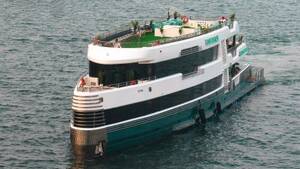
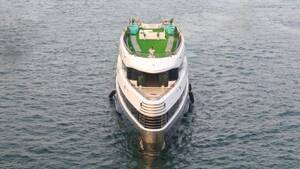
Rather than stage concerts, The National Aquarium offers daily animal “shows” and interactive programs. Scheduled feeding demonstrations and live presentations occur throughout the day (for sharks, rays, turtles, etc.). In addition, the aquarium provides a range of hands-on experiences: you can snorkel above the Bu Tinah main tank (30-minute family snorkel, AED 199 per person) or take part in certified dives and shark encounters . Special “Animal Encounters” let guests get up close with specific species – for example, a Jungle Encounter to swim with freshwater rays, an Arctic Encounter to feed the puffins, or an Ocean Encounter to hand-feed sharks . Capybara Feed-and-Greet sessions run daily at noon (no advance booking; snacks provided) . The aquarium sometimes hosts seasonal events or new exhibit launches – for instance, in April 2024 two African manatees were introduced as part of a conservation program . School field trips, junior marine-biologist workshops and wildlife-education programmes are also part of the year-round programming (taught in Arabic and English). In short, the venue’s “programming” consists of scheduled animal feedings, immersive encounters (usually bookable online or at the venue), and occasional special conservation events rather than concerts or theatrical shows.
Tickets and Booking
Visitors must purchase tickets in advance (recommended online) or at the box office. Standard “Journey” tickets start at approximately AED 105 per adult (which covers all ten zones) – children under 3 years old enter free . There are bundled and upgrade options: for example, add-on experiences like a glass-bottom boat ride (≈AED 150) or a walk across a glass bridge (≈AED 130) are available . Special Animal Encounter tickets (≈AED 180) include zone access plus one interactive session (ray swim, puffin feeding, or feeding sharks) . A one-day “All Access” pass (also ~AED 180) bundles both the bridge walk and boat ride plus a behind-the-scenes tour . Multi-visit passes include an Annual Passport (~AED 399) with unlimited entry for 12 months, and even family or VIP packages (e.g. a private guided tour for 5 people at AED 2,500 ). Tickets can be bought on the aquarium’s official website or at the onsite ticket counter. Note that tickets are non-refundable and non-transferable , and children under 12 must be accompanied by an adult (per venue policy) . It’s wise to book ahead for weekends or holiday periods, and arrive at least 2–3 hours before closing so you have time for the full visit.
Layout and Visitor Experience
The aquarium is laid out as a self-guided, one-way journey through themed galleries. Guests start in the Gulf/Heritage zone and progress through environments like a sunken Red Sea wreck, a submarine cave, a volcanic reef, a flooded jungle, the Arctic, and finally Bu Tinah Island with the underwater tunnel. The total path is mostly flat and wheelchair/stroller accessible (ramps and elevators connect levels). There is minimal fixed seating, though a few benches are located in quieter areas; most visitors walk continuously through each exhibit. The highlight is the Bu Tinah tunnel (55 m long) surrounded by manta rays and sharks – this tunnel even houses viewing domes for an immersive feel. Acoustic levels are generally low (soft ambient sounds and animal noises); it can be quite dark in cave or forest areas for atmosphere. (Insider tip: if possible, visit on a weekday morning, as between 10 AM and 1 PM is typically calmest .) Because there is no “front stage” seating, everyone can get a clear view of the tanks by moving around. Note also the children’s corner in the Flooded Forest (“Bella & Rio’s Playground”) where kids can touch things. Overall the layout encourages a smooth flow through exhibits, with plenty of viewing windows and interactive kiosks along the way .
Getting There and Parking
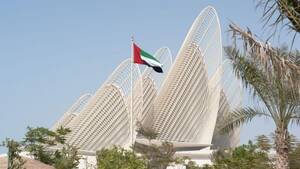
The aquarium’s exact address is Rabdan (Al Qana), Al Maqta’a area, Abu Dhabi (off Al Khaleej Al Arabi Street) . By car or taxi it’s easily reached from anywhere in Abu Dhabi – the zoo-like marquee building can be seen from the Sheikh Zayed Grand Mosque area. Free parking is plentiful: Al Qana offers about 3,000 complimentary parking spaces (surface and underground) for visitors . If preferred, valet parking is available at the frontage (premium valet costs ~AED 50 for 3 hours) . Public transit: Abu Dhabi bus Route 110 runs from the central bus station to the Rabdan Bus Interchange by the aquarium . (Alternate route info: Bus 56 from downtown also connects to Rabdan interchange.) No metro or subway serves this site, as Abu Dhabi’s metro is not yet built. Rideshare cars (Uber, Careem) can drop off at the main entrance. The venue sits on the waterfront promenade, so it’s also possible to walk over from nearby hotels on Saadiyat or Jumeirah islands (15–20 minute stroll). In all cases, follow signs to “Al Qana / Al Maqta Rabdan Area”.
Inside the Venue
On entry you will have your ticket scanned and bags subject to security check (outside food, drink, alcohol and glass bottles are not allowed inside ). Guests enter a large high-ceiling lobby where the journey begins. The aquarium is fully climate-controlled and dimly lit (bring a light jacket for the “Frozen Ocean” zones, which are kept cool). Throughout the exhibits you’ll find educational displays and touchscreen panels. La Ballena Café (located on the first level) offers coffee, snacks and a seating area . Restrooms (with baby-changing) are conveniently placed in each zone. The souvenir shop (“Manatee Retail”) by the exit sells plush toys, apparel and marine-themed gifts (proceeds support conservation efforts). Free wheelchairs are available on request, and all lift and ramp routes are clearly marked. Visitors may use cameras and smartphones for photos (flash is discouraged around sensitive animals). Staff members and guides are stationed at most zones to answer questions. The aquarium emphasizes educational engagement, so you might see veterinary staff conducting behind-the-scenes care (for example, the turtle rehab lab) – guests are welcome to watch some of these conservation programs in action.
Nearby Amenities
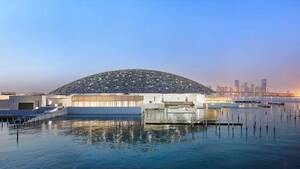
The National Aquarium sits in the new Al Qana leisure district, which is a lively waterfront hub. Right next door is Cinema City for movies (with its own cafes/restaurants) . Within a short walk are several popular eateries: Grand Beirut (Lebanese cuisine) overlooks the promenade, and Oii or Sushi Art serve international fare . Casual spots like La Vena Café and Joud Coffee offer light bites with canal views . Many restaurants have outdoor terraces ideal for pre- or post-visit meals. If you need overnight lodging, nearby options include high-end Saadiyat hotels (Palazzo Versace, Saadiyat Rotana, Kempinski Al Maqta, etc.) each 10–15 minutes by car. The aquarium is also a short drive from major attractions: the Louvre Abu Dhabi (about 5 km away) and Yas Plaza (with restaurants and hotels) are within 20 minutes. For pre-show dining, allow extra time to walk along the Al Qana promenade, which is scenic at sunset.
What Makes This Venue Special
The National Aquarium’s combination of scale, design and mission sets it apart. Architecturally, its dramatic glass tunnels and themed sets (like a sunken ship and a rainforest) create an immersive experience of “traveling the world’s waters” without leaving the city . It houses unique animals seldom seen in the region: for example, its “Frozen Ocean” gallery features the Middle East’s only display of puffins , and the Flooded Forest has rare species like poison-dart frogs, an electric eel and free-flying exotic birds . The famous 7-metre Reticulated Python (“Super Snake”) and a large school of hammerhead sharks are among its crowd-pleasers . Culturally, the aquarium highlights UAE heritage – the opener zone celebrates pearl divers and local marine life. Importantly, it plays a leading conservation role: it’s part of the nation’s first wildlife rescue and rehab program, raising and releasing hundreds of endangered sea turtles and even hosting exotic species like manatees . In sum, artists and educators praise the venue for its ambitious storytelling, and locals love it as a family attraction that brings nature to Abu Dhabi’s fast-growing waterfront.
Visitor Tips and Information
For the best visit: arrive early or late in the day on a weekday to skip weekend crowds (between 10 AM–1 PM Wed–Fri is especially quiet ). Allocate at least 2–3 hours to explore fully (pacing through all zones can take that long ). Wear comfortable shoes – expect a lot of walking on flat floors. Casual, respectful dress is fine (just avoid any clothing with offensive images or language, which is not allowed ). Drinks and snacks should be consumed at café areas – outside food is prohibited . Photography is generally permitted (no flash for animals, tripod must be handheld only). Take note of feeding times posted at the main lobby or map, as these are highlights especially for kids. Facilities are fully accessible: wheelchairs are free on request, and all zones are accessible by ramp/elevator. Plan on minimal phone reception inside (the thick concrete limits signal). If visiting with toddlers, look into the “Baby Aquarist Pass” program (special rates for toddlers and a basic activity zone). Seniors and people of determination typically receive complimentary admission with a ticketed companion (check current policy on the website). The aquarium is entirely indoors, so it’s a good rainproof activity and a cool break from summer heat. Finally, check the official site or local tourism listings ahead of time for any COVID-19 or health-and-safety guidelines (masks may be optional as of 2024). Overall, come curious – every part of the aquarium is family-friendly and educational.
Frequently Asked Questions
What are the aquarium’s opening hours?
The National Aquarium is open every day from 10:00 AM until 10:00 PM (last admission is at 9:00 PM). This generous schedule means you can visit in the morning, afternoon or evening – weekday mornings are usually the quietest time .
How much are tickets, and what do they include?
General admission tickets start around AED 105 per adult for access to all ten zones (children under 3 are free). There are various add-on options: for example, a glass-bottom boat ride (~AED 150), a glass-bridge walkway (~AED 130), or special Encounters (AED 180) that include feeding sea creatures . An “All-Access” day pass (~AED 180) bundles multiple experiences together. Annual passes and premium packages (guided tours, VIP options) are also available. Tickets can be bought online or at the venue’s box office.
Where can I purchase tickets, and are they refundable?
Tickets should be purchased from The National Aquarium’s official channels (website or phone app) or at the aquarium’s ticket counter. You will need to select a date and time slot when booking. Note that all tickets are non-refundable and non-transferable . It’s strongly recommended to book online in advance, especially for popular time slots .
Where is The National Aquarium located, and is there parking?
The aquarium’s address is Rabdan, Al Qana (Al Maqta’a), Abu Dhabi. It’s right by the Al Maqta channel, just off Al Khaleej Al Arabi Street. Ample parking is available: Al Qana offers about 3,000 free spaces for visitors . Valet service is offered for a fee at the entrance. Exit signs for “Al Qana/Rabdan” and “Aquarium” will guide you from major roads.
How do I reach the aquarium by public transportation?
Abu Dhabi’s bus network serves the area. Bus #110 runs from the central Abu Dhabi Bus Station to the Rabdan Khaleej Al Arabi Street Bus Interchange, which is near the aquarium . (On some routes you may change at the Zayed Port or Sea World station.) There is no metro in Abu Dhabi yet, so the most direct public transit is by bus. From the bus stop, the aquarium entrance is a short walk. Taxis or rideshares (Uber, Careem) are also a convenient way to arrive if you prefer door-to-door service.
Is the aquarium wheelchair or stroller accessible?
Yes. The entire aquarium is step-free and fully wheelchair-friendly. Elevators and ramps connect the exhibit levels, and wide pathways accommodate strollers and wheelchairs. Free manual wheelchairs are available on site if needed. Exhibits are designed for all ages: there are low windows for children and plenty of space for moving through exhibits. Service animals are allowed; other pets are not permitted.
Can I bring my own food or drink into the aquarium?
No, outside food and beverages are not allowed inside . You should eat or drink only in designated areas. The aquarium lobby has an on-site café (La Ballena) where you can buy snacks, light meals and drinks. There are also many restaurants and cafes immediately outside the aquarium if you need a full meal before or after your visit.
Are cameras or video allowed?
Yes, photography and video are allowed for personal use. You can take pictures of exhibits and animals throughout the aquarium. Please be considerate: flash photography is discouraged near sensitive animals (especially in the “Frozen Ocean” and reptile zones). Note that commercial photography or filming requires prior permission. Tripods or selfie-sticks must be handheld at all times (selfie-sticks allowed in most areas except where signage forbids them). The aquarium staff may ask you to put equipment away if it starts to block walkways or disturb animals.
What items are prohibited?
For safety and the animals’ wellbeing, several items are banned inside the aquarium . Prohibited items include outside food and drink, glass containers, pets (other than service animals), bicycles, scooters, skateboards, weapons, explosives, illegal drugs, laser pointers, and large tripods. Weapons and objects that could harm others are strictly forbidden. It’s also not allowed to throw or splash anything into the tanks. Brief security checks may be conducted on entry to enforce these rules.
Are children allowed, and is there a play area?
Absolutely – the aquarium is family-oriented. Children of any age are welcome, but those under 12 must be accompanied by an adult . (For toddlers, note the “Baby Aquarist” program pass that offers special entry and activities for one parent and child.) For young kids there is a dedicated play area in the Flooded Forest zone (“Bella & Rio’s Kids Zone”) where kids can do safe, supervised activities. There are also shorter routes if younger kids get tired. Strollers are allowed and there is ample space to park them at each exhibit entrance.
How long should I plan to spend here?
Allocate at least two to three hours for a full visit. The aquarium journey is extensive: moving through all ten zones at a relaxed pace typically takes 2–3 hours . If you plan to join an encounter or dive experience, add extra time. Many guests spend the afternoon (especially in summer days) since it’s a cool indoor environment – there’s no rush, so feel free to take breaks in between zones or visit the café. Remember that last admission is one hour before closing.
How can I take a break during the visit?
There are several spots to rest. The café near the entrance has seating and restrooms with baby-changing facilities. Each major zone has at least one exit/stairwell area where you can pause. If you need a quiet break, look for benches near the turtle habitat or the jellyfish exhibit. You can also step outside into the open plaza (Al Qana promenade) between zones if needed, and return later the same day (just keep your ticket stub for re-entry as proof, which is required for same-day return ).
Can I re-enter the aquarium on the same day?
Yes – same-day re-entry is allowed. Be sure to keep your ticket stub or e-ticket receipt as proof. If you exit and want to come back on the same day, show your original ticket (with date) at the entrance to regain access . Note that once you leave, you cannot transfer that same ticket to another day.
Are guided tours or special tours available?
Yes, the aquarium offers behind-the-scenes guided tours as a paid add-on. These small-group tours (English or Arabic) take you to non-public areas to see how the habitats are managed. You usually need to book these in advance through the aquarium or on-site for a fee. There are also educational talks and school tour programs available, but no free public tours aside from the optional paid experience.
What time are the animal feedings?
Feeding shows occur at set times each day (for example, shark feedings usually happen around midday, and puffin feedings in the afternoon). The exact daily schedule is posted at the entrance and on the aquarium’s website/app under “Feeding Schedule”. It’s a good idea to grab a printed guide or check the board after entry so you don’t miss the sessions, as these are highlight events especially for kids.
Is the aquarium air-conditioned?
Yes. The entire building is climate-controlled for the comfort of visitors and animals. Entry areas and tropical zones are kept warm, while cold environments (like the Arctic/Penguin exhibit) are chilled. In summer, the aquarium is a popular escape from the heat, so you will be in cool indoor air conditioning during your visit.