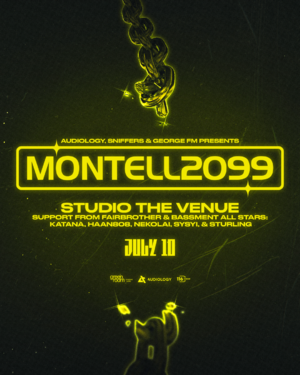
About Studio The Venue
Studio The Venue is an indoor, predominantly standing live music and events venue at 340 Karangahape Road, Auckland 1010. It remains open and trading under the Studio The Venue name, with bookings announced through November 2026 at the time of research. Its current public hire information describes event configurations for roughly 400 to 1,000 ticket holders. A technical document sets the absolute building limit at 1,200 people including performers, crew, security and other staff, rather than 1,200 paying guests. Full-venue shows normally use the larger 600-to-1,000-person configuration, while downstairs or backstage formats can reduce capacity to approximately 400–600.
The building’s history reaches back further than its modern concert identity. Constructed in 1914, the premises operated under cinema names including the Arcadia and Star before being remodelled in a streamlined Art Deco style and reopened as the Vogue Theatre in 1939. The Vogue was known for double features and Shirley Temple films, with a narrow K Road entrance leading through a long foyer to the much larger auditorium behind the street frontage. It closed as a cinema in 1955, after which the building served as warehouse, rubber and flooring retail space. Portions of its 1930s interior reportedly survive.
In the early 1990s, the former cinema became DTM, or Don’t Tell Mama’s, a significant gay nightclub, followed by incarnations including The Staircase and The Case. Studio The Venue emerged in 2008, continuing a century-long pattern of entertainment and reinvention at the address. The venue says it received the MMF Best Large Venue award in 2016. Today, the old theatre shell, layered bars and split-level viewing areas give Studio more personality than a purpose-built black-box club.
Events and Programming
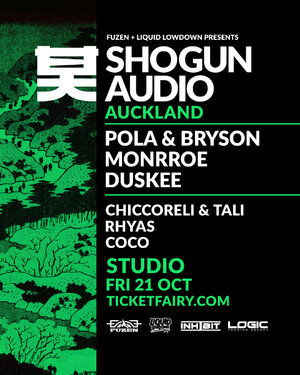
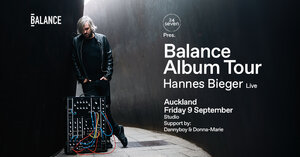
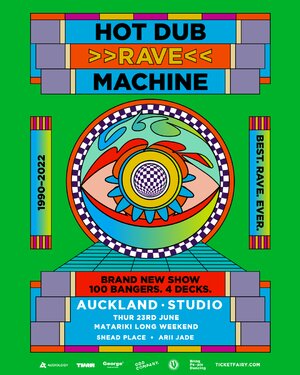
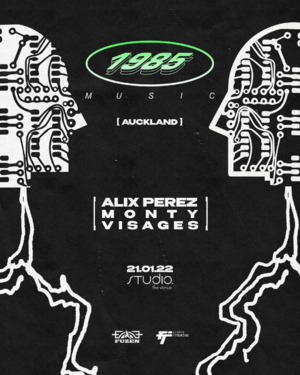
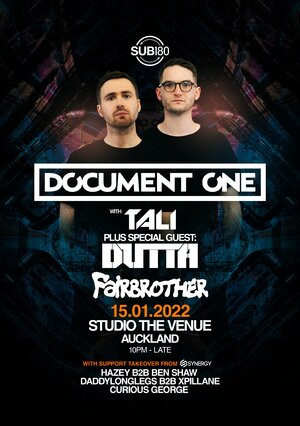
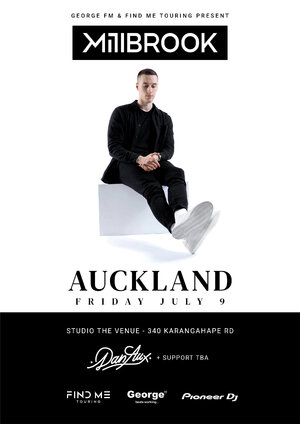
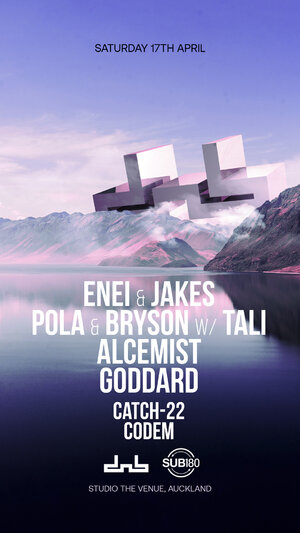
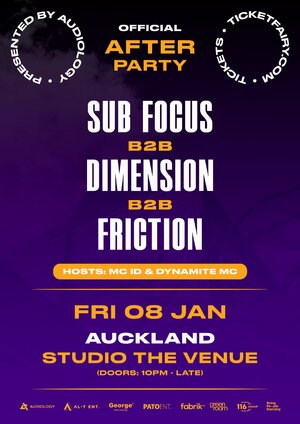
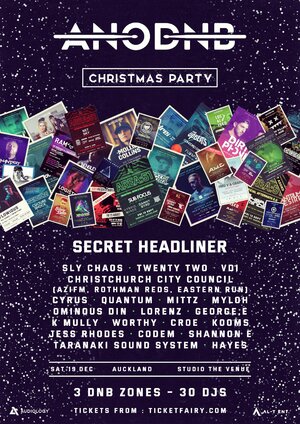
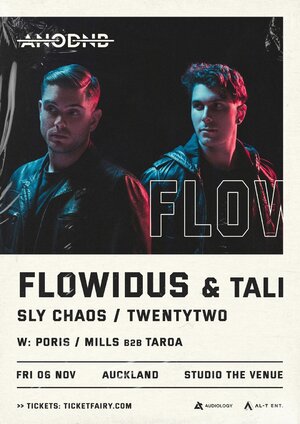
Studio is best known for high-energy general-admission shows, particularly drum and bass, house, trance, hard dance, electronic music and festival afterparties. Its calendar also regularly expands into hip-hop, indie rock, punk, post-hardcore, metal, pop, R&B, tribute productions, drag shows and culturally specific touring concerts. This breadth is central to the venue’s character: an international DJ may appear one weekend, followed by a Punjabi, Nepali, Sri Lankan, Filipino, Korean, Latin American or South African performance the next.
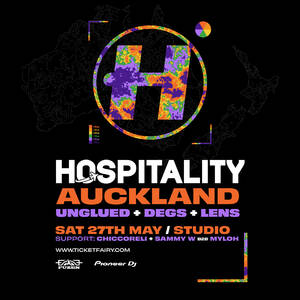
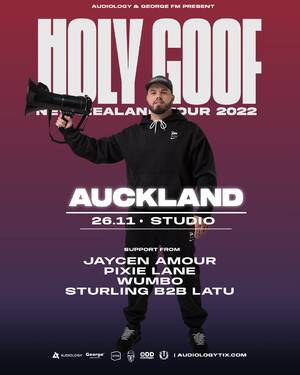
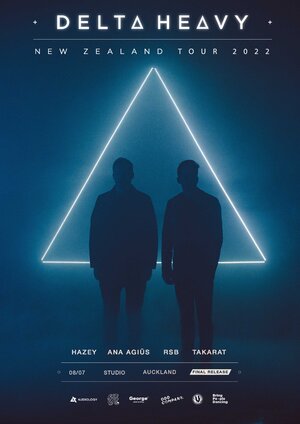
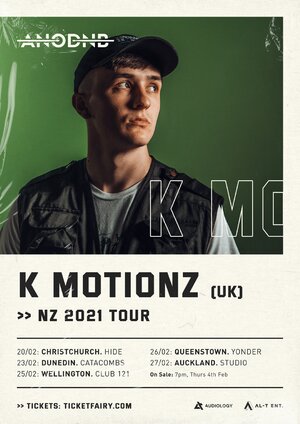
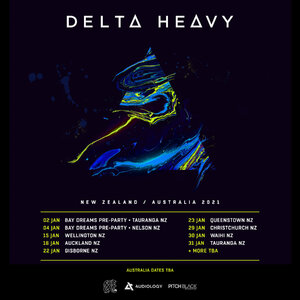
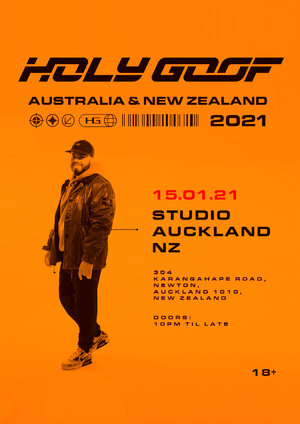
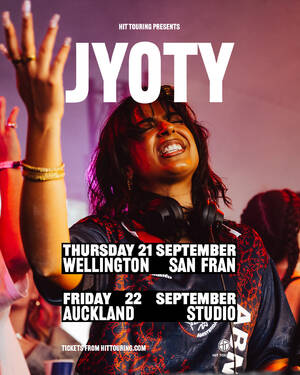
The 2021 archive was relatively sparse, but included drum-and-bass events featuring Turno, Culture Shock, The Upbeats and Grafix. The calendar grew substantially in 2022 with Darude, Luude, Delta Heavy, Slumberjack, Booka Shade, Holy Goof, The Crystal Method and the Propaganda Halloween party. In 2023, programming ranged from Aminé, Boy Harsher, bbno$, Hilltop Hoods, Frank Turner and Northlane to Jyoty, Glitterbox, Hospitality, Defected and numerous South Asian concerts.
Recent bookings reinforce that variety. The 2024 programme included ONEFOUR, Baby Gravy, Ecco2K, Prateek Kuhad, Thuy, Colde, Infected Mushroom, Flux Pavilion, Ferry Corsten, Metrik and Ministry of Sound-themed sessions. In 2025, Studio hosted DJ Shadow, Paul van Dyk, SACHI, Sigma, Young Franco, Spoegwolf, Bosco and Daya Betty, along with Latin, Sri Lankan, Nepali and Pacific performers. Recurring or returning concepts have included Propaganda Halloween, London Hard House Reunion, Ministry of Sound Testament, The Others Way festival, Bresh and early-evening Bed By 10pm parties.
The 2026 calendar has continued with BADBADNOTGOOD, Earl Sweatshirt and MIKE, Fear Factory, Saosin and Senses Fail, Jyoty, Metrik, Grafix, Polaris and numerous bass-music and multicultural shows. Announced late-2026 programming includes more drum and bass and dubstep, hard house, pop, drag, ska-punk and South Asian music. No confirmed 2027 event was found in the venue’s own calendar during research, so claims about programming beyond 2026 would be premature.
Ticket prices are controlled by each promoter. Sampled listings suggest smaller local club nights often begin around NZ$20–$40, while international concerts and major electronic events commonly fall around NZ$50–$100 before fees. Final-release, VIP or meet-and-greet products can cost more; one 2024 international DJ event reached about NZ$90 for its final general release. These are useful planning ranges rather than fixed venue prices. ticketfairy.com
Tickets and Booking
Most tickets are sold digitally by the promoter appointed for each event. Studio also supports its own ticketing operation, but there is no single seller used for every show. Buyers should use the purchase channel named in the original event announcement and avoid unofficial resale offers. An electronic ticket is normally delivered after purchase; check filtered or junk folders if it does not arrive. Door collection, when specifically offered, may require the purchasing card and matching original identification.
Popular dance events and limited-capacity touring shows often use presales and staggered release tiers. Buying during an early release can reduce the price and removes the risk of relying on door sales. The venue has a ticket booth and can accommodate promoter-managed door sales, but availability is never guaranteed. For a sold-out general-admission show, arriving near doors is the best strategy if being close to the stage or securing an upper-level rail position matters.
Seating, Layout and Production
Public concerts are usually standing general admission rather than reserved seating. The ground floor contains the main entrance, open audience floor, elevated stage, bars, toilets and emergency exits. Upper levels add a centre-floor bar and coat-check area, followed by a second floor with the White Bar, another bar and a VIP room. Event organisers can open or restrict different areas, so a ticket does not necessarily provide access to every level. Temporary seating may be installed for corporate, fashion or special-format events, but fixed theatre seating is not part of the normal concert layout.
For maximum energy, the centre-front floor is the obvious choice, although it is also the loudest and most crowded area. Standing farther back gives easier access to bars and exits, while upper-level rails provide a broader view of the stage, lighting and moving crowd. Reviews suggest the quieter middle-level bar is useful for taking a break. On heavily attended nights, late arrivals may find the clearest remaining views upstairs or around the rear and sides rather than directly behind the densest floor crowd.
The main stage is approximately 7 metres wide by 6 metres deep. Its ceiling is roughly 3 metres high, reduced to about 2.4 metres beneath the lighting rig. The house audio system centres on an L-Acoustics KUDO line array and SB218 subwoofers, with a Midas M32 digital console, stage boxes, floor monitors and separate sound coverage for bar and side areas. This substantial low-frequency capability helps explain Studio’s strong association with bass-heavy electronic programming.
Lighting control uses a GrandMA3 Compact, supported by six Clay Paky Sharpy Plus moving heads, six Martin MAC Aura XB wash fixtures, strobes, stage blinders and hazers. A 6-metre-wide by 2.5-metre-high LED screen is available as a production option, with additional DJ equipment, staging, lasers and special effects arranged by the event producer. Cold-spark machines and pyrotechnics have been prohibited since 17 March 2025.
Getting There and Parking
Studio is on K Road near Mercury Lane and Upper Queen Street, within Auckland’s central-city nightlife district. There is no dedicated venue car park. Metered street spaces and commercial garages are available around Karangahape Road, Cross Street, Mercury Lane, Upper Queen Street and neighbouring blocks, but spaces disappear quickly on Friday and Saturday nights. One nearby Mercury Lane garage has recently advertised roughly NZ$12–$18 for a stay of up to 12 hours, depending on payment method. Garage rates and closing times change, and some facilities close before late concerts finish, so check the posted conditions before leaving a vehicle.
Buses are generally the easiest current public-transport option. CityLink services run up Queen Street to Karangahape Road, while InnerLink services travel along K Road between the waterfront, Ponsonby, Newmarket and Parnell. Both normally operate until around midnight, although individual late-night connections vary. Grafton Station is approximately a 15-minute walk from the eastern end of K Road; visitors should allow longer if unfamiliar with the route or walking uphill.
A major improvement arrives shortly after the date of this guide: Karanga-a-Hape Station is scheduled to open with the City Rail Link on Sunday, 13 September 2026. Its Mercury Lane entrance will place rail passengers very close to Studio, while the Beresford Square entrance will serve the western side of the precinct. Until that date, the station is not available for regular passenger journeys.
For rideshare or taxi collection, arrange a precise meeting point away from the entrance if K Road is congested. The footpath outside must remain clear for neighbouring businesses and safe venue entry. Late at night, confirm the vehicle registration before getting in and avoid waiting alone in a traffic lane or driveway.
Inside the Venue
Entry normally involves ticket scanning, age verification and security or bag checks. Studio is a cashless venue, so bring a payment card or contactless option for drinks and other purchases. Multiple bars help distribute queues, although which bars open depends on crowd size and event configuration. The published floor plan includes bars on all principal public levels, toilets, a coat-check area, VIP space and several exits.
A full public food menu is not promised, and the internal kitchen is restricted to Studio staff. Eating on K Road before entering is therefore the safer plan. Merchandise, if offered, is managed by the touring artist or promoter and may be positioned in the foyer or another event-specific location. Coat and bag check are available, but the venue does not publish a universal fee or detailed maximum bag dimensions.
Recent visitors frequently praise the approachable staff, strong lighting, multiple rooms and bars, and assistance provided to wheelchair users. Criticism tends to focus on crowded sold-out floors, limited toilet capacity and sound that can vary by production or standing position. These reports are subjective, but they support practical advice: arrive early, explore more than one level, carry hearing protection and locate toilets and exits before the headline set.
Accessibility and Inclusive Facilities
Wheelchair access is through the main entrance at 340 Karangahape Road and is limited to the ground floor. The venue says this level provides a clear view of the main stage, access to two bars and access to men’s and women’s toilets. It does not publish a formal claim of compliance with the United States’ ADA, which does not govern New Zealand venues, nor does its visitor information clearly confirm every accessible-toilet specification. Anyone requiring a particular position, seat, companion arrangement or early assistance should organise that before event day.
Studio operates a safer-spaces policy covering disability, gender identity, sexual orientation, physical appearance, race, age, religion and other personal characteristics. Patrons experiencing harassment can approach bar staff, security or management, and the stated policy is to support the affected person and remove perpetrators. CCTV operates for patron and staff safety, and lidded paper cups can be provided to reduce drink-spiking risks.
Nearby Amenities
K Road offers ample pre-show dining. Acho’s, at 309 Karangahape Road, is almost opposite the venue and combines Japanese bar food with sake, beer and whisky. Apéro at 280 K Road offers a more leisurely food-and-wine experience and generally opens from late afternoon. Farther along the strip are Brazilian, Mexican, Mediterranean, burger and late-night takeaway options. Book an early table for Friday or Saturday and allow at least 30 minutes between paying the bill and the advertised door time.
Accommodation choices include Abstract Hotel close to K Road, Cordis Auckland at 83 Symonds Street and Grand Millennium Auckland at 71 Mayoral Drive. Cordis and Grand Millennium are useful for visitors wanting full-service hotels within the wider central-city area, while Abstract places guests directly in the character of the K Road precinct. Walking conditions are hilly, so travellers with luggage or reduced mobility may prefer a short taxi trip.
What Makes Studio The Venue Special
Studio occupies an unusual middle ground in Auckland: larger and more production-ready than an intimate bar, but still close enough for audiences to feel the physical force of a band or DJ set. Its former-cinema proportions, layered viewing spaces and Art Deco remnants give modern bass nights and touring concerts a sense of accumulated history. Few Auckland venues can trace a continuous line from silent-era cinema culture through queer nightlife and into contemporary international touring.
Its importance is also tied to place. K Road is recognised as one of Tāmaki Makaurau’s principal live-music clusters and has long supported alternative culture, LGBTQIA+ communities, independent hospitality and immigrant-owned businesses. Studio’s capacity allows hundreds of visitors to arrive for a single performance, supporting nearby restaurants, bars, accommodation and transport services. No reliable venue-specific economic-impact figure has been published, but its scale, frequency of programming and participation in events such as The Others Way make its contribution to K Road’s night-time economy clear.
Visitor Tips and Information
Studio is strictly R18, including when a younger person is accompanied by an adult. Bring current, original photo identification; the venue lists a current driver licence, current passport or recognised 18+ card. Dress is smart casual, although shorts and sneakers are acceptable. Jandals and sandals are not allowed because they offer inadequate protection in a crowded standing venue.
Smoking, vaping and illegal drugs are prohibited inside. Entry can be refused without a refund if a person arrives showing signs of intoxication. Weapons and illegal substances may be confiscated and referred to Police. Moshing and centre pits are expressly prohibited, as are climbing onto the stage, throwing drinks or bottles and interfering with staff areas. Professional photography rules vary by artist, so do not bring interchangeable-lens cameras or recording equipment unless the event has authorised them.
For the smoothest visit, arrive 30–45 minutes before the headline activity, use the coat check rather than carrying bulky clothing, wear closed shoes and bring earplugs. The room can become warm during dance events, and the lighting system is capable of intense beams, strobes and haze. Agree on a meeting location with friends before entering because mobile reception and conversation can become difficult in a full, loud room.
Frequently Asked Questions
Is Studio The Venue still open?
Yes. Studio The Venue remains open at 340 Karangahape Road and is trading under the same name. At the time of research on 23 August 2026, its calendar contained announced concerts and club events through November 2026. No confirmed 2027 programme was found in the venue’s own listings, but that does not indicate closure.
What is the safest capacity figure to use?
For visitor planning, think of Studio as a roughly 400-to-1,000-person venue, depending on which rooms open. Technical documents permit up to 1,200 people in the building, but that figure includes artists, crew, security and staff. A full public concert is therefore not a 1,200-ticket show, and restricted configurations can feel considerably more intimate.
Does Studio have allocated seating?
Usually not. Most concerts, dance parties and touring shows are standing general admission. Temporary chairs or special layouts may appear at corporate functions, fashion presentations or unusual productions, but visitors should not assume a seat unless their event information explicitly promises one. Wear supportive footwear and arrange accessibility assistance in advance if standing for several hours is difficult.
Where should I stand for the clearest sound?
The mix is normally judged from the front-of-house control position, making the central or rear-middle ground floor a sensible starting point. The front offers greater impact but stronger bass and volume, while balconies give a wider visual perspective. Because visitor opinions about sound vary by show and position, move carefully between areas during support acts to find your preferred balance.
Can wheelchair users reach the upper levels?
No wheelchair access to the upper levels is advertised. The venue identifies the ground floor as its wheelchair-accessible public area, with a view of the stage, two bars and men’s and women’s toilets. Recent reviews describe staff escorting wheelchair users to useful side-stage or VIP viewing positions, but such assistance should be arranged rather than assumed for every event.
Is every event restricted to people aged 18 and over?
Yes. Studio describes all its events as R18, and an adult accompanying a person under 18 does not override that rule. Check that everyone in the group has current, acceptable original photo identification before travelling. Refused admission caused by age or invalid identification is unlikely to qualify for a refund.
What should I wear?
The stated dress code is smart casual. Shorts, jeans and sneakers are acceptable, making comfortable gig clothing entirely suitable. Sandals and jandals are not permitted because exposed feet are vulnerable in a crowded standing room. Themed clothing is generally practical only if it does not obstruct sightlines, create a safety issue or contain prohibited props.
Are bags allowed inside?
Bag checking is available, but Studio does not publish one universal maximum bag size for every event. Bring the smallest practical bag and expect security to inspect it. Large backpacks slow entry and are awkward on a crowded floor. A coat and bag check is available, although its fee, operating times and acceptance limits may vary between events.
Can I buy food inside?
Do not rely on Studio for a full meal. The venue has bars, but its kitchen is restricted to staff and public information does not guarantee regular concert food service. Eat beforehand at one of K Road’s restaurants or late-night eateries. If an event includes catering or food vendors, that should be treated as an event-specific addition rather than a standard amenity.
Is Studio cashless?
Yes, the venue’s technical information describes the operation as cashless and notes that it does not keep cash floats or spare payment terminals for promoter-managed ticket sales. Bring a working debit or credit card and, ideally, a backup contactless payment method. Any door sales depend on the promoter and should not be confused with guaranteed cash admission.
When should I arrive?
Arrive around 30 minutes before doors for an ordinary show and closer to opening time for a sold-out event if you want the front rail or an upper-level viewing position. Security, identification checks and ticket scanning can create a queue on K Road. Headline performance times may be much later than the advertised door time, especially at electronic events.
Can I take photographs or video?
Studio does not publish a detailed universal camera policy covering every promoter. Casual phone photography may be accepted at many events, but professional cameras, flash, tripods and extended recording can be restricted by the artist. Follow instructions displayed at entry and from security. Obtaining written event approval is the safest approach for anyone carrying professional equipment or working as media.
Is parking suitable for a show ending after midnight?
Not every nearby garage is. Studio has no private parking, and some commercial car parks around Mercury Lane and K Road close to casual users before late club events finish. Read the entry sign carefully for closing time, overnight rules and retrieval conditions. Street spaces are metered and limited, making a bus, taxi or rideshare preferable for many visitors.
Will the new railway station serve the venue?
Yes, but regular service is scheduled to begin on Sunday, 13 September 2026. Karanga-a-Hape Station’s Mercury Lane entrance will be very close to Studio and should become one of the easiest ways to reach the venue. Before that opening date, visitors must continue using buses, another operating railway station, walking, taxis or rideshare services.
What happens to lost property?
The venue designates Wednesdays between 1pm and 2pm for lost-property retrieval. Items are not necessarily available immediately after a late event, so provide a clear description, the event date and where the item may have been left. Identification may be required before valuable property is released. Avoid bringing irreplaceable items, and use the coat check for loose outerwear.
Should I bring hearing protection?
Yes, particularly for drum-and-bass, metal, hard-dance or front-floor viewing. Studio uses a powerful line-array system with multiple large subwoofers, and perceived volume changes by position. Proper musician’s earplugs reduce harmful levels while preserving more musical detail than improvised protection. People sensitive to flashing light or haze should also expect moving beams, strobes and atmospheric effects.
Why does Studio feel different from a modern club?
The building was designed as a cinema rather than constructed as a contemporary nightclub. Its narrow street entrance opens into a much larger auditorium, with upper rooms, rails and surviving elements of the 1939 Art Deco remodelling. That theatre history, combined with its 1990s queer-club chapter and modern concert production, creates the venue’s distinctive layered atmosphere.







![CENTRE POINT XL FT SOTA, AMPLIFY, SIREN [UK] | AUCKLAND](/uploaded/thumbnails/db_file_img_80273_300xauto.jpg)