Events and Programming
Hide Club is now closed. The Christchurch venue announced in June 2026 that it had been sold after seven years, ending its run at 172 St Asaph Street. The original announcement named 27 June 2026 as the final dance, while a later venue update extended the farewell period and described 4 July 2026 as the official closing night. No verified Hide Club events beyond that closing run have been announced.
During its operating years, Hide was Christchurch’s specialist destination for electronic music, particularly drum and bass, jungle, UK garage, bass music, house, techno, hard dance and related styles. Its calendar combined touring international DJs, established New Zealand artists, local selectors, promoter-led club nights, open-decks sessions, university parties, morning raves, festival after-parties and occasional live electronic shows.
The public record from 2021 to 2026 shows how broad, but still clearly dance-focused, the programming became:
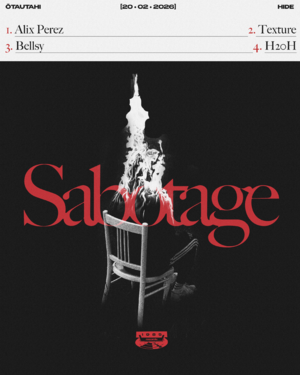
2021: K Motionz, Kanine, Holy Goof, Partiboi69, Fairbrother, Twenty Two and Melt appeared in the surviving concert archive and event listings.2022: Hide hosted or was listed for Dillon Francis, Skin On Skin, What So Not, Hedex, Cajama and the live electronic project Pitch Black.2023: the programme included hard-dance and hardstyle shows, including Steve Hill with Rinsed, Hardlove and Masif, alongside the venue’s continuing bass and drum-and-bass nights.2024: documented bills included 20 Years of Viper with Matrix & Futurebound and TREi, plus events associated with Skream, Objekt, CCL, Pola & Bryson, 33 Below and other touring electronic artists.2025: Hide presented Degs, Ivy Lab, Zero T, GLM, Mish & Greeen, Flowidus, Skeptical, The Upbeats, open-decks and open-mic sessions, free local-producer nights, and two-floor techno parties.2026: the final programme included Static with Ciko and local drum-and-bass artists, Sola Rosa, Bryan Gee, Sin & Brook, SUUNE, AZIFM, Doc Scott and Optics, Morning People’s final Christchurch event, and the closing-party series.
These examples are drawn from surviving public listings rather than a complete internal archive, so they should be read as a record of the venue’s programming range rather than an exhaustive list of every weekly booking. The pattern is clear: Hide was built around high-energy club music, with drum and bass as its strongest recurring identity, but it also made room for house, techno, UK garage, hard dance, R&B-themed parties and experimental electronic work.
Recurring formats included two-level parties, free or low-cost local showcases, early-morning daytime clubbing, open decks, university nights, festival-related events and special headline shows. Morning People used Hide as its Christchurch home for approximately five years, combining an alcohol-free early start with dancing, coffee and a more daytime-oriented atmosphere.
Tickets and Booking
When Hide was operating, most public events were ticketed in advance through the individual event organiser, with some door sales when capacity allowed. Early-bird and general-admission releases were common, and popular international shows could sell out before the night. The K Motionz event in February 2021, for example, listed separate early-bird, general-admission and final-release allocations, all of which sold out. ticketfairy.com
Published examples suggest a broad typical range rather than one standard admission price. Free-entry local nights and $10 promotional entry sat alongside $20 club nights, $26 daytime events, $30 headline bills and larger or more specialised shows priced around $40 or more. Prices varied by artist, promoter, event length and whether the booking used one or both floors.
There was no permanent public box office or fixed ticket price list. The practical strategy for a popular show was to buy during the first release, check whether the event was R18, confirm the door time and avoid assuming that door tickets would remain available. The final closing parties included both advance-ticketed events and at least one door-only event advertised at $20 on a first-come, first-served basis.
Because Hide has closed, old event pages, archived listings and venue pages should not be treated as current ticket availability. No verified Hide Club programme for 2027 or later has been announced.
About Hide Club
Hide opened in 2019 under owners Mitch Ryder and Sam Smith. Its purpose was to help restore the underground electronic scene that had been badly disrupted by the 2010 and 2011 Canterbury earthquakes and the closure of several established Christchurch nightlife venues. The club occupied the former Empire premises on St Asaph Street; contemporary reporting described the site as a former warehouse fitted out with a large dance floor and modern sound equipment.
The venue described itself as Christchurch’s only purpose-built nightclub and took design cues from European club culture. Its identity was less about a conventional bar with occasional DJs and more about a dedicated, music-led room: dark, loud, visually focused and arranged around the dance floor. The owners also developed the venue as a multi-purpose space for private celebrations, shoots, dry hire and smaller gatherings.
The confirmed hire specifications give a useful sense of scale. The main room was advertised for up to 200 people standing, while the upstairs lounge could seat up to 30 or hold up to 50 standing. The main room offered seating areas rather than a formal seated auditorium, and both areas included a bar, toilets and a full sound system. Exact overall building dimensions, ceiling heights and stage dimensions were not publicly published.
Hide’s local importance was cultural rather than architectural. It became a dependable room for touring electronic artists and a launchpad for emerging Christchurch performers. Local commentary credited it with helping artists such as Pirapus, SUUNE, Deep Notion, Emilie and Lee Mvtthews develop their careers, while the venue received a Best Club nomination in the Drum & Bass Arena Awards in 2022.
Seating and Layout
Hide was primarily a standing club rather than a seated concert venue. The main floor centred on an open dance area, with the performance booth and sound system forming the focal point. There was no published system of numbered seats, reserved rows or permanent VIP boxes.
The upper level provided a different experience. It was described by the venue as an intimate zone suitable for techno sessions, private events and green-room use. An early review referred to the upstairs area as the Notion Zone and described it as a VIP-lounge-style space with sofas and a more relaxed atmosphere. Later listings commonly called it the Attic. It could be used for a quieter view, a change of genre or a less crowded part of the night, but access and programming varied by event.
For the strongest bass impact, visitors generally gathered on the main floor near the performance booth and front sound stacks. The central dance floor offered the most direct connection with the music, while the upper level and perimeter areas gave a wider view and more room to pause. Exact acoustic measurements, sound-pressure limits and recommended listening positions were not published, so ear protection was sensible for high-volume drum-and-bass or hard-dance nights.
Getting There and Parking
The venue address was 172 St Asaph Street, in Christchurch’s central city, close to Colombo Street and the city’s late-night hospitality area. As Hide has closed, the address should now be treated as a historic venue location rather than a current event destination.
Public transport access was centred on the Christchurch Bus Interchange at the corner of Lichfield and Colombo Streets. The interchange served a wide network of routes, including services connecting the airport, Riccarton, Sumner, New Brighton, Lincoln, Rangiora, Rolleston and other parts of Canterbury. From the interchange, the former venue was a short central-city walk east or south-east, depending on the exit used.
Bus services also operated along or near St Asaph Street. Route information for Christchurch’s central network identifies St Asaph Street as part of several city corridors, although exact stops and timetables can change. Late-night visitors historically needed to check the final bus departure rather than assume that regular daytime services continued after a 2am or 3am finish.
There was no dedicated Hide Club car park advertised. Nearby central-city options included metered street parking and commercial or council-operated car parks. Christchurch City Council’s 2026–27 schedule lists on-street parking at $5.20 per hour, Lichfield Street car park at $4 per hour overnight with a maximum night charge of $10.40, and an all-day Lichfield rate of $17. A nearby private car park at 255 St Asaph Street advertised $10 overnight parking. These figures are useful historical area guidance, not Hide-specific charges.
For rideshare or taxi travel, the safest arrangement was a legal kerbside drop-off on or near St Asaph Street, away from the entrance queue and active traffic lanes. Hide’s published policy said management could assist guests with taxis, Uber or Ola and provide vehicle details on request.
Inside the Venue
Hide’s atmosphere was deliberately club-focused: low light, a prominent dance floor, electronic music at high volume, custom lighting and a bar-led service model. The venue’s own description highlights custom in-house lighting, an immersive performance booth and a quad-stacked L-Acoustics sound system. No public specification sheet was found for amplifier models, speaker counts beyond the quad-stacked description, lighting fixtures, control systems, stage size, video equipment or production power.
The venue had a full bar in both the main-room and lounge hire configurations. Private-event information stated that outside food could be brought in or arranged through in-house catering, and that tables and chairs could be supplied for functions. These arrangements applied to private hire and should not be assumed to describe ordinary club nights.
Published house rules asked guests not to bring drugs, alcohol, gum or weapons. Management reserved the right to reject other items considered a safety risk and could refuse service to anyone who appeared intoxicated. The stated dress requirement was closed-toe footwear, with guests asked not to wear heels for safety reasons.
Hide asked guests to avoid photography and video on the dance floor because recording could affect privacy and the atmosphere. It also prohibited harassment and discrimination, required respect for staff and other guests, and stated that damage to venue property could be charged to the person responsible. Event-specific rules, age limits and photography arrangements could override the general guidance.
Nearby Amenities
The former venue sat in a dense central-city dining and nightlife area, making it easy to combine a show with food or drinks nearby. The surrounding St Asaph Street and High Street precinct included casual food, bars, late-night takeaway options and larger dining venues. Little High Eatery, at 255 St Asaph Street, is one established nearby food-hall option, while the wider area includes restaurants and bars around Colombo, Welles and Manchester Streets.
For a typical Hide night, arriving 30 to 60 minutes before the advertised headline time allowed for queues, identification checks, cloakroom or bathroom stops and a better position on the main floor. International headline shows and closing parties could attract heavier queues than ordinary local nights. Since the venue is closed, nearby businesses should be checked independently before planning a replacement night out.
What Makes This Venue Special
Hide’s defining feature was its concentration of purpose-built club infrastructure in a relatively compact Christchurch room. The large dance floor, upstairs zone, immersive booth, dedicated lighting and L-Acoustics system gave promoters more control than a conventional bar or converted live-music room. That helped Hide handle both intimate local bills and touring electronic artists without losing its club identity.
It also filled a particular post-earthquake gap. Christchurch had a strong pre-2011 nightlife culture, but several important venues disappeared or changed direction after the earthquakes. Hide’s launch in 2019 was explicitly framed as an attempt to restore a home for underground electronic music. Its seven-year run coincided with the growth of a new generation of local DJs, producers, MCs and promoters.
Audience and industry testimonials consistently focused on sound, staff and community. Supporters described the club as welcoming, free of unnecessary dress-code culture and unusually supportive of local artists. Reviews also praised friendly security and bar staff, while some visitors criticised occasional high ticket prices, toilet maintenance and vaping inside. The mixed feedback is useful because it captures Hide as a working late-night club rather than a polished theatre or cocktail lounge.
There is no published independent economic-impact study quantifying Hide’s contribution to Christchurch. Its documented cultural impact is clearer: it created paid performance opportunities, supported promoters, hosted touring acts, provided private-event work and helped local artists reach larger audiences. Hide also appeared among recipients of New Zealand Music Commission venue-infrastructure funding during the COVID-affected period.
Visitor Tips and Information
Historically, Hide was an R18 venue for most club nights, although private-event information indicated that under-18 guests could attend some functions with a parent or legal guardian. That private-hire exception did not mean ordinary public shows were all-ages. Guests needed valid identification and should have checked the individual event’s age restriction before purchasing.
The venue stated that it was on the ground floor, wheelchair accessible and equipped with wheelchair bathrooms available on request. It also invited visitors with other requirements to speak with a manager. Because New Zealand uses its own building-access and licensing framework, “ADA compliant” is not the correct legal description for this venue. No public information confirmed a hearing loop, captioning, accessible parking bay, tactile signage, accessible upper floor or detailed evacuation arrangements.
Closed-toe shoes were the practical footwear choice, especially for crowded dance floors. Earplugs were sensible near the front sound stacks. Visitors should not bring outside alcohol, drugs, weapons or gum, and should avoid assuming that cameras or large bags would be welcome. Photography restrictions were specifically directed at the dance floor, while event promoters could impose additional rules.
The most important current tip is not to travel to 172 St Asaph Street expecting a Hide show. The venue’s final period ended in 2026, and old listings may remain visible because event pages and venue directories are not always removed after closure.
Frequently Asked Questions
Is Hide Club Christchurch still open?
No. Hide Club closed in 2026 after the owners announced that the business had been sold. The first closure announcement identified 27 June 2026 as the final dance, while a later update extended the farewell period and named 4 July 2026 as the official closing night. There are no verified current Hide Club events or regular opening hours.
What happened to Hide Club?
Owners Mitch Ryder and Sam Smith announced that they had made the decision to sell the business after seven years. Public reporting said the club had been doing well financially when a buyer approached them, so the closure was presented as an ownership transition rather than a confirmed insolvency or forced shutdown.
Where was Hide Club located?
Hide Club was located at 172 St Asaph Street, Christchurch Central City, Canterbury 8011. The address was near Colombo Street and the wider St Asaph Street dining and nightlife precinct. The premises had previously operated as Empire, and older building records describe the site as a former warehouse adapted for hospitality use.
What music was played at Hide Club?
The strongest recurring styles were drum and bass, jungle, bass music, UK garage, house and techno. Hide also hosted hard dance, hardstyle, R&B-themed parties, experimental electronic shows, university nights, open decks and morning raves. The venue’s booking history mixed international touring artists with New Zealand headliners and developing Christchurch performers.
How many people could Hide Club hold?
The published private-hire information gave a main-room standing capacity of up to 200 people. The upstairs lounge could seat up to 30 or hold up to 50 standing. Those figures describe the advertised hire configurations, not necessarily every licensed public-event capacity. No separate official whole-building capacity or detailed fire-plan capacity was publicly available.
Did Hide Club have seating?
Hide was mainly a standing dance venue. The main room had seating areas but no numbered theatre seats or standard reserved rows. The upstairs lounge included sofas and other seating and could provide a more relaxed viewing position. Availability depended on the event, and the upper level could also function as a secondary dance area, green room or private-hire space.
Did Hide Club have a VIP area?
There was no consistently published permanent VIP box or ticketed VIP section. The upstairs room was sometimes described in reviews as a VIP-lounge-style area and could be used for more intimate sessions, private events or green-room purposes. Whether it was open to ordinary ticket holders varied by promoter, crowd levels and the night’s two-floor layout.
What was the sound system at Hide Club?
The venue described its main system as a quad-stacked L-Acoustics sound system. It also promoted a full sound system for both the main room and lounge in private-hire configurations. Exact speaker models, amplifier specifications, subwoofer count, tuning data and sound-pressure limits were not publicly listed, so more detailed technical claims cannot be verified.
What lighting did Hide Club use?
Hide advertised custom in-house lighting and an immersive performance booth. Public descriptions and visitor photographs show a dark club environment designed around coloured beams, strobes and performance lighting, but no authoritative equipment inventory was published. The venue did not release confirmed details about fixture brands, lasers, video walls, control consoles or production operators.
Was Hide Club wheelchair accessible?
Yes, according to the venue’s published accessibility information. Hide stated that it was on the ground floor, wheelchair accessible and had wheelchair bathrooms available on request. It also asked guests with special requirements to make a manager aware. Public information did not confirm an accessible upper floor, hearing loop, captioning or dedicated accessible parking.
Was Hide Club an all-ages venue?
Most public club nights were R18, and event listings commonly stated that guests had to be 18 or older. The private-hire information said under-18 family members could attend some functions when accompanied by a parent or legal guardian. That exception applied to private events and should not be used to assume that a public concert or club night was all ages.
What should visitors wear to Hide Club?
The venue asked guests to wear closed-toe shoes and avoid heels for safety reasons. There was no evidence of a formal fashion-based dress code, and local testimonials specifically praised Hide for not enforcing an unnecessary club-style dress culture. Comfortable clothing was useful because the main experience involved standing, dancing, heat and crowded conditions.
Could you take photos inside Hide Club?
Hide asked guests to avoid taking photos or videos on the dance floor because recording could distract people and affect privacy. Promoters could make separate arrangements for photographers, and some events explicitly warned that official photographers would be present. Guests should have followed the event-specific policy and avoided filming strangers without permission.
Could you buy tickets at the door?
Sometimes. Some events offered door sales, while others used advance tickets and could sell out before the night. The closing period included at least one door-only event with first-come, first-served entry. Door availability, price and payment arrangements depended on the promoter, so advance purchase was the safer approach for popular international bookings.
What were typical Hide Club ticket prices?
Publicly listed examples ranged from free or low-cost local nights to approximately $20–$40 for many club events, with some larger or specialist shows higher. A morning event was listed at $26, a two-floor techno party at $20, and a major drum-and-bass bill at $40. Prices varied by release and event format.
Was there parking at Hide Club?
No dedicated Hide Club car park was publicly advertised. Visitors historically relied on central-city street parking, nearby commercial car parks, taxis, rideshare or public transport. Christchurch’s Bus Interchange was the main public-transport hub nearby. Night parking rates and restrictions changed over time, so historic figures should not be treated as Hide-specific or permanent.
How far was Hide Club from the Bus Interchange?
The former venue was a short central-city walk from the Bus Interchange at Lichfield and Colombo Streets. The exact walking time depended on the exit and route taken, but the trip was practical for visitors already in the central city. At the end of a late event, guests needed to check the final bus times because regular daytime frequencies did not necessarily continue overnight.
Did Hide Club serve food?
Private-hire information said guests could bring food or select in-house catering options, and the venue could provide tables and chairs. That did not establish a regular public-night kitchen or full restaurant service. Visitors generally treated Hide as a bar and music venue and used the surrounding St Asaph Street, Colombo Street and central-city businesses for meals.
Why was Hide Club important to Christchurch?
Hide provided a dedicated home for electronic music after the earthquakes had disrupted much of Christchurch’s nightlife infrastructure. It supported local DJs, MCs, producers and promoters while bringing international drum-and-bass, bass and techno artists to the city. Its significance came from sustained community-building and artist development rather than heritage architecture or large-scale capacity.