About Dubai Marina
Dubai Marina is not a single performance venue. It is a large, active waterfront neighbourhood in Marsa Dubai, between Sheikh Zayed Road and Jumeirah Beach Residence. Consequently, it has no overall audience capacity, seating chart, box office, stage, house sound system or lighting rig. Public areas remain open under the Dubai Marina name, and access to the neighbourhood and promenade is free.
The district was master-planned by HOK after the practice was commissioned in 1999. Conceived as a high-density “city within a city”, the plan comprised ten districts intended for a population of about 100,000. The first completed phase, delivered in 2004, contained six residential towers and 64 villas. Unlike a conventional attraction, Dubai Marina did not open on one date; it grew in stages as towers, shops, hotels, transport links and waterfront facilities were completed.
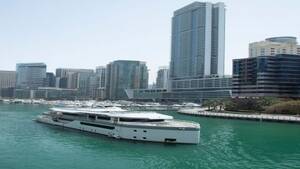
Today, more than 200 residential towers frame an artificial 3.5-kilometre canal with access to the sea at both ends. Nearly eight kilometres of landscaped public walkways incorporate benches, water features, play areas and pockets of greenery. This combination of navigable water, extreme vertical density and pedestrian-level activity gives Dubai Marina its distinctive “skyscraper canyon” character.
Events and Programming
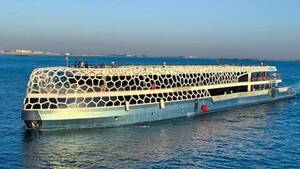
Because Dubai Marina is a neighbourhood rather than one managed venue, there is no complete district-wide performance archive or centrally announced season. Programming is divided among the community manager, Dubai Marina Mall, hotels, restaurants, yacht operators and nearby waterfront destinations. The result is more lifestyle-led than concert-led: fitness sessions, children’s activities, cultural celebrations, outdoor films, retail promotions, dining events and cruises with DJs or live entertainment.
Verified community activity from 2021–2023 included Afro-fitness, Halloween celebrations, UAE National Day entertainment, winter movie nights, Hag Al Laila and Diwali. Marina Promenade has hosted children’s parties and live performances drawing hundreds of residents. These examples demonstrate the neighbourhood’s emphasis on accessible, family-orientated community gatherings rather than large ticketed productions.
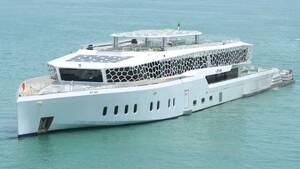
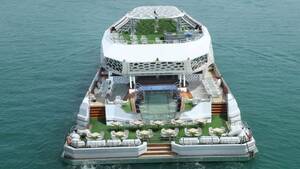
More recent programming has included organised waterfront running and walking groups and the 2025 Dubai Mallathon, during which Dubai Marina Mall became a morning indoor walking and running track. The marina also supports regular sightseeing cruises, dinner cruises, private yacht celebrations and boating rallies. New Year’s Eve is a peak period for boats, restaurants and hotel terraces, with special marine traffic controls commonly imposed around Dubai Marina, Dubai Harbour and Palm Jumeirah.
For 2026 and beyond, no central Dubai Marina arts or concert season has been announced because none exists. The established pattern is continuing operator-led fitness, dining, retail and maritime programming. The wider yachting offer has also expanded through a citywide short-stay dining initiative that includes Dubai Marina Yacht Club.
Tickets and Booking
Walking around Dubai Marina is free and requires no ticket. Charges apply only to specific attractions, cruises, cinemas, private events and hospitality experiences. Indicative prices include AED 7–21 for public marine transport within the canal, around AED 25 for a 45-minute on-demand abra trip, and approximately AED 90–415 for many shared sightseeing or dinner cruises. Premium yacht experiences can exceed AED 450 per person, while private charters frequently cost several thousand dirhams.
XLine Dubai Marina, the district’s signature ticketed attraction, is a one-kilometre double zipline beginning 170 metres above the marina and reaching speeds of up to 80 kilometres per hour. Published standard prices are AED 699 for adults and AED 499 for participants aged 12–16, although promotions may alter the final cost. Popular sunset cruises, weekend departures and XLine slots are best reserved early.
For cruises, arrive approximately 30 minutes before departure and carry the identification specified by the operator. Boats depart punctually, and late passengers may be treated as no-shows. Routes, vessels and sailing times can change because of weather, sea conditions, Coast Guard instructions or operational requirements.
Layout, Viewing Areas and Technical Features
There are no fixed public seating sections. Visitors move between Marina Walk, Marina Promenade, Dubai Marina Mall, Pier 7, the yacht berths and bridges crossing the canal. Benches provide informal seating, while restaurant terraces and boats offer reserved views. Marina Promenade overlooks one of the widest sections of water; the bridges and the area around the mall and Pier 7 are particularly effective for skyline photography.
Dubai Marina has no district-wide production equipment. Temporary events bring their own staging, sound, lighting and power. One permanent technical installation is the musical fountain near Dubai Marina Towers: more than 50 coloured LEDs illuminate its water jets, while three radial speakers provide a combined output exceeding 500 watts. A control system synchronises pumps and lights with the music.
The waterfront is visually dramatic but acoustically variable. Hard tower façades reflect noise, boats contribute engine sound and traffic can be audible near road bridges. For conversation, choose a waterside table away from bridge approaches. For atmosphere, the mall, Pier 7 and JBR-facing sections become livelier after sunset.
Getting There and Parking
The most useful Red Line Metro stations are DMCC for Dubai Marina Mall, Pier 7, Marina Promenade and the southern marina, and Sobha Realty for Marina Walk and the northern towers. Both connect with the Dubai Tram. Relevant tram stops include Jumeirah Beach Residence 1 and 2, Jumeirah Lakes Towers, Dubai Marina Mall, Dubai Marina, Marina Towers and Mina Seyahi.
Dubai Marina Mall tram stop is beside the mall. From DMCC Metro Station, cross the pedestrian overpass towards the marina. Bus 8 serves Marina Promenade, while other routes operate around JBR and Mina Seyahi. Public transport is usually more predictable than driving on winter evenings, weekends and major celebration nights.
Public marine transport is also practical rather than merely scenic. The BM1 route links Marina Promenade, Dubai Marina Mall North, Marina Walk and Marina Terrace; BM3 connects Dubai Marina Mall South with Bluewaters. Water taxis carry up to 20 passengers, while Dubai Ferry vessels can seat up to 98. Service frequency and operating hours vary by route.
Drivers can reach the district from Sheikh Zayed Road; for Dubai Marina Mall, follow exit 32 and signs towards Emaar Drive. The mall provides more than 2,000 parking spaces across multiple levels, including designated accessible spaces. Public and private parking conditions differ throughout the neighbourhood, and the rate or complimentary period displayed at the entrance or on the street sign takes precedence.
Allow extra time for evening congestion and slow-moving pick-up traffic around JBR, Al Marsa Street and the mall. Recent visitor and resident discussions consistently identify road congestion and limited convenient visitor parking as Dubai Marina’s principal drawbacks. A new direct bridge between Sheikh Zayed Road and nearby Dubai Harbour opened in June 2026, improving access to that destination, but it does not remove every local Marina bottleneck.
Inside the District
There is no controlled neighbourhood entrance or universal security check. Individual boats, attractions, cinemas, hotels and private events may inspect bags, request identification or use metal detectors. Each operator sets its own rules for food, drinks, professional cameras, luggage and prohibited items.
Dubai Marina Mall is the easiest all-weather base, with more than 140 outlets, restaurants, a cinema, family facilities and direct access to XLine check-in. Retail generally operates from late morning into the evening, with restaurants remaining open later on weekends. Complimentary wheelchairs and baby strollers are available through mall guest services, subject to availability.
Food ranges from coffee shops and casual waterfront dining to licensed lounges and fine-dining restaurants. Pier 7 contains seven levels of restaurants, while JBR offers beachside and family-orientated choices. Restrooms are available in the mall, hotels, restaurants and transport facilities, but visitors should not assume there is a public toilet at every point on the promenade. There is no central coat check, merchandise counter or public Wi-Fi network covering the entire district.
Accessibility and Inclusive Facilities
The Americans with Disabilities Act is United States legislation and does not apply in Dubai. Local accessibility language uses “People of Determination”, and facilities are governed by UAE and Dubai requirements, including universal-design standards. Accessibility varies among individual buildings and boat operators, so the district should not be described as one uniformly certified venue.
Metro and tram stations provide lifts, wide access gates, tactile guidance paths, wheelchair spaces, accessible ticket counters, audio-visual alerts and accessible toilets. Public marine stations are designed for wheelchair access; water taxis have a designated wheelchair area, and ferries accommodate two wheelchairs. Dubai Marina Mall offers complimentary wheelchairs and designated parking spaces.
Much of the promenade is broad and step-free, but bridge gradients, kerbs, crowds, heat and temporary maintenance can make longer journeys tiring. Accessibility on private boats is inconsistent: some vessels require steps or crew assistance and may not have an accessible toilet. Confirm boarding arrangements before purchasing any cruise or yacht experience.
Nearby Dining, Hotels and Late-Night Options
For pre-activity dining, Dubai Marina Mall and Pier 7 provide the most convenient concentration of choices near Metro, tram and marine transport. Marina Walk is better for a long waterside meal, while The Walk and The Beach at JBR combine restaurants with beach access. District 8 and the northern Marina Gate area add further dining and nightlife choices.
Accommodation ranges from relatively economical city hotels near DMCC to luxury waterfront properties and JBR beach resorts. JW Marriott Hotel Marina is directly connected to the mall complex, while numerous apartment hotels occupy the surrounding towers. Staying near DMCC is useful for Metro access; the northern marina suits Dubai Harbour, Mina Seyahi and Palm Jumeirah connections.
Arrive 30–45 minutes before a booked boat or attraction and longer before major holiday celebrations. Metro and tram services do not run all night, so check the final service time before staying late. Taxis and app-based rides remain the usual late-night alternative, although demand and road delays increase sharply after large events.
What Makes Dubai Marina Special
Dubai Marina’s importance lies in its urban design rather than a single stage. The canal converted a coastal site into a navigable waterfront encircled by one of the world’s most recognisable concentrations of residential skyscrapers. At ground level, cafés, play areas, boats and walkers soften the scale of the towers and keep the water’s edge active throughout the day.
The neighbourhood also illustrates Dubai’s multicultural identity. Celebrations including National Day, Diwali, Hag Al Laila and Halloween have shared the same public spaces, while the marina’s boating, hospitality and dining businesses serve residents and visitors from around the world. The continuing development of marina dining and digital berth management reflects its wider role in Dubai’s tourism and maritime economy.
Recent visitors most often praise the illuminated skyline, walkability, evening atmosphere and range of dining. Repeated criticisms concern traffic, difficult parking, summer humidity, busy pathways and inconsistent value among commercial cruises. The most reliable visit is therefore simple: travel by rail, walk the waterfront after sunset and select paid experiences carefully.
Visitor Tips and Information
Wear comfortable shoes because distances are greater than they appear across the water. From late spring through early autumn, carry water and schedule outdoor walking for early morning or evening. Use marked crossings around tram tracks, stay behind marina railings and supervise children near the water.
General photography is normal, but respect personal privacy and avoid photographing people closely without permission. Commercial filming, drones, professional equipment and organised shoots may require approval. Dress is casual in public areas, although swimwear belongs at the beach or pool, and upscale restaurants and licensed lounges may enforce smart-casual standards.
Dogs should be leashed and waste removed immediately. Alcohol may be consumed only where legally served, not while walking around public areas. Do not swim in the marina canal, climb barriers or enter private residential facilities. Individual attractions can impose age, height, weight, health and footwear restrictions; XLine, for example, requires closed shoes and has published age, height and weight limits.
Frequently Asked Questions
Is Dubai Marina a single event venue?
No. Dubai Marina is a mixed-use waterfront neighbourhood containing residential towers, hotels, shops, restaurants, a mall, marinas and public promenades. It has no single capacity, seating map, stage door or box office. Tickets are required only for individual attractions, cruises, cinemas, restaurant events or private functions taking place within the district.
Is Dubai Marina free to visit?
Yes. Entry to the neighbourhood and its public waterfront walkways is free, and the district itself is accessible 24 hours a day. Shops, restaurants and attractions maintain separate opening times. Boat rides, XLine, cinema screenings, beach facilities and organised events charge independently, while simply walking, jogging or photographing the skyline costs nothing.
How long does it take to walk around Dubai Marina?
The connected landscaped walkways extend for nearly eight kilometres. A brisk uninterrupted circuit can take around two hours, but most visitors need longer for photographs, bridges, cafés and crowded sections. For a shorter visit, walk between Dubai Marina Mall and Marina Promenade or explore the northern Marina Walk section near Marina Towers.
Which Metro station is best for Dubai Marina?
Use DMCC for Dubai Marina Mall, Pier 7, Marina Promenade and many southern cruise departure points. Sobha Realty is generally better for Marina Walk, Marina Towers and the northern end. Both stations connect with the tram, which is useful for JBR, Marina Mall, Marina Towers and Mina Seyahi.
Is parking easy at Dubai Marina?
Parking is available but can be frustrating during winter evenings, weekends and holidays. Dubai Marina Mall has more than 2,000 spaces and is the most straightforward large facility. Street and building parking may be paid, restricted or reserved for residents. Always follow the displayed zone, validation and time-limit information rather than assuming one rate applies throughout Marina.
Can I visit Dubai Marina comfortably during summer?
Yes, but plan around the heat and humidity. Use Dubai Marina Mall, Metro and tram for air-conditioned breaks, then walk outdoors early in the morning or after sunset. Carry water and sun protection, particularly with children. The promenade offers some shade from towers, but it is not continuously covered or air-conditioned.
Can visitors swim in Dubai Marina?
No. The canal is an operational waterway used by yachts, abras and commercial vessels, not a designated swimming area. For swimming, use an authorised beach or a hotel pool. JBR’s beachfront lies beside the Marina district, but beach zones have their own lifeguard hours, rules, water conditions and commercial facilities.
Is Dubai Marina suitable for children and pushchairs?
Dubai Marina is popular with families because the promenade has broad pathways, benches and several children’s play areas. Dubai Marina Mall provides complimentary pushchairs, subject to availability. Parents should remain attentive near the canal edge, tram crossings and busy cycling or jogging sections. Evening walks are generally more comfortable for young children in warm weather.
Can wheelchair users explore Dubai Marina?
Many key areas are accessible, including Metro and tram stations, Dubai Marina Mall and much of the promenade. Lifts, tactile paths, wide gates and wheelchair spaces are provided across public transport. Boat accessibility varies considerably, however. Some vessels require steps or lack accessible toilets, so passengers should confirm the exact boarding arrangement before paying.
Can I bring luggage to Dubai Marina?
Small personal bags are normally fine in public areas. Metro and tram passengers may carry one large and one small suitcase within published size limits, stored in designated areas. Large luggage may not be accepted on attractions or small boats, and there is no central neighbourhood luggage room or coat check.
Do I need identification for a Dubai Marina cruise?
Many operators require a valid passport, Emirates ID or other accepted identification at check-in, particularly when sailing beyond the canal. Requirements differ by vessel and passenger age. Bring the same identification used for the reservation, arrive early and retain the booking confirmation. Missing documents or late arrival can result in refused boarding.
Is there a dress code at Dubai Marina?
There is no formal dress code for walking around the neighbourhood. Comfortable, modest casual clothing is appropriate. Beachwear should remain at the beach or pool. Dinner cruises, hotel bars and upscale restaurants may request smart-casual clothing and refuse sportswear, sleeveless tops, flip-flops or beachwear, especially during evening service.
Can visitors drink alcohol at Dubai Marina?
Alcohol is available to eligible adults at licensed hotels, restaurants, lounges and certain authorised cruises. It should not be carried or consumed openly on public promenades. Each licensed venue sets its own age, identification, dress and behaviour requirements. Public intoxication, disorderly conduct and drinking in unauthorised areas can result in legal consequences.
Are dogs allowed on Marina Walk?
Dogs can be seen on the promenade, but they must be controlled on a lead, and handlers must remove waste promptly. Individual restaurants, malls, boats and residential facilities may prohibit animals or permit only recognised assistance animals. Hot paving can be hazardous during summer, making cooler morning or evening walks safer.
Does Dubai Marina have New Year’s Eve fireworks?
The Marina skyline often provides views towards celebrations at nearby JBR, Bluewaters, Dubai Harbour and Palm Jumeirah, but displays and viewing arrangements can change each year. Expect crowd controls, restaurant packages, altered transport and strict marine navigation measures. Never assume a particular building, boat route or public viewpoint guarantees an unobstructed fireworks view.
Are photography and drones allowed?
Personal skyline and architecture photography is generally straightforward in public areas, provided other people’s privacy is respected. Avoid photographing private homes, security installations or individuals without consent. Drone flying and commercial filming are separately regulated and may require permits, airspace clearance and property approval. A public promenade should not be treated as unrestricted production space.