Events, Tickets and Current Venue Status
No upcoming Lemon City Studios events have been verified as of August 25, 2026. Major concert and ticket archives list zero future shows, and the former public event space at 261 NE 73rd Street cannot be confirmed as open or trading under the Lemon City Studios name. The company itself remains active in Florida, but its principal address moved away from Miami in February 2026 and its current public profile emphasizes design and rendering services rather than live events.
There are stronger signs that the building has moved into a new chapter. The property was leased to a Turkish restaurant and nightlife operator in 2022, sold in January 2025, and described after the sale as the future home of that hospitality concept. Land-use records through early 2026 continued to reference an application for an alcohol service establishment with sales extending to 5 a.m. Consequently, visitors should not travel to the address expecting a Lemon City Studios performance unless a new event is explicitly confirmed.
Events and Programming
Lemon City Studios was primarily a promoter-driven, general-admission event compound rather than a theater with a fixed calendar. Its strongest identity came from underground house and techno, especially during Miami Music Week and the city’s December art season. Promoters transformed its warehouse, courtyard and garden into multi-stage environments with DJs, live musicians, projection art, lounges, vendors and performance installations. Wellness programming—including meditation, sound baths, cacao ceremonies, yoga and ecstatic dance—often appeared alongside late-night music.
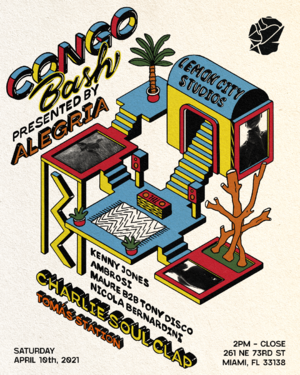
The verified 2021 schedule included a March edition of Timeless with Feathered Sun, Unders, Sons of Ash, aDios and Zenti. In April, Congo Bash combined house music with fundraising and awareness work connected to survivors of violence in the Democratic Republic of Congo. Its lineup included Charlie of Soul Clap, Tomás Station and Miami-based supporting DJs, while pandemic-era admission used reserved group pods and required masks when entering or moving around the venue.
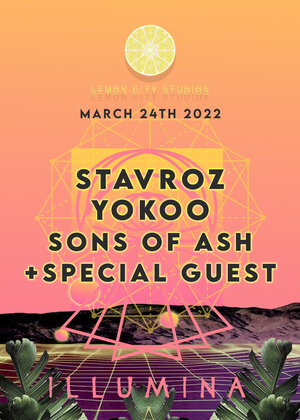
March 2022 produced the venue’s last clearly documented run of public programming. Archives record Unders, a Timeless event with Serge Devant and m.O.N.R.O.E., the Lemon Bell Show with sound healing and Sons of Ash, Chupacabra with SIS and Brian Cid, and a MAGA-led electronic lineup. Soulful Sunday offered cacao, movement, meditation, ecstatic dance and late-night DJs, while a Miami Music Week edition of Timeless featured YokoO, Stavroz and Sons of Ash. No reliable public event record was found for Lemon City Studios from 2023 through August 2026.
Earlier highlights explain the venue’s reputation. City Hearts brought the Desert Hearts collective to Miami in 2016. Damian Lazarus’ Get Lost later used four distinct stages and booked artists including Seth Troxler, Diplo, Danny Tenaglia, Claude VonStroke, DJ Tennis, Gorgon City and Chris Liebing. Pyramid People filled indoor and outdoor areas with three stages, live painting, a vendor bazaar and Burning Man-inspired installations. The venue also accommodated art dinners, pop-up markets, mindfulness programming, Halloween productions and artist residencies.
Tickets and Booking
There is currently no active Lemon City Studios ticket inventory. Historically, each outside promoter controlled admission, age rules, ticket tiers and door sales. Buyers received mobile or advance tickets rather than using a permanent venue box office. Popular Miami Music Week and art-season parties encouraged early purchase, sometimes sold out presale allocations and retained only a small number of higher-priced admissions for the door.
Historical prices varied substantially. City Hearts cost approximately $20 to $30 in 2016, while an immersive 2017 art dinner offered a $20 after-dark ticket and a $65 dinner package. In 2022, Soulful Sunday cost roughly $33 to $44 including fees. The largest Timeless production used escalating general-admission tiers of about $66 to $108, with backstage or open-bar packages around $214. These figures illustrate the old programming model and are not current prices.
Past terms frequently made tickets and tables final and nonrefundable, including for rain, government restrictions or other cancellations. Most nightlife events were 21 and older, although Soulful Sunday was advertised for all ages. Any future event at this property could operate under a different venue name, management team and policy set, so only the conditions printed for that particular production should be treated as valid.
About Lemon City Studios
The venue occupied a one-story industrial building dating to 1949 in Miami’s Little River area, close to Little Haiti and the historic Lemon City district. Public profiles provide conflicting origin dates: a former co-owner’s professional record traces work at the warehouse to September 2013, while Lemon City Studios LLC was formally established in October 2015. Public event records show the space operating by February 2016.
Property records describe approximately 7,226 to 7,268 square feet of enclosed building area on a 13,939-square-foot lot. Earlier marketing materials listed clear ceiling heights between 15 and 24 feet, thick concrete walls, grade-level loading, natural light, full bathrooms, a fenced yard and air conditioning in much of the interior. A later hospitality plan divided the usable venue footprint into approximately 4,606 interior square feet and 7,239 exterior square feet.
No dependable current occupancy certificate or official public capacity has been located. A 2019 submission to the City of Miami discussed proposed crowds of more than 1,000 and referenced 1,500 as an event limit, but that document was a resident’s complaint rather than a current fire-capacity statement. Capacity should therefore be considered configuration- and permit-dependent, not a guaranteed 1,500.
Seating and Layout
Lemon City Studios did not have permanent auditorium seating. Most music nights used a standing dance floor with a DJ booth or temporary stage, while lounge furniture, bars and art occupied the edges. Productions could activate a shaded courtyard, garden, enclosed warehouse rooms and smaller hidden performance spaces. The best viewing position depended entirely on that event’s stage plan rather than a permanent seating chart.
Guests seeking maximum energy generally gathered near the main booth, while the courtyard and side lounges offered more room during marathon parties. VIP formats ranged from backstage access and private bars to pandemic-era pods for groups of eight to twelve. For the clearest sound, the center of a dance floor was normally preferable to standing directly beside a temporary speaker stack; however, no formal acoustic map or recommended viewing section was published.
Architecture, Design and Production
The venue’s appeal came from its adaptability rather than polished theater architecture. Street art marked the exterior, while concrete construction, high ceilings, loading access and a large yard gave producers a blank canvas. Reviews of Get Lost described iridescent fixtures, art cars, suspended decorations, smoky indoor rooms and abundant lounge furniture. Other events added pyramid structures, live painting, fire performance, projection mapping, lasers and temporary themed environments.
No verified permanent inventory has been published for loudspeakers, mixing consoles, lighting fixtures, rigging loads, electrical service, video systems or backline. The elaborate systems remembered from major parties appear to have been event-specific production packages. Anyone assessing the former building for a future production should not assume that historic lasers, stages or sound equipment remain installed after the sale and hospitality redevelopment.
Getting There and Parking
The former venue address is 261 NE 73rd Street, Miami, FL 33138, near NE Second Avenue and the Florida East Coast Railway corridor. It is north of the Design District and approximately between Little Haiti and Little River. Drivers commonly approached from Biscayne Boulevard, I-95, NE Second Avenue or the 79th Street Causeway, depending on their starting point and traffic conditions.
Parking was always a weak point. An older property listing described gated space for only about six vehicles, supplemented by limited street parking on NE 73rd Street. Event advertisements repeatedly advised guests that parking was limited and encouraged rideshare use. There is no verified public garage attached to the property, and parking in private business lots without permission risks towing.
Metrobus Route 9 operates along NE Second Avenue and provides the most direct public-transit corridor near NE 73rd Street. Route 3 on Biscayne Boulevard is another option with a longer walk. There is no Metrorail station within a convenient walking distance; passengers arriving through Downtown Miami, MiamiCentral or another rail hub need a bus connection or short car ride. Service patterns can change, particularly late at night.
Inside the Former Venue
Past guests encountered temporary security checkpoints, ID checks and wristband entry, followed by a largely open warehouse-and-garden compound. Bars, food vendors, merchandise tables, holistic lounges and art markets varied by promoter. Some events sold organic juice, cocktails and food, while others concentrated on dancing and installations. There is no reliable evidence of a permanent restaurant, coat check, public Wi-Fi network, fixed merchandise counter or year-round box office during the event-space era.
Policies were similarly event-specific. Historical notices included rain-or-shine operation, final sales, valid identification for 21-and-older parties and, for selected environmentally focused events, a prohibition on single-use plastics. Published bag, professional-camera, smoking and re-entry rules were inconsistent or unavailable. Get Lost allowed re-entry in some editions, but that should not be assumed for another production.
Accessibility and Inclusive Facilities
No current, authoritative accessibility guide was found for the former Lemon City Studios venue. The building is one story and historic property information describes street-level loading and an open floor plan, but those features alone do not confirm an accessible public entrance, compliant restroom, reserved viewing area, hearing assistance or accessible parking. Guests with mobility, sensory or communication requirements should obtain event-specific confirmation before purchasing admission to any future production at the address.
Nearby Amenities
Little River’s dining scene has expanded considerably since Lemon City Studios’ peak years. Current neighborhood options include destination restaurants, food halls, West Indian cooking, Vietnamese food, Persian-influenced dining and casual counters around NE Second Avenue and 79th Street. Fooq’s is on NW 73rd Street, while B&M Market and Roti Shop is on NE 79th Street. Distances should be checked carefully because Little River covers a broad industrial area.
There is no major hotel immediately beside 261 NE 73rd Street. The Design District, Midtown, Downtown Miami and Miami Beach provide broader lodging choices but require a drive or transit connection. Late-night visitors should arrange transportation before leaving an event because rail service is not nearby and rideshare demand can rise sharply when several Miami Music Week parties finish simultaneously.
What Made Lemon City Studios Special
Lemon City Studios gave Miami promoters something conventional clubs could not: a flexible warehouse and garden that could be rebuilt around each artistic concept. A party could become a four-stage psychedelic maze, a Burning Man fundraiser, an art dinner, a community market or a sound-healing gathering. That freedom made the venue valuable to underground electronic music while also creating opportunities for local designers, visual artists, wellness practitioners and food vendors.
Visitor accounts frequently praised the immersive decoration, shaded outdoor areas, unexpected rooms and communal atmosphere. One review aggregator currently shows a 4.3 rating from 36 reviews, although many available comments are brief. The venue’s story also includes community tension: a 2019 public submission documented complaints about bass, overnight hours, traffic and permitting. Its cultural contribution and neighborhood impact were therefore significant but not universally welcomed.
The property’s transition from an adaptable creative warehouse to a multimillion-dollar hospitality redevelopment also reflects the wider commercial transformation of Little River. Lemon City Studios helped draw international dance-music audiences north of Wynwood and the Design District, but no evidence supports describing it as a currently operating concert venue. Its lasting importance is historical: it was one of Miami’s memorable temporary-production spaces during a particularly active period for independent electronic music and immersive art.
Frequently Asked Questions
Is Lemon City Studios still open for events?
No current public event operation could be verified as of August 25, 2026. Ticket and concert archives show no upcoming performances, while the former building was sold in 2025 and designated for a new hospitality concept. Lemon City Studios LLC remains active as a company, but its principal address has moved and its public focus now appears to be design services.
Are any Lemon City Studios events announced for 2026 or later?
No verified Lemon City Studios events have been announced for the remainder of 2026 or beyond. Current archive pages display zero upcoming concerts or ticketed events. A future event could use the former address under different management or branding, but it should not be presented as Lemon City Studios programming unless the organizer specifically confirms that name.
Where was Lemon City Studios located?
The event venue operated at 261 NE 73rd Street, Miami, Florida 33138. The property sits near NE Second Avenue and the railway corridor in Little River, immediately north of Little Haiti and a short drive from the Design District. Some older listings incorrectly show ZIP code 33139, but property and event records consistently use 33138.
What kind of music did Lemon City Studios book?
House, techno and related electronic styles dominated its schedule. Major events featured artists such as Seth Troxler, Damian Lazarus, Danny Tenaglia, Diplo, DJ Tennis, Claude VonStroke, Serge Devant, YokoO and Stavroz. Programming also included hip-hop, live musicians, ecstatic dance, meditation music and sound healing, usually within immersive art or community-focused productions.
What was the capacity of Lemon City Studios?
No current official occupancy figure is publicly confirmed. A 2019 resident submission discussed events drawing more than 1,000 people and referenced a 1,500-person limit, but it was not an occupancy certificate. The building contained roughly 7,200 square feet inside plus substantial outdoor space, so permitted capacity would have depended on exits, stages, bars and event layout.
Was Lemon City Studios seated or standing-room?
Most concerts and dance parties were general-admission, standing-room events without fixed seats. Temporary lounge furniture, benches, tables or private pods could be placed around the courtyard and warehouse. Art dinners and wellness sessions used seated layouts, while larger productions divided the property among several stages. Every event created its own floor plan, so no universal seating chart existed.
Did Lemon City Studios have indoor and outdoor areas?
Yes. Its defining feature was the combination of warehouse rooms with an outdoor garden, yard and shaded courtyard. Promoters used those spaces for separate stages, lounges, markets, food service and art installations. Some listings described events as open-air or rain-or-shine even though enclosed areas were available, making weather protection and operating arrangements dependent on the production.
How much did Lemon City Studios tickets cost?
Historical general admission ranged from roughly $20 for smaller events to more than $100 for late ticket tiers at major Miami Music Week productions. Wellness and dance events were commonly around $33 to $44. Premium backstage or open-bar admission reached approximately $214, while pandemic-era private pods cost $1,500 to $3,000 for groups. No current prices exist. ticketfairy.com
Was there a permanent box office?
No permanent public box office has been documented. Tickets were normally distributed in advance by each promoter, with mobile entry, guest lists or will-call arrangements at the door. Limited door sales occasionally appeared when capacity remained, but popular events encouraged advance purchase. Since the venue is not currently confirmed as operating, no in-person ticket service should be expected at the address.
Was Lemon City Studios a 21-and-older venue?
Many house and techno parties were restricted to guests 21 and older because they ran late and served alcohol. Valid government-issued photo identification was therefore essential. Age limits were not universal: the 2022 Soulful Sunday program was advertised as all ages. The rule always came from the individual promoter, so the event description—not the building’s history—determined admission.
How much parking was available?
On-site parking was extremely limited. Historic property material described gated room for approximately six cars, and event notices regularly recommended arriving by rideshare. Some street parking existed on NE 73rd Street, but availability was unpredictable and surrounding private lots were not automatically open to guests. No dedicated public garage or verified event parking rate was published.
Which bus went closest to Lemon City Studios?
Metrobus Route 9 along NE Second Avenue offered the most direct service near NE 73rd Street. Route 3 on Biscayne Boulevard provided another approach with a longer walk. There was no nearby Metrorail stop, so rail passengers needed to transfer to a bus or car. Late-night riders had to check operating hours because many events continued after normal daytime frequencies.
Was Lemon City Studios wheelchair accessible?
A reliable venue accessibility guide has not been located. The former warehouse was one story, with grade-level access and an adaptable open floor plan, but those facts do not prove full ADA compliance. Details about accessible restrooms, parking, viewing positions, hearing assistance and entrance thresholds were not publicly documented. Specific accommodations would need confirmation for any future event at the property.
Did the venue have food and drinks?
Food and beverage service depended on the event. Past programs advertised cocktails, organic juices, salads and other locally sourced dishes, while community markets brought independent vendors into the courtyard. Some premium tickets included open-bar access. There is no evidence that Lemon City Studios maintained one permanent public menu, restaurant or concession operation throughout its life as an event venue.
What should visitors know about sound levels?
Lemon City Studios specialized in high-volume electronic music, sometimes operating several dance floors simultaneously. Areas beside temporary speaker stacks could be extremely loud, making hearing protection sensible for long events. Noise also generated complaints from surrounding residents in 2018 and 2019. No permanent sound-system model, acoustic treatment specification or current sound limit has been publicly verified.
Why was it called Lemon City Studios?
The name referenced Lemon City, an early settlement in the area that later became associated with today’s Little Haiti and Little River neighborhoods. Using the historic name connected the warehouse to a part of Miami with a distinct identity predating the city’s modern entertainment districts. “Studios” reflected its flexible role in art, design, production, co-working and events rather than a traditional theater format.
What happened to the former Lemon City Studios building?
The property was marketed for food-and-beverage use in 2022, leased to a Turkish restaurant and nightlife operator, and sold in January 2025. Plans included extensive interior and exterior hospitality areas and late alcohol service, although a completed opening under that concept could not be confirmed. This transition is why the address should no longer be assumed to be an active Lemon City Studios venue.