Events and Programming
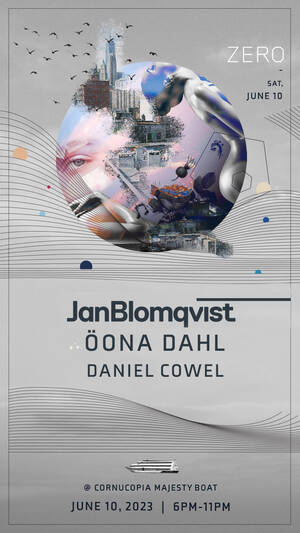
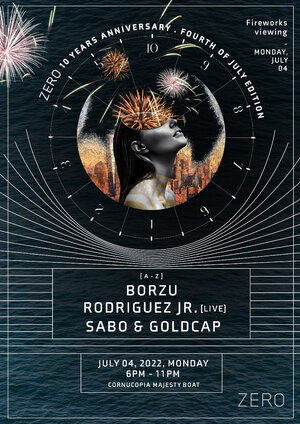
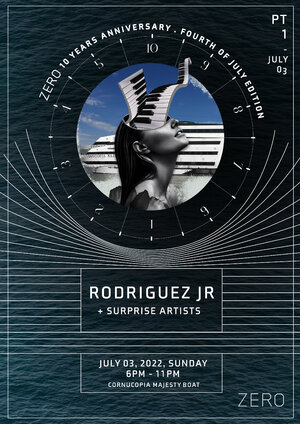
Pier 40 remains open under its established name, but it is not a conventional concert hall or theater. Its regular calendar is built around seasonal marine-science programs, community boating, organized sports, rooftop circus classes and ticketed cruises. Concerts, fashion presentations, commercial activations and other large productions can appear under special-event permits, but there is no permanent performance stage or nightly entertainment schedule.
The most consistent public programming takes place at the Pier 40 Wetlab, a native aquarium and marine-biology field station. Its 3,500-gallon flow-through system contains more than a dozen tanks holding fish and invertebrates collected from the Hudson River. Free Wetlab Look-ins generally run from June through October, allowing visitors to see rotating residents such as lined seahorses, oyster toadfish, striped bass and blue crabs. Because animals are regularly returned to the river, each visit can be different.
From 2021 through 2026, the recurring calendar has included Wetlab Look-ins, the annual opening celebration formerly called Meet the Fishes, Ask a Scientist talks, hands-on Back 2 School workshops, Crab Lab, Fascinating Fish and the end-of-season Release of the Fishes. The 2024 release attracted a record community turnout; the 2025 edition introduced a slide used to return the animals to the Hudson. Recent adult science evenings have typically cost $10 and included soft drinks or limited alcoholic beverages for guests of legal drinking age.
The 2026 season continued that pattern with free aquarium hours, several Science After Dark sessions and a free community-boathouse celebration featuring rowing and boatbuilding. As of August 24, 2026, Wetlab Look-ins are scheduled to continue into October, with Release of the Fishes announced for October 28. No specific Pier 40 program for 2027 or later has been publicly confirmed, although seasonal aquarium, field, boating and cruise operations are structured as continuing uses.
Sports are the pier’s highest-frequency programming. Soccer, baseball, football, rugby and lacrosse practices, leagues, camps and tournaments fill the courtyard, rooftop and indoor fields throughout the year. More than 200,000 children and adults use Pier 40’s fields annually. Ticketed harbor sightseeing, brunch, dinner, holiday and private-event cruises also board along the north walkway; check whether an event listing describes an experience at Pier 40 or a vessel departing from Pier 40.
Tickets and Booking
Free Wetlab hours and some boathouse open houses do not normally require a paid ticket, although capacity controls or advance registration may apply to particular sessions. Adult science workshops have recently used a low-cost advance-registration model, commonly $10. Cruise fares, circus classes, sports leagues and privately produced events set their own prices, age limits, refund terms and boarding requirements.
Pier 40 does not advertise a permanent public box office serving every activity. Use the live event listing associated with the event, and confirm the organizer, exact meeting point and whether the ticket is for a pier-based activity or a boat. Popular workshops have limited space, so advance booking is preferable. For cruises, arrive before the stated boarding time; vessels are not obliged to wait for late passengers.
Field use is booked through permits rather than spectator tickets. Current published charges include a $25 application fee, no field-use charge for qualifying youth organizations, and 90-minute adult rates of $125 for universities or nonprofits and $150 for for-profit organizations. Special productions, graduations, tournaments and events involving more than 100 people require separate approval and fees.
About Pier 40 at Hudson River Park
Pier 40 is a more-than-15-acre, mixed-use waterfront structure at 353 West Street, where West Houston Street meets the Hudson River. Its enormous rectangular terminal building wraps around a central athletic courtyard, with parking, offices and service areas occupying much of the surrounding structure. Public uses also include rooftop and indoor fields, a perimeter esplanade, a mooring area, the Wetlab, community boating and an outdoor trapeze facility.
Construction began in 1958, and the terminal opened in 1962 for Holland America Line. It was designed to consolidate several older finger piers and handle both ocean-liner passengers and freight. Described at the time as a modern, high-capacity terminal, it became an imposing symbol of New York’s working waterfront. The shipping line shifted its passenger operations in the 1970s, and other maritime uses continued into the early 1980s.
The structure later became associated with parking and the unsuccessful Westway highway project. The 1998 Hudson River Park Act placed Pier 40 within the new park framework while preserving a mix of recreation and revenue-producing activity. Rooftop recreation arrived during the early park period, and the central courtyard fields were developed in 2004–05. Hurricane Sandy flooded the pier in 2012, adding urgency to long-running structural and resilience concerns.
A 2016 transfer of unused development rights generated $100 million for rehabilitation. Subsequent projects repaired deteriorated support piles, roofs and parking areas and refurbished sports fields. By 2024, more than $140 million had been invested in piles, roofs, facades, stairs, sprinkler systems and related infrastructure. Phased structural and fire-suppression work remained active in 2026 and was expected to continue throughout the building for approximately two years.
Seating and Layout
There is no single Pier 40 capacity or standard seating chart. Capacity is determined by the specific field, Wetlab program, permitted event area or vessel. The pier has no permanent auditorium, numbered seating bowl, general-admission concert floor or built-in VIP section. Seating, barricades and hospitality areas for special productions are temporary and must be approved through the event-permit process.
The courtyard contains two all-purpose fields, each measuring 65 by 110 yards. Rooftop Field 1 measures 40 by 70 yards, while youth-only Rooftop Field 2 measures 33 by 67 yards. The indoor field is reserved for youth programming. For field events, the best viewpoint depends on temporary spectator controls; for Wetlab visits, arriving early makes it easier to stand close to the tanks and hear educators.
Cruise seating belongs to the vessel rather than Pier 40. Window tables and open decks generally provide the strongest views, but assignment, accessibility and weather protection vary by boat. Confirm which walkway and berth your vessel uses instead of relying on a generic Pier 40 map.
Getting There and Parking
The address is 353 West Street, New York, NY 10014. The most direct subway is the 1 train to Houston Street, approximately half a mile east of the pier. Walk west along West Houston Street and cross West Street at the signal. The C and E trains at Spring Street are roughly 0.7 miles away. The M21 bus serves the Houston Street corridor and stops near Washington Street.
Drivers can enter the Pier 40 turnaround from West Street or westbound West Houston Street. The turnaround is the most practical passenger drop-off point for taxis and rideshares, but do not stop across the busy Hudson River Greenway. Cyclists will find a bike-share station south of the pier and racks within the park; bicycles must be walked on pedestrian esplanades.
The on-site garage operates 24 hours and contains approximately 2,000 spaces. Published daily pricing works out to roughly $35 for up to three hours, $45 for up to nine hours and $55 for up to 24 hours after Manhattan parking tax; an event rate has been approximately $50. Rates can change, and event traffic can slow entry and exit, so public transit is usually more predictable.
Inside the Venue
Expect an active, industrial-feeling waterfront complex rather than a polished entertainment lobby. Different programs use different entrances: fields are reached through courtyard or upper-level access points, the Wetlab is on the southern side, and cruises generally queue along the north walkway. Visitor feedback often praises the river sunsets, sports facilities and cruises while noting that the building’s scale, aging interior and limited directional signage can confuse first-time guests.
There is no pier-wide coat check, merchandise counter or permanent public food hall. Food and alcohol are normally available only when provided by a cruise or authorized event. Science After Dark tickets have included beverages, but free aquarium hours should not be treated as a food-and-drink event. Two sets of wheelchair-accessible public restrooms serve the pier: the Courtyard Tunnel facilities generally operate from 6:00 AM to midnight, while second-floor facilities have shorter hours.
Security and entry procedures vary. A cruise may require ticket scanning and bag screening, while a free Wetlab session may use informal check-in. Download or screenshot tickets before arrival because venue-wide public Wi-Fi is not advertised. Keep valuables with you; park officials specifically warn field users against leaving phones and bags unattended.
Architecture, Production and Technical Capabilities
Pier 40’s signature design is its immense, low-rise marine-terminal form: a multilevel perimeter structure surrounding an open central field, all extending far into the Hudson. The north docking area is approximately 809 feet long with five fendered berths; the west side is about 755 feet long with three. The perimeter esplanade provides expansive harbor and sunset views.
No permanent house sound system, concert-lighting plot, rigging grid, backstage suite or production power specification is published for Pier 40 as a whole. Permitted events may install amplified sound, stages, tents and set pieces after approval and any additional city permitting. Productions should therefore treat it as a flexible raw space, not a turnkey music venue. Cruise vessels carry their own audio, lighting, kitchens and guest facilities.
Nearby Amenities
Hudson Street, Carmine Street and the West Village provide the nearest concentration of dining. Options within roughly a 10- to 15-minute walk include The Clam for seafood, Emily West Village for pizza and burgers, Jajaja for plant-based Mexican food, Blue Ribbon Sushi and Perry St for a more formal meal. Reserve extra time because the West Street crossing and long walk onto the pier add several minutes.
Nearby accommodations include Hotel Hugo SoHo and Four Points in Hudson Square, both approximately 0.3 miles away. For post-event drinks, walk east toward Hudson, Greenwich or Washington streets rather than expecting a permanent bar at the pier. Subway and rideshare service continues late, but the M21 runs less frequently outside peak periods.
What Makes This Venue Special
Pier 40 compresses several versions of New York into one structure: ocean-liner history, working docks, youth soccer, environmental research, parking, trapeze rigs and harbor cruises. Few places let visitors examine a live seahorse, watch a rugby practice, launch a handmade rowing boat and board an evening cruise from the same pier.
Its community importance is measurable. Hundreds of thousands use the fields annually, while parking and marine operations generate income supporting Hudson River Park’s wider maintenance and free programming. In the fiscal year ending March 2022, Pier 40 produced more than $8 million in net operating revenue, primarily from parking, even as its repair needs exceeded that contribution. The larger park has generated billions of dollars in direct and indirect benefits since 2000.
Visitor Tips and Information
Arrive 20 to 30 minutes early for land-based programs and earlier when a cruise operator specifies a boarding window. Wear layers: the pier is exposed to Hudson River wind, and rooftop fields can feel considerably colder than inland streets. Bring sun protection and a refillable water bottle for daytime programs. Weather can delay outdoor activities or vessel departures, so review same-day event instructions before traveling.
Public areas and restrooms provide wheelchair access, and elevators are the only accessible route to certain upper floors. The park offers reasonable accommodations under the ADA, but boat gangways, historic vessels and specialized activities such as rowing or trapeze may have separate physical requirements. Confirm event-specific arrangements in advance.
Smoking and vaping are prohibited. Alcohol is restricted to licensed vessels or specifically authorized events. Commercial photography, large shoots, amplified sound, organized groups and gatherings of more than 100 people require permits. Do not bring your bicycle onto pedestrian walkways without dismounting, and never leave bags unattended beside a field or queue.
Frequently Asked Questions
Is Pier 40 a concert venue?
Not in the usual sense. Pier 40 has no permanent concert stage, house seating plan or published house sound-and-lighting package. Its regular calendar emphasizes sports, science, boating, trapeze classes and cruises. Concerts, fashion events and commercial productions can be authorized as temporary special events, with organizers bringing approved staging, sound, lighting, seating and security.
How can I tell whether my event is on a boat?
Look for words such as boarding, sailing, cruise, yacht, vessel or departure. Boat events commonly queue along Pier 40’s north walkway, whereas Wetlab programs are on the southern side and sports use courtyard, rooftop or indoor fields. Your confirmation should identify a vessel, berth or boarding time. If it gives only “Pier 40,” allow extra time to locate signage.
Does Pier 40 have a box office?
There is no single permanent box office serving every Pier 40 activity. Registration and ticket fulfillment are handled by the individual event, cruise, class or sports organizer. Keep your digital confirmation ready and note the meeting point before arrival. Door sales should never be assumed, particularly for limited-capacity science workshops, private cruises or classes requiring advance waivers.
Are Pier 40 events free?
Many are. Wetlab Look-ins, seasonal aquarium open hours and selected community-boathouse celebrations are generally free. Recent Science After Dark sessions have cost $10, while cruises, trapeze instruction, sports leagues and private productions set their own prices. Free admission does not always mean unlimited entry; busy programs may use timed registration, lines or first-come capacity controls.
What is Pier 40’s event capacity?
No universal public capacity is published because Pier 40 is a collection of fields, docks, offices, aquarium space and parking rather than one assembly venue. Capacity depends on the permitted footprint, temporary layout and fire-code approval. A cruise uses its vessel’s licensed passenger limit, which should not be confused with the capacity of the pier or Wetlab.
Is Pier 40 indoors or outdoors?
It is both. The central courtyard and rooftop fields, perimeter esplanade, docks and cruise queues are exposed to the weather. The garage, indoor youth field, offices and portions of the Wetlab are covered. Even covered areas may feel open-air or industrial, so dress for the temperature and wind rather than expecting a climate-controlled theater environment.
What is the closest subway to Pier 40?
The 1 train at Houston Street is the most direct option, approximately half a mile from the pier. Walk west on West Houston Street until reaching West Street, then cross at the signal. The C and E at Spring Street are a useful alternative, approximately 0.7 miles away. Allow around 10 to 15 minutes from either station.
Where should a rideshare drop me off?
Use the Pier 40 turnaround at the western end of West Houston Street. It provides a safer loading and unloading point than stopping beside the Hudson River Greenway. After leaving the vehicle, check whether your destination is the courtyard, an upper field, the southern Wetlab or the north cruise walkway. The pier is large enough that walking to the wrong side causes delays.
How much does parking at Pier 40 cost?
Expect approximately $35 to $55 for most daily stays after Manhattan parking tax, depending on duration. A published event rate has been around $50. The garage is open 24 hours and is unusually large for Lower Manhattan, but rates and availability can change. Build in extra time for queues before major departures, tournaments and weekend events.
Is Pier 40 wheelchair accessible?
Public restrooms are wheelchair accessible, and elevators provide access to upper floors for visitors unable to use stairs. The park also offers reasonable accommodations for its programs. Accessibility aboard cruise vessels, rowing boats and specialized activity areas can differ because gangways, tides and equipment affect boarding. Confirm the arrangements for the specific activity rather than relying solely on general pier access.
Where are the restrooms at Pier 40?
Public facilities are located in the Courtyard Tunnel and on the second floor. The tunnel restrooms generally have the longest operating window, recently listed as 6:00 AM to midnight, while second-floor facilities have operated from 8:00 AM to 10:00 PM. Hours can change seasonally or during maintenance, so use the facilities before joining a long cruise queue.
What is the bag policy at Pier 40?
There is no single pier-wide bag-size rule published for every activity. Cruise operators and special-event producers may conduct searches or impose stricter limits than normal park access. Bring only essential items, avoid oversized luggage and keep valuables with you. Unattended bags are a recurring safety and theft concern around busy fields, docks and public walkways.
Can I bring food and alcohol?
Personal snacks may be acceptable in ordinary public areas unless an event’s rules say otherwise, but food should remain away from aquarium tanks and active playing surfaces. Alcohol is not permitted for casual park consumption; it is limited to licensed vessels or authorized events. Cruise tickets may include meals or drinks, while free Wetlab sessions do not normally provide refreshments.
Are children welcome at Pier 40 events?
Children are central to Pier 40’s sports and science programming. Wetlab Look-ins welcome families, and several fields are specifically reserved for youth. Adult evening science sessions may be recommended for ages 16, 18 or 21 and older depending on content and alcohol service. Cruises and circus classes establish their own age, height, supervision and waiver requirements.
Can I use the fields without a permit?
Individuals may use available fields on a first-come basis when no permitted organization is scheduled. Permit holders always have priority, and unpermitted users must leave when a reserved session begins. Organized teams, schools, leagues and commercial instruction require permission. Checking the posted schedule before traveling reduces the chance of finding every field occupied.
What has Pier 40 announced beyond 2026?
No specific 2027 public-event lineup has been confirmed. Continuing uses include seasonal Wetlab programming, permitted sports, community boating, rooftop activities and excursion cruises. Structural and sprinkler work is also expected to continue beyond 2026, with scheduling designed to keep the pier functioning. Future event availability may therefore shift around construction phases and operational needs.