Events and Programming
Current status: Base Backpackers Wellington is permanently closed as a venue and hostel. There are no verifiable Base Wellington performances, ticketed events or public programmes listed for 2021–2026, and no Base-branded events have been announced for 2026 or beyond. The building at 21–23 Cambridge Terrace is being converted into Drifter Wellington, which is taking bookings from January 2027 under a different name and operating concept.
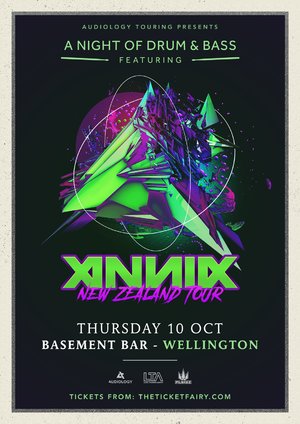
Historically, Base Wellington was not a conventional concert hall. Its entertainment identity came from the Basement bar, an in-house social and nightlife space below the accommodation floors. Surviving descriptions refer to dance nights, DJs, a nightclub-style atmosphere, karaoke and informal hostel activities rather than a regular calendar of touring concerts or theatre productions. The programming was aimed at travellers looking to meet people and go out in Courtenay Place, not audiences buying reserved seats for major artists.
The available archive does not establish a complete list of performers. No authoritative source identifies a notable touring act, long-running concert series or nationally significant performance staged at Base Wellington. A surviving Base promotional post invites guests to dance at the Basement bar, while later accommodation listings describe a bar, nightclub and karaoke facilities. That evidence supports a grassroots, social-night format, but not a claim that the venue regularly booked headline musicians.
Because the Basement operated as part of a hostel rather than as a standalone ticketed venue, many activities appear to have been free, low-cost or tied to the bar rather than sold through a formal theatre box office. A dependable historical ticket-price range has not survived. Visitors should not assume that old event descriptions represent a current programme: the Base name is no longer associated with public events at the address.
The successor, Drifter Wellington, has indicated a broader hospitality and social-events model, including curated events, a lounge, cinema, games and recreation, wellness facilities, co-working space, communal kitchen and an outdoor courtyard. However, no named 2026 or 2027 live-music programme, ticket schedule or public performance calendar has been announced.
Tickets and Booking
There are no Base Wellington event tickets to buy. The former hostel has closed, and its old accommodation and entertainment listings should not be treated as bookable inventory. The Basement’s historical activities were generally promoted as part of the hostel’s social life or bar operation rather than through a published season of ticketed shows.
For the planned successor, the relevant distinction is between accommodation bookings and event admission. Drifter Wellington’s current information states that accommodation bookings begin in January 2027, but it does not publish ticketed events, presales, performance prices or a box-office policy. Any future cinema, music, cultural or community activity may therefore be subject to individual announcements and venue rules rather than a permanent ticketing structure.
There is no verified historical Base presale system, membership scheme or event box office to document. Archived room-rate information shows that Base Wellington was sold primarily as budget accommodation, with dormitory beds, female-only accommodation and private rooms. Those prices belong to earlier years and should not be used as a guide to current Wellington accommodation costs.
About Base Backpackers Wellington
Base Wellington was a large backpacker hostel with an attached bar and social spaces at 21–23 Cambridge Terrace, close to Courtenay Place, Te Aro and Mount Victoria. It opened in December 2003 as part of the Base Backpackers expansion across New Zealand and Australia. Contemporary launch coverage described it as the group’s first purpose-built hostel and reported an intended capacity of about 298 beds.
Later accommodation listings described an eight-storey property with roughly 55–60 sleeping rooms, although the published figures vary between directories. The different numbers probably reflect changes in room configuration and the distinction between beds, rooms and booking categories. There is no surviving official Base technical sheet confirming a single final bed count, gross floor area or public-event capacity.
Base was notable because it combined inexpensive shared accommodation with a central-city bar, communal kitchen, travel services and nightlife. Its position made it convenient for visitors attending events elsewhere in Wellington, including activity around Courtenay Place, the Embassy Theatre, Te Papa and the waterfront. It functioned as a social base for international travellers more than as a destination performance venue.
Venue History and Architecture
The building predates Base by more than seven decades. It was completed in 1930 as the Wellington East Post Office, later known as the Cambridge Terrace Post Office or Oriental Chambers. Designed through the Government Architect’s office under John Mair, it used a late-1920s neo-Classical approach adapted to a tall, stepped urban form. The ground floor housed postal functions, while upper levels were associated for much of the twentieth century with the Post and Telegraph Department’s radio section.
The building’s heritage character comes from its formal street façade, stepped massing, recessed upper sections and prominent corner position near Courtenay Place. In 2003, upper-storey additions and conversion work adapted the former post-office building into a backpackers’ hotel. Heritage records identify the property as Oriental Chambers and note the additional storey and illuminated signage associated with the Base conversion.
Base operated through the 2000s and 2010s, with archived guest reviews still recording stays in early 2020. By the mid-2020s, the building was no longer being used as Base Wellington. A major seismic-strengthening project began in March 2025 and was recorded as complete in January 2026. The work included micropiles, new foundations, shear walls and an external concrete strengthening frame, while heritage elements were salvaged and restored.
The redevelopment is intended to create an eight-storey Drifter hotel-hostel. The new concept retains shared accommodation but adds private suites, communal areas, cinema facilities, wellness space, games, co-working and curated social activity. The building’s next public identity is therefore Drifter Wellington rather than Base Backpackers Wellington.
Seating, Layout and Viewing
Base Wellington did not have a conventional auditorium, tiered seating plan or reserved-viewing configuration. The Basement was a bar and nightlife room, so historical events would generally have been experienced standing, around the bar or on a dance floor. Archived descriptions mention a DJ-oriented layout, but no authoritative plan gives the dimensions, standing capacity, stage size or audience clearances.
There were no verified stalls, balcony, VIP box or premium-seating areas. The best position for a historical dance or DJ night would have depended on the crowd: the centre of the room for participation, the bar edge for easier access to drinks, or a wall-side position for a less crowded view. These are historical observations rather than current visitor advice, because the Base interior is being altered.
No public Base specification sheet has been found for loudspeakers, mixing desks, microphones, stage monitors, lighting fixtures, rigging points, haze equipment or power distribution. It is therefore not possible to provide a reliable sound, lighting or production specification. The presence of a bar, dance space and DJ-oriented activity should not be confused with a professional touring production system.
Getting There and Parking
The former Base address was 21–23 Cambridge Terrace, Wellington 6011, at the edge of Courtenay Place and close to the Te Aro entertainment district. The address remains associated with the replacement Drifter project, but it is not a Base event entrance.
For public transport, the Airport Express runs between Wellington Airport and Wellington Railway Station and stops through the central city, including Courtenay Place. From the Courtenay Place stop, the former Base site was a short walk along Cambridge Terrace. The airport-to-station journey is typically about 25–35 minutes, depending on traffic.
From Wellington Railway Station, visitors historically travelled south through the central city towards Manners Street and Courtenay Place, then continued east along Cambridge Terrace. The walk is practical but not particularly short for heavy luggage. City buses serving Courtenay Place, Kent Terrace and Cambridge Terrace provided closer connections, while taxis and rideshare vehicles could use the Cambridge Terrace or Courtenay Place frontage for drop-off, subject to traffic controls.
Archived accommodation information describes limited paid on-site parking, with availability requiring advance reservation. Other listings gave different historical daily rates, so no single Base parking price can be treated as definitive. Street parking and nearby commercial car parks were alternatives, but there is no current Base parking facility or event-parking arrangement. Future visitors to Drifter Wellington should check its own instructions because the successor’s accommodation information indicates no on-site parking.
Inside the Former Venue
Historical listings describe a 24-hour reception, luggage storage, shared kitchen and dining area, television or lounge space, laundry facilities, lockers, paid Wi-Fi and a travel desk. The basement bar was the main nightlife feature. Reviews also mention harbour or city views from some rooms, female-only accommodation and a generally social atmosphere. These facilities describe the former Base operation, not the current building during redevelopment.
Base’s atmosphere was shaped by the contrast between a large, practical hostel and a busy nightlife location. Visitors could cook, meet other travellers and walk to Courtenay Place venues without arranging transport. The same location also produced complaints about street noise, late-night movement and dormitory disruption, particularly for guests seeking a quiet night.
There is no reliable evidence that Base operated a dedicated merchandise counter, coat check, concert box office or artist hospitality area. Food and drink were centred on the hostel kitchen, vending or nearby businesses, with the Basement bar subject to its own licence. The former property’s management stated that alcohol could not be consumed throughout the hostel and was restricted to the licensed bar area.
Nearby Amenities
The location placed Base within easy walking distance of Courtenay Place bars, restaurants, late-night food, cinemas and the Embassy Theatre. Te Papa was also close by, and the waterfront, Oriental Bay, Cuba Street and Waitangi Park were practical walks from the building. The surrounding district was one reason travellers chose Base: a guest could leave the hostel and reach much of central Wellington on foot.
For a historical stay, arriving before late afternoon would have made check-in, luggage storage and room allocation easier, while earplugs were sensible for dormitories near the bar and nightlife streets. Those tips no longer apply to Base bookings, but they help explain the mixed guest experience recorded in archived reviews.
The future Drifter property is being marketed as a hotel-hostel with its own lounge, bar or food-and-beverage functions, communal spaces and curated activities. It may become a useful base for visitors attending nearby city events, but its final public programme and operating details should be treated as separate from Base’s history.
Visitor Experiences and Reviews
Archived reviews are mixed. Positive comments commonly praise Base’s central location, friendly staff, 24-hour reception, large kitchen, clean bathrooms in some areas, comfortable beds, social atmosphere and proximity to Wellington attractions. Some guests also valued private rooms, harbour views, female-only accommodation and the ability to meet other travellers in the communal spaces.
Negative reviews focus on noise, cramped rooms, inconsistent cleanliness, slow or restricted Wi-Fi, crowded kitchen facilities, unreliable lifts, door-locking problems and occasional maintenance issues. One recurring accessibility-related complaint was that the lift did not serve every level, leaving some guests to use stairs. The reviews are useful evidence of how the hostel felt in operation, but they are not a current service standard.
Review scores also vary by platform and date, ranging from roughly average to moderately positive. That variation reflects a property serving budget travellers with different expectations: some prioritised location and social contact, while others judged the same building against hotel-level quiet, connectivity and finish. Since Base is closed, prospective visitors should read these comments as historical testimony rather than a basis for booking.
Accessibility, Policies and Visitor Information
Historical directories variously claimed a lift, facilities for guests with reduced mobility and two accessible rooms, while other listings described the property as not fully barrier-free. Guest reports also state that the lift stopped below some upper rooms, requiring stairs. Because the property is closed and undergoing redevelopment, there is no safe basis for promising step-free access, an accessible toilet, accessible event seating or a compliant route into the former Basement.
Historical operating policies included check-in around 1–2pm, check-out by 10am, non-smoking accommodation, swipe-card security after late evening, locker use and restrictions on alcohol outside the licensed bar. Archived listings also indicate that pets were not generally accepted and that accommodation policies varied by room type and booking channel. These rules should not be applied to the future Drifter property without confirmation from its own published terms.
New Zealand does not use the American ADA framework, so “ADA compliant” is not an appropriate description for this Wellington property. The useful questions for any future event or stay are whether the entrance is step-free, whether the lift reaches every public level, whether toilets and corridors permit wheelchair use, whether hearing assistance is available and whether accessible accommodation can be booked. None of those details is confirmed for Base today.
What Made Base Wellington Special
Base’s significance came from adaptation rather than theatrical prestige. A 1930 post office and communications building became a large international hostel at the centre of Wellington’s entertainment district. The building’s formal heritage façade, the scale of its accommodation operation and the Basement’s informal nightlife gave it a distinctive identity: part budget hotel, part traveller meeting point and part after-dark social venue.
Its cultural role was modest but practical. Base brought international travellers into Courtenay Place, connected them with local bars and attractions, and provided a ready audience for informal DJs, karaoke, dance nights and hostel-led social activity. No public study quantifies Base’s individual economic contribution, so it would be misleading to assign a specific visitor-spend figure to the property. Its contribution is best understood as part of Wellington’s wider accommodation, hospitality and nightlife economy.
The building’s next chapter is more substantial architecturally. Seismic strengthening and heritage restoration are intended to preserve the street-facing character while making the structure suitable for a modern hotel-hostel. That combination of adaptive reuse, heritage retention and contemporary communal programming is the clearest continuation of the site’s public value after Base.
Frequently Asked Questions
Is Base Backpackers Wellington open in 2026?
No. Base Backpackers Wellington is permanently closed and no longer accepts accommodation or event bookings under that name. The building at 21–23 Cambridge Terrace is being redeveloped into Drifter Wellington. Current successor information says Drifter Wellington is taking bookings from January 2027, so visitors should not travel to the address expecting a Base reception or Basement event.
Are there any Base Wellington events or tickets in 2026?
No verifiable Base Wellington events or ticketed performances have been announced for 2026. The former property ceased operating as Base and is part of a redevelopment project. Historical references to DJs, karaoke or Basement nightlife relate to the earlier hostel operation and should not be interpreted as current listings. There is also no published Base presale, box-office or door-sale system.
What will replace Base Backpackers Wellington?
Drifter Wellington is the announced successor. It is planned as a hotel-hostel with shared suites, private rooms, communal lounges, cinema facilities, wellness areas, games, co-working space, a communal kitchen and curated events. It is a different brand and should not be described as a reopening of Base. The current official information gives January 2027 as the accommodation-booking start point.
When did Base Backpackers Wellington open?
Base Wellington opened in December 2003. Contemporary launch reports described it as the first purpose-built hostel in the Base group and associated its opening with the city’s Lord of the Rings premiere period. The building itself is older: it was completed in 1930 as the Wellington East Post Office before being converted into backpacker accommodation with additional upper-storey work.
Was Base Wellington a proper concert venue?
No. Base was primarily a hostel with a basement bar and nightlife room. It could host informal DJs, dance nights, karaoke and social activities, but there is no verified evidence of a professional theatre specification, regular touring concert programme or nationally prominent headliners. It had no documented auditorium, reserved-seat plan, balcony seating or published production specification comparable with Wellington’s dedicated music venues.
What was the Basement bar at Base Wellington?
The Basement was the hostel’s in-house bar and social nightlife space. Historical descriptions portray it as a casual, traveller-oriented room with dancing, DJs and other informal activities. Alcohol was restricted by the property’s licence and could not be consumed throughout the hostel. The Basement was therefore both a hospitality facility and the main setting for Base’s entertainment identity.
How many people could Base Wellington accommodate?
Published figures vary. A 2003 report described an intended capacity of about 298 beds, while later accommodation listings described approximately 55–60 sleeping rooms across eight floors. No definitive final bed count or public-event capacity has been located. These figures refer to accommodation, not a legal standing capacity for the Basement bar, and should not be used for planning a future event.
Did Base Wellington have seats or VIP areas?
There is no evidence of a formal seating plan or VIP section. The Basement was a bar-style nightlife space where guests could stand, dance or use limited bar and lounge seating. Sightlines would have varied with crowd density rather than seat location. Because the interior is being redeveloped, historical descriptions cannot be used to predict the layout of Drifter Wellington’s future communal or event spaces.
What were the sound and lighting facilities at Base?
No reliable public inventory lists the former venue’s speakers, amplifiers, consoles, microphones, stage monitors, lighting fixtures, rigging, acoustical treatment or power capacity. References to a DJ booth or dance-oriented room indicate basic nightlife production, but they do not establish touring-grade technical capability. Event organisers should therefore treat Base as an undocumented former bar space, not as a technically specified performance venue.
Was Base Wellington wheelchair accessible?
Historical information is inconsistent. Some directories reported a lift and accessible rooms, while other listings said the property was not fully barrier-free. A guest review reported that the lift did not reach the highest accommodation level, requiring stairs. Since Base is closed and the building is being strengthened and refitted, current step-free access, accessible toilets and public-floor routes must be confirmed for Drifter rather than assumed from old listings.
Where was Base Wellington located?
The former hostel stood at 21–23 Cambridge Terrace, Wellington 6011, near the Courtenay Place entertainment district. The address is close to Te Aro, Mount Victoria, the Embassy Theatre, Te Papa and the waterfront. It remains the address associated with the replacement Drifter Wellington project, but the old Base entrance, reception and Basement bar should not be expected to operate there.
How did visitors reach Base from Wellington Airport?
The Airport Express served the central city and stopped at Courtenay Place, making it the most direct public-transport option for reaching the former hostel. The journey between the airport and Wellington Railway Station was generally about 25–35 minutes, depending on traffic, followed by a short walk from Courtenay Place. Taxis and rideshare vehicles could also approach via Cambridge Terrace.
Was parking available at Base Backpackers Wellington?
Historical listings described a small amount of paid on-site parking, with availability subject to reservation. Reported prices varied between directories, so there is no dependable single Base parking rate. Street parking and commercial car parks were alternatives. There is no current Base event parking arrangement, and future Drifter guests should check successor information because current listings indicate no on-site parking.
What were Base Wellington’s check-in and check-out times?
Archived listings generally gave check-in around 1pm or 2pm and check-out by 10am, with a 24-hour reception for late arrivals. These times applied to accommodation, not event entry. They are historical only because Base no longer trades. Drifter Wellington has separate policies, and its published successor information should be treated as the authority for any future reservation.
Could visitors drink alcohol in the Base hostel?
No. The former management stated that its alcohol licence allowed drinking in the Basement bar but not throughout the hostel. This meant guests could not simply carry drinks into dormitories or other shared areas. The rule was connected to licensing compliance and was reportedly enforced through checks. It is a historical Base policy and should not be assumed to apply to the successor property.
What did guests like about Base Wellington?
Archived guests often praised the location, friendly staff, central nightlife, 24-hour reception, communal kitchen, social atmosphere, city or harbour views and proximity to Te Papa and other attractions. Some travellers considered it good value because they could walk almost everywhere and meet other visitors on site. These strengths explain why the property remained recognisable among Wellington backpacker accommodation.
What were the most common complaints about Base?
The most frequent complaints concerned dormitory noise, crowded shared facilities, variable cleanliness, slow or restricted Wi-Fi, cramped rooms, maintenance problems and lift limitations. Some visitors enjoyed the lively atmosphere, while others found the same nightlife disruptive. The mixed reviews reflect a budget hostel in a busy entertainment district rather than a quiet hotel, and they describe the former operation only.
Will the new Drifter Wellington host live music?
Drifter Wellington has announced curated events and communal facilities, but no specific live-music calendar or ticketed performance programme has been published. Its planned cinema, lounge, games, wellness and outdoor spaces suggest a broader social and cultural offer than a simple accommodation property. Until named events, capacities and technical details are released, it is safest to regard live music as possible but unconfirmed.
Is the former Base building historically significant?
Yes. The building was completed in 1930 as the Wellington East Post Office and later housed postal and radio functions. It is recognised in Wellington’s heritage records as Oriental Chambers, the former Cambridge Terrace Post Office. Its conversion into Base in 2003 gave the Art Deco-era building a new tourism use, while the 2025–2026 strengthening project aims to retain important heritage elements.