Events and Programming
Meow is a 400-capacity independent live-music venue and bar at 9 Edward Street in Te Aro. Its programme moves comfortably between New Zealand indie rock, alternative, punk, jazz, electronic music, hip-hop, soul, reggae, experimental work, comedy, spoken-word events and DJ-led late nights. The room is small enough for an intimate artist-fan connection but large enough for full touring bands, album launches and energetic dancefloor shows.
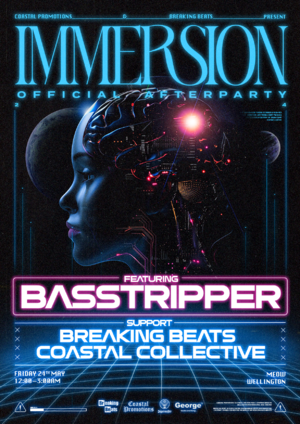
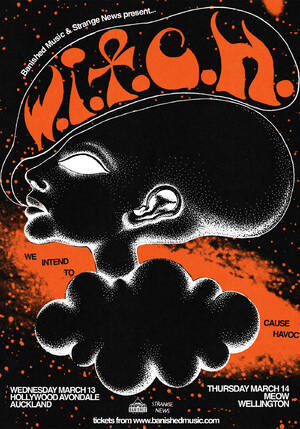
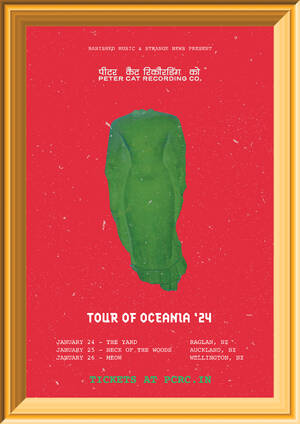
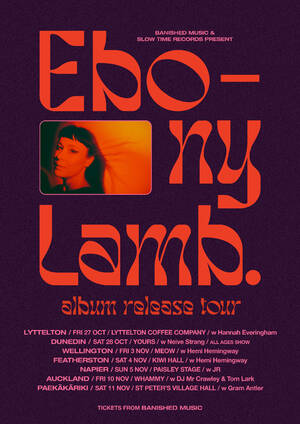
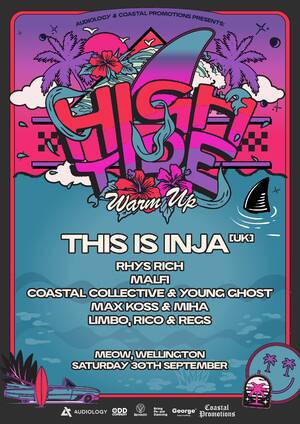
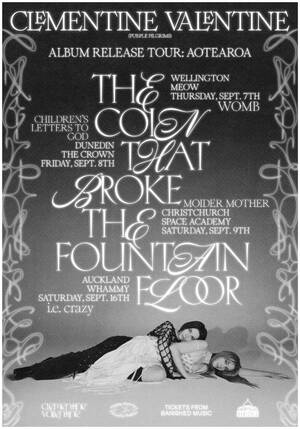
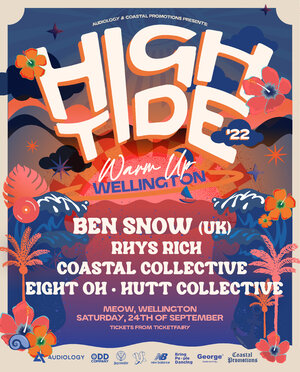
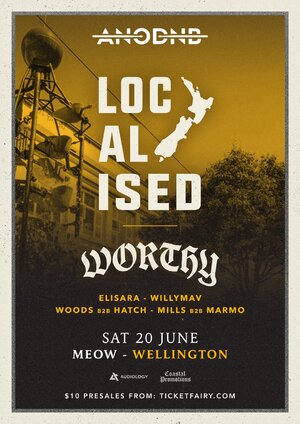
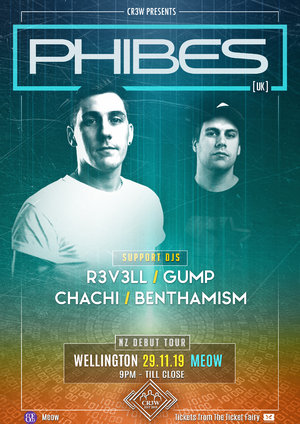
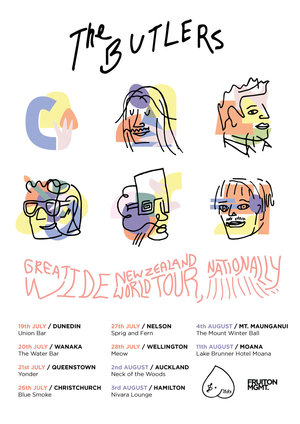
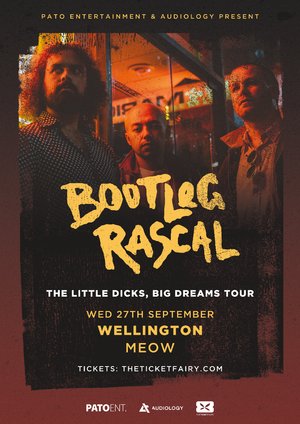
The venue’s recent calendar shows how broad that booking policy is. In 2021, listings included folk songwriter Colette Rivers, veteran New Zealand performer Andrew Fagan and the hard-bop NewBop Quintet. The 2022 programme included the avant-garde, alt-folk group Recitals, while 2023 brought Grays Road’s instrumental progressive rock, Marlin’s Dreaming’s indie-pop, Clementine Valentine’s art-pop and Summer Thieves’ alternative rock.
During 2024, Meow hosted international and local acts including Wednesday, French for Rabbits, Machinedrum and PARK RD. Those bookings ranged from noisy indie and shoegaze-influenced rock to electronic production, dream-pop, folk and guitar-led pop. The range is typical of Meow: a single week can include a touring alternative act, a dance-focused night, a jazz bill or a songwriter playing with an extended ensemble.
The 2025 calendar continued that mix with Cosmo Pyke, Twine, The D4, Search For Yeti, French for Rabbits, Mokomokai, WAIWHAI, Star Time and Wellington album-release shows such as Dropper. These examples demonstrate that Meow books both established touring artists and emerging local acts, with particular strength in independent guitar music, adventurous electronic work, jazz, soul, roots and genre-crossing Aotearoa artists.
In 2026, the listed programme has included Mandidextrous, Archspire, Snotty Nose Rez Kids, Fur Patrol, The Bats, Steve Poltz, Yawning Man, Public Service Broadcasting, John Maus, Regurgitator, Snapped Ankles and Vera Ellen. The archive records 35 performances in 2021, 45 in 2022, 91 in 2023, 83 in 2024, 53 in 2025 and 19 already listed for 2026 at the time of its latest update. The 2026 figure should be treated as a live listing count rather than a final annual total.
Announced shows later in 2026 include Liv.e and Karriem Riggins’ GENA project, Meow’s 18th-birthday celebration, Papa M with Mick Turner, Shonen Knife, Simple Animal and Kristin Hersh. Announcements extending into 2027 include Good Habits and Osees. Meow’s birthday bill is especially representative of the room’s identity, combining dub, reggae, hip-hop, soul, jazz, R&B, DJ culture and local musicians in one programme.
Tickets and Booking
Tickets are normally announced through the venue’s event calendar or the promoter responsible for a particular show. The venue’s own page separates event listings from booking enquiries, so check the individual event information for the age rating, door time, start time, ticket release stages and whether any tickets remain. There is no single price structure across all events.
Recent listings suggest a useful general guide of about NZ$10 to NZ$25 for many local bills, NZ$25 to NZ$40 for established touring or album-release shows, and roughly NZ$50 to NZ$60 for higher-profile international bookings. Examples include a NZ$15 2023 release show, NZ$25 for PARK RD in 2024, NZ$29–$49 for Machinedrum, NZ$20 for Twine and NZ$59 for Cosmo Pyke. Booking fees, release tiers and special-event pricing can change the final amount.
Popular shows can sell out before the night, particularly when an established New Zealand act is returning after a long gap or when an international artist is playing a small Wellington room. Buying during the first public release is the safest approach. Presales may be offered by the promoter, while door sales depend on the event and remaining capacity; do not assume a sold-out show will have tickets available at the entrance.
Keep the confirmation or ticket barcode accessible on your phone, but also allow time for the queue, identification checks and entry procedures. Doors and performance times vary widely: some shows open at 7pm, while DJ and late-night events may not begin until 10pm or later.
About Meow
Meow opened in October 2008. Damian Jones established the original Edward Street venue, with Rahine O’Rielly joining him soon afterwards. The pair have built Meow into one of Wellington’s longest-running independent music venues and a regular stop on the New Zealand touring circuit. Industry venue directories list the room’s capacity as 400.
The venue occupies a brick building tucked inside the city block between Manners, Willis and Victoria Streets. Its entrance is reached along the narrow, alley-like Edward Street rather than from a major road, which gives Meow a deliberately hidden, local feel. A walkway from the Manners–Victoria area and a covered route from Willis Street through the nearby food-court complex are useful landmarks for first-time visitors.
Meow matters because Wellington has repeatedly lost or outgrown music rooms while demand for small and medium-sized live performance has remained strong. A 2018 discussion of the city’s music scene described Meow and similar venues as important to local artists, while later city planning material identified the pressure created by noise complaints, neighbouring development and the lack of suitable live-music infrastructure. The owners’ later opening of the larger Meow Nui was a response to that wider gap, not a replacement for the Edward Street room.
Seating and Layout
Meow is primarily a standing venue, with the central floor arranged around a raised performance stage. It is not a conventional theatre with numbered seats, a balcony or reserved sections. Event-specific seating can vary, and documented venue information refers to a mixture of bar stools and ordinary chairs for seated events or visitors who need a break from standing.
For the strongest sense of crowd energy, stand towards the centre-front, although that area becomes dense during a popular band or dance event. The sides and rear are better for a less compressed view, easier movement and conversation between sets. A position slightly off-centre can be a good compromise: it usually keeps the stage visible while avoiding the most concentrated speaker coverage and the busiest part of the dancefloor.
Reviewers have praised the long stage and the ability to see performers from several parts of the room. The compact footprint also means there is less distance between the audience and performers than at a large theatre. On the other hand, sightlines depend on crowd height and arrival time, so visitors who need a clear view or a place to sit should arrive early and speak with staff before the room fills.
Architecture, Design and Technical Production
Public information about Meow’s architectural history is limited compared with the detailed material available for its larger sister venue. The Edward Street room is best understood as a converted inner-city bar and performance space rather than a purpose-built concert hall. Its brick surroundings, compact proportions, bar-led layout and concealed lane entrance are central to its character. A public technical sheet does not provide room dimensions, ceiling height, stage dimensions or a published floor plan, so those specifications should not be assumed.
The production inventory is much more detailed. Meow’s house PA includes four Nexo PS15 R2 front-of-house boxes, two Nexo LS1200 18-inch subwoofers, four Nexo L15 15-inch subs and six Nexo PS15 monitors. The mixing system is a Behringer Wing 48-channel digital console with a Midas DL32 stage box. The venue also lists a substantial microphone, DI, stand and cable package for touring and local productions.
Lighting is based around a 48-channel scene-setter dimmer console and 12 Slim Par Pro Q LED fixtures. A hazer can be hired when arranged in advance, with a listed hire charge of NZ$50. Backline includes a three-piece Ludwig maple drum kit, bass and guitar amplifiers, a Schimmel upright piano, DJ players, mixers and Technics turntables. Some equipment carries separate hire charges or requires advance approval.
Those facilities explain why the room can switch quickly between an acoustic songwriter, a full rock band, a jazz ensemble, a DJ set and a club-style late show. A 2024 jazz-club newsletter specifically praised the venue’s sound technician after a performance, while a 2025 review described Meow as having plenty of room, friendly staff and a stage visible from different angles.
Getting There and Parking
The address is 9 Edward Street, Te Aro, Wellington 6011. Edward Street is narrow and is not a practical place to park. For drop-offs, use the surrounding Willis Street, Victoria Street or Manners Street approaches rather than expecting to stop directly outside the door. The venue can be reached on foot from the Willis–Victoria area through the covered food-court connection, or from Victoria Street by following Edward Street into the block.
Nearby off-street parking includes the Lower Willis building at 151 Willis Street and the Victoria Street Parking Centre at 15–21 Victoria Street. Current published Lower Willis rates list evening and weekend parking from NZ$4 per half-hour, with a maximum of NZ$15 for the applicable period; daytime weekday rates are higher. Parking prices and conditions can change, so check the signs on arrival.
Wellington’s central bus network runs along the nearby Willis, Victoria, Manners, Dixon and Cuba Street corridors. Wellington Railway Station is roughly a 10–15-minute walk away according to visitor information for the venue. From the station, walk south through the central city towards Lambton Quay and Willis Street, continue into Te Aro, then use the Victoria Street or covered Willis Street approach to Edward Street. ticketfairy.com
Rideshare and taxi passengers should be dropped on a wider nearby street and walk the final short distance. This is more practical than asking a driver to enter Edward Street, especially during a busy Friday or Saturday night.
Inside the Venue
Expect a bar-first live-music atmosphere rather than a formal theatre experience. Meow has historically operated as a bar, café and performance venue, and visitor reviews commonly describe it as intimate, cosy and friendly. The bar is part of the social experience, while the stage and dancefloor take over the room for concerts. Food availability can vary with the event and trading hours, so do not rely on a full pre-show meal inside unless the listing confirms it.
Allow extra time to find the entrance because Edward Street is easy to miss. Once inside, the main practical considerations are standing for long periods, crowd density near the stage and the possibility of a late finish. Wear comfortable footwear, keep valuables secure and avoid bringing anything bulky that will be awkward in a packed room. No general dress code, coat-check policy or venue-wide bag policy is publicly confirmed.
Restroom locations, merchandise arrangements, photography rules and food service can differ by event. Merchandise is most likely to be handled by the artist or promoter rather than as a permanent venue service. If any of those details are essential, check the individual event information before travelling.
Nearby Amenities
Meow is surrounded by one of Wellington’s densest clusters of restaurants, bars, cafés and late-night food. Cuba Street, Manners Street, Dixon Street and Courtenay Place are all within walking distance, giving visitors plenty of choices before or after a show. Nearby options include Asian street food at Mr Go’s, Italian food at Santeria, pub meals and late-night service at Gibbon’s Hotel, and bars along Cuba Street and Dixon Street.
For a quick meal after a late event, Te Aro has takeaway and fast-food businesses trading into the night, although hours vary by day. Hotels and serviced accommodation are concentrated through Te Aro and the central city, so visitors staying in Wellington’s CBD can generally walk back or use a short taxi or rideshare trip after the final set. Late-night public transport is less frequent than daytime service, so check the last suitable bus before the encore if you are travelling beyond the city centre.
What Makes This Venue Special
Meow’s appeal is the combination of scale, independence and variety. At 400 capacity, it can make an emerging band feel important without losing the closeness that touring artists value in a small room. Its programme also reflects Wellington’s musical personality: technically capable but unpretentious, comfortable with jazz and experimental work, and equally willing to host loud guitar music, electronic nights, poetry, comedy or a dance-focused bill.
The hidden Edward Street setting has become part of the venue’s local lore. Visitors often describe Meow as a room that feels discovered rather than presented, while the surrounding lanes make it easy to combine a show with dinner, another gig or a late-night drink. The venue’s 18th-birthday programme in 2026 presents that identity directly, bringing together local legends, emerging artists, electronic selectors and international visitors in a single night.
Its cultural importance is also practical. Independent venues employ sound engineers, lighting operators, security staff, bar workers, cleaners, promoters and touring crews, while providing a first serious stage for artists who may later move into larger rooms. Meow’s survival through the pandemic-era venue crisis, its participation in national venue-support programmes and its continuing role on the touring circuit show why small venues matter beyond the individual concert.
Visitor Tips and Information
Most evening concerts are R18, but age rules are set event by event. Some shows are listed as all ages, while club nights and many bar-based performances are restricted to people aged 18 and over. Bring accepted photo identification if the event is R18, and do not assume that a young person can enter simply because they are accompanied by an adult.
Public accessibility information is not fully consistent. A 2026 city-festival listing identifies Meow as wheelchair accessible, with an accessible bathroom, but also notes stairs. Another visitor listing describes the venue as not wheelchair accessible. Because the published information conflicts, visitors who require step-free entry, accessible toilet facilities, a viewing position or seating should confirm the exact arrangement for the event before buying a ticket. No public room-by-room access plan or formal ADA-equivalent statement was found.
Arrive 30–45 minutes before the advertised start if you want a good sightline, need seating, are unfamiliar with the entrance or expect a popular show. Bring ear protection for loud rock, punk and electronic events. Keep your phone charged for entry confirmation and transport home, and check the final bus or rideshare plan before the performance ends.
Frequently Asked Questions
Where is Meow in Wellington?
Meow is at 9 Edward Street in Te Aro, Wellington 6011. The venue sits inside the block between Manners, Willis and Victoria Streets, so it is not as prominent as venues on Cuba Street or Courtenay Place. Look for the narrow Edward Street entrance and allow a few extra minutes if you have not visited before.
What type of venue is Meow?
Meow is an independent live-music venue, bar and late-night performance space. Its programme includes indie, rock, punk, jazz, electronic music, hip-hop, soul, reggae, experimental acts, comedy and spoken-word events. Most concerts use a standing-room format, although chairs and bar stools may be available for some events or visitors who need to sit.
How many people does Meow hold?
Published New Zealand venue-industry information lists Meow’s capacity as 400. The actual number admitted can vary by event because promoters may allow space for a stage setup, production equipment, seating, barriers or a dancefloor. Treat 400 as the venue’s listed maximum rather than a guarantee that every concert will use the whole room.
Is Meow mostly seated or standing?
Meow is generally a standing venue, especially for rock, electronic and late-night shows. Some event formats provide chairs or bar stools, but there is no standard theatre seating plan or reserved-seat layout. If you need to sit, arrive early and speak with staff before the crowd becomes dense; seating availability can depend on the promoter’s production plan.
What are the best places to stand at Meow?
The centre-front usually gives the closest view and strongest connection with the performer, but it can become crowded. The sides offer a more relaxed experience, while the rear can provide easier access to the bar and exits. For a balance of sound and sightlines, try a position slightly off-centre rather than standing directly beside a speaker or at the busiest front point.
What ticket prices should I expect at Meow?
Recent event listings show many local shows priced around NZ$10–$25, established touring acts around NZ$25–$40 and some international bookings around NZ$50–$60. Prices vary by artist, release tier, promoter and booking fee. The individual event listing is the reliable source for the final price, age restriction and whether tickets remain available.
Do Meow shows usually sell out?
Some do, particularly returning New Zealand artists, popular album launches and international acts booked into the relatively small 400-capacity room. A previous Summer Thieves listing described the band’s Wellington tour as sold out before a later return. For high-demand shows, buy during the first release rather than relying on door sales or last-minute availability.
Are Meow events R18?
Many evening concerts and late-night events are R18, but the restriction is not universal. Some daytime or specially arranged shows may be all ages. The age rating belongs to the individual event, so check it before travelling and bring valid photo identification when the listing says R18. Accompanying an under-18 guest does not automatically override the event’s licence conditions.
Can under-18s attend Meow?
Only when the specific event is advertised as all ages or otherwise permits younger attendees. Wellington’s licensed live-music venues commonly operate under age restrictions, and many Meow listings are R18. Do not rely on general venue reputation; check the event’s age category before purchasing. If the listing is unclear, ask the organiser before arriving rather than risking refusal at the door.
Is Meow wheelchair accessible?
Public information is inconsistent. A 2026 festival access listing identifies Meow as wheelchair accessible and notes an accessible bathroom, while another current visitor listing says it is not wheelchair accessible. Stairs are also mentioned in the festival information. Visitors requiring step-free access, an accessible toilet or a specific viewing position should confirm the exact arrangement for their event before buying a ticket.
Is there parking directly outside Meow?
Edward Street is narrow and is not suitable for ordinary event parking. Use nearby streets or an off-street car park instead. The Lower Willis parking building at 151 Willis Street is one documented option, while the Victoria Street Parking Centre is another. Evening and weekend rates can be lower than weekday daytime rates, but always check the current signs before leaving your car.
How do I walk to Meow from Wellington Railway Station?
Allow approximately 10–15 minutes. Walk south from Wellington Railway Station through the central city towards Willis Street, continue into Te Aro, then approach Edward Street from Victoria, Manners or Willis Street. The covered route through the nearby food-court complex can be useful in poor weather, although visitors with mobility requirements should confirm the most suitable route in advance.
Are buses available near Meow?
Yes. Central Wellington bus routes use corridors around Willis Street, Victoria Street, Manners Street, Dixon Street and Cuba Street, all within a short walk of Edward Street. Exact stops and late-night services change, so check the route for your return journey before the show finishes. Walking from the central bus and railway areas is often straightforward during the evening.
Does Meow have food?
Meow has historically operated as a bar and café as well as a music venue, and reviews mention food and drink service. However, food availability can vary by trading hours, event and staffing. For a guaranteed meal, use the restaurants around Cuba Street, Manners Street, Dixon Street or Courtenay Place before the show rather than assuming the venue will offer a full menu.
Does Meow have a coat check?
A permanent coat-check service is not publicly confirmed. Because the room can become crowded, avoid bringing bulky jackets or large bags when possible. If you need to bring essential equipment or mobility items, check the event information before attending. Keep valuables close and remember that a standing concert offers less personal space than a seated theatre.
Can I buy merchandise at Meow?
Merchandise is normally controlled by the performing artist or promoter rather than being a permanent venue facility. Some touring and album-release shows may have records, clothing or posters available near the entrance or bar. Availability, payment methods and opening times vary, so bring a little extra time after the performance if you want to browse.
What sound system does Meow use?
The published technical inventory lists Nexo front-of-house speakers and subwoofers, six Nexo monitors, a Behringer Wing 48-channel digital console and a Midas DL32 stage box. The venue also carries microphones, DI boxes, stands and cables. Its equipment supports full bands, acoustic acts, jazz ensembles, DJs and electronic performances without requiring every promoter to bring a complete sound system.
Does Meow have professional lighting?
Meow’s published production information lists a 48-channel scene-setter dimmer console and 12 Slim Par Pro Q LED fixtures. A hazer is available when arranged in advance and carries a listed hire charge. The lighting package is suitable for club nights, bands and small touring productions, although the exact look depends on the visiting artist’s lighting plan and operator.
What should I bring to a Meow gig?
Bring your ticket confirmation, valid photo identification when required, a charged phone and comfortable shoes. Earplugs are sensible for loud rock, punk and electronic shows. Avoid bulky bags and unnecessary valuables. If you need seating or accessible viewing, arrive early and identify yourself to staff before the room fills. Check the event listing for any special promoter instructions.
How early should I arrive?
Arrive 30–45 minutes before the advertised start for a popular concert, a preferred standing position or a more comfortable entry experience. Add more time if you need to find parking, collect tickets, meet friends or confirm access arrangements. Late-night DJ shows may have later doors and different queues, so use the event’s published door time rather than assuming every Meow performance follows the same schedule.
What is Meow’s relationship with Meow Nui?
Meow Nui is the larger sister venue at 92 Vivian Street, created by the same owners to address Wellington’s shortage of a dedicated mid-sized music room. Meow remains the smaller Edward Street venue, while Meow Nui is designed for audiences of about 1,000. Check the address carefully when buying tickets because the two venues book similar artists but offer very different layouts.