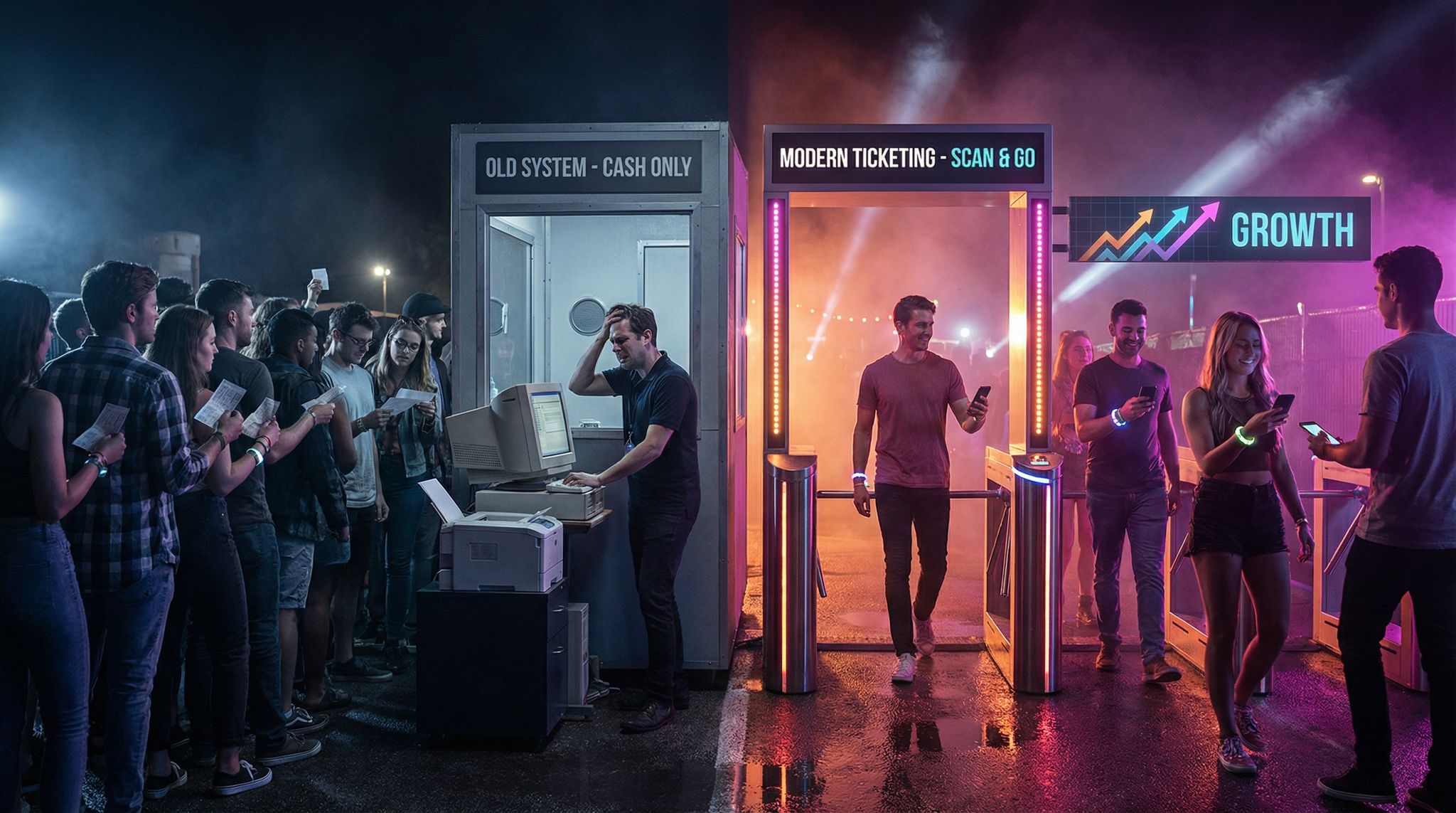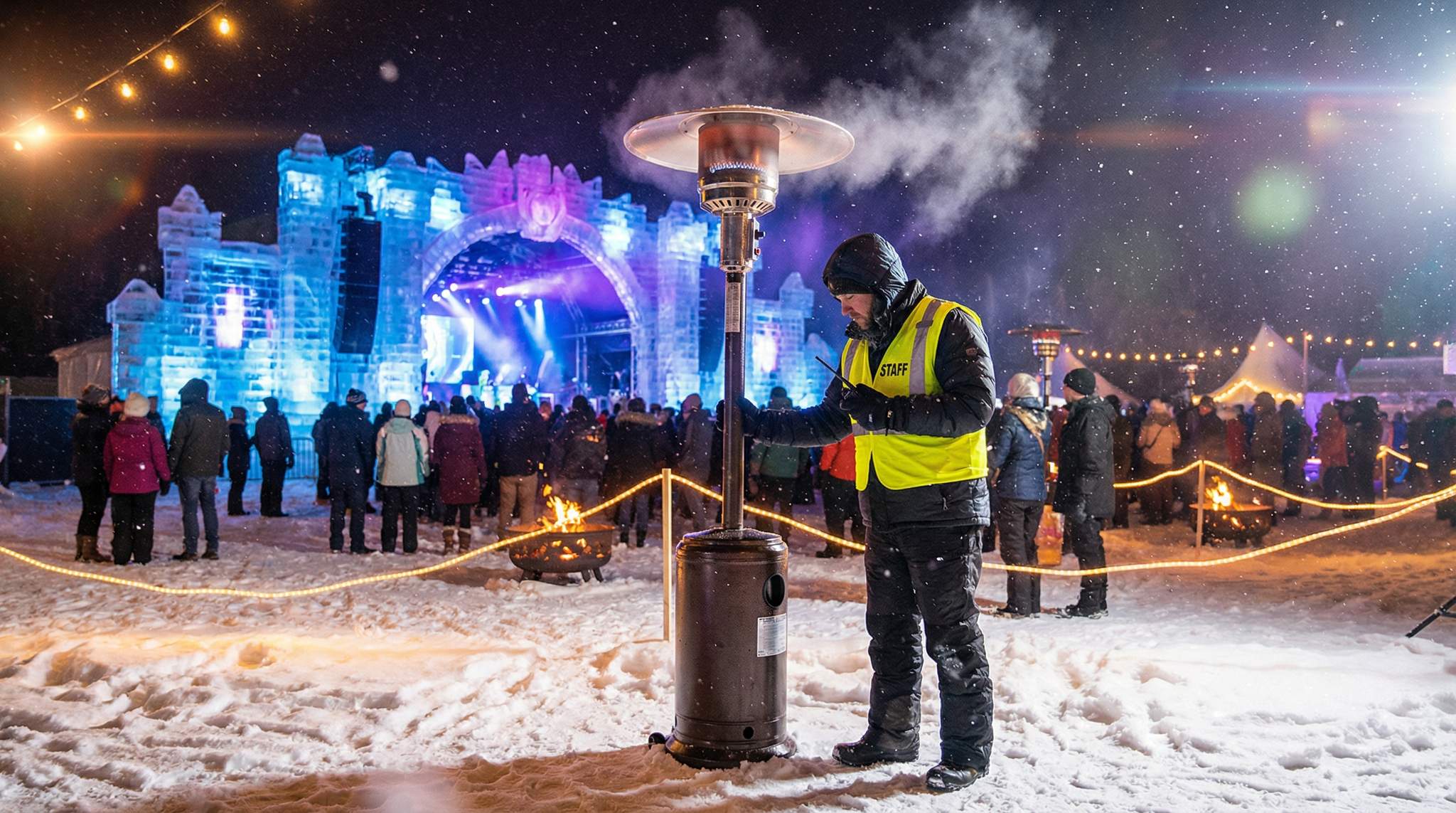
Introduction
Winter festivals transform the year’s coldest months into some of its most magical celebrations. From small-town ice carnivals to world-famous events drawing international tourists, these festivals thrive by embracing the snow and ice. Producing a winter festival requires meticulous planning and creative problem-solving. Organizers must balance weather challenges (freezing temperatures, snowstorms) with attendee expectations for comfort and spectacle. The result, when done right, are unforgettable experiences that warm hearts despite the chill.
Key Stat: Up to one million people attend Quebec’s Winter Carnival in Canada in some years – a testament to how massive and vibrant a winter festival can be, even in -10°C weather. This festival’s enduring success shows that with savvy production, cold conditions are no barrier to huge crowds.
In this authoritative guide, we break down everything veteran festival producers have learned about mastering winter festivals. It covers planning the right dates, choosing resilient venues, designing weatherproof infrastructure, keeping crowds warm, and much more. Whether it’s a boutique alpine gathering or a major city winter wonderland, the core principles remain similar – anticipate the unique demands of winter and turn them into advantages. Let’s dive into the strategies that ensure a winter festival not only survives the cold, but truly shines in it.
Table of Contents
- Planning & Timing for Winter Festivals
- Choosing the Right Venue: Urban Squares to Snowy Peaks
- Creative Programming & Atmosphere in Winter
- Infrastructure & Cold-Weather Operations
- Permits, Insurance & Risk Management
- Weather Contingency Planning & Safety
- Attendee Comfort & Experience
- Food & Beverage in the Cold
- Crew, Volunteers & Artist Care
- Marketing & Ticketing Strategies
- Budgeting & Finance for Winter Events
- Community Relations & Post-Event Legacy
- Essential Reading
- Frequently Asked Questions
- Glossary
- Conclusion
Planning & Timing for Winter Festivals
Planning a successful winter festival starts with embracing the season’s realities and opportunities. The first consideration is when to hold the event. Organizers should carefully research typical weather patterns and “climate windows” for their region. For instance, in many areas January brings deep freezes, whereas early February might offer a slightly milder spell. Choosing optimal dates and locations means targeting a winter window with manageable weather conditions – ideally a period historically low on blizzards but still offering that magical snowy backdrop. If your festival is built around natural ice and snow, plan it when those elements are most reliable, but always have a backup plan (like artificial snow machines or alternative programming) in case nature doesn’t cooperate.
Timing also ties into holidays and local traditions. Many of the most enduring winter festivals piggyback on the festive spirit of the season. Organizers may integrate traditional events like Lunar New Year, Christmas markets, or regional winter customs to give the festival local authenticity. A mountain village might schedule its event just after New Year’s to extend holiday tourism, while a city could align with an existing ice sculpture week or folk celebration. Incorporating community traditions can rally local support and free marketing – consider blending local winter customs and holiday markets into the festival to tap into an audience that’s already excited about the season.
Another planning advantage in winter is artist and vendor availability. The winter months are an off-season for many touring performers and festival vendors, meaning less competition and sometimes lower fees. Booking talent during the off-season is often easier?7? – popular bands or DJs who are hard to snag in summer might jump at a unique winter gig. Producers can route artists through winter ski resorts or city festivals when they’d otherwise be on break, creating a win-win. However, factor in travel logistics: an artist flying in during a snowstorm might face delays, so have contingency plans (e.g. local openers or flexible scheduling) if a headliner is late.
Planning a Festival?
Ticket Fairy's festival ticketing platform handles multi-day passes, RFID wristbands, and complex festival operations.
Pro Tip: Festival organizers should collaborate with local tourism boards when choosing dates. Many cities and ski resorts are eager to fill hotels in the winter lull and may provide free marketing or financial support if your dates boost their off-season economy. Leveraging these partnerships can lock in an ideal weekend that benefits everyone.
Finally, scale your plans to the festival’s size and audience. Small boutique winter festivals (a few hundred attendees) can be nimble – perhaps a one-day affair timed for the coziest weekend, focusing on local talent and community feel. Mid-sized events (a few thousand people) might span a long weekend, balancing daytime family activities with nighttime shows. Major winter festivals (tens of thousands strong, even international visitors) often run a full week and require year-round planning. In any case, start planning early – securing permits, infrastructure, and marketing should begin 8-12 months ahead for large events, and at least several months out even for smaller ones. Winter weather is unpredictable, so build in extra lead time for problem-solving. With the right timing and groundwork, a winter festival’s frozen challenges turn into its coolest assets.
Choosing the Right Venue: Urban Squares to Snowy Peaks
Selecting a site for a winter festival goes beyond aesthetics – it’s about finding a location that can handle cold-weather logistics while delivering the desired atmosphere. Options range widely: city plazas, ski resorts, frozen lakes, coastal harbors, remote forests blanketed in snow, and more. Each setting brings pros and cons, and veteran producers assess venues through the lens of access, infrastructure, and natural hazards.
Urban settings offer convenience. City squares or downtown parks come with existing infrastructure like power sources, public transit, nearby hotels, and potentially some indoor facilities. These are ideal for accessible, all-ages winter festivals such as tree-lighting ceremonies or holiday markets. However, urban venues require diplomacy with neighbors and thorough permitting. Noise and street closures are sensitive issues in quiet winter months. Organizers should practice proactive neighbour relations to keep the peace during a winter festival – for example, by communicating plans early, ending loud music by a reasonable hour, and coordinating with city services for snow clearing. On the plus side, cities often have emergency services close at hand, which is reassuring if extreme weather hits.
Turn Fans Into Your Marketing Team
Ticket Fairy's built-in referral rewards system incentivizes attendees to share your event, delivering 15-25% sales boosts and 30x ROI vs paid ads.
In contrast, mountain or ski resort venues immerse attendees in a true winter wonderland. Festivals like Tomorrowland Winter in the French Alps or local snow festivals at ski areas take advantage of stunning alpine scenery, guaranteed snow, and existing winter infrastructure (ski lifts, lodges, snow groomers). These sites handle cold conditions by design. However, high-altitude venues introduce unique challenges: potential avalanche risks, altitude sickness for unacclimated attendees, and limited road access if heavy snow falls. If you’re considering a ski resort or mountaintop, plan for unique mountain festival contingencies like avalanche monitoring and ski patrol integration. Warning: Mountain festival sites can face avalanche danger after heavy snowfall. Failing to consult experts and put an avalanche safety plan in place could put attendees at extreme risk. Always work with local ski patrol or forestry officials to assess and mitigate avalanche zones, and have a protocol to shut down affected areas if necessary.
Pro Tip: At remote snowy venues, never rely on cell phones alone. Establish a radio communications network or have satellite phones on standby. If a storm knocks out phone service, staff and emergency responders must still coordinate. In remote winter conditions, robust communication systems are a lifesaver.
Remote rural sites – frozen lakes, open fields, or forests – allow creative freedom and a feeling of adventure. They’re great for niche events like wilderness music gatherings or ice-fishing derbies. But with isolation comes responsibility: organizers must create a self-sufficient “pop-up town” in harsh weather. That means arranging generators, heaters, portable shelters, and reliable communications where none exist. It’s crucial to do detailed contingency planning for communications and emergency response at remote winter sites since help could be far away. Also, consider how ambulances or maintenance vehicles will reach the site if roads are icy – sometimes having a plow on standby is a must.
Coastal winter festival sites present another scenario. An oceanfront boardwalk or harbor can be picturesque in winter (think New Year fireworks over water), but sea winds and salt air are tough on equipment. Tidal changes might flood a low-lying area or create icy patches when seawater splashes and freezes. Planners should account for special coastal winter factors like salt corrosion, high winds, and tides when picking such venues. For instance, use corrosion-resistant truss and keep electronics protected from salt spray. Wind can be fierce over open water, so windbreaks and extra-secure staging are needed.
Ultimately, the ideal site strikes a balance between enchantment and practicality. A charming historic town square might be perfect if local authorities support the event and infrastructure upgrades can be made. A remote alpine valley could host a boutique festival if you budget for robust logistics. Producers often develop a site selection matrix comparing urban squares, resorts, waterfronts, etc., on key criteria like accessibility, existing facilities, weather exposure, and community buy-in. It’s not just about finding a beautiful snowy backdrop – it’s about ensuring that backdrop can safely support the festival’s needs under winter conditions.
Creative Programming & Atmosphere in Winter
A winter setting opens up unique programming possibilities that would be impossible in summer. The key is to play to winter’s strengths – the early darkness, the snow and ice, and the craving for warmth – to craft an unforgettable atmosphere. Many veteran producers design their content specifically for the season, as evidenced by the popularity of light installations, ice activities, and cozy themed performances at cold-weather events. In fact, light trails, holiday markets, and acoustic sets have become staple programming choices for winter festivals. These elements not only enchant attendees but also work well despite (or because of) the cold environment.
Boost Revenue With Smart Upsells
Sell merchandise, VIP upgrades, parking passes, and add-ons during checkout and via post-purchase emails. Increase average order value by up to 220%.
One big draw of winter festivals is illuminating the long nights. With darkness falling as early as 4–5 PM in some regions, lighting design moves to center stage. Many festivals turn their venue into a canvas of light: think dazzling LED displays on trees, projection mapping on snowbanks or building façades, and synchronized light shows set to music. For example, some European winter light festivals line entire trails with artful lanterns and interactive light sculptures, inviting attendees to wander through a glowing wonderland. Investing in creative lighting design to illuminate long winter nights is crucial not just for aesthetics, but also for safety and navigation. And it’s an area to get imaginative – colored lights reflecting off fresh snow or glittering ice can create breathtaking visuals that summer events can’t replicate.
Winter also allows for ice and snow-based attractions that become signature features of a festival. Many producers incorporate elements like ice-carving competitions, snow sculpture gardens, or even full ice architecture. The Harbin Ice Festival in China, for instance, is famous for building an entire city of ice – a concept far beyond the scope of most events, but inspiring nonetheless. A more modest festival might include an ice carving demonstration or an igloo building workshop for attendees. When planning such features, ensure you have the necessary expertise and safety measures: provide power and safe cabling for tools like chainsaws or chisels, clear falling ice shavings, and put barriers so audiences watch at a safe distance. If you plan to feature these, it’s wise to review safety and power guidelines for snow sculpting and ice carving attractions to protect both the artists and the public.
Need Festival Funding?
Get the capital you need to book headliners, secure venues, and scale your festival production.
Some winter festivals introduce ice skating rinks or snow play areas as interactive fun. An ice rink can be a huge draw for families and teens – think of holiday markets with pop-up rinks. Operating one safely means arranging maintenance (resurfacing the ice, if it’s a temporary rink), monitoring crowd capacity, and handling skate rentals. Crucially, consider liability and insurance; slips on the ice are common, so you might need waivers or on-site medics. Proper planning will follow best practices like those in operating an ice rink attraction safely, including liability considerations. If a rink isn’t feasible, other snow activities could work – sledding hills, tubing slides, or a supervised snowball fight arena (with rules to keep it fun, not injurious!). These playful options delight younger attendees and keep people active (and thus warmer).
Cultural and musical programming should also align with the winter vibe. Acoustic or folk music sets by firelight, choir performances, or themed costume days (ugly winter sweaters, anyone?) can foster a cozy communal atmosphere. In extremely cold settings, high-tempo electronic or rock acts may be scheduled earlier in the evening when the crowd’s energy is high and can help people forget the chill by dancing. Some festivals have discovered that quieter late-night sets work better in winter to respect the stillness of the season and local noise ordinances. Even sound design might shift – dense cold air carries sound differently, and quiet winter landscapes mean music can travel farther. Engineers will end up adjusting festival sound systems for cold, dense air to ensure audio quality on-site without blasting distant neighbors. Additionally, if you include fireworks or drone light shows as a finale (common around New Year’s), schedule them a bit earlier in the night than you would in summer, as temperatures usually plummet later on and you want the largest possible audience present and comfortable.
Warning: If your festival’s centerpiece is a snow-dependent attraction – say, an ice castle or snow maze – always have a backup plan in case of unseasonable weather. A mid-winter warm spell or unexpected rain could melt your marquee feature. Savvy producers prepare contingencies: reinforce structures with refrigerated panels, or pivot to alternative programming (such as more live performances or light shows) so attendees still get a full experience even if Mother Nature doesn’t cooperate.
Atmosphere is also about scenic design and decor. Winter scenery can be stark and white, so carefully choose materials and colors that pop against snow and withstand moisture. Brightly colored banners, weatherproof murals, or warm wood-themed installations can contrast beautifully with a white landscape. Use decor elements that won’t be ruined by wet or cold – for instance, treated lumber, metal, and outdoor-rated fabrics for stages and art pieces. Avoid flimsy plastics that become brittle or paints that crack in freezing temps. Many designers find success with UV-resistant and waterproof materials and a palette that remains visible in low light. The goal is to ensure your festival still looks inviting in a blizzard or under a gray sky. Even something simple like strings of fairy lights on bare trees adds charm and visibility. Ultimately, programming and atmosphere are about capitalizing on what winter offers: darkness, snow, intimacy, and the joy of warmth. By tailoring entertainment and decor to these elements, a winter festival becomes a truly immersive seasonal celebration.
Pro Tip: Lean into the early darkness by scheduling a “magic hour” event each evening. Whether it’s a synchronized lighting ceremony or a special sunset acoustic performance by a bonfire, giving attendees a daily highlight at dusk capitalizes on the long nights. Not only does this create a memorable ritual, it also encourages people to arrive on time and stick around – boosting overall engagement despite the cold.
Infrastructure & Cold-Weather Operations
Building a festival site for winter is an exercise in fortifying everything against the elements. Underestimating the power of snow, ice, and cold can have serious consequences, so experienced producers design infrastructure with worst-case winter scenarios in mind. A foundational step is ensuring all structures and staging are rated and prepared for winter conditions. For instance, using robust tents, stages, and truss systems engineered for snow load and high winds is non-negotiable. Standard summer festival tents might collapse under a heavy snowfall, so upgrade to alpine-rated tenting or add extra support. Crew should also plan for ballast instead of ground stakes – frozen ground often makes staking impossible or unreliable. Concrete ballast blocks, water barrels (with added antifreeze), or weighted base plates secure structures when you can’t drive stakes into rock-hard soil. Consult with tent suppliers about structures built and ballasted to handle snow loads and wind – they may recommend double-stacking weights or additional truss bracing for safety in blizzard conditions.
One of the biggest operational tasks is snow and ice management. The festival site plan should integrate ways to keep pathways, stages, and common areas clear and safe. This often means scheduling regular plowing or shoveling of key areas, sometimes even during the event if snow is falling. Use a combination of plows for large zones (parking lots, main thoroughfares) and manual shoveling for delicate spots (around cables or stage edges). Apply salt or sand on walkways to prevent ice build-up, but be mindful of environmental impact – in sensitive locations, sand or specialized de-icers might be preferable to tons of road salt. Many events create a dedicated “snow team” that continuously monitors for slippery spots and addresses them. Implement rigorous snow and ice control routines to keep grounds safe and plan where to pile removed snow so it won’t block visibility or emergency egress. Speaking of egress, always keep exit routes and emergency lanes free of snowbanks (have crew on standby to shovel out exits if wind-driven snow drifts against fencing?44?).
Key Stat: Just 6 inches (15 cm) of wet snow on a 2,500 sq ft (232 m²) tent roof weighs roughly 12,000 pounds (5,400 kg) – about the weight of an elephant. Regularly clearing accumulated snow from tent tops and structures isn’t optional – it’s critical to prevent dangerous collapses.
Ground conditions require special attention. Audiences standing for hours in the cold will thank you for any kind of insulated or non-slip flooring. If budget permits, lay down temporary flooring in high-traffic areas: for example, interlocking event floor tiles or wooden platforms create a barrier from the frozen ground and provide traction. Even simple measures help; straw or mats on paths can reduce mud and slip risk, though in deep cold mud is less an issue than ice. Remember that beneath a thin layer of snow there could be treacherous black ice, especially on asphalt or concrete. Conduct a thorough site walk each day to identify and mitigate icy patches. Strategically placing rubber mats or carpeting at stage fronts, in front of vendor booths, and inside tents can significantly improve footing. As the saying goes, an ounce of prevention is worth a pound of cure – it’s easier to deploy matting or traction aids preemptively than to deal with injuries. Many veteran site managers also carry a stockpile of gravel or kitty litter to throw down for grip in emergency trouble spots (these provide traction without the melting effect of salt, useful at very low temps where salt might not work well).
Power and electrical infrastructure in winter require winterization to ensure reliability. Generators are the lifeblood of many festivals, and in freezing weather they face issues like diesel fuel gelling (thickening) and battery failures. It’s crucial to use winter-grade fuel or additives to prevent gelling, and to insulate or warm critical generator components if temperatures drop extremely low. Some producers even house generators in ventilated enclosures or tents to keep them above a certain temperature. Ensuring generators and fuel are reliable in freezing temperatures can involve simple steps like using block heaters, having spare fuel filters, and running generators periodically overnight so they don’t struggle from a cold start. Always have backup power units on-site; a generator failure on a winter night isn’t just inconvenient, it can quickly become a safety hazard if lights and heaters go out. Distribute power loads wisely, as heating equipment will draw heavy amperage – you might need additional generators solely for the dozens of patio heaters or tent warmers in use.
Warning: Fuel-fired heaters and generators must be used with extreme caution. In enclosed spaces like tents, propane or diesel heaters can produce carbon monoxide – an odorless, deadly gas. Always provide proper ventilation for heated tents and schedule frequent safety checks. If staff show any signs of dizziness or headache, immediately investigate CO levels. Safety is not “set and forget”; assign crew to monitor heaters at all times.
As for water and sanitation, winter can wreak havoc on plumbing. Any water lines on site (for hand-wash stations, sinks, coffee vendors, etc.) must be insulated or heat-traced to prevent freezing. If it’s an outdoor venue with no built-in plumbing, plan for alternative solutions: for example, bring in restroom trailers that are rated for winter use (they’ll have internal heaters and antifreeze in the tanks) or use chemical toilets that don’t rely on water. Winterizing restrooms and water lines to prevent freezing is essential for sanitation to function. If you’re using standard portable toilets, ask the rental company to add antifreeze into the holding tanks so waste doesn’t solidify – yes, it can freeze solid over a long cold weekend! For any on-site greywater (like from food vendors), make sure pipes or buckets won’t crack when temperatures drop. Many experienced vendors at winter events know to keep a trickle of water running or to frequently dump water waste before it ices up. In fact, plan a briefing with vendors about how to cope when water or equipment freezes – sharing best practices such as pre-warming propane tanks, or keeping water containers in insulated wraps, can prevent a lot of headaches and service interruptions.
Finally, coordinate traffic and transportation for winter conditions. If you have on-site parking, will you plow the parking lots and access roads? Likely yes – budget for hiring plow trucks or contracting a local service to keep vehicle routes clear. Winter weather traffic and parking plans should address reduced visibility (extra lighting for signage), safe pedestrian routes from parking (marked paths that are salted or sanded), and possibly shuttles. Many large winter festivals use shuttles from central locations so that fewer individual cars must brave icy roads to the venue. Also, work closely with city or highway authorities if your event will generate unusual traffic – they might assist with grit on roads or special event signs. Remember that vehicles themselves may need special handling: e.g. have tow trucks on standby in case some get stuck in snow or won’t start in the cold after the festival.
In summary, winter operations demand a proactive, detailed approach: build it stronger, keep it warmer, prevent ice, and have backups for your backups. It’s a lot of work, but these measures are what allow a festival site to run smoothly when everything around is frozen. By weather-proofing infrastructure and staying vigilant, producers can ensure the show goes on despite whatever winter throws their way.
Permits, Insurance & Risk Management
Hosting a festival in winter comes with extra red tape and risk considerations. It’s essential to sort out all the necessary permits and regulatory approvals well in advance, since winter conditions often introduce additional scrutiny from authorities. Key permits to consider include those for using heaters or open flame, large heated tents, fireworks or special effects, and any needed road or sidewalk closures for your event. Fire departments typically require permits for fuel-based heating devices (like propane tent heaters or fire pits) and will impose safety rules on their use (such as fire extinguishers on hand, minimum clearances, and regular inspections). It’s wise to get familiar with the permit requirements for special elements like heaters, fireworks, and street closures early on. Submit applications early, as holidays might slow down processing times. Don’t assume a permit that was easy in summer (like a simple tent permit) will be as simple in winter – fire marshals may ask for additional assurances against snow collapse or require an on-site inspection after your structures are up.
Speaking of fire marshals, coordinate closely with them and other inspectors on anything heat or electricity-related. They’ll want to review generator setups, electrical plans (wet conditions need GFCI outlets, etc.), and placement of any heating devices. Obtaining permits and safely operating heaters and open flames is a collaborative effort with authorities. It might involve demonstrating how you’ll secure propane tanks (so they don’t tip or leak), how you’ll ventilate heated enclosures, and what your emergency fire response plan is. Always err on the side of transparency and caution – show officials you have thought of worst-case scenarios (like a tent fire or fuel spill on snow) and have preventive measures and trained staff. This helps build trust and can speed up permit approvals.
Then there’s the insurance and contractual aspect of winter events. Standard event insurance may not automatically cover all winter-specific risks, so a thorough discussion with your insurer or broker is in order. Key coverages to consider or add riders for: weather cancellation insurance, which can refund lost revenue if a blizzard forces you to cancel; liability coverage for slip-and-fall injuries (expect underwriters to ask what ground safety measures you have in place given icy conditions); and coverage for structural damage, for instance if a heavy snow collapses a stage roof. It’s enlightening to learn how veteran organizers approach these issues – for example, using smart insurance clauses to weather-proof their winter events. They often negotiate contracts with artists and vendors that have flexible terms: a headline performer might get a clause that the set could be moved or shortened if weather dictates (so they aren’t in breach of contract if a storm hits during their slot). Likewise, vendors may sign agreements acknowledging that severe weather might alter operating hours or attendance, with contingency plans spelled out.
Pro Tip: Engage local fire and building officials as partners, not adversaries. Invite the fire marshal or inspector to do an early site walk-through during planning. Their feedback on heater layout, exit routes, or tent reinforcement can be invaluable. By showing collaborative spirit and addressing concerns proactively, you build goodwill that makes the permit process smoother – and your event safer.
Legally, also prepare for the “force majeure” scenario: this is the contract clause about unforeseeable events (often including severe weather) allowing cancellation without penalty. In winter, weather isn’t entirely unforeseeable – you know snow and cold will happen, just not exactly how much. Some contracts will treat a certain threshold (e.g. a government-declared snow emergency or road closure) as grounds for cancellation. It’s important to clarify these in all major agreements (with talent, suppliers, the venue, etc.). You don’t want ambiguity if a storm requires pulling the plug at the last minute. Also, plan how ticket refunds or rollovers will be handled if weather causes cancellation or delays. Clearly communicate the policy to ticket buyers ahead of time – ideally, put it in the terms and conditions on tickets so customers understand the deal (for example, “Festival will proceed rain, snow or shine except in unsafe conditions. In case of full cancellation, tickets will be honored on the backup date of X or refunded.”). Managing expectations can save you a PR nightmare later.
On the risk management front beyond paperwork, winter demands vigilant on-site safety operations. Develop an incident action plan for common winter hazards: a patron falls on ice, a heater malfunctions, part of the site loses power, etc. Train your crew in these scenarios. Document and enforce safety checks – for example, require a heater safety log where staff sign off every hour that they’ve checked each heater for proper function (no blocked vents, no flammable materials nearby, fuel level okay). These little things prevent big accidents. An important part of risk planning is emergency medical readiness, which we’ll touch on further in the safety section, but ensure your medical team is prepped specifically for cold injuries (frostbite, hypothermia) and has a warm space to treat patients.
Warning: Many winter event insurance policies come with conditions – if you don’t take reasonable precautions (like clearing snow from exits or securing tents to code), your coverage could be void if an incident occurs. Always follow the safety measures you told the insurer (and permit officials) that you’d do. If a claim arises, you want to show you were diligent; otherwise, you could be left holding the bag financially due to negligence clauses.
In short, the paperwork and planning side of a winter festival is a shield that protects your event when the cold winds blow. Getting the right permits ensures authorities are confident in your plans. Having robust insurance and clear contracts protects you financially and legally if the unexpected happens. And an active risk management approach on-site keeps small issues from spiraling into crises. The cold might be unforgiving, but with thorough preparation, your festival will be fully covered – in every sense of the word.
Weather Contingency Planning & Safety
All festival producers live by the weather forecast, but winter producers practically need to sleep with one eye on the radar. A clear morning can turn into a blizzard by afternoon, and temperatures can plummet dangerously after sunset. Therefore, a solid weather contingency plan is mission-critical. This plan spells out what happens if various bad-weather scenarios occur, and it should be developed hand-in-hand with local authorities and experienced safety personnel.
Start with robust weather monitoring. In winter, don’t rely only on generic forecasts – consider subscribing to a professional weather alert service, or even hiring a meteorologist on call for large events. Define specific weather thresholds that will trigger action. For example, decide in advance that “If sustained wind exceeds 40 mph (64 km/h), we will shut down stages and evacuate”, or “If snowfall reaches 2 inches per hour and rising, pause the program to clear snow”. High winds are especially concerning as they can make structures unstable and create wind chill hazards. Festival designers address this by designing infrastructure to withstand gusts and blizzard conditions, but even so, at a certain point you must err on safety. Whiteout blizzards or freezing rain (ice storms) might prompt a full closure for the day. Have criteria and decision trees written down – don’t leave it to ad hoc debating on the day-of.
An oft-overlooked piece of contingency planning is practicing it. Consider running weather-related drills and tabletop exercises with your team. For instance, conduct a simulation meeting of “what do we do if a blizzard hits at 8 PM on day 2?” Walk through who monitors the forecast, who makes the call to suspend or evacuate, what staff should announce, where attendees should go, how to handle those who can’t immediately leave, etc. Tabletop drills help iron out communication channels and responsibilities so that when real bad weather looms, your team reacts like second nature. Likewise, ensure your emergency response plan has winter-specific elements: designate shelter areas (maybe a sturdy building or a heated tent) in case people need to get out of the conditions fast, and plan for the possibility of some attendees not being able to leave (if roads close, you might need to house people temporarily). Coordinate these plans with local emergency management – they appreciate knowing an event has self-prepared, and they can offer guidance or resources if things go south.
Communication with attendees is a big factor in weather safety. It’s vital to have clear channels for sending weather alerts or instructions to the crowd. Utilize all methods: a robust PA system, text alert subscriptions, social media updates, and staff with megaphones if necessary. Clear weather alert protocols and well-crafted PA announcements can literally save lives by cutting through chaos. For example, if an Arctic cold front is expected late in the evening, an announcement an hour prior can gently encourage at-risk individuals (like families with small kids) to start heading home or to warming areas. In an immediate crisis like a structure issue or incoming blizzard, have scripted messages ready: short, instructive, and calm, directing people where to go. Make sure these messages are delivered bilingually if you have a multilingual crowd (or use universally understood signals). Additionally, equip key staff with radios so that information flows quickly from weather monitors to management to front-line personnel and attendees.
On the ground, emergency preparedness extends to things like keeping exits clear as mentioned and having contingency for evacuations. Identify multiple egress routes – in winter, one path could get blocked by a drift or a fallen tree, so always have a secondary route. If you need to evacuate thousands of people fast in freezing weather, that’s a challenge: you must get them out safely and consider where they go next. In urban events, maybe they can disperse to nearby buildings or parking structures; in remote ones, perhaps cars or shuttles serve as temporary havens. Coordinate with local transit or rideshare to have a surge of vehicles if you suddenly end a show early (nobody should be stuck waiting outside for a ride share if you can help it). Most importantly, confer with police and fire departments on your evacuation plan. Show them that even in deep snow, you have ensured emergency exits remain clear and usable?44?, and that evacuating vehicles can leave the site without sliding off the road – possibly by having sand trucks on standby.
Medical safety is another critical piece. Winter festivals must be ready to treat cold-related injuries or illnesses on top of the usual event medical needs. Ensure your first aid tents or medical stations are heated – you can’t treat hypothermia in a freezing tent. Medical staff should have specific training or protocols for hypothermia, frostbite, and slip injuries. For example, know the drill for someone with mild versus severe hypothermia (rewarming techniques, when to call an ambulance). Keep supplies like Mylar thermal blankets, warming packs, and hot liquids at the medical post. Also plan for higher likelihood of sprains or fractures from slips on ice; have splints and easy access routes to evacuate serious cases to hospitals. If the event is large, consider having a snow-capable vehicle (like a 4×4 with chains or a snowmobile with rescue sled) for medical response in areas standard ambulances can’t quickly reach in snow.
Pro Tip: Encourage all staff and attendees to stay dry. Wet clothing in winter can be disastrous – water conducts heat away from the body up to 25 times faster than air. Provide ponchos or emphasize waterproof outer layers if sleet or freezing rain is forecast. Keeping people dry is one of the simplest ways to prevent hypothermia in an emergency.
Key Stat: Around 97% of weather-related injuries at events are due to slips or trips on ice and snow. This highlights that meticulous attention to de-icing and traction isn’t just about convenience – it’s about preventing the vast majority of potential injuries at a winter festival.
No discussion of winter safety is complete without contingency for severe scenarios. In extremely rare cases, you might face needing to shelter everyone on-site if a blizzard makes travel impossible or a sudden life-threatening event (like a nearby tornado, albeit more common in summer) occurs. Have a refuge plan: perhaps a couple of large tents as emergency warming shelters, stocked with some blankets and water. While you hope never to use it, knowing it’s there ensures you’re not scrambling if the highways close and you have 500 people who can’t leave immediately.
To conclude this section, preparedness is the watchword. Plan, practice, communicate. Winter weather is the one “act of God” you actually can foresee to an extent. Embrace that reality by integrating weather response into every layer of your festival operations. The audience may never realize all the contingencies you’ve put in place – and that’s fine. The payoff is that if a storm does blow in or the temperature plunges unexpectedly, your team will execute a coordinated plan to keep everyone safe and sound. And when the storm passes, the festival can resume (or gracefully conclude) without panic, because you were ready for it.
Attendee Comfort & Experience
Happy attendees are the heart of any festival, and in winter that means tackling the cold head-on to keep people comfortable and smiling. A well-thought-out attendee experience plan for winter will address warming, shelter, queue management, and accessibility so that guests can focus on the fun instead of their freezing toes. The goal is to create an environment where, despite low temperatures, attendees feel looked after and can enjoy the event at length.
A top priority is giving people places to get warm periodically. Even the hardiest festival-goers appreciate a heated respite after time out in the cold. Savvy organizers incorporate warming stations throughout the venue. These can range from simple – like a fire pit or two (with safety monitors) where crowds gather – to more elaborate heated tents or portable cabins. Many festivals partner with sponsors to provide heated lounges or domes, which serve a dual purpose: attendees get a cozy recharge, and sponsors get positive engagement. For example, a hot chocolate brand might host a “Hot Cocoa Chalet” tent with free samples and heaters. Indeed, creative organizers are partnering with brands to set up heated lounges and practical amenities for attendees. Strategically place these warming zones near stages, food courts, or other high-traffic spots so people don’t have to trek far when they’re cold. Also consider having separate warming areas for staff and artists (we’ll touch on crew comfort later), so the public spaces don’t get overcrowded with off-duty staff.
At the entry gate and any place lines might form, plan aggressively for speed and warmth. Waiting in a slow, snaking queue in sub-zero wind is a dreadful first impression. Use tactics from keeping winter festival lines warm and moving efficiently – for instance, increase the number of entry points or staff to reduce wait times, and if possible, put queuing lanes under cover or indoors. Some festivals set up outdoor heaters along the queue or hand out warming packets to people as they arrive. It’s also smart to allow flexible entry timing if feasible (staggered arrivals) so not everyone comes at once to bottleneck outside. At security and bag check, train staff to be extremely efficient and perhaps adjust protocols so people aren’t asked to remove coats, etc., unless absolutely needed. You want to avoid a scenario where guests are shivering with coats off during pat-downs. One festival even stationed volunteer “greeters” with extra scarves and hot tea at the gate – a small touch that made arriving guests feel welcome and less miserable in the cold.
Pro Tip: Hand out free hand warmer packets at the entrance or information booth during peak cold times. These inexpensive heat packs (which activate when shaken) can be slipped into gloves or pockets and provide a surprising morale boost. A small gesture like this not only helps attendees physically but also sends the message that festival organizers care about their well-being.
Once inside, clear signage and lighting help attendees find amenities quickly – nobody wants to wander in the cold searching for the First Aid tent or the nearest coffee vendor. Use bright, possibly themed signage (like blue “snowflake” icons for water refill stations, red “fire” icons for heating spots, etc.). Consider printing a simple map on the back of the ticket or posting it around, highlighting all key comfort points (heaters, medical, restrooms, etc.). Accessibility is another crucial facet of comfort: ensure that attendees with disabilities can navigate snow and ice safely and know what accommodations are available. That means plowed or shoveled pathways that are wide enough for wheelchairs, nonslip matting over cables or rough ground, and possibly temporary ramps if snowbanks create curbs where there were none. Communicate clearly about accessibility features – e.g. have an Accessibility Info part of your website with photos of the terrain, descriptions of viewing areas, etc. (as suggested by best practices in winter festival accessibility communications). This isn’t just courteous; it also reduces on-site confusion and fosters goodwill. An inclusive festival tends to be better organized for everyone.
Other amenities go a long way toward comfort. Provide adequate restroom facilities and ensure some are in warm locations. If using portable toilets, consider clustering a few inside a heated tent or trailer unit so people literally aren’t caught with their pants down in freezing air. Also, think about seating and rest areas – can you create a lodge-like rest spot with benches and blankets? Even hay bales arranged around a bonfire create a rustic resting place (just keep them far enough from flames). Some festivals lend or rent out simple items like blankets or even wearable sleeping bag suits for those truly feeling the chill (with a deposit, to ensure return). Additionally, encourage attendees to keep moving: schedule upbeat performances or roaming entertainers that engage people physically. Movement generates body heat, so a dance-off stage or a group snow yoga session can be both fun and warming.
An often underestimated factor is psychological comfort. Winter nights are long and can be mentally fatiguing. Use music and activities to keep spirits high. A cheerful MC periodically reminding folks to grab a hot drink or announcing where the nearest soup vendor is can prompt people to take care of themselves. Celebrate the cold rather than apologizing for it – frame it as the unique adventure everyone signed up for (“Give yourselves a hand for braving the cold – this is what makes our festival special!”). This positive reinforcement makes attendees feel part of something bold and fun, rather than victims of weather.
Finally, merchandise and giveaways can double as comfort aids. If you sell festival-branded gloves, beanies, or scarves on-site, you’re not just making a buck – you’re helping folks cope (and they will buy them, having realized they need extra layers). Many winter festivals report that weather-appropriate merchandise like gloves, knit caps, and even logoed heat packs are top sellers, precisely because attendees underestimated the cold. It’s wise to stock these items, and even wiser to price them affordably if possible; people will appreciate that you’re not gouging them for necessities. On the sponsorship side, possibly arrange freebies: a hand warmer sponsor might give out samples, or a local cafe could sponsor free hot chocolate hours. These little perks greatly enhance the attendee experience.
In summary, the best compliment a winter festival can get from an attendee is “I almost forgot it was cold out.” Achieving that means orchestrating an event where every time someone starts to feel uncomfortable, there’s a way for them to get warm, get help, or get distracted by something fun. By addressing the basic human needs – warmth, shelter, safety, accessibility – you create a foundation for joy. And a joyful attendee is likely to stay longer, spend more, and become a repeat visitor. With thoughtful planning, winter festivals can feel as cozy and welcoming as a fireside gathering – even if they’re taking place on a snowy field under the open sky.
Food & Beverage in the Cold
Nothing lifts spirits at a winter festival like a hot treat in your hands. Food and beverage offerings need to be tailored for cold weather both in terms of what is served and how it’s served. The aim is twofold: delight attendees with satisfying, warming options and ensure safe, smooth operations for vendors working in less-than-ideal conditions.
When planning the menu mix, think hearty and hot. Attendees will gravitate toward foods that warm them up from the inside – steaming soups and chowders, chili and stews, hot meat pies, roasted chestnuts, and so on. Even typical festival fare can be given a winter twist (for example, loaded baked potatoes or fondue instead of cold pasta salad). Be mindful of hand-held convenience; people will likely be wearing gloves, so consider foods that come in a cup or on a stick. A popular strategy is designing a special “festival mug” for hot drinks: offer mulled wine, hot cider, hot chocolate, or specialty coffees in a branded thermal mug (which doubles as a souvenir). Not only do hot beverages help core temperature, they also generate wonderful aromas that add to the festival atmosphere. A balanced menu should also include some high-energy comfort foods – the body burns more calories in cold, so items like gooey mac’n’cheese bowls or grilled sandwiches can be big hits. Ensuring a warming food menu and safe hot-holding practices is crucial: vendors must keep hot foods above 60°C (140°F) so they remain safe to eat. Soup that cools too much can enter the bacteria “danger zone”, especially outdoors.
Food safety indeed requires extra vigilance in winter, ironically. We often worry about food spoiling in summer heat, but winter poses the opposite problem: hot foods cooling too quickly. Caterers should use insulated containers, or say a chili vendor might serve portions straight from a pot that’s kept simmering rather than pre-plating anything. The festival can support them by providing wind blockers around booths (even small windscreens can stop icy gusts from hitting serving tables) or by renting enclosed kiosks instead of open-air stalls where feasible. Meanwhile, cold foods are generally less popular (few will line up for ice cream in a blizzard), but if you have them, ensure they don’t actually freeze or become unpalatably cold. One clever approach some winter events take is focusing on nostalgic holiday treats – e.g. warm gingerbread, toasted marshmallow s’mores at a fire pit station – tying comfort food into the season’s theme.
On the beverage side, alcohol management gets a unique twist in winter. Hot toddies, Irish coffees, mulled wines and ciders are crowd-pleasers, but remember that alcohol can give a misleading feeling of warmth. It causes blood to rush to the skin, making people feel warm while actually their core may be cooling. Bar staff and security should quietly keep an eye on over-consumption in the cold, as intoxicated individuals are more prone to hypothermia (they might not notice how cold they truly are, or they may venture out without a coat). Consider offering more moderate alcohol options or warm mocktails so there are alternatives to straight liquor. Managing hot drink service and alcohol in freezing weather also includes practical concerns: glassware becomes icy and slippery (use paper or insulated cups instead of glass pints), and keg beer can freeze in the lines (insulate or use glycol chillers set above freezing for distributing beer). Many winter bars stick to simpler menus to expedite service – nobody wants to wait 10 minutes for a craft cocktail while freezing. A good tip is to pre-mix batches of popular drinks (like pre-mulled wine in urns, or big thermoses of spiced hot cider with rum ready to go) so servers can pour quickly and keep the queue moving.
Behind the scenes, prepare vendors for the physical challenges. Water supply is a common headache – hoses freeze, taps freeze, and even bottled beverages might turn to ice if left out. If your festival provides water refill stations or uses large water containers for vendors, you may need to keep them in a heated tent or use electric drum heaters to avoid freezing. Encourage vendors to winterize their setups: for instance, a coffee vendor should have additional propane or electric warmers since their normal single propane burner might struggle in cold wind. Generators or power drops for food stalls need to be reliable, as a loss of power in summer might spoil food gradually, but in winter it can chill it down too far within minutes.
Waste management for food also has quirks: liquids that spill can freeze into slippery patches. Assign cleanup crews to frequently patrol near food stands and salt any slick spots where soup or drinks might have splattered on the ground. Provide ample trash bins so people don’t drop hot cocoa cups on the ground (where remaining liquid freezes). If you can, choose compostable serviceware that won’t become brittle in cold – some plastics shatter at low temps, so paper or bamboo might be preferable and eco-friendly.
Pro Tip: Use insulated or lidded cups for hot drinks, even for non-alcoholic ones. This not only helps beverages stay warm longer (keeping customers happy), but also prevents rapid cooling that could lead to waste (half-finished coffee that got cold is likely to be ditched). As a bonus, lids reduce spillage on snowy ground, which can create icy spots.
Finally, coordinate with vendors on a backup plan if their equipment fails due to cold. For example, what if a food truck’s engine won’t start or their water supply is frozen? It’s wise to have an on-call maintenance person or runner who can assist vendors – perhaps providing a spare heat gun to thaw a pipe, or a portable heater if one goes out. A festival’s reputation can suffer if many vendors can’t operate at full capacity; hungry, cold attendees are a bad combination. Keeping the food and drink flowing smoothly keeps everyone happier (and safer, since warm bellies = warm bodies). Remind vendors to take care of themselves too: rotate their staff so someone can step away to warm up periodically, as working over a hot griddle in freezing air is oddly exhausting.
With thoughtful planning, the food and beverage experience will be a highlight rather than a pain point. Attendees will remember the taste of that hot spiced cider by the bonfire or the aroma of fresh pretzels in the crisp air as much as the music on stage. And vendors, if supported well, will be eager to return for your next winter edition. The right culinary offerings do more than satisfy hunger – they create a sense of warmth and community that perfectly complements the winter festival vibe.
Crew, Volunteers & Artist Care
Cold weather is tough on the people behind the scenes too. Your production crew, security teams, volunteers, and performers all need special consideration to keep them safe, effective, and motivated throughout a winter festival. A successful event is as much about caring for your team as it is about wowing the attendees. After all, if the crew and artists are miserable or compromised by the cold, the festival’s quality (and safety) will quickly suffer.
Crew welfare in winter starts with proper gear and scheduling. It should be a given that all staff and volunteers are provided or instructed to have appropriate winter PPE (Personal Protective Equipment). This includes insulated jackets, gloves suited to their tasks (for instance, grip gloves for stagehands), thermal base layers, windproof outer layers, and waterproof boots with good traction. Organizers often invest in branded winter jackets or high-vis parkas for staff – not only does it unify the team visually, it ensures no one is left shivering in a hoodie when they should be in a coat. Plan staffing in shifts that acknowledge the conditions: rather than one 8-hour shift outside, break it into shorter stints so people can come into a heated break room frequently. For example, rotate parking attendants or gate staff every hour or two indoors for a warm-up. It’s helpful to formalize this, as suggested in guides to supporting crew welfare with cold-weather PPE, rotations, and warm-up breaks. Make sure there is a dedicated heated crew tent or room stocked with hot drinks and snacks where staff can recharge – even a 15-minute break in a warm space can prevent hypothermia and boost morale.
Communication is also important: encourage a culture where crew and volunteers speak up if they’re getting too cold, rather than “toughing it out” and risking frostbite. Lead by example – managers should visibly take breaks and use proper gear, so the younger or less experienced staff follow suit. Warning: Volunteers especially might underdress or shy away from taking breaks because they want to impress or they don’t realize how quickly cold can impair them. Emphasize in training that no one should hesitate to seek warmth or help – it’s far better to swap someone out for a break than have an incident. Also institute a buddy system among crew for those working in particularly exposed roles (like parking lot duty at night). Each person keeps an eye on their partner for early signs of hypothermia (shivering, clumsiness, slurred speech) or frostbite (numb, pale skin). Catching these signs early can prevent serious harm.
Pro Tip: Implement a “buddy system” for your crew. Assign team members in pairs or small groups that check on each other throughout their shifts. It’s easy for someone engrossed in a task (wiring lights or directing traffic) to overlook their own numb fingers or mild confusion setting in from the cold. A buddy can notice these red flags and insist on a rest before things deteriorate. This practice not only improves safety but builds camaraderie – everyone feels looked after.
Volunteers are a special subset of crew that need thoughtful management in winter conditions. Often they are less experienced and possibly less prepared gear-wise. Consider providing volunteers with some gear as budget allows (even if it’s just branded beanies and hand warmers – better than nothing). Brief volunteers thoroughly on the environment: let them know where they can warm up, where to get hot drinks, and encourage them to layer up. Shorter volunteer shifts and role rotation can keep enthusiasm up – for instance, a volunteer stationed at an entrance outside for an hour could then be moved to help inside a tent for the next hour. Also, have contingency plans in case many volunteers drop out last-minute (not uncommon if weather is harsh). Keep a roster of extra on-call helpers or staff who can plug gaps. Maintaining volunteer safety and engagement on freezing nights might involve creative rewards: e.g. a “volunteer warming lounge” with free hot snacks, or fun competitions like best snow outfit, just to keep morale high. A well-cared-for volunteer is more likely to stick it out and show up for all shifts, whereas if they feel neglected or too cold, you may find yourself shorthanded.
Now, turning to the artists and performers: just because they’re often in the spotlight (literally under lights) doesn’t mean they’re immune to the cold. Artists have specific needs in winter. Musicians, for example, can have instruments go out of tune or even get damaged if they’re too cold (wooden instruments can crack, brass players have valves freeze up). Singers’ vocal cords get tight in cold dry air, making warm-up and hydration crucial. To mitigate these issues, provide a heated backstage or green room area for performers – even if it’s a small heated tent with portable heaters. It’s important that when performers are waiting for their set, they’re not left shivering side-stage. Strategically warming key areas for crowds, crew, and artists highlights that the stage and backstage are “where it counts” for heat: consider placing convection heaters at stage wings blowing warm air toward performers (ensure it’s safe and doesn’t interfere with sound). At minimum, have floor mats or carpeting on stage – standing on metal or concrete in freezing weather will numb anyone’s feet. Allow artists some input on scheduling if possible: if you have a delicate instrumental ensemble, maybe put them in an indoor venue slot or earlier in the day when sun is out, versus a hardcore DJ who can manage a midnight frozen rave.
Artists also appreciate advice – many touring acts haven’t played outdoors in winter, so they might not know, say, that guitars need extra tuning checks or that they should bring fingerless gloves. As the producer, provide a rider addendum or advance notice about the cold conditions: tell them the expected temperature on stage, suggest they bring layers or specific gear (there are electronic hand warmers great for instrumentalists to use between songs, for example). You can even offer to source things they might need, like space heaters for their instrument stations or hot water bottles to keep near on stage. Performance quality and safety go hand in hand here: a drummer with numb hands or a dancer on cold muscles could get injured or deliver a subpar show. In one instance, a classical pianist at an outdoor winter concert was provided with fingerless thermal gloves and had a small heater directed under the piano – small adjustments that enabled the show to go on beautifully.
If any acts involve special physical performance (dancers, acrobats, etc.), ensure they have a proper warm-up area. Cold muscles are prone to strains. Even DJs or electronic acts benefit from warm hands since they need finger dexterity for equipment. And remember the psychological aspect for artists: performing in cold can be daunting, and a miserable artist could cut their set short. So treat them generously – extra hospitality like hot meals or warm refreshments in the green room, blankets, and heating will make them comfortable and grateful. A happy artist can better engage the crowd despite the weather. Many performers, once they feel taken care of, lean into the novelty of the situation (“this might be the coldest gig we’ve played, but you all are on fire out there!”) and that energy transfers to the audience.
Lastly, have a backup plan for artist no-shows or cancellations due to weather. Flights might be cancelled or roads closed, preventing an act from arriving. Always have a few local artists or flexible performers in your pocket who can fill in if needed. Also, if extreme cold makes a performer back out (it does happen – some vocalists won’t go on if below a certain temperature to protect their voice), negotiate that in advance so you know their limits and have Plan B ready (maybe moving the act inside a tent or swapping set times with a later, slightly warmer slot). Flexibility is key.
In essence, managing the human element of a winter festival demands empathy and foresight. You want every staffer, volunteer and performer to be physically safe and also to feel valued. Warm people – both literally and figuratively warm – will go the extra mile to deliver a great event. Cold, uncomfortable people may cut corners or make mistakes. By investing in crew facilities, clear schedules, proper gear, and artist accommodations, you ensure the festival’s engine (its people) runs smoothly no matter how frozen the surroundings. And when your team is cared for, they in turn care better for the attendees, completing the virtuous circle of a well-run festival.
Marketing & Ticketing Strategies
Marketing a winter festival isn’t quite the same as selling a summer one. You’re asking people to venture out in the cold, so the value proposition has to sparkle (sometimes literally). Effective winter festival marketing highlights the unique charm and excitement of the event while setting honest expectations about the conditions. Meanwhile, ticketing strategies may need adjustment to account for shorter daylight hours, weather uncertainty, and seasonal demand patterns.
A golden rule for marketing in this context is: sell the magic, but don’t mislead. Winter festivals often project images of cozy, enchanting scenes – twinkling lights on snow, happy people in sweaters and hats, maybe a mug of hot cocoa in hand. That’s great; you want to tap into the romantic appeal of winter. However, be careful not to paint a picture so rosy that reality disappoints. Attendees should not arrive expecting a mild winter wonderland only to face an Arctic blast unprepared. The mantra here, as one guide puts it, is use cozy visuals without misleading about the cold. So include in your promo materials and website FAQ clear notes like “Yes, it will be chilly! Average temperatures are X°C (bundle up and be part of the fun).” Some festivals cleverly incorporate this into their brand – e.g. Igloofest in Montreal markets itself with the tagline “the coldest music festival in the world” as a point of pride, encouraging attendees to wear their wildest snowsuits. Embracing the cold as part of the identity filters in the folks who are up for it and mentally prepares them.
Marketing content should emphasize what attendees will gain from braving the cold: unique experiences they can’t get in a warm theater or their living room. Push the idea of novelty – “party under the Northern Lights,” “dance on the snow at midnight,” “see art carved from ice.” Use past attendee testimonials if you have them (“It was -15 and we had the time of our lives!”) to build FOMO. Also highlight practical amenities in your promotions: if you have heated areas, say so; if hot food and drinks abound, mention it. This assures people that they won’t be left suffering. Visuals can show crowds bundled up but clearly enjoying high-quality productions (concert lasers cutting through snowflakes, etc.). That balance of dreamlike winter scenery and obvious preparedness invites the audience to imagine themselves there, excited and comfortable.
Digital marketing in the winter season can also leverage holiday tie-ins. Many people are in a festive mood during December especially – consider framing your festival as a holiday treat or New Year tradition. Social media engagement might include winter photo contests or “show us your festival layering style” posts to organically spread the word. Partnerships with winter sports or apparel brands can also amplify marketing; for example, a ski gear company might sponsor a ticket giveaway, appealing to their audience who already loves winter fun. Because winter events are fewer than summer, you may also find local media eager to cover your festival as a human interest piece (“town revives winter festival to boost community spirit,” etc.), giving you PR opportunities that serve as marketing.
A critical component is transparent communication as the event approaches. Weather can change quickly, so keep ticket-holders informed via email or social channels about what to expect. Sending a “Know Before You Go” newsletter a few days out with reminders like “wear waterproof boots, forecast says light snow, shuttle info if roads are slick” is both good customer service and mitigates issues on-site. People appreciate being kept in the loop – it shows professionalism and care. It’s easier to market a festival when trust is built; attendees trust you to value their safety and experience.
Now, in terms of ticketing strategy, winter brings some special considerations. Shorter days and longer nights play into how you might structure ticket types or event schedules. For instance, if your programming runs late into the night when it’s coldest, you might offer a “day pass” vs “night pass” for those who only want to come while the sun is up (families might prefer daytime, clubbers the night). Some festivals condense their daily schedule (e.g., 10am to 8pm only) to avoid the worst cold after 9–10pm, which is fine but then you lose the late-night crowd. Alternatively, lean into the night and market that aspect – sell it as an adventure (“After Dark Admission: experience the festival under the stars and snow”). In either case, design ticket options that reflect attendee patterns in winter. Adjusting ticketing for short days and long nights might also involve dynamic pricing: perhaps evening tickets are cheaper to entice folks once day-trippers leave, or vice versa.
Another factor is weather uncertainty affecting sales. Many prospective attendees play wait-and-see with winter events (“If it’s a blizzard that weekend, I won’t go”). To combat this, consider flexible refund or exchange policies and communicate them clearly. Offering a guarantee like “full refund or free rollover to next year if we have to cancel due to weather” reduces buyer risk and can encourage advance ticket purchases. You might also leverage early bird pricing more heavily – those who commit early get a big discount, which rewards them taking the chance. Close to the event, maintain robust at-the-door sales capability, because a fair number of people decide last minute based on the forecast. Ensure your on-site or online last-minute ticket purchasing is smooth, mobile-friendly, and well advertised (“Tickets available at gate – dress warm and join us!” day-of social posts with weather updates can reel in fence-sitters who see it’s cold but sunny, for example). In places where winter events are a novelty, partnerships with travel agencies or hotel packages can also boost ticket sales, especially for destination winter festivals (e.g. a ski resort festival might sell lodging + ticket bundles to out-of-towners looking for a winter getaway).
One must also consider capacity and pricing in relation to comfort. If your venue realistically can only keep, say, 5,000 people comfy but you could cram 10,000 physically, think twice. Overcrowding in winter is risky – long lines for the half as many hot drink stalls per capita, overpacked warming tents, etc., could backfire with negative experiences. Sometimes winter festivals purposely limit capacity to ensure quality of experience (and then market it as a more exclusive event). Pricing can be slightly higher than a shoulder-season festival to cover winter operations costs, but you have to demonstrate that value (through programming, amenities, etc.). People will pay a premium if they see that a lot of effort is spent to make the winter festival special and safe. Don’t be shy to communicate some behind-the-scenes in marketing: e.g. a short video showing your team setting up heaters or plowing snow might oddly reassure attendees that you’re on top of things, turning a potential worry (will it be miserable?) into appreciation (“Look at all the work they do to make this comfortable!”).
Finally, use marketing to engage the community and potential attendees on the topic of weather itself. Run fun campaigns like “Snow or shine, the show goes on!” or share “5 Tips for First-Timers at Our Winter Fest” on your blog (covering how to dress, what to bring). If a cold snap or big storm hits a week before the event, acknowledge it humorously on social media (“Practicing our snow dance, but don’t worry, we have a fleet of plows ready!” along with a photo of your crew). Authentic, timely engagement can turn weather from a threat into another storyline that your marketing controls.
Warning: Avoid overhyping the “warmth” of the event in marketing. Promising attendees they “won’t even feel the cold” or using heavily filtered photos of a sunny winter day can backfire. If someone comes expecting a mild experience and instead faces -10°C and a windy venue, they may feel misled and frustrated. Honesty doesn’t dampen excitement – in fact, it builds credibility. It’s better to acknowledge the cold with a positive spin (“Yes, it will be cold – that’s half the fun! We’ll have bonfires and hot drinks waiting.”) than to pretend it’ll feel like summer.
In essence, marketing a winter festival is about painting a compelling picture of a one-of-a-kind experience and instilling confidence that the event is well-prepared. It’s selling the sizzle of the season – the beauty, the thrill, the camaraderie of bundling up with thousands of others – while also assuring your audience that they’re in good hands. If done right, your marketing will convert the cold from a barrier into a feature: part of the adventure you invite people to share. Meanwhile, smart ticketing tactics will maximize attendance across the festival’s schedule and weather curveballs. Together, these approaches ensure that come festival time, you have a full crowd of eager, well-informed attendees ready to make winter memories.
Budgeting & Finance for Winter Events
Winter festivals can be remarkably rewarding, but they also tend to cost more to produce than a fair-weather event. As an organizer, it’s crucial to budget for the “winter premiums” – all the extra expenses that come with cold and snow – from day one. Overlooking these can sink your finances or force last-minute cuts that hurt the festival experience. The flip side is that winter festivals offer unique revenue opportunities and often strong support from communities or sponsors trying to enliven the slow season. A savvy producer will plan for higher costs, find creative ways to offset them, and use the festival’s economic impact as a selling point for funding.
Let’s talk expenses first. Major additional costs in winter typically include heating, weatherproofing, and staffing. Fuel for heaters and generators can be a huge line item: those propane patio heaters and tent furnaces burn through fuel much faster than one expects. You may need to rent extra heaters and fuel storage tanks – all of which should be tallied early. Snow management is another one: hiring plow services, buying salt/grit, and possibly renting bobcats or snow blowers. Budgeting for these winter festival premiums like plowing, heating fuel, matting, and extra staff is absolutely essential to avoid nasty surprises. For instance, if you have to call in an emergency plow on day 2 because of overnight snowfall, that could be thousands of dollars unaccounted for unless you pre-allocated a “snow removal” fund. It’s prudent to build a healthy contingency in your budget specifically for weather response (some recommend 5-15% of budget held in reserve for weather-related needs). If that snowstorm doesn’t materialize, great – you can reallocate those funds to enhancements or save them – but if it does, you’ll be ready.
Infrastructure costs may also be higher. Heavy-duty tents and staging rated for winter might come at a premium rent. Flooring and ground protection could be needed over a larger area if you suspect muddy thaw or to prevent trip hazards on rough frozen ground. More lighting might be required (darkness falls early, so you run lights longer hours). Generators may need to be larger to handle heater loads, or you may run them 24/7 to keep things warm even when gates are closed, which means more fuel. All these differences must be captured in the budget. If you’re not sure how to estimate, talk to suppliers who have done winter jobs – they can tell you, for example, how much fuel a particular heater gobbles in 8 hours or how often you’ll need to service portable toilets in -5°C. Use those insights to create a detailed expense list.
Staffing is another hidden cost. In winter, you might need a higher ratio of staff to audience or to pay more for skilled workers who can brave the conditions. Security and medics might demand hazard pay or simply more personnel on shift to allow rotating breaks. Volunteer drop-off could mean paying some overtime to cover gaps or hiring more reliable paid crew. It’s better to budget for additional crew hours and not need them all than to be understaffed because half your volunteers went home early with numb feet. Also consider training costs – maybe you do a special safety training day for staff on hypothermia and that’s an extra cost but worthwhile.
On the revenue side, how can those extra costs be met? Winter festivals often lean heavily on sponsorships and community funding. Cities and local governments sometimes subsidize winter events as a means to boost tourism and local business in the off-season. It’s worth approaching municipal authorities or tourism boards with data: for example, if you can project that your festival will bring 5,000 visitors who book hotel rooms and dine locally, the economic uplift might justify a grant or services-in-kind (like the city providing free salt trucks or transit advertising). Emphasize that your event can have a significant off-season economic impact. A great real-world example is Carnaval de Québec (Quebec Winter Carnival), which in a past year drew nearly 1 million people and had direct economic spin-offs of tens of millions of dollars for the city. Such figures underscore that money spent on a winter festival can come back to the community multiple times over.
Key Stat: Tomorrowland Winter, a major music festival at a French ski resort, attracted about 22,000 attendees yet generated an estimated €13 million in local economic impact in its first edition. This high return shows that even a mid-sized winter event can bring substantial financial benefits to its host region, strengthening the case for community investment and sponsorship support.
Sponsors in winter might be slightly different than summer ones. Think of brands interested in a winter lifestyle: outdoor apparel companies, hot beverage brands, heating technology companies, etc. They have a natural alignment with the theme of conquering the cold. You can pitch them unique activations – like a sponsor could fund a heated VIP tent or a branded lounge (which directly covers a cost you’d otherwise bear). Sponsorship that literally adds warmth or utility to the event is a win-win: attendees love it, and the sponsor gets goodwill and exposure. Also consider contra deals: maybe a fuel supplier sponsors by providing propane at a reduced rate, or a local construction firm lends snow-clearing equipment as part of a marketing package. Be creative – anything that defrays core costs is as good as cash.
Merchandising can see a boost too, as previously noted. It’s one of the few events where you can sell people things to help their comfort on-site. Stocking up on those gloves, beanies, and scarves with festival logos not only promotes the brand but directly generates income while solving a need. Price them reasonably and you might sell out. Additionally, a winter festival can create premium experiences that people pay for: for instance, a ticket add-on for a “heated chalet” access or hot tub experience (if you managed such a thing) could bring extra revenue and offset the cost of those amenities. It’s a delicate balance though – core comforts should be available to all, but you can layer luxury options for those willing to spend more.
On the ticketing revenue front, consider offering package deals with local partners (e.g. a hotel + festival ticket bundle) as mentioned, or cross-promotions with ski resorts if applicable. Sometimes winter events attract sponsors in the form of local businesses (like the hotel might sponsor in exchange for being the official lodging and then you both benefit from more bookings). Pricing strategy should also reflect that some attendees may only come for part of the event – so you might have a slight premium on single-day tickets compared to a full-festival pass to encourage multi-day attendance (ensuring lodging nights and more spending on site). But not too high to deter casual locals who just want one day.
It’s worth building a financial model that runs pessimistic and optimistic scenarios. For instance, what if extreme cold drops attendance by 20%? Will you still break even? Or conversely, what if weather is perfect and you sell out – do you have enough infrastructure (and variable costs) to service those extra people, and will profits scale or get eaten by costs? Ideally, set aside a reserve from better years to cushion lean ones. Many festivals, winter or summer, operate with the understanding that one washout year could be balanced by a couple of great ones.
Also, consider insurance as part of budget: weather insurance for key revenue (especially if you have big sponsors who expect the event to happen for their contract). It’s not cheap, but some organizers sleep better having coverage that, for example, reimburses certain costs if a snow emergency forces cancellation on the main day. Factor that premium in when evaluating risk vs budget.
On the cost-saving side, winter can sometimes bring unexpected efficiencies. Venue rentals might be cheaper (a fairground or park off-season might cost less than in summer). You might find more volunteer availability (since there are fewer events competing for their time in winter). Entertainment might be booked at off-peak rates – some artists might lower fees for a unique winter gig, or you could book great local acts who usually go south for winter but stayed home this year. Travel and lodging for artists could be cheaper in off-season as well. These savings can partly counter the additional operation costs. Track them and see if you can expand on them each year (e.g., maybe combining supply orders with another winter event to get bulk pricing on heater rentals, etc.).
In summary, treat your winter festival budget as a living document that accounts for every icy detail. By thoroughly pricing out winter-specific needs and securing revenue streams to match, you ensure the festival’s financial footing is as solid as permafrost. Many winter festivals actually find robust funding because stakeholders (cities, brands, communities) recognize the value of brightening the slow season. Show those stakeholders that you’ve done the math: present a realistic budget that includes, say, $X for city snow services and $Y for safety measures, and justify it with projected outcomes (attendance, economic impact, social benefits). This professionalism can unlock support. And once the festival is executed within budget (or even under, if luck strikes with mild weather), you set a stable foundation for the event to become an annual tradition. Over time, you’ll refine costs and perhaps build reserves in good years to buffer the bad – just like any well-run venture. In the end, careful budgeting and resourcefulness can turn winter’s extra challenges into just another line on the spreadsheet, fully anticipated and managed.
Community Relations & Post-Event Legacy
A winter festival doesn’t exist in a vacuum – it impacts and is influenced by the local community. Building positive relationships with residents, authorities, and local businesses is crucial for a smooth event, especially during the quiet winter months when normal routines are different. Moreover, what happens after the festival (the post-event legacy) matters: a responsible organizer will restore the venue, learn from the event, and communicate openly about outcomes and improvements. These aspects ensure that the festival leaves a good taste (not a bitter chill) in everyone’s mouth until the next edition.
First, consider the perspective of neighbors and local residents. In many regions, winter is a relatively peaceful time. People are not used to noise or crowds in, say, January the way they might be in July. A festival can thus be more jarring to locals if not handled considerately. Early engagement and “neighbour diplomacy” go a long way. Well before the event, notify nearby residents and businesses of your plans, schedules, and what to expect. Perhaps hold a small community meeting or drop flyers with details of road closures, anticipated noises (fireworks, concert times), and importantly, a contact they can reach during the event if issues arise. By being proactive and transparent with the community, you demonstrate respect. Some festivals even offer perks to locals – free or discounted tickets for those in the immediate vicinity, or designated viewing areas for neighbours – as goodwill gestures.
Noise management is a key concern. Sound travels farther in cold air and quiet, snow-covered surroundings. Work with your sound engineers to control volume and direction of speakers to minimize bleed into residential areas after certain hours. If your festival runs late, consider implementing a “silent disco” after a noise curfew, or moving into indoor venues late at night to contain noise. Also schedule any loud fireworks or pyrotechnics not too late (e.g. a celebratory fireworks show at 9 PM rather than midnight, to let locals sleep). Continually communicate these plans: for instance, telling residents “We will have a short fireworks display Friday at 9 PM lasting 5 minutes” prepares them and might reduce complaints.
Traffic and parking are another community interface. Ensure your winter weather traffic plan (?26?) is coordinated with city officials to avoid paralyzing local streets or blocking snowplow routes. If you need to close streets, do so with permits and plenty of advance notice signs. Provide alternate parking for residents if you take over public lots. And once the festival is done each night, deploy cleanup crews immediately—don’t let litter or, in winter’s case, piles of event trash freeze into the environment for neighbors to deal with. Quick restoration of normalcy each day and at final tear-down is appreciated.
Integrating with the community also means reflecting local culture. Embrace local winter traditions (the local community often has its own seasonal customs – maybe an Epiphany celebration, or a regional winter dish) by featuring them in your programming or vendor lineup. This inclusivity can turn skeptics into allies, as people see the festival honoring their heritage rather than just imposing something foreign. A great example is when holiday markets incorporate local craftspeople and cultural performances; townsfolk then feel pride and ownership of the event.
A winter festival can be an excellent family-friendly affair too, which wins community support. While not all winter events are for kids, many are or have components that are. Designing family-friendly activities – like afternoon snowman-building contests, gentle sled rides, or midday children’s concerts – invites local families out. It shows you’re not just chasing tourists or young partiers; you’re building something for everyone. This can mollify concerns as well (e.g., older residents might worry about noise or rowdiness, but seeing kids and families involved can soften their stance and even get them to attend). If your festival isn’t inherently child-oriented, maybe partner with community centers or schools to host a pre-festival event (like a snow sculpture workshop) for kids, separate from the main fest, to generate goodwill.
When the festival ends, the work isn’t over. Post-event site restoration is a critical duty, especially in winter when damage might not be immediately visible under snow. If you used a public park or natural area, plan for a thorough cleanup once things thaw. That might mean returning in spring to reseed grass, replant any damaged shrubs, fix ruts in turf from vehicles, or clear any remaining debris that was frozen in place earlier. By restoring the site – turf, trees, and drainage – after the winter event, you prove your commitment to environmental stewardship. Document this process; for instance, if the city parks department sees you diligently aerating and reseeding the lawn come April, they’ll be far more likely to approve your event next year. In agreements, set aside a budget for remediation. It’s cheaper (and more ethical) to do it yourself than to risk losing your deposit or facing community backlash over a ruined park.
Another part of legacy is gathering feedback and learning. Solicit input from attendees, vendors, and the community about what went well and what could improve. Winter events are still a bit novel in many places, so there’s a learning curve and perhaps not as much established best practice – your festival can pioneer improvements year by year. Conducting post-event surveys or a public forum can yield great ideas (maybe residents suggest moving the stage angle to cut noise, or vendors note a better way to arrange power lines to avoid ice build-up, etc.). Importantly, act on the feedback and let people know you heard them. Some organizers publish a “We Heard You” report detailing changes they’ll make next time, a practice advocated in post-event reports that stick: publishing “We Heard/We Changed”. For example, if attendees said there weren’t enough heaters last year, your follow-up might announce securing 20% more warming stations for the next edition. This transparency and responsiveness build trust.
Maintaining good legacy also involves quantifying the benefits of your festival. If you can, gather data or anecdotes to show positive outcomes: local businesses reporting higher sales that weekend, off-season hotel bookings up, families stating it became a new tradition, etc. Share these wins with stakeholders and the public. It reinforces the festival’s value and can be used in future grant or sponsorship pitches as well.
Finally, consider how your festival can leave a lasting positive mark beyond its days. Some events create community legacy projects, like donating surplus food to shelters or using proceeds to fund a local winter sports program for youth. Others might incorporate an art installation that remains up for the season, beautifying the town (for instance, commissioning ice sculptures that stay as attractions even after the festival). Even a small gesture like planting a few new trees in the park as a thank-you can make a difference and endear you to locals.
In sum, when a winter festival respects its neighbors, collaborates with its community, and diligently manages its after-effects, it transforms from just an event into a beloved annual institution. The cold might be temporary, but relationships last. By treating community relations and legacy as integral parts of your planning, you ensure not only the social license to operate this year, but also a warmer welcome in years to come. A festival that leaves people happy – and the place better than it found it – is one that will thrive winter after winter.
Essential Reading
For festival producers looking to dive deeper into specific aspects of winter events, here are key resources and detailed guides from seasoned professionals:
– Permitting & Compliance: Winter Festival Permits Stack: Heaters, Tents, Fireworks, and Street Closures – In-depth look at navigating permits for cold-weather needs and special effects.
– Safety & Medical: Medical in Winter Festivals: Hypothermia, Frostbite, and Falls – Expert advice on preparing medical teams and facilities for winter-specific emergencies.
– Sound & Noise Control: Sound in the Cold: Tuning Festival Sound for Dense Air and Quiet Streets – Technical guidance on adjusting audio systems and managing noise pollution in winter conditions.
– Sustainability: Greener Winter Festivals: HVO, Batteries, and Insulation – Strategies for reducing environmental impact and improving energy efficiency despite the cold.
– Technology & Innovation: Drones in Winter Festival Skies: Batteries and No-Fly Weather – Insights into using drone shows and aerial photography in winter, with tips to overcome technical challenges.
These articles are packed with case studies, checklists, and insider knowledge that complement the guidance you’ve read in this pillar page. Drawing on them will help you refine each aspect of your winter festival production plan in line with industry best practices.
Frequently Asked Questions
How do organizers decide whether to cancel a winter festival due to weather?
Safety is the overriding factor. Organizers monitor weather forecasts closely and set specific thresholds for cancellation or evacuation (for example, dangerously high winds, blizzard conditions, or temperatures below a defined limit). They consult with meteorologists and local authorities in the lead-up and have emergency action plans ready. If conditions become unsafe – such as a heavy snowstorm making travel perilous or structures unstable – the festival will be paused or canceled, even if it’s a tough call. Communication channels (social media, alert systems, local radio) are used to announce changes as early as possible. Ultimately, no performance or event is worth risking injuries, so veteran producers err on the side of caution when extreme weather hits.
What if there’s no snow or it’s unseasonably warm during a winter festival?
While heavy snow can be challenging, lack of snow or mild weather can also impact the festival’s vibe (and certain activities). Organizers usually prepare “plan B” options. For instance, if natural snow sculptures or skiing demos can’t happen, they might bring in artificial snow machines or shift focus to lights and performances not dependent on snow. If an ice rink is planned but temperatures are too high, sometimes refrigeration equipment can maintain it, or that area could be repurposed for another attraction (like a roller-skating or dance floor) rather than sitting empty. Communication with attendees is key – marketing will pivot to promote the experiences that are still excellent regardless of weather. The goal is to ensure attendees still have a memorable time even if the festival ends up being more “winter” in theme than in actual weather. Interestingly, a warmer day can increase visitor comfort, so organizers take advantage of that by potentially extending daytime programming or reducing the number of heating devices needed.
How can we encourage people to attend a festival in very cold weather?
Encouraging attendance in extreme cold revolves around offering unique value and assuring comfort. Marketing highlights the one-of-a-kind experiences (ice castles, aurora-lit sky, bonfire parties) that attendees can’t get anywhere else – essentially selling the adventure. At the same time, organizers heavily promote the measures in place to keep guests warm and safe: plentiful heated tents or lounges, free warm drinks or hand warmers, heated transport shuttles, and short queue times. Pre-event communications often include tips for how to dress properly, turning preparation into part of the fun (“Layer up and join the epic winter bash!”). Incentives like early-bird ticket discounts or group packages can motivate those on the fence. During the event, a festive, communal atmosphere – think upbeat MCs, interactive shows that get people dancing for warmth – helps attendees forget the cold. Many successful winter festivals also build a loyal local following who treat it as a community tradition to brave the cold together, which organically boosts turnout year after year.
Are winter festivals more expensive to produce than summer festivals?
Generally, yes – there are additional costs unique to cold-weather events. Expenses rise due to heating (fuel for heaters, heated tents), weatherproofing infrastructure (sturdier tents, flooring, snow removal equipment), and often higher staffing needs (more crew for snow clearing, security working in rotation, etc.). Insurance might cost more to cover weather-related cancellations or accidents. However, some costs may be lower: venues or equipment rentals can be cheaper in off-season, and certain talent might accept lower fees if it’s a slow touring period. Successful winter festival budgets anticipate a 15–30% increase in operational costs compared to a similar scale summer event. Organizers offset this through sponsors (especially local businesses or brands interested in winter marketing), slightly higher ticket prices for the extra comfort provided, and community support. Careful planning ensures that despite higher costs, the festival can still be financially viable, especially if it draws tourists during an otherwise slow season for the local economy.
What special permits or permissions are needed for winter festivals?
Winter festivals often require a few additional permits beyond the standard event ones. Commonly, you’d need permits from the fire department for any heating elements (like propane heaters, fire pits or bonfires) to ensure safe placement and operations. If you’re using large tents or temporary structures, building or safety permits (and inspections) are usually required, especially to certify they can handle snow loads. Fireworks or pyrotechnics in winter need the same permits as any time of year, but authorities might have extra conditions if debris could fall on snow-covered structures. If you plan to close public streets for your festival or reroute traffic, a permit from the city is needed, and you may need to detail how snow removal on those streets will be managed. Additionally, health department permits cover food and beverage service (they may check that you can keep water lines from freezing to maintain sanitation). Some locales might require an emergency weather plan filed with the permit application. It’s wise to meet early with local officials to go over all requirements – they’ll tell you if things like noise variances (for music at night) or environmental permissions (say, to use de-icing chemicals near a waterway) are necessary. In summary: expect the typical event permits plus sign-offs for heating, structural safety, and weather-related operations.
How far in advance should planning begin for a winter festival?
Ideally, planning for a winter festival should begin at least 9-12 months in advance, especially for larger events (5,000+ attendance). Early planning is important because certain aspects – booking headline entertainment, securing a suitable venue and necessary permits, and locking in equipment rentals like specialty heaters or tents – need significant lead time. If the event is smaller and local (a few hundred people), you might compress planning into 6 months, but even then starting earlier is better to navigate any unexpected challenges. Keep in mind that some suppliers or contractors have limited availability in winter (there are only so many tent heating companies, for example), so you want to reserve them well ahead. Also, marketing for a winter fest often ties into holiday season promotions, which means you’ll want your ticketing and marketing plan ready by early fall. Longer lead time also allows you to build contingency plans for weather and coordinate thoroughly with city officials. In short, treat a winter festival with the same seriousness as a peak-season event – if not more – and give your team ample runway to execute it flawlessly, without the added stress of last-minute preparations in cold weather.
Glossary
Ballast: Heavy weights (like concrete blocks or water barrels) used to secure tents, stages, or structures when ground staking isn’t possible. Essential in winter when the ground may be frozen or when high winds demand extra stability.
Black Ice: A thin, nearly invisible layer of ice on surfaces (roads, walkways) that forms when moisture freezes quickly. Extremely slippery and hazardous, it’s a top concern for festival traffic and pedestrian areas.
De-icing: The process of removing ice or preventing its formation, typically using salt, sand, chemical agents, or heaters. Crucial for keeping festival grounds, stages, and equipment safe and operational in freezing conditions.
Egress: An exit or a way to leave. In event context, it refers to routes by which people can evacuate or leave the festival. Winter festivals must keep egress routes clear of snow and ice for safety.
Force Majeure: A contract clause freeing parties from obligation due to extraordinary events beyond control (e.g., natural disasters, extreme weather). For winter festivals, a snowstorm could trigger force majeure conditions if it makes the event impossible or illegal to continue.
Frostbite: Tissue damage caused by freezing, typically affecting extremities (fingers, toes, nose). At festivals, staff and attendees need to guard against frostbite with proper clothing; medical teams are trained to treat early signs (frostnip) before severe frostbite sets in.
HVO: Hydrotreated Vegetable Oil – a type of renewable biofuel that can replace diesel. Popular in greener festivals because it produces fewer emissions and can perform better in cold temperatures (diesel can gel in cold; appropriate HVO blends remain fluid).
Hypothermia: A dangerous drop in body core temperature (below 35°C or 95°F). It can occur in prolonged cold exposure. Festivals implement warming stations and medical protocols to prevent and treat hypothermia in staff or attendees who have been in the cold too long.
PPE: Personal Protective Equipment. For winter events, PPE includes insulated gloves, coats, boots, face coverings, and any gear that protects crew/volunteers from cold-related risks. It can also cover safety items like ice cleats for shoes or high-visibility jackets for low-light conditions.
Sleet: Precipitation in the form of ice pellets, often occurring in winter storms when rain freezes before hitting the ground. Sleet can make surfaces slippery like snow does, but often forms an icy layer that’s harder to clear than fluffy snow, posing unique challenges for festival maintenance.
Snow Load: The weight of accumulated snow (and ice) on structures. Expressed in kg or pounds per square meter/foot. Exceeding design snow load can cause tent or roof collapse, so structures at winter festivals must be built or braced to handle expected snow loads, and snow should be cleared to avoid buildup.
Whiteout: An extreme weather condition with blowing or falling snow that reduces visibility to near zero. In a whiteout, attendees can become disoriented. Festivals prepare for whiteouts by having clear signage, barriers, and possibly temporary halts in programming until visibility improves.
Wind Chill: The “feels like” temperature when wind is factored in. Wind accelerates heat loss from skin, making the air feel colder than the actual temperature. For instance, -5°C with strong wind might feel like -15°C. Wind chill is used in staff safety guidelines (e.g., shortening shifts if wind chill is below a certain threshold).
Wind Load: The force exerted by wind on a structure. Structures like stages, screens, or tents must be engineered to resist wind load (usually measured in terms of wind speed, e.g., rated to 50 mph winds). Winter storms can produce strong gusts, so accounting for wind load protects against collapses or toppling equipment.
Winterize: To prepare or modify for use in winter. This term applies broadly: winterizing equipment (adding antifreeze, insulating hoses), winterizing a site (laying down straw or mats, heating tents), or even winterizing operations (adjusting schedules and procedures for cold weather). Proper winterization is key to a festival running smoothly in freezing conditions.
Conclusion
Producing a festival in the depths of winter is undeniably challenging – yet, as the world’s most seasoned festival producers will attest, it’s equally rewarding. The cold season, with all its adversity, also brings out a special kind of creativity and camaraderie. Audiences bundle together, literally and figuratively, to share moments of beauty under the frost and starry skies. Communities come alive in what would otherwise be a dormant time, and the landscape itself becomes part of the show, from snow-draped scenery to crisp acoustics in the chill air.
Throughout this guide, we’ve explored the full spectrum of winter festival production: meticulous planning and site selection, robust infrastructure and safety measures, heart-warming attendee experiences, adaptive marketing, and diligent budgeting. The common thread is preparation – anticipating the unique demands of winter and turning them to your advantage. A winter festival producer must think like a weather strategist, a logistician, and an impresario all at once. It’s about balancing practical needs (like keeping everyone warm and safe) with the imaginative touches that make the event feel like a magical winter escape rather than a trial by cold.
Perhaps the most important takeaway is that scale doesn’t matter as much as intent. Whether you’re coordinating a cozy 500-person snow sculpture competition in a small town or a 50,000-strong New Year’s extravaganza in a capital city, the principles remain similar. Respect the elements, invest in the right resources, communicate transparently, and always have a Plan B (and C). When the inevitable hiccup happens – a surprise blizzard, a generator that needs coaxing, an artist’s flight delayed by snow – you’ll handle it with the calm confidence born of preparation and experience.
Winter festivals, at their best, leave a lasting impact far beyond their duration. They can invigorate local economies, create new holiday traditions, and even change the narrative of a place (“Who knew our city could attract so many people in January!”). For producers, pulling off a successful winter event is a badge of honor, earned through resourcefulness and resilience. It proves that with enough ingenuity, even the harshest weather can become the backdrop for joy.
As this season’s festival ends and the last ember of the bonfire dies down, producers will already be thinking ahead – analyzing what could be improved, dreaming up new features for next year, and perhaps most importantly, sharing a well-deserved toast with the team that made it happen. After all, it takes a special kind of crew to laugh in the face of howling winds and swirling snow and say, “Let’s throw a festival anyway.” But as shown time and again, those who do are rewarded with an event unlike any other, where the memories forged are as crisp and bright as a winter morning.
In the end, a winter festival isn’t just an event – it’s a testament to human creativity and community spirit thriving even in the coldest of times. And for festival producers, there’s no experience quite as fulfilling as transforming a frozen landscape into a place of warmth, music, light, and laughter. That is the art and science of winter festivals, and now you carry the definitive blueprint to create one of your own.