2026 Festival Industry Trends: The Big Picture
The global festival scene is roaring back to life post-pandemic – but it’s not the same landscape as a few years ago. In fact, festival industry trends 2026 reflect a sector both booming and rapidly evolving. Attendance is surging in many regions; European festival attendance jumped 12% in 2023, reaching an estimated 650 million visits according to Zipdo’s festival industry statistics. Yet producers face new challenges from rising costs to changing fan expectations. Major events worldwide are contending with inflation, climate extremes, and shifting demographics in their audiences. At the same time, innovation is accelerating: festivals are embracing cashless payments, immersive tech, and data-driven strategies like never before.
Seasoned organizers affirm that 2026 is a pivotal year demanding adaptation on all fronts. To thrive, festival producers must stay ahead of key trends – from soaring budgets and creative revenue models to fan-driven marketing, tech breakthroughs, safety protocols, workforce shifts, and sustainability mandates. The following guide breaks down the most important developments shaping festivals in 2026, with real-world examples and data. By understanding these trends and their implications, both new and veteran festival organizers can make smarter decisions and keep their events a step ahead.
When analyzing specific music festival industry trends 2026, it becomes clear that the intersection of technology, fan expectations, and economic reality is reshaping how live music is produced. While multi-genre and boutique events share similar operational hurdles, the broader music festival trends 2026 highlight a distinct shift toward hyper-personalized attendee journeys and diversified, resilient revenue models.
For promoters, adapting to these shifts means moving away from a pure talent-buying mindset and focusing on holistic brand-building. The most successful operators are treating their events as year-round lifestyle brands, utilizing off-season digital engagement and localized pop-up events to maintain momentum and secure early-bird cash flow long before the main gates open.
Staying consistently plugged into live events industry news 2026 is no longer just a competitive advantage; it is an operational necessity. As market conditions fluctuate rapidly, promoters who actively monitor broader live event updates can pivot their strategies—whether adjusting talent budgets or adopting new safety protocols—long before these shifts become mainstream challenges.
Rising Costs and New Festival Economics
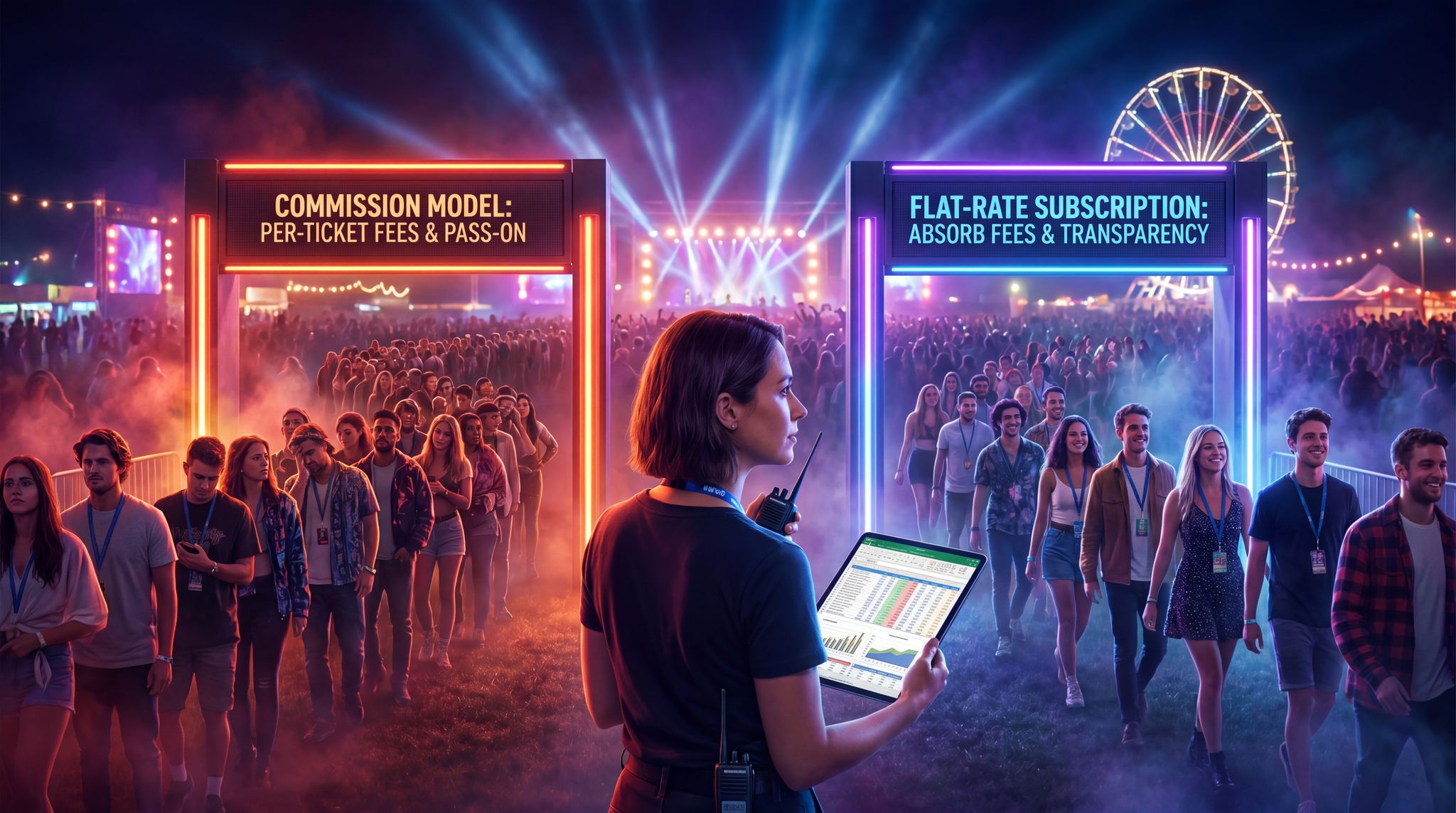
The cost of throwing a festival has never been higher. A potent mix of inflation, fierce competition for talent, and global supply chain issues have driven up expenses across the board. In response, organizers are rethinking budgets and exploring fresh revenue streams to keep festivals financially viable. Rising costs and new festival economics are defining 2026, forcing producers to do more with every dollar (or pound, euro, and peso) and to get creative in generating income beyond ticket sales.
Inflation and Budget Pressures
From artist fees to fuel, virtually every line item in a festival budget is climbing. Booking headline talent in particular now requires unprecedented investment. Many superstar artists command seven-figure fees for a single festival set in 2026, a challenge detailed in Ticket Fairy’s analysis of talent wars. According to industry research, artist performance fees have jumped 30–40% on average since 2020, outpacing inflation. It’s not unusual for 40–50% of a mid-sized festival’s budget to go to artist fees now, up from roughly 25–30% a decade ago, as noted in reports on coping with soaring artist fees. This “talent cost explosion” is squeezing festival finances, especially for independent events that must bid against corporate-backed giants in a crowded market.
Other core costs are spiking as well. Energy and fuel prices surged in recent years, making generators, lighting, and transportation more expensive to run. Insurance premiums have soared due to both pandemic disruptions and high-profile event incidents – one Irish festival association reported an average 16% jump in event insurance costs in 2023, with some events seeing 25% hikes according to local news reports on insurance premiums. Meanwhile, labor shortages (discussed more below) mean experienced crew and security staff command higher wages. As one veteran production manager put it, “there just weren’t enough crew, security, drivers, trucks, staging, toilets, and everything else needed” when festivals returned en masse, creating a serious challenge for complex events – and basic economics tell us scarce resources drive up prices.
To illustrate how key expenses have trended upward, the table below summarizes approximate cost increases from 2019 to 2026 for a typical festival:
| Cost Factor | Approximate Increase (2019?2026) | Notes (Trend Drivers) |
|---|---|---|
| Headline Artist Fees | +30–40% (average) | Top stars now demand seven-figure sums as detailed in Ticket Fairy’s guide to talent competition. Competition among festivals (the “talent wars”) fuels bidding wars. |
| Insurance Premiums | +15–25% | Higher liability and weather risks post-2020 are driving up insurance premiums. Some insurers exited the market, shrinking coverage options. |
| Crew & Labor Wages | +20% (est.) | Pandemic exodus led to a skilled labor crunch, driving up pay for veteran staff as seen in strategies for solving the staffing crisis. More overtime to cover shortages. |
| Production/Infrastructure | +10–15% (est.) | Inflation in materials, fuel, and logistics. Supply chain delays for stages, tents & tech gear add costs. |
| Ticket Prices | +5–7% per year | Passed to consumers carefully – Europe saw ~5% increase from 2024 to 2025 as festival heads discuss ticket price hikes and test price limits. |
What this means for producers: every expenditure must be scrutinized and negotiated. Seasoned festival organizers are finding creative ways to trim costs without harming the attendee experience – from redesigning stage layouts for efficiency to sharing infrastructure between events. Some veteran production teams use bulk purchasing or multi-year vendor contracts to lock in better rates on everything from toilets to tenting. On the talent side, festivals are adjusting expectations: that pricey trending DJ or pop star might not be feasible for mid-tier events in 2026’s market. Instead, many are turning to rising regional acts and unique programming to draw crowds without breaking the bank, a strategy explored in Ticket Fairy’s article on talent wars. As one expert notes, experienced producers are learning to thrive in these “talent wars” by teaming up with other fests on artist routing and betting on emerging stars rather than chasing only the priciest headliners, a tactic outlined in Ticket Fairy’s guide to the competitive landscape.
Go Cashless With RFID Technology
Enable contactless payments, faster entry, and real-time spending analytics with RFID wristbands and NFC-enabled ticketing for your events.
New Revenue Streams and Business Models
With costs up, festivals are pursuing new revenue models to balance the books. Simply raising ticket prices has limits – fans will only tolerate so much, especially as inflation pinches their wallets too. Producers in 2026 are therefore expanding the festival “product” and monetization opportunities in innovative ways:
- Tiered Experiences and VIP Upgrades: Many festivals now offer layered ticket options beyond general admission – from VIP viewing areas to deluxe camping, early entry passes, even ultra-luxe packages (for example, Coachella’s Safari Tents and Tomorrowland’s Mansion packages sell for thousands). These upsells cater to affluent attendees and can significantly boost per-attendee revenue according to Zipdo’s festival demographics data. A 2025 industry survey found Gen Z attendees are 2.5× more likely than millennials to pay for premium experiences like VIP tiers, suggesting the appetite for upgrades is growing.
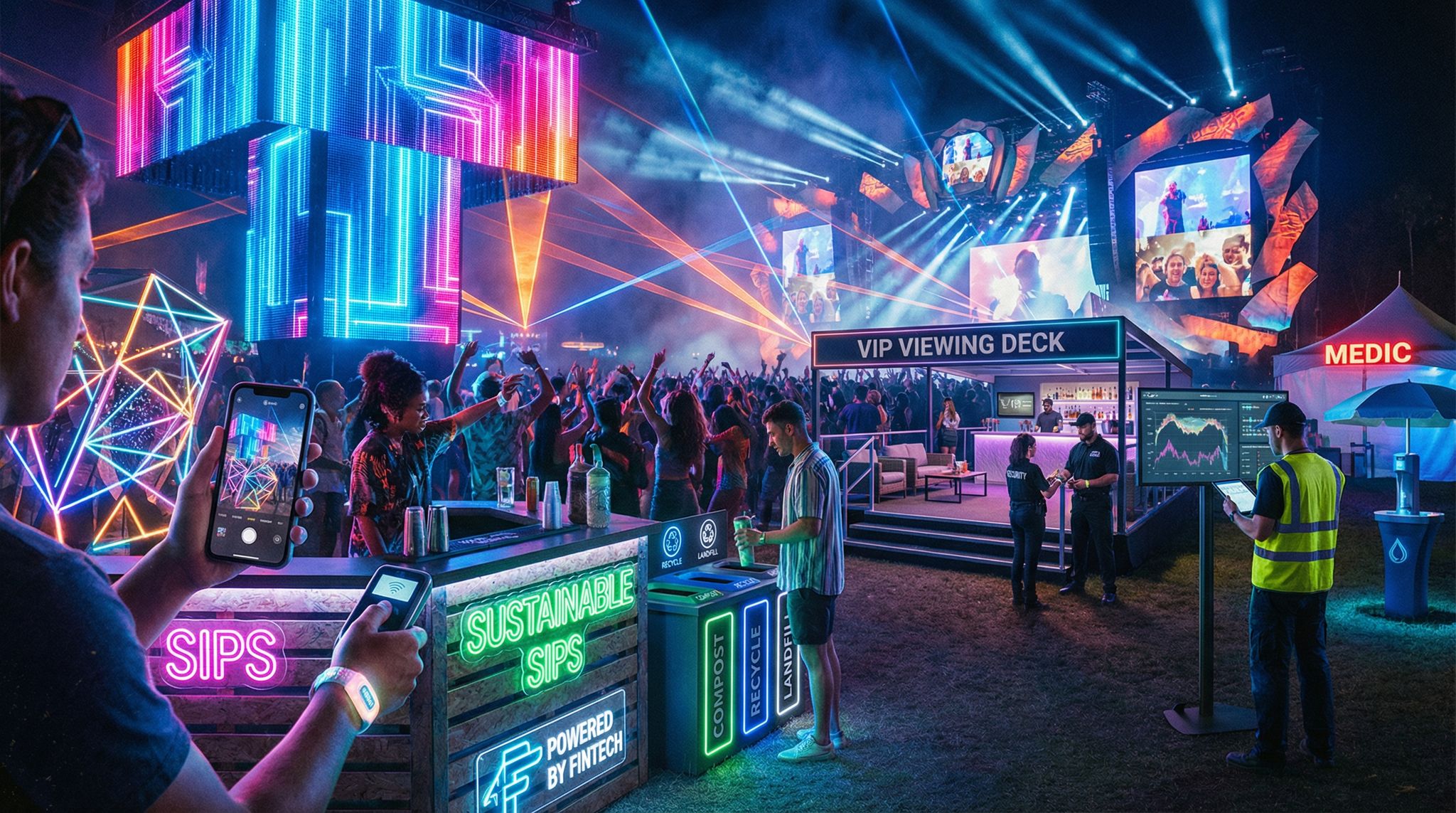
- On-Site Spending and Cashless Tech: Festivals are investing in cashless payment systems (RFID wristbands, mobile payments) that make transactions frictionless. Beyond convenience, the strategy is revenue-driven – when fans can pay with a quick tap, they tend to spend more on food, drinks, and merch, as explained in Ticket Fairy’s guide to implementing tap-and-go convenience. Real-world data from events that switched to RFID payments show increased spending per head and shorter bar lines (meaning more sales per hour). In 2026, it’s becoming standard to see entirely cash-free festivals, which also open doors to new sponsor partnerships (e.g. cashless top-up stations “powered by” a fintech sponsor).
- Year-Round Content and Virtual Access: Rather than treating a festival as a one-weekend product, leading festivals are monetizing content before and after the event. This trend kicked off in the pandemic and continues strong – think live-streaming select performances globally for a fee or selling on-demand video packages of festival sets, a concept discussed in Ticket Fairy’s marketing strategy guide. Some organizers have built year-round media channels (podcasts, YouTube series, virtual concerts) to engage fans and attract digital sponsorships. For example, Tomorrowland’s digital festival and documentary content created new revenue streams beyond their in-person ticket sales. In 2026, more festivals – even smaller ones – are exploring hybrid models where a virtual audience can participate for a smaller ticket fee, turning a local event into a global one.
- Membership and Loyalty Programs: A few innovative promoters are piloting membership models, where fans pay an annual fee for exclusive benefits across a festival series or multiple events. For instance, a festival might offer a season pass or fan club membership that includes early ticket access, merch discounts, and members-only lounge areas at the event. These programs create upfront cash flow and encourage repeat attendance. At minimum, festivals are focusing on loyalty to boost customer lifetime value; one guide advises turning attendees into repeat buyers with referral rewards and fan ambassador perks, as detailed in Ticket Fairy’s article on building festival referral programs.
- Creative Sponsorships and Brand Activations: Sponsor dollars remain crucial, and brands in 2026 want deeper engagement for their money. Rather than just banners and logo placement, festivals are co-creating experiential activations with sponsors – such as interactive art installations, sponsored stages or livestreams, and lounge areas with product sampling. Festivals that can prove clear ROI to sponsors (using data like foot traffic, RFID interactions, social media impressions) are capturing more sponsorship revenue, a key point in Ticket Fairy’s 2026 producer playbook. Tech tools now help deliver these metrics; for example, some events use mobile app analytics and RFID tracking to show a beverage company exactly how many fans visited their branded booth. As a result, sponsorship is shifting from flat fees to performance-based partnerships, and festivals that embrace this sophisticated approach are securing larger, multi-year sponsor deals.
Looking closely at festival sponsorship trends 2026, brands are moving away from passive logo placements and demanding measurable, interactive integrations. Promoters are finding success by offering sponsors access to anonymized attendee data, enabling highly targeted experiential marketing. This evolution in brand partnerships means organizers must pitch comprehensive, tech-enabled activation packages rather than traditional tier-based sponsorship decks.
To capitalize on these evolving brand partnership dynamics, forward-thinking producers are structuring multi-year agreements that tie funding directly to engagement metrics. By leveraging RFID tap-rates and app dwell times, organizers can prove the exact ROI of a sponsored lounge or interactive art piece. This data-backed approach not only secures higher upfront investments but also transforms sponsors into long-term stakeholders in the event’s growth.
For festival producers, the takeaway is that 2026’s economics demand both cost discipline and revenue creativity. The most resilient events are strategically diversifying income (so they’re not 100% reliant on ticket sales) and doubling down on delivering clear value to fans for every dollar spent. In practice, this could mean balancing a big-name headliner one night with lower-cost local talent the next, while monetizing the downtime with workshops, beer tastings, or other paid experiences on site. It also means leveraging technology – a theme across many 2026 trends – to optimize revenue, whether via cashless payments, referral marketing tools, or data-driven sponsorship pitches. For those willing to innovate, there are opportunities to offset rising costs and even improve the festival’s bottom line despite economic pressures.
Evolving Attendee Expectations and Fan-Driven Marketing
Today’s festival attendees have higher expectations and more diverse tastes than ever. As we approach 2026, fan experience is king – and it goes far beyond the music. Audiences (especially Gen Z and young millennials) expect festivals to deliver not just great lineups, but also meaningful engagement, convenience, safety, and alignment with their values. At the same time, marketing has become a two-way conversation: fan-driven buzz and peer recommendations are often more powerful than traditional advertising. Successful festival organizers are adapting their programming and marketing strategies to meet these evolving demands, essentially letting the fans guide the way.
Experience, Value, and Values: What 2026 Fans Want
Attendees in 2026 are demanding more value for their money – and rightly so, given rising ticket prices. But “value” doesn’t just mean more entertainment; it means a better overall experience. Modern festival-goers look for events that are immersive, comfortable, and reflective of their values:
- Immersive Environments: Simply watching bands on a stage is not enough for many festival fans now. They crave interactive art installations, themed stages or areas, wellness and activity zones, and surprises that create an experience beyond the music. Festivals like Burning Man and Boom Festival set early benchmarks for immersive environments, and now even mainstream music fests incorporate elements like 360° domes, carnival rides, gaming areas, and on-site museums. In 2026, expect even small festivals to adopt creative theming and participatory elements to captivate attendees throughout the event.
- Comfort and Convenience: Gone are the days when festival-goers would accept horrible porta-potties and scarce water as inevitabilities. Attendees today expect organizers to get the basics right – clean facilities, ample free water stations, shaded rest areas, and efficient entry lines. Many events have invested in better crowd flow design and amenities to keep fans safe and happy (for example, dedicated refillable water stations every few hundred meters, more toilets per capita, and even mobile app-based maps to find them). With climate change causing hotter summers, festivals are also providing cooling stations, misting areas, and sunscreen booths. These creature comforts can make or break an attendee’s perception of value, and in 2026 the bar is higher than ever.
- Authenticity and Community: Young audiences, particularly Gen Z (born ~1997–2012), are noted for seeking authenticity and social good in their leisure activities. A Forbes industry outlook described Gen Z as a “socially conscious group that prioritizes authenticity, sustainability, and purpose-driven experiences” in their article on the future of festivals and Gen Z. In practice, this means many fans prefer festivals that stand for something – whether it’s supporting local arts, championing a cause, or fostering a genuine community vibe. Festivals with a strong ethos (for example, Shambala Festival in the UK known for sustainability and community initiatives) often engender greater loyalty. Conversely, overly commercial or “cookie-cutter” events may struggle to win Gen Z hearts. By 2026, producers are learning that being transparent about values and engaging the local community and culture can enhance the festival’s credibility with attendees.
- Diversity and Inclusivity: Attendee expectations also include seeing diversity on stage and in the crowd. Booking across a mix of genres, genders, and cultures isn’t just a nice-to-have – fans now call out festivals that have homogeneous lineups. Progressive events like Primavera Sound (which achieved a 50/50 gender-balanced lineup) set a trend that others are following. Accessibility is another facet: festivals are improving accommodations for people with disabilities (e.g. viewing platforms, sensory-friendly spaces) as attendees expect inclusivity. In short, today’s audience wants festivals to be a welcoming space for all and to reflect the broad spectrum of their music tastes and identities.
- Genre-Fluid and Electronic Integration: When evaluating the key trends in contemporary festival programming, it is evident that rigid boundaries between genres are dissolving. Even traditionally rock or indie-focused events are incorporating dedicated dance stages to capture late-night revenue. Within specific niches, electronic music festival trends in 2026 show a strong pivot toward intimate, high-fidelity audio experiences and extended DJ sets rather than just packing the main stage with rapid-fire headliners. Promoters are finding that curating a cohesive sonic journey keeps attendees on-site longer, directly boosting secondary spend at bars and food vendors.
- Safety and Well-Being: After some tragic crowd incidents in recent years, fans are very attuned to safety. Attendees want to know a festival is putting their well-being first – this includes visible medical teams, clearly communicated emergency procedures, and being quick to pause a show if something seems wrong. (We’ll discuss specific safety innovations in a later section.) Additionally, the pandemic era has made hygiene and health measures part of the expectation set; while COVID-19 is less disruptive by 2026, festivals are keeping hand sanitization, improved ventilation in indoor stages, and optional masking in their toolkit to reassure guests who may be immunocompromised or cautious.
Organizers must also carefully navigate the fine line between profitability and attendee sticker shock. For instance, when reports surface that Glastonbury visitors have complained about the prices of drinks at the festival, it serves as a crucial case study for the wider industry. Even the most iconic brands are not immune to consumer pushback over perceived price gouging. To mitigate this, producers are increasingly offering tiered concession options, transparent pricing communications, and bundled food-and-beverage packages to ensure fans feel they are receiving fair value despite inflationary pressures.
Furthermore, savvy food and beverage directors are utilizing real-time inventory tracking to deploy dynamic concession mapping. By introducing strategic pricing during historically slow periods or offering pre-purchased drink tokens at a slight discount, operators can smooth out demand spikes, reduce queue times, and maintain healthy profit margins without alienating their core audience.
Planning a Festival?
Ticket Fairy's festival ticketing platform handles multi-day passes, RFID wristbands, and complex festival operations.
Critically, delivering on these expectations often correlates with financial success. Fans reward a great experience with loyalty and word-of-mouth promotion. A festival that exceeds expectations can cultivate super-fans who return every year and bring friends along (the holy grail of sustainable growth). Industry veterans emphasize that in 2026’s competitive market, experience is the product – and thus should be invested in as much as marketing or talent. Even on a limited budget, it pays to add thoughtful touches that show you care about attendees, because those drive positive social media chatter and repeat business.
Fans as Marketers: The Rise of Community-Driven Promotion
One of the most profound shifts in festival marketing is the power of the fans themselves. In 2026, successful festivals harness fan-driven marketing – turning attendees into brand ambassadors who spread the word authentically. Social media and messaging apps have largely supplanted traditional ad channels for how young people discover events. According to marketing analysis, a huge portion of ticket sales now stem from “dark social” shares (private DMs, group chats, personal posts that aren’t publicly tracked), a phenomenon discussed in Ticket Fairy’s guide to user-generated content. This means a festival’s online buzz is often in the hands of its fans rather than its ads.
How are producers adapting? They are actively encouraging and rewarding fan promotion:
- Referral and Ambassador Programs: Many festivals now run formal referral schemes where fans get incentives (such as discount codes, merch, or even cash) for every ticket buyer they refer. This taps into the trust of peer recommendations – friends convincing friends to attend. Data shows a well-designed referral program can boost ticket sales 15–25% by leveraging word-of-mouth, as highlighted in Ticket Fairy’s article on driving ticket sales with referral programs. For example, one Ticket Fairy case study showed a mid-sized festival selling out after implementing a referral contest among past attendees, yielding a 20:1 ROI on the program spend. The key is making it easy: unique tracking links or codes, a leaderboard to spark competition, and enticing rewards for top referrers. In 2026, built-in referral marketing tools (like those in some ticketing platforms) are becoming a staple of event promotions, as explained in Ticket Fairy’s guide to fan ambassador programs.
- User-Generated Content (UGC) Campaigns: Smart festivals actively seed social media with content that fans will share and remix. This could be an official hashtag campaign (e.g., when Tomorrowland announces #Tomorrowland2026 and fans flood Instagram with throwbacks and hopes, as noted in Ticket Fairy’s UGC mastery guide) or interactive challenges on TikTok. Festivals often release sneak peeks – like lineup teases, site build videos, or AR filters – specifically to encourage attendees to post their excitement. The authenticity of UGC trumps polished ads; a TikTok of a fan ecstatically dancing at your festival can inspire countless viewers to want that same experience. In 2026, we see festival marketing teams dedicating effort to community management – engaging with fan posts, resharing great content, and even featuring fan stories in official channels. This collaborative approach makes fans feel like part of the festival’s story, not just consumers.
- Fan Communities and Year-Round Engagement: Many festivals cultivate online communities (Facebook groups, Discord servers, subreddit forums) where super-fans gather. These spaces let organizers speak directly to the core audience and vice versa. By participating in these communities – sharing behind-the-scenes updates, soliciting feedback on lineup choices, or offering exclusive early-bird sales – producers can maintain off-season buzz. Come festival time, these tight-knit fan circles amplify excitement and help as unofficial support networks (newcomers often ask veteran fans in these groups for advice on camping, etc., creating a welcoming atmosphere). Fan-driven marketing is really an outcome of having a passionate community; thus, investing in community-building is a long-term marketing strategy.
- Collaborative Marketing with Artists and Influencers: Another 2026 trend is closer collaboration between festivals, performers, and even influencers to co-market events. Artists have their own loyal followings, so festivals provide them shareable graphics and custom discount codes to promote their appearance. It’s a win-win: the artist builds hype for their set, and the festival reaches new audiences via the artist’s channels. Similarly, some events partner with popular content creators (YouTubers, local radio personalities, TikTok influencers) who attend and document the festival, effectively acting as roving marketers. The content these influencers produce – vlog reviews, live streams, photo dumps – can massively extend a festival’s reach beyond the attendees on site. Producers need to ensure these collaborations are authentic (scripted endorsements won’t resonate), but when done right, they generate trustworthy buzz money can’t buy.
One notable shift is that marketing messages are increasingly shaped by what fans are saying organically. Social listening tools help organizers monitor chatter in real time – if fans are raving about a particular stage or complaining about water supply, savvy teams adjust their messaging and operations accordingly, a strategy emphasized in Ticket Fairy’s guide to authentic fan buzz. In 2026, feedback loops are faster. Festival producers often deploy post-event surveys and track sentiment on social media to understand what resonated with attendees. Those insights directly inform next year’s campaign: highlighting the aspects people loved and fixing the pain points people griped about. Essentially, experienced promoters treat their attendees like partners in marketing – the goal is to create such an enjoyable and share-worthy experience that attendees naturally do the promoting. Word-of-mouth has always been powerful in live events; now it’s amplified globally through social networks.
Turn Fans Into Your Marketing Team
Ticket Fairy's built-in referral rewards system incentivizes attendees to share your event, delivering 15-25% sales boosts and 30x ROI vs paid ads.
For organizers reading this, the practical advice is: focus on creating fan evangelists. Invest in your current attendees’ happiness and empower them to share. Their endorsements to friends and followers carry far more weight in 2026 than an extra billboard or radio spot. By building genuine community and leveraging fan-driven channels, festivals can cut through the noise of a saturated events market and keep attendance growing without proportionally growing the ad spend. In short, let your fans do the talking – and give them something worth talking about.
Technology Innovations Reshaping Festivals
Technology continues to revolutionize how festivals are produced and experienced. In 2026, festival tech is not just about flashy new toys – it’s about solving real operational challenges and elevating the fan experience in practical ways. From advanced cashless payment systems speeding up transactions to data analytics driving decision-making, the industry is doubling down on tech adoption. At the same time, there’s a cautionary note: with so many new platforms and gadgets, producers must be strategic to avoid tech overload, a point raised in Ticket Fairy’s article on staffing and tech. Here we highlight key tech innovations and how they’re shaping festivals this year.
Need Festival Funding?
Get the capital you need to book headliners, secure venues, and scale your festival production.
Cashless, Contactless & Data-Driven Operations
Many festivals in 2026 have fully embraced a cashless, contactless experience, which has benefits for both attendee convenience and event profitability. RFID wristbands linked to credit cards or festival apps with mobile pay functionality are now common. This shift was underway pre-2020, but the pandemic accelerated the move away from cash for hygiene reasons, and now it’s simply expected. Fans enjoy shorter lines and the ease of tapping a wristband or phone to buy a drink. Organizers enjoy faster throughput at concessions (meaning more sales) and a treasure trove of data on attendee spending behavior. As one event technology report notes, music festivals are the number one adopters of RFID cashless payment solutions in 2026 according to Dreamcast’s analysis of cashless trends – it’s become a standard best practice rather than a novel experiment.
Going cashless also helps reduce theft and fraud, and can be paired with integrated access control (the same wristband that pays for a taco can also verify VIP access to certain areas, etc.). The data aspect is crucial: by analyzing what attendees purchase and when, festivals can optimize vendor placement, product offerings, and even staffing. For example, if data shows that beer sales spike at Stage 2 right after the sunset act, the organizer can ensure more beer vendors or roving hawkers cover that area at that time. In 2026, many festival producers have data dashboards live during the event to monitor such metrics and make on-the-fly adjustments – a level of real-time operational awareness that was hard to imagine a decade ago.
Beyond payments, data analytics and AI are influencing broader festival operations. Ticketing and marketing data help identify trends like which lineup announcements drove the most sales or which social ads generated engagement, allowing more informed marketing spends. Some festivals are using AI predictive models to forecast attendance patterns, crowd flow, and even optimal pricing for concessions (though dynamic pricing for tickets remains controversial – more on that shortly). On the safety front, startups are offering AI-driven crowd monitoring via cameras and sensors that can alert staff to potential congestion or unusual movement patterns in real time, hopefully preventing crowd crush situations by enabling early interventions. In essence, festivals are starting to adopt the kind of data analytics routine in sports stadiums and theme parks, tailoring it to open-field and multi-stage environments.
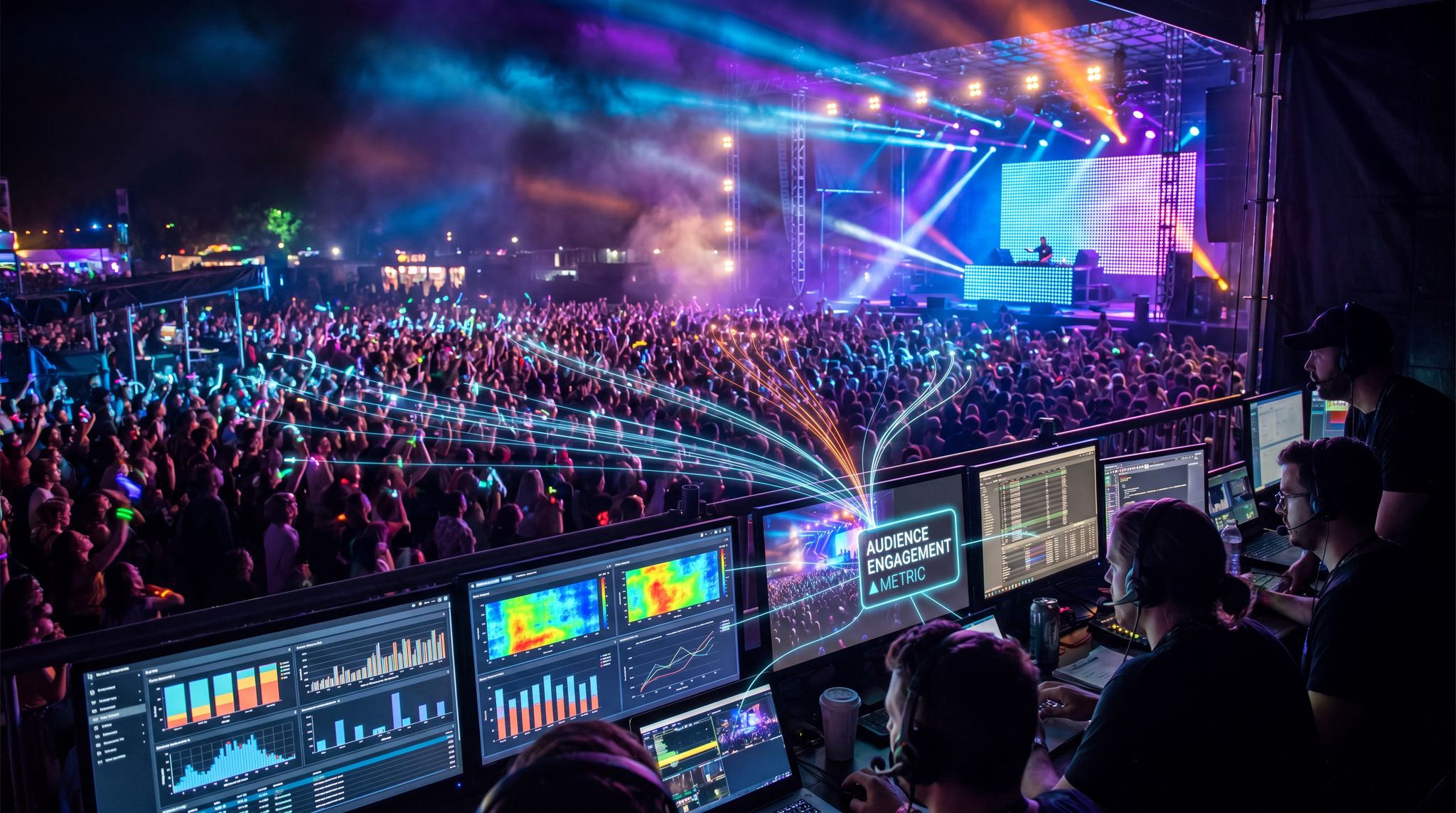
Gathering actionable festival insights from these data streams is what separates top-tier producers from the rest of the pack. By aggregating ticketing demographics, on-site spending habits, and app engagement metrics, organizers can build comprehensive audience profiles. These deep industry analytics allow promoters to negotiate better sponsorship deals, optimize site layouts to eliminate bottlenecks, and tailor future programming to match the exact preferences of their core demographic.
Data-Driven Event Marketing
Track ticket sales, demographics, marketing ROI, and social reach in real time. Exportable reports give you the insights to make smarter decisions.
However, producers also warn against adopting tech for tech’s sake. There’s a trend of consolidating systems to prevent a patchwork of apps that overburden staff and confuse attendees. In fact, veteran organizers recommend carefully choosing an integrated event tech stack over experimenting with every new gadget, as advised in Ticket Fairy’s guide to recruitment and retention. For example, using one robust platform that handles ticketing, access control, and cashless payments seamlessly (and shares a single database) can be better than plugging together separate providers for each function. The debate between all-in-one solutions vs. best-of-breed tools is active in 2026, as discussed in Ticket Fairy’s article on implementing payment tech, but the priority is a smooth implementation. Attendees will quickly lose patience if an app fails or a wristband malfunctions. Thus, while tech innovation is exciting, reliability and support are the unsung heroes in this realm – experienced festival tech directors will often stick with slightly older, proven systems rather than untested new tech that could crash on show day.
Immersive Experiences, AR/VR and the “Phygital” Festival
On the front-end, technology is enabling more immersive and interactive experiences for festival-goers. One big trend is the incorporation of augmented reality (AR) and mixed reality elements. Festivals have begun experimenting with AR mobile apps that let fans point their phone camera at stages or art installations to see enhanced visuals or information. For instance, some events developed AR scavenger hunts where digital creatures or clues appear in specific locations on the festival grounds – merging gameplay with the real-world event. Others offer AR photo filters tied to the festival’s theme or sponsors, encouraging fans to create on-brand content. According to an event marketing guide, these immersive tech touches boost fan engagement and social sharing when done thoughtfully, a concept explored in Forbes’ article on the future of festivals. In 2026, festival producers who can afford it are partnering with creative tech studios to design AR experiences that give their event a unique digital layer.
Virtual reality (VR) and the “metaverse” took the events industry by storm during the pandemic, but their role in 2026 is more complementary than revolutionary. We aren’t seeing people attend music festivals fully in VR headsets on a massive scale (the in-person experience is irreplaceable), but VR is being used for things like immersive aftermovies and bonus content. For example, a festival might release a 360-degree VR recording of its main stage performance that fans can watch later for a price – turning a live show into an on-demand VR product. There are also exploratory moves in creating virtual festival worlds (e.g., Fortnite’s virtual concerts hinted at this crossover), but so far these are marketing add-ons rather than core offerings for established festivals. The consensus among many producers is that VR works best to extend the festival beyond its physical limits – reaching fans who couldn’t attend or providing new angles to relive the experience – rather than replacing the live event.
When examining broader music festival production trends for 2026, the physical visual spectacle is evolving just as rapidly as the digital backend. Promoters are moving away from energy-heavy traditional rigs toward highly efficient, modular setups. Specifically, stage lighting trends for festivals in 2025 and 2026 point heavily toward low-impact LED arrays, kinetic lighting structures, and laser mapping that require a fraction of the power while delivering a more immersive visual punch. This shift not only satisfies strict new sustainability mandates but also significantly reduces diesel generator costs, proving that cutting-edge production can align perfectly with budget optimization.
One area where digital tech has firmly integrated is festival mobile apps. By 2026, a dedicated app for a festival is as expected as a printed program was years ago. These apps are becoming more sophisticated: beyond schedules and maps, they often include personalized schedules (with push reminders), friend-finder features, integrated purchase capability for merch or locker rentals, and even real-time alerts for things like emergency notifications or secret pop-up sets. Crucially, apps also gather data (with user consent) about what fans favor, which stages they mark as favorites, etc., feeding back into that data-driven planning loop. Some festivals leverage apps for sustainability education too – sending notifications about where to find recycling bins or rewarding attendees (with points or badges) for checking in at a volunteer tent. As one safety guide emphasizes, having a direct communication line to attendees’ phones via an app or SMS is invaluable for urgent alerts (e.g., incoming storm – seek shelter), as seen in reports on extreme weather at festivals and discussions on communication strategies. We saw this at events like Lollapalooza and Bonnaroo, where rapid weather evacuations were coordinated through push notifications and social media.
In the ticketing realm, digital ticketing and identity verification tech is advancing. Mobile QR code tickets are standard, and some events are exploring NFC-enabled wristbands shipped to attendees in advance (activating them online to tie to the buyer’s identity). This can reduce fraud and scalping, especially if coupled with personalized credentials checked against an ID at entry. A few pioneering festivals have even tested biometric entry – e.g., facial recognition or fingerprint scanning to enter festival gates – aiming for speed and security. However, there’s caution here: privacy concerns are significant. A 2026 live events survey showed mixed reactions to biometric payments and entry; while some attendees love the convenience of paying with a fingerprint or face scan, others are wary of how their biometric data might be stored or used, a topic debated in Ticket Fairy’s article on cashless events. Organizers must weigh whether introducing biometrics will enhance the fan experience or spark backlash. Generally, the trend is to offer it as an option rather than mandatory – for instance, allowing fast-track lanes for those who opt into facial recognition entry, while still providing normal entry lanes for others. The Event Technology blog on Ticket Fairy even poses the question: biometric tech – convenient cashless innovation or a privacy pitfall? in their guide to payment technology, underscoring that it’s a trend to watch but implement thoughtfully.
Free Tool: Size Your Festival Site
Zoned capacity planning for arena, campsite, parking and entry lanes — against UK Purple Guide and NFPA density standards. Finds your bottleneck zone.
On the topic of ticketing, it’s worth mentioning dynamic pricing (the Ticketmaster-style surge pricing that adjusts ticket costs based on demand) because it has been a heated topic recently. While a few major tours have used it, most festival producers in 2026 avoid dynamic pricing for regular tickets due to fan pushback – attendees hate feeling like they’re bidding against each other for tickets. Instead, festivals use tiered pricing (early bird vs. standard vs. last-minute) and payment plans (letting fans pay in installments, often via Buy Now Pay Later integrations) to keep tickets accessible. Some tech-forward festivals are also dabbling in NFT ticketing – issuing tickets as digital collectibles that can provide perks or resale royalties. The jury is out on whether NFTs will become mainstream in ticketing; after the initial hype, adoption has been slow, but a few events in Europe and the US are continuing to experiment with them as a way to verify authenticity and engage collectors. If nothing else, the attention on NFT and blockchain ticketing has pushed traditional platforms to improve anti-scalping measures. For example, several major festivals now offer official resale exchanges where fans can resell tickets at face value (often facilitated by their ticketing provider), cutting out scalpers and ensuring legitimate transfers. Platforms like Ticket Fairy have built-in fan-to-fan resale that automatically prevent marked-up prices, which aligns with the industry’s push to keep ticketing fair and transparent.
Beyond anti-scalping measures, broader ticketing industry trends 2026 point toward hyper-personalized purchase journeys and flexible payment integrations. Promoters are increasingly adopting decentralized ticketing models, allowing fans to buy passes directly through social media platforms and messaging apps without ever visiting a primary ticketing site. This frictionless checkout process, combined with the rise of subscription-based festival memberships, empowers organizers to capture high-intent buyers instantly while reducing cart abandonment rates.
Staying abreast of the latest event ticketing news in 2026 is essential for promoters looking to maintain a competitive edge. As platforms rapidly roll out new features—from advanced anti-bot protections to seamless fan-to-fan exchanges—organizers who monitor these developments can adopt the most fan-friendly and secure solutions early. Keeping a pulse on ticketing industry updates ensures that your festival’s entry strategy remains resilient against fraud while maximizing conversion rates.
Furthermore, keeping a close eye on ticketing industry news 2026 reveals a growing emphasis on data ownership and interoperability. Promoters are no longer satisfied with siloed platforms; they want ticketing systems that integrate seamlessly with their CRM, marketing automation, and on-site cashless tech. By following the latest platform updates and software releases, organizers can identify which providers are rolling out open APIs and advanced analytics dashboards, enabling them to own their audience data and craft highly targeted, multi-channel marketing campaigns.
In sum, technology in 2026 is deeply embedded in festival DNA – from planning through post-event. Organizers are leveraging robust tech solutions to optimize operations, engage fans in new ways, and open additional revenue streams. The trick is finding the right balance: the best use of tech is when it solves a problem or delights the attendee, not just when it’s a shiny new thing. Festivals that adopt innovations with a clear purpose (be it reducing wait times, improving safety, or creating wow moments) are reaping the rewards. Those who overload on gimmicky tech without integration, on the other hand, often learn hard lessons. As one event CIO noted, “sometimes less is more – a few well-executed tech enhancements beat a dozen buggy features” in Ticket Fairy’s staffing and tech article. The goal for producers is to stay informed of emerging tools and strategically implement the ones that align with their event’s needs and audience. Technology will undoubtedly continue to evolve, but in 2026 it’s already a critical factor separating the most efficient, engaging festivals from the rest.
Workforce and Staffing: Adapting to a New Labor Landscape
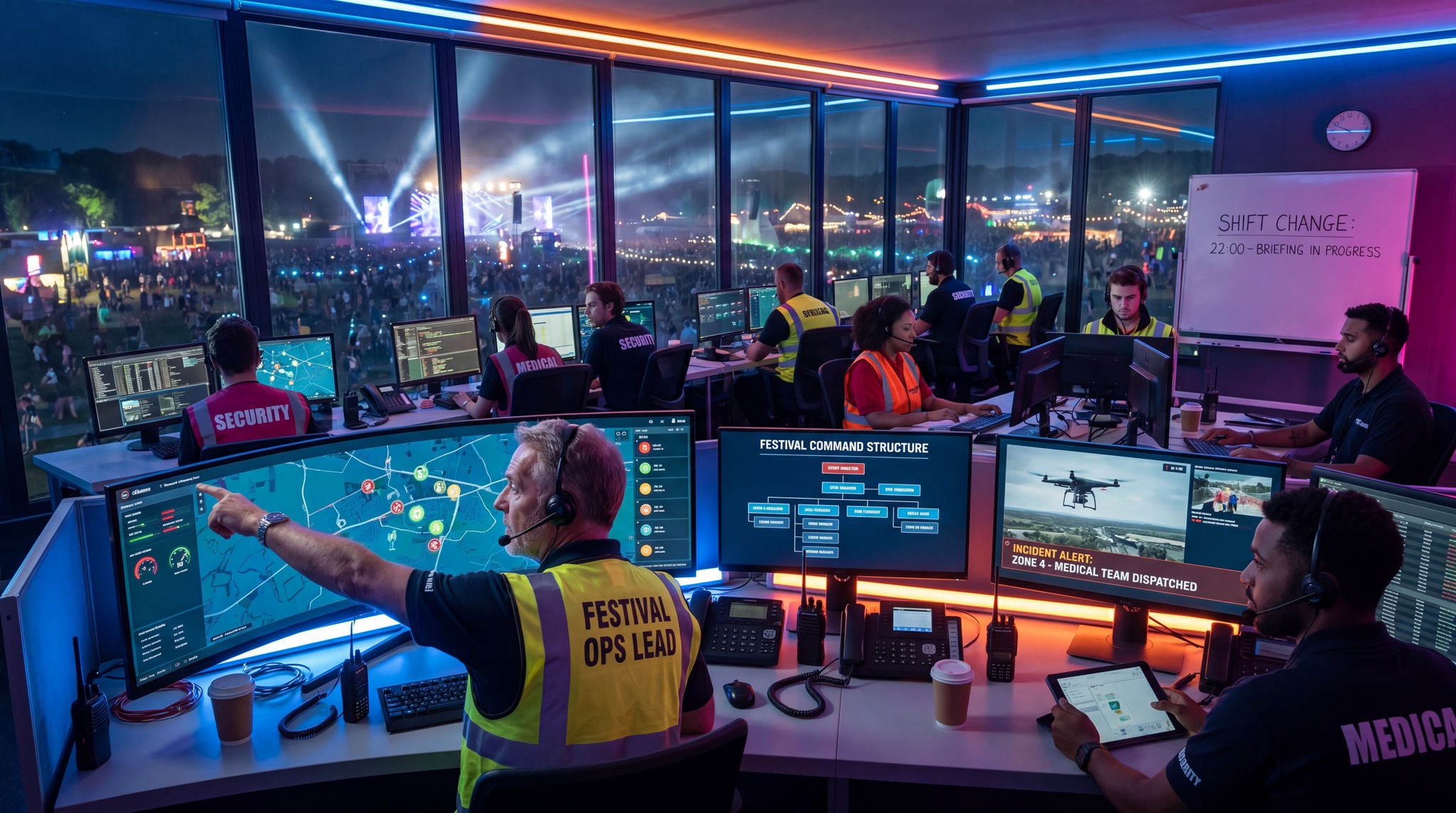
Festivals are ultimately powered by people – the crew setting up stages, the security at the gates, the volunteers scanning tickets, the production teams running the show. In 2026, the festival workforce landscape is undergoing major shifts. The pandemic exodus of live event workers, rising calls for better working conditions, and even crew unionization efforts are all shaping how festivals staff up and manage their teams. Producers who ignore these labor trends do so at their peril; those who adapt are finding more sustainable ways to build and retain a skilled crew. Let’s explore what’s changing and how festival organizers can navigate the new era of event labor.
Keep Tickets in Fans' Hands
Our secure resale marketplace lets attendees exchange tickets at face value, eliminating scalping while keeping you in control of the secondary market.
Staff Shortages, Skills Gaps, and New Blood
One of the most pressing challenges is the staffing shortage across many event roles. When COVID-19 shut down events in 2020-2021, countless seasoned professionals had to seek other work – and many never returned. This “brain drain” left a void of experienced technicians, managers, and crew when festivals roared back in 2022, a phenomenon analyzed in Ticket Fairy’s report on the staffing crisis. A survey of European festivals found 53% of organizers were short-staffed during the 2022 season, with over a quarter of those facing critical shortages of more than 25% below needed staff, as noted in Ticket Fairy’s article on recruitment strategies. Even by 2023 and 2024, with events largely back to full capacity, the industry hasn’t fully replaced that lost expertise.
The result is a skills gap on site. Festivals now often have to hire more newcomers or rely on less experienced staff who are learning on the job. Seasoned production managers report spending extra time coaching rookies and covering multiple roles themselves to compensate. Certain specialized positions are particularly scarce – for example, certified riggers, veteran audio engineers, staging supervisors, and other roles that require years of hands-on practice to master. When those people left the industry, there simply weren’t enough trained replacements ready. This scarcity has driven up wages for the experts who remain, as detailed in Ticket Fairy’s guide to innovative recruitment, as festivals compete to secure competent crew chiefs and department heads. Good stage managers and safety officers can now command higher day rates, and they’re often booked out across the season.
To cope, festival organizers in 2026 are employing several strategies:
- Early and Aggressive Recruitment: The hiring timeline has moved up. Festivals are starting recruitment and confirmations of key crew many months earlier than they used to, to lock in talent before other events scoop them up. Some are expanding their geographic search, even flying in skilled crew from abroad if local supply is dry (though this adds cost). Building a loyal crew that commits year after year is gold – hence festivals treat their core staff with more appreciation (and incentives) to improve return rates.
- Training Programs and Upskilling: Many organizers realize they must invest in developing new talent. We’re seeing more festivals partner with training programs or create their own apprenticeships and crew academies. For instance, a large festival might invite students from event production courses to shadow senior crew during build week, creating a pipeline of trained workers for future editions. Some governments and industry associations offer grants for workforce development, which festivals are tapping to fund things like safety training workshops or certification courses (e.g., getting more crew forklift-certified or first-aid trained). The long-term play is to replenish the pool of skilled festival workers by mentoring novices on site. It’s a classic “teach a person to fish” approach – time-consuming but necessary for sustainability.
- Gig Economy and Staffing Agencies: In certain markets, festivals are leaning on staffing agencies and gig-economy style labor pools to fill gaps quickly. For roles like hospitality staff, bar staff, or general site crew, there are now on-demand staffing platforms that can send workers on short notice. However, the caveat is these folks might not have festival-specific experience, so they often require on-site training and close supervision. It’s a stopgap, not a perfect fix. Some events also partner with local volunteer organizations or sports clubs, offering donations in exchange for volunteer manpower (a common practice for things like parking attendants or cleanup crews). This can supply bodies, but again, the skilled roles remain the harder issue.
- Retention Through Better Conditions: Perhaps the most important strategy is improving how crew are treated to reduce burnout and turnover. In the past, festival crew often endured grueling hours and sparse living conditions (tents or no accommodation, long shifts with little break). Now there’s a push for more humane crew policies: reasonable shift lengths, adequate rest, decent meals, and safe lodging. Some festivals have upgraded crew catering significantly and provide actual beds or at least proper crew camp facilities. Simple steps like providing free coffee, massage or physio services on longer events, and personal thank-yous can boost morale. Organizers are waking up to the reality that crew who feel respected and taken care of are far more likely to come back next year (and work harder in the meantime). As one festival operations director put it, “we started treating our crew as well as we treat artists, and the loyalty we got in return paid dividends.”
In short, 2026 demands that producers proactively manage the workforce side of festivals just as strategically as other areas. Those who succeed are often mixing veteran wisdom with new energy – pairing older experts as mentors to younger staff, as discussed in Ticket Fairy’s guide on community buy-in. It’s not always easy; a generational gap can exist in work style and expectations. But many festivals report positive outcomes by fostering a culture of knowledge transfer and teamwork between seasoned crew and newbies, a benefit highlighted in Ticket Fairy’s article on local partnerships. The bottom line: labor may be in flux, but investing in your people (through training, fair pay, and dignity) is one trend that never goes out of style in event production.
Fair Labor, Unions and Better Work Conditions
Another major development in the festival labor landscape is the rise of organized labor and increased scrutiny on work conditions. Over the past couple of years, there’s been growing momentum for crew and contractors to band together to demand better treatment. In some cases, this has led to unionization drives in the live events sector – a new phenomenon for festival crews that historically were freelance and non-union. Festival producers in 2026 must be prepared to navigate this new era of labor relations, which can include negotiations with unions, adhering to labor regulations, and fundamentally rethinking how they engage their workforce.
A striking example comes from the UK, where the performing arts union Bectu released a report in late 2024 highlighting “brutal” conditions for festival staff, as reported in The Guardian’s coverage of the Bectu findings. The report, based on surveys of 100 festival workers, revealed that some staff were working 18-hour days, sleeping on the floor, and even lacking access to drinking water on site, according to The Guardian’s detailed article. These kinds of findings have generated public and media attention, putting pressure on festival organizers to improve conditions. It’s no longer possible to sweep such issues under the rug – poor crew treatment can become a reputational crisis, especially if highlighted by unions or social media exposés.
Boost Revenue With Smart Upsells
Sell merchandise, VIP upgrades, parking passes, and add-ons during checkout and via post-purchase emails. Increase average order value by up to 220%.
In some regions, festival stage crews and technicians are affiliating with larger unions like IATSE (International Alliance of Theatrical Stage Employees in North America) or forming their own collective groups. For instance, there have been efforts in the U.S. for stagehands at major music festivals to unionize to secure things like overtime pay, proper breaks, and pension contributions – similar to what theatre or concert hall stagehands might have under union contracts. While full unionization of festival crews is still in early stages, 2026 is seeing the first wave of union negotiations at a few high-profile events and venues, a shift discussed in Ticket Fairy’s guide to union labor compliance. Savvy festival organizers are not fighting this trend; instead, they are working with it. As one Ticket Fairy article on crew unions notes, embracing dialogue with organized labor and finding win-win solutions can ultimately lead to more reliable, motivated crews, as explored in Ticket Fairy’s article on navigating organized labor. Festivals that proactively meet reasonable demands (like safe working hours, proper facilities, and fair pay scales) often avoid strikes or staff shortages, and they build goodwill that attracts top talent in the long run.
Beyond formal unions, there’s a broader cultural push for crew welfare. Mental health and burnout prevention are coming to the forefront. Long before show weekend, festival staff (including office teams planning the event) endure high stress and long hours. Progressive producers are implementing measures like rotating critical roles to prevent burnout, bringing on extra crew during overnight shifts to allow overlaps and rest, and offering counseling resources or debrief sessions after the event. This is both a human and a practical move – burnt-out crew are more likely to make mistakes, which can lead to safety incidents or production errors. By prioritizing crew well-being, festivals not only do right by their teams but also protect the quality and safety of the event execution.
It’s also worth discussing volunteers under work conditions. Many festivals rely on volunteers for certain tasks (ticket scanning, cleanup, info booths), typically in exchange for free tickets. In 2026, there’s increased scrutiny to ensure this isn’t exploited labor. Festivals are formalizing volunteer programs with proper training, clear roles, and perks that adequately reward the work. There’s competition to attract good volunteers too – some events offer additional benefits like exclusive volunteer-only merch, behind-the-scenes tours with the production team, or a dedicated chill-out zone for volunteers. Essentially, volunteers are being treated more like staff, which is a positive trend. However, organizers must be cautious not to use volunteers in roles that legally or ethically should be paid if they involve risk or extensive hours (some countries actually limit what volunteers can do at large events by law). The guiding principle is fairness and transparency: volunteers should know what they’re signing up for and feel their contribution is valued.
In summary, the labor and staffing shifts in 2026 come down to raising standards. The festival industry is professionalizing in how it manages its workforce. Whether it’s through union agreements, better contractor policies, or simply a moral commitment by festival directors, the best festivals are striving to be known as good places to work. This is not just altruism – it directly affects the event’s success. A well-rested security team is more alert to keep fans safe. A happy lighting tech is more likely to go the extra mile to wow the audience. And a content operations crew is far likelier to return next year, saving you the cost (and risk) of constantly retraining new people. The lesson for festival producers: Treat your crew as the critical backbone of the festival. In an era where labor issues can make headlines, investing in your human capital is both the right thing and the smart thing to do.
Climate Resilience, Sustainability and Community Impact
Festivals exist at the mercy of weather and are entwined with the communities and environments around them. In recent years, the realities of climate change and growing environmental and social awareness have forced festivals to evolve. Climate-resilient planning and sustainability initiatives are no longer optional – they’re becoming essential for obtaining permits, satisfying audiences (and sponsors), and ensuring the show can go on despite nature’s curveballs. Moreover, festivals are focusing on their community impact, recognising that being a good neighbor and a positive force locally is crucial for long-term success. Here’s how 2026 festivals are meeting these intertwined challenges of weather, sustainability, and community relations.
Weather Proofing and Emergency Preparedness
Extreme weather has become an ever-present threat to outdoor events. From sudden lightning storms and heatwaves to unseasonal downpours, festivals in all climates have seen disruptions. In 2026, organizers are bolstering their resilience to weather emergencies with detailed contingency plans and on-site infrastructure changes. Climate scientists warn that the frequency and severity of extreme weather events are increasing, a concern echoed in The Guardian’s report on freak weather affecting festivals and Inside Climate News’ analysis of festival weather risks, and festival planners are heeding these warnings.
A telling statistic: in Australia, researchers found at least 22 music festivals were canceled or severely disrupted by extreme weather over 2022–2023, more than double the number (10) affected in the entire 2013–2019 period, according to Inside Climate News’ data on cancellations. And it’s not just Australia – Europe and North America have seen major festivals hit by freak storms and heat emergencies in recent summers. For example, the UK’s Standon Calling festival had to cancel its final day in 2021 due to flash flooding after an unprecedented downpour dumped double the monthly rainfall in just a few hours, as detailed in The Guardian’s article on the Standon Calling incident. The next year, the same festival faced a heatwave instead, a contrast noted in The Guardian’s follow-up coverage. These back-to-back incidents underscore how volatile conditions have become.
In response, festivals are investing in extensive weather contingency planning like never before. Key steps include:
- Real-Time Weather Monitoring: Many events now hire meteorologists or subscribe to specialized forecasting services for hyper-local weather tracking. High-end festivals have on-site weather stations and even satellite weather monitoring tech to get minute-by-minute updates, a necessity discussed in The Guardian’s piece on festival weather tech. This allows them to make informed calls on whether to pause a show for lightning risk or to warn attendees about incoming severe weather. The cost is not trivial (one UK festival director noted their new satellite weather service “costs an awful lot of money” in The Guardian’s interview) but is deemed a worthy investment to protect attendees.
- Emergency Protocols and Training: “The show must go on” is no longer the absolute ethos – safety comes first. Festivals in 2026 have clear protocols for when and how to stop performances and evacuate if needed. A great example is how some U.S. festivals have empowered any senior staff member to call a show stop if crowd surges or weather pose imminent danger, a protocol highlighted in Inside Climate News’ safety report. Staff are trained in these emergency actions, often drilling on scenarios pre-event. Attendee communication is part of this: using stage PAs, screens, and push notifications to guide the crowd to shelter or exits calmly. There’s a growing body of best practices (shared at conferences and via groups like the Event Safety Alliance) that organizers are adopting to avoid chaos. The tragic Athens concert storm of 2022 or Houston’s Astroworld crowd disaster in 2021 are fresh lessons prompting these measures, as noted in Inside Climate News’ analysis of communication failures.
- Infrastructure Upgrades: Festival sites themselves are being modified to handle weather. Examples: improving drainage systems on festival grounds (digging trenches, adding pumps) to mitigate mud and flooding, as described in The Guardian’s report on site modifications; having heat-relief areas with shade, fans, and water misting for heatwave conditions; securing tents and stages to higher wind ratings; and establishing sturdy shelter areas. Some festivals now keep storm-ready crew and gear on standby: e.g., a team designated to quickly secure loose elements, or backup generators placed on high ground. In wildfire-prone regions, festivals are clearing brush around perimeters and having firefighting equipment and evacuation routes planned out in advance. The mentality has shifted to “plan for every eventuality – even ones you’ve never seen before”, a sentiment echoed by organizers in The Guardian’s weather preparedness article.
- Insurance and Financial Planning: Despite best efforts, sometimes cancellation or evacuation is unavoidable. Festivals are increasingly carrying weather insurance or communicable disease insurance (post-COVID) – though these premiums are pricey (as noted earlier). Also, many events now budget a contingency fund for emergency costs. Experienced producers will have line items for “weather delay expenses” such as overtime pay for crew, extra shuttle buses if people must be moved, or refunds if a day is canceled. The sad reality is that a single bad storm can blow up a festival’s finances if unprepared; those that survive such hits often only do so because they had insurance or reserve funds to fall back on. Lollapalooza, for instance, has been evacuated for storms multiple times but has solid plans that allowed safe sheltering of tens of thousands and resumption when possible – their model is studied by others.
The goal of all this is to ensure that when extreme weather strikes, it doesn’t turn into a disaster. Attendees should leave remembering how well the situation was handled, not just the storm itself. As Serafim Abreu, a Brazilian entertainment executive, said after severe heat at a 2023 Taylor Swift show, “we know these episodes will be more frequent… every sector must rethink its actions in light of this new reality”, a quote featured in Inside Climate News’ report on rising temperatures. For festivals, rethinking actions means weather preparedness is now a core part of event strategy, not an afterthought. A festival that fails to plan for weather risks in 2026 is planning – as the adage goes – to fail.
Sustainability Goes Mainstream
Environmental sustainability has been a talking point for festivals for over a decade, but 2026 may be remembered as the year it truly went mainstream and mandatory. Fans, sponsors, and regulators are all pushing festivals to prove their green credentials – and not just superficially. No longer is it acceptable to have a recycling logo on the website and call it a day. Festivals are being held to concrete metrics: how much waste do you divert from landfill? How many tons of carbon do you emit, and how will you reduce or offset it? Are you eliminating single-use plastics? These questions are being asked by stakeholders at every level.
Importantly, sustainability is moving from niche to norm. According to industry data, 92% of large festivals (50,000+ attendance) now have a stated zero-waste or plastic-free goal, up from 45% in 2020, as reported in Zipdo’s festival industry statistics. That is a remarkable shift in just a few years. Festival organizers have realized that eco-initiatives are not only morally right but also beneficial: they can cut costs (e.g., reusable cups are cheaper over time than disposables), attract positive media, satisfy increasingly eco-conscious fans, and even bring in new sponsors (many brands want to align with green events). In short, going green is becoming a basic expectation. As one guide puts it, sustainability is no longer optional – it’s imperative for 2026 festivals, a point emphasized in Ticket Fairy’s guide to sustainability benchmarks.
Some concrete sustainability benchmarks and trends we see:
- No Single-Use Plastics: A sweeping movement in Europe and beyond has festivals banning single-use plastic items on site. This includes plastic cups, straws, bottles, cutlery, and serveware. The UK’s Association of Independent Festivals launched a “Drastic on Plastic” pledge that over 60 festivals signed, committing to eliminate single-use plastics by 2021 – and many hit that target, as noted in Ticket Fairy’s article on plastic reduction. Major promoters have followed suit: Live Nation’s Green Nation charter aimed to ban single-use plastics at all its festivals globally by 2021, a commitment discussed in Ticket Fairy’s sustainability guide. By 2026, if you hand an attendee a plastic straw or a water bottle, expect backlash. Festivals have widely switched to reusable cup programs (with deposits to incentivize returns) and provide water refilling stations instead of selling bottled water, a practice detailed in Ticket Fairy’s guide to waste diversion. Vendors are required to use compostable or reusable foodware. Interestingly, fans have adapted well – they’ll bring their own empty bottles to refill, and many even bring souvenir metal pint cups from previous festivals to use. The culture is shifting such that single-use plastics just feel out of place at a modern festival.
- Waste Diversion and “Zero Waste”: Hand-in-hand with eliminating plastic is the broader goal of achieving zero waste to landfill (typically defined as 90%+ diversion). Festivals are super waste generators; think of all the food waste, packaging, camping gear left behind, etc. Leading events like Glastonbury have made huge strides, implementing extensive recycling, composting, and even upcycling programs (like donating abandoned tents to charities). By 2026, many festivals boast waste diversion rates in the range of 80–95%. How? By setting up clearly labeled multi-bin systems (recycling, compost, landfill), hiring “green team” volunteers to help attendees sort trash correctly, and using vendor agreements to control what kind of materials enter the festival in the first place (it’s easier to recycle or compost when everything sold on site is recyclable or compostable). Some festivals go a step further with incentives: refundable deposits on cups or even a “trash for swag” program where collecting a bag of litter earns you a t-shirt. The message is that everyone – organizers, vendors, and attendees – plays a part in waste management success.
- Carbon Footprint Reduction: Climate impact is the toughest nut to crack, but festivals are starting to tackle their carbon emissions systematically. The biggest sources are typically diesel generators, attendee travel (especially if many fly or drive long distances), and artist travel. For power, there’s a push to move off diesel: connecting to grid power where possible, using biofuel generators, solar and battery hybrid systems to cut generator runtime, and even experimenting with green hydrogen generators at some pioneering events. One benchmark some festivals have adopted is to cut fuel use (and related CO2) by 50% by 2030, a goal mentioned in Ticket Fairy’s article on carbon reduction – a challenging but attainable target if renewable energy scales up. Travel emissions are trickier since they depend on behavior, but festivals are incentivizing lower-carbon travel: promoting shuttle buses and trains (some offer discounted festival tickets with a train package), providing better facilities for cyclists, and penalizing gas-guzzling options by charging high parking fees or a carbon tax on car passes. Artists are being routed more efficiently too – festivals collaborate so a band plays a string of nearby dates rather than flying back and forth, and some festivals even pay a bonus to artists who agree to greener riders (like less air freight for equipment). Carbon offsetting is used to handle the remainder emissions – many festivals partner with reforestation or renewable energy projects to offset flights and power usage. However, savvy fans and experts urge that real reductions come first, offsets second, as advised in Ticket Fairy’s guide to avoiding greenwashing, to avoid greenwashing. Thus, transparency is key: festivals now often publish a sustainability report post-event that details their carbon footprint and how it was addressed.
- Eco-Friendly Innovations: There’s a lot of creativity on display. We see composting toilets replacing chemical ones (much better for the environment and oddly often nicer-smelling!). Some festivals ban generators in the campsite and provide portable chargers or renewable-powered charging stations for phones instead. Water management is another focus: events install temporary water treatment to handle greywater or capture rainwater for non-potable uses like dust suppression. Recycling isn’t just for waste – some events run “campsite recycling” programs where left-behind tents and gear are collected for donation or repurposing. One festival turned discarded tents into ponchos and bags for merch. Food sustainability is also trending: vendors are pushed to source locally and offer more vegetarian/vegan options (both to please the many fans who prefer these and to cut the carbon footprint of food). Festivals proudly announce if they serve only free-range meat or have eliminated beef due to its high carbon intensity, for instance. Interestingly, Gen Z’s preferences support this – one 2025 survey noted around 61% of Gen Z are willing to eat less meat and they drink 25% less alcohol than older cohorts, preferring options that align with health and sustainability, according to Forbes’ analysis of Gen Z dietary shifts. Festivals are adapting by providing tasty vegetarian fare and delicious non-alcoholic beverages to meet those tastes.
Crucially, industry collaboration on sustainability has ramped up. Festivals are not treating it as a competitive advantage to guard, but as a collective responsibility. There are knowledge-sharing groups and alliances (like the UK’s Vision:2025 coalition, or global initiatives via platforms like A Greener Festival) where festivals share what worked and what didn’t. In some cases, whole countries have festival associations committing to common goals – for example, all major Dutch festivals agreeing to certain green energy targets. Government regulations are stepping in too: The European Union’s single-use plastics directive effectively forces all large events to eliminate items like disposable cutlery and polystyrene containers, a regulatory shift noted in Ticket Fairy’s sustainability article, making it law, not choice. This regulatory backdrop means even festivals that weren’t voluntarily going green have to get on board.
For producers heading into 2026, the message is clear: if you’re not actively improving sustainability, you risk falling behind (or getting called out). And conversely, those who lead in sustainability often find it pays off in fan loyalty and sponsor interest. Many corporate sponsors have their own ESG (Environmental, Social, Governance) goals and prefer to invest in events that align with them. A festival that can truthfully say “we went carbon-neutral” or “we diverted 95% of waste” can attract sponsorship from brands eager to highlight those achievements. Even attendees are willing to chip in – surveys show fans are open to small surcharges if they know it funds eco-initiatives, and many will gladly volunteer a few hours sorting recycling in exchange for a ticket, as they believe in the cause.
To avoid greenwashing, festivals must back up their claims with data and transparency. That means measuring your impacts (tons of CO2, amount of waste, etc.) and reporting on progress year over year. The most respected festivals in this space publish an annual sustainability report post-event. Doing so not only builds trust but also helps the organizers track their own improvements and identify where to focus next.
Community Engagement and Local Impact
Finally, a trend that’s sometimes overlooked but hugely important: how festivals engage with and impact their local communities. Festivals don’t exist in a vacuum – they often descend on small towns or rural areas, or occupy public city spaces, affecting the lives of residents and local businesses. In 2026, there’s a stronger expectation that festivals will be good community citizens. This means working closely with local authorities, respecting residents, and ideally providing economic and cultural benefits that outlast the event itself.
Several leading festivals have set the example by deeply integrating community relations into their strategy:
- Local Partnerships: Successful festivals frequently partner with local vendors, contractors, and talent. Rather than importing everything, they hire local crews, source food from local farmers and restaurants, and include regional artisans in their merch or crafts markets. This not only boosts the local economy (which local officials love) but also gives the festival a unique flavor. A Ticket Fairy article on growing festivals with local partnerships notes that investing in the community creates a “virtuous cycle of local economic growth”, as detailed in Ticket Fairy’s guide to local partnerships. Money spent on local suppliers tends to stay in the area, generating goodwill and support for the festival. In practical terms, an organizer might collaborate with the town’s hotels and campsites to offer package deals, or invite local cultural groups to perform or host workshops at the festival, making it a true community showcase.
- Stakeholder Outreach and Transparency: Before the music ever plays, smart producers get to know the stakeholders: local residents, authorities (city council, police, fire, health department), and businesses. They hold community meetings well in advance to explain the event plans, address concerns (like noise curfews, traffic management), and importantly, listen to feedback. For example, a festival may adjust its sound schedule or invest in better sound insulation after neighbors voice concerns. Some festivals set up a hotline for residents to call during the event if they have issues (like noise or litter) so they can be addressed in real time. This kind of responsiveness can turn would-be complainers into begrudging supporters. Trust is key – by being transparent about things like expected attendance, road closures, and community benefits (like donations or tourism boosts), organizers build credibility. Getting community buy-in is often also a requirement for permitting; many local councils will gauge how well the festival has engaged the community when deciding whether to approve it, a process outlined in Ticket Fairy’s guide to stakeholder buy-in. So it’s both the right thing to do and a tactical must-do.
- Giving Back – Economically and Socially: Festivals are finding ways to leave a positive legacy beyond just the fun weekend. On the economic side, this can mean donating a portion of proceeds to local charities or community projects. Some events have a charity partner each year and raise funds through on-site initiatives (like charity merchandise or VIP upgrades that benefit a cause). Others contribute by improving local infrastructure – for instance, repairing the grounds or park they use, or funding a new skate park or community center as a thank-you to the host town. On the social side, festivals might offer free or discounted tickets to local residents, run educational outreach (like music workshops for local youth, using festival artists), or involve local schools in art projects that become part of the event. A great case is South by Southwest (SXSW) in Austin, which though a large city festival, makes a point to integrate local musicians and venues and has year-round programs fostering Austin’s creative community. In smaller locales, a festival can truly put a place on the map – consider how Exit Festival in Novi Sad, Serbia, boosted that city’s international profile, or how Boomtown Fair in Winchester, UK, employs hundreds of locals and contracts area businesses, becoming a pillar of the local economy each year.
- Environmental and Noise Mitigation: Being community-friendly also means minimizing disruption. Festivals in 2026 are using better sound direction technology and scheduling to respect noise ordinances – often ending loud acts by a certain hour or using noise barriers and directional speakers to contain sound. They coordinate with local transit to manage traffic surges and often do neighborhood clean-ups right after the event (some send volunteer teams to pick up litter in surrounding areas to ensure the town isn’t left a mess). Showing that you care for the local environment – cleaning up thoroughly, protecting local wildlife (e.g., working with parks services if the event is in a sensitive area) – goes a long way with residents. After all, a festival might be temporary, but residents live there year-round, so their concerns last long after the stage is gone. A respectful approach recognizes this dynamic.
To summarize, community engagement is increasingly seen as integral to a festival’s positioning and longevity. A festival that integrates into the community tends to enjoy smoother operations (permits, fewer complaints, volunteers support) and can become a beloved annual fixture rather than a tolerated invasion. As one council member told a promoter at a town hall meeting, “we want to see that your festival isn’t just using our town, but becoming part of it.” That mindset captures the 2026 trend: festivals are striving to be seen not as outsiders who roll in and out, but as adopted neighbors that bring net positive value. In doing so, they build a sustainable relationship with the host community that can protect the festival when challenges arise (for example, if a noise law change or new council threatens the event, community supporters can speak up in its favor). For new festival producers, the lesson is clear – earn your social license to operate. Spend time on local outreach and partnerships, not just on booking talent and marketing to attendees. It’s an investment that pays off in happier locals, which ultimately means a more secure and warmly welcomed festival.
Frequently Asked Questions
What are the key festival industry trends to watch in 2026?
The 2026 festival landscape is defined by soaring production costs, a shift toward immersive fan experiences, and the integration of data-driven technology. Key developments include strict sustainability mandates, the adoption of cashless operations, and a renewed focus on workforce well-being to navigate labor shortages and unionization efforts.
Why have festival production costs increased in 2026?
Festival expenses have surged due to artist fees jumping 30–40% since 2020, alongside rising insurance premiums and fuel costs. To manage these economic pressures, producers are scrutinizing budgets, sharing infrastructure, and balancing expensive headline acts with emerging regional talent to maintain financial viability without overpricing tickets.
How can festival organizers generate revenue beyond ticket sales?
Organizers are diversifying income through tiered VIP experiences, cashless payment systems that increase on-site spending, and year-round digital content monetization. Creative sponsorship activations and membership loyalty programs also provide crucial revenue streams to offset rising operational costs without relying solely on general admission ticket price hikes.
What are the benefits of cashless payment systems for festivals?
Cashless RFID systems significantly reduce transaction times, leading to shorter lines and increased food and beverage sales per attendee. They also eliminate theft risks and provide organizers with valuable real-time data on spending behavior, allowing for optimized vendor placement and staffing adjustments during the event.
How are festivals adapting marketing to attract Gen Z attendees?
Gen Z audiences prioritize authenticity, sustainability, and inclusivity, prompting festivals to curate diverse lineups and value-driven experiences. Marketing strategies now rely heavily on user-generated content (UGC) and peer-to-peer influence, as younger attendees respond better to organic social buzz and influencer partnerships than traditional advertising methods.
What sustainability trends are shaping the 2026 festival industry?
Major festivals are adopting zero-waste goals, banning single-use plastics, and utilizing renewable energy sources like biofuel or solar generators. With 92% of large festivals setting sustainability targets, organizers are also incentivizing low-carbon travel and offering plant-based food options to meet both environmental regulations and evolving fan expectations.
How should festival producers plan for extreme weather events?
Producers must invest in real-time meteorological monitoring and robust emergency evacuation protocols to handle increasing climate volatility. Infrastructure upgrades, such as improved drainage and wind-resistant staging, alongside comprehensive weather insurance, are now essential strategies to mitigate the financial and safety risks associated with sudden storms or heatwaves.
What caused the current festival staffing shortage and skills gap?
The pandemic caused a massive exodus of experienced professionals, creating a critical skills gap in technical and production roles. To address this, festivals are launching early recruitment drives, offering better working conditions to prevent burnout, and establishing training academies to mentor a new generation of crew members.
How can festivals improve community engagement and local impact?
Successful events build social license by partnering with local vendors, hiring regional staff, and maintaining transparent communication with residents regarding noise and traffic. Engaging stakeholders early and contributing to the local economy helps festivals transform from temporary nuisances into valued community assets that receive long-term support.
How effective are fan referral programs for boosting festival ticket sales?
Fan referral programs can boost ticket sales by 15–25% by leveraging the trust of peer recommendations. By offering incentives like merchandise, discounts, or exclusive access to fans who recruit friends, festivals utilize private social channels to drive conversions more effectively than many paid advertising campaigns.
How is augmented reality (AR) being used in music festivals?
Augmented reality enhances the attendee experience through interactive mobile apps that offer scavenger hunts, photo filters, and digital overlays on stages. These immersive technologies encourage social sharing and deepen fan engagement by adding a creative digital layer to the physical festival environment without replacing the live music experience.
What are the defining music festival industry trends for 2026?
The defining music festival industry trends in 2026 revolve around balancing rising production costs with the demand for highly immersive, tech-enabled fan experiences. Promoters are heavily investing in cashless infrastructure, sustainable operations, and diversified revenue streams like experiential sponsorships to maintain profitability.
How are festival sponsorship trends evolving in 2026?
Festival sponsorship trends in 2026 are shifting from traditional logo placements to data-driven, experiential brand activations. Sponsors now expect measurable ROI through RFID interactions, app engagement metrics, and interactive on-site installations that provide genuine value to attendees.
How are music festival trends in 2026 impacting concession pricing strategies?
To combat attendee frustration over rising costs, operators are moving away from flat price hikes. Instead, they are implementing tiered concession options, pre-purchased beverage packages, and data-driven inventory management to maintain profit margins while delivering perceived value to fans.
Why is following event ticketing news critical for festival promoters in 2026?
Staying updated on event ticketing news in 2026 allows organizers to leverage the latest technological advancements, such as biometric entry options, enhanced anti-scalping measures, and integrated fan-to-fan resale platforms. Monitoring these industry developments ensures promoters can choose ticketing partners that maximize revenue while providing a secure, frictionless purchasing experience for attendees.
What are the most impactful ticketing industry trends in 2026 for festival organizers?
Key ticketing industry trends in 2026 include the shift toward decentralized, in-app purchasing on social media, the expansion of flexible Buy Now, Pay Later (BNPL) options, and the integration of biometric access control. Additionally, promoters are leveraging secure fan-to-fan resale exchanges and subscription-based membership models to combat scalping, build year-round loyalty, and secure early cash flow.
How does following ticketing industry news in 2026 benefit festival organizers?
Tracking ticketing industry news in 2026 allows promoters to stay ahead of rapid technological shifts, such as the rollout of decentralized purchasing options, advanced anti-bot protections, and open API integrations. Staying informed ensures organizers can select platforms that maximize conversion rates, secure audience data, and provide a frictionless checkout experience.
Why is monitoring live events industry news in 2026 critical for festival producers?
Tracking live events industry news in 2026 allows organizers to anticipate regulatory shifts, economic fluctuations, and emerging technological standards before they impact the bottom line. Staying informed on broader sector developments ensures promoters can adapt their operational and marketing strategies proactively rather than reacting to sudden market changes.
What are the key trends in contemporary festival programming?
Contemporary festival programming is shifting toward genre-fluid lineups and hyper-curated, intimate stage takeovers. Rather than relying solely on massive, multi-genre headliners, promoters are booking extended sets, integrating electronic music stages into traditional rock events, and focusing on cohesive, day-to-night sonic journeys that keep attendees engaged and on-site longer.
How are stage lighting and production trends evolving for festivals in 2026?
Music festival production trends in 2026 emphasize sustainability and modularity. Stage lighting designs are heavily favoring low-impact LED arrays, kinetic structures, and advanced laser mapping. These innovations deliver highly immersive visual experiences while drastically reducing the power draw and diesel generator costs associated with traditional lighting rigs.
How can promoters leverage festival insights to improve their events?
Promoters can leverage festival insights by analyzing data from cashless payment systems, ticketing platforms, and mobile app usage. These analytics provide a clear picture of attendee behavior, peak spending times, and crowd flow, enabling organizers to optimize vendor placement, refine marketing strategies, and secure higher-value sponsorships.