Many festival organizers stick with a familiar ticketing system year after year, even as technology and fan expectations evolve. But an outdated festival ticketing platform could be quietly sapping your event’s growth. From data you can’t access to tickets ending up on scalper sites, the hidden downsides of legacy ticketing systems add up. The good news? With the right approach, you can break free, upgrade your ticketing, and unlock new levels of sales, security, and fan loyalty. This article exposes the invisible costs of outdated ticketing and offers a roadmap to modernize your approach – including real examples of festivals that transformed their fortunes by embracing better tools.
The Hidden Downsides of Outdated Ticketing Systems
Many festival organizers stick with a familiar ticketing system year after year, even as technology and fan expectations evolve. But an outdated festival ticketing platform could be quietly sapping your event’s growth. From data you can’t access to tickets ending up on scalper sites, the hidden downsides of legacy ticketing systems add up. The good news? With the right approach, you can break free, upgrade your festival and event ticketing, and unlock new levels of sales, security, and fan loyalty. This article exposes the invisible costs of outdated ticketing and offers a roadmap to modernize your approach – including real examples of festivals that transformed their fortunes by embracing better tools.
Key Takeaways
- Outdated ticketing system issues are real: Legacy platforms often restrict your access to customer data, allow rampant scalping, frustrate fans with clunky checkout experiences, and leave money on the table through missed revenue streams.
- Sticking with the status quo has hidden costs: High secondary-market markups, abandoned carts, and poor insight into your audience can stunt your festival’s growth without you even realizing it.
- Modern festival ticketing platforms offer game-changing features: Look for solutions with full data ownership, built-in anti-scalping measures, seamless mobile purchasing, referral and upselling tools, transparent pricing (no surprise fees or dynamic pricing), and even financial perks like advance payout programs.
- Switching platforms is a strategic investment: By auditing your needs, researching alternatives, and planning the migration carefully, festivals can upgrade their ticketing with minimal disruption and ensure infrastructure and devices are ready – and reap major rewards in ticket sales, fan satisfaction, and operational efficiency.
- Real festivals see real results: From 15–25% boosts in ticket sales via referral programs to near-elimination of scalper resale listings, festivals that modernized their ticketing report higher revenues, stronger fan trust, and smoother event days. The sooner you escape the ticketing rut, the faster you can elevate your festival’s success.
The Hidden Downsides of Outdated Ticketing Systems
Staying with a familiar ticketing system might feel comfortable, but it can quietly hold your festival back in several ways. Older or obsolete festival ticketing platforms often lack the features and flexibility that today’s festivals need. Even if the system “gets the job done” for basic sales, you could be missing critical opportunities or exposing yourself to risks that newer solutions have solved. Let’s break down the key outdated ticketing system issues that can undermine your festival’s growth:
Limited Data Access Stifles Your Marketing
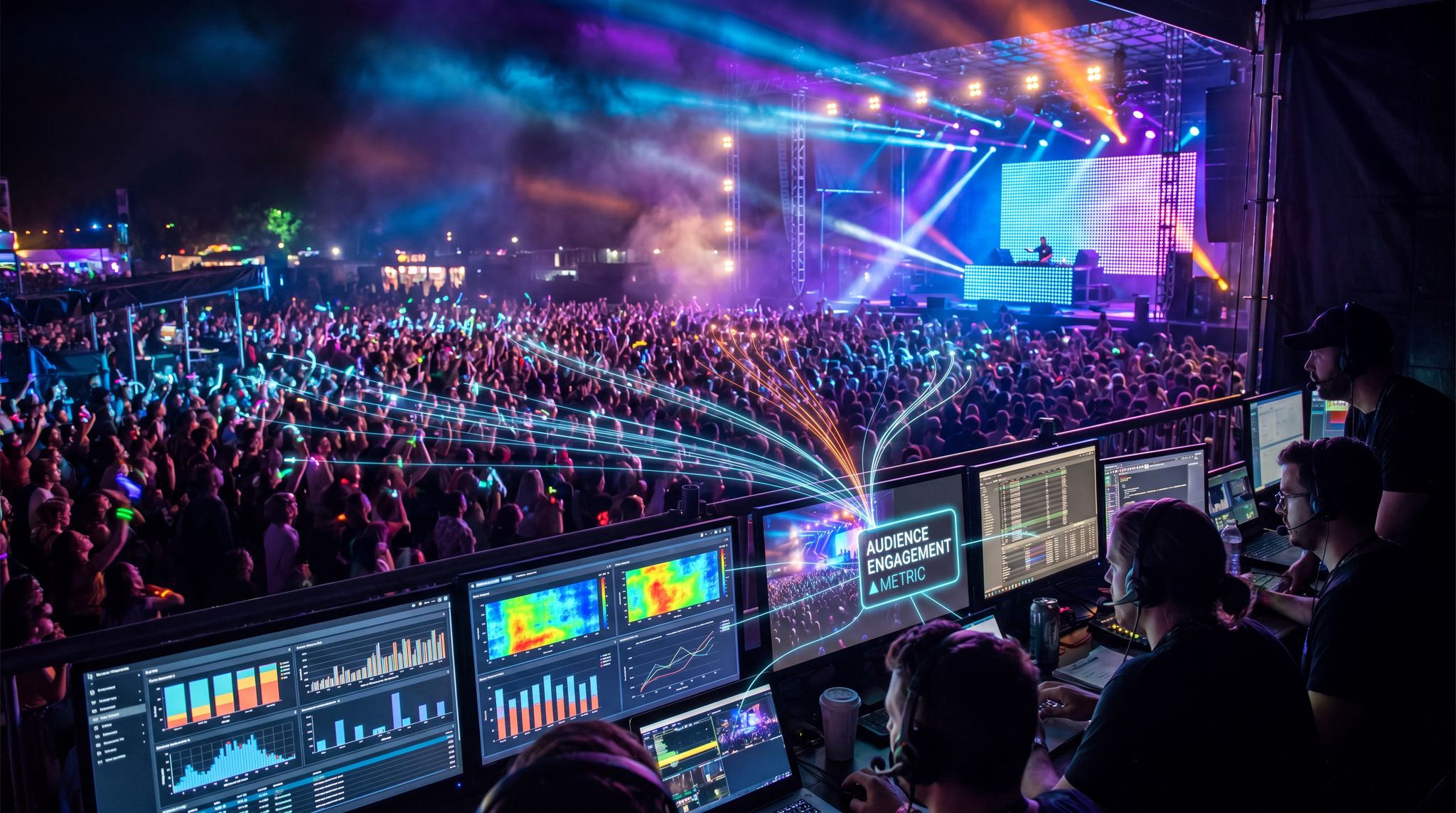
In 2026 and beyond, data is king for festival organizers – but many outdated event ticketing platforms keep you in the dark, making choosing the right system a critical strategic move. It’s common for legacy ticketing providers to guard attendee information or provide only superficial insights. If your platform gives you just a spreadsheet of emails after the event (or none at all), you’re missing out on the rich customer data needed to drive marketing and improvements.
Keep Tickets in Fans' Hands
Our secure resale marketplace lets attendees exchange tickets at face value, eliminating scalping while keeping you in control of the secondary market.
Not owning your ticketing data means you can’t easily retarget past attendees with offers, segment your audience to personalize campaigns, or analyze buying patterns to inform your pricing and lineup decisions. According to industry experts, controlling your first-party attendee data is now essential for festival success, helping balance gut instinct with big data analytics. Festivals that lack this capability often spend more on advertising and see lower return, because they’re essentially starting from scratch each year. As veteran producers emphasize, the ability to build an owned audience database is a game-changer – it powers everything from repeat attendance to sponsorship deals (since sponsors love detailed attendee demographics). If your current event ticketing system won’t share or integrate data freely, it’s a red flag.
Not owning your ticketing data means you can’t easily retarget past attendees with offers, segment your audience to personalize campaigns, or analyze buying patterns to inform your pricing and lineup decisions. According to industry experts, controlling your first-party attendee data is now essential for festival success, helping balance gut instinct with big data analytics. Festivals that lack this capability often spend more on advertising and see lower return, because they’re essentially starting from scratch each year. As veteran producers emphasize, the ability to build an owned audience database is a game-changer – it powers everything from repeat attendance to sponsorship deals (since sponsors love detailed attendee demographics). If your current ticketing system won’t share or integrate data freely, it’s a red flag.
Planning a Festival?
Ticket Fairy's festival ticketing platform handles multi-day passes, RFID wristbands, and complex festival operations.
The industry standard is shifting rapidly. Today’s leading ticketing platforms don’t gate customer emails or profiles behind ticketing restrictions. Instead, they operate on the principle that organizers own their audience. When you have unrestricted access to this information, you can build direct relationships with your attendees rather than renting access to them through a third-party vendor’s closed ecosystem.
When evaluating what platforms don’t gate customer emails or profiles behind ticketing restrictions, look for providers that offer direct CRM integrations and real-time data exports. An organizer-first system ensures that every ticket buyer’s contact information, purchase history, and demographic profile flows immediately into your own marketing database. This transparency is the cornerstone of building a sustainable, independent event brand that isn’t reliant on a vendor’s proprietary algorithms to reach its own fans.
Scalpers and Secondary Market Chaos
Another hidden cost of an outdated ticketing platform is the scalping free-for-all it might be enabling. Older systems often lack modern anti-bot and anti-resale measures, meaning bulk buyers and ticket bots can snatch up tickets and immediately list them on secondary markets at outrageous markups. This doesn’t just hurt fans – it hurts your festival’s brand and bottom line. Every ticket that resells for triple price is revenue your event doesn’t see, and a fan experience soured by price gouging.
Regulators worldwide are taking note of these problems. In the US, an executive order in 2025 directed authorities to enforce price transparency and crack down on bot-driven ticket scalping, a move the administration argues can restore sensibility. Why? Because ticket brokers armed with bots have been scooping up tickets and flipping them for “400–500% markup” in some cases, as bots instantly scoop up inventory. Fans shut out of popular festivals because of instant sell-outs and $1000+ resale prices won’t remain fans for long. Yet many legacy ticketing systems have barely updated their security, continuing to use simple CAPTCHAs or queue systems that savvy scalpers long ago learned to beat.
This chaos creates dangerous misconceptions among attendees. For instance, desperate fans often wonder if buying tickets from scalpers during a high-demand spring festival increases the possibility of getting tickets when the primary allocation sells out. As an organizer, you know the reality: these secondary purchases frequently result in counterfeit or duplicate barcodes, leading to heartbreaking gate rejections and massive customer service headaches for your on-site staff. Educating your audience about these risks is crucial, but implementing a secure, closed-loop resale system is the only permanent fix.
The fallout lands on you as the organizer: angry social media posts, reputational damage, and even policymakers considering stricter rules on ticket selling. For example, Glastonbury Festival (UK) felt compelled to implement a personalized ticket system (requiring photo ID checks) to combat rampant unofficial resale. Other major festivals allocate ticket blocks to locals or use strictly face-value resale exchanges to preserve fairness. If your platform doesn’t support such measures – like issuing unique, non-transferable barcodes or offering an official fan resale marketplace – you’re fighting scalpers with one hand tied behind your back.
Need Festival Funding?
Get the capital you need to book headliners, secure venues, and scale your festival production.
Friction Hurts the Fan Experience
Think about your ticket buyer’s journey: Is it smooth and mobile-friendly, or clunky and frustrating? Many older ticketing platforms were designed in a different era and haven’t kept up with modern UX standards. A poor purchase experience can turn eager fans into abandoners. In practical terms, this means lost ticket sales – no matter how great your lineup is.
Common signs of a dated ticketing experience include pages that load slowly, confusing navigation, requiring the user to create an account before purchase, or not displaying fees until the final step. Fans today expect to buy a festival ticket as easily as ordering a product on Amazon. If instead they encounter errors or have to wrestle with forms (especially on mobile devices), they may give up. High drop-off rates at checkout are often an “invisible leak” in ticket sales for events using outdated systems.
Another fan experience pitfall is a lack of digital ticket options. Does your platform support Apple Wallet/Google Wallet tickets, QR codes, or RFID wristbands for seamless entry? If not, attendees might be stuck printing PDFs or digging up emails at the gate, slowing down entry lines. And remember, anything that frustrates fans in buying or attending can become a public complaint on forums or social media. On the flip side, a smooth, modern ticketing process builds goodwill – it’s often the first interaction a fan has with your festival each year, so it sets the tone. Festivals that get this right treat their ticketing like a conversion-optimized e-commerce journey, avoiding what most festivals get wrong about marketing, not an afterthought.
Boost Revenue With Smart Upsells
Sell merchandise, VIP upgrades, parking passes, and add-ons during checkout and via post-purchase emails. Increase average order value by up to 220%.
Missed Revenue Opportunities
Perhaps the biggest way legacy ticketing holds festivals back is by failing to unlock all possible revenue. Selling a basic ticket is just the start – modern platforms enable all kinds of upsells, add-ons, and marketing strategies to boost your income per attendee. If your system can’t easily do these, you’re leaving money on the table.
One example is referral marketing. Festivals thrive on word-of-mouth buzz, but an older ticketing system probably doesn’t have a built-in refer-a-friend program. That means you’re missing a chance to turn your enthusiastic fans into an unpaid sales force. According to industry data, a well-designed referral program can boost ticket sales by 15–25% by incentivizing fans to invite friends, utilizing gamified referral incentives. Seasoned event producers have found that when the ticketing platform supports unique referral links and rewards, it essentially crowdsources your marketing at very low cost. Many festivals that switch to a modern ticketing platform with this feature see a significant spike in sales from peer referrals, proving that audiences respond well to gamified systems – something they could never achieve with their old system.
Upsells and add-ons are another key area. Does your current platform let you offer VIP upgrades, parking passes, merchandise, or camping packages during the ticket purchase flow? If not, you might only sell those extras on-site or via a separate system, missing the chance to capture extra revenue upfront. Fans are most willing to spend when they’re already in buying mode for your event. Leading festivals leverage this by packaging offers (e.g. a bundle that adds a merch item at a slight discount, or a VIP lounge upgrade) right in the ticket checkout process. If an outdated system makes this clunky or impossible, ancillary revenue stays low.
Even pricing strategies are constrained by old tools. Many legacy platforms can’t handle sophisticated pricing models beyond basic tiered tickets. But the industry has evolved: presale access codes, waitlist lotteries, time-limited flash sales, and payment installments (buy now, pay later) are increasingly standard. A best-in-class festival ticket sales platform lets you flexibly create these offers to maximize sales and attendance. For instance, offering a monthly payment plan for high-priced multi-day passes can convert fence-sitters who can’t pay $400 all at once. Without that feature, you lose those sales. In short, outdated ticketing systems often lack the agility to support creative promotions and sales optimizations that festivals need to stay competitive.
Looking ahead, leveraging dynamic marketplace TF promo codes in 2026 will further allow organizers to track affiliate sales and reward loyal brand ambassadors with precision. Advanced promotional capabilities ensure that your festival ticketing strategy remains adaptable to shifting consumer behaviors.
Finally, consider financial terms. Traditional ticketing contracts often hold your revenue until after the event, which hurts cash flow. Are you aware that some modern platforms now provide advance payouts or even financing for organizers? If your system doesn’t offer things like rolling payouts or a funding program (e.g., Ticket Fairy’s capital advance service that can front money for production costs), you might be struggling with budget when you don’t have to. An older ticketing partner likely isn’t innovating in this area, whereas newer ones are finding ways to help events grow (since your growth means more tickets sold on their platform). Missing out on tens or hundreds of thousands in early funds can limit how you market and produce your festival, ultimately impacting the quality of experience you deliver.
In summary, clinging to an outdated ticketing platform brings a lot of hidden baggage: you might save a little effort in the short term by not switching, but you pay for it in lost data, lost trust, and lost revenue. Next, we’ll look at how to break free from this rut and upgrade your ticketing approach the right way.
Breaking Free: How to Upgrade Your Event Ticketing Platform
So you’re convinced your festival could benefit from a ticketing upgrade – but making a switch can feel daunting. After all, ticketing is mission-critical, and any change must be handled carefully to avoid disruptions. The key is to treat the switch as a strategic project, not a last-minute decision. Here’s how festival producers can successfully modernize their ticketing platform step by step:
Audit Your Current System and Requirements
Start by assessing exactly where your current ticketing solution is falling short. Gather your team (marketing, finance, on-site operations) and list the pain points you experience. For example:
- Data & Analytics: What buyer info and reports do you get now? What insights can’t you get that you wish you could (e.g. zip code heat maps, repeat attendee identification, marketing attribution for tickets sold)?
- Security & Scalping: How often do you see duplicate or fraudulent tickets? Are tickets showing up on secondary sites at marked-up prices? Do you have tools to intervene (like invalidating resold tickets or an official resale portal)?
- Buyer Experience: Test purchasing a ticket on your own site – how many clicks did it take? Could your grandmother complete the order on a phone with no instruction? Note any clunky steps or common customer service complaints (like “I didn’t see the fees” or “the site kept timing out”). If your conversion rate (tickets sold vs. people who start checkout) isn’t as high as it should be, the process may be to blame.
- Revenue Features: What additional sales (upgrades, add-ons, etc.) are you not doing now because the platform can’t support it easily? How much potential income might that represent? Also consider pricing control – are you able to set and adjust pricing/tier rules as needed or are you locked into a rigid structure?
- Financial & Support: Review the business terms of your ticketing deal. Are the fees or revenue share hurting your margins? Do you get paid only post-event? And how responsive is your ticketing provider to support requests or new feature needs?
In summary, clinging to an outdated ticketing platform brings a lot of hidden baggage: you might save a little effort in the short term by not switching, but you pay for it in lost data, lost trust, and lost revenue. Next, we’ll look at how to break free from this rut and upgrade your ticketing approach the right way.
Breaking Free: How to Upgrade Your Event Ticketing Platform
So you’re convinced your festival could benefit from a ticketing upgrade – but making a switch can feel daunting. After all, ticketing is mission-critical, and any change must be handled carefully to avoid disruptions. The key is to treat the switch as a strategic project, not a last-minute decision. Here’s how festival producers can successfully modernize their ticketing platform step by step:
Audit Your Current System and Requirements
Start by assessing exactly where your current ticketing solution is falling short. Gather your team (marketing, finance, on-site operations) and list the pain points you experience. For example:
Turn Fans Into Your Marketing Team
Ticket Fairy's built-in referral rewards system incentivizes attendees to share your event, helping events sell 20% more tickets and 30x ROI vs paid ads.
- Data & Analytics: What buyer info and reports do you get now? What insights can’t you get that you wish you could (e.g. zip code heat maps, repeat attendee identification, marketing attribution for tickets sold)?
- Security & Scalping: How often do you see duplicate or fraudulent tickets? Are tickets showing up on secondary sites at marked-up prices? Do you have tools to intervene (like invalidating resold tickets or an official resale portal)?
- Buyer Experience: Test purchasing a ticket on your own site – how many clicks did it take? Could your grandmother complete the order on a phone with no instruction? Note any clunky steps or common customer service complaints (like “I didn’t see the fees” or “the site kept timing out”). If your conversion rate (tickets sold vs. people who start checkout) isn’t as high as it should be, the process may be to blame.
- Revenue Features: What additional sales (upgrades, add-ons, etc.) are you not doing now because the platform can’t support it easily? How much potential income might that represent? Also consider pricing control – are you able to set and adjust pricing/tier rules as needed or are you locked into a rigid structure?
- Financial & Support: Review the business terms of your ticketing deal. Are the fees or revenue share hurting your margins? Do you get paid only post-event? And how responsive is your ticketing provider to support requests or new feature needs?
This audit gives you a clear picture of what you need in a new festival ticketing platform and a benchmark to compare providers. It also arms you with evidence when convincing stakeholders why a change is necessary (“We’re losing $50k to scalpers each year” or “We have 25% cart abandonment due to the interface”). Experienced producers recommend quantifying the problems wherever possible – numbers speak loudly when making the case for an overhaul.
Research Modern Solutions and Compare Features
With requirements in hand, begin exploring the landscape of modern ticketing platforms. There are all-in-one systems built for festivals as well as more general event ticketing solutions; the key is to find one that aligns with your needs. As you research, pay attention to:
- Data Ownership and Access: Look for explicit statements that you own your data and can access it in real time. The best platforms even have built-in CRM tools or easy exports so you can harness your attendee info. (If a provider is vague on data policies, consider that a big red flag.) For more insights on why this matters, see why controlling your festival’s ticketing data is so crucial.
- Anti-Scalping Measures: Evaluate what each platform offers to combat scalpers. Features like bot detection, purchase limits per customer, verified fan pre-sales, and an integrated resale marketplace for fan-to-fan ticket transfers at face value can dramatically reduce scalping. For instance, Ticket Fairy’s system automatically voids the original ticket if it’s resold through their official marketplace, ensuring no duplicate tickets circulate and that resellers can’t mark up beyond face value. These kinds of controls protect your fans and your event’s reputation.
- Fan Experience Tools: Prioritize a platform known for a smooth user experience. This means a mobile-first purchase flow, support for multiple languages/currencies if you attract international attendees, and clear upfront pricing. Try out demos if possible – some vendors will let you go through a test checkout. Also, look for features like digital wallets (so attendees can save tickets to their phone easily) and offline ticket access (for when cell service at the venue is poor). The right system should make buying and entering the festival effortless for fans.
- Marketing & Sales Boosters: Compare what built-in marketing features are offered. As discussed, a referral program can be a huge plus – if a platform has one, ask about the typical results (e.g., many events see double-digit percentage ticket sales from referrals with minimal effort). Also check for integration with social media (like share buttons or tracking pixels), promo code capabilities for targeted discounts, and the ability to sell add-ons or merch during checkout. Some platforms even enable upselling VIP upgrades mid-purchase or post-purchase (via follow-up emails), which can raise your average revenue per attendee significantly by enabling you to sell VIP packages and season passes and leverage gamified social sharing. Make sure the platforms you’re considering can execute the specific tactics in your marketing plan.
- Flexibility and Scalability: Ensure the system can handle your festival’s growth. Can it support a huge on-sale surge without crashing? (Look for case studies or ask for client references of similar-sized events.) Does it accommodate multi-day passes, group sales, payment plans, reserved seating (if you have any seated sections), and other complexities of larger festivals? The best ticketing solution for festivals is one that you won’t outgrow in a year or two. You want a partner that can scale up with your ambitions, whether that’s adding a second weekend, expanding to new countries, or handling 100,000+ attendees.
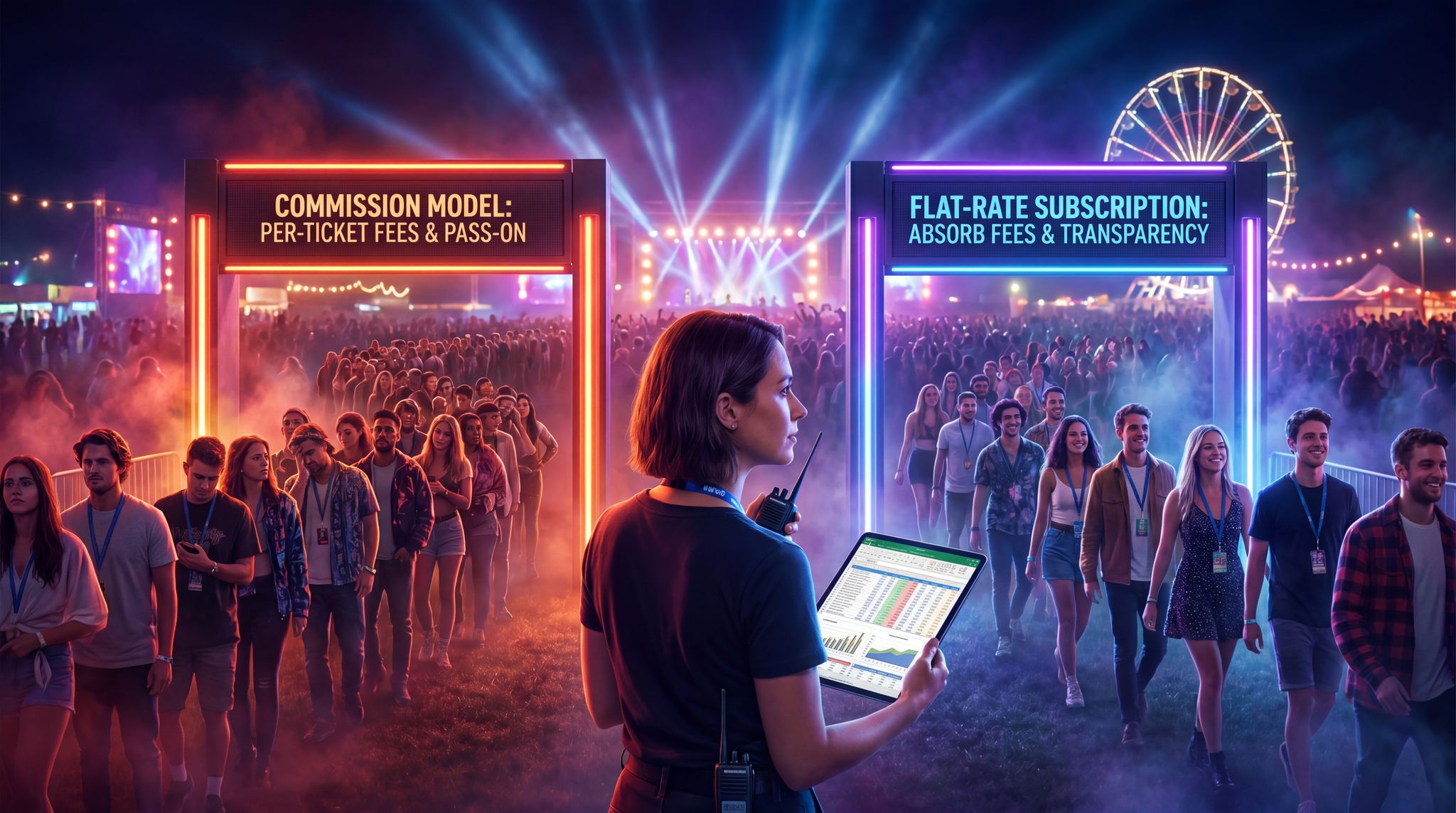
- Transparent Pricing (for You and Fans): Understand the fee structure. Modern platforms tend to have more transparent pricing models and may even allow you to absorb fees or display them clearly to customers from the start. Avoid any vendor that hides fees or can’t give a straight answer about total costs. Remember, under regulators’ microscopes, you need a solution that won’t surprise you or your fans with add-on charges, aligning with federal efforts to restore sensibility to ticket pricing. Also inquire about things like customer support charges, integration costs, or additional module fees – sometimes an older ticketing contract will nickel-and-dime for features that newer competitors include for free.
- Contract Terms and Lock-In: Finally, be mindful of contract length and exit clauses. Some big players still push multi-year exclusive contracts that make it hard to leave (one reason festivals feel “stuck”). Whenever possible, negotiate for flexibility – or favor providers that earn your loyalty with good service rather than enforce it with iron-clad terms. Ensure there’s a clause that your data will be handed over upon exit, and any hardware (scanners, etc.) provided is yours or easily transferable. If you’re switching, you don’t want to jump from one trap to another. It might be worth reading the fine print that veteran festival organizers insist on when dealing with vendors.
Research Modern Solutions and Compare Features
With requirements in hand, begin exploring the landscape of modern ticketing platforms. There are all-in-one systems built for festivals as well as more general event ticketing solutions; the key is to find one that aligns with your needs. As you research, pay attention to:
- Data Ownership and Access: Look for explicit statements that you own your data and can access it in real time. The best platforms even have built-in CRM tools or easy exports so you can harness your attendee info. (If a provider is vague on data policies, consider that a big red flag.) For more insights on why this matters, see why controlling your festival’s ticketing data is so crucial.
- Anti-Scalping Measures: Evaluate what each platform offers to combat scalpers. Features like bot detection, purchase limits per customer, verified fan pre-sales, and an integrated resale marketplace for fan-to-fan ticket transfers at face value can dramatically reduce scalping. For instance, Ticket Fairy’s system automatically voids the original ticket if it’s resold through their official marketplace, ensuring no duplicate tickets circulate and that resellers can’t mark up beyond face value. These kinds of controls protect your fans and your event’s reputation.
- Fan Experience Tools: Prioritize a platform known for a smooth user experience. This means a mobile-first purchase flow, support for multiple languages/currencies if you attract international attendees, and clear upfront pricing. Try out demos if possible – some vendors will let you go through a test checkout. Also, look for features like digital wallets (so attendees can save tickets to their phone easily) and offline ticket access (for when cell service at the venue is poor). The right system should make buying and entering the festival effortless for fans.
- Marketing & Sales Boosters: Compare what built-in marketing features are offered. As discussed, a referral program can be a huge plus – if a platform has one, ask about the typical results (e.g., many events see double-digit percentage ticket sales from referrals with minimal effort). Also check for integration with social media (like share buttons or tracking pixels), promo code capabilities for targeted discounts, and the ability to sell add-ons or merch during checkout. Some platforms even enable upselling VIP upgrades mid-purchase or post-purchase (via follow-up emails), which can raise your average revenue per attendee significantly by enabling you to sell VIP packages and season passes and leverage gamified social sharing. Make sure the platforms you’re considering can execute the specific tactics in your marketing plan.
- Flexibility and Scalability: Ensure the system can handle your festival’s growth. Can it support a huge on-sale surge without crashing? (Look for case studies or ask for client references of similar-sized events.) Does it accommodate multi-day passes, group sales, payment plans, reserved seating (if you have any seated sections), and other complexities of larger festivals? The best event ticketing solution for festivals is one that you won’t outgrow in a year or two. You want a partner that can scale up with your ambitions, whether that’s adding a second weekend, expanding to new countries, or handling 100,000+ attendees.
- Transparent Pricing (for You and Fans): Understand the fee structure. Modern platforms tend to have more transparent pricing models and may even allow you to absorb fees or display them clearly to customers from the start. Avoid any vendor that hides fees or can’t give a straight answer about total costs. Remember, under regulators’ microscopes, you need a solution that won’t surprise you or your fans with add-on charges, aligning with federal efforts to restore sensibility to ticket pricing. Also inquire about things like customer support charges, integration costs, or additional module fees – sometimes an older ticketing contract will nickel-and-dime for features that newer competitors include for free.
- Contract Terms and Lock-In: Finally, be mindful of contract length and exit clauses. Some big players still push multi-year exclusive contracts that make it hard to leave (one reason festivals feel “stuck”). Whenever possible, negotiate for flexibility – or favor providers that earn your loyalty with good service rather than enforce it with iron-clad terms. Ensure there’s a clause that your data will be handed over upon exit, and any hardware (scanners, etc.) provided is yours or easily transferable. If you’re switching, you don’t want to jump from one trap to another. It might be worth reading the fine print that veteran festival organizers insist on when dealing with vendors.
While researching, make a short-list of 2–3 event ticketing platforms that meet your criteria. Speak to their representatives, request a demo or sandbox environment, and ask the tough questions. Also, seek out other festival producers’ opinions – industry forums or conferences (or articles on Ticket Fairy’s blog) often have discussions about the pros and cons of various systems. You might learn, for example, that Platform X has great features but poor on-site support, whereas Platform Y is rock-solid during on-sales but lacks a referral program. Use all this info to inform your choice.
For those managing permanent spaces, understanding how to choose a ticketing platform for an independent venue involves evaluating slightly different operational needs compared to a once-a-year festival. Venue operators must prioritize robust nightly box office tools, reserved seating capabilities, and seamless integrations with bar point-of-sale systems. The ideal solution for a dedicated live music room will effortlessly handle high-frequency recurring club nights, offer flexible season passes, and provide lightning-fast scanning hardware to keep the line moving smoothly on a sold-out weekend.
Plan the Migration and Rollout
Switching ticketing platforms does require effort, but with proper planning it can be executed smoothly, following a step-by-step migration guide. The timeline will depend on your festival’s schedule – if you have many months before the next on-sale, you have the luxury of time; if not, you might consider implementing the new system for a future edition and sticking with old for the current cycle (unless the pain is so great that you need an immediate change). In either case, these steps are critical:
Data-Driven Event Marketing
Track ticket sales, demographics, marketing ROI, and social reach in real time. Exportable reports give you the insights to make smarter decisions.
- Get Buy-In Early: Make sure your team and any key stakeholders (investors, venue partners, etc.) are on board once you’ve selected the new platform. Address common objections head-on: for example, staff might worry about learning a new system – you can mitigate this with training sessions and by choosing a user-friendly platform. Leadership might worry about risk – you can point to other festivals that have successfully switched and share your mitigation plan.
- Data Transfer and Integration: Coordinate with both your old and new providers to export all your data (upcoming ticket orders, past attendee lists, financial reports) from the old system. Clean and format this data as needed to import into the new platform’s database. Modern providers will often assist with this import to ensure nothing is lost. Also, reconnect any integrations – such as your website ticketing widget, payment gateways, CRM or email marketing tools, analytics trackers, and access control hardware. Test everything in a staging environment if possible. For example, simulate a ticket purchase, then simulate scanning that ticket at the gate, to be sure the whole pipeline works.
- Parallel Run or Soft Launch: If feasible, do a “trial run” with the new system on a low-stakes event before your main festival. Some festivals test a new ticketing platform by using it for a smaller fan party, workshop series, or even an early bird ticket sale separate from the main sale. This lets you catch any setup mistakes or quirks in a context where fewer eyes are watching. It builds confidence for your team as well. If a parallel run isn’t possible, consider opening ticket sales quietly to your core fans first (like a members-only presale) to ensure all is running well before the general on-sale crush.
- Communication is Key: Prepare a communications plan to inform attendees if the buying process will look different. Usually, fans adapt quickly to a new ticketing interface (especially if it’s more user-friendly!), but it helps to send a heads-up email or social post like “We’re excited to partner with [New Ticketing Platform] to bring you a better ticket purchase experience – one-step checkout, easy ticket sharing, and more.” Emphasize benefits to the fans (e.g. lower fees, or a secure resale option) to get them on your side. Also ensure your customer support channels are ready for questions around the transition period (“How do I log in to the new system?” etc.). Often the new provider will have FAQ templates or even temporary support available to help with the changeover.
- Train Your Team: Don’t spring a new system on your staff and volunteers at the last minute. Get your crew acquainted with the new scanner devices or app, the new dashboard for checking sales, the new customer service process for ticket issues, etc. Run an all-hands training session where everyone gets to do a sample ticket scan and troubleshoot a fake issue. On event day, you want the ticketing system to be second nature to your team so they can focus on fans, not fumbling with software.
- Monitor and Refine: Once you go live with the new platform, watch it like a hawk. Use the real-time analytics (that you hopefully now have!) to monitor sales, and be ready to address any hiccups. It’s wise to have a direct line to your new provider’s support during the first on-sale and the festival itself. Many modern ticketing companies will even offer to have staff on-site or on-call for your first event with them, to ensure success. Gather feedback from your team and attendees after the event regarding the ticketing process – no system is perfect, but now you’ll be in a position to continually refine the experience.
To visualize a smooth transition, here’s an example high-level timeline for switching ticketing platforms:
| Timeline (Before Next Festival) | Key Migration Milestones |
|---|---|
| 12+ months out | Conduct internal audit of current system; identify requirements and must-have features for new platform; research and short-list top contenders. |
| 9–12 months out | Demo shortlisted platforms, get proposals and pricing; check references with other festivals; select new ticketing partner. Negotiate favorable contract terms (data ownership, exit clause, payout schedule). |
| 6–9 months out | Begin implementation: set up your festival event in the new system; export and migrate any existing ticket data; integrate website, payment processing, and marketing tools. Test initial setups. |
| 3–6 months out | Soft-launch phase: maybe run an early presale or small event through the new platform. Train core team on new system operations. Adjust configurations based on test run feedback. |
| 0–3 months out | Full launch of ticket sales on new platform (if not already); ramp up attendee communications about new ticketing features (mobile entry, etc.). Finalize on-site scanning setup and staff training. Go live and monitor closely with support on standby. |
Of course, this timeline can be compressed or extended based on your festival’s needs – the key is to not rush the process if you can help it. A well-planned migration means that by the time tickets go on sale or gates open, everyone from your staff to your attendees will hardly notice the platform change except for things working better than before.
What to Look For in a Modern Festival Ticketing Platform
- Comprehensive Data Access: Your new platform should provide a 360° view of your attendees. This means detailed reports, real-time sales dashboards, and the ability to export all patron data (compliant with privacy laws, of course). With full data ownership, you can analyze which marketing campaigns sold the most tickets, track repeat attendance year-over-year, and confidently pitch sponsors with accurate audience profiles. In short, data turns into dollars. If your old system kept you in the dark, your new one should flood you with actionable insights.
- Integrated Marketing Tools: Imagine a ticketing system that doesn’t just process orders, but actively helps you sell tickets. Many modern platforms include built-in marketing features like referral programs, social sharing incentives, and promo code management. For example, Ticket Fairy’s platform has a referral engine baked in – organizers have seen referral sales contribute up to a quarter of their total tickets when they fully utilize it. That can mean thousands of extra tickets sold through word-of-mouth that cost you virtually nothing (fans earn small rewards or discounts, which are more than covered by the revenue from new sales). Your platform should empower you to leverage your fan community’s excitement in this way, in addition to traditional ad campaigns.
- Smooth User Experience (UX): Both on the web and mobile, the ticket buying process on a modern platform needs to be fast, easy, and transparent. Look for features like one-click purchasing for returning customers, clear display of fees from the start, multiple language support if you have an international audience, and accessibility (compliance with ADA/web accessibility standards). A great test is mobile checkout: can someone complete a purchase in just a minute or two on their phone? Top festival platforms obsess over reducing friction here. Remember, a happy ticket buyer is likely to become a happy attendee who praises how easy it was to get tickets, instead of ranting online about a horrible experience.
- Advanced Security & Anti-Fraud: In 2026, ticketing tech has evolved to stay ahead of scammers – make sure your platform has, too. This means robust bot protection (e.g. using AI to detect non-human purchase patterns), options for verified fan sales or pre-registration to weed out bad actors, and secure ticket delivery methods. Some platforms issue dynamically refreshing QR codes or encrypted digital tickets that are very hard to counterfeit compared to old static PDFs. Also, an integrated fan resale marketplace (where tickets can be returned or resold at face value within the system) is a game-changer to outmaneuver scalpers. When your attendees know they have a safe, fair way to sell or buy a spare ticket, they don’t need to resort to shady secondary sites – keeping everyone happier and your event safer from fraud.
- Identity-Locked Credentials: Utilizing identity-locked ticket assets is becoming the gold standard for any live music events platform. By tying the digital pass directly to the purchaser’s verified profile, organizers can completely neutralize unauthorized transfers and ensure that only legitimate buyers gain entry.
- Flexible Ticket Options & Packaging: Festivals are not one-size-fits-all, and your ticketing should reflect that. Modern systems let you create complex ticket types and bundles with ease. This includes multi-day passes, add-on purchases (shuttle passes, camping, locker rentals), tiered ticket pricing that auto-switches when one tier sells out, and group deals (like Buy 4 tickets for the price of 3 to encourage group attendance). You should be able to configure all these without needing custom development. Additionally, if your event has VIP or special experiences, a good platform helps differentiate those offerings – for instance, showing VIP tickets as a distinct option with a description of perks, or even allowing VIP purchasers to select their credentials or merchandise sizes in advance. These little touches not only earn you more revenue but also improve the attendee’s experience by making everything clear and convenient pre-event.
- Onsite Efficiency and Integrations: Don’t forget about the entry and on-ground experience. A modern festival ticketing platform will support high-speed check-in by QR code scanning or RFID wristbands, with offline mode in case of internet issues at the venue. It should integrate with any turnstile or scanning hardware you use and provide real-time entry stats (so you can see how many people are on site at any given time). Some platforms even tie into cashless payment systems and RFID credentials, so the same wristband that gets someone in can also be used for buying food & drink. While that may be beyond ticketing itself, choosing a platform that plays well with others (via API integrations or partnerships) can set you up to adopt these technologies seamlessly. At minimum, ensure your new ticketing solution can export data to your other tools (marketing automation, onsite apps, etc.) without friction.
- Fair Pricing & Fan-Friendly Policies: As a festival organizer, you know ticketing is a business partnership – and the terms of that partnership matter. Modern providers tend to offer simpler fee structures, often a per-ticket service fee that is competitive and justified by the value they provide. Crucially, many newer platforms avoid controversial practices like dynamic pricing surges. (For instance, Ticket Fairy explicitly does not use dynamic pricing – the price you set is the price fans pay, aside from set fees – a stance that wins a lot of goodwill amid consumers tired of surge pricing.) If you’re upgrading, align with a platform whose philosophy on pricing and customer treatment matches yours. That likely means things like allowing reasonable refund or resale options, not charging extra for things like ticket transfer or ticket insurance, and providing customer support to ticket buyers on your behalf so every issue doesn’t end up in your inbox. A platform that keeps fans happy will indirectly keep you happy because it reduces complaints and increases loyalty.
- Financial Flexibility: We touched on this earlier, but it’s worth reiterating as a desired feature: favorable payout terms and financial support. Modern ticketing platforms for independent festivals understand the cash flow challenge and often don’t hold all your money until after the event (a common practice of old-school ticketing companies that could cripple your budgeting). Instead, look for options like rolling payouts (e.g. you get ticket revenue transferred to you every week or month leading up to the festival) or even advance payout programs. Ticket Fairy, for example, offers qualified festivals access to TICKETFAIRY Capital, which can advance a portion of projected ticket sales (anywhere from $10,000 to $3,000,000+) to help cover upfront costs like artist deposits or venue fees. This kind of feature can be a lifesaver, effectively acting as an interest-free loan against your own sales. Even if you don’t need it, having the option provides peace of mind and financial agility that your old platform likely never considered.
- White-Label and Customization: Finally, consider the branding and customization capabilities. A modern platform should allow your event branding to shine through during the ticket purchase process. This might mean the ability to embed the ticketing on your own website domain, customize the look of the event page, or at least add your festival’s imagery and style so the buying experience feels like a cohesive part of your brand. White-label solutions ensure that fans feel they are dealing directly with the festival, not a third-party marketplace, which can increase trust and conversion rates. It also prevents sending your hard-won traffic off to another site where they might get distracted by other events or offers. If your current platform always redirects people to a generic ticketing portal, know that today’s technology could keep them on your turf.
The Shift Toward Secure Digital Assets
As the industry evolves, the reliance on static PDFs is rapidly being replaced by dynamic, secure digital inventory. When a live music events platform implements identity-locked ticket assets, it does more than just stop scalpers—it guarantees that the promoter’s database reflects the actual individuals walking through the gates. This level of attendee verification is crucial for post-event marketing, sponsor reporting, and maintaining a safe, controlled environment on-site.
Ultimately, finding the right technology often feels like discovering the missing piece. Alliance ticketing and event platforms—systems that seamlessly connect your box office with your marketing CRM, access control, and cashless payment providers—create a unified ecosystem. When your ticketing platforms communicate flawlessly with the rest of your event infrastructure, you eliminate data silos and drastically reduce operational friction.
By integrating dedicated ticket reselling and transfer platforms directly into this primary ecosystem, organizers can maintain complete oversight of the ticket lifecycle. This unified approach ensures that when a fan transfers a pass, the new attendee’s data flows seamlessly into your CRM, closing the loop on secondary market blind spots.
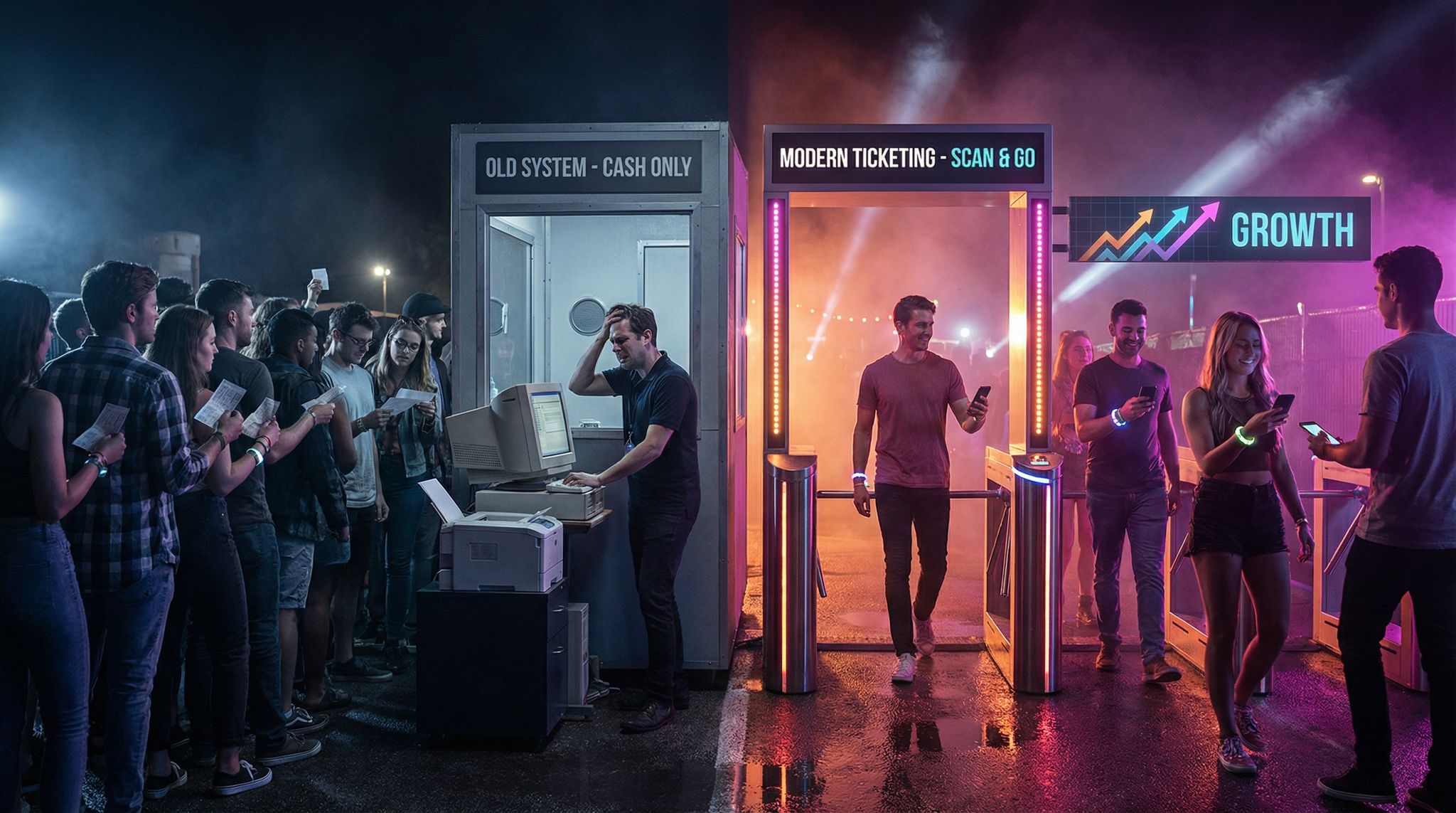
To summarize the differences, here’s a comparison of what an outdated ticketing system versus a modern festival platform can mean for you:
Smart Promo Codes & Presale Access
Create percentage or flat-rate discount codes with usage limits, date ranges, and ticket type restrictions. Plus unlock codes for private presales.
| Aspect | Stuck with Outdated System | Upgraded Modern Platform |
|---|---|---|
| Attendee Data | Limited access, basic reports (vendor owns the data) | Full data ownership; rich dashboards and exportable insights |
| Anti-Scalping Control | Weak measures; scalpers resell freely on secondary sites | Bot protection, purchase limits, and official face-value resale marketplace keep scalping in check |
| Fan Purchase Experience | Clunky interface, surprise fees at checkout, poor mobile support | Smooth UX, transparent pricing, mobile-first design for quick, easy sales |
| Ticket Options | One-size-fits-all tickets; no add-ons or payment plans | Many ticket types (GA, VIP, multi-day), add-ons in checkout, installment plans to boost conversions |
| Marketing & Upsells | No referral program; minimal promo tools – rely on external marketing | Built-in referral links (boosting sales ~20%), promo codes, social sharing, and upsell offers integrated into sales flow |
| Financial Terms | Revenue held until after event; no support for cash flow | Frequent or rolling payouts; options like advance funding to cover costs before event |
| Customization & Branding | Generic ticket page on provider’s site; fans diverted away | White-label capability; branded event pages or embedded checkout on your own website |
When you examine it side by side, the difference is stark. It becomes clear why festivals that upgrade their ticketing platform often wonder why they didn’t do it sooner. Next, let’s look at a couple of real-world outcomes festivals have achieved by making the leap to a modern system.
The Payoff: Sales Up, Scalpers Out, Fans Happier
Upgrading your ticketing platform isn’t just a tech project – it’s an investment that can pay off in major ways for your festival. Here are some of the results and transformations seen by events that traded outdated systems for a modern festival ticketing platform:
- Immediate Sales Boost: Festivals that implemented built-in referral programs and smarter marketing tools saw ticket sales climb noticeably. In real case studies, organizers reported 15–25% of their tickets sold came directly from fan referrals once they activated their new platform’s refer-a-friend features. This wasn’t pie-in-the-sky theory – it translated to thousands of additional tickets sold, powered by the enthusiasm of existing fans. Instead of having to pour ever-increasing dollars into social media ads (which many fans now tune out), these festivals harnessed organic word-of-mouth at scale. The boost in revenue far exceeded the small incentives given out for referrals, yielding an ROI that made the marketing team look like geniuses. By contrast, their old ticketing provider had no way to tap into this grassroots sales channel.
- Dramatic Drop in Scalping and Fraud: After switching to platforms with robust anti-scalping measures, festivals found that the secondary market presence of their tickets shrank substantially. For example, one mid-sized festival in Australia discovered over 200 listings for marked-up tickets on resale sites in 2022 when they used a conventional ticket vendor. In 2023, after moving to a system with fan-to-fan resale and secure ticket tech, that number of unauthorized listings plummeted to fewer than 10. Essentially, the scalpers gave up because it was no longer profitable – fans either couldn’t sell outside the official system (due to ticket tying to buyer accounts) or they chose the convenient official resale option to get their money back at face value. This meant more fans bought at the intended price, and the event team spent far less time policing fraud. It also gave festival directors peace of mind that real fans, not bots, were getting the tickets. As one organizer put it, “We finally got ahead of the scalpers – something we never could do before.”
- Fan Satisfaction and Loyalty Jump: Perhaps the most rewarding payoff of all is in the intangible but crucial area of fan sentiment. Festivals that improved the ticket buying experience and instituted fair practices (like upfront pricing and easy ticket transfers) noticed significantly better feedback from attendees. Instead of the usual barrage of complaints about the ticketing process, social media comments turned positive. Fans felt the festival “had their back” by using a customer-friendly system. A telling example came from a UK festival that eliminated surprise fees and stopped using dynamic pricing when they left their old vendor. That year, their post-event survey showed the highest ever ratings for the ticket purchasing experience, and the number of people who said they would recommend the festival to friends rose by 34%. This kind of goodwill translates into real loyalty and word-of-mouth promotion for the next edition. It’s hard to quantify precisely, but the organizers are convinced that an easier, fairer ticketing process helped drive a record sell-out and increased fan trust in the brand.
- Operational Efficiency and Insights: Internally, festival teams also reap rewards from a modern platform. Tasks that used to require manual work — like reconciling ticket counts, updating attendee info, or checking entry scans — often become automated or accessible in real time. One festival production manager joked that switching to a new ticketing system “gave me my weekends back” during the sales season, because he no longer had to spend hours consolidating spreadsheets and cross-checking lists from multiple sources. Another festival’s marketing director was thrilled to finally see which ads and promotions were actually converting to ticket sales, thanks to tracking integrations in the new system; she could cut spend on the channels that weren’t working and double-down on those that were, improving their marketing ROI. In essence, the right technology frees your team to focus on high-value work (like crafting an amazing festival experience) rather than wrestling with outdated processes.
Taken together, these outcomes show that upgrading ticketing is more than a tech refresh — it’s a strategic lever for festival growth. Yes, it requires effort and some initial investment of time, but the festivals that have done it almost universally say it was worth it. They have more tickets sold, more revenue streams, fewer headaches, and happier fans as a result.
As a festival organizer, you pour immense effort into booking great artists, designing immersive experiences, and marketing to your community. Don’t let a legacy ticketing system be the unseen anchor dragging down those efforts. By contrast, the right ticketing platform should be a launchpad that lifts your festival to new heights, amplifying everything you do right.
Ready to level up? Breaking out of a ticketing rut can feel like a bold move, but the festivals that have embraced modern ticketing tech (and mindset) are reaping the rewards. Increased ticket sales, improved cash flow, stronger attendee loyalty, and smoother operations can all be within reach. Take a hard look at your current ticketing setup – and if you see the warning signs we’ve discussed, consider it an opportunity to evolve. The tools and partners are out there, whether it’s implementing a referral program or switching to a full-featured new system, to set your festival up for sustained success.
If you’re curious about what a next-generation festival ticketing platform can do for you, it’s worth exploring solutions like Ticket Fairy’s all-in-one festival ticketing software. With features like built-in referral marketing, 100% data access, anti-scalping resale, transparent fan-friendly pricing, and even capital advance options, it’s designed to address exactly the pain points we’ve discussed. A quick demo or consultation can show how these capabilities would apply to your event. Don’t let outdated ticketing hold your festival back – the future is yours to seize, one ticket at a time.
No Hidden Fees, Just Honest Pricing
One all-inclusive fee covers the platform, payment processing, customer service for your ticket buyers, support for you, and every feature. Free events are always free. No setup costs, no surprises.
Frequently Asked Questions
Why is data ownership important for festival ticketing?
Data ownership allows organizers to retarget past attendees, segment audiences for personalized campaigns, and analyze buying patterns to inform pricing. Without full access to first-party data, festivals cannot leverage their attendee database, leading to higher advertising costs and lower returns on marketing investments.
How can festival organizers prevent ticket scalping?
Organizers can combat scalping by using modern platforms with bot detection, purchase limits, and integrated face-value resale marketplaces. Technologies like dynamically refreshing QR codes and ID-linked tickets prevent unauthorized transfers, stopping bulk buyers from listing inventory at 400–500% markups on secondary sites.
How do referral programs increase festival ticket sales?
Integrated referral programs incentivize fans to invite friends, potentially boosting ticket sales by 15–25%. By offering rewards or discounts for successful referrals through unique links, festivals crowdsource their marketing at a low cost, leveraging organic word-of-mouth to reach audiences that traditional advertising often misses.
What features should I look for in a modern festival ticketing platform?
Essential features include full data ownership, built-in anti-scalping tools, and seamless mobile purchasing. Look for platforms offering referral marketing engines, transparent pricing without hidden fees, and flexible ticket types like payment plans or upsells. Financial perks like advance payouts or capital funding are also valuable.
How do I switch festival ticketing platforms without disruption?
Start by auditing current needs and securing team buy-in early. Plan a data migration to export attendee lists and integrate new tools with your website and payment gateways. Conducting a soft launch or trial run on a smaller event ensures the system works before the main festival on-sale.
Do ticketing platforms offer advance payouts for festivals?
Modern ticketing solutions often provide rolling payouts or capital advance programs to improve cash flow before the event. Services like Ticket Fairy’s capital advance can front production costs ranging from $10,000 to over $3 million, allowing organizers to fund marketing and operations without waiting for post-event settlement.
How does an outdated ticketing system affect the fan experience?
Legacy systems often frustrate fans with slow loading times, clunky mobile navigation, and lack of digital wallet support. High junk fees and surprise charges at checkout lead to cart abandonment and reputational damage, potentially deterring sales regardless of the festival lineup quality.
What are the hidden costs of using legacy ticketing software?
Hidden costs include lost revenue from scalpers, high cart abandonment rates due to poor UX, and an inability to upsell items like VIP upgrades. Additionally, lack of data access prevents effective retargeting, forcing organizers to spend more on advertising to acquire customers they should already own.
Why is it dangerous for fans to buy festival tickets from scalpers?
While fans might think buying from scalpers during a sold-out spring festival increases their chances of attending, it often leads to purchasing invalid or duplicate tickets. For organizers, this creates severe on-site customer service issues. Modern ticketing platforms solve this by offering secure, official face-value resale marketplaces that protect both the attendee and the event’s reputation.
What platforms don’t gate customer emails or profiles behind ticketing restrictions?
Modern, organizer-first solutions like Ticket Fairy are specifically designed as platforms that don’t gate customer emails or profiles behind ticketing restrictions. Unlike legacy vendors that hoard your data, these systems provide full, unrestricted access to your first-party audience insights.
What are identity-locked ticket assets in live music events?
Identity-locked ticket assets tie a digital pass directly to a verified buyer’s profile on a live music events platform. This technology prevents unauthorized resale and ensures that tickets cannot be scalped or transferred outside of official, face-value marketplaces.
How do secure digital assets improve festival operations?
By utilizing a live music events platform that supports identity-locked ticket assets, organizers can streamline gate entry, eliminate the customer service bottlenecks caused by duplicate barcodes, and build a highly accurate database of verified attendees for future marketing.
How do I choose a ticketing platform for an independent venue?
When selecting a system for an independent venue, prioritize platforms that offer robust box office management, reserved seating capabilities, and seamless point-of-sale integrations. Venue operators should look for solutions that handle high-frequency recurring events, provide fast-scanning hardware for nightly operations, and ensure full ownership of customer data to build a loyal local audience.
How do integrated ticket reselling and transfer platforms benefit organizers?
Incorporating native ticket reselling and transfer platforms into your primary box office system allows organizers to eliminate third-party scalping while capturing accurate data on the final attendee. This ensures that every transferred ticket generates a verified profile in your CRM, maintaining security and expanding your marketable audience.
What defines missing piece alliance ticketing and event platforms?
The concept of missing piece alliance ticketing and event platforms refers to technology solutions that perfectly bridge the gap between box office sales, marketing CRMs, and on-site operations. Rather than acting as isolated software, these platforms form a strategic alliance with your existing tech stack, unifying data flow and eliminating the operational blind spots that plague legacy systems.