Introduction
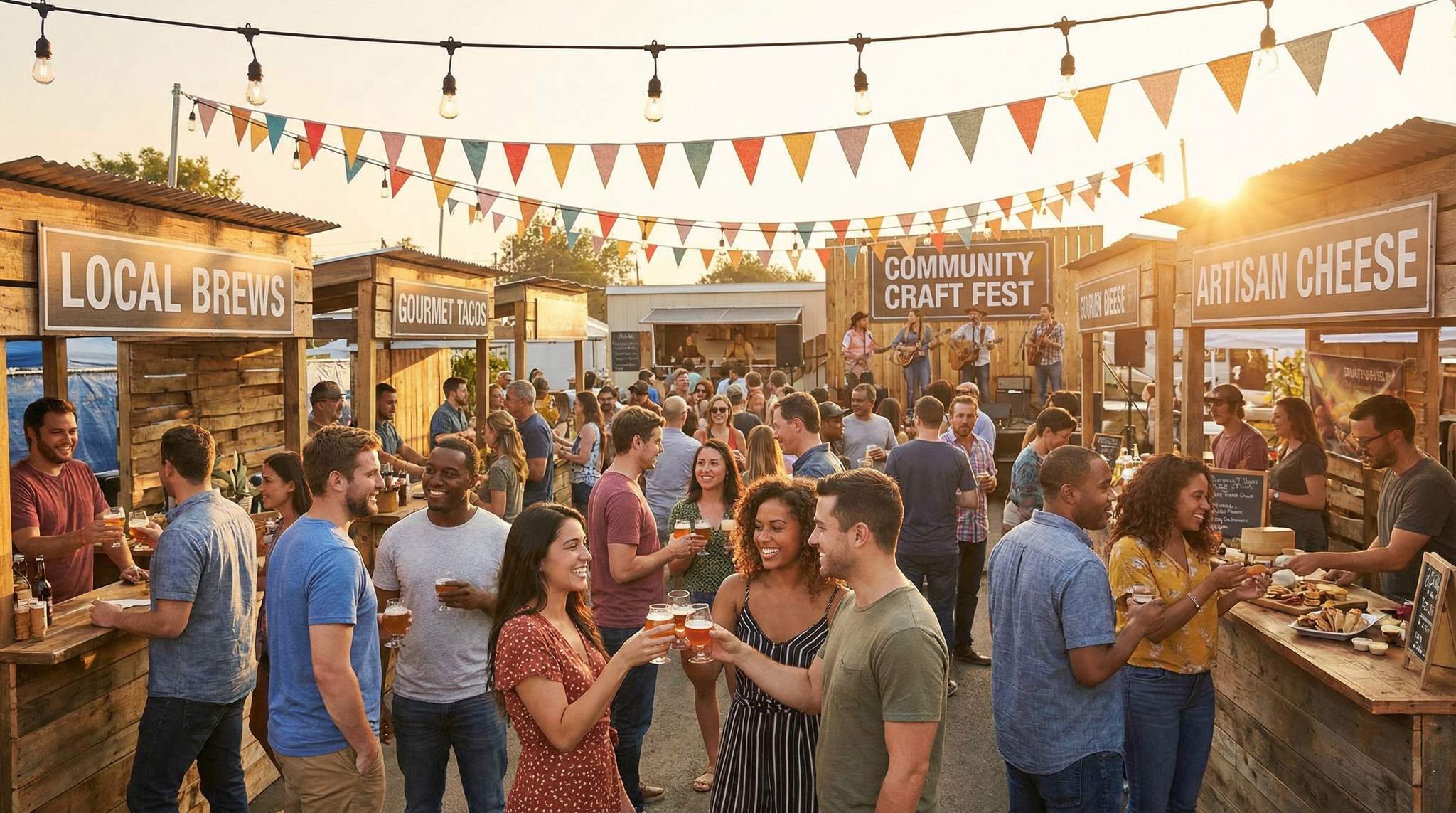
The festival world is more diverse than ever, filled with specialized festival types and niches of every kind. From craft beer tasting events to esports tournaments, nearly every passion has its own celebration. These niche festivals harness intense community enthusiasm, often delivering more authentic experiences than broad mainstream events. Key Stat: Over 32 million people attended music festivals in the United States in 2022 alone – a testament to how audiences today seek out live experiences tailored to their interests. For festival producers, understanding the nuances of each niche is essential. Whether it’s a small-town cultural fair or a multi-stage comic convention, success comes from marrying professional event fundamentals with deep respect for each festival’s unique flavor.
Table of Contents
- Genre-Specific Music Festivals
- Food and Drink Festivals
- Arts and Film Festivals
- Cultural and Heritage Festivals
- Seasonal and Holiday Festivals
- Wellness and Yoga Festivals
- Cannabis Festivals
- Comedy Festivals
- Fan Festivals and Comic Cons
- Gaming and Esports Festivals
- Small Town & Community Festivals
- Multi-Genre Mega-Festivals
- Essential Reading
- FAQ
- Glossary
- Conclusion
Genre-Specific Music Festivals
Music festivals dedicated to a single genre present unique opportunities and challenges. Producers must tailor everything – from lineup curation to on-site culture – to meet the expectations of that genre’s fan base. The core principles of planning an unforgettable festival lineup and atmosphere apply to any music festival, but each genre comes with its own considerations. Below, we look at four popular genre-specific festival types and how producers hit the right note with each:
Hip-Hop Festivals
Hip-hop festivals are often high-energy events featuring rap, R&B, and urban music artists. Credibility with the audience is paramount – organizers need to book artists that have street credibility and stay true to the culture. At the same time, safety is a top concern due to the large, passionate crowds. Rolling Loud, for example, draws tens of thousands of rap fans and requires meticulous security planning. Ensuring strong backstage security and respectful treatment of artists also builds trust. In practice, credibility and safety at hip-hop festivals go hand in hand: organizers align with community leaders, hire security teams experienced in hip-hop shows, and enforce clear codes of conduct to keep the vibe authentic yet secure.
Jazz & Blues Festivals
Jazz and blues events thrive on an atmosphere of improvisation and soul. Audiences at these festivals often expect intimate performances, late-night jam sessions, and a touch of spontaneity. Producers lean into this by scheduling collaborative sets and leaving breathing room in the program for impromptu moments. Technical production focuses on superb sound quality to capture every note and solo. An iconic example is the Montreux Jazz Festival in Switzerland, which hosts legends and newcomers in an environment that encourages artistic freedom. Experienced organizers know the value of flexibility – the art of improvisation in jazz festival production means building a schedule that can adapt if artists decide to extend a jam or if surprise guests join on stage. Ensuring top-notch backline equipment and veteran sound engineers is critical so that every riff and bluesy vocal shines.
Turn Fans Into Your Marketing Team
Ticket Fairy's built-in referral rewards system incentivizes attendees to share your event, delivering 15-25% sales boosts and 30x ROI vs paid ads.
Classical Music Festivals
Classical music festivals bring the grand concert hall experience to new settings, from outdoor parks to historic venues. The goal is to make orchestral and chamber music accessible to broader audiences without sacrificing artistic integrity. Producers invest heavily in acoustics – often deploying temporary stages, shell frames, or custom sound systems to replicate the warmth of a symphony hall in open air. They also balance programming by pairing beloved symphonies with contemporary pieces or local youth orchestras to engage the community. Festivals like the BBC Proms in the Park (UK) or Tanglewood (USA) demonstrate how to successfully marry informality with classical excellence. Planning rehearsals at the venue is essential to fine-tune sound. Additionally, organizers coordinate with city officials to handle large crowds that may not be typical for classical concerts. By ensuring classical music festivals hit the right note, producers prove that Beethoven can resonate under the stars when production is executed flawlessly.
Latin Music Festivals
Latin music festivals celebrate a fusion of genres – from salsa and cumbia to reggaeton and Latin rock – often creating a joyous atmosphere that transcends language barriers. These events unite diverse cultures and age groups under the shared love of ritmo. Key considerations include bilingual marketing (English/Spanish) to reach wider audiences and a lineup that represents different Latin sounds. For example, Vive Latino in Mexico City features rock en español bands alongside urban reggaeton acts, drawing fans from across Latin America. To produce a truly inclusive experience, festival organizers might incorporate cultural elements like Latin food stalls, dance workshops, or art installations celebrating Latino heritage. Safety and crowd communication are handled in two languages, and signage is multilingual. By producing Latin music festivals that unite cultures, promoters ensure that attendees from different backgrounds feel represented. The result is a high-energy event where samba meets hip-hop and everyone dances together, illustrating the unifying power of Latin music.
Planning a Festival?
Ticket Fairy's festival ticketing platform handles multi-day passes, RFID wristbands, and complex festival operations.
Underground & Electronic Music Festivals
For promoters operating in the electronic dance music (EDM) space, highly specialized events—such as deep house retreats or underground techno weekenders—serve as a crucial outlet for niche party records and independent labels. These gatherings are less about mainstream radio hits and more about breaking new tracks and fostering industry networking. Producers of these events must prioritize top-tier audio fidelity, immersive lighting design, and extended set times that allow DJs to build a journey. By creating an environment where audiophiles and label heads converge, organizers position their event as an essential tastemaker hub within the global dance music ecosystem.
Pro Tip: In any genre-specific festival, partner with respected figures from that music scene. For instance, engaging a famous jazz club as a programming partner or a legendary hip-hop MC as a guest host lends credibility. These collaborations anchor the festival in the genre’s community and help attract core fans who spread positive word-of-mouth.
Food and Drink Festivals
Food and drink festivals celebrate culinary culture, from gourmet food truck fairs to craft beer and wine tasting events. These festivals require a very different approach than music-driven events – the “artists” are chefs, brewers, vintners, and mixologists, and the “performances” are tastings and demos. Producers must focus on vendor management, health and safety compliance, and creating an enjoyable tasting experience. This category can be divided broadly into beverage-focused festivals and food-centric festivals, each with its nuances.
Beverage Festivals: Beer, Wine & Spirits
Beverage festivals showcase drinks like craft beer, fine wines, or distilled spirits. A memorable beer or wine festival hinges on curation: inviting a balanced mix of well-known brands and boutique producers to offer attendees both familiar favorites and new discoveries. Organizers also manage logistics like draft systems, refrigeration, and responsible serving. For example, Munich’s Oktoberfest is as much about Bavarian culture and communal atmosphere as it is about the beer – but even at that massive scale, serving infrastructure and portion control are planned to the last detail. Smaller tasting events, like the Great American Beer Festival in Denver (with roughly 60,000 attendees annually), require an army of certified pourers and clear policies to prevent overconsumption. Attendees typically purchase entry that includes a tasting glass and a set number of samples, which helps regulate alcohol intake. Creating a memorable tasting event at craft beer and wine festivals means not only providing quality brews and vintages, but also controlling lines, offering palate-cleansing food options, and delivering educational content (like brewer talks or sommelier-guided tastings) to enrich the experience. Similarly, a spirits festival might feature cocktail demonstrations and designate sober zones or ride-sharing partnerships to prioritize attendee safety.
Warning: Over-serving is a critical concern at alcohol-focused events. Organizers must enforce tasting sizes and cut-offs diligently. An intoxicated guest can pose a safety risk. Ensure you have trained staff at each booth to check IDs and monitor consumption, ample free water stations, and partnerships with taxi or rideshare services. Many successful beer festivals also schedule “last call” well before closing and use token systems to limit total pours per attendee.
Planning a safe and memorable spirits festival is equally about atmosphere. Producers often incorporate live music or themed entertainment (e.g. jazz bands at a whiskey night) to complement the tasting. Elegant decor, such as wine barrel tables or cocktail lounge areas, can elevate the ambience. Critically, compliance with local alcohol regulations is non-negotiable – many jurisdictions require special event permits and licensed servers for pouring. By minding all these details, a beverage festival becomes a highlight for enthusiasts and newcomers alike, leaving them with great memories (and hopefully a safe journey home).
Need Festival Funding?
Get the capital you need to book headliners, secure venues, and scale your festival production.
Food Festivals & Culinary Events
Food festivals center on cuisine, local or international. These range from street food fairs and BBQ cook-offs to high-end food and wine classics. The heart of a food festival is its vendors and chefs. Producers must carefully curate cuisine and vendor experiences at food festivals to offer variety while maintaining quality. A mix of savory and sweet, familiar comfort foods and adventurous bites, and inclusive options (vegetarian, halal, gluten-free, etc.) will ensure every guest finds something to enjoy. Unlike a concert, attendees at a food fest stroll and sample continuously, so layout and traffic flow are key. Organizers often arrange vendor booths in a loop or market-style rows with wide walkways to avoid congestion, and provide shaded seating areas for people to sit and eat.
Many food festivals use a ticket or token system for purchases: attendees buy a bundle of food tickets at the gate and exchange them with vendors, simplifying cash handling and speeding up lines. Event staff must coordinate closely with local health departments for food handling permits and inspections. Another consideration is cooking infrastructure – if vendors are bringing food trucks or grills, the site needs sufficient electricity, water, and waste disposal. Taste of Chicago, for example, draws hundreds of thousands of visitors and requires months of prep to allocate power, dumpsters, and crowd control barriers in Grant Park. Even smaller community food fests plan for extra trash collection and recycling, given the high volume of disposables.
Beyond eating, successful festivals add entertainment like cooking demonstrations by celebrity chefs, eating contests, or live cultural performances (e.g. a mariachi band at a taco festival). These activities keep people engaged between bites and create a richer event narrative. Good communication via signage or an event app is also important, so guests know where to find their favorite cuisine or when the chef showcase begins.
Pro Tip: Offer “fast passes” or VIP early entry for food festivals. Hardcore foodies will pay a premium to enter 30 minutes early and avoid long lines at popular vendors. This not only generates extra revenue, it also spreads out the crowd peak. Just be sure to clearly separate VIP and general admission areas to manage expectations. Providing VIPs with a lounge or exclusive tasting (like a rare wine pour) will further enhance their experience and justify the higher ticket price.
Arts and Film Festivals
Not all festivals are about partying or feasting – many celebrate creativity, intellect, and the arts. Arts, literary, and film festivals attract a culturally engaged audience and often have a more refined atmosphere. For producers, these events involve coordinating content (performances, discussions, screenings) and logistics (venues, AV setups, guest management) that are quite different from music or food festivals.
Arts & Literary Festivals
Arts and literary festivals showcase visual arts, books, and ideas. They include events like citywide arts weeks, book fairs, poetry festivals, and multi-arts gatherings that might blend music, theater, and design. The format usually centers on scheduled sessions or exhibitions rather than continuous entertainment. For example, a literary festival may schedule author talks, panel discussions, and book signings in different rooms throughout the day, while an arts festival might have gallery installations and workshops. Producers need to handle more indoor venues (libraries, galleries, lecture halls) and coordinate closely with artists and authors on their technical needs (projectors for slideshows, easels for live painting, microphones for readings). The audience is there to be inspired and to learn, so comfortable seating, clear acoustics, and thoughtful scheduling (avoiding too many similar topics at once) are priorities.
Audience engagement is also key. Showcasing creativity and intellectual appeal might mean adding interactive elements like Q&A sessions, book signings, or participatory art projects. A children’s area with activities can broaden the festival’s appeal to families. Because these festivals often partner with educational or cultural institutions, producers should align on goals (e.g. promoting literacy or highlighting local artists). Marketing for literary and arts festivals targets niche interest groups: writing clubs, art school alumni, academic circles, etc., often with support from public radio or local arts media rather than commercial billboards.
Crucially, many arts and literary festivals are non-profit or grant-funded. Ticket prices tend to be low or free to encourage public attendance, so generating revenue comes down to sponsorships, government grants, and merchandise (like festival anthologies or art prints). Community stakeholders such as city arts councils or universities might be deeply involved, meaning producers must be adept at coordinating committees and meeting stakeholder expectations beyond just ticket sales.
Film Festivals
A film festival is a complex beast with its own life cycle: film submissions, judging, screenings, filmmaker hospitality, and awards. Unlike most other festivals, the content (films) must be curated well in advance through a submission and selection process. Festival organizers use platforms to collect thousands of entries from around the world. For instance, Sundance or Tribeca might review 10,000+ films to program a few hundred slots. Key Stat: Major film festivals are highly competitive – for example, Sundance typically receives over 12,000 film submissions but screens only around 200, an acceptance rate below 2%. For producers, managing this process entails recruiting screening committees and jurors, establishing transparent criteria, and communicating decisions to filmmakers professionally.
Once the program is set, logistics kick in. Managing everything from submission management to award ceremonies means juggling venues (often multiple theater screens running simultaneously), technical formats (DCP files, projectors, sound calibration), and event scheduling (premieres, Q&As, panels with directors). High-profile film festivals also handle press accreditation, red carpet events, and industry networking sessions for distributors and producers. Even for smaller film fests, creating a sense of occasion (opening night reception, awards gala) elevates the experience.
Smooth Entry With Mobile Check-In
Scan tickets and manage entry with our mobile check-in app. Supports photo ID verification, real-time capacity tracking, and multi-gate coordination.
Filmmaker hospitality is another focus: organizers often arrange travel, lodging, and local transport for invited filmmakers, and assign volunteers or staff as liaisons. A “festival lounge” or green room space where filmmakers can relax and network is common. These touches help build the festival’s reputation as filmmaker-friendly, which in turn draws more submissions in future years.
Pro Tip: Leverage local film schools and universities for volunteer staff during your festival. Film students are usually eager to help with tasks like badge check-in, ushering, and tech operation in exchange for being close to the action. Their savvy with equipment can be a bonus, and you can often credit their service as an internship or class project. This keeps staffing costs down while nurturing the next generation of festival organizers (and filmmakers).
Cultural and Heritage Festivals
Cultural and heritage festivals celebrate specific communities, ethnicities, or historical traditions. Examples include Lunar New Year festivals, Oktoberfest (German heritage), Diwali festivals, powwows for Indigenous peoples, or smaller events like a local Greek festival. The mission is to honor tradition and share it with a broader public, which places a premium on authenticity and respect.
Organizing a cultural festival often starts with involving community leaders and cultural experts from the relevant group. If you are producing an event celebrating a culture outside your own, it’s essential to have decision-makers from that culture guiding programming and protocol. Honoring tradition in festival planning might mean timing the festival to align with a cultural holiday, including ceremonies or religious observances as part of the schedule, and ensuring traditional clothing, foods, and crafts are presented appropriately. For instance, a Chinese New Year festival would incorporate lion dances, lantern decorations, and perhaps a ceremony to welcome the lunar new year, possibly in consultation with local Chinese cultural associations.
Producers must handle unique logistical aspects too. Some cultural festivals involve parades or processions, which require coordination with city agencies for street closures and security. Others might involve open flames or fireworks (as in Diwali or Independence Day events), needing special permits and fire safety measures. Communication and signage may need to be bilingual or presented in culturally respectful ways (e.g. using certain colors or symbols that carry significance). And marketing is often a grassroots effort through community bulletins, places of worship, cultural social media groups, and word of mouth in addition to mainstream channels.
The funding model for heritage events can differ from commercial festivals. Many are non-profit ventures supported by city grants, tourism boards, or corporate diversity sponsors. Local businesses serving the community (like ethnic grocery stores or restaurants) might be deeply involved, trading financial support or in-kind contributions for presence at the event. It’s not uncommon for a cultural festival to be free entry, focusing on community goodwill rather than ticket revenue, so controlling costs and tapping into volunteer labor is critical.
Below is a comparison of typical funding sources across different types of festivals:
| Festival Type | Major Funding Sources |
|---|---|
| Large Commercial (e.g., Coachella) | Ticket sales; major brand sponsorships; VIP package upgrades; merchandise & concessions |
| Local Cultural (e.g., community heritage fest) | Government or arts council grants; local business sponsors; community fundraising; nominal ticket fees (often free entry) |
| Niche Enthusiast (e.g., Comic Con) | Attendee badges/tickets; vendor/exhibitor booth fees; corporate partner sponsorships; fan merchandise sales |
| Food/Drink Festival | Tasting ticket packages or entry fees; vendor booth fees; beverage or food brand sponsorships; festival-branded merchandise (e.g., souvenir glasses) |
All festival producers should align their financing plan with their festival’s cultural context and goals. For instance, a non-profit heritage celebration might emphasize covering costs and community enjoyment, while a big comic convention will be driven by badge revenue and exhibitor sales. Understanding these differences helps set realistic budgets and success metrics for each event.
When examining the landscape of grassroots events, promoters often ask: who usually hosts sponsored community nights or festivals? Typically, these are spearheaded by a coalition of local arts councils, neighborhood associations, non-profit heritage foundations, and specialized independent organizers. Partnering with these established entities can provide a fast track to community trust and shared resources. Furthermore, if you are wondering who sponsors cultural festivals in the U.S., the funding ecosystem extends well beyond standard beverage brands. Financial backing frequently comes from regional tourism boards, corporate diversity and inclusion initiatives, international airlines, and culturally specific businesses (such as regional ethnic grocery chains or specialized banks). Aligning your pitch with their community outreach goals is the most effective way to secure these vital partnerships.
Warning: Cultural festivals demand cultural sensitivity. A misstep like misrepresenting a tradition, using sacred symbols for decoration without permission, or failing to involve cultural stakeholders can not only offend but also harm the event’s reputation. Always do your homework and when in doubt, consult respected community figures on program choices. It’s better to modify or exclude an element than to inadvertently appropriate or disrespect the culture you aim to celebrate.
Seasonal and Holiday Festivals
Seasonal and holiday festivals capitalize on calendar moments when people are primed to celebrate. Spring flings, summer beach festivals, autumn harvest fairs, winter holiday markets – these events piggyback on seasonal sentiments and often become annual traditions for communities. The built-in advantage is marketing: tie your festival to a popular holiday or season, and you have a ready-made theme and audience interest. However, competition and timing become key challenges, as many events cluster around the same dates.
Producers of seasonal festivals should plan very early, sometimes 12-18 months ahead, if their event falls on a major holiday period. For example, December is packed with Christmas and New Year’s events; securing a prime venue or sponsorship for a holiday market may require outmaneuvering other organizers. On the flip side, aligning with a city’s official celebrations can boost support – a local government may provide funding or free services (police, sanitation) for a festival that enhances public holiday festivities.
Holiday-themed events rely heavily on ambience. For a winter festival, that might mean elaborate lighting displays, a Santa’s grotto, and warm seasonal treats (mulled wine, hot cocoa vendors). A Halloween festival thrives on creative decor, costumes, and haunted attractions. Weather can be a decisive factor: outdoor events in summer bank on sunshine, whereas winter events must prepare for cold or snow. Secure tents, heaters, water misters, or shade structures as needed to ensure attendee comfort in any forecast. Seasonal events also often involve families and all ages, so including kid-friendly activities (like Easter egg hunts, Fourth of July fireworks, or Lunar New Year crafts) will broaden appeal.
Warning: Always have a weather contingency plan for seasonal festivals. Summer storms, extreme heat, or winter blizzards can derail an event without notice. Consider event insurance for weather-related cancellation if significant costs are at stake. For outdoor holiday markets, identify an indoor backup venue or be ready to provide rain ponchos, heaters, wind barricades, or other mitigations. Communicate clearly with ticket holders about how you’ll handle adverse conditions. A festival tied to a date (like New Year’s Eve) has no flexibility, so you need robust on-site preparedness and possibly the ability to pause and resume activities if the weather shifts.
Finally, embrace the seasonal spirit in your marketing. Use the imagery and motifs of the season in promotions: autumn leaves for a fall fest, snowflakes for a winter wonderland, flowers for spring. People often seek these festivals for a dose of nostalgia and communal celebration tied to the time of year, so delivering that emotional experience is as important as the logistics.
Wellness and Yoga Festivals
In the last decade, wellness and yoga festivals have surged in popularity, riding the wave of mindfulness and holistic health trends. Unlike hedonistic music festivals or crowded cons, these gatherings promise rejuvenation, learning, and a sense of calm. Common formats include yoga retreats, multi-day wellness expos, and transformational festivals that might mix meditation, workshops on personal growth, and even electronic music in the evenings. Balancing the mindful experiences with operational challenges is the central task for producers here.
A wellness festival agenda might start at sunrise with guided yoga and continue with nutrition talks, nature hikes, and healing workshops (sound baths, breathwork, Ayurveda, etc.) throughout the day. This schedule demands an environment conducive to relaxation and focus. Many such festivals choose remote or scenic locations – mountain resorts, forests, deserts – which can introduce significant logistical hurdles: bringing in power, tents, restrooms, and first aid to off-grid sites. Even at a smaller scale, say a one-day urban yoga festival in a park, producers arrange for things like a smooth floor surface for yoga mats, shade for afternoon sessions, and quiet zones away from city noise.
Attendee comfort is extremely important. Expect attendees to be sober and health-conscious; they will notice if toilets are unclean, if a loud generator disrupts a meditation, or if healthy food options are scarce. Many wellness events offer on-site camping or glamping, so infrastructure for showers, drinking water, and phone charging might be needed. Also, the community aspect is key – people come to connect on a deeper level. Organizers can facilitate this by creating communal spaces (tea lounges, nightly bonfires, group art projects). Balancing mindful experiences with operational challenges requires a calm, unhurried pace on the attendee side, while behind the scenes the staff adheres to a strict schedule and emergency readiness.
Another consideration is content credibility. Experts leading classes or workshops should be vetted for qualifications to maintain the festival’s integrity. If a festival markets itself on spiritual healing or advanced yoga, having respected instructors or gurus on the roster will attract serious enthusiasts. Yet, including some beginner-friendly sessions and fun activities (like luminary-lit evening dances or acoustic concerts) can make the event inclusive for newcomers as well.
Pro Tip: Integrate technology subtly to enhance the wellness experience without detracting from it. For instance, provide a simple mobile schedule app or text message updates so attendees know when and where the next session starts. Also, consider a festival-branded playlist or guided meditation recording available for download after the event. These digital takeaways keep your audience engaged post-festival and reinforce the positive memories, increasing the chance they’ll return next time.
Cannabis Festivals
With the legalization of cannabis in many regions, cannabis-themed festivals have emerged as a niche of their own. These events can resemble music festivals with an emphasis on cannabis culture, or trade-show-like expos where vendors display the latest products. Planning a safe, compliant cannabis festival is a delicate dance between delivering a fun, freeing atmosphere for attendees and strictly adhering to laws around cannabis consumption and sales.
First and foremost, legal compliance drives every aspect of the festival. Unlike alcohol – which is common at festivals – cannabis is often bound by newer and more complex regulations that vary drastically by jurisdiction. Organizers need to secure all required licences and permits. For example, in California the law stipulates that to host a cannabis event, the organizer must obtain both a marijuana event organizer license and a separate temporary event permit for each event, as detailed by the Department of Cannabis Control. Applications typically must be submitted months in advance, and they require detailed plans for security, site layout, and age verification. Only licensed cannabis retailers can sell on-site, and sales and consumption are confined to designated areas out of public view.
Within the festival, the environment needs careful control. Entry must be strictly 21+ (in most regions) with ID checks and secure perimeters to prevent any uncredentialed person from wandering in. Many events use high fencing and a single controlled gate with security personnel. Once inside, adult attendees may be allowed to consume in specified zones. Smart producers treat this almost like alcohol beer gardens at other events: there are “consumption lounges” or picnic areas where smoking or vaping is permitted, often separated from main stages or attractions. Non-consumers can still attend for the music or art, but signage will inform them where smoke-heavy areas are located.
Programming at a cannabis festival typically complements the theme: live music (reggae, hip-hop, and psychedelia are popular genres), cannabis education sessions, grower competitions, and vendor booths for accessories or edibles. A strong ventilation plan is important for any indoor components due to smoke. Medic and first aid stations should be on hand to assist anyone who may overindulge or feel unwell, just as you would have for alcohol at other festivals.
Security and law enforcement presence is often higher at these events. While attendees might be wary of a heavy police vibe, it’s key to coordinate with authorities so they understand the event is permitted and controlled. Hiring private security that is experienced with cannabis culture can ensure rules (like no sales by unlicensed vendors, no one underage inside) are enforced diplomatically. Planning a safe, compliant cannabis festival means that fun and legality must co-exist at all times. The payoff is a rapidly growing niche: cannabis events attract not only consumers looking to celebrate freedom but also entrepreneurs, ancillary businesses, and tourists curious about this new kind of festival experience.
Warning: Never shortcut the legal requirements for cannabis events. A single breach – like an underage person getting in, or unapproved sales happening on-site – can result in immediate shutdown by authorities and jeopardize future events and licensing. Also, ensure all marketing and communication for the event are compliant (e.g. using age-gated online pages, avoiding any cross-state ticket sales if your attendees will be consuming). It can be wise to retain a legal advisor during planning, to double-check contracts and plans against evolving regulations in this fast-changing industry.
Comedy Festivals
Comedy festivals bring laughter to the forefront, featuring stand-up comedians, improv troupes, and other humor-driven acts. These festivals can range from the grand scale of the Just for Laughs festival in Montreal (which draws over 2 million attendees for its citywide comedy extravaganza) to smaller urban comedy fests or fringe festivals highlighting emerging comics. The production considerations here differ from music concerts primarily in venue and format: comedy thrives in intimate spaces and on crisp, clear audio.
A typical comedy festival might schedule multiple shows per night across several venues. For example, a downtown comedy fest could have simultaneous stand-up showcases in theaters, bars, and clubs, plus afternoon workshops or podcast tapings. Coordination of schedules and performer transit between venues becomes a puzzle – it’s common for one comedian to do an early show at one venue and a late-night set at another. Producers use shuttle vans or dedicated staff to move talent quickly if needed, and stagger show times to allow audiences to catch more than one set in an evening. Ticketing can be by individual show or via an all-festival pass depending on the size of venues and attendee preferences.
Technical production for comedy is relatively straightforward but absolutely vital: every venue needs a reliable sound system, stage lighting that keeps the comedian well-lit without blinding them, and often a simple stage setup (stool, mic stand, curtain backdrop). Acoustics matter intensely – laughter is contagious, but only if everyone can hear the jokes. Some comedy festivals invest in recording equipment as well, since comics may want footage for specials or records. Edinburgh Festival Fringe, while not exclusively comedy, is the world’s largest arts festival and features hundreds of comedians; its model of using dozens of temporary venues (from proper theaters to basement pubs) underscores how flexible spaces can work as long as the audience can see and hear the performer. Key Stat: The Edinburgh Festival Fringe in Scotland featured nearly 4,000 shows across 300 venues in a recent year, selling over 2.6 million tickets—a figure reported by The World—a scale that shows the massive appetite for live entertainment, with comedy as a major component.
Programming diversity is crucial. A comedy festival lineup might include classic stand-up, improv groups, sketch comedy acts, and even live podcast recordings or comedic plays. This variety attracts a wider audience range. It’s also important to balance big-name headliners with fresh faces: headliners sell tickets, but new talent keeps the festival vibe innovative and can generate breakout buzz (the next Ali Wong or John Mulaney might be discovered on your side stage). Providing networking events or an industry showcase as part of the festival can also draw talent agents and comedy scouts, adding prestige for performers.
One unique challenge is content sensitivity. Humor can be subjective or provocative, and in recent years audience expectations around offensive material have shifted. While festival producers don’t typically censor comedians, it’s wise to set some basic guidelines (e.g. no hate speech) and to prepare for possible PR scenarios if a set goes viral for the wrong reasons. Having a clear stance and a media plan helps handle any controversy.
Fan Festivals and Comic Cons
Fan conventions (“cons”) and fan festivals cater to specific enthusiast communities: comic book lovers, sci-fi and fantasy fans, anime devotees, K-pop fans, and beyond. These events are part festival, part trade show, and part community meetup. The most prominent example is San Diego Comic-Con, which has become a global cultural event attracting over 130,000 attendees annually to celebrate comics, film, TV, and pop culture. While not every fan fest is that huge, they all share an emphasis on engaging fandom through panels, celebrity appearances, cosplay, and merchandise.
Planning a fan festival involves orchestrating multiple content streams. There are usually panel discussions and Q&As (with actors, writers, or creators of a franchise) which function like the headliner performances – these need the biggest halls, good moderators, and high-quality AV for clips and trailers. Simultaneously, there is an exhibition floor with vendors and exhibitors selling collectibles, art, comics, games, and branded merchandise. This expo aspect brings in revenue (booth fees can be significant) and requires managing load-in, security for goods, and insurance for valuable items on display.
Another iconic element is cosplay – attendees dressing as characters. Organizers typically encourage this with costume contests, cosplay parades, and dedicated photo-op areas. However, it introduces safety factors: prop weapons must be inspected (many cons have a strict weapons policy at check-in), and extra staff or volunteers are needed to manage lines when popular cosplayers attract impromptu photo crowds. Engaging fandom communities effectively also means providing interactive experiences. Modern fan festivals might have escape room games, VR demos, fan art workshops, or meet-and-greet lotteries for autographs with stars.
Crowd management in fan festivals is critical because certain sessions or booths can create sudden surges. For example, a surprise appearance by a famous actor can see hundreds of people flocking to one area. That’s why access control systems (badges or wristbands scanned for main hall entry) and line management protocols are put in place. Many large cons issue ADA passes for disabled attendees to have early seating and ensure equity in experiencing big events. Scheduling must consider not overlapping two superstar panels if they target the same fandom (so fans don’t have to choose one over the other). Often, the schedule is released weeks ahead so attendees can plan – and the most popular panels may require a ticket lottery or pre-booking system to manage demand.
Warning: Overcrowding can quickly become a safety hazard at fan conventions. Organizers should use tools like timed entry tickets for the dealer hall, capped attendance for panels, and “line cutoff” staff who know when to stop admitting more people. If your venue has escalators or tight corridors, arrange one-way foot traffic flows. Clear communication is key – regularly announce which events are full and use event apps or social media to update crowd movements. A well-run con ensures that even with excitement at a fever pitch, everyone moves in an orderly, safe fashion.
On the business side, fan festivals have complex stakeholder relationships. IP owners (comic publishers, movie studios, game companies) often collaborate by sending talent or exclusive content, which can elevate the festival’s prestige. In return, they may expect certain perks like branding opportunities or private VIP events. Managing these partnerships and expectations carefully is part of the production role. Additionally, unlike many festivals, cons often rely heavily on volunteer labor – passionate fans themselves – for roles like registration, line monitoring, and hospitality. A robust volunteer training program is essential to maintain quality and consistency of the attendee experience.
Gaming and Esports Festivals
Gaming and esports festivals cater to video game enthusiasts, ranging from professional esports tournaments in arenas to fan expos like PAX that combine game demos, cosplay, and community panels. These festivals share some DNA with fan cons but come with unique production challenges: high-tech equipment needs, live competition formats, and a hybrid live/online audience.
A large esports festival centers on one or multiple stages where teams compete in popular games (League of Legends, CS:GO, Dota 2, etc.) in front of a live audience and streaming cameras. The production quality is akin to a sports broadcast: giant LED screens, live commentary (casters), instant replays, and elaborate team introductions. Producers work with game publishers and tournament organizers on scheduling matches and ensuring competitive integrity (fair play areas, referees, anti-cheating measures). Power redundancy is critical – nothing can kill the excitement like a power outage mid-match – so backup generators and dedicated circuit monitoring are standard. Internet connectivity on-site must be rock solid with huge bandwidth, both for the competition (if it relies on online servers) and for streaming out the broadcast worldwide.
Beyond the main stage, gaming festivals often include free play areas with dozens or hundreds of gaming stations for attendees, VR experience zones, developer panels, and merch booths for gaming gear. The audience demographic is younger (teens to 30s) and highly tech-savvy. They expect fast Wi-Fi (to share their experiences on social media, perhaps even stream themselves) and plenty of charging stations for devices. Unique production challenges and fan engagement strategies revolve around keeping this crowd hyped. Tactics include running mini-tournaments or cosplay contests between major esports matches, offering meet-and-greets with famous gamers/streamers, and integrating interactive tech (like event apps with real-time match stats, AR scavenger hunts, etc.).
Pro Tip: Provide dedicated quiet zones or “tech reset” stations at gaming festivals. Not everyone can handle the nonstop sensory overload of loud games and bright screens. Consider setting up a lounge with bean bags, water, and phone chargers where attendees can take a short break from the action. Also, a small on-site tech support booth (for example, if someone’s device isn’t connecting to Wi-Fi or they need a quick hardware fix on their gaming laptop) can be a thoughtful addition that shows you understand your gaming audience’s needs.
When planning an esports tournament stage, coordinate closely with the game’s publisher on technical specs. They may have a preferred provider for game servers or want to test the network latency beforehand. It’s also crucial to stagger entry and exit of crowds if the venue flips between matches; thousands might leave their seats at once, so have concessions and entertainment in concourse areas to disperse folks during breaks. Security should be mindful that high-profile gamers or streamers sometimes attract fanatic followers – a bit like rock stars – so escorting talent in and out securely, and having a clear policy on where fans can approach them, keeps things orderly.
Small Town & Community Festivals
Not every festival is a blockbuster with huge budgets. Small town and community festivals are the grassroots celebrations that bring neighbors together, often on a shoestring budget but with an abundance of local spirit. Examples include a town’s annual Founders Day, a county fair, a community chili cook-off, or a regional folk music jamboree. Grassroots planning with limited resources is the hallmark of these events. Producers (who might be part-time volunteers themselves) wear many hats – from securing the single stage and local band, to coordinating the bake sale and kids’ games.
One advantage small community festivals have is easier access to free or low-cost resources. Often the city or town council will support with waived park rental fees or by providing municipal services (trash, police patrols) at no charge because the festival benefits the community. Local businesses donate goods or sponsor specific elements – e.g., the hardware store might lend electrical cords and lights, a farm might loan hay bales for seating, citizens bring homemade desserts for a charity fundraiser table. Harnessing this community goodwill is essential. It not only stretches the budget but also deepens residents’ investment in the festival’s success.
However, relying on volunteers and in-kind support means the producer must be an excellent communicator and planner. Regular town hall meetings or committee meetings in the months leading up help delegate tasks. Clear checklists (for permits, supplies, scheduling) keep everyone on track, even if they are not professional event staff. A modest festival might not need a full year of lead time, but even for a small event, starting 6-9 months out can make a dramatic difference in organizing entertainment, vendors, and promotions.
The timeline for a large festival vs. a small festival can differ significantly:
| Planning Task | Large-Scale Festival (25k+ attendees) | Small-Scale Festival (<5k attendees) |
|---|---|---|
| Establish concept & dates | 18–24 months before event | ~9–12 months before event |
| Secure venue/permits | 12–18 months before | ~6–9 months before |
| Book headline talent | 10–14 months out (major artists) | ~4–6 months out (local talent) |
| Sponsor outreach & proposals | 12+ months out (big brands) | ~6 months out (local businesses) |
| Volunteer recruitment | 6 months out (roles defined) | ~2–3 months out |
| Marketing campaign launch | 6–8 months out (national reach) | ~2–4 months out (local media) |
| Ticket sales opening | 6–8 months out (early birds) | ~1–3 months out (if ticketed) |
| Finalize program schedule | 2–3 months out | ~4–6 weeks out |
| On-site setup begins | 1–2 weeks out (complex build) | ~1–2 days out (simple setup) |
This comparison highlights how small events can execute key tasks closer to the event date. The scale of logistics (and fewer bureaucratic hurdles) often allows a quicker turnaround. That said, small festival producers should not become complacent – unexpected hurdles (a permit delay, a vendor cancellation) can still arise and may be harder to remedy last-minute in a small town with limited alternatives.
Promotion for community festivals leans heavily on local channels: community bulletin boards, the town newspaper, church newsletters, school flyers, and Facebook community groups. Word of mouth and legacy matter too; if it’s the 37th annual County Bluegrass Jam, people likely already save the date. Emphasizing tradition and local pride in marketing helps maintain these events as beloved institutions.
Infrastructure is basic but mustn’t be overlooked. You might be using the town square or high school field, which means renting portable toilets, arranging a water source, and maybe renting a tent or two for shade. Stages might be temporary flatbeds or small risers. Sound equipment could be a simple two-speaker PA run by a volunteer. Simpler doesn’t mean effortless – doing a dry run or soundcheck and having backup components (extra extension cords, spare microphone) is wise even at this scale.
Pro Tip: Engage the local community deeply in the planning. Create subcommittees for areas like “parade organization”, “bake-off contest”, “live music”, and “children’s activities” and appoint enthusiastic residents to lead each. This not only spreads out the workload but also gives everyone a sense of ownership. Recognize volunteers publicly (in the local paper or on stage during the event) – a little appreciation goes a long way when people are donating their time and resources.
Multi-Genre Mega-Festivals
At the opposite end of the spectrum from small town fairs are the multi-genre mega-festivals. These are sprawling events that encompass multiple types of content – music, art, film, technology, food, and more – essentially combining several festivals into one. South by Southwest (SXSW) in Austin is a prime example, blending a film festival, tech conference, and music festival (and more) into a citywide happening. Glastonbury in the UK, while primarily known as a music festival, also features extensive areas for theatre, circus arts, and healing workshops, making it a multi-genre experience for attendees. For producers, the challenge here is balancing diverse content streams so that each enhances, rather than detracts from, the others.
Multi-genre festivals are characterized by their sheer scale and complexity. They often span many days (or even weeks, like the Edinburgh Fringe) and use multiple venues or zones. Attendees can have wildly different itineraries – one person might attend tech startup pitches in the morning and rock concerts at night. This diversity requires a robust scheduling system. Tracks or themes are often useful (e.g., SXSW has Interactive, Film, Music as core sections), each with its own sub-programming team. In practicality, it’s like running several festivals concurrently with some shared central services (ticketing, credentialing, security) and a unified brand.
To manage this, producers must assemble a larger organizational structure with area managers. You may have a Head of Music Programming, a Film Curator, a Culinary Event Director, etc., all coordinating under the festival executive producer. Regular cross-department meetings ensure that, for example, the film awards ceremony doesn’t clash with the biggest concert headliner or that the same AV team isn’t double-booked. A centralized command center (especially during the event) helps monitor all the moving parts on the ground via radios or a control room so that any emergent issues (medical incidents, weather alerts, VIP guest arrivals) can be relayed to all relevant teams instantly.
Attendee experience can be overwhelming at these mega-fests. Organizers mitigate this by providing good wayfinding signage, mobile apps with personalized scheduling and maps, and plenty of information booths. It’s critical to balance the diverse content streams such that one does not cannibalize the audience of another. For example, daytime might lean more towards panels, workshops, and family-friendly fare, while evenings concentrate the concerts and parties. Quiet enclaves or rest zones on-site are also important; when people are spending 12-14 hours at an event, they need breaks.
From a budget perspective, multi-genre festivals are massive undertakings. They carry high costs in talent (since they book a wide variety of acts and speakers), infrastructure (covering large sites or multiple venues), and staffing. However, they also open up diverse revenue streams: one can sell film screening tickets, music festival passes, and expo booth spaces in one package or separately. Sponsorship is usually easier to attract because the festival touches many demographics and interest areas – a tech company might sponsor the innovation track while a beverage company sponsors the concert stage. Still, producers must align sponsorships so they don’t conflict or overwhelm the festival’s organic vibe.
Below is an illustrative comparison of budget priorities for different festival models, highlighting how multi-genre or large music festivals might allocate funds versus more niche events:
| Budget Category | Large Music Fest (Mainstream or Multi-Genre) | Food/Drink Festival (Regional) | Fan Convention (Mid-size) |
|---|---|---|---|
| Talent/Content | ~45% (big headliner fees, diverse lineup) | ~20% (chef demos, presenters) | ~25% (celebrity guests, panels) |
| Venue & Production | ~30% (multiple stages, extensive AV) | ~35% (tents, kitchens, utilities) | ~25% (convention center rental, A/V) |
| Operations & Staffing | ~10% (security, crew, logistics) | ~15% (permits, health safety staff) | ~15% (security, crowd management) |
| Marketing & Promotion | ~10% (global marketing campaign) | ~10% (local media, posters) | ~20% (niche online ads, fan forums) |
| Other (Insurance, etc.) | ~5% (insurance, admin, contingencies) | ~20% (waste management, extras) | ~15% (badges, decor, miscellaneous) |
This table is a generalized example. Actual budgets vary, but it demonstrates how a major festival might pour nearly half its budget into talent, whereas a food festival spends more on infrastructure and a fan convention allocates more to marketing to reach its niche audience.
Pro Tip: Use a dedicated festival app or online platform to unify the multi-genre experience. When attendees can filter the schedule by their interest (“show me all film events on Friday” or “notify me when the next tech keynote is about to start”), they gain a sense of control and personalization that combats the “paradox of choice” such a big festival presents. Also, encourage cross-over by designing some marquee moments where all tracks converge – for instance, a big opening night showcase that teases music, film, and art offerings, or a nightly centerpiece event that everyone will want to attend. These shared experiences help maintain an overall festival identity and community feel.
Essential Reading
- Craft Beer and Wine Festivals: Creating a Memorable Tasting Event
- Comic Cons and Fan Festivals: Engaging Fandom Communities Effectively
- The Art of Improvisation: Producing Jazz & Blues Festivals Without Missing a Beat
- Seasonal and Holiday Festivals: Capitalizing on Calendar Events
- Keep It Real: Producing Hip-Hop Festivals that Earn Credibility and Keep Crowds Safe
- Cultural Heritage Celebrations: Honoring Tradition in Festival Planning
- Food and Drink Festivals: Curating Cuisine, Vendors, and Tasting Experiences
- No Joke: Unique Production Challenges of Comedy Festivals
- Arts and Literary Festivals: Showcasing Creativity and Intellectual Appeal
- Film Festival Strategy: From Submission Management to Award Ceremonies
- Multi-Genre Mega-Festivals: Balancing Diverse Content Streams
- Green Light: Planning a Safe, Compliant Cannabis Festival
- Small Town Festivals: Grassroots Planning with Limited Resources
- From Salsa to Reggaeton: Producing Latin Music Festivals that Unite Cultures
- Music Festival Mastery: Planning an Unforgettable Lineup and Atmosphere
- Wellness and Yoga Festivals: Balancing Mindful Experiences with Operational Challenges
- Esports and Gaming Festivals: Unique Production Challenges and Fan Engagement
- Distilled Delights: Planning a Safe and Memorable Spirits Festival
- From Symphony Hall to Festival Field: Producing Classical Music Festivals That Hit the Right Note
FAQ
What are the primary reasons for festival crowd surges at niche events?
Unlike mainstream mega-events where attendance is driven by broad pop-culture appeal, the reasons for festival crowd surges at specialized gatherings are deeply rooted in community identity and FOMO (fear of missing out) within a tight-knit subculture. Attendees flock to these events because they offer highly curated programming, exclusive merchandise drops, and the rare opportunity to connect with like-minded enthusiasts. For organizers, understanding these specific drivers is essential for targeted marketing and anticipating peak crowd flow during highly anticipated panels, rare artist collaborations, or limited-edition tasting sessions.
How far in advance should a niche festival be planned?
Ideally, give yourself 12-18 months for a mid-size or larger niche festival. Smaller local events might come together in 6-9 months if you have community support and fewer logistical hurdles. Longer lead times allow better talent booking, sponsorship acquisition, and permit approvals. For very popular dates (like a festival tied to a holiday weekend), start as early as possible – venues and vendors book up quickly.
Do specialized festivals need different marketing than general festivals?
Yes. Marketing for a niche festival should laser-focus on the communities of interest. Rather than broad mass advertising, it’s often more effective to engage on niche forums, social media groups, or partner with influencers relevant to that scene. For instance, a jazz festival might work with jazz radio stations and record stores, while an esports event will thrive with online ads on gaming platforms. The tone of messaging should show insider knowledge – using terms and references the target fans appreciate – to build credibility. That said, general marketing principles still apply: highlight your unique value (the lineup, the experience) and use early bird offers or group discounts to spur word-of-mouth among enthusiasts.
How can a festival producer attract sponsors for a niche festival?
Attracting sponsors for niche events is about finding alignment between the festival’s audience and a brand’s target market. Research companies big and small that cater to your community’s interests. For example, a wellness and yoga festival might pitch to organic food brands, yoga apparel companies, and wellness tech gadgets. Emphasize the passionate engagement of your audience – niche festival-goers are often highly devoted, which can be more valuable to sponsors than sheer volume. Prepare a sponsorship packet with clear data: expected attendance, demographics, media coverage plans, and creative activation ideas (like letting a sponsor host a VIP lounge or present a stage). Also consider local sponsors; a regional craft brewery might eagerly support a small-town music fest for the hometown goodwill it generates.
What permits or approvals are required for food and cannabis festivals?
For food festivals, you’ll typically need temporary food vendor permits from the city or county health department for each vendor, plus an overall event health permit. Fire department approval might be required if there’s on-site cooking (especially with open flames or propane). Alcohol service (for a beer or wine festival) necessitates a liquor license or permit specific to the event.
Cannabis festivals have even stricter requirements. Organizers must secure specialized licenses (which vary by jurisdiction) – often an event organizer license and a separate event permit as seen in places like California. Every participating cannabis vendor might need their own state license. Security plans and proof of age-verification systems are usually mandated in the permit process. It is crucial to check your local laws early on and work closely with regulators; they may impose specific rules such as fencing the area, limits on quantities sold, or requiring medical personnel on-site.
Can a small community festival be financially sustainable?
With smart planning, small community festivals can cover their costs and even generate surplus for future events or local charities. The key is controlling expenses (using volunteer labor, in-kind donations, and low-cost venues) while tapping into multiple modest revenue streams. This might include a mix of small sponsorships from local businesses, booth fees from vendors, a minimal ticket price or suggested donation, and fundraising activities (like raffles or community auctions). Often the goal of a community festival is not high profit but breakeven and community enrichment. Securing support from the town (in the form of grants or city services) can significantly boost sustainability. Over time, if the event grows in popularity, you can incrementally introduce new revenue ideas – perhaps a VIP experience for donors or selling festival-branded merchandise – to keep the finances healthy without compromising the festival’s grassroots charm.
What’s one common mistake to avoid when producing a niche festival?
A frequent mistake is neglecting to involve genuine community insiders in the planning process. Each niche has its unwritten norms and expectations. If a producer tries to impose a one-size-fits-all festival template, they might miss the mark – like booking a band that lacks credibility in a subculture or scheduling programming at a time that conflicts with audience habits. To avoid this, always consult enthusiasts or experts from within the scene. If you’re producing an anime fan fest but you’re not an anime expert, bring superfans onto your advisory board. This ensures the festival speaks the language of its attendees. It also helps in marketing, programming, and even in designing the festival layout (insiders will know, for example, that gamers need charging outlets or that craft beer aficionados appreciate detailed tasting notes, etc.). Essentially, be humble and listen to the community you aim to serve.
Glossary
- Headliner: The main attraction artist or act at a festival, usually performing during peak hours. Headliners are top-billed to draw attendance and often command the highest fees.
- Cosplay: A blend of “costume” and “play” – the practice of dressing up as characters from movies, games, or comics. Popular at fan festivals and cons, with many attendees spending months on their outfits.
- Permitting: The process of obtaining official permission for an event. This can include event permits from the city, health permits for food service, alcohol licenses, noise permits, street closure permits, and more depending on festival activities.
- Vendor: A seller or exhibitor at a festival. Vendors can be food trucks, craft merchants, artists, or companies. Festival organizers manage vendor applications, fees, and placements on site.
- Green Room: A backstage lounge area for performers, speakers, or VIPs to relax before and after they go on stage. Even at small festivals, having a simple green room with refreshments can make talent feel taken care of.
- Panel (Discussion): A live discussion event typically featuring multiple experts or celebrities on stage at once. Common at literary, film, and fan festivals. Panels require a moderator and often include audience Q&A.
- Sponsorship Activation: A marketing term for a sponsor’s on-site promotion or interactive element. Instead of just a logo banner, an activation engages attendees – for example, a photo booth or a tasting station created by the sponsor to connect with festival-goers.
- Cultural Sensitivity: In festival terms, the practice of respecting the traditions, values, and symbols of a culture when planning an event. This could range from scheduling around prayer times to using appropriate language and imagery in promotional materials.
- All-Ages vs. 21+: Indicates whether an event admits minors or is restricted to adults of legal drinking age. Many music and fan festivals are all-ages (with alcohol sections roped off for 21+), while events like beer or cannabis festivals are strictly 21+.
- Volunteer Coordinator: The person (or team) responsible for recruiting, training, and managing festival volunteers. Many festivals rely on dozens or hundreds of volunteers, so this role is crucial to ensure they know their duties and feel appreciated.
- Artist Rider: A list of requirements provided by a performer outlining what they need to perform and be comfortable. Riders often include technical needs (specific microphones, instrument setup) and hospitality requests (meals, drinks, a rest area). Even niche festivals should review and fulfill reasonable parts of each artist’s rider.
- Stage Schedule: A detailed timetable of what happens on a stage or venue throughout the festival. In multi-stage festivals, each stage has its own schedule. Keeping stage schedules on time is a key job of stage managers.
- Accreditation: The system of credentialing staff, media, artists, and VIPs for access to certain areas. Festivals issue badges or wristbands with different access levels (e.g., “All Access”, “Artist”, “Press”) to control who can go backstage or into press rooms, etc.
- Crowd Management: Strategies and actions for directing and controlling large groups of people safely and efficiently. This includes entry queuing, signage, barriers, security personnel deployment, and emergency egress planning. Good crowd management prevents accidents and improves attendee comfort.
- Load-Out: The process of dismantling and cleaning up after the festival ends. It involves removing equipment, tearing down stages, clearing trash, and restoring the venue to its original state. A well-planned load-out (with schedules for vendors and production crews) can save on overtime costs and leave a positive impression on the venue owners and local community.
Conclusion
Specialized festival types and niches demonstrate that there is no one-size-fits-all approach to event production – and that’s a good thing. The most experienced producers in the world know that success lies in embracing what makes each festival unique. By studying your target audience and immersing yourself in their passion – be it jazz music, comic books, vegan cuisine, or any other niche – you can craft an experience that feels tailor-made and authentic. These festivals might serve smaller communities or highly specific interests, but they often inspire outsized loyalty and word-of-mouth excitement.
At the same time, never lose sight of the core production principles that underpin any great event: rigorous planning, safety first, strong partnerships, and contingency plans for the unexpected. A boutique festival with 800 attendees still needs permits, insurance, a rainy-day plan, and a balanced budget, just as a 80,000-person mega-festival does. With the insights from this guide – and the learnings from real-world cases of niche festivals around the globe – you’re equipped to innovate and adapt those principles to whatever creative vision you pursue.
In an era when audiences crave more personalized, passion-driven experiences, niche festivals are not just a fad; they’re shaping the future of live events. By producing festivals that speak directly to what people love, you have the chance to create not only a memorable event, but a meaningful community tradition. As you apply these strategies and refine them through your own experience, you’ll be adding your festival to the growing mosaic of extraordinary niche events that delight attendees and celebrate every corner of culture.