Introduction
Modern festival ticketing platforms are no longer just tools for selling tickets – they’re strategic engines for revenue growth and fan satisfaction. In 2026, the gap between outdated ticketing systems and next-generation platforms is wider than ever. Outdated systems do more than frustrate fans – they quietly stunt a festival’s growth through lost sales opportunities and poor attendee experiences. As veteran producers warn, outdated ticketing systems can hold your festival back – from limited data access and rampant scalping to clunky purchase processes. On the flip side, upgrading to a modern festival ticketing platform with the right features can boost ticket sales, stop scalpers, and delight your fans.
As the industry looks ahead, the most innovative ticketing platforms for festivals and live events in 2025 and 2026 are moving beyond basic transaction processing. These forward-thinking systems integrate advanced machine learning, seamless mobile-first architectures, and robust data ecosystems to give organizers unprecedented control over their operations.
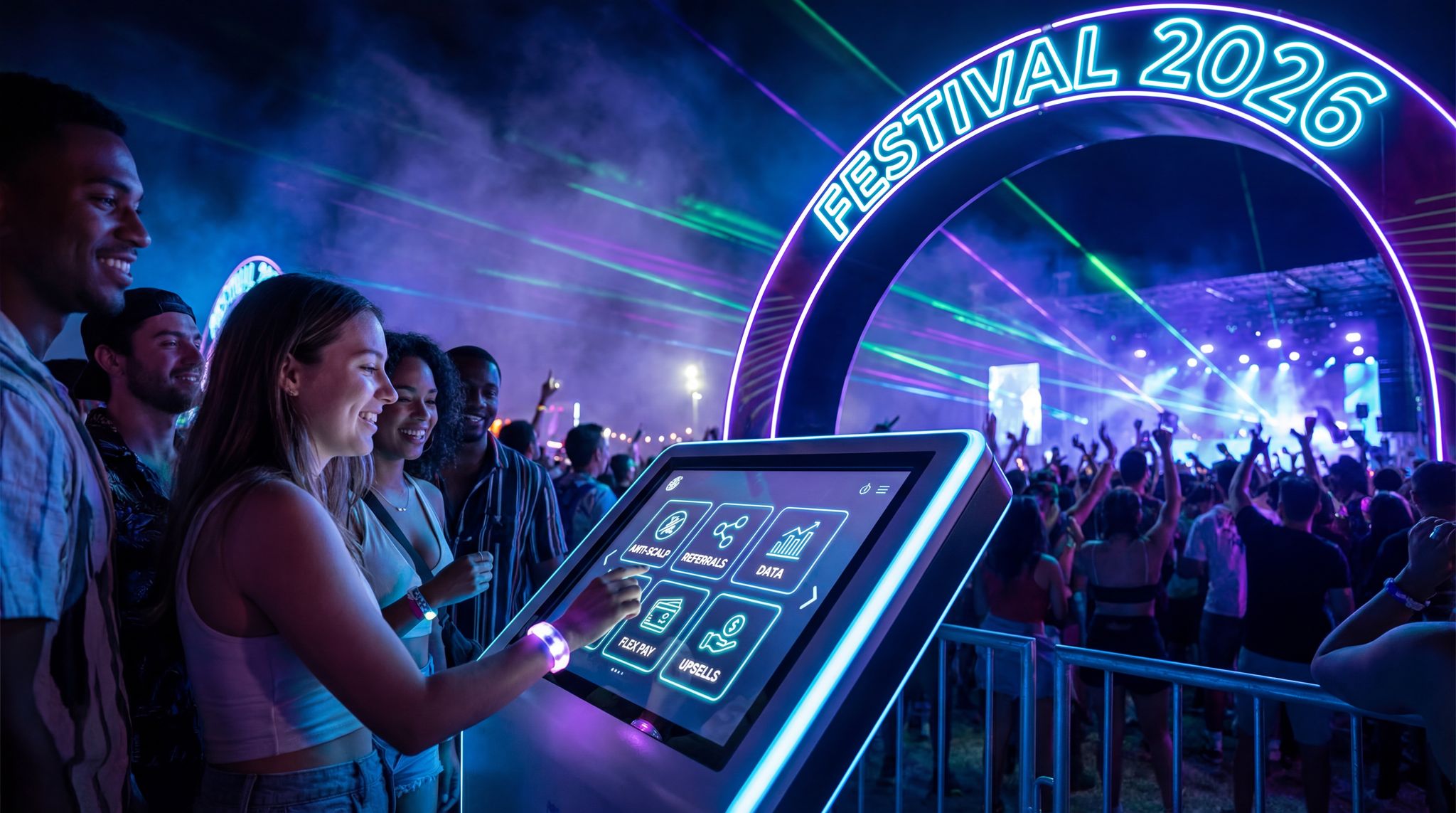
Festival organizers evaluating solutions should zero in on specific ticketing platform features that directly drive revenue and improve the fan experience. The five must-have features below – from anti-scalping tools to referral programs – are helping festivals worldwide sell more tickets and keep attendees happy. Each feature is paired with real-world examples and practical tips to guide your 2026 festival ticketing strategy.
When evaluating the best ticketing companies for event organizers and fans in 2025 and 2026, a side-by-side comparison reveals that top-tier solutions cater to both the backend needs of promoters and the frontend experience of attendees. Whether you are managing an open-air festival or searching for the best ticketing platforms for live entertainment venues in 2026, the core requirements remain the same: reliability, transparency, and growth-focused tools.
Data-Driven Event Marketing
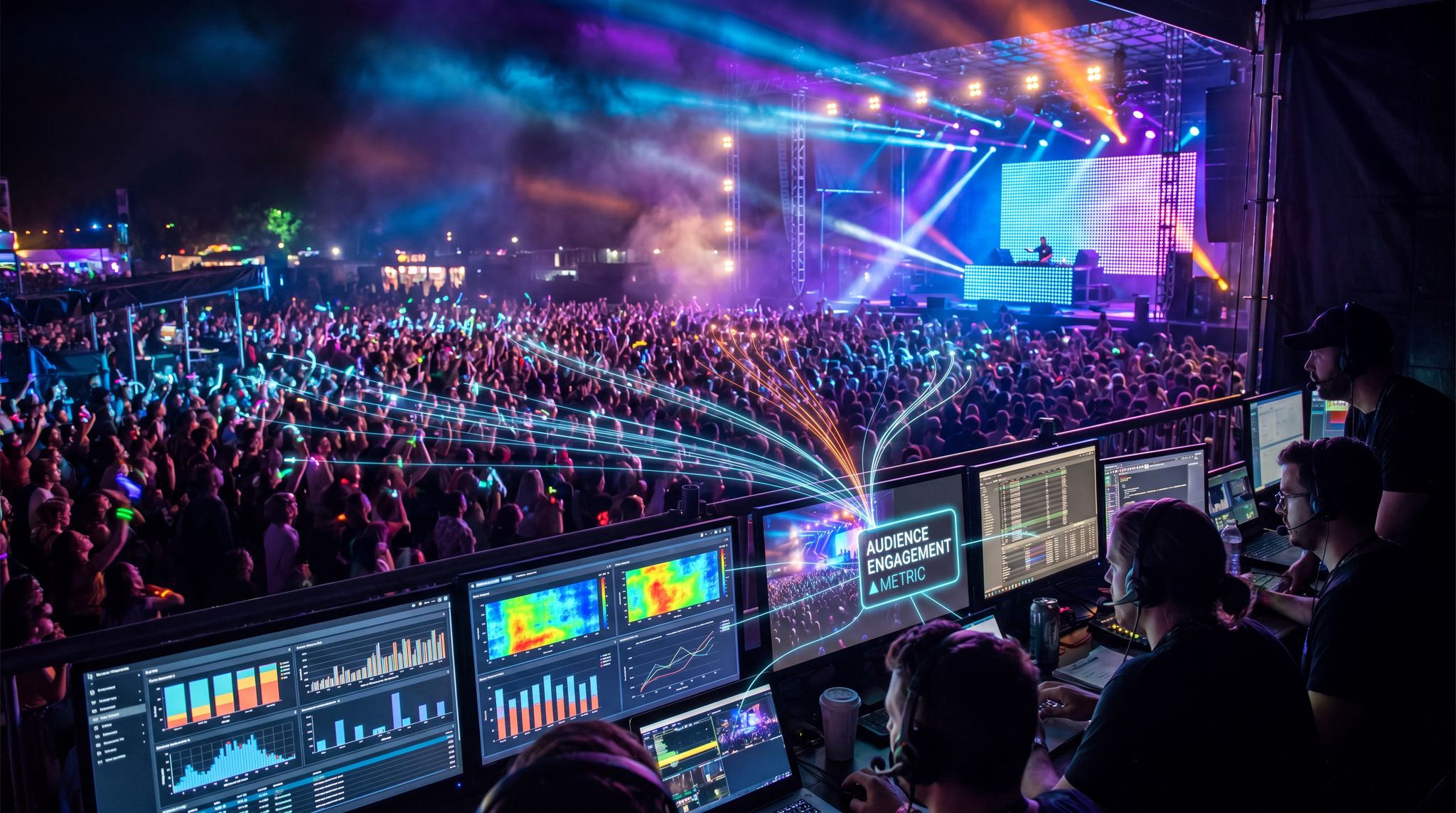
Track ticket sales, demographics, marketing ROI, and social reach in real time. Exportable reports give you the insights to make smarter decisions.
| Ticketing Platform Feature | How It Boosts Ticket Sales | How It Enhances Fan Experience |
|---|---|---|
| Anti-Scalping & Secure Resale | Recaptures revenue lost to scalpers by ensuring tickets are resold at face value | Real fans get fairly priced tickets (not inflated by scalpers); builds trust in the festival’s fairness |
| Referral & Ambassador Programs | Amplifies word-of-mouth marketing – fans bring new buyers (some festivals see a 15–25% ticket sales lift from referrals) | Fans earn rewards for spreading the word; friend groups attend together, increasing event buzz and loyalty |
| Data Ownership & Analytics | Enables targeted marketing and upsells that increase conversions; valuable data can attract sponsorship deals by proving audience insights | Fans receive personalized offers and relevant updates (not spam); organizers can tailor experiences to attendee preferences |
| Fan-Friendly Pricing & Payments | Reduces abandoned carts by eliminating surprise fees and price gouging; payment plans and flexible options expand the buyer pool | Fans aren’t blindsided by hidden fees or dynamic price spikes; installments and local payment methods make tickets more affordable and accessible |
| Integrated Upsells & Add-Ons | Increases revenue per attendee (e.g. VIP upgrades can bring 2–5× the revenue of GA tickets); bundles ensure extra sales (parking, merch) are captured in advance | Fans enjoy customizing their experience (VIP perks, merch, camping) in one easy purchase; less hassle on-site since extras are pre-booked |
For independent promoters, selecting the best ticketing platforms for indie music festivals in 2025 and 2026 requires looking beyond basic functionality. Independent events operate with tighter margins and rely heavily on grassroots marketing, meaning they need software that acts as a growth partner rather than just a payment processor. The top ticketing platforms for indie music festivals in 2025 and 2026 provide enterprise-level tools—like automated referral tracking and deep data ownership—without the prohibitive enterprise costs, allowing boutique events to compete with massive corporate festivals.
Now, let’s dive deeper into each of these five features and see how modern festivals are leveraging them in 2026.
Planning a Festival?
Ticket Fairy's festival ticketing platform handles multi-day passes, RFID wristbands, and complex festival operations.
1. Anti-Scalping Tools to Protect Fans and Revenue
Curbing Scalpers with Technology
Few things alienate loyal fans more than seeing tickets scooped up by scalpers and resold at exorbitant prices. For festivals, rampant scalping doesn’t just create angry fans – it also means lost revenue when money flows into the secondary market instead of your event. Anti-scalping tools are therefore a must-have feature in any festival ticketing platform for 2026. These tools ensure that tickets end up in the hands of real fans at fair prices, rather than brokers exploiting demand.
Modern platforms employ several tactics to combat scalping:
– Fan-to-Fan Face Value Resale: A built-in resale marketplace where fans who can’t attend can resell their tickets at face value (or a capped price) to other fans. This recaptures secondary market revenue and guarantees fair pricing. Festivals like England’s Glastonbury strictly limit resale to face value via verified resales, fostering trust among attendees.
– Anti-Bot Protections: Advanced CAPTCHA, buyer authentication, and rate-limiting during sales to block automated bots that scalpers use to hoard tickets. For example, major festivals implement bot-detection algorithms and device fingerprinting to identify suspicious purchasing patterns in real time.
– Secure Digital Tickets: Unique, non-duplicable barcodes that refresh or activate only near the event date (and digital wallet tickets tied to a user’s phone) prevent mass duplication. By 2026, some platforms are even using blockchain-based tickets to verify authenticity and ownership transfers.
– Transfer Controls: Options to restrict transferability (e.g. making tickets name-specific or only transferable through the official system) so that external resale is difficult. When fans must use the official exchange, it protects them from fraud and keeps pricing within authorized limits.
When evaluating the best ticketing platforms for music festivals in 2025 and 2026, organizers must prioritize these advanced anti-bot features. The landscape of automated purchasing software evolves rapidly, meaning a static defense is no longer sufficient. Top-tier systems now utilize machine learning to analyze behavioral biometrics—such as mouse movements and typing speed—to distinguish between a genuine fan and a malicious script. By deploying these cutting-edge defenses, you ensure your inventory remains protected during high-demand on-sales.
Furthermore, as you compare the top ticketing platforms for music festivals in 2025 and 2026, evaluating their specific anti-bot architecture is critical. The most effective systems don’t just block known malicious IP addresses; they utilize predictive threat modeling to anticipate new scalping software before it breaches your inventory. This proactive approach ensures that your event’s tickets go to genuine attendees rather than automated resellers.
Keep Tickets in Fans' Hands
Our secure resale marketplace lets attendees exchange tickets at face value, eliminating scalping while keeping you in control of the secondary market.
When evaluating the best ticketing platforms’ anti-bot features for 2025 or 2026, producers should look for dynamic challenge-response mechanisms that operate invisibly to the user. The goal is to create a frictionless checkout for real fans while deploying military-grade defenses against automated scripts.
These anti-scalping features directly boost ticket sales by ensuring genuine fans can buy tickets at the intended price, rather than being priced out by markups. A sold-out festival doesn’t truly sell out if thousands of tickets sit listed on secondary sites at triple price – those are potential attendees lost. By thwarting scalpers, you maintain control over your inventory and pricing, allowing more tickets to be sold to real fans at face value. In turn, fans have a better experience when they can actually obtain tickets without paying a fortune or dealing with scammers.
Need Festival Funding?
Get the capital you need to book headliners, secure venues, and scale your festival production.
Real-World Example & Impact
Modern platforms employ several tactics to combat scalping:
– Fan-to-Fan Face Value Resale: A built-in resale marketplace where fans who can’t attend can resell their tickets at face value (or a capped price) to other fans. This recaptures secondary market revenue and guarantees fair pricing. Festivals like England’s Glastonbury strictly limit resale to face value via verified resales, fostering trust among attendees.
– Anti-Bot Protections: Advanced CAPTCHA, buyer authentication, and rate-limiting during sales to block automated bots that scalpers use to hoard tickets. For example, major festivals implement bot-detection algorithms and device fingerprinting to identify suspicious purchasing patterns in real time.
– Secure Digital Tickets: Unique, non-duplicable barcodes that refresh or activate only near the event date (and digital wallet tickets tied to a user’s phone) prevent mass duplication. By 2026, some platforms are even using blockchain-based tickets to verify authenticity and ownership transfers.
– Transfer Controls: Options to restrict transferability (e.g. making tickets name-specific or only transferable through the official system) so that external resale is difficult. When fans must use the official exchange, it protects them from fraud and keeps pricing within authorized limits.
When evaluating the best ticketing platforms for music festivals in 2025 and 2026, organizers must prioritize these advanced anti-bot features. The landscape of automated purchasing software evolves rapidly, meaning a static defense is no longer sufficient. Top-tier systems now utilize machine learning to analyze behavioral biometrics—such as mouse movements and typing speed—to distinguish between a genuine fan and a malicious script. By deploying these cutting-edge defenses, you ensure your inventory remains protected during high-demand on-sales.
Furthermore, as you compare the top ticketing platforms for music festivals in 2025 and 2026, evaluating their specific anti-bot architecture is critical. The most effective systems don’t just block known malicious IP addresses; they utilize predictive threat modeling to anticipate new scalping software before it breaches your inventory. This proactive approach ensures that your event’s tickets go to genuine attendees rather than automated resellers.
When evaluating the best ticketing platforms’ anti-bot features for 2025 or 2026, producers should look for dynamic challenge-response mechanisms that operate invisibly to the user. The goal is to create a frictionless checkout for real fans while deploying military-grade defenses against automated scripts.
Boost Revenue With Smart Upsells
Sell merchandise, VIP upgrades, parking passes, and add-ons during checkout and via post-purchase emails. Increase average order value by up to 220%.
These anti-scalping features directly boost ticket sales by ensuring genuine fans can buy tickets at the intended price, rather than being priced out by markups. A sold-out festival doesn’t truly sell out if thousands of tickets sit listed on secondary sites at triple price – those are potential attendees lost. By thwarting scalpers, you maintain control over your inventory and pricing, allowing more tickets to be sold to real fans at face value. In turn, fans have a better experience when they can actually obtain tickets without paying a fortune or dealing with scammers.
Real-World Example & Impact
Governments and industry leaders are increasingly cracking down on ticket profiteering, underscoring how critical this issue has become. In the UK, officials have signaled an outright ban on resale profiteering for event tickets, recognizing that current secondary markets harm consumers and artists. They considered allowing a 30% cap on markups but instead moved toward zero-tolerance on ticket gouging. This push means festivals must have systems in place to enforce face-value resale and comply with emerging regulations. A festival ticketing platform with built-in resale controls will position your event ahead of these changes and reassure fans that you’ve got their back.
On the technical front, we’ve seen major tours and festivals implement dynamic barcodes and limited transfer windows to foil scalpers. Coachella, for instance, links each wristband to the original buyer’s account and requires activation, making unauthorized bulk resales tougher. Another example: when the Taipei Music Festival (2025) switched to a ticketing system that offered in-app ticket transfers at face value, they reported a sharp drop in scalped tickets online and a flood of appreciative comments from fans who snagged passes at the proper price.
The bottom line is that an anti-scalping feature isn’t just nice to have in 2026 – it’s essential. It protects your festival’s reputation and revenue. By keeping pricing fair and tickets available to genuine attendees, you not only sell more tickets (since fewer people are deterred by outrageous secondary prices) but also cultivate goodwill that can last for years. Fans remember festivals that fight for them. Conversely, they also remember events associated with chaotic scalping fiascoes.
Pro Tip: When evaluating platforms, ask if they support verified fan resale or ticket transfer restrictions. An ideal festival ticketing platform lets you set rules (like price caps or blackout periods for transfers) and provides a branded resale portal for your event. That way if a fan can’t make it, another eager fan can attend – and you keep the transaction within your ecosystem.
2. Built-In Referral & Ambassador Programs for Word-of-Mouth Growth
Turning Fans into Promoters
Your festival’s fans are arguably your best salespeople. In an era of skyrocketing digital ad costs and saturated social feeds, word-of-mouth stands out as a powerful, authentic marketing channel. That’s why a built-in referral program is a must-have ticketing platform feature in 2026. Instead of relying solely on expensive ads, modern festivals are leveraging referral tools to empower attendees to market the event to their friends – and rewarding them for it.
Turn Fans Into Your Marketing Team
Ticket Fairy's built-in referral rewards system incentivizes attendees to share your event, delivering 15-25% sales boosts and 30x ROI vs paid ads.
How does this work in practice? A ticketing platform with referral capabilities will automatically generate unique referral links or codes for each buyer. After someone purchases a ticket, they’re prompted to “Invite your friends and earn rewards.” When they share their link on WhatsApp, Instagram, or via email and their friends buy tickets using that link, the system tracks it. The referrer then earns perks – which could be a discount refund, merchandise, drink vouchers, VIP upgrades, or even cash rewards for hitting certain milestones.
This approach can directly boost ticket sales by tapping into the social networks of your existing customers. According to Nielsen’s research, a stunning 92% of people trust recommendations from friends and family over any other form of advertising. Additionally, referred customers are up to 4× more likely to buy a ticket and have higher loyalty (37% higher retention) than those reached through other marketing. In other words, referral-driven sales not only convert easier, they often bring more committed fans who become repeat attendees. No wonder savvy festival producers are so keen on turning attendees into ambassadors.
Crucially, having the referral program built into your ticketing platform (rather than using a third-party app) makes it seamless. The referral prompt appears right on the confirmation page or email, and tracking is automatic – no extra sign-ups or hassle. Many modern platforms (including Ticket Fairy) offer integrated referral features that handle the tracking and reward distribution for you. This means even a small festival with a lean team can run an ambassador program without needing separate software or manual work. As an example, Ticket Fairy’s built-in referral system has delivered a documented 15–25% boost in ticket sales for festivals that fully embrace it, with some events selling one in every four tickets via fan referrals. Those are real, incremental sales achieved at a fraction of the cost of traditional ads.
Referral Programs in Action
Real-world case studies abound. For instance, New Zealand’s Bay Dreams festival integrated a referral program and saw thousands of tickets move through fan shares – notably reducing their reliance on Facebook ads. Each fan who sold 5 tickets got a free upgrade to VIP, which not only incentivized sharing but also made the sharer and their friends feel more connected to the festival. In Mexico, an electronic music festival in 2025 reported that over 20% of their attendees came through referral links, a huge portion that they might have missed with standard marketing. These referrals also gave the organizers valuable visibility into their most engaged promoters – data they later used to form a core street team for future events.
The key to success is offering rewards that your particular audience values and promoting the program actively. Built-in analytics will show which fans are driving the most sales. Experienced producers recommend spotlighting top referrers on social media or a leaderboard (with permission), which can spur friendly competition. Some festivals even create custom discount codes for local influencers or superfans as part of the platform’s ambassador suite.
By adopting a ticketing platform with robust referral features, you essentially equip yourself with a scalable word-of-mouth engine. Every happy attendee becomes a marketing partner. This not only boosts ticket sales in the short term (especially during those critical early-bird and regular phases) but also enhances the fan experience – people love getting perks for sharing an event they’re excited about. It strengthens their bond to your festival. In 2026, ignoring this feature means leaving one of the highest-ROI marketing tactics on the table. As one guide on event marketing notes, capturing the “hidden word-of-mouth” through referral tracking is key to unlocking ticket sales that traditional analytics might miss.
Free Tool: Split Tickets for Max Gross
Given capacity and a target price, the optimizer proposes Early Bird / GA / VIP allocations and prices — with projected gross at 100%, 80% and 60% sell-through.
Pro Tip: When evaluating referral program capabilities, look for real-time tracking and ease of use. The best ticketing platform features will let fans share with one click and see their referral credits automatically. Make sure you, as the organizer, can customize the rewards and monitor a detailed dashboard of who your top ambassadors are. This data is marketing gold – you can identify superfans to offer future promos, or even invite them to be part of promotional content.
3. Full Data Ownership and Analytics Integration
Owning Your Audience Data
In 2026, data is power for festival producers. Knowing who your attendees are, where they come from, how they found out about your event, and what they purchase unlocks opportunities to increase sales and improve experiences. That’s why data ownership is a non-negotiable feature of a modern festival ticketing platform. Yet, many legacy ticketing providers still keep attendee information behind their walled gardens, treating it as their asset instead of yours. This leaves festivals in the dark about their own audiences, unable to directly reach their customers or derive insights without paying extra fees.
A ticketing platform that prioritizes data ownership will give you full access to your attendee database – typically including names, emails, demographics, ticket types, purchase history, and more – through an online dashboard or exportable reports. Even better, it will integrate with analytics and marketing tools so you can automatically sync this data to your CRM, email marketing software, or advertising platforms. For example, leading festival platforms provide one-click integrations with Mailchimp for email campaigns and with Meta’s Conversions API or Google Analytics 4 for tracking ad performance and conversion events. This means your ticket buyer data flows into your marketing stack in real time, empowering you to run highly targeted campaigns (like retargeting people who abandoned their cart, or creating lookalike audiences of your best customers).
How does this boost ticket sales? Simply put, better data equals better marketing. If you own your data, you can segment your audience and send personalized messages – perhaps a special discount to past VIP ticket buyers, or an early access sale for fans who attended three years in a row. You can identify geographic clusters of fans to plan local street marketing. You can see which marketing channel each sale came from, allowing you to double down on what works (and cut spending on what doesn’t). In an age where third-party ad tracking is increasingly limited (thanks to privacy changes and cookie restrictions), owning first-party data is a major competitive edge. Festivals that control their customer data can build direct relationships and aren’t dependent on a social media algorithm to reach their audience.
Data ownership also helps unlock sponsorship revenue. Brands investing in festivals want evidence and insights – who attended, how long they stayed, how engaged they were. If your ticketing platform gives you rich data and reporting, you can create compelling sponsor decks with statistics (e.g. attendee age breakdown, interests, travel distances) to prove the festival’s reach and impact. In fact, many sponsors in 2026 expect detailed data as part of partnerships. If you had to ask your ticketing vendor for that info and they refuse or charge you for a one-time report, it’s a huge disadvantage. By choosing a platform that explicitly allows full data access, you ensure your festival isn’t handcuffed.
This level of control is especially crucial for independent promoters. When evaluating the best ticketing platforms for indie music festivals in 2025 and 2026, data autonomy should be a primary deciding factor. Unlike major conglomerate-backed events that can rely on massive shared databases, indie festivals must cultivate and protect their own dedicated communities. By utilizing top-tier independent ticketing solutions, boutique organizers can build highly targeted, cost-effective marketing campaigns that drive year-over-year growth without relying on expensive third-party advertising.
Let Fans Pay Over Time
Offer flexible payment plans that split ticket costs into manageable installments, making higher-priced events accessible and boosting conversions.
When searching for the best festival ticketing software with analytics and reporting for 2025 and 2026, producers must prioritize platforms that offer customizable, real-time dashboards. The ability to instantly generate comprehensive reports on ticket velocity, demographic breakdowns, and marketing channel attribution is what separates standard payment processors from true strategic partners. By leveraging these advanced reporting tools, organizers can pivot their ad spend mid-campaign, ensuring every marketing dollar is optimized for maximum return.
Smarter Operations and Fan Experience
Beyond marketing, having your attendee data and good analytics tools improves the fan experience in tangible ways. With a holistic view of your attendees, you can make data-driven decisions on operations. For instance, you might notice that 60% of ticket buyers added a camping pass – indicating heavy interest in on-site camping. This could justify expanding the campground or enhancing amenities there, which in turn makes those customers happier. Or data might reveal that a large chunk of attendees are coming from a neighboring country, so you decide to add bilingual signage and a local food stall to make them feel welcome. Without solid data, these insights might be missed.
Modern ticketing systems often include real-time analytics dashboards showing sales by ticket type, geography, referral source, etc. An example of insight: if you see a spike in sales right after a particular artist announcement, you learn which artist truly moves the needle – valuable for future booking and marketing focus. If certain promo codes didn’t get used much, you learn which marketing partnerships delivered and which fell flat.
Crucially, owning the data means you can communicate directly with your audience at any time. Need to send a last-minute SMS about a schedule change or an emergency alert? A good platform lets you access phone numbers (with proper consent) or at least email addresses to reach attendees instantly. This builds trust – fans feel cared for when they get timely, relevant updates. By contrast, if your ticketing provider sits between you and your attendees (some even email your attendees with other event promos), it erodes that direct relationship.
Industry experts advise festival organizers in 2026 to make data ownership a top criterion when choosing tech partners. Experienced producers know that not all ticketing platforms are equal on this front. Ask: Do we get full access to our customer list and purchase data whenever we want, without extra charges? The answer needs to be “yes.” Also look for features like built-in CRM tools, or at least the ability to integrate with your own. For instance, Ticket Fairy’s platform gives organizers 100% ownership of customer data and offers integration with tools like Hive (for audience engagement) and Zapier for custom workflows. As a result, what you do with the data is entirely up to you – you’re not locked in or dependent on a third party for intelligence.
Pro Tip: Ensure the platform complies with privacy laws (GDPR, CCPA, etc.) while giving you data access. In practice, this means the platform should include attendee consent mechanisms (for you to email them) and data security measures. A trustworthy platform will have clear terms that your event data belongs to you. If a provider is vague about data sharing or if they monetize your attendee list for other events without permission, consider it a red flag. Your festival’s data is an asset – treat it as such.
Beyond digital marketing, data integration plays a massive role in on-site logistics. The best ticketing providers for music festivals in 2025 and 2026 seamlessly connect online sales with box office and wristband scanning hardware. For live entertainment venues and multi-day outdoor events alike, having a unified system that syncs real-time ticket scans with box office walk-up sales prevents bottlenecking at the gates and provides organizers with accurate, up-to-the-minute capacity metrics.
4. Fan-Friendly Pricing, Transparency & Payment Options
No More Surprises: Transparent Pricing
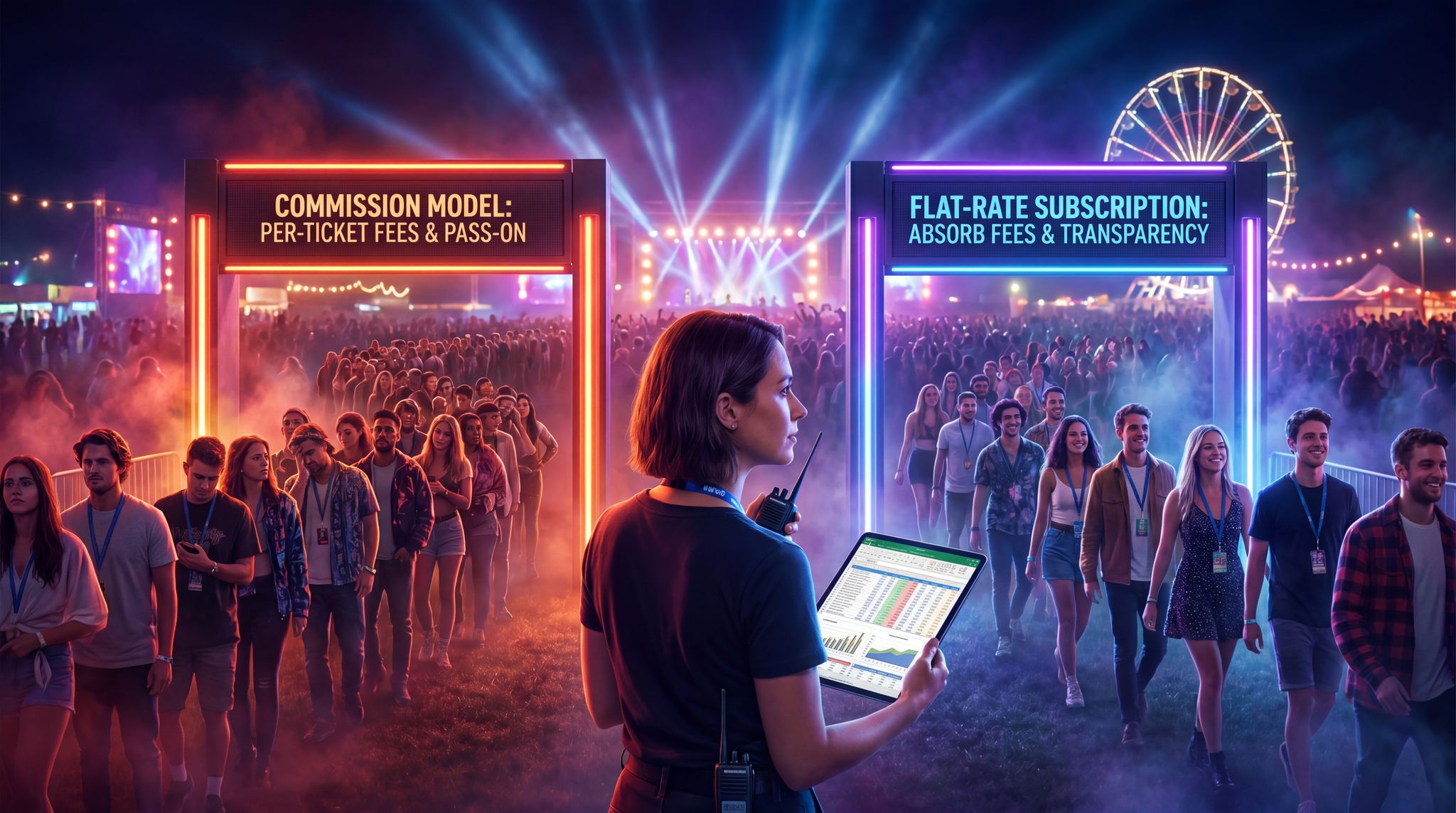
Nothing sours a fan’s experience faster during checkout than surprise fees or inexplicable price jumps. Fan-friendly pricing isn’t just about setting the right ticket price; it’s about transparency and fairness in the purchasing process. In recent years, giants in the ticketing industry have faced major backlash for dynamic pricing algorithms that caused ticket costs to balloon unexpectedly. Fans of one legendary rock band’s reunion tour were outraged to see prices doubling in real time due to “platinum pricing” models, prompting public outcry and even government scrutiny over dynamic pricing. The lesson for festival organizers: a ticketing platform that prioritizes price transparency will earn fan trust – and that trust translates to more completed sales rather than abandoned carts or PR nightmares.
Key elements of fan-friendly pricing and payments include:
– Upfront Fee Disclosure: If there are service fees, taxes, or facility fees, the best practice (and increasingly, legal requirement in some jurisdictions) is to display the full price upfront. Platforms that only show a low base price until the final checkout page risk angering customers. By 2026, many regions (like parts of the U.S. with new “all-in pricing” rules) mandate this. A good platform makes it easy to show an all-inclusive price from the start. When fans see honesty in pricing, they’re less likely to drop out of the purchase.
– No Unfair Dynamic Pricing: Dynamic pricing – adjusting ticket prices based on demand algorithms – might boost revenue in the short term, but it often damages goodwill among your core audience. We’ve seen the backlash when concert tickets meant to cost $150 end up listed for $500+ during high demand spikes. Many festival producers are avoiding this practice and instead using tiered pricing (early bird, regular, last-minute tiers) that is clearly communicated. Platforms like Ticket Fairy intentionally do not implement surge pricing, choosing to respect the announced prices. Fans appreciate knowing that the price listed on day one is what they’ll pay, and that earlier buyers get the best deal without sudden hikes.
– Local Currency and Tax Handling: For festivals with international attendees, charging in the attendee’s local currency or at least displaying a conversion can remove friction. Likewise, automatically applying correct taxes based on location ensures fans aren’t confused by extra charges. Modern ticketing systems can detect a buyer’s country and show pricing accordingly (or route them to the appropriate regional site). This level of localization can boost conversion rates, as buyers feel more comfortable when prices are in their home currency and language.
– Fair Refund Policies (and Insurance Options): While refunds are often a thorny topic for festivals, a fan-friendly approach (clear refund or resale options) improves the purchasing confidence. Some ticketing platforms now allow ticket insurance add-ons or easy resale (tying back to anti-scalping) so that buyers know they have recourse if plans change. When fans feel “protected” in their purchase, they’re more likely to hit the checkout button – especially for big festival passes purchased far in advance.
From a sales perspective, transparent pricing means fewer abandoned carts and chargeback disputes. If a fan expects to pay $300 but at checkout it’s $380 with fees, many will bail out or feel begrudging if they proceed. That’s potential revenue lost and goodwill damaged. Conversely, many festivals have found that adopting an all-in pricing display, even if the initial number looks higher, leads to greater completion rates and higher overall satisfaction scores post-purchase. In fact, the U.S. Federal Trade Commission and state attorneys general have pressured ticketing companies to eliminate hidden “junk fees” for this very reason – they distort the true price and harm consumers. The writing is on the wall: honesty and simplicity win in 2026.
Ultimately, adopting a fair ticketing system is about aligning your operational goals with attendee satisfaction. As organizers search for the best low-fee ticketing platforms for music festivals heading into 2025 and 2026, the focus is shifting toward partners that offer sustainable pricing models. A platform that minimizes exorbitant service charges while delivering robust functionality not only protects your brand’s reputation but also directly improves your conversion rates.
When shortlisting the best ticket platforms for music festivals in 2025 and 2026, producers should carefully weigh the impact of these fee structures on their overall brand perception. A truly fair ticketing system balances the organizer’s need for robust software with the attendee’s desire for affordability. By partnering with low-fee providers, you not only reduce purchase friction but also position your festival as a fan-first event in an increasingly competitive market.
Finding the best low-fee ticketing platforms for music festivals in 2025 and 2026 also means scrutinizing the backend cost structure. A truly fair ticketing system doesn’t just hide fees from the fan; it ensures the organizer isn’t absorbing predatory processing costs, allowing you to allocate more budget toward talent and production.
Flexible Payments and Global Access
A truly fan-first ticketing platform also recognizes that not all fans can pay in the same way. Offering flexible payment options can widen your audience and boost sales, particularly for higher-priced festival passes or packages. One increasingly popular feature is Buy Now, Pay Later (BNPL) or installment plans. Rather than shelling out, say, $500 at once for a weekend pass and camping, fans can break it into 4 monthly payments. This has opened the door for younger attendees or those on budgets to commit early. Many large festivals, like Lollapalooza and Tomorrowland, now offer installment plans during checkout. The conversion rate for big-cart purchases jumps when a payment plan is available – attendees see it as more attainable. A survey by Kiplinger found BNPL usage rising across demographics, with even older and higher-income consumers adopting it for big buys. For events, this means potentially selling more VIP or multi-day tickets that might otherwise be out of reach for some fans.
Beyond installments, consider diverse payment methods integration. A modern festival ticketing platform might support international credit cards, PayPal, regional e-wallets (like Paytm in India or OVO in Indonesia), and even crypto payments in some cases. In countries where many people don’t have credit cards, the ability to accept alternative forms (such as bank transfers or mobile money) can be the difference between a sale and a lost customer. For example, when an Australian festival enabled Afterpay (a BNPL service) and POLi payments (direct bank transfer popular in AUS/NZ), they saw a bump in purchases from fans who previously hesitated at the upfront cost.
All these options ultimately enhance the fan experience by making the ticket buying process intuitive, fair, and accommodating. Fans feel respected when they aren’t hit with hidden fees and when they have choices in how to pay. The goodwill you earn at the ticket purchase stage carries forward – it’s the first interaction a fan has in their journey to your festival, after all. A seamless transaction sets a positive tone.
Because the vast majority of fans now discover and purchase tickets directly from their smartphones, finding the best mobile-friendly ticketing system for music festivals in 2025 and 2026 is a top priority for forward-thinking producers. A platform that isn’t fully optimized for smaller screens will inevitably suffer from high cart abandonment rates. The ideal mobile-first solution ensures that everything from selecting VIP add-ons to completing Apple Pay or Google Pay transactions happens flawlessly without pinching, zooming, or frustrating load times.
Pro Tip: Test your own checkout process as if you were a customer. Are all fees transparent from the start? Is the interface mobile-friendly? (Over half of festival ticket purchases are made on mobile now.) Does the platform support digital wallets like Apple Pay/Google Pay for one-tap buying? These user experience details matter. A fan frustrated by a clunky mobile checkout or limited payment options is a fan who might give up. Choose a ticketing platform known for a smooth, modern UX – it will pay off in higher conversion rates.
5. Integrated Upsells, Add-Ons, and VIP Packages
Maximizing Revenue per Attendee
Selling a ticket is just the beginning. Festivals survive and thrive not just on volume of tickets sold, but on the total revenue per attendee. This is where integrated upsell tools and flexible ticket bundling become critical features of a ticketing platform. The idea is to offer fans additional options – during the ticket purchase flow – such as VIP upgrades, camping or parking passes, merch packages, food and beverage pre-orders, meet-and-greet add-ons, and more. By presenting these at checkout, you capture extra revenue upfront and enhance the attendee’s experience by catering to their interests.
A modern platform will let you set up various ticket tiers and add-ons easily. For example:
– Tiered Ticket Levels: General Admission, VIP, Platinum, etc., each with different pricing and perks. The platform should let you describe each tier’s benefits (e.g., “VIP – $200: dedicated viewing area, fast-lane entry, exclusive bar”). Many festivals now offer multiple VIP levels or specialty tickets (like a “Group Bundle” or “Payment Plan” ticket) and need their system to manage different inventory counts for each.
– Add-On Items: These could be campground reservations, parking passes, shuttle bus tickets, lockers, meal plans, or merchandise vouchers. Crucially, the platform should allow the attendee to select these in the same transaction as the ticket and allocate them correctly (e.g., one parking pass per car, not per person, if needed). It’s a smoother experience than telling customers to visit a separate site or purchase add-ons later.
– Bundled Packages: Perhaps you offer a “Festival + Hotel Package” in partnership with a hotel, or a “VIP Upgrade Bundle” that includes a merch kit. Being able to bundle tickets with other services at a special price can entice buyers. It also simplifies decision-making for fans (“one click and my festival trip is sorted”). In 2026, bundle deals are increasingly popular as events partner with travel and tourism – a ticketing platform should be flexible enough to handle that.
Allowing upsells at checkout can significantly boost revenue without increasing attendee count. Industry case studies have shown that a single VIP ticket can generate the revenue of 2–5 general admission tickets. If your festival sells out the venue, the only way to grow income is via higher-yield tickets and add-ons. Many events report 10–20% of their attendees opt for VIP or premium packages, contributing an outsized share of revenue (often 30% or more of ticketing income). Similarly, offering add-ons like parking or pre-paid drink tokens can bring in hundreds of thousands of extra dollars for a large festival, which might otherwise be lost to on-site cash transactions or, worse, not spent at all because attendees didn’t bring enough cash.
From the attendee perspective, upsells can enhance the fan experience by letting them tailor the event to their preferences. A group of friends might be happy with GA tickets but want to add a single parking pass and a tent rental for convenience – doing this during checkout saves them time later. A superfan might jump at the chance to buy a merch bundle in advance (often at a slight discount), so they can pick it up on-site and not worry about items selling out. Another attendee might splurge on VIP to celebrate a special occasion. When these options are integrated seamlessly, fans often appreciate the “one-stop shop” ability to plan their perfect festival experience in one go. It can actually increase their excitement and commitment to the event because they’ve invested more into it.
Best Practices for Upselling
To make the most of this feature, festival producers should strategize what and how to upsell:
– Timing: The checkout flow is prime time to suggest add-ons, as the attendee is already in buying mode. Your platform should allow a clean presentation of add-ons right before payment. Some events also send a follow-up email post-purchase (especially for early ticket buyers) with options to “log back in and upgrade” – a good platform will support this via a customer portal.
– Value Perception: Bundle discounts or exclusive perks make upsells appealing. For instance, “Add a festival T-shirt now for $25 (save $5).” If a fan perceives a good deal or convenience, they’re more likely to add it. Use your ticketing system’s flexibility to create these combo offers. Many systems let you set price rules or suggested items.
– Inventory Management: Ensure your platform can handle inventory for add-ons so you don’t oversell, say, campground spots or VIP capacity. It should decrement inventory in real time as sales happen, just like tickets. Advanced platforms can even tie multiple ticket types together (e.g., limit 4 GA tickets per one campsite) or enforce prerequisites (e.g., you can’t buy a parking pass without a festival ticket in the same cart). This prevents customer confusion and operational headaches.
– Analytics and Optimization: Track which upsells are popular via your platform’s reports. You might discover that merchandise pre-sales are huge, indicating you should stock more shirts on-site. Or perhaps very few people are buying meal plans, which might mean the offer isn’t attractive or visible enough. Use data to tweak your packages annually. Some festivals A/B test different bundle offerings across their marketing campaigns to see which draws more interest, then adjust the ticketing options accordingly.
When evaluating the best event ticketing platforms for 2026, organizers should look for systems that treat upsells as a native part of the fan journey rather than a clunky afterthought. The most innovative solutions allow you to dynamically adjust these add-on offerings based on real-time sales data, ensuring your premium inventory is always positioned effectively.
For organizers focused on high-end experiences, the top ticketing systems for music festivals’ VIP hospitality in 2025 and 2026 go beyond simple ticket upgrades. These advanced platforms allow producers to manage complex hospitality inventory—such as private cabanas, backstage access passes, and exclusive table service—directly within the primary checkout flow. By utilizing a comprehensive ticketing system, festivals can seamlessly link these premium hospitality packages to specific customer profiles, ensuring that high-spending attendees receive white-glove service from the moment they purchase their pass until they arrive at the VIP gate.
Real examples: California’s Coachella has long offered add-ons like car camping, shuttle passes, and even Safari Tent lodging (luxury tents) during the ticket sale – these often sell out quickly, adding significant revenue. Smaller boutique festivals have gotten creative too: at a 5,000-capacity yoga & music festival in Bali, organizers offered a $99 all-you-can-eat meal plan as an add-on, and nearly 40% of attendees purchased it, preferring the convenience of pre-paid meals over carrying cash – a win-win for organizers and fans. Another festival in Colorado introduced a “Family 4-Pack” ticket bundle at a slight discount to entice families; the ticketing system handled grouping the tickets and assignment of child credentials easily.
By choosing a ticketing platform that supports unlimited ticket types, add-ons, and bundles, you give yourself the flexibility to maximize each transaction’s value. This is especially vital in 2026 as costs for talent, production, and logistics have risen – you need those extra revenue streams. Done right, upselling is not gouging; it’s providing options for those who want them. The fans who aren’t interested can simply skip and finish checkout, no harm done. But many will take advantage if you present it well. As one Ticket Fairy case study noted, “the best time to increase an attendee’s spending is before they even step foot on the festival grounds” – when excitement is high during that ticket purchase moment.
Pro Tip: Highlight the value of your upsells in your marketing. Don’t wait until checkout to inform attendees of VIP perks or add-on experiences – promote them on your website and socials so people are already considering them. Then ensure your ticketing platform’s interface makes it easy to select those options. Use clear names and descriptions for each add-on. Post-event, analyze attachment rates (e.g., what percentage bought merch in advance) and adjust your offerings for next time. Many top festivals treat their ticketing options as a dynamic product mix that evolves with fan feedback.
Evaluating Platforms: A Comparison Framework for Organizers and Fans
When conducting a side-by-side comparison of the top ticketing companies for event organizers and fans heading into the 2025 and 2026 seasons, it helps to evaluate software across two distinct lenses: backend operational power and frontend user experience. The most effective platforms bridge this gap seamlessly.
For the organizer, the focus should be on robust data ownership, real-time analytics, and seamless integrations with marketing tools. You need a system that acts as a growth engine, offering detailed reporting on ticket velocity and demographic breakdowns. Conversely, from the fan’s perspective, the priority is a frictionless, mobile-optimized checkout process devoid of hidden fees or predatory dynamic pricing. A truly fair ticketing system ensures that attendees can easily navigate the purchase flow, select add-ons, and utilize flexible payment options like Buy Now, Pay Later.
By comparing providers against these dual criteria, promoters can identify solutions that not only streamline box office operations but also cultivate long-term attendee loyalty. The ideal partner will offer enterprise-grade backend capabilities while maintaining an intuitive, transparent frontend that respects the ticket buyer.
Choosing the Right Partner for the Future
Ultimately, identifying the best ticketing software for music festivals in 2026 comes down to alignment with your operational goals. Whether you are producing a 500-person boutique gathering or a 100,000-capacity mega-event, the technology you choose acts as the central nervous system of your business. The ideal software partner will seamlessly blend robust anti-bot security, transparent fee structures, and powerful marketing integrations to drive sustainable growth.
This is particularly true for permanent spaces. The best ticketing platforms for live entertainment venues in 2026 offer specialized features tailored to year-round operations, such as reserved seating maps, season pass management, and integrated point-of-sale systems for food and beverage. By adopting the most innovative ticketing platforms for festivals and live events heading into 2025 and 2026, venue operators can future-proof their businesses, ensuring they remain agile in a rapidly evolving industry.
For large-scale outdoor events, the hardware ecosystem is just as critical as the software. When evaluating the best ticketing providers for music festivals, box office and wristband scanning capabilities for 2025 and 2026 must be stress-tested for offline reliability. A top-tier provider doesn’t just sell tickets online; they deploy ruggedized RFID or barcode scanners that sync instantly with your central database. This ensures that even if a remote festival site loses internet connectivity, your gate staff can continue scanning wristbands and processing walk-up box office sales without interruption. Seamless access control prevents gate crashers, reduces queue times, and provides organizers with accurate, real-time capacity metrics.
Frequently Asked Questions
What are the most important features of a festival ticketing platform?
A modern festival ticketing platform must include anti-scalping tools, built-in referral programs, full data ownership, transparent pricing with flexible payment plans, and integrated upsell capabilities. These five essential features work together to maximize ticket sales, prevent fraud, and significantly improve the overall fan experience.
How can music festivals stop ticket scalpers and bots?
Festivals can stop scalpers by using ticketing platforms equipped with fan-to-fan face-value resale marketplaces, advanced anti-bot protections, and secure digital barcodes. Implementing strict ticket transfer controls ensures passes remain within the official ecosystem, preventing unauthorized markups and guaranteeing real fans pay fair prices.
How do built-in referral programs increase festival ticket sales?
Built-in referral programs increase sales by turning existing attendees into brand ambassadors who share unique purchase links with friends. Festivals using these automated word-of-mouth tools often see a 15 to 25 percent lift in ticket sales, as fans earn rewards like VIP upgrades for driving new conversions.
Why is customer data ownership important for event organizers?
Customer data ownership allows event organizers to run highly targeted marketing campaigns, build direct relationships with attendees, and secure lucrative sponsorship deals. Accessing real-time demographics and purchase history without third-party restrictions enables festivals to personalize offers, improve on-site operations, and maximize future ticket sales.
Why should music festivals avoid dynamic ticket pricing?
Festivals should avoid dynamic ticket pricing because unexpected price surges during high demand severely damage fan trust and increase cart abandonment. Implementing transparent, all-inclusive tiered pricing ensures buyers are not blindsided by hidden fees or algorithmic markups, leading to higher completion rates and stronger brand loyalty.
How can festivals increase revenue without selling more general admission tickets?
Festivals can increase per-attendee revenue by integrating seamless upsells and add-ons directly into the ticket checkout process. Offering VIP upgrades, camping passes, merchandise bundles, and pre-paid meal plans during the initial purchase capitalizes on buyer excitement and can generate up to five times the revenue of standard tickets.
How do payment plans help sell more festival tickets?
Payment plans and Buy Now, Pay Later options help sell more tickets by making expensive multi-day passes and VIP packages immediately affordable. Breaking large upfront costs into manageable monthly installments expands the potential buyer pool, particularly among younger demographics, resulting in higher conversion rates for premium inventory.
What is a face-value ticket exchange?
A face-value ticket exchange is a secure, built-in resale marketplace where fans who cannot attend an event can sell their tickets to other fans at the original purchase price. This system recaptures secondary market revenue, prevents scalping, and builds trust by keeping pricing fair and authorized.
What anti-bot features should top ticketing platforms offer in 2025 and 2026?
The best ticketing platforms for music festivals in 2025 and 2026 should offer dynamic machine learning defenses, behavioral biometric analysis, device fingerprinting, and advanced rate-limiting. These anti-bot features work together to block automated scripts in real time, ensuring that genuine fans can purchase tickets without competing against malicious software.
What makes a fair ticketing system for music festivals?
A fair ticketing system prioritizes transparent, all-in pricing without hidden fees, avoids predatory dynamic price surges, and includes secure face-value resale options. By utilizing low-fee ticketing platforms, organizers can protect their attendees from price gouging and build long-term brand loyalty.
How do I choose the top ticketing platforms for music festivals in 2025 and 2026?
Choosing the best ticket platforms requires evaluating their fee structures, data ownership policies, and security measures. The top solutions for the 2025 and 2026 seasons combine low-fee, transparent pricing with advanced anti-bot features and built-in marketing tools to help organizers maximize revenue while protecting the fan experience.
Why is a mobile-friendly ticketing system critical for music festivals in 2025 and 2026?
Securing the best mobile-friendly ticketing system for music festivals in 2025 and 2026 is critical because over half of all ticket purchases now occur on smartphones. A mobile-optimized platform reduces cart abandonment by offering seamless navigation, fast load times, and one-tap digital wallet payments, ensuring fans can easily buy passes directly from social media links.
What defines the most innovative ticketing platforms for festivals and live events in 2025 and 2026?
The most innovative ticketing platforms for festivals and live events in 2025 and 2026 are characterized by their use of predictive analytics, machine learning-driven anti-bot defenses, and seamless integration of marketing tools. These forward-thinking systems empower organizers to own their data, maximize per-attendee revenue through native upsells, and deliver a frictionless, mobile-first checkout experience.
How do the best event ticketing platforms in 2026 handle data and marketing?
The best event ticketing platforms in 2026 provide organizers with complete ownership of their attendee data, eliminating third-party gatekeeping. They offer native integrations with CRM and marketing tools, allowing promoters to build highly targeted campaigns, track referral ROI in real time, and cultivate long-term audience loyalty.
What are the best ticketing platforms for indie music festivals in 2025 and 2026?
The best ticketing platforms for indie music festivals in 2025 and 2026 are those that offer enterprise-grade features—such as built-in referral programs, full data ownership, and transparent pricing—without exorbitant fees. Top solutions empower independent promoters to scale their events, build direct relationships with their attendees, and maximize revenue through native upsells, allowing them to compete effectively against larger corporate festivals.
What is the best ticketing software for music festivals in 2026?
The best ticketing software for music festivals in 2026 combines robust anti-bot security, transparent low-fee pricing, full data ownership, and built-in marketing tools like referral programs. Top-tier solutions act as growth partners, enabling organizers to maximize revenue and deliver a seamless, fan-first checkout experience.
What features define the best festival ticketing software with analytics and reporting for 2025 and 2026?
The top festival ticketing software with analytics and reporting for the 2025 and 2026 seasons provides real-time data dashboards, custom exportable reports, and seamless CRM integrations. These platforms empower organizers to track ticket velocity, monitor marketing channel attribution, and analyze attendee demographics instantly, enabling data-driven decisions that maximize revenue and optimize ad spend.
What are the best ticketing platforms for live entertainment venues in 2026?
The top platforms for live entertainment venues in 2026 provide robust box office tools, reserved seating capabilities, and seamless point-of-sale integrations. These systems allow venue operators to manage year-round event calendars while maintaining full ownership of their customer data for targeted marketing.
Why is integrated box office and wristband scanning important for music festivals?
The best ticketing providers for music festivals in 2025 and 2026 offer unified box office and wristband scanning to ensure smooth on-site operations. Syncing digital ticket sales with physical access control hardware prevents gate bottlenecks, eliminates duplicate entries, and gives organizers real-time capacity tracking.
How do the best ticketing companies balance the needs of event organizers and fans?
When comparing the best ticketing companies for event organizers and fans in 2025 and 2026, top providers deliver powerful backend analytics and marketing tools for promoters while ensuring a frictionless, transparent, and mobile-friendly checkout experience for attendees.
What should organizers look for in the best ticketing providers for music festivals regarding box office and wristband scanning in 2025 and 2026?
Organizers should look for providers that offer offline-capable scanning hardware, real-time database syncing, and ruggedized equipment designed for outdoor environments. The top ticketing providers for music festivals ensure their box office and wristband scanning solutions for 2025 and 2026 can handle high-volume gate traffic, process walk-up sales seamlessly, and maintain access control integrity even during temporary internet outages.
How should promoters conduct a comparison of ticketing companies for the 2025 and 2026 seasons?
When executing a comparison of the leading ticketing companies for event organizers and fans in 2025 and 2026, promoters should evaluate both backend functionality and frontend usability. The ideal platform will provide organizers with comprehensive data ownership and advanced marketing tools, while simultaneously offering fans a transparent, low-fee, and mobile-friendly checkout experience.
What features make the top music festival ticketing systems in 2026 stand out for VIP hospitality?
The top music festival ticketing systems in 2026 stand out by offering dedicated VIP hospitality management tools. These platforms allow organizers to seamlessly bundle high-end perks—such as private cabanas, backstage access, and exclusive table service—directly into the initial purchase flow, ensuring a frictionless premium experience for high-spending attendees.