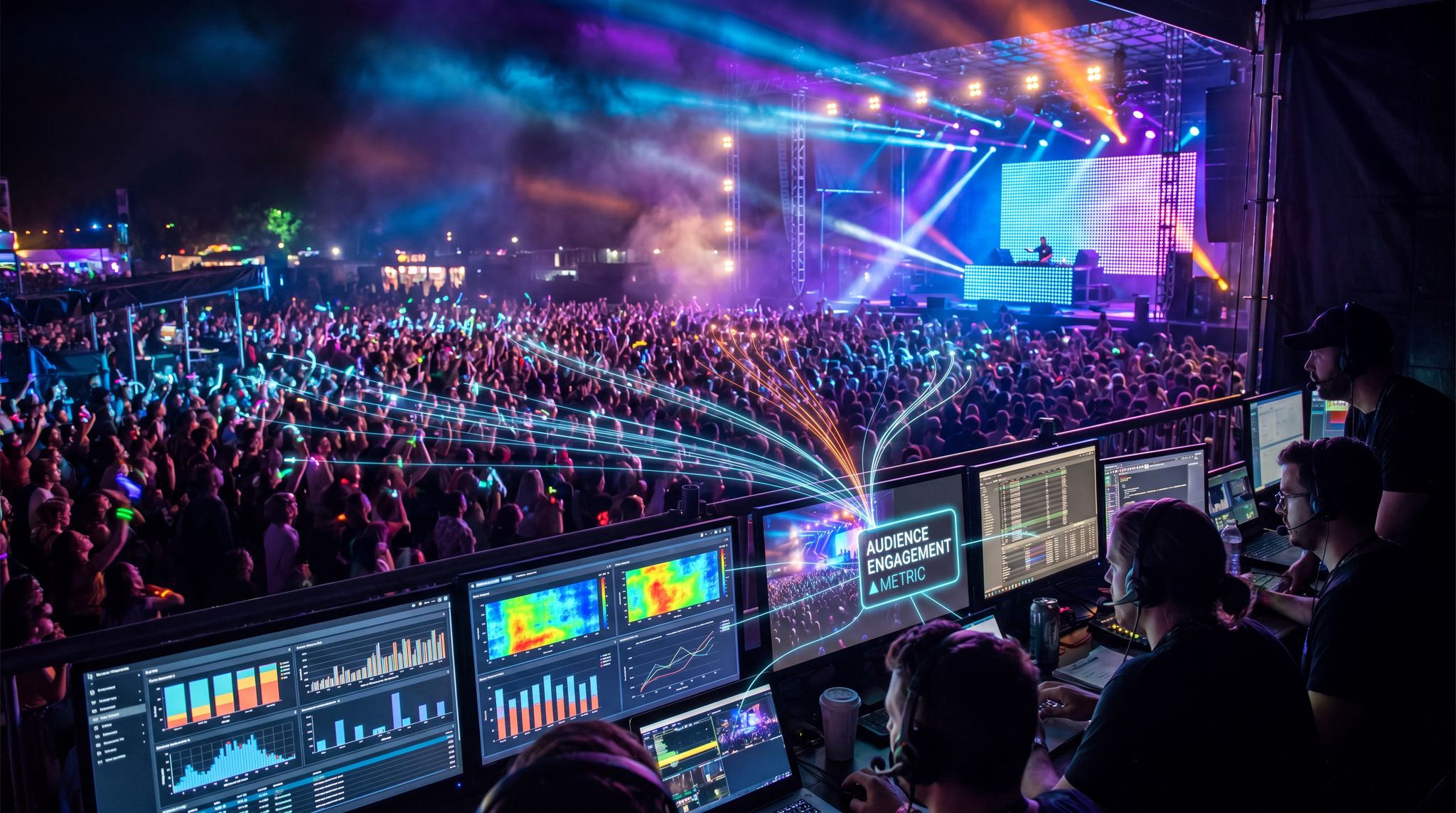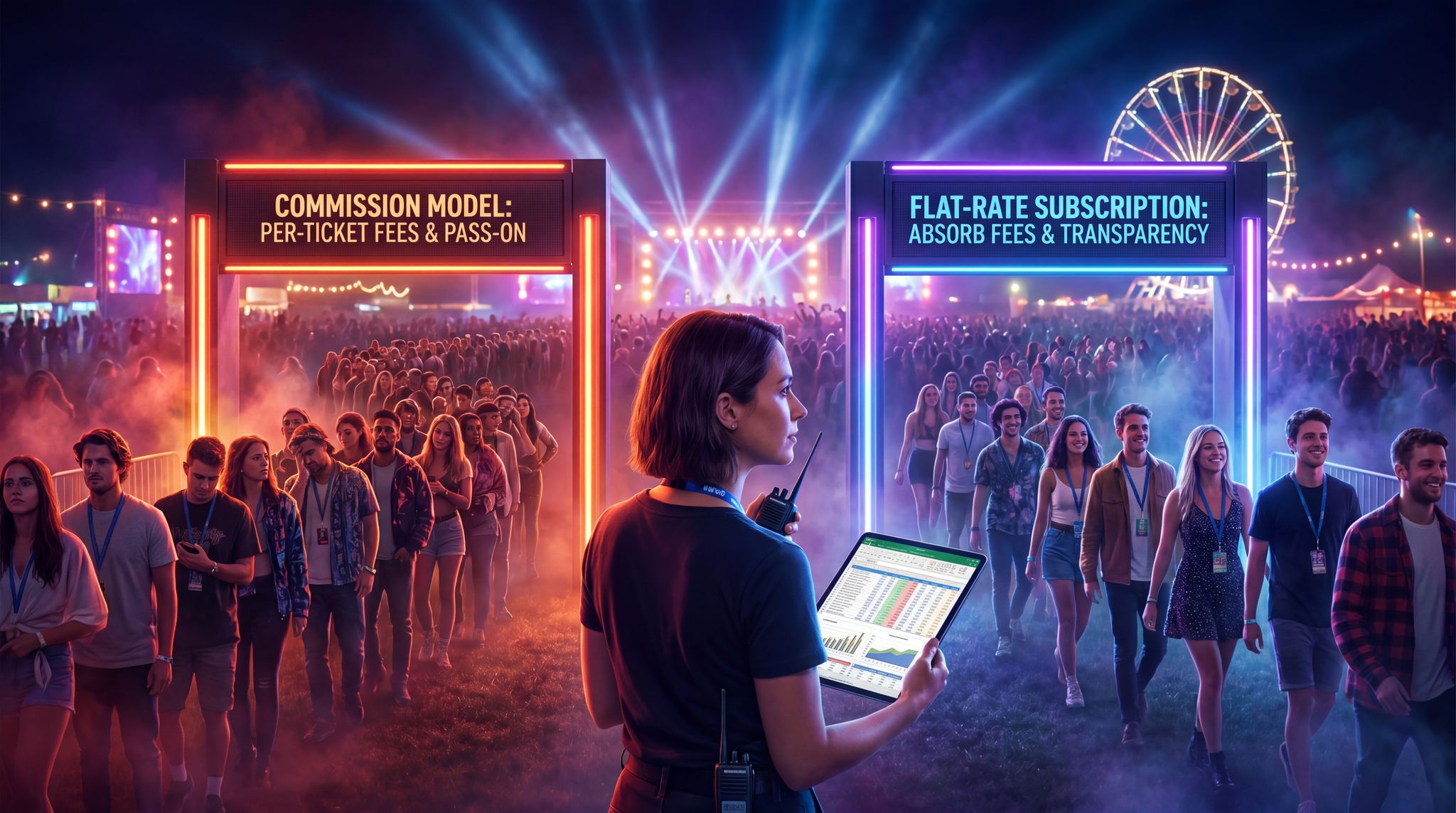
In 2026, event data ownership has become a decisive advantage for festival producers. Many ticketing platforms still guard attendee information, treating it as their own asset. This leaves festivals in the dark about their own audiences and reliant on third parties for insights. By owning and controlling your festival’s data, you unlock richer marketing insights, more personalized fan experiences, and even stronger sponsorship deals. The ability to fully access and leverage festival ticketing data can mean the difference between stagnant growth and a thriving, fan-focused event brand.
Why Event Data Ownership Matters for Festivals in 2026
When fans buy tickets, they’re not just making a purchase – they’re generating valuable information. Contact details, ZIP codes, ticket types, purchase timing, and more create a data trail that, if accessible, can guide key decisions. Historically, many major ticketing providers kept this treasure trove largely to themselves – considering ticket buyers their customers and giving organizers only minimal data access, a practice that often locks festivals into restrictive contracts. For festival producers, that old model is no longer acceptable. Owning your festival attendee data means having every name, email, and demographic detail at your fingertips rather than behind another company’s wall.
The conversation around data ownership in events is expanding rapidly. It is no longer just a promoter-level concern; the benefits of owning ticketing data for events, venues, and artists are deeply interconnected. When a festival producer controls the database, they can share anonymized insights with booking agents to prove an artist’s regional draw, or collaborate with venue operators to optimize staffing based on arrival times. This holistic approach transforms raw numbers into a shared asset that elevates the entire production ecosystem.
The benefits of owning festival data are both strategic and practical. With full data access, festivals can communicate directly with attendees (without begging a platform to send an email blast). Organizers gain the freedom to use modern marketing tools, segment audiences, and plan future editions based on evidence, not guesswork. Crucially, controlling data protects your fan relationships – if you switch ticketing partners or go independent, you won’t lose your entire contact list because a provider refuses to hand it over. Ideally, you should secure full data portability rights to avoid this scenario. In an industry built on community and repeat attendance, that direct connection is everything. It’s also a safeguard in crises: should you need to inform attendees of a lineup change or safety issue, having immediate access to everyone’s contact info is vital.
Beyond day-to-day marketing, establishing clear data ownership in events significantly impacts the long-term financial valuation of your brand. For independent promoters looking to secure investment, acquire business loans, or eventually sell their festival property, a proprietary database of verified ticket buyers is a major tangible asset. Investors evaluate not just the cultural cachet of a production, but its underlying business metrics. When you possess the exclusive rights to your audience insights, you demonstrate operational maturity and reduce reliance on external platforms, making your company far more attractive to potential financial partners.
Finally, data ownership is a matter of trust and autonomy. Fans increasingly expect festivals to know them and cater to their interests, but they also expect respect for their privacy. Owning the data allows you to strike that balance on your own terms, rather than deferring to a third-party’s policies. Savvy festival producers in 2026 treat data like the strategic asset it is – one that drives smarter marketing, better experiences, and long-term growth when handled responsibly.
Planning a Festival?
Ticket Fairy's festival ticketing platform handles multi-day passes, RFID wristbands, and complex festival operations.
Data-Driven Marketing and Fan Engagement
Unlocking Marketing Insights from Ticketing Data
Every ticket sold – or even unsold – tells a story about your festival. When you have full access to your ticketing and attendee data, you can mine these stories to hugely improve your marketing. For example, analyzing your festival ticketing data might reveal when fans buy (did a big sales spike follow your lineup announcement?) and where they come from. One California wine festival that secured full data access was able to map out attendee ZIP codes and discover untapped cities full of potential fans. By targeting ads and travel packages to those regions, they saw a 15% boost in out-of-town ticket sales the next year by offering alumni discounts for specific regions. This is the power of data-driven insight – it shows you where to focus marketing spend and how to expand your reach with precision.
Ticket sales patterns can also guide your promotional calendar. By tracking sales against each marketing campaign, you’ll know which efforts actually moved the needle. Did an early-bird ticket promo on social media drive a rush of purchases, or was it the lineup release in Mixmag that gave sales a jolt? With data, you can identify the channels and content that convert best, then double down on them. Experienced producers set up unique tracking links or promo codes for each campaign to capture these insights (e.g. a specific discount code for your radio ad or a referral code for VIP ambassadors). When you own the event data, all of these details – from referral sources to time-of-purchase analytics – are available in real time on modern dashboards. (For instance, platforms like Ticket Fairy provide live analytics that visualize sales peaks, geographic trends, and buyer segments at a glance, instead of burying that info or delaying it until after the event.) Armed with such intel, you can optimize everything from advertising spend to lineup announcements based on what truly resonates with your audience.
Another insight area is audience demographics and preferences. Full data access lets you see the breakdown of ticket buyers: age groups, locations, and even music or interest preferences if you’ve collected that. Such data helps tailor your messaging and content. If 65% of your attendees are 18–24, you’ll craft more TikTok and Instagram content; if you find a significant cohort of fans traveling from abroad, perhaps you add multilingual information or travel partner deals. It also flags mismatches – maybe you expected a big student crowd but data shows mainly young professionals are buying tickets, meaning you should adjust your outreach. In short, owning the data enables evidence-based marketing – every decision can be guided by real attendee profiles instead of assumptions.
To truly maximize these insights, organizers must look beyond the point of purchase and unify their festival data across all attendee touchpoints. When you integrate ticketing analytics with on-site metrics—such as cashless bar purchases, merchandise sales, and VIP area check-ins—you build a comprehensive profile of your audience. This holistic view of event information not only empowers promoters to refine their marketing but also delivers immense value to the broader production ecosystem. For instance, sharing aggregated crowd-flow trends helps venue operators optimize security deployments, while providing demographic heat maps allows booking agents to better understand an artist’s regional impact. Ultimately, treating your production’s analytics as an interconnected asset elevates the experience for fans, artists, and operational teams alike.
Data-Driven Event Marketing
Track ticket sales, demographics, marketing ROI, and social reach in real time. Exportable reports give you the insights to make smarter decisions.
Personalized Promotions and Fan Loyalty
Modern festival-goers are inundated with generic ads and emails. Cutting through that noise requires personalization – and you can’t personalize what you don’t know. When you own your attendee data, you can segment and tailor promotions in ways that delight fans. Many festivals now use data analytics to deliver personalized recommendations and offers to attendees, increasing attendee engagement by 25%. For example, if you know a group of ticket buyers are EDM fans who skipped last year’s indie-focused afterparty, you might send them a promo for the new EDM stage takeover instead of a one-size-fits-all email. If your data shows a particular attendee has attended for five years running, you can surprise them with a loyalty reward like a discount on merch or early access to tickets for next year. These personal touches are only possible when you have the data in hand to identify different segments and behaviors.
Owning your data also empowers dynamic audience engagement during the festival. Many events have mobile apps or RFID wristbands that, with proper consent, track which stages or attractions a person visits. With full control of that data, you can send a push notification like, “Loved the techno set at Stage 2? Don’t miss a similar artist on Stage 5 in 30 minutes!” – creating a personalized itinerary on the fly. Some festivals even use recommendation engines (similar to how Spotify suggests songs) to recommend food vendors or experiences based on what each attendee has checked into. This level of personalization boosts attendee satisfaction and dwell time. Even simpler, you can personalize your marketing drip campaigns: send different messages to first-timers versus returning veterans, or to VIP package holders versus GA ticket buyers. The tone and incentives that work for a VIP (perhaps a backstage tour contest) will differ from a student on a budget (maybe a promo code for festival shuttle transport). Data segmentation makes these nuanced strategies feasible.
Need Festival Funding?
Get the capital you need to book headliners, secure venues, and scale your festival production.
The result of personalization is a stronger bond between festival and fan. Attendees feel seen and valued when offers align with their interests – they’re not getting spammed with irrelevant info. According to industry research, 50% of festivals now leverage data analytics specifically to personalize attendee experiences (like recommending stages or vendors) to match fans with relevant content, because it boosts engagement and loyalty. A fan who gets a birthday shout-out and small discount to celebrate at your event is far more likely to become a lifelong ambassador for your festival. In an age where loyalty is gold, owning your data is what allows you to run targeted loyalty programs, referral incentives, and bespoke VIP perks that keep fans coming back. (Notably, Ticket Fairy’s platform includes built-in referral tracking, so you can identify superfans who bring lots of friends and reward them – turning raw data into community-building action.) In sum, data ownership translates directly into the ability to treat different fans in special ways, rather than treating your whole audience as an anonymous mass.
Strengthening Sponsorship Deals Through Data
Sponsorships are the lifeblood of many festivals’ finances – but today’s sponsors don’t just cut checks out of goodwill; they expect tangible returns. Here, owning and leveraging your attendee data can give you a major edge in both securing sponsors and convincing them to renew. Sponsors care about audience data: demographics, purchasing power, interests, engagement levels on-site – these metrics prove whether a partnership is delivering value. If your ticketing platform or partners hoard the data, you’re left providing only basic stats (“we had 10,000 attendees”) to a sponsor. But if you have the data, you can present a rich picture: “Out of 10,000 attendees, 60% visited the Sponsor X lounge, average dwell time 5 minutes, and 500 participated in Sponsor X’s QR code giveaway, yielding 500 email leads. Attendees were 70% ages 25–34 and showed above-average interest in sustainability, which aligns perfectly with Sponsor X’s target market.” Now that is a compelling report.
In fact, industry experts have flagged data as one of the most undervalued assets a festival can offer sponsors, noting that this trend has significant momentum. Brands invest heavily in digital advertising where they get detailed analytics, and they increasingly demand the same from event partnerships. Global sponsorship spending is booming – nearly $100 billion in 2022 and projected to double by 2030 – and brands are directing those funds where they can back up promises with data, favoring organizers who can measure impact. A sponsor might love the vibe of your festival, but they’ll still ask, “How do we know we reached our audience and met our goals?” If you can answer with hard numbers, you set yourself apart from other events. On the flip side, if you can’t provide evidence, sponsors may invest elsewhere. Surveys of sponsorship executives confirm this shift: organizers who can’t deliver data-driven ROI risk losing deals to those who can, as sponsors expect digital-level analytics.
Owning your data enables you to deploy the latest tech to prove sponsor ROI. Many forward-thinking festivals use tools like RFID wristbands and event apps to capture on-site interactions in detail. For example, RFID scanners can log every time an attendee enters a sponsor’s activation area or taps to participate in a demo. A festival app might track how many people added a sponsored session to their schedule or clicked on the sponsor’s coupon. These interactions become data points that you, as the event owner, should have full access to. By aggregating them, you deliver a post-event report that speaks the sponsor’s language: impressions, engagements, leads, conversions. One 2026 festival industry report noted that half of large festivals worldwide now provide sponsors with data-rich reports including engagement metrics, recognizing that this transparency is key to renewing partnerships and providing concrete answers on ROI.
Go Cashless With RFID Technology
Enable contactless payments, faster entry, and real-time spending analytics with RFID wristbands and NFC-enabled ticketing for your events.
Beyond just retaining sponsors, data can help you land bigger deals to begin with. When pitching to potential sponsors, being able to share detailed audience insights makes your proposal far more convincing. If you can say, “Our festival draws 15,000 attendees, 80% local millennials with an average income of $75k, and our attendees gave us permission to share anonymous preferences data – for instance, 40% are interested in adventure travel,” you can directly tie a travel/outdoor brand’s goals to your audience profile. Sponsors see that you understand your crowd deeply and that you’ll be a proactive partner in activating the sponsorship. According to Lumency’s annual trends, larger festival properties have become very sophisticated in using their audience data to support sponsors – even sharing (with consent) relevant data so sponsors can connect with attendees during and after events, though some coaching may be required. This kind of data collaboration can create sponsor activations that feel native and welcome: e.g. a festival sharing opt-in info with a beer sponsor so they can send attendees a post-event coupon for the exact craft brew they tried on-site. The bottom line is that owning your data allows you to offer sponsors more value – and that translates to more sponsorship revenue and multi-year commitments.
(Remember: Any sharing of personal data with sponsors must be done transparently and in line with privacy laws – more on that later. It’s wise to allow attendees to opt in to communications from sponsors rather than handing over emails directly. Often the festival can play intermediary: you send an email on behalf of the sponsor to those who opted in, or facilitate the contact in a privacy-compliant way.)
Ensuring You Retain Full Access to Your Event Data
Taking control of your data starts with the tools and agreements you choose. It’s crucial to select ticketing and tech partners that prioritise data ownership, and to bake data rights into your vendor contracts. Here are practical strategies to make sure you – not someone else – have the keys to your attendee information.
Selecting Data-Friendly Ticketing Technology
Not all ticketing platforms are created equal when it comes to data access. As you evaluate ticketing solutions (or any system that handles your attendee info), make data ownership a top criterion. This means choosing a platform that explicitly gives you full access to all your event’s customer data. At minimum, you should expect a secure admin interface or dashboard where you can see and export attendees’ names, email addresses, phone numbers (if collected), purchase details, etc., at any time. Beware of any provider that only offers an abstract “audience report” or withholds contact details unless you pay extra – those are red flags. In 2026, plenty of festival-focused ticketing systems understand that organizers own their customer list and will provide on-demand data exports (CSV files, APIs for integration, and so on) whenever you need. If a platform only promises data after your event or in periodic summaries, ask why you can’t access it live. Real-time data access is important not just for marketing, but also for operations (e.g. checking how many people have checked in by day, monitoring sales by hour during an on-sale, etc.).
Also look for platforms that integrate with your other tools. Modern festivals often use CRM and email marketing systems (like Mailchimp, HubSpot, etc.) to engage fans. The best ticketing solutions will let you sync data directly to your CRM or at least easily import/export, so your attendee list can feed your broader marketing ecosystem. For example, Ticket Fairy’s festival ticketing software emphasizes full data ownership with 100% access to buyer info and one-click integrations to popular CRMs – meaning as soon as someone buys a ticket, you can have their info in your database for a welcome email or future segmented campaigns. Similarly, think about on-site technologies: if you use an RFID cashless vendor or a mobile event app, ensure those systems also allow you to retrieve usage data (scans, top-ups, app user analytics) after the event. You don’t want siloed data trapped in different systems. An all-in-one platform or a well-integrated tech stack can aggregate data from ticket purchases, merch sales, RFID scans, and more into one place. This gives you a holistic view of the attendee journey. Whether you opt for a single end-to-end system or a combination of specialized tools, make sure data flows into your hands, not just the vendor’s servers.
Feature-wise, some platforms now offer additional data-driven tools that can bolster your festival’s success. For instance, referral tracking (where attendees get incentives to refer friends) not only boosts sales via word-of-mouth, but also generates data on your most influential fans and how new customers find you. If your ticketing platform has a built-in referral or ambassador program, it should grant you full visibility into who your top referrers are and how many tickets each influencer drives – extremely useful for identifying potential street team members or VIP ambassadors. Another feature to consider is anti-scalping measures and verified resale. Solutions like Ticket Fairy include fan-to-fan resale at face value with tracking, which ensures that if tickets change hands, you still know who the end attendee is (preventing the data loss that happens when scalpers resell tickets on unofficial markets). Likewise, the ability to issue tickets via your own branded website (white-label ticketing) can be a plus – it keeps customers on your domain, reinforces your brand, and often improves trust and data collection since fans aren’t diverted to a third-party marketplace. While evaluating platforms, don’t be shy about asking tough questions: “Will we own our attendee data? Can we export it anytime? Do you share our attendee information with any third parties? What security measures protect our data?” The right provider will have solid answers. As one ticketing contract guide put it, “Don’t let a third-party gatekeep your relationship with your fans.” – meaning pick a solution that lets you fully command that relationship by securing the best terms on fees and data.
Smart Promo Codes & Presale Access
Create percentage or flat-rate discount codes with usage limits, date ranges, and ticket type restrictions. Plus unlock codes for private presales.
To illustrate the difference, here’s a quick comparison of traditional vs. modern ticketing approaches when it comes to data:
| Data Access Aspect | Older/Restrictive Platforms | Modern/Data-Centric Platforms |
|---|---|---|
| Attendee contact info | Often limited – emails and phones may be hidden or only shared if attendee opts in to marketing, leaving major gaps for the organizer. | Full visibility into all attendee details you collect (name, email, etc.), with participants opting into your communications by default during purchase (in compliance with laws). |
| Real-time analytics | Basic sales reports; little insight until after the event (if provided at all). | Live dashboards for ticket sales, demographics, and check-in data, enabling on-the-fly marketing adjustments and crowd management decisions. |
| Data export & portability | Infrequent or on-request exports (e.g. a post-event CSV); data may be siloed and hard to integrate with other tools. | On-demand exports anytime and open APIs. Easy syncing with CRM, email marketing, and other systems ensures your festival ticketing data is portable and usable. |
| Ownership after contract | Unclear or unfavorable – if you leave the platform, you might lose access to historical attendee data (some providers have even claimed it’s their proprietary info). | Explicitly yours – contracts guarantee you retain all attendee data. You can usually download your full database after each event, and you keep that data even if you switch vendors. |
| Use of data | Platform may market their events to your attendees; your attendees might be treated as part of the ticketing site’s customer base. | Your attendees are your customers – data is used only to support your event (unless you permit other uses). The platform isn’t cross-promoting unrelated events to your ticket buyers without permission. |
As the table suggests, choosing a data-friendly platform sets you up not only to own your data, but to make the most of it. It frees you to use advanced marketing and analytics tools without fighting your ticketing provider for information. It also protects you from nasty surprises, like realizing after an event that you can’t contact your own attendees because they never opted in to hear from you via the third-party’s checkout (a common issue with some self-service ticket sites). Instead, pick a solution where attendees by default are allowing the festival to communicate updates and future offers (with the necessary opt-outs, of course). The difference will be night and day for your marketing effectiveness and your ability to build on each year’s success.
Negotiating Data Rights in Vendor Contracts
Technology choice is critical, but so are the legal terms behind it. Always ensure that your contracts with ticketing companies (and any other relevant vendors) cement your ownership and access rights to data. If you’re signing a deal with a ticketing provider, read the fine print for sections on “Data” or “Customer Information.” Ideally, add a clause that explicitly states something along the lines of: “Festival (Organizer) retains full ownership of and access to all attendee data collected through ticket sales and related event registration processes.” This should include all contact information and any other data collected (e.g. answers to custom questions at checkout, such as dietary preferences if you asked). Avoid any language that suggests the platform is the “owner” or primary controller of that data – at most, they should be a service provider helping process it on your behalf. In many jurisdictions, the festival is actually considered the data controller (since you determine the purpose of the data), and the ticketing company is a data processor. Make sure the contract reflects that reality.
In practical terms, negotiate for full data access on demand to ensure direct access to your ticket buyer data. Your contract can stipulate that the promoter will have administrative access to download or view attendee data at any time, including during the on-sale period and after the event. If a provider says they will email you a report periodically, push back – you want the ability to self-service or at least get data when you request it, not at their convenience. Also, clarify the format: data should be provided in a usable format (CSV, Excel, etc.) with no obfuscation. Some platforms in the past only handed over anonymized or partially masked emails (to “protect” their user base); don’t accept that.
Another key contract point is data usage rights. The agreement should specify how you can use the data and how the vendor can (or cannot) use it. For instance, you’ll want the right to use attendee contact info for your own festival marketing (in line with privacy laws). At the same time, you might want to restrict the ticketing company’s use of that data – e.g. preventing them from marketing other events to your attendees without consent. Many large ticketing companies have clauses allowing them to market “related events” to customers; try to negotiate an opt-out or at least awareness of that. Your attendees might not realize that by buying a ticket through Platform X, they’ll start getting emails about other concerts. That can reflect poorly on your festival (“why am I getting spammed after buying your ticket?”). Seasoned festival organizers insist on transparency in these clauses – some even negotiate a revenue share if the ticketing platform does cross-promote to your list (since that list has value). The cleaner approach, though, is to keep your attendee list exclusive to your use, at least for a period around the event.
Don’t forget post-contract data retention. If your deal is for, say, three years of festivals with a certain ticketing company, include a provision that upon contract termination or expiry, the festival can obtain a full and final export of all customer data collected. You don’t want to be stuck in a renewal simply because the vendor holds your past attendee list hostage. Sadly, there have been cases of events switching ticket providers only to realize they couldn’t email last year’s attendees because the old provider kept those addresses. Ideally, do not let them lock you in with a restrictive database policy. Protect yourself by ensuring the contract says all that data will be delivered to you (or even that you can continue to access the account in read-only mode for a set time). Furthermore, it’s wise to regularly export and back up your attendee data after each major on-sale or festival edition. Don’t rely solely on the vendor’s system. Having your own copy (stored securely) means you’re prepared for any sudden changes.
Finally, incorporate data protection and compliance language. While you want full access, you also must handle the data responsibly (and the contract should note that both parties will comply with laws like GDPR, CCPA, etc.). Typically, the ticketing provider will have a Data Processing Addendum – read it. Ensure it doesn’t, for example, assert ownership over aggregated data or usage statistics in a way that could restrict you. It should primarily cover security, breach notifications, and roles of controller/processor. If there’s any clause you don’t understand, consult a legal advisor; data rights are too important to leave ambiguous. By negotiating these points, you’re effectively asserting control over one of your festival’s most valuable assets – its audience information – and preventing unpleasant surprises down the line. As a veteran might say, industry giants have armies of lawyers fine-tuning their contracts, so you should be equally thorough to protect your festival. The effort you spend now on securing data rights will pay off in all the marketing and growth opportunities that data unlocks in the years to come.
Leveraging Data Responsibly and Safely
With great data comes great responsibility. As you gain access to detailed attendee information, it’s essential to handle it with care, both to comply with privacy laws and to maintain the trust of your fan community. Data ownership doesn’t mean carte blanche to spam or surveil – festivals must use data ethically and securely, or risk backlash and legal consequences.
First and foremost, always follow applicable data protection laws (which in 2026 is a complex web including GDPR in Europe, CCPA/CPRA in California, PIPEDA in Canada, and many others depending on where your attendees live). These laws generally require that you collect data with consent and use it only for stated purposes. That means being transparent in your privacy policy and at the point of ticket purchase about what data you collect and how you’ll use it. Did attendees agree to receive your email newsletter or a sponsor’s follow-up offer? If not, sending them marketing could violate laws and erode trust. The best practice is to use opt-in consent for communications beyond necessary event info. For example, when attendees connect via Wi-Fi login or adjust their profile settings to edit or delete data. For instance, include a clearly worded check box during checkout like, “Yes, I’d like to receive updates about [Festival Name] and partner offers.” Make it unchecked by default in regions where required. This way, you build a list of engaged fans who want to hear from you.
Equally important is data security. Fans are entrusting you with personal details, and they expect you to guard that data like a vault. Use secure systems and follow best practices: strong passwords, two-factor authentication on databases, encryption of sensitive info (especially payment data, though usually your payment processor handles card info separately), and limiting who on your team can access full customer records. An alarming reminder came in 2024 when Ticketmaster suffered a massive data breach that reportedly exposed names, contacts, and even credit card details of over 500 million customers, with ShinyHunters claiming responsibility for the breach. Incidents like that underscore that even major companies can fail at security; a festival must be proactive to avoid leaks. Consider working with your tech providers to understand their security measures – reputable ticketing platforms will have certifications and security audits. Internally, train your staff and volunteers on data handling: for example, if you provide an attendee list to your check-in crew, make sure they don’t save it on a USB stick or send it to themselves via personal email. Have clear policies for deleting or anonymizing data when it’s no longer needed. If you print out any lists (like VIP check-in names), shred them after use. These might sound like small details, but breaches often occur through human error or negligence.
Respecting attendee privacy also means not overstepping with data usage. Just because you can track or collect some data doesn’t always mean you should. Modern technology allows for incredibly detailed tracking (wifi-based location tracking, facial recognition at gates, etc.), but you should gauge what your audience is comfortable with and what actually enhances their experience. Always ask: Is this use of data providing real value to the attendee, or just marketing value to us? The sweet spot is using data to improve the festival for everyone – such as analyzing traffic flow to prevent bottlenecks or personalizing recommendations (with consent). On the other hand, secretly scraping attendees’ social media or bombarding them with daily promotional emails will quickly cause fans to disengage or even revolt. Remember, fans have choices – if they feel a festival is too invasive or doesn’t respect their data, they can and will switch to other events. A Cisco consumer privacy survey found that an overwhelming majority of people will avoid companies they don’t trust with their data. In an era of high privacy awareness, news of such breaches spreads fast. In the festival world, your reputation is your lifeline; one misstep with a data scandal can tarnish your brand for years. It’s far better to err on the side of privacy and get explicit permission for more involved data uses than to assume you have free rein.
Another aspect of responsible data use is transparency and communication. Be upfront with your attendees about why you’re collecting data and how it benefits them. For example, if you ask for their music genre preferences during ticket purchase, explain that it’s to help curate a better festival lineup and personalized schedule for them. If you’re using an app that will collect location data on-site, inform users that “we use this to send you relevant alerts (like shorter food lines nearby) and to analyze crowd flow for safety.” People are surprisingly willing to share data when they see a clear benefit and when you’ve earned their trust by handling previous data respectfully. Consider publishing a simple “Your Data & Privacy at [Festival]” page or blurb in your app – outlining what you collect, what you do with it, and how attendees can control their data. This level of openness can actually become a selling point, differentiating you as a festival that cares about its community’s privacy.
Turn Fans Into Your Marketing Team
Ticket Fairy's built-in referral rewards system incentivizes attendees to share your event, delivering 15-25% sales boosts and 30x ROI vs paid ads.
Finally, plan for the worst – have a protocol for data incidents. Despite best efforts, if a breach or mistake occurs (say a staffer’s laptop with attendee info is stolen, or an email blast exposes everyone’s email addresses due to a CC error), respond quickly and honestly. Notify affected attendees as required by law, apologize, and explain what steps you’re taking to rectify it. Taking ownership in a crisis can salvage trust. Festivals that have handled issues transparently often find their communities forgiving and appreciative of the candour. In contrast, sweeping problems under the rug virtually always backfires when the truth comes out. Responsible data stewardship isn’t just about avoiding negatives; it actively builds goodwill. When fans see that you ask only for data you need, keep it safe, and use it to make their experience better (not just your profit margins), you strengthen the festival-goer bond. And in a time when live events compete with the comfort of home entertainment, a strong bond and trust can make all the difference in winning repeat attendees.
Frequently Asked Questions
Why is event data ownership important for festival producers?
Event data ownership allows festival producers to control marketing insights, personalize fan experiences, and secure better sponsorship deals. Instead of relying on third-party ticketing platforms that withhold information, owning data ensures direct communication with attendees and protects the brand during crises or platform switches.
How can festival ticketing data improve marketing strategies?
Ticketing data reveals critical insights like purchase timing, geographic hotspots, and demographic breakdowns. Producers can use this information to target specific regions, optimize ad spend, and tailor content to audience preferences. For example, mapping attendee ZIP codes can identify untapped markets for travel packages or regional discounts.
How does attendee data ownership increase festival sponsorship revenue?
Owning attendee data allows organizers to provide sponsors with detailed demographic profiles and engagement metrics, proving tangible ROI. By sharing insights on dwell time, activation participation, and audience interests, festivals can secure larger deals and multi-year renewals from brands that demand digital-level analytics and measurable impact.
What are the benefits of using data for festival fan personalization?
Data-driven personalization significantly boosts attendee engagement and loyalty. By segmenting audiences based on music preferences or past attendance, organizers can send targeted offers, such as VIP upgrades or specific stage recommendations. This tailored approach makes fans feel valued and increases engagement by up to 25%.
What data clauses should be included in festival ticketing contracts?
Ticketing contracts must explicitly state that the festival organizer retains full ownership and on-demand access to all attendee data. Essential clauses should cover data portability upon contract termination, real-time export rights, and restrictions on the vendor using the list for cross-promoting unrelated events without permission.
How do I choose a data-friendly festival ticketing platform?
Select a ticketing platform that offers full, real-time access to customer data and integrates seamlessly with CRM tools. Avoid providers that withhold contact details or charge for data exports. Look for features like white-label ticketing and open APIs that ensure you control the attendee relationship and database.
What are the best practices for festival data privacy and security?
Festival organizers must comply with laws like GDPR and CCPA by obtaining explicit opt-in consent for marketing. Security best practices include using encrypted databases, two-factor authentication, and limiting staff access to sensitive info. Transparent privacy policies build trust and protect the brand from reputational damage caused by breaches.
How can festivals use RFID and app data to prove sponsor ROI?
RFID wristbands and event apps capture granular on-site behavior, such as booth visits, session attendance, and cashless transactions. Aggregating this data allows organizers to generate detailed post-event reports for sponsors, showcasing exact impressions, lead generation numbers, and engagement levels to justify their investment and secure future partnerships.
What are the benefits of owning your ticketing data for events, venues, and artists?
Owning your ticketing data provides a massive strategic advantage across the entire live music ecosystem. For events, it means direct access to attendees for targeted marketing and loyalty building. For venues, shared data insights help optimize staffing, bar inventory, and crowd flow based on historical arrival times. For artists, promoters can share anonymized demographic and geographic data to help agents route future tours or understand their true regional draw. Ultimately, data ownership in events empowers all stakeholders to make smarter, evidence-based decisions.
How does data ownership in events affect a festival’s business valuation?
Having exclusive rights to your customer database significantly increases a festival’s overall valuation. Investors and potential buyers view a proprietary list of past attendees, demographic insights, and purchasing histories as a core business asset. This proprietary information guarantees future marketing reach, lowers customer acquisition costs, and proves that the organizer is not overly dependent on third-party ticketing platforms to sell out future editions.
How does comprehensive festival data improve operational planning?
Beyond marketing, comprehensive festival data—including arrival times, stage check-ins, and cashless transaction peaks—allows organizers to streamline on-site operations. Venue managers can use this information to optimize staffing at gates and bars, while producers can adjust site layouts to prevent bottlenecks, ensuring a safer and more efficient event.