Why Festival Attendee Data Matters for Programming & Marketing
Modern festivals are no longer run on instinct and guesswork alone – they’re driven by festival attendee data. In an era where every ticket scan, RFID tap, and social post can be measured, leading producers recognize that data is a game-changer. In fact, industry trend reports note that top festivals are increasingly embracing data analytics for real-time insights and personalization. By mining festival audience insights from ticketing systems, surveys, and even social media, organizers gain a clear understanding of what their fans value. The result? Smarter decisions that delight attendees, boost ticket sales, and give festivals a competitive edge.
Integrating data into programming and marketing isn’t just for mega-festivals – it’s equally critical for a 500-person indie gathering as it is for a 100,000-strong event. Every festival audience has unique preferences and behaviors. Analyzing attendee data helps uncover these patterns so producers can curate lineups and craft promotions that truly resonate. For example, the ID&T group (organizers of Tomorrowland and more) found that consolidating data from over 1 million fans gave them a 360° understanding of their audience, improving their marketing and event planning strategies. In short, harnessing data lets festivals move from a one-size-fits-all approach to one tailored by what the audience actually wants – whether that’s booking the right artists or sending targeted ticket offers at just the right moment.
Gathering Festival Attendee Data: Key Sources and Tools
To unlock these insights, producers first need to gather quality data. Fortunately, today’s event technology makes it easier than ever to capture information at every touchpoint of the fan journey. Here are the major sources of attendee data and what they offer:
Ticketing & Registration Data
Your ticketing platform is a goldmine of information. Every ticket purchase reveals valuable data about your audience: buyer demographics (age, location, gender), purchase timing, ticket types (e.g. VIP vs. GA), and even referral sources. Modern ticketing systems also track sales pace and peaks, helping you identify when and where demand is highest. For instance, you might discover that 70% of VIP passes were bought by fans in a specific age range, or that weekend passes sold out in one region while lagging in another. These insights directly inform your programming and marketing – you’ll know which audience segments are most engaged and can tailor accordingly. Experienced festival producers know that data ownership of ticketing info is crucial; having full access to buyer emails and profiles allows effective follow-ups and segmentation (something not all ticketing companies allow). As a result, many are now choosing festival ticketing platforms that grant full data access and analytics rather than ones that guard the attendee list.
Data-Driven Event Marketing
Track ticket sales, demographics, marketing ROI, and social reach in real time. Exportable reports give you the insights to make smarter decisions.
On-Site Engagement & RFID Data
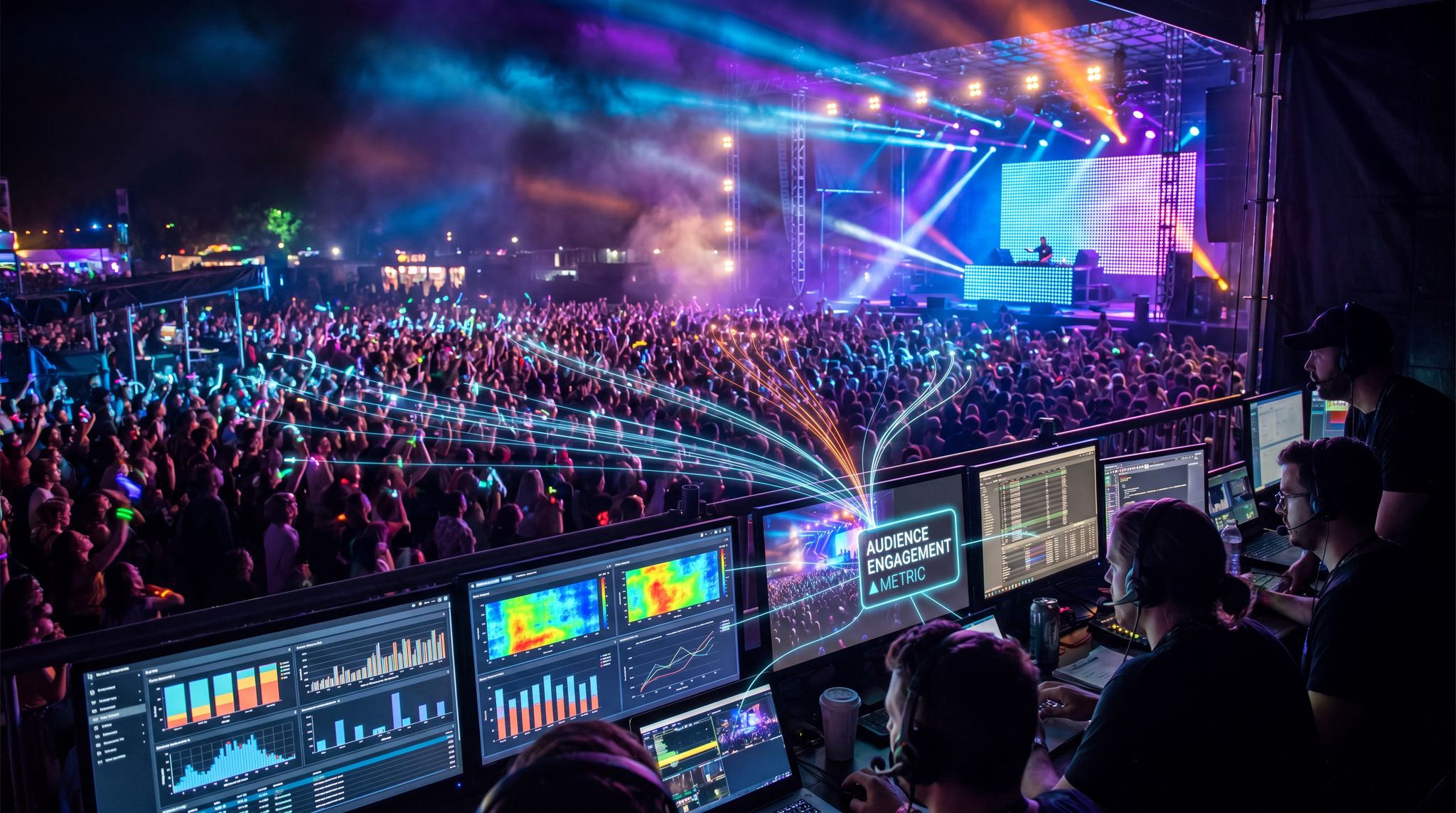
On the festival grounds, technology like RFID wristbands and mobile apps provide real-time attendee behavior data. RFID-enabled entry and payments can show when attendees arrive, which stages or zones they visit most, and how they move through the venue. For example, at Belgium’s Full Circle Festival, organizers implemented a live tracking system that revealed crowd movement patterns, peak hours, and even which artists were drawing the biggest crowds. Armed with this data, they could adjust stage scheduling and crowd flow on the fly to improve the experience. Likewise, cashless payment data indicates which F&B vendors or merchandise booths were most popular and at what times, informing layout and vendor decisions for next year. In essence, RFID and on-site sensors turn attendee location and spending behavior into actionable insights. Even a simple heat map of foot traffic can highlight that, say, the indie stage saw heavy 5 PM traffic while the funk stage emptied out early – clues that help with future programming and site design.
Surveys and Direct Feedback
Sometimes, the easiest way to know what your audience wants is to ask them directly. Post-event surveys, in-app feedback forms, and QR-code questionnaires can capture attendee opinions on everything from lineup satisfaction to festival amenities. These surveys provide qualitative data – the “why” behind the numbers. Perhaps 40% of respondents felt there weren’t enough chill-out areas, or an open-ended question reveals many people are craving a particular subgenre or artist. Quantitatively, you might learn that 85% of attendees were satisfied with the headliners but only 60% liked the food options. This kind of feedback is pure gold for experience design. As an example, New Zealand’s Rhythm and Vines festival famously surveys its audience each year about which emerging artists and genres they’d love to see; those survey results have directly influenced lineup bookings for subsequent editions. Surveys can also illuminate surprising priorities. A 2024 German festival study found that clean sanitation facilities outranked big-name headliners as the top attendee concern, with 53% prioritizing clean sanitation facilities over headliners. Insights like that ensure you’re allocating budget and marketing messages toward what fans truly care about.
Planning a Festival?
Ticket Fairy's festival ticketing platform handles multi-day passes, RFID wristbands, and complex festival operations.
Social Media & Streaming Data
Festival audiences leave a rich trail of clues online about their interests. Social media engagement data – comments, shares, likes, and hashtag usage – can signal which artists or announcements are generating buzz. If your lineup release post sees an unusually high spike in engagement for a mid-tier artist, it might indicate that act has a passionate fan community worth nurturing. Social listening can also reveal sentiment (are fans excited about the venue change? disappointed about a schedule conflict?). Some forward-thinking promoters even tap into streaming platforms for data-driven curation. By analyzing attendees’ public Spotify playlists or Last.fm scrobble data (when available in aggregate), you can gauge what music your ticket buyers actually listen to day-to-day. For example, if data shows a large share of your audience heavily streams indie folk, booking a trending indie-folk artist could be a smart move even at an EDM-focused festival. On the marketing side, social media analytics help identify your most influential followers and fan communities. Understanding these online behaviors allows you to refine your festival marketing strategy – from the artists you highlight in ads to the timing of your announcements – based on what will resonate most with your digital audience.
Table: Attendee Data Sources and Examples of Insights
| Data Source | What You Learn | How It’s Used in Decisions |
|---|---|---|
| Ticketing Platform | Buyer demographics, ticket types, sales peaks, referral sources | Identify core audience segments; time lineup announcements and sales pushes for high-demand periods; tailor ticket offers (e.g. student discounts if data shows large college-age turnout). |
| RFID & Entry Scans | Crowd flow, popular stages/areas, dwell time, entry/exit times | Adjust stage scheduling and site layout; allocate security/staff to hot spots; book more of the genres drawing long dwell times. |
| Cashless Payments | Top-selling food, drinks, merch; spend per head; peak F&B times | Curate vendor mix to match tastes; ensure enough supplies for popular items; schedule performances around dining peaks to avoid conflicts. |
| Surveys & Feedback | Attendee satisfaction, suggestions, favorite/worst aspects | Fix pain points (e.g. add water stations if “long bar lines” were common feedback); choose lineup additions or experiential improvements based on popular suggestions. |
| Social & Streaming | Artist mentions, hashtag sentiment; music preferences | Gauge which artists or content spark excitement; discover emerging genres in your fanbase; craft social content and aftermovies around moments fans loved. |
Data-Driven Festival Programming: Crafting the Lineup & Schedule
Programming is the heart of any festival – and it’s where using data for festival lineup decisions can really set you apart. Rather than relying solely on gut feeling or what competing festivals are doing, data-driven programming means curating artists and experiences based on evidence of what your attendees actually enjoy.
Curating Lineups with Audience Insights
Attendee data can directly inform who you book and how you build your lineup. Start with ticketing and demographic data: does your festival draw more 18–24 year-olds, or 30+ seasoned fans? Knowing your core demographic helps align the artist roster to their tastes (for example, a younger skew might lean towards trending TikTok or Spotify artists, whereas an older crowd might prefer legacy acts or niche genres). Sales data by ticket type can also indicate the draw of certain programming – if VIP tickets sold out in minutes, it might signal that those buyers expect big-name headliners or exclusive sets to justify the cost. On the other hand, slow sales for a particular day pass could hint that that day’s lineup isn’t as strong as others.
Beyond sales numbers, look at on-site engagement from past editions. RFID attendance metrics and stage headcounts show which acts drew the largest crowds and when people were most engaged. If the data shows the crowd spiked by 20% when a Latin DJ hit the stage last year, that’s a clear sign to include more Latin artists or give that DJ a later slot next time. In one case, a European festival analyzed RFID scan data and discovered an afternoon funk band drew nearly as many people as the evening headliner – a cue to elevate that band to a better slot or invite them back. Festival data insights for lineup planning can also highlight underperformers: if certain stages saw consistently low traffic, it may be time to rethink those genres or stage themes.
Case studies abound of festivals fine-tuning their programming through data. The Association of Independent Festivals (AIF) in the UK notes that many member festivals now analyze attendee streaming data and survey feedback when crafting their lineups, according to the IQ x ROSTR Festival Report. A prime example is Primavera Sound: festival organizers have used analysis of attendees’ favorite music genres (gleaned from surveys and online engagement) to guide the balance of indie rock vs. electronic vs. urban artists on the bill. Similarly, data-driven booking strategies have become essential for venue talent buyers and festival programmers alike. As covered in a recent guide on leveraging venue analytics, examining past ticket sales data and genre trends can reveal which artists are most likely to sell tickets in a given market, reflecting industry trends toward data-driven booking strategies. In practice, this means a festival in 2026 might look at multi-year data and realize, for instance, that pop-electronica acts consistently draw larger local audiences than pure techno – an insight that would justify booking more crossover electronic acts to boost attendance.
Need Festival Funding?
Get the capital you need to book headliners, secure venues, and scale your festival production.
Optimizing Scheduling and Experience Design
Beyond who is on the lineup, data helps optimize when and where each act should perform for maximum impact. Analyzing entry scan data and hourly crowd counts can identify the natural ebb and flow of your event. Perhaps data shows that on Day 1, crowds don’t really fill in until 3pm – armed with that, you might avoid placing an important artist at noon when few are there, and instead use that slot for workshops or lesser-known acts. Conversely, if attendee data indicates a large share of your audience arrives early for camping festivals, you might program a popular welcome party DJ the night before official Day 1 to capture that early engagement.
RFID and sensor data can also spotlight congestion points or overlaps in audience interest. If two popular artists played at the same time on different stages and you see many attendees were frustrated by having to choose, that’s a scheduling conflict to avoid next year. Many large festivals now use software to simulate schedules and even employ data-driven scheduling tools that consider genre overlaps and fanbase data to minimize clashes. Real-world example: a U.S. music festival noticed via its mobile app data that a significant number of fans had added two particular bands – one rock, one electronic – to their personal schedule, despite those bands being set to perform simultaneously. This insight prompted organizers to stagger those sets instead, resulting in better crowd distribution and higher satisfaction.
Data even informs experience design elements like stage locations and site layout, which ties into programming. For instance, if cashless transaction data reveals the food court gets overwhelmed right after the headliner set ends, you may decide to program a late-night DJ at a nearby stage to stagger departures and keep attendees entertained (and spending) a while longer. Or if heat maps show that a small art installation unexpectedly drew huge foot traffic, you might expand interactive art programming in that area. All these adjustments stem from paying close attention to attendee behavior data. By iterating your festival layout and schedule based on evidence, you create an event flow that feels intuitive to fans. The goal is a seamless experience: everyone gets to see their favorite acts with minimal friction, crowds spread out comfortably, and there are no dead zones or inadvertent pile-ups – all of which leads to happier attendees who are more likely to return.
Data-Driven Festival Marketing: Targeted Promotions & Communications
Just as data can fine-tune the on-site experience, it can dramatically improve your festival’s marketing strategy. A data-driven festival marketing strategy means using real attendee information to guide how you promote the event – resulting in more efficient campaigns and higher ticket sales. Gone are the days of blasting the same message to everyone or guessing which channels work best. Today, even mid-sized festivals are seeing the benefits of segmentation, personalized content, and precision targeting. Here’s how to put your audience data to work in marketing:
Go Cashless With RFID Technology
Enable contactless payments, faster entry, and real-time spending analytics with RFID wristbands and NFC-enabled ticketing for your events.
Segmenting and Personalizing Outreach
One of the first steps is to segment your audience into meaningful groups based on data points like ticket type, geography, age, or engagement level. Instead of treating your entire email list as one blob, data allows you to create segments such as “VIP purchasers,” “camping pass holders,” “local attendees,” or “first-timers.” Each of these groups has different motivations, and you can tailor your messaging accordingly. For example, past VIP buyers might respond well to an early access lineup tease or a loyalty discount for premium passes, while first-time attendees might need more content highlighting the festival experience and amenities (to overcome the uncertainty of attending). Geographic data helps too – if you know a large cluster of ticket buyers is from a neighboring city, you might run geo-targeted ads about travel packages or ride-share deals specific to that area.
Personalization goes hand-in-hand with segmentation. Using what you know about each segment, you can craft marketing content that feels relevant. An email subject line that reads “We’re excited to welcome you back, {Name}! Here’s what’s new for VIP guests at Festival X 2026” will resonate more with a repeat VIP attendee than a generic newsletter. According to marketing research, personalized emails can boost open rates significantly compared to one-size-fits-all blasts. And it’s not just email – data-driven audience insights can guide your social media ads, website content, and even what influencers or media outlets you partner with. For instance, if your data shows a big portion of your festival audience loves skate culture, you might collaborate with a skateboarding brand or content creator in your promotions. The key is audience targeting: focusing your spend and effort on the people most likely to convert. By leveraging festival audience insights from prior events (ticket buyer demographics, interests, past purchase behavior), experienced marketers can drastically improve ROI on their campaigns.
Table: Example Audience Segments and Targeted Marketing Approaches
| Audience Segment | How to Identify (Data Signals) | Tailored Marketing Approach |
|---|---|---|
| Superfans / Loyalists | Attended multiple years; engages with all emails and social posts; often buys early-bird tickets | Give early lineup previews or alumni discounts; invite them to referral or ambassador programs since they’re likely to spread the word enthusiastically. |
| First-time Attendees | New customer in database; bought entry-level GA pass; often referred by a friend or found via social ad | Send “New to the Festival?” guides and tips; highlight newbie-friendly info (site maps, what to bring); use social proof in ads (testimonials from past attendees) to reassure them. |
| VIP & High-Spenders | Purchased VIP or high-tier packages; high per-cap spend (tracked via cashless data) | Emphasize luxury perks and exclusive experiences in marketing; offer loyalty rewards or VIP-only upgrades; maybe a dedicated concierge email contact. |
| Regional Fans | Home location within 50-mile radius of event; may buy last-minute or single-day tickets | Focus marketing on convenience – easy transport, local pride (“your hometown festival” messaging); leverage local radio, community groups, and last-minute flash sales to spur action. |
| Trend Seekers (Gen Z) | Follows festival on TikTok/IG; interacts mainly on mobile; shows interest in trendy or niche artists on lineup (based on streaming data or social engagement) | Use short-form video ads highlighting experiential aspects and Instagrammable moments; partner with influencers or meme accounts that this group follows; emphasize the unique, must-see parts of the festival. |
Leveraging Referral and Influencer Data
One particularly powerful data-driven marketing tactic for festivals is harnessing your fans as promoters. Referral programs – where attendees get rewards for referring friends – not only boost sales but also generate rich data on your natural ambassadors. By tracking referral codes or links, you can identify which attendees brought in the most new business and how. Many modern ticketing platforms (including all-in-one event ticketing systems like Ticket Fairy) provide built-in referral tracking dashboards that show exactly which fans or promo partners are driving ticket purchases. The data might reveal, for example, that 50 enthusiastic fans each convinced 5 friends to attend, accounting for a significant chunk of your sales. Armed with that insight, you can double down: nurture those super-referrers with thank-you perks or free merch, and encourage them to keep spreading the word. Real-world numbers bear this out – festivals that embrace referral marketing have seen 15–25% of their ticket sales directly attributed to peer referrals, dramatically lowering their customer acquisition cost, as detailed in an IBM case study on ticketing referral systems. In one Ticket Fairy case study, a festival’s referral program delivered a 20:1 ROI, turning passionate attendees into an unpaid marketing force.
Another trove of attendee data comes from your festival’s presence on social media and influencer channels. By analyzing which content gets the most engagement, you learn what messaging and which messengers resonate with your audience. Perhaps your data shows that videos of past festival highlights generate far more shares than static flyers, suggesting you should allocate more budget to video content. Or you may find that a local food blogger’s post about your event drove a noticeable spike in ticket clicks – indicating that niche influencers can outperform generic ads in reaching certain communities. Tracking UTM codes and conversion pixels on your ads provides hard data on what’s converting to sales. For instance, you might discover Facebook ads targeted to 25–34 year-old rock fans are converting at twice the rate of your Twitter ads. With that knowledge, you’d reallocate spend accordingly. As one festival marketing director put it, “We no longer argue about marketing opinions – we let the data guide our campaign decisions.” By continuously measuring results (open rates, click-throughs, conversion, referral counts) and feeding that data back into your strategy, you create a cycle of constant optimization. This is the essence of data-driven festival marketing: each year, your promotional strategy gets smarter and more efficient because it’s informed by the last year’s learnings rather than starting from scratch.
Implementing a Data-Driven Approach: Tools, Platforms & Privacy
Making all of this happen requires the right tools and a mindset of data-informed decision making. Festival organizers in 2026 have a wealth of technology options to collect and analyze attendee data – but choosing the right platform is critical. Here are some considerations for implementing attendee data analysis in your festival’s workflow:
Turn Fans Into Your Marketing Team
Ticket Fairy's built-in referral rewards system incentivizes attendees to share your event, delivering 15-25% sales boosts and 30x ROI vs paid ads.
Choosing the Right Ticketing & Analytics Platform
Your ticketing platform is not just a sales tool; it’s the backbone of your data strategy. When evaluating solutions, look for festival ticketing software with integrated analytics and marketing features. Key features that seasoned festival producers recommend include:
- Real-time reporting dashboards: You should be able to see ticket sales trends, revenue, and buyer demographics at a glance. If your team can quickly identify a mid-week sales slump or a sudden spike after a lineup drop, you can respond in near real-time with marketing adjustments.
- Data export and CRM integration: Ensure the platform lets you easily export attendee data (or, better, sync via API to your CRM or email tool). Full data ownership means you can run your own analyses and combine ticket data with other sources like surveys. As highlighted in Why Data Ownership Matters for producers, having unrestricted access to customer emails and profiles enables deeper insights and direct communication that many legacy systems restrict.
- Built-in marketing tools: Features like referral tracking links, promo codes, and audience segmentation within the ticketing system add huge value. For example, Ticket Fairy’s platform automatically captures each buyer’s referral source and provides segments of ticket buyers (new vs repeat, geography, etc.), saving you from manual data crunching. According to an IBM case study, incorporating marketing automation and analytics tools into the ticketing solution was key for one festival ticketing provider to help organizers market events more effectively, as highlighted in IBM’s cloud analytics case study.
- Scalability and reliability: Large festivals generate enormous data streams – thousands of transactions, scans, and interactions per hour. Using a large-event ticketing platform that can handle high volume ensures you won’t have data gaps due to system outages or slow reporting during peak times. A scalable system captures every scan and sale, giving you complete data for analysis.
Finally, consider how various tools will work together. Your ticketing system might be the core, but you may also use separate software for RFID tracking, survey collection, or social media analysis. An API-friendly, integration-ready platform (one that can connect with RFID providers, Google Analytics, Facebook Pixel, etc.) will make it much easier to consolidate data across sources. The end goal is to break down data silos so that all your attendee information flows into a cohesive analytics view. When your tools “talk” to each other – ticket purchases linking to at-gate scans linking to post-event survey responses – you can truly see the full journey of your attendee and extract meaningful patterns.
Privacy, Consent and Data Security
With great data comes great responsibility. Attendees are increasingly savvy about their personal information, and festivals must handle that data with care and transparency. Always follow relevant privacy laws (GDPR in Europe, CCPA in California, etc.) which require obtaining consent for data collection and giving users the option to opt out of marketing communications. In practice, this means clearly informing attendees – e.g., via a privacy notice at checkout or a sign-up form – about what data you collect and how it will be used to enhance their experience. Most fans are happy to share data (like allowing location services on a festival app or opting in to emails) if they see value in it – so emphasize benefits like “Stay informed about schedule updates” or “Help us improve next year’s festival by sharing your feedback.”
Data security is equally crucial for trust. Work with reputable tech providers and ensure they have robust security measures (encryption, secure storage, etc.) for the sensitive data you’re collecting. The last thing you want is a breach that exposes attendee information. Also, be mindful to use data in aggregate when making programming decisions or public announcements. It’s great to say “45% of our audience asked for more hip-hop, so we added a hip-hop stage” – but you wouldn’t publicly single out individual attendees’ listening habits. In short, treat your fans’ data as you’d want your own data treated.
If done right, leveraging attendee data is a win-win: festivals create better experiences and more effective marketing, while fans get an event more tailored to their tastes and smoother communications. The technology to do this is more accessible than ever, from ticketing platforms that put rich data at organizers’ fingertips to affordable analytics and survey tools. It’s now up to producers to cultivate a data-driven culture on their teams. Encourage your staff to ask “What does the data say?” when making decisions, and provide them training on any new dashboards or tools. Over time, analyzing attendee data will become second nature – as fundamental to planning as booking artists or securing permits. Festivals that embrace this approach are already seeing the payoff in loyalty and sales.
Frequently Asked Questions
What is festival attendee data?
Festival attendee data encompasses information collected from ticket buyers and event-goers, including demographics, purchase timing, on-site behavior, and music preferences. Organizers gather these insights through ticketing platforms, RFID wristbands, post-event surveys, and social media analytics to optimize event programming and marketing strategies.
How do festival organizers use data to book artists?
Promoters analyze ticketing demographics, past on-site crowd sizes, and streaming platform data to curate lineups that match audience preferences. By reviewing which genres or specific acts drive ticket sales and high stage attendance, organizers can book artists proven to resonate with their core demographic.
Why is data ownership important for festival producers?
Data ownership allows festival producers to fully access buyer emails, demographics, and purchase histories without ticketing platform restrictions. Having unrestricted access enables organizers to run deeper analyses, create targeted marketing segments, and communicate directly with attendees to boost future ticket sales and loyalty.
How do you create a data-driven festival marketing strategy?
A data-driven festival marketing strategy involves segmenting your audience based on ticket types, geography, and engagement levels to deliver personalized promotions. Marketers use insights from past events to tailor email campaigns, optimize social media ad spend, and target specific groups like VIPs or first-time attendees.
How does RFID technology improve music festivals?
RFID wristbands provide real-time data on crowd movement, stage popularity, and cashless payment trends throughout the festival grounds. Organizers use these insights to adjust stage scheduling, alleviate congestion points, and optimize food and beverage vendor layouts for a smoother attendee experience.
What type of data do post-event festival surveys provide?
Post-event surveys capture qualitative feedback on attendee satisfaction, lineup preferences, and facility complaints. This direct audience input reveals the reasoning behind behavioral trends, helping organizers identify crucial experience design improvements, such as adding water stations or prioritizing clean sanitation facilities over major headliners.
How do referral programs increase festival ticket sales?
Referral programs incentivize passionate fans to promote the event to their networks, often generating 15 to 25 percent of total ticket sales. By tracking referral codes through ticketing platforms, organizers can identify and reward their top brand ambassadors while significantly lowering overall customer acquisition costs.
How can attendee data prevent festival schedule conflicts?
Organizers analyze mobile app schedule additions and RFID crowd flow metrics to identify overlaps in audience interest between simultaneous performers. By staggering the set times of artists who share a similar fanbase, festivals minimize crowd frustration and ensure better distribution across different stages.