Introduction
In festival production, attendee experience and services are no longer secondary considerations—they’re the cornerstones of an event’s reputation and success. Today’s fans expect more than great performances; they demand a safe, comfortable, and inclusive environment that caters to their needs at every turn. Leading festival organizers know that a happy attendee is not only likely to return but also to become an ambassador for the event. In fact, Key Stat: 70% of event attendees say the quality of their experience influences their decision to attend again?21†L5-L10?, and many are even willing to pay a premium for better treatment. Conversely, if basics like water, restrooms, or friendly staff are lacking, even a stellar lineup can’t save the day.
When industry professionals ask what is a festival in the modern era, the answer goes beyond a simple gathering or concert series. It is a temporary, fully functioning micro-city where every logistical detail—from ticketing to hospitality—must operate flawlessly to sustain the illusion of effortless magic.
Warning: Skimping on attendee basics (water, sanitation, or safety) risks turning a festival into a PR disaster. History has shown that when festivals run out of water or mishandle crowd comfort, attendee outrage follows swiftly on social media and can tarnish the brand overnight.
This guide explores how festivals of all sizes—from intimate boutique gatherings to massive international spectacles—can delight their audiences. From the moment tickets are bought to the final farewell, every touchpoint matters. By investing in attendee experience and on-site services, festival producers build loyalty, encourage positive word-of-mouth, and set their events up for long-term success.
Free Tool: Size Your Festival Site
Zoned capacity planning for arena, campsite, parking and entry lanes — against UK Purple Guide and NFPA density standards. Finds your bottleneck zone.
Table of Contents
- The Importance of Attendee Experience
- Pre-Festival Preparation and Communication
- Seamless Arrival, Orientation, and Guest Services
- Comfort and Amenities: Beyond the Basics
- Safety, Health, and Wellness Services
- Food and Drink: The Festival Culinary Experience
- Activities, Engagement, and Community Building
- Accessibility and Inclusivity for All Attendees
- VIP and Special Guest Services
- Exiting and Ending on a High Note
- Essential Reading
- FAQ
- Glossary
- Conclusion
The Importance of Attendee Experience
Why do some festivals become beloved annual pilgrimages while others fade after one edition? A key differentiator is the attendee experience. Festivals that put attendees first create an emotional connection that goes far beyond the music or programming on stage. Fans who feel cared for—through thoughtful amenities, helpful staff, and inclusive vibes—are far more likely to return and to rave about the event to others. Key Stat: 79% of attendees find on-site customer service crucial for their overall experience?43†L61-L64?, underscoring that it’s often the human touch and smooth logistics that make an event truly unforgettable.
Organizers of world-class festivals emphasize fan experience as a top priority. As one veteran producer noted, they approach the festival ‘from a fan’s perspective,’ and in practice ‘the lineup is almost secondary’?9†L27-L35?. In other words, stellar artists alone won’t guarantee success if the crowd is thirsty, hungry, confused, or uncomfortable. On the flip side, when attendees’ needs are met before they even realize they have them, the festival gains a reputation for hospitality. This reputation builds trust and excitement; attendees know they’ll be in good hands.
Planning a Festival?
Ticket Fairy's festival ticketing platform handles multi-day passes, RFID wristbands, and complex festival operations.
Investing in attendee experience also yields financial returns. Happy attendees stay longer, spend more on food, drinks, and merchandise, and come back year after year (often bringing friends along). Their positive social media posts and word-of-mouth effectively become free advertising for the festival. Key Stat: 85% of attendees are more likely to recommend an event to others if they received excellent customer service?46†L1-L8?. In an era when people share real-time festival reactions online, a single wow moment—or, unfortunately, a bad mishap—can influence thousands of potential ticket-buyers.
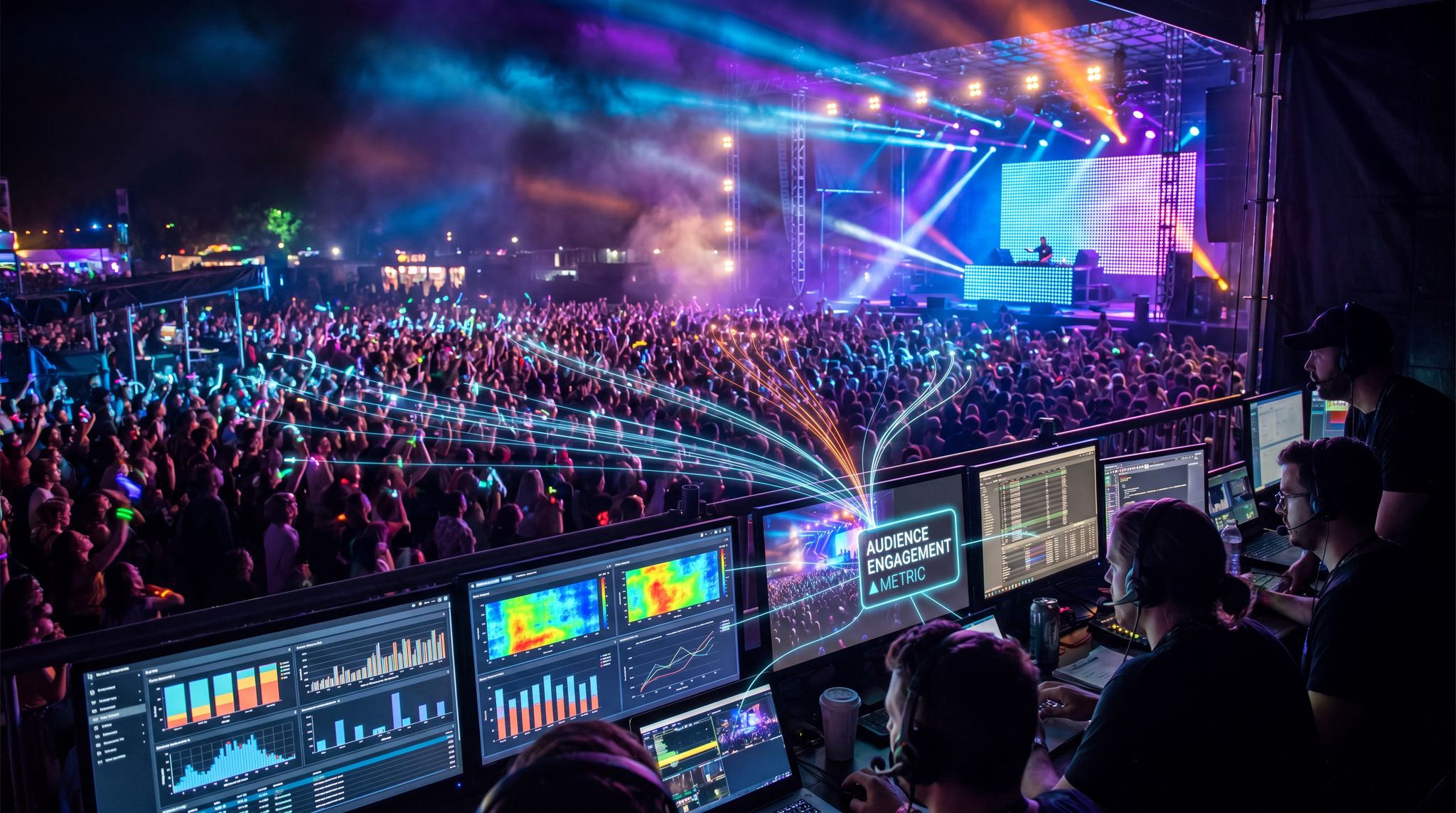
To truly gauge the impact of these efforts, veteran producers rely on robust data collection. Measuring the attendee experience involves analyzing post-event survey feedback, tracking Net Promoter Scores (NPS), and reviewing RFID cashless data to understand crowd flow and dwell times. When organizers can pinpoint exactly which amenities drove the highest satisfaction, they can allocate future budgets more effectively, ensuring that every dollar spent on hospitality directly contributes to fan retention and increased on-site revenue.
This data-driven approach is particularly valuable for artist-curated events. When a high-profile musician transitions into a promoter role, leveraging their existing community is a massive advantage. For example, how can a music artist use fan feedback to plan a festival? By polling their followers on preferred supporting acts, desired locations, or even VIP perks, artists can reverse-engineer an event that perfectly matches their audience’s expectations. This direct line of communication ensures that the resulting festival feels like a collaborative, fan-centric experience rather than a standard commercial venture.
In summary, treating your audience as valued guests rather than just ticket holders is the secret sauce behind festivals that endure. The following sections break down how to enhance attendee experience at every stage, from pre-festival communications to post-event farewells.
Go Cashless With RFID Technology
Enable contactless payments, faster entry, and real-time spending analytics with RFID wristbands and NFC-enabled ticketing for your events.
Pre-Festival Preparation and Communication
The attendee experience begins long before gates open. Expectations are set during the pre-festival phase, when communication is key. Savvy organizers start engaging ticket holders weeks or even months in advance with essential information and friendly touches. A comprehensive “Know Before You Go” guide shared ahead of time ensures attendees arrive feeling prepared and taken care of. Crafting an essential pre-festival attendee guide is an effective way to cover FAQs: what to pack, weather forecasts, campsite or parking details, prohibited items, and on-site services available.
Clear, proactive communication reduces anxiety and confusion. Festival-goers appreciate timely emails or app notifications with maps, schedules, transportation tips, and safety policies. For example, sending out a site map highlighting water stations, welcome and information centers and first-aid points helps attendees visualize the venue layout. Many festivals also share community guidelines upfront, signaling an inclusive, respectful environment before attendees even step foot on the grounds.
Need Festival Funding?
Get the capital you need to book headliners, secure venues, and scale your festival production.
Setting the tone is important, too. A welcome message from organizers can humanize the event and build excitement (“We can’t wait to see you at Sunshine Fest! Here’s everything you need to know to make the most of your weekend”). Social media groups or forums for attendees to connect pre-event can foster a sense of community early on. Some festivals encourage fans to meet digitally beforehand – for example, creating threads for solo travelers to link up or for people to plan carpooling.
Pro Tip: Email attendees a checklist one week out with last-minute pointers: weather-appropriate clothing, handy items like earplugs or portable chargers, and reminders about festival services (like lockers or shuttle schedules). This not only helps guests pack smart but also shows that the festival has their comfort in mind.
Finally, make it easy for attendees to get help before the event. Provide a dedicated customer service line or chatbot for pre-event questions about tickets, entry requirements, or special accommodations. An informed attendee is a happy attendee, so laying this groundwork ensures people arrive with positive expectations and fewer uncertainties.
Seamless Arrival, Orientation, and Guest Services
First impressions at the festival site are critical. A seamless arrival and orientation experience sets the tone for the rest of the event. This starts with efficient entry operations: clearly marked entrances, well-staffed ticket scanning and bag check lines, and upbeat staff greeting guests as they come in. When fans have been driving or waiting for hours, a friendly wave and quick, organized entry process goes a long way. Key Stat: 83% of festival attendees say a smooth, hassle-free entry is a critical factor in a positive experience?21†L125-L131?. No one likes spending the first hour stuck in a bottleneck, so investing in ample entry lanes and speedy verification (like RFID wristbands or mobile ticket scanning) is well worth it.
To achieve this level of operational fluidity, many top-tier organizers partner with festival ticketing companies with integrated hospitality and on-site guest management capabilities. Utilizing a unified platform allows promoters to seamlessly connect a guest’s initial ticket purchase with their on-site VIP perks, cashless RFID wristband data, and real-time customer support needs. This holistic approach to festival guest services ensures that staff have immediate access to attendee profiles, enabling them to resolve ticketing or hospitality issues instantly at the gates or within premium lounges.
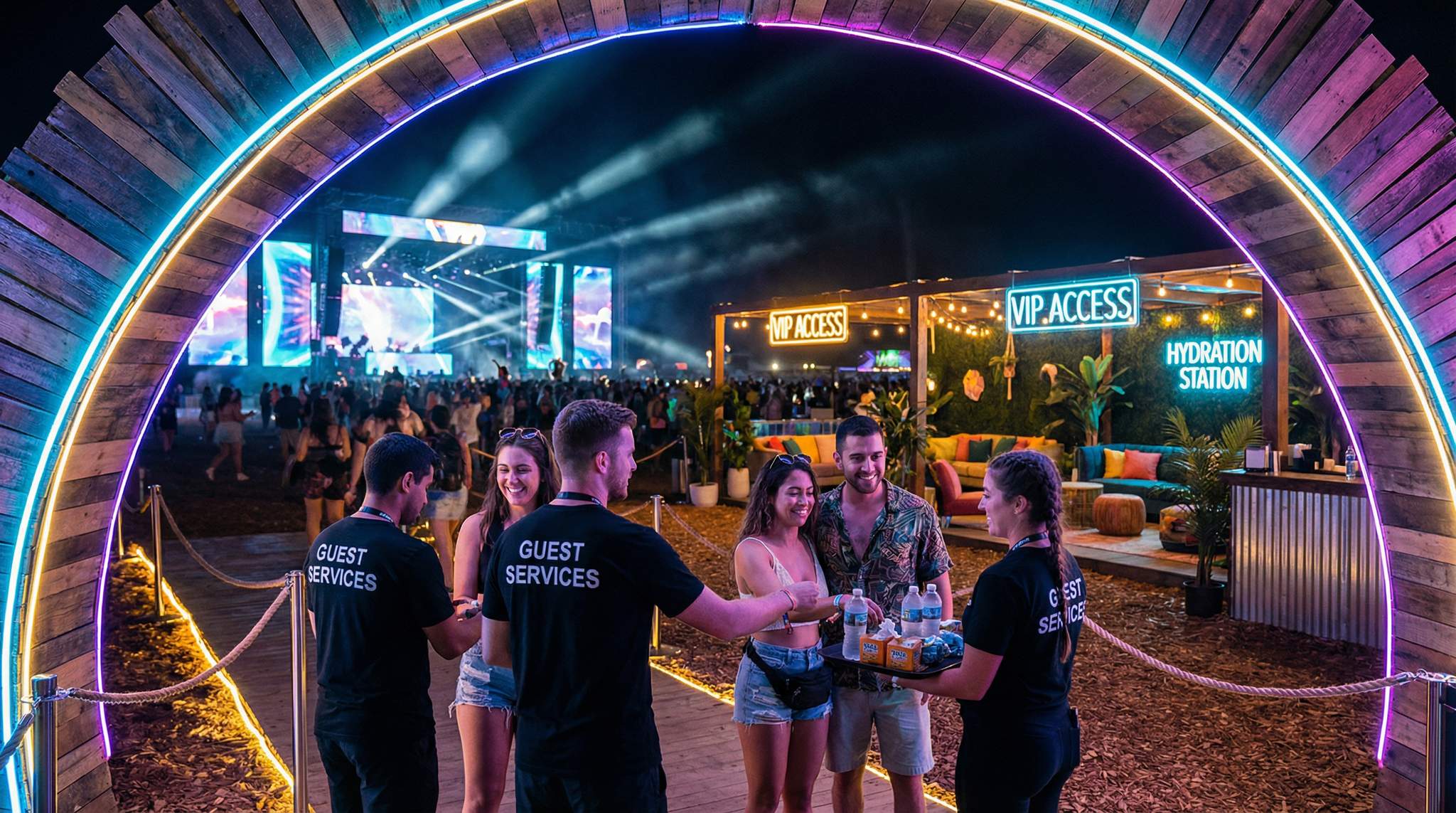
Once inside, attendees should immediately know where to go and what’s available. Prominent signage and maps help orient people—big “You Are Here” boards and directional signs to stages, water stations, and amenities. Many successful events establish welcome and information centers near the main entrance where staff can answer questions, give out maps or programs, and handle on-site needs like lost & found or emergencies. Equipping these info booths with festival schedules and even free essentials (earplugs, sunscreen, water) turns them into invaluable hubs for attendee support.
A well-trained guest services team is the backbone of on-site assistance. Staff and volunteers should be easily identifiable (bright “Info” T-shirts or badges) and proactively approach attendees who look confused or in need. Training your team to deliver exceptional attendee care pays off in countless ways, from resolving minor issues swiftly to preventing small problems from snowballing. For instance, if someone can’t find the medical tent or lost their phone, one helpful staff member who escorts them or provides a solution will turn a potential complaint into a positive story.
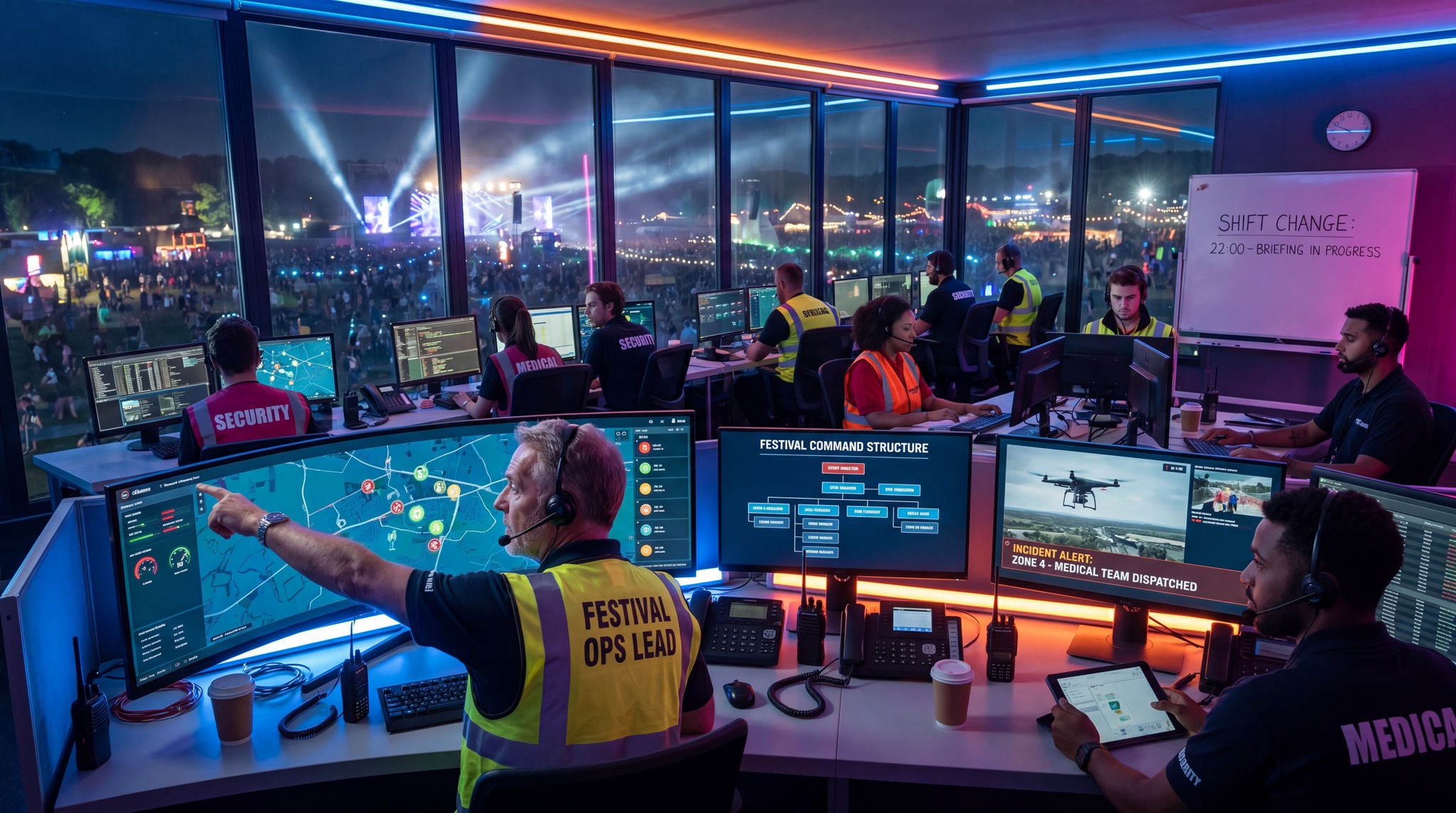
Scaling your festival guest services requires a strategic mix of paid professionals and well-briefed volunteers. By establishing a clear chain of command within the guest support team, promoters ensure that complex issues—such as ticketing discrepancies or accessibility requests—are escalated to experienced managers, while general directional queries are handled swiftly by frontline staff.
Guest services also means having protocols for common on-site issues. Miscommunications and mistakes can happen, and what matters is how the festival handles them. Ensure there’s a clear procedure for handling on-site complaints and feedback. Empower front-line staff to solve what they can (like swapping a dirty wristband, or mediating a minor dispute between attendees) and have managers ready to step in for bigger issues. A visible presence of customer service kiosks or roving “ask me anything” staff with tablets can catch grievances early. If an attendee feels heard and helped, even a problem situation can leave them impressed with the festival’s responsiveness.
Pro Tip: Set up a robust lost & found system from Day 1. Clearly announce where attendees can bring or inquire about lost items (often at the info center). Logging items and using an online system post-event to reunite people with their lost phones or wallets shows you care about attendee belongings beyond the festival hours. A smooth lost persons protocol is equally vital—have a reunification point for lost children or separated friends, and train staff on steps to quickly and calmly handle these situations.
Finally, never underestimate the power of attentive hospitality. Simple gestures like staff high-fiving people at the gate, directional volunteers cheering, or having maps in multiple languages (for international audiences) all signal a welcoming atmosphere. These may seem like small touches, but collectively they shape the attendee’s perception from the get-go. A festival that feels organized and caring upon arrival earns immediate trust and sets attendees up to enjoy everything else.
Comfort and Amenities: Beyond the Basics
Once inside the festival, attendees will quickly notice the creature comforts (or lack thereof). Providing ample amenities and pleasant spaces is fundamental to keeping the crowd happy, especially as hours wear on. Basics like clean toilets, free water, and shelter from sun or rain are non-negotiable. No attendee should have to search far for a restroom or a drinking water tap. Following industry guidelines on sanitation and hydration access (e.g., having enough restrooms for the crowd size and plentiful hydration stations to keep everyone safe and comfortable) prevents long lines and health risks.
Mastering outdoor event sanitation requires a proactive, rather than reactive, operational strategy. For multi-day or high-capacity festivals, simply dropping off rows of portable toilets is not enough. Promoters must implement rigorous servicing schedules, ensuring waste management teams pump out units, restock toilet paper, and sanitize high-touch surfaces multiple times a day. Furthermore, deploying high-capacity handwashing stations with foot-pump operation and ample soap drastically reduces the spread of illness. By treating site hygiene as a critical infrastructure pillar, organizers prevent foul odors and overflowing trash from ruining the immersive environment they worked so hard to build.
Beyond these basics, the best festivals create pockets of comfort throughout the venue. Chill-out lounges and shaded areas give people a chance to rest and recharge. Many events now incorporate chill zones and quiet spaces as restful oases away from the crowd—think cozy tents with cushions, hammocks under trees, or calm corners with ambient music. These zones are especially appreciated at high-energy music festivals where sensory overload and fatigue can hit attendees hard. A 10-minute breather in a quiet zone can be the difference between someone rallying for the next set versus leaving early due to exhaustion.
Seating is another big factor. While festivals are often about dancing and walking, attendees greatly value places to sit that aren’t just the ground. Picnic tables near food courts, bleachers or hay bales by smaller stages, and random benches or social areas encourage people to relax and socialize. If your festival welcomes families or older adults, seating and rest areas become even more important (a point we’ll revisit in inclusivity). Key Stat: 59% of event attendees appreciate having dedicated support staff and comfortable areas to rest during an event?48†L139-L141?. The goal is to design the grounds with the attendee’s physical comfort in mind, scattering conveniences everywhere.
It’s also worth delighting attendees with amenities that surprise—in a good way. Going beyond basic amenities to wow festival-goers can create memorable moments they talk about later. Some examples include phone charging stations or locker rentals so fans can secure their gear, misting tents and free sunscreen on a hot day, or heated tents and warm beverage stands on a cold night. At high-end festivals, organizers have offered spa services (massages, yoga classes) or interactive art installations that double as lounge areas. These extras not only improve comfort but also become part of the festival’s unique identity.
Free Tool: Project Your Bar Revenue
Per-head spend benchmarks by event type turned into projected bar and food revenue, with a stock-mix estimate and gross-margin line. Free calculator.
Pro Tip: Think about sensory comforts. Providing free earplugs at stages, hand fans or cooling towels in the afternoon, or even offering a quiet morning meditation or yoga session can significantly enhance how attendees feel throughout the event. Small investments in comfort amenities often yield outsized gratitude from festival-goers, especially those attending multi-day events.
Warning: Never underestimate the toll that weather can take. If your festival is outdoors, plan for extreme conditions. Have shaded structures and misting stations for heat, rain shelters for downpours, and windbreaks if it’s gusty. Under-preparedness here can lead to medical issues or misery. For instance, a lack of shade and water at a summer festival can cause dozens of dehydration cases. Always have contingency plans (like distributing free water bottles or opening a cooling tent) when mother nature turns up the heat.
Lastly, maintain everything. A trash-strewn, unclean environment quickly undermines comfort. Sufficient trash cans, recycling bins, and cleaning crews keep the grounds pleasant. Keeping restrooms stocked and tidy and fixing any broken amenity promptly shows attendees that organizers are on top of their needs continuously, not just at the start of the day. Comfortable attendees are happy attendees, and happy attendees stick around for encore after encore.
Safety, Health, and Wellness Services
Attendee safety and health is an integral part of experience. Nobody can enjoy a festival if they feel endangered or unwell. Festival producers must treat safety services (medical, security, wellness) as a core offering to attendees, not an afterthought. This begins with visible first aid and medical facilities. A clearly marked medical tent or clinic station should be centrally located, with roving EMTs or medics patrolling big crowds. Attendees should know exactly where to go or who to flag down if they or a friend need help. Quick access to medical care not only prevents serious incidents but also gives attendees peace of mind that if something goes wrong, the festival “has their back.”
Hydration is another critical health factor. Many festivals now provide free water refill stations throughout the grounds and encourage attendees to bring reusable bottles. Keeping festival attendees hydrated and healthy is literally life-saving in hot climates or high-activity events (think dancing for hours). A rule of thumb is to have water points wherever there’s a high concentration of people—near stages, food courts, and entry/exit points. Staff can make PSA announcements or display signage reminding people to drink water. Some events even hand out electrolyte drink packets or have “water ambassadors” roaming with water backpacks to spray or fill cups. These efforts drastically reduce dehydration cases and heat illnesses, especially during summer festivals.
Another growing focus is hearing and eye safety. Loud music is part of the fun, but long-term hearing damage is a real risk. Progressive festivals are integrating hearing protection as a normal part of the experience. This can include giving out free earplugs (or selling high-fidelity ones at cost) and posting signs about safe listening. Some festivals have stationed volunteers at stage entrances with containers of earplugs, making it easy for anyone who forgot their own to grab a pair. Similarly, providing some quieter zones (as mentioned earlier) helps those who need a break from noise. Eye safety (like avoiding dangerous laser lights or pyrotechnic fallout) is more on the production side, but ensuring stages are designed not to harm the crowd falls under safety services attendees won’t explicitly notice—but will if something goes wrong.
Turn Fans Into Your Marketing Team
Ticket Fairy's built-in referral rewards system incentivizes attendees to share your event, delivering 15-25% sales boosts and 30x ROI vs paid ads.
Rigorous stage management is equally vital to this equation. Preventing pyrotechnic incidents on stage requires strict coordination between the production crew, artists, and local fire marshals. A single misstep with special effects can endanger both performers and the front-row audience, instantly transforming a spectacular headline set into a severe medical and PR emergency. Organizers must enforce comprehensive safety perimeters and fail-safes for all stage effects.
Whether the headliner is a touring musician or a resident DJ, ensuring their performance vision aligns with venue safety protocols is non-negotiable. A single miscommunication regarding special effects can jeopardize the entire production.
Many festivals have started offering wellness services geared towards attendee mental health and well-being. This can range from having a “safe space” tent for anyone feeling overwhelmed, to partnering with organizations that provide drug education or testing in an effort to reduce harm. For example, some large EDM festivals collaborate with harm reduction groups who run booths for counseling or checking substances (where legal or permitted) to keep attendees safe. Even if not formally allowed, having roaming welfare teams (people trained to help those in distress or having a bad substance reaction) shows that the festival prioritizes attendee well-being. Attendees, especially at multi-day camping events, often deeply appreciate knowing there’s a calm, supportive place to go if they’re not feeling okay.
Warning: If you decide to allow non-service animals (pets) at your event, be prepared. Establish pet-friendly festival guidelines and amenities like relief areas (grass or sand where dogs can do their business), water bowls at regular intervals, and strict leash requirements. An ill-prepared pet policy can lead to incidents (from dog bites to heatstroke in animals) that endanger both pets and people. Many festivals choose to prohibit pets for these reasons, aside from trained service animals.
Health services also extend to personal hygiene needs. A truly attendee-focused festival will consider things like providing free feminine hygiene products in restrooms for those who might need them. Something as simple as a stock of tampons and pads can relieve a lot of stress for attendees who menstruate. Period-friendly festivals ensure that women and people with menstrual needs have access to clean facilities, disposal bins, and even pain relief at first aid stations – these little considerations go a long way in making all attendees feel looked after.
Finally, a strong safety communication system is essential. Attendees should know how to contact security or first aid in a pinch. Many events use text alert systems or push notifications in the festival app to inform attendees about any safety issues (like a storm approaching or a lost child situation). Regular announcements from stages, or information on the video screens, can remind everyone of safety protocols throughout the day (“Stay hydrated”, “Look out for each other”, “Visit the medical tent if you need help, no questions asked”). When festival-goers feel that organizers are actively keeping them safe and healthy, they can relax and immerse themselves in the fun.
Free Tool: Split Tickets for Max Gross
Given capacity and a target price, the optimizer proposes Early Bird / GA / VIP allocations and prices — with projected gross at 100%, 80% and 60% sell-through.
Food and Drink: The Festival Culinary Experience
For attendees, food and drink are more than just fuel – they’re a significant part of the festival experience. Sharing a meal with friends or discovering a delicious local dish on-site can be as memorable as seeing a headliner perform. Festivals now put as much thought into curating the culinary lineup as the musical one. A mix of quality, variety, and convenience is key to keeping attendees satisfied. From artisanal food trucks to vegan snack stalls, offering diverse options ensures everyone can find something they enjoy and can eat. It’s also a chance to showcase local cuisine or culturally specific foods that match the festival’s theme or audience demographics.
Dietary inclusivity is especially important. Modern audiences have a range of dietary needs and preferences, and accommodating them shows respect for attendees. Savvy organizers are catering to vegan and vegetarian audiences with plant-powered menus rather than treating meatless options as an afterthought. Similarly, if you know your crowd includes attendees who eat Halal or Kosher, having at least a couple of certified vendors or clearly labeled options is crucial – as explored in Halal and Kosher-friendly festival catering. And don’t forget those with food allergies or gluten-free diets: labeling ingredients and allergens on menus or festival apps can literally be life-saving and makes everyone’s choice easier.
Strategic culinary planning also involves timing and location. For instance, producers evaluating the best time of year for food festivals and seasonal cuisine—whether in a booming culinary hub like Dallas or a coastal destination—must align their vendor selection with local harvest seasons and weather patterns. Offering a robust selection of fresh, locally sourced vegetarian dishes during peak summer produce months not only elevates the perceived quality of the food program but also supports sustainable, community-driven hospitality.
Key Stat: 90% of event attendees believe that good food and beverage options are integral to a positive experience?19†L1-L4?. This figure makes sense – nobody wants to spend $100 on a ticket and then have a miserable time because they couldn’t find a decent meal or had to miss half a show waiting in an endless food line. To avoid that, organizers should plan for peak meal times with enough vendors and staff to keep queues moving. A common strategy is to diversify food locations so not everyone floods one area at dinner time; spreading vendors across the grounds encourages shorter lines and nearby options no matter where you are when hunger strikes.
Quality control matters too. Attendees will remember if the $12 burger they bought was cold and dry. Working closely with food vendors on standards, pricing, and sanitation protects the festival’s reputation. Many events curate their food line-up by selecting popular local restaurants or food trucks, knowing they will draw foodies and add to the festival’s allure. For multi-day festivals, varying the food (say, rotating menus or daily special vendors) can keep long-stay attendees excited for something new each day. Also, consider the balance between indulgent treats and healthier options. Some folks crave greasy fries at midnight, others might want a fresh salad or fruit to refresh. Providing both ends of the spectrum ensures broad satisfaction.
Don’t neglect beverages either. Apart from the bar service for alcohol (which of course must be managed responsibly), offer plenty of non-alcoholic choices. Hydration by water is priority one, but beyond that, a range of sodas, juices, iced coffees, or energy drinks will cater to different tastes. Lately, there’s been an uptick in festivals featuring mocktail bars or specialty coffee stands for those who don’t drink alcohol or need a pick-me-up. These little additions can pleasantly surprise attendees who often resign themselves to limited options.
Collect Any Attendee Data at Checkout
Add custom registration fields to your checkout — dietary needs, t-shirt sizes, company names, and more. Conditional logic and per-ticket-type fields.
Pro Tip: Collaborate with vendors to create a signature festival dish or drink. This not only gives attendees a unique item to try (“you have to get the Lightning Fest Loaded Nachos, they’re amazing!”) but also generates social media buzz. Attendees love sharing pictures of distinctive, Instagram-worthy food items, which in turn promotes the event.
Warning: Monitor wait times rigorously. If lines at certain vendors consistently exceed, say, 20 minutes, deploy a solution: maybe open an extra temporary stall for that cuisine or encourage vendors to prep more batches in advance. Poor food logistics (running out of food early or painfully slow service) will frustrate attendees and pull them away from the entertainment. Conducting a quick post-festival survey about food can reveal pain points and highlight which vendors to definitely bring back (or not invite again).
Ultimately, food and beverage service at a festival should feel like part of the fun, not a pain point. When attendees have positive culinary experiences – whether it’s discovering a new favorite food, enjoying a short wait with live cooking flair, or simply not having to worry about going hungry – it enhances their overall impression of the event. They might even come back next year just for those dumplings or that cold brew coffee they loved.
Activities, Engagement, and Community Building
The best festivals create a sense of community among attendees. Beyond the scheduled performances or screenings, it’s the spontaneous interactions and shared experiences that often leave the deepest mark. Organizers can foster this by providing activities and spaces that encourage people to engage with each other and the event in interactive ways. Think of these as the bonus experiences that make a festival more than a series of concerts or films – it’s a mini-city full of adventures.
Many music and art festivals incorporate workshops, games, or installations to keep attendees entertained between main acts. From drum circles and dance classes to art galleries and carnival rides, these activities add richness to the event. For example, a festival might offer morning yoga sessions on the lawn, crafting workshops for making flower crowns, or a graffiti wall where fans can leave their mark. Such offerings not only prevent downtime boredom but also allow attendees to personalize their experience. They can choose their own adventure, so to speak, creating memories that are unique to them.
A huge aspect of engagement is facilitating social connections. Festivals often draw people from around the country or world, and many come not knowing anyone. By creating social hubs or themed meetups, organizers help strangers become friends. Setting up a meetups and social spaces program – like a designated tent for solo travelers to meet each other, or interest-based gatherings (e.g. a meetup for fans of a particular subgenre or a morning runners club) – can make a big festival feel intimate. Some events even have color-coded wristbands or flag systems to identify people open to meeting new friends. Simple icebreakers, like a giant chalkboard where attendees can write what city they’re from, can spark conversations in line.
Empowering attendees themselves to enhance the community is another tactic. For instance, recruiting festival fan ambassadors can pay dividends. These are enthusiastic volunteers or veteran attendees who roam the grounds helping others, answering questions, and spreading positive vibes. They act as unofficial hosts among the crowd. When someone hears a recommendation or gets assistance from a fellow attendee sporting an “Ambassador” badge, it feels like the community taking care of its own.
Pro Tip: Integrate technology for engagement. Consider a festival mobile app feature that allows attendees to create a personal schedule and find others with similar plans, or a photo scavenger hunt where people team up to capture fun moments around the venue. Interactive elements like voting for an encore song via the app or a live festival-wide trivia contest can unite the crowd and make everyone feel like active participants rather than passive spectators.
For those who attend alone, feeling part of a community is especially important. Organizers should ensure lone attendees feel just as welcome and safe as groups. Initiatives like a ‘Solo Rider’ meet-up spot or online pre-festival forums for single attendees can prevent isolation. Making festivals safe and welcoming for individual attendees might involve designating a well-lit, friendly hangout zone on-site where people flying solo can chat and connect. Some events even organize buddy systems or communal camp areas for solo ticket-holders so they can plug into a group if they choose.
Ultimately, the goal is to transform a crowd of thousands into a collective of shared experience. Festivals often achieve this magical cohesion by the end of the weekend – think of the mass camaraderie when everyone sings along to the closing song, or the countless high-fives between strangers throughout the day. By designing spaces and activities that encourage interaction, creativity, and play, you nurture that community spirit from the start. An attendee who makes new friends or learns something fun (like drumming or circus skills) will leave feeling the festival gave them more than just entertainment – it gave them a sense of belonging.
Accessibility and Inclusivity for All Attendees
A festival truly succeeds when people of all abilities and backgrounds can enjoy it fully. Designing events with accessibility and inclusivity in mind is not just a moral obligation or legal requirement – it also expands your audience and enriches the festival community. About 15% of the global population lives with some form of disability?35†L8-L10?, so if your festival isn’t accommodating those attendees, you’re excluding a significant segment. Likewise, festivals draw diverse crowds across age, cultural, and social spectra. Embracing that diversity in your planning makes for a more vibrant and welcoming event that people will celebrate.
Physical & Sensory Accessibility
Physical accessibility starts with compliance to regulations (such as ADA standards in the U.S.), but goes beyond ticking boxes on a checklist. It means thinking through the entire journey of an attendee with mobility challenges or sensory impairments. Are there wheelchair-friendly pathways and viewing areas to all major sections of the venue? This might involve temporary ramps over cables or rough terrain, platform risers so wheelchair users can see above standing crowds, and reserved areas that are close to stages or have line-of-sight to interpreters. It’s important to have sufficient accessible toilets and an accessibility info booth where attendees can get assistance or borrow equipment (like a spare wheelchair or earplugs).
For Deaf or hard-of-hearing attendees, consider measures to make programming more inclusive. Many forward-thinking festivals hire ASL interpreters for main stage performances or provide captioning on large screens for any spoken elements. Making a festival deaf-friendly might also include offering vibrating dance floor sections or LED subtitle glasses for movies – anything that ensures those who cannot hear well can still experience the show. Similarly, blind or low-vision attendees benefit from tactile signage, guide volunteers, and other adjustments to navigate the grounds. Printing a few large-print or high-contrast versions of schedules and maps at info centers is a small act of inclusivity that can help visually impaired guests navigate more easily.
Neurodiverse attendees, such as those on the autism spectrum or with sensory processing differences, have their own set of needs. A noisy, unpredictable festival environment can be overwhelming, so incorporating autism-friendly accommodations is wise. This could mean having a quiet, low-sensory tent (as previously discussed with chill zones), offering noise-cancelling headphones at info booths, and training staff on how to interact calmly and clearly with individuals who might be non-verbal or experiencing sensory overload. Posting a detailed festival schedule with clear timings and any potentially startling elements (like fireworks) can help neurodiverse attendees prepare and feel more in control.
Not all disabilities are visible. Those with chronic illnesses, anxiety, or other invisible disabilities may need flexibility or special support. For instance, someone with Crohn’s disease might greatly appreciate easily accessible restrooms and lenient re-entry policies (in case they need to go back to accommodation). Someone managing diabetes might need to bring in medical supplies or food; having a clear policy that allows this (and training gate staff to understand) prevents embarrassing incidents at entry. A festival could implement a simple system like a discreet colored wristband or a card attendees can carry to signal they might need extra assistance or time for certain activities, without them having to explain personal medical details to every staff member.
Service animals are another consideration. Ensure your policies welcome service animals at festivals (while still prohibiting regular pets, if that’s your rule). Provide relief areas (patches of grass or designated spots with sand) so that service dogs have a place to do their business. Train security not to separate a person from their service animal and to recognize the animal’s identifying vest or documentation. It’s also thoughtful to have water bowls at info stations for service dogs and to inform their owners about any hazards (like loud pyrotechnics) that could distress the animals.
Pro Tip: During planning, invite a few people with disabilities (or organizations that advocate for them) to do a walk-through of your site or review your plans. They will spot accessibility issues that an able-bodied team might overlook. You can even offer early access tours on the first day for those with accessibility needs to get familiar with the layout before crowds arrive.
Age and Family Considerations
Inclusion also means multigenerational hospitality. If your festival is explicitly family-friendly or all-ages, you need to accommodate children and their parents. Family-friendly festival features might include a dedicated family zone or kids’ area with activities like face painting, games, or even childcare services for a few hours (some bigger events offer this, allowing parents to enjoy a set). Parents will appreciate amenities like baby changing stations (be sure to have those in restrooms of any gender) and maybe a breastfeeding or quiet nursing area for mothers who need it. Providing identification wristbands for kids (where parents can write their phone number) at the entrance or family zone is a great safety measure in case little ones get lost in the crowd.
For older attendees like seniors, comfort and accessibility are again priorities. Senior-friendly festivals ensure plenty of seating and shade, as older folks might not be able to stand for hours. Offer transportation help such as shuttles or golf carts from parking lots for those with mobility issues. If you have a large site, consider a shuttle that circles the grounds so anyone who tires out can catch a ride to another area. Keep in mind that many older attendees might not hear or see as well in chaotic environments, so clear signage and maybe a printed schedule (versus app-only) can be helpful. Little gestures like a lower counter height at one food stall or bar (so someone in a wheelchair or of shorter stature can be served easily) can make a big difference.
Expectant mothers face their own challenges at festivals, but many still want to attend, especially at cultural or family events. Ensuring comfort and safety for pregnant attendees means thinking about access to shade, hydration, and seating. It might be as simple as allowing a small folding chair to be brought in, or having a policy that pregnant women can use the accessible bathrooms to avoid long waits. Medical staff should be prepared to assist with pregnancy-related needs as well. Some festivals offer a kind of “priority pass” for heavily pregnant attendees so they can get to the front of bathroom lines or into less crowded viewing areas for comfort. While you might not advertise that widely, training staff to be courteous and ready to help (e.g., offering a bottle of water or a golf cart ride) shows an inclusive spirit.
Cultural and Identity Inclusion
Inclusivity extends to cultural, religious, and gender identities. A festival with a diverse audience should strive to make everyone feel represented and respected. This can start with programming – booking a diverse lineup of performers and content from different cultures or demographic backgrounds signals to attendees from those communities that they belong. As discussed in cultural sensitivity in festival programming, it’s important to avoid scheduling mishaps like cultural performances at inappropriate times or tokenizing a group just for optics. Instead, involve community members in curating authentic cultural showcases if applicable.
Creating a safe space for LGBTQ+ attendees is also crucial. That means enforcing zero-tolerance policies for harassment or hate, providing gender-neutral restroom options (at least one or two in each restroom area can be marked as all-gender or specifically have inclusivity signage), and possibly programming content that celebrates LGBTQ+ artistry. LGBTQ+-inclusive festivals often do small things like flying a rainbow flag alongside other festival flags, or having pronoun stickers available so people can wear theirs if they choose. Training staff and security on diversity and inclusion is key—they should know how to properly handle any situations of discrimination and also use respectful language (for example, not assuming pronouns, and being aware of diversity in families and couples).
Religious inclusion can span dietary needs (already covered under food) and scheduling of prayer times or holidays. If a festival day falls on a major religious holiday for a chunk of your audience, consider acknowledging it or providing accommodations. For instance, during Ramadan, some festivals have organized a post-sunset meal option for those fasting all day. Another aspect is dedicating a quiet space for faith practices. Providing prayer and meditation spaces on-site is a thoughtful touch. A simple tent or room kept clean and free from loud music can serve as a prayer room for Muslim attendees or a meditation spot for anyone seeking spiritual respite. Be mindful of any special requirements (e.g., directional signs for Islamic prayer or covering for privacy).
Language inclusivity might come into play if you have an international crowd. Offering some materials or signage in multiple languages (or having bilingual staff/volunteers visibly identified by flag stickers on their badge) can help non-native speakers feel more comfortable.
Warning: Do not treat accessibility and inclusivity as an afterthought or mere token effort. Modern audiences will call out festivals that claim to be inclusive but fall short in execution. Failing to provide promised accommodations (e.g., an interpreter doesn’t show up, or the “accessible viewing area” is placed in a terrible sightline) can lead to public criticism and hurt the festival’s reputation. It’s far better to slightly under-promise and over-deliver for these services than the opposite.
Inclusion is an ongoing process. Solicit feedback from attendees about what made them feel welcome or what could be improved. Many festivals now have an Accessibility Coordinator role on the team, whose sole job is to champion these needs throughout planning and show days. When every attendee—from a child to a senior, from a person using a wheelchair to someone observing religious faith—feels that the festival was designed with them in mind, you create an environment of mutual respect and joy. That inclusive atmosphere becomes part of the festival’s identity and appeal.
VIP and Special Guest Services
While every attendee deserves great treatment, those who purchase VIP tickets or who are special guests have elevated expectations. VIP packages often come at a premium price, and in return, attendees expect premium service. Successfully delivering a VIP experience can boost a festival’s image and revenue, but it requires careful planning to ensure these guests feel truly valued without detracting from the experience of general attendees.
Typical VIP perks include expedited entry, exclusive viewing areas or seating, upgraded restroom facilities (like air-conditioned trailers instead of standard portable toilets), and a lounge space with comfortable seating. Keeping VIP guests happy often boils down to one key principle: make their day easier and more luxurious than the general crowd’s. For example, offering a dedicated VIP entrance means little to no waiting in line to get in. Once inside, having a staffed VIP lounge with shade, a bar, maybe complimentary snacks or a phone charging station can make VIPs feel at home. Many festivals also include exclusive programming for VIPs—perhaps a small acoustic set, a meet-and-greet with an artist, or swag bags with festival merchandise.
Another popular premium tier is the fan pit. When promoters evaluate what a fanpit ticket should include, they are designing a highly coveted, limited-capacity standing zone located directly in front of the main stage. Offering this specialized access allows organizers to monetize the most dedicated attendees who want an unobstructed, up-close view of the artists, while simultaneously keeping the broader VIP lounge areas less congested.
It’s important to manage VIP perks so that they don’t create resentment among regular attendees. For instance, a VIP viewing platform should be positioned such that it doesn’t entirely block the view for the general crowd. Some events smartly elevate VIP sections to the side of stages, so VIPs get a great vantage without being directly in front of GA fans. Communication is also key: clearly outlining what VIP ticket holders can expect (and what they shouldn’t expect) prevents disappointment on site. If “unlimited drinks” or a free dinner is part of the promise, those services must be executed flawlessly. VIPs will notice if promised amenities are missing or understaffed.
For festivals that attract celebrities or high-profile guests (not as performers but as attendees), additional measures come into play. Balancing privacy, security, and hospitality for notable figures requires tact. Often, these guests are given VIP treatment plus a bit extra: discreet entry/exit plans, personal escorts or a hospitality host, and perhaps a quiet area away from the public VIP if they desire. Ensuring celebrity guests at festivals get the privacy and security they need is beneficial not just for them, but for other attendees—after all, if a famous actor in the VIP lounge is swarmed by fans, it could disrupt everyone’s experience. Having a small VIP backroom or an artist area that can double as a celebrity retreat is one solution some large festivals use.
Warning: Do not let VIP perks overshadow the core festival. If general attendees begin to feel like second-class citizens, you risk damaging the festival’s community spirit. For example, if half the front row is reserved for VIPs who show up late or if most clean toilets are locked away in VIP, the GA ticket holders will notice and feel snubbed. The goal is to elevate the VIP experience, not diminish the standard experience. Strive for balance: e.g., while VIP might get free bottled water and cocktails, ensure GA at least has ample free water and reasonably priced drinks so no one is suffering.
Maintaining a high level of service in VIP areas is crucial. This means excellent bartenders, friendly hosts, and maybe a concierge desk specifically for VIP requests or issues. If a VIP guest loses a wristband or has a problem, handling it quickly and graciously leaves a strong positive impression. Some festivals assign a specific team member or small crew to focus solely on VIP relations.
Finally, use VIP as an innovation lab for future upgrades. VIP attendees can provide feedback on what luxuries really made a difference. Sometimes you might find that a perk is so successful (say, a festival app feature to order drinks to your lounge seating) that you later expand it festival-wide as a paid service for all attendees or use it as a new revenue stream via upgrades. The VIP tier is also an opportunity to cultivate loyal super-fans who will return annually and perhaps even evangelize the event to others willing to spend more for comfort.
In essence, VIP and special guest services are about adding comfort, convenience, and exclusivity in a way that feels seamless. When done right, VIP ticket-holders should feel their money was well spent—they should walk away thinking, “That was worth it, I’ll definitely go VIP again.” And importantly, the festival at large should still retain its inclusive, united atmosphere, where VIP and GA alike leave with wonderful memories.
Exiting and Ending on a High Note
The festival experience isn’t truly over until every attendee has left the venue safely and happily. All the positive impressions built over the event can be dampened if the exit is chaotic, unsafe, or anticlimactic. Smart festival producers plan the end-of-event logistics as meticulously as the opening, ensuring that the final moments reinforce the magic of the experience rather than undo it. Ending a festival on a high note involves both operational efficiency and thoughtful, heartfelt gestures.
Firstly, crowd egress must be managed. This means having clear signage and staff directing foot traffic to exits, parking shuttles, or ride-share pickup zones. If 50,000 people all pour out at once, you want to avoid stampedes or gridlock. For larger events, staggered exits can help—for example, after the final encore, keep the grounds (or certain food vendors and the merch stall) open for an extra hour so not everyone leaves simultaneously. During that wind-down time, playing some light music or even having a small farewell performance at a secondary stage can entertain those who choose to linger and let traffic die down.
Communication is crucial as the event wraps up. Use the MC or main stage screens to thank everyone for coming and to convey any important exit information (“Drive safely,” “Follow the signs to Highway X,” “Shuttles to downtown run every 15 minutes from Gate 2,” etc.). A sincere thank-you announcement from the organizers or artists can make attendees feel appreciated as they head out. Some festivals display a “See You Next Year” message or project a final piece of art or logo as people are leaving, creating a lasting visual memory.
Consider amenities at exit points: Will attendees have access to water on the way out (to help sober up or rehydrate after hours of fun)? Are there volunteers with trash bags collecting last bits of garbage so people don’t leave litter in the parking lots? Small touches like handing out free bottles of water or a souvenir on exit (even something simple like a sticker or postcard) can surprise and delight exhausted attendees.
Traffic and transportation management can make or break the post-festival mood. Work closely with local authorities on a traffic flow plan. If attendees spend two hours stuck in a parking lot or waiting for a shuttle in the cold, that’s the feeling they’ll carry home. Coordinating ride-share pickups with a clear system (perhaps a waiting lounge with an organized queue) and communicating public transit options are all part of good service. For multi-day festivals, ensure the campground or parking lot has staff on the final morning helping people depart smoothly and maybe offering directions or jump-starts for dead car batteries (it happens).
Pro Tip: End with a memorable send-off. Some festivals deploy roaming performers (like LED drummers or stilt walkers) to lead the crowd towards the exits in a kind of celebratory parade. Others set off a small fireworks display or confetti canon at the finale, letting attendees leave amid a sense of celebration. Even playing a classic, unifying song over the sound system as everyone exits (for instance, a song the crowd sings along to) can create a beautiful last group moment.
Safety during exit is key as well. It’s dark, people are tired (or under the influence), and it’s easy to trip or get disoriented. Ensure pathways are well-lit and hazards are marked. Staff with flashlights can guide folks along tricky parts. Having medical and security personnel stationed at exit chokepoints or parking areas is wise, as incidents can spike during egress (people can faint, have minor accidents, etc.). Also, consider neighbor relations: a flood of departing attendees can disturb local communities, so implement measures like sound curfews and reminding attendees to respect the neighborhood (festivals sometimes have signage that says “Thank you for coming! Please exit quietly and respect our neighbors”).
Finally, continue the care even after attendees are gone. Sending a follow-up thank-you email or message the next day, possibly with a link to a feedback survey, shows that you value their experience beyond just their ticket purchase. Many festivals include a heartfelt note and perhaps a highlight reel video (“relive yesterday’s magic”) which helps attendees transition back to daily life on a positive note. Handling lost & found queries efficiently in the days after, and staying responsive on social media for any post-event questions or praises, rounds out the experience.
When you end on a high note, attendees depart feeling fulfilled and grateful. They’ll remember that feeling of walking out with a grin, humming their favorite song from the night, maybe arm-in-arm with new friends. That final emotional state is what they carry into telling others about the festival. By ensuring the end is smooth, safe, and sentimental, you turn one-time attendees into returning fans who can’t wait to come back.
Essential Reading
For festival producers looking to deepen their expertise in attendee experience and on-site services, the Ticket Fairy Promoter Blog offers a wealth of in-depth articles. Here are some highly recommended reads:
- Creating an Unforgettable Festival Attendee Journey – A comprehensive look at mapping out the attendee’s entire experience from first contact to final exit, with tips on exceeding expectations at each stage.
- Accessibility Services: Making Festivals Inclusive – An essential guide to ADA compliance and beyond, ensuring your festival is accessible to attendees with disabilities and special needs.
- Food and Drink: Curating the Festival Culinary Experience – Advice on building a diverse, delicious food and beverage lineup, managing vendor logistics, and catering to dietary restrictions on-site.
- The Festival VIP Experience: Keeping Your Premium Guests Happy – Strategies for designing and executing VIP programs that justify the price tag and enhance your festival’s brand.
- Amenities That Wow: Beyond Basics to Delight Festival Attendees – Inspiring examples of extra amenities (from creative lounges to tech integrations) that can set your event apart and thrill your audience.
- Guest Services at Festivals: Training Your Team to Deliver Exceptional Attendee Care – A deep dive into building a top-notch guest services squad, including hiring, training, and best practices for on-site customer service.
FAQ
What makes a festival's attendee experience truly exceptional?
An exceptional festival attendee experience comes from exceeding basic expectations and creating moments of delight. This includes providing for all the essentials – short entry lines, plentiful water and restrooms, clear information, and safety – so that nothing detracts from the fun. On top of that, great festivals add thoughtful touches: friendly, helpful staff everywhere; comfortable chill-out spaces; interactive activities and surprises; and an inclusive, welcoming atmosphere for all. When attendees feel cared for personally (as opposed to just another ticket number) – for example, a staff member goes out of their way to help or the event offers a small free amenity just when people need it – they remember it. Exceptional experiences also come from smooth organization; attendees should be able to focus on enjoying performances and community without worrying about logistics. The combination of ease, comfort, engagement, and human connection is what elevates a festival from good to unforgettable.
How can I make my festival accessible and inclusive for everyone?
Making a festival accessible and inclusive involves planning for a diverse range of needs. Start with physical accessibility: ensure your venue has ramps or alternative routes for any stairs, accessible viewing areas for stages, and plenty of accessible toilets. Offer accommodations like ASL sign language interpreters for Deaf attendees and tactile or visual guides for blind attendees. Create quiet areas or sensory-friendly zones for those with autism or anxiety to take breaks. Train your staff on disability awareness and have an accessibility information booth or team to assist attendees with special needs on site. Inclusivity also means considering families, older attendees, and different cultures. Provide a family area if kids are welcome, seating and shade for seniors, and possibly a prayer/meditation space for religious needs. Make sure your food vendors can cater to common dietary restrictions (vegan, Halal, gluten-free, etc.). Use signage and festival communications that celebrate diversity (and offer multiple languages if appropriate). Finally, enforce a zero-tolerance policy on harassment or discrimination, and make it clear that your festival is a safe space for people of all backgrounds, identities, and abilities.
What amenities do festival-goers expect on site?
Festival-goers today expect a range of amenities that cover basic needs, comfort, and convenience. At a minimum, attendees assume there will be sufficient restrooms (ideally clean and well-stocked), free water stations to stay hydrated, and food and drink vendors with a variety of options. They also expect clearly marked information booths or staff to answer questions, as well as medical first aid tents for emergencies. In terms of comfort, attendees appreciate shaded areas or tents to escape sun or rain, and some seating whether through picnic tables, benches, or grass areas to relax. Other increasingly expected amenities include phone charging stations or lockers (especially at multi-day events), merchandise booths for festival gear, and a lost & found service. Essentially, festival-goers anticipate an environment where they can take care of normal daily needs (eating, staying clean, resting) without leaving the venue, and where help is readily available if they have an issue.
What perks do VIP tickets include at festivals?
VIP ticket perks can vary widely by festival, but they generally offer an upgraded experience through better access, comfort, and exclusivity. Common VIP perks include fast-track entry (separate gate with little or no wait), exclusive viewing areas near stages (or even seating at some events), and access to a VIP lounge. These VIP lounges often feature more comfortable seating (sofas, shade, etc.), a private bar and upscale food options with shorter lines, and nicer restroom facilities (like air-conditioned trailers). Many VIP packages also come with complimentary items such as a free drink, a merch bundle, or a souvenir laminate. Some festivals include special programming for VIPs – for example, meet-and-greet opportunities with artists, or a VIP-only afterparty. The exact perks depend on the price point and festival style: a boutique festival might offer VIPs a backstage tour or gourmet dining, while a large music festival may focus on convenience (easy entry, good views, and a place to relax). All VIP offerings are designed to make the experience more luxurious and less crowded than the general admission experience.
How do festivals handle lost or separated attendees?
Most festivals have a “lost persons” protocol in place to reunite attendees who get separated, especially vulnerable individuals like children or those with special needs. Typically, there is a designated meeting point or tent (often the information booth or a security post) where staff handle lost persons cases. If a child is lost, staff are trained to immediately notify security and possibly make discreet announcements (some festivals will announce a “Code LOST” with a description over the radio to staff, rather than on public PA, to avoid panic). The child or person would be brought to the secure meeting area, and staff would use the person’s wristband info or ask them/others for identifying details. Meanwhile, the festival may broadcast a message on the PA or app notifying attendees to look for a lost person (without giving too much personal info). Many events also encourage attendees upon arrival to pick a landmark as a meeting spot if friends get separated. In the case of adults being separated from their group with no phone service, staff at info booths can facilitate messages on bulletin boards or coordinate meet-ups. The key is having a staffed location and a clear procedure that all workers know: stay with the lost person, communicate internally, and reunite them with their party safely. After the festival, any persons not claimed (this is very rare) would be handed over to local authorities for further care.
How can festivals cater to special dietary needs (vegan, Halal, etc)?
Catering to special dietary needs at festivals largely comes down to choosing the right food vendors and planning menus thoughtfully. Festival organizers can ensure there are vegan and vegetarian options by specifically including popular plant-based vendors or requiring each food stall to offer at least one meat-free dish. It helps to advertise these options in advance so attendees know they will be accommodated. For religious diets like Halal and Kosher, organizers might bring in certified vendors or designate certain kitchens that prepare food according to those laws. Clearly labeling food stalls as “Halal-certified” or offering Kosher pre-packaged meals during the event can serve those communities. Additionally, providing gluten-free choices (like gluten-free beer or bun alternatives) and being mindful of common allergens (peanut-free or dairy-free items) is part of good service – some festivals include an allergen guide in their food listings. Communication is key: menus at stalls and in the festival app or brochure should have symbols or notes for vegan (V), vegetarian (VG), gluten-free (GF), Halal (H) etc. By working closely with vendors during planning, organizers can curate a food court that has something for everyone. And if in doubt, having at least one vendor that specializes in a certain dietary category (for example, an all-vegan food truck, or a fully gluten-free bakery stand) ensures those attendees have a safe go-to choice.
Why should organizers use festival ticketing companies with integrated hospitality and on-site guest management?
Partnering with festival ticketing companies with integrated hospitality and on-site guest management streamlines the entire operational workflow for promoters. Instead of juggling separate software for ticket sales, VIP upgrades, and on-site customer service, a unified platform centralizes attendee data. This allows guest services teams to instantly verify purchases, issue RFID wristbands, manage premium lounge access, and resolve disputes in real time. Ultimately, this integration reduces gate bottlenecks, elevates the VIP experience, and provides organizers with comprehensive data on attendee spending and behavior.
What is the operational scope of festival guest services?
From an organizer’s perspective, festival guest services encompass all front-facing attendee support functions designed to resolve issues and enhance satisfaction on-site. This operational scope includes managing information booths, overseeing lost and found protocols, facilitating ADA accommodations, handling ticketing or wristband troubleshooting at the gates, and deploying roaming fan ambassadors. A robust guest support department acts as the central nervous system for attendee communication, ensuring that any logistical friction is smoothed over quickly by trained hospitality staff.
How do promoters measure the ROI of their attendee experience investments?
Experienced organizers track the return on investment for guest services through a mix of quantitative and qualitative data. Key metrics include year-over-year retention rates, Net Promoter Scores (NPS) gathered from post-event surveys, and per-head on-site spend. When fans are comfortable and engaged, they stay longer and spend more on food, beverage, and merchandise. Additionally, monitoring social media sentiment and tracking the volume of on-site complaints versus positive resolutions provides a clear picture of how well the operational execution matched audience expectations.
What is a festival in the context of modern event production?
In modern event production, a festival is no longer just a series of musical performances or art exhibits; it is a temporary, fully operational micro-city. Organizers must provide comprehensive infrastructure, including sanitation, power, security, food and beverage programs, and dedicated guest services, to safely sustain thousands of attendees over multiple days.
What is a fanpit ticket and how does it differ from standard VIP?
A fanpit ticket grants access to a highly coveted, limited-capacity standing zone located directly in front of the main stage. While standard VIP packages typically focus on lounge access, expedited entry, and upgraded amenities set further back from the crowd, the fan pit is designed specifically for dedicated super-fans who prioritize an unobstructed, up-close view of the artists. Promoters often use this tier to monetize premium stage access without overcrowding traditional hospitality lounges.
What are the best practices for outdoor event sanitation?
Effective outdoor event sanitation goes beyond providing basic portable toilets. Best practices for organizers include calculating the correct ratio of restrooms to attendees (often factoring in alcohol consumption, which increases usage), scheduling frequent mid-event servicing to pump waste and restock supplies, and strategically placing facilities away from food vendors but still easily accessible. Additionally, deploying dedicated waste management teams to continuously clear trash bins, providing ample handwashing stations with soap and water, and utilizing eco-friendly deodorizers are essential steps to maintain a hygienic, odor-free environment throughout the festival grounds.
How can a music artist use fan feedback to plan a festival?
When a musician transitions into the role of a festival promoter, their existing fanbase is their most valuable asset. Artists can use fan feedback to plan a festival by conducting pre-event surveys, analyzing social media sentiment, and utilizing streaming data to identify geographic hotspots for their listeners. By directly asking fans what they want—from supporting lineup choices and preferred dates to specific food vendors or VIP amenities—the artist can curate a highly targeted, community-driven event. This not only guarantees stronger initial ticket sales but also fosters a deep sense of loyalty, as attendees feel they actively helped shape the festival experience.
Glossary
- Attendee Experience – The overall feelings, interactions, and satisfaction a person has throughout a festival, from pre-event communications to on-site activities and post-event impressions. It encompasses all touchpoints that affect enjoyment.
- Guest Services – The team and facilities dedicated to assisting festival attendees. This includes information booths, help desks, and roaming staff who answer questions, handle issues (like lost & found or complaints), and generally ensure guests are taken care of.
- Accessibility – In a festival context, measures and features that make the event usable and enjoyable for people with disabilities or mobility challenges. This covers wheelchair access, sign language interpretation, accessible toilets, and other accommodations under guidelines like the ADA.
- Quiet Zone (Chill Zone) – A designated area within the festival that offers a calm, low-sensory environment. It’s meant for attendees to relax away from loud music and crowds, often featuring shade, seating, and minimal noise or visual stimuli.
- Lost & Found – A service where attendees can retrieve lost belongings or turn in items they’ve found. Typically located at an information center, it logs items like phones, wallets, IDs, and helps return them to their owners during or after the event.
- VIP Area – A special section of the festival reserved for VIP ticket holders or special guests. VIP areas usually offer enhanced amenities such as comfortable seating, exclusive bar/food services, upgraded restrooms, and prime viewing spots separate from general admission.
- Inclusivity – The practice of ensuring people of all backgrounds, identities, and needs feel welcome and valued at the festival. This involves catering to different cultures, religions, ages, genders, and orientations (for example, offering gender-neutral restrooms or celebrating diverse music genres).
- Hydration Station – A free water refill point provided on-site. Hydration stations allow attendees to fill bottles or cups with safe drinking water, helping them stay hydrated without having to purchase bottled water. Critical for health, especially at outdoor events.
- Information Booth – A kiosk or tent where festival staff provide information to attendees. At an info booth, guests can ask for directions, get schedules, learn about services, or seek help for problems. It often doubles as the hub for lost & found and other on-site services.
- Fan Ambassador – An attendee (often a volunteer or super-fan) who is designated to help others and spread positive energy. Fan ambassadors may guide people around, answer common questions, and assist staff in monitoring the crowd – acting as friendly, on-the-ground community builders.
- Medical Tent – The on-site first aid station staffed by medics or health professionals. Attendees can go here for any medical needs, from minor injuries (like cuts or dehydration) to more serious emergencies. Often equipped with basic medical supplies and a place to lie down if needed.
- ADA – Stands for the Americans with Disabilities Act, a law that, among other things, sets standards for accessibility at public events. In festival terms, “ADA accessible” typically means the event provides reasonable accommodations so people with disabilities can participate equally (ramps, reserved viewing areas, etc.), even if the festival is outside a typical permanent venue.
Conclusion
Attendee experience and services can make or break a festival. By viewing the event through the eyes of the attendee, the world’s best festival producers ensure every aspect – from the first ticket email to the ride home – is crafted for comfort, joy, and community. The case for investing in these areas is clear: well-cared-for attendees become loyal fans, and loyal fans are the foundation of a festival’s longevity. They buy tickets year after year and bring friends along, confident that your event will deliver not just great entertainment, but a welcoming atmosphere and smooth experience.
In the ultra-competitive festival market, it’s the events that go the extra mile for attendees that stand out. Whether it’s a small gesture like free sunscreen at a summer festival or a large initiative like a comprehensive accessibility program, these efforts resonate with audiences. People may come for the music, the films, or the food, but they stay – and return – because of how your festival made them feel. Remember, 85% of attendees are more likely to recommend an event when they’ve received excellent customer service?46†L1-L8?. In effect, by delighting your guests, you’re turning them into ambassadors who amplify your festival’s reputation.
From here, use the insights and strategies outlined above to audit your own festival plans. Identify the gaps in attendee experience and fill them with creativity and care. Listen to your audience – their feedback is the ultimate guide to what’s working and what needs improvement. Festival production is undoubtedly complex, but focusing on the attendee’s perspective provides a clear north star. By championing attendee experience and services in every decision, you set the stage for festivals that don’t just impress on paper or in lineup announcements, but in the hearts and memories of the people who were there. And those memories, treasured by thousands, are what will fuel your festival’s success for years to come.