Beyond Festival Fatigue: Standing Out in an Oversaturated 2026 Season
In the summer of 2026, festival-goers face an overwhelming buffet of events. The global festival boom of the past decade means fans have more choices than ever – but also tighter budgets and limited vacation days. Industry veterans warn of “festival fatigue,” where audiences feel inundated by too many similar lineups and experiences. If every weekend offers another mega-event, how can any single festival stay fresh, exciting, and indispensable to its community? This article examines signs that the market is hitting saturation and delivers practical strategies to differentiate your festival so that attendees – and sponsors – choose yours year after year.
Understanding Festival Fatigue in 2026
The Oversaturated Landscape Post-2020
After the pandemic lull, festivals roared back with a vengeance. By 2025, nearly every weekend saw multiple music, food, and culture festivals spring up worldwide. Major players expanded and new niche events launched, all chasing the wave of pent-up demand. But now in 2026, the sheer volume of festivals is testing the limits of fan appetite. Even top-tier events have noticed a cooldown. For instance, industry executives observed that some 2025 festivals saw flagging ticket sales due to a glut of events and economic headwinds. When iconic festivals that once sold out in minutes now struggle to hit capacity, it’s a clear red flag: the market may be over-saturated.
Festival producers in many countries report similar trends. In the U.S. and Europe, every genre and city seems to have its own festival weekend. Asia and Latin America are also seeing rapid growth, with new regional events appearing each season. This explosion is exciting – but it also means stiffer competition for both audiences and artists. A mid-sized independent festival that once drew crowds easily now finds itself surrounded by heavyweight rivals and boutique newcomers. These “in-between” events are feeling the squeeze, although with the right strategies they can still survive and thrive in a polarized market. The reality is that 2026’s festival landscape is crowded, and standing out requires deeper planning than ever before.
Go Cashless With RFID Technology
Enable contactless payments, faster entry, and real-time spending analytics with RFID wristbands and NFC-enabled ticketing for your events.
Fans Overwhelmed by Choice (and Cost)
For festival-goers, having more options isn’t always better. Many fans report feeling overwhelmed by the choices – and that’s leading to hesitation. With inflation and higher living costs cutting into disposable incomes, people are forced to be selective. An attendee who might have hit three or four festivals in 2019 may now only budget for one or two in 2026. Surveys indicate consumers are wary of shelling out hundreds or thousands of dollars on tickets, travel, and lodging for events beyond their immediate horizon. In practical terms, this means even enthusiastic music lovers are skipping some favorite festivals due to cost or fatigue. The fear-of-missing-out (FOMO) that used to drive fast early ticket sales has given way to a more cautious “wait and see” approach, making it imperative promoters nail the pricing strategy.
Another factor is choice paralysis. When every weekend features a similar multi-stage music festival with a familiar lineup, fans start to lose urgency. The once-thrilling festival experience can blur into “just another event.” On social media, you’ll see comments like “I already saw these headliners at X fest, maybe I’ll sit this one out.” This is festival fatigue in action – a sense that nothing new is on offer. Consumers faced with too many choices often end up choosing none at all. Promoters must recognize that attendees now expect clear value and unique experiences if they’re going to commit their time and money.
Planning a Festival?
Ticket Fairy's festival ticketing platform handles multi-day passes, RFID wristbands, and complex festival operations.
Rising Costs and Competitive Pressure on Organizers
It’s not just fans who feel the strain – festival organizers are under immense pressure in an oversaturated market. Key costs have skyrocketed: top artists command higher fees amid fierce bidding wars, production vendors are stretched across events (driving up rates), and marketing spend needs to increase to cut through the noise. Coming out of the post-pandemic boom, many promoters learned the hard way that the high talent fees of 2022–2024 were not sustainable. “It’s more expensive to produce events than ever, and fans aren’t willing to pay more for tickets,” as one veteran observed, noting that fans aren’t willing to pay more for tickets. This squeeze creates a catch-22: you must deliver a bigger, better show to compete, but doing so costs more at a time when attendees resist price hikes.
The result? Some festivals are finding their financial models suddenly upside-down. In 2024, an estimated 90 music events were canceled worldwide for a variety of reasons – from weak ticket sales and sponsor pullout to weather and permitting issues. Many of those cancellations boiled down to economic reality: too many events chasing the same audience and talent pool. For example, a first-of-its-kind report on Australian festivals noted that more than one-third (35%) of festivals lost money in the 2022–23 season, and a string of major Australian festivals (Splendour in the Grass, Groovin The Moo, and others) were called off heading into 2024, with median profits dropping significantly. These are stark reminders that the festival boom can backfire if not managed carefully. Organizers now must be both creative and strategic to navigate a marketplace where margins are thinner and competition is everywhere.
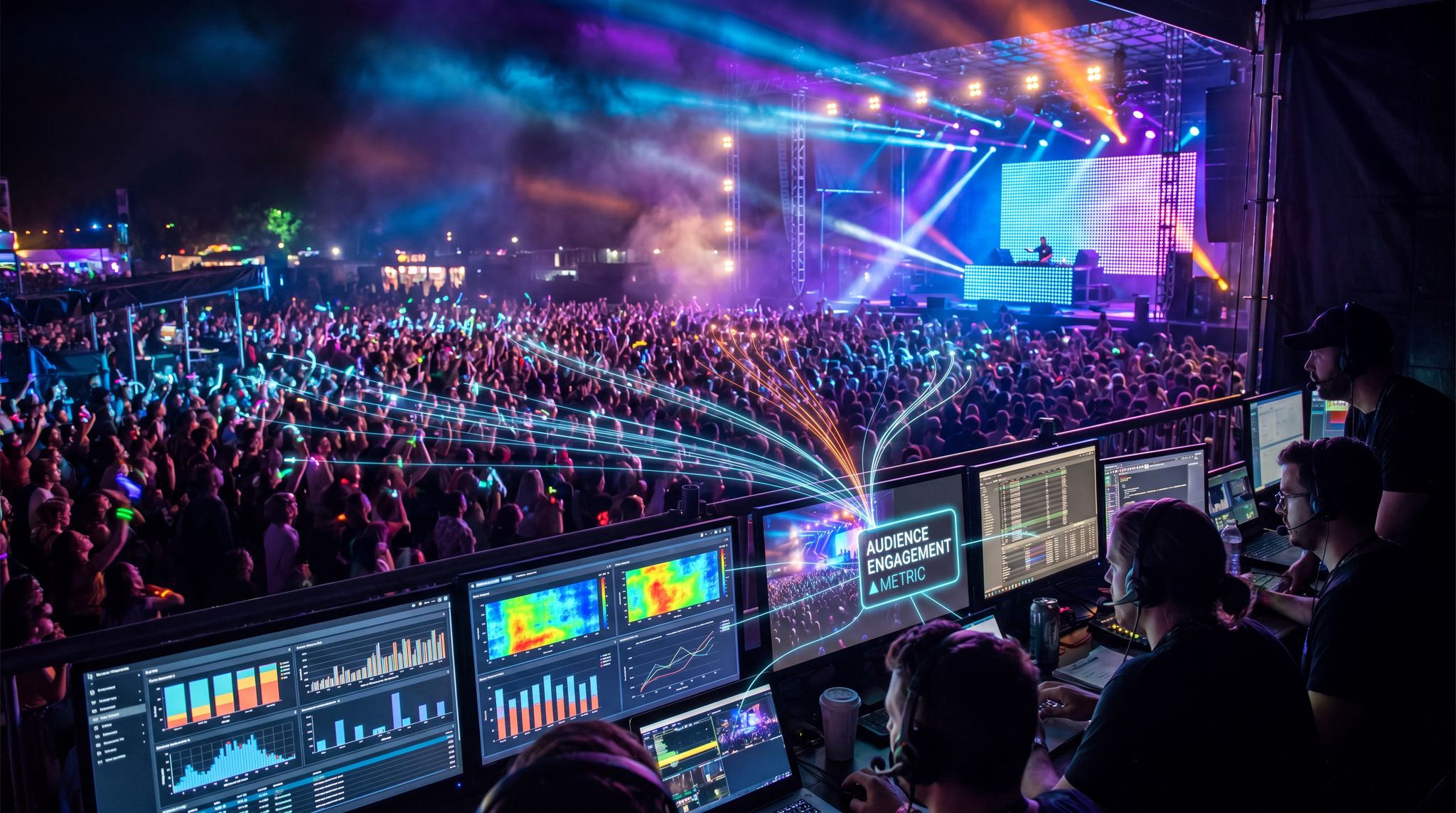
(Above: Crowds at a popular summer festival. With so many events now available, even die-hard fans are becoming choosier about which festival tickets to buy.)
Recognizing Signs of Market Saturation
Staying ahead of “festival fatigue” requires first recognizing the warning signs of an oversaturated market. By keeping a finger on the pulse of ticket buyers, artists, sponsors, and industry trends, festival producers can spot when their event is at risk of blending in with the crowd. Below are some key indicators that the market around your festival may be hitting saturation – and that it’s time to differentiate or adapt.
Turn Fans Into Your Marketing Team
Ticket Fairy's built-in referral rewards system incentivizes attendees to share your event, delivering 15-25% sales boosts and 30x ROI vs paid ads.
Slower Ticket Sales and Last-Minute Buyers
One of the earliest red flags is a change in ticket sales patterns. If early-bird and advance tickets aren’t moving as briskly as in past years, or you notice that you’re relying more on last-minute sales to hit attendance targets, you’re likely seeing the effect of festival fatigue. In saturated markets, fans take longer to commit – they know another similar event is always around the corner, so the urgency to buy now diminishes. Promoters across the globe have reported a spike in procrastinating buyers who snag tickets only in the final weeks or days before the festival. This shift can wreak havoc on your cash flow and planning. (It’s hard to forecast budgets when half your tickets sell in the last 10 days!)
If this late-buying trend sounds familiar, you’re not alone – it’s so common that savvy organizers are developing new tactics to manage last-minute buyers. For instance, offering small deposits or payment plans can lock in undecided fans earlier without requiring full commitment up front. Some festivals open an interest registration or waitlist system year-round to gauge demand and then trigger on-sales strategically. The key is not to misread slow early sales as total lack of interest; often, fans are just delaying decisions. However, do take slower sales as a sign to re-examine your festival’s draw. Are you offering something compelling enough to break through a crowded calendar? If your event used to sell out by March and now it’s June with plenty of tickets left, it’s time to get proactive with marketing and unique incentives (more on those later). Monitoring sales patterns closely – and staying agile in response – is now a core skill for festival producers. Those who learn how to win the waiting game with last-minute buyers will outmaneuver competitors still relying on old assumptions of early sellouts.
Need Festival Funding?
Get the capital you need to book headliners, secure venues, and scale your festival production.
Another psychological lever promoters are pulling involves how they communicate scarcity. When a specific ticket tier sells out, simply stating “sold out” can sometimes turn away casual browsers who assume the entire event is full. Instead, savvy organizers use specific terminology. Understanding the allocation exhausted meaning—which signals that only a specific block or price tier of tickets has been fully claimed—allows promoters to maintain momentum. By announcing “Tier 1 Allocation Exhausted – Tier 2 Now Available,” you create genuine urgency without closing the door on prospective buyers. This nuanced ticketing approach is becoming a standard defense against the sluggish purchasing habits of a fatigued market.
Repetitive Lineups and Talent Overlap
Another glaring sign of oversaturation is homogenization of festival lineups. In a crowded market, the same handful of popular headliners tend to make the rounds at every major event in the season. Fans start seeing déjà vu on poster after poster – the same superstar DJ or rock band topping five or six different festivals. This cookie-cutter approach erodes the excitement for frequent festival-goers. If attendees believe they can catch Artist X or Artist Y at multiple festivals within a few months, each individual event becomes less essential. Why travel hours or spend big for your festival if they can see a similar show closer to home next month?
This phenomenon isn’t just an abstract concept – it’s happening on the ground. Booking agents and promoters are feeling the crunch. As one independent organizer in the U.S. explained, noting that booking has been pretty challenging due to exclusivity. Smaller festivals struggle to secure buzzworthy headliners because larger events tie them down with exclusivity deals or offer such lucrative fees that the artists fill their calendar with those gigs. Even mid-sized festivals can end up fighting over the same mid-tier acts, resulting in lineups that look like carbon copies. The talent bottleneck drives prices up for everyone – a trend dubbed the “talent wars” of 2026 by industry media. Promoters find themselves paying 30–50% higher artist fees than a few years ago for the same names, yet these artists may have already played to much of the target audience elsewhere. It’s a one-two punch: higher talent costs, lower uniqueness.
From the attendee perspective, repetitive lineups equal fatigue. Hardcore fans track festival circuits closely – they know when an act is doing the “festival run” and might opt to skip a festival if they’ve recently seen that act perform. For example, if a fan saw their favorite EDM DJ at EDC Mexico in February and sees that same DJ headlining three US festivals in summer, the incentive to chase another ticket for them drops. The novelty factor is lost. This is why curating distinctive lineups is now so critical (we’ll delve into how to do that in the next section). Some festivals address this by booking exclusive collaborations or rare appearances that no one else has, instantly setting themselves apart. But if you observe that your lineup announcement is met with comments like “looks just like Festival X’s lineup,” take it as a serious sign: your event is at risk of blending in.
Smart Promo Codes & Presale Access
Create percentage or flat-rate discount codes with usage limits, date ranges, and ticket type restrictions. Plus unlock codes for private presales.
Dwindling Sponsor and Media Excitement
Not all saturation signs come from ticket buyers; you might detect it in your sponsorship and press coverage. In an oversaturated season, sponsors have to be choosier about where to invest, and you may find that it’s harder to secure funding or that repeat sponsors aren’t renewing as readily. If your festival proposal is one of dozens crossing a brand’s desk, it will only stand out if you offer truly unique value or audience reach. An early warning sign is when longtime sponsors begin scaling back contributions or requesting more “guarantees” (e.g. higher ROI metrics, bigger onsite presence) before recommitting. This can indicate that sponsors feel the pinch of too many events competing for their budget – or that your festival’s profile has slipped relative to flashier newcomers. A saturated market can also lead to sponsor fatigue, where companies tire of spending on festival after festival without clear differentiation. The days of easy money from any beer or tech company eager to reach millennials are fading; now sponsors often consolidate around fewer, marquee events. If you’re not one of those, you need to work harder to attract and retain them (see the Sponsor Strategies section below for remedies).
Media attention is another barometer. Are local newspapers, blogs, or national music sites less enthusiastic about covering your lineup release than in past years? Do you struggle to get press attendees to show up on event day? In a glut of festivals, journalists and influencers have to prioritize which events to cover, and they’ll gravitate toward those with the most buzz or distinct angle. If your festival used to get a full-page preview in the local entertainment guide and now just merits a short mention, that signals that in the public eye you’ve become “just another festival.” Of course, media trends have also shifted (with paid influencer marketing sometimes replacing traditional press), but if overall earned media is dropping, it’s a wake-up call. The solution is to give them something to talk about – a unique story or innovation – rather than the same old “Festival ABC returns with multiple stages and food trucks.” When sponsors and media start yawning, it’s definitely time to inject fresh energy into your event.
Festival Cancellations and Market Corrections
Perhaps the most dramatic sign of an oversaturated market is when festivals start dropping off the calendar. If multiple festivals in your region or genre have been postponed indefinitely, canceled last-minute, or quietly not returned for the next year, you’re witnessing a market correction. We saw hints of this in 2024 and 2025: dozens of festivals (large and small) were outright canceled due to weak sales or high costs, despite the overall live event boom. In Canada, for example, several country music festivals “went belly up,” prompting industry soul-searching about whether the country market had been overextended and facing saturation across the country. As one promoter noted, we are definitely seeing the effects of too many events. And it’s not just North America – Europe and Asia have had new festivals flame out after 1–2 editions when attendance fell short of expectations. When the supply of festivals exceeds demand, the less differentiated or financially fragile events are the first to go.
It’s sobering but important for festival organizers to monitor not just their own ticket sales but the health of competitor events too. Are you seeing more aggressive discounting or two-for-one ticket deals in your market? That often precedes a cancellation or at least indicates an event is struggling to meet numbers. Paying attention to these signals can help you gauge overall fan appetite. In some cases, a high-profile failure can send shockwaves through the industry that affect all events (for instance, if a major festival collapses and leaves ticket-holders angry, those fans may be more hesitant to trust other events). On the flip side, a thinning of overcrowded markets can benefit the survivors – but only if you learn the lessons of those that bowed out.
One promoter captured the situation well, noting that we might be seeing a market correction, but I don’t believe the bubble is bursting. Festivals remain popular, but the audience is shifting toward more curated, high-quality experiences. In other words, fans haven’t lost love for live events – they’re just raising their standards. They want unique, memorable events that offer more than just music. Take this to heart: the era of throwing together a generic festival and expecting a sell-out is over. Moving forward, differentiation and delivering exceptional value will separate the festivals that thrive from those that fade away. So how can you ensure your festival stands out as a must-attend event? The next sections will dive into the strategies to do exactly that.
Curating One-of-a-Kind Experiences
When fans have hundreds of festivals to choose from, offering “just another” lineup isn’t enough. The most successful festivals in an oversaturated market double down on unique experiences that can’t be easily replicated. This goes beyond booking a hot headliner – it’s about curating elements that make your event feel truly one-of-a-kind. From specially crafted performances to immersive environments and interactive programming, distinct experiences create the emotional connection and FOMO that drive attendees to choose your festival over others. In this section, we explore how to design unforgettable moments that set your festival apart from the pack.
Grow Your Social Following With Every Sale
Require social media follows, shares, or playlist adds to unlock presale access or special pricing. Turn every ticket purchase into audience growth.
Exclusive Performances and Collaborations
One surefire way to stand out is to give fans something they literally can’t see anywhere else. This could mean booking an exclusive reunion, a once-in-a-lifetime collaboration, or a world premiere performance at your festival. Many legendary festivals cemented their reputation with these kinds of singular moments. For example, Glastonbury is famous for its “secret sets” – unannounced surprise performances by superstar artists in intimate settings – which create huge buzz each year. When Arcade Fire played a hidden midnight show or Pulp reunited on a small stage, those in attendance knew they were witnessing a special slice of music history unique to Glastonbury. Likewise, Coachella has driven demand by reuniting iconic bands (like Rage Against the Machine in 2007) or hosting surprise guest mashups during headliner sets (think Beyoncé bringing out Destiny’s Child in 2018). These watercooler moments make headlines and ensure that fans feel the only way to experience them is to be there in person.
Even at a smaller scale, you can curate exclusivity. Consider commissioning an artist collaboration that debuts at your fest: perhaps two DJs co-create a back-to-back set exclusively for your event, or a local orchestra teams up with an electronic artist for a genre-blending performance. Such collaborations not only draw intrigue but often lead to creative breakthroughs – and the narrative that “this happened only at our festival” becomes a powerful marketing tool. You can also focus on emerging talent and give them a unique platform, like a “new music world premiere” stage where rising artists perform brand-new songs or projects for the first time. The aim is to instill in potential attendees the belief that “if I miss this festival, I’ll miss something amazing that won’t happen elsewhere.” In a saturated scene, novelty is gold. Scan your lineup plans and ask: what’s the signature moment or act that only we are offering? If it’s hard to answer, invest effort in crafting one. It could be the differentiator that tips wavering fans into buying a ticket for your event over others.
Immersive Themes and Venues
Festivals aren’t just concerts – they are temporary worlds that attendees inhabit. Making your world vastly different from the rest can instantly combat fatigue. Think in terms of an overarching theme or atmosphere that permeates your event. Some festivals have leaned into elaborate thematic storytelling: for instance, Boomtown Fair in the UK builds an entire fictional city with districts and characters, giving attendees a role-playing adventure in addition to music. Tomorrowland in Belgium is renowned for its fantastical stage designs and fairytale themes – each year, the main stage is a massive, sculpted work of art (from enchanted books to underwater kingdoms) that creates an otherworldly ambience. Fans travel from across the globe not just for the DJs, but to experience that sense of awe and escape reality for a weekend. By contrast, if your stages, tents, and decor look like every other festival (generic trusses, same LED screens, standard banners), it’s harder to leave an impression.
Consider how your venue choice can set you apart as well. Non-traditional venues often provide built-in uniqueness. Is there a scenic or historic location you can use that others can’t? Examples: a festival on a cruise ship (like Holy Ship!), on a remote beach, atop a mountain, or in a desert (Burning Man’s Black Rock Desert setting is integral to its mystique). Urban festivals might transform a downtown district or repurpose unique structures – for instance, a festival that turns abandoned warehouses into art-filled music halls (such as Unsound in Kraków) offers a very different vibe than another field or stadium show. Even on a budget, creative site design goes a long way: incorporate existing natural features (forest, lake, canyon) into your layout, or construct themed areas (e.g. a retro 80s-themed roller disco stage, a zen garden chill-out zone) that give distinct flavor.
Crucially, tie the theme or venue into your storytelling and marketing. Build anticipation by showing concept art of your wild stage designs or highlighting the uniqueness of your locale. If your festival brand owns a theme, lean into it every year with new twists. For example, if your festival has a space theme, perhaps this year attendees are “voyagers to Planet 2026” and you design interactive spaceship installations on-site. Yes, it’s extra work, but these immersive touches create the memories that stick. In a saturated market, being known as “that festival with the amazing
Interactive and Personalized Elements
To fight off festival fatigue, make sure your attendees are not just spectators, but participants in the experience. Interactive elements can elevate your event from a passive show to a personal adventure, giving fans a sense of ownership and connection. There are many ways to do this, and the right fit will depend on your audience. Some popular and effective approaches include:
Free Tool: When Should You Announce?
Pick your event date and genre — the free planner outputs a recommended announce, presale, on-sale and reminder schedule anchored to how your audience actually buys.
- Art Installations and Activities: Incorporate interactive art pieces or zones where attendees can explore, play, and express themselves. This could range from large-scale playground installations (giant seesaws, web climbs, etc.) to collaborative murals that fans help paint over the weekend. Festivals like Burning Man and Electric Forest excel at this – attendees spend hours engaging with art and environments, not just facing the stage. The more Instagrammable and crowd-engaging, the better; these become free marketing as attendees share their participation online.
- Workshops, Games & Wellness: Offer fun off-stage programming that gets people involved. Morning yoga sessions, dance workshops with performers, scavenger hunts across the venue, or gamified experiences (e.g., a festival-wide AR treasure hunt accessible via your app) give people something novel to do. At Lightning in a Bottle in California, attendees can take part in group meditation and educational talks by day before the music heats up – that festival’s identity as a transformational experience sets it apart from typical music-only events. By engaging minds and bodies in various ways, you prevent the mid-day doldrums and keep the experience fresh throughout the event.
- Personalized Perks: Leverage technology to create personal touches. For example, use your festival app or RFID wristbands to surprise loyal attendees with small rewards (“Check in at all four stages and get a free merch token!”). Some festivals let attendees create a custom schedule in the app and then send push notifications for their chosen sets – a simple thing, but it enhances a feeling of a tailored experience. You could also implement something like a “mystery box” ticket where a limited number of attendees get random upgrades or unique experiences (meet-and-greets, side-stage viewing) assigned by lottery. These kinds of personalized elements generate buzz (“I can’t believe I got to do X, it was only at this festival!”) and foster a deeper connection between the fan and the event.
The goal is to break down the barrier between stage and audience – you want attendees to feel like they are co-creating the magic, not merely consuming it. In a saturated field, a festival where fans actively participate stands out starkly against those where people just shuffle stage to stage. Plus, when attendees invest themselves in the experience, they’re more likely to return (and bring friends next time) because they’ve formed memories and friendships that tie directly back to your event. Many veteran festival-goers will tell you their favorite festival is the one where “something unexpected and amazing happened and I was part of it.” By designing your event to invite those moments, you become that favorite festival. And importantly, these interactive components don’t need superstar budgets – creativity and community spirit count far more. Done right, they can become signature elements that define your festival’s brand.
Reallocating Budget for Uniqueness: It’s worth noting that curating unique experiences may require shifting how you allocate resources. Instead of pouring the majority of your budget solely into big-name talent, consider investing more in production, art, and interactivity. Many forward-thinking festival producers are doing exactly this – essentially trading a bit of star power for a lot more personality. Here’s an illustrative comparison of a traditional festival budget split versus a differentiation-focused approach:
| Budget Category | Typical Festival Allocation | Experience-Focused Allocation |
|---|---|---|
| Headliner Artist Fees | 30% | 20% |
| Other Artist Fees | 25% | 25% |
| Stages, Decor & Immersive Production | 15% | 25% |
| Marketing & Promotion | 15% | 15% |
| Operations & Other Logistics | 15% | 15% |
Table: Hypothetical budget allocation showing a shift of resources from expensive headliners into immersive production and experiences. Even a 10% reallocation can fund dozens of art installations, interactive zones, or comfort improvements that make your festival more memorable.
As the table suggests, shaving even 5–10% off massive talent costs and reinvesting it into the experience side can transform the feel of your event. Instead of an extra A-list act that pushes your lineup from great to greatest (and is quickly forgotten in a crowded summer), you could fund spectacular decor, advanced lighting/visual effects, roaming performers, or interactive technology that attendees will talk about for years. Many experienced producers find that beyond a certain point, each additional headliner yields diminishing returns in ticket sales, whereas investments in attendee experience yield exponential returns in loyalty. The takeaway: Don’t be afraid to buck the trend of simply chasing bigger lineups. Sometimes, less is more on the lineup, especially if it frees up budget to craft a truly differentiated environment. Your festival will stand out as not just a concert, but a unique world that fans can’t wait to return to.
Fostering Deep Community Bonds
When the festival market gets crowded, one of the strongest trump cards you can play is community. Festivals started as gatherings of like-minded people, and the events that thrive long-term often feel less like products and more like communities or even extended families. By cultivating a deep bond with your audience – and among the attendees themselves – you elevate your festival from just another date on the calendar to an unmissable annual reunion. In this section, we explore how putting community first can differentiate your festival and create loyalty that withstands the pull of competing events. From engaging fans year-round to embracing local culture and traditions, these approaches help ensure your festival isn’t just an event, but a meaningful experience fans feel connected to.
Beyond the Festival Weekend: Year-Round Engagement
If you want attendees to choose your festival year after year, don’t let the relationship go dark in the off-season. The best festivals maintain a year-round presence in their fans’ lives, keeping the spirit alive between editions. This continuous engagement can take many forms. A simple starting point is nurturing an online community: active social media groups, Discord servers, or forums where fans and the festival team interact. Encourage attendees to share their photos, stories, and even suggestions for next year. Many festivals run off-season contests (e.g., design our next merch item, or a “relive last year” photo giveaway) to keep people involved. By the time tickets go on sale for the next edition, your core community is already hyped because they never truly left the festival mindset.
Data-Driven Event Marketing
Track ticket sales, demographics, marketing ROI, and social reach in real time. Exportable reports give you the insights to make smarter decisions.
Another tactic is to create off-season content or events. Some festivals produce behind-the-scenes video series, artist interview podcasts, or documentary-style films about the festival’s impact. For example, a film festival might host monthly online screenings or a music festival could release a recording of a memorable live set as a holiday gift to fans. A few have even launched mini-events or club nights in various cities throughout the year – effectively taking a bite of the festival on tour. These need not be large; even a 200-person local meet-up or a branded stage at another event can keep the cohesion. The idea is that instead of a one-weekend transaction, you’re offering a year-round cultural platform. This not only keeps your die-hards engaged (so they’re guaranteed to buy tickets next year), but it also monetizes and expands your brand in new ways (merch sales out of season, streaming revenue, etc.). Don’t let the festival magic fade on Monday morning; continue to sprinkle it throughout the year and watch your community – and their commitment to your event – grow stronger. It’s no coincidence that the most enduring festivals often have active communities that treat each other like friends or family, not just fellow customers.
Embracing Local Culture and Stakeholders
In an era where big corporate festivals can feel detached from their surroundings, an event that’s deeply rooted in local community stands apart. Building strong ties with your host community not only differentiates your festival’s content, but also earns you goodwill that money can’t buy. There are several layers to this local integration. First, incorporate local culture and talent into your festival’s DNA. Showcase regional artists (musicians, visual artists, dancers), feature local cuisines in your food court, and celebrate the heritage or unique character of your location. For instance, New Orleans Jazz & Heritage Festival weaves Louisiana’s culture into everything – from Cajun food booths to Mardi Gras Indian parades on-site – making it a cultural immersion you can’t replicate elsewhere. A festival in Mexico might highlight Mexican folk art installations and Tequila tastings; one in India might host regional crafts and traditional performances alongside global acts. These touches give travelers a reason to attend your festival (for an authentic taste of the locale) and give locals pride and ownership in the event.
Second, engage local businesses and organizations as partners rather than just vendors or authorities to deal with. Can you partner with nearby farms, artisans, or small businesses to supply goods and services? Perhaps a local coffee roaster creates a special “Festival Blend” coffee, or a nearby farm sets up a petting zoo or farmer’s market space on-site. These collaborations not only cut costs and add charm, they build a narrative that your festival supports the local economy and culture. You might also collaborate with community groups or charities – e.g., teaming up with a local environmental organization on a beach cleanup during the festival, or running a donation drive for a town cause. Such initiatives show you’re invested in the community’s well-being, not just parachuting in for profit. Over time, this can turn residents and local leaders into festival advocates, even if they aren’t your target audience as attendees. It’s a lot easier to maintain an event (permits, leases, etc.) in a town that loves you because you’ve shown love to them.
Finally, consider implementing programs like resident ticket discounts, local first dibs on tickets, or community days. Reserving a small quota of tickets for local residents at a special price can alleviate any resentment about outsiders flooding in, and often those locals become your most ardent ambassadors. Some festivals also invite local schools or community members for a “preview day” or open soundcheck, strengthening the bond. By partnering with local businesses and community groups in creative ways, you differentiate your event as the hometown festival – something no external competitor can replicate because they don’t have those local roots. The result is a festival experience with a unique sense of place and a support network that helps ensure long-term success.
Cultivating Tradition and Loyalty
One potent antidote to festival fatigue is turning your event into a beloved tradition that fans emotionally commit to year after year. The goal is to foster a sense of belonging and loyalty so that skipping your festival feels like missing out on a family reunion. This doesn’t happen overnight; it’s built through consistent care for your audience and little rituals that accumulate into tradition. Start by really listening and engaging with your attendees – post-festival surveys, social media interactions, and even informal chats can yield insights about what your core fans value most. Then, make a point to preserve or enhance those elements every year. When fans see that “their festival” never forgets its roots, even as it evolves, they reward you with loyalty.
Creating festival rituals can also solidify the community. It could be something spontaneous that emerged and you nurture – like a particular song that always closes the festival and everyone sings along, or an annual group photo at a certain landmark. Some events have traditions like a opening ceremony drum circle or a countdown chant before the first headliner, which give attendees goosebumps and a feeling of unity. Encourage these organic moments; give them a nod in your programming or schedule to show they matter. Over time, these shared rituals become part of your festival’s identity. Newcomers will be drawn in by the sense that “this is more than a concert, it’s a tradition.” Meanwhile, long-timers come back partly to relive those cherished moments and see familiar faces. For example, Burning Man (while not a typical commercial festival) has powerful traditions – the burning of the Man, theme camps returning annually – that create an almost tribal loyalty. On a smaller scale, even a 5,000-person indie fest can have traditions like a yearly parade through the grounds or a midnight toast that everyone looks forward to.
Recognize and reward loyalty to cement it further. Simple gestures mean a lot: offer returning customers a special loyalty pre-sale or a discount code as thanks (it makes them feel seen and appreciated). Create a “veterans” laminate or a special wristband for those who’ve attended, say, 5 years in a row, which might come with a small perk like a dedicated meet-up or free t-shirt. Some festivals publish fan spotlights – interviewing or showcasing attendees who have never missed an edition. This celebrates the community and signals that the festival is about the people, not just the organizers or artists. The more you feed that two-way relationship, the more your attendees shift from being mere consumers to passionate advocates. They’ll rally around your festival even in tough years, and they’re far less likely to defect to a new competitor event because, frankly, you’ve become part of their life’s story. In a saturated market, a deeply loyal community is arguably your greatest asset – it’s your “moat” against competition. As the saying goes, people may forget what they saw or heard, but they won’t forget how your festival made them feel. If you consistently make them feel like part of a special family or movement, they will stick with you through festival seasons thick and thin.
Smart Scheduling and Strategic Timing
In an oversaturated festival season, when you hold your event can be as crucial as what you offer. Smart scheduling is about finding a temporal niche or strategy so that your festival isn’t constantly overshadowed by others. This could mean avoiding direct date conflicts with competing events, aligning (or purposely not aligning) with major global happenings, or even rethinking the time of year or format of your festival. Timing strategies won’t necessarily make your festival more unique in content, but they can significantly improve your visibility and appeal by ensuring fans (and artists) aren’t torn between too many options. In this section, we look at how careful scheduling and calendar strategy can help your festival stand out and thrive in a crowded year.
Avoiding Direct Competition
One of the simplest moves is to avoid date clashes with events that draw the same audience. If your festival caters to a similar demographic or music genre as another festival, having them on the same weekend (or even consecutive weekends, in the same region) can cannibalize your attendance. Savvy festival organizers map out the “season calendar” well in advance. Start by identifying your key competitors – not to copy them, but to steer clear of their dates if possible. For example, if you run an indie rock festival in the Pacific Northwest, scheduling it the same weekend as another big West Coast indie fest is a recipe for splitting fans and losing out on some great bands who might choose the other event. Instead, look for a window with less clutter. Sometimes shifting even by a week or two can make a big difference.
Communicate with other festival organizers if you’re on friendly terms – there are instances of festivals politely coordinating to avoid overlap, recognizing it’s in both parties’ interests (especially if they’re regional, not direct competitors). Europe’s major summer festivals, for instance, often stagger their dates so top artists can play multiple events in succession rather than having to choose one over the other. If you’re an independent, you might not have clout to influence others’ dates, but you certainly can choose yours tactically. Also consider audience habits: if your target attendees are likely to travel to multiple festivals, they will appreciate you not placing yours back-to-back with another must-go event. Fans only have so much time off work or money for tickets – two similar festivals a week apart means many will pick one. By giving a bit of breathing room, you might both win.
Of course, avoiding every conflict is impossible as the calendar gets crowded. In those cases, work on differentiating your schedule during the event. For instance, if a nearby festival shares your weekend, perhaps you focus on evening programming while they do day, or you start on Thursday night if they start Friday – any little offset that might allow die-hards to attend both or at least not force an exact choice. Some festivals even coordinate shuttles or joint packages if they know fans might want to hop between (rare but not unheard of among cooperative events). The bottom line: be strategic, not stubborn, about dates. Don’t assume “if we build it they will come” no matter what. In 2026, a smart festival producer picks battles wisely on the calendar to maximize attendance and minimize avoidable competition.
Thriving During Major Events (World Cup 2026 and More)
Sometimes, competition isn’t another festival – it’s a massive global event that captures public attention. Summer 2026 has a big one: the FIFA World Cup, hosted across North America in June and July. This World Cup will dominate media coverage, social feeds, and even travel and lodging in host cities. Festival organizers can’t afford to ignore it, especially if you’re in North America or draw international attendees. The key is to strategize around it rather than pretend it’s not happening. First, check if any of your prospective dates land on major match days (like the final or key national team games that your audience would care about). If, say, the World Cup Final is on a Sunday you originally eyed for your festival, you might want to adjust – a lot of folks will choose the match over a show, or resent having to miss one for the other.
One approach is to avoid scheduling during the most intense World Cup periods altogether – for example, aim for early June or late July if possible, skirting the tournament’s peak. However, avoidance isn’t the only path; you can also integrate the World Cup into your festival experience if dates overlap. Some festivals are planning dedicated viewing areas or screenings for important matches, effectively combining fan experiences. Picture this: your festival has a big LED screen at a quieter corner streaming the World Cup quarterfinal, where fans can briefly shift from the stage to cheer on their team together. It’s a community vibe and saves them from choosing one or the other. You might even throw a halftime show on that screen featuring a live performance, blending sports and music. Sponsors love this kind of cross-engagement (imagine a sportswear sponsor activating here).
Even beyond sports, consider other major events and holidays. Is there a city-wide celebration or a big concert tour hitting your market that could affect you? Aligning with a local holiday can boost attendance (e.g., a festival on a long weekend when people can travel or party more freely). Conversely, be wary of going up against beloved annual traditions (like a national day parade or religious festival) which might split your potential crowd. In each case, adapt your content or timing to ride the wave. During World Cup 2026, expect a lot of international tourists in host cities – maybe you adjust your marketing to attract those visitors looking for entertainment in between matches. Or partner with fan zones for cross-promotion. As one guide on the topic emphasizes, festivals that thrived during global spectacles like the World Cup did so by creatively adjusting scheduling and integrating fan experiences. Meanwhile, economic headwinds make it crucial to look beyond the horizon of uncertainty when planning. In sum: don’t compete with the World Cup (or Olympics, etc.) for attention – collaborate with it or time around it. Your festival can either be a refuge from that frenzy or a complementary part of it; both beats being a casualty of ignoring the elephant in the room.
Exploring Off-Peak Seasons and Formats
Another strategy to stand out in a saturated summer festival season is, well, not holding your festival in summer. If most events cluster in the same three-month fair-weather window, then doing something in spring, fall, or even winter (for indoor events or warm climates) can fill an unmet demand. Many markets now have successful shoulder-season festivals. For example, Desert Daze in California shifted to the fall to distinguish itself from the packed May–August period and benefits from milder weather and less competition. Choosing an off-peak date can draw fans who are itching for a festival experience in, say, October when there’s not much else happening. It can also be easier to book artists who have open calendars and to secure vendor services at off-peak rates.
Of course, off-season presents challenges (weather, shorter days, less vacation time for attendees), but if you can solve those – perhaps by using indoor venues, or focusing on weekends adjacent to holidays – it can pay off. A great model is Iceland Airwaves festival, which takes place in early November in Reykjavik mostly indoors; it entices international visitors partly because there’s not much else that time of year and it offers a cozy, unique atmosphere (plus the Northern Lights!). Similarly, some European cities have thriving winter and early-spring festivals (Amsterdam Dance Event in October, Primavera Sound Barcelona’s spring edition) that prove you don’t have to stick to midsummer.
Also think about format as a timing consideration. Not every festival needs to be a three-day weekend behemoth. Could your concept work as a single-day “pop-up” festival series across multiple cities? If the market is too dense to sustain a full weekend event, a touring series (one day in City A, next week one day in City B, etc.) might spread risk and create exclusivity in each locale. We’ve seen some brands do this for niche genres – rather than one big 50,000-person festival, they do five 5,000-person nights in different places. This can actually generate more buzz in each city (“one night only!”) and still reach a large total audience without directly competing with the mega-fests.
Another twist: consider a biannual or alternating schedule if annually is too saturated. Some festivals have moved to every two years or alternate spring in one hemisphere, fall in another (if they have multiple editions globally). While that’s a complex strategy, it can build anticipation – fans feel the event is more special when it’s not yearly, and it gives you more time to plan something extraordinary. The drawback is less frequent revenue, so it’s a balance to strike.
Overall, the message is to look for blue ocean timing. If everyone is fishing in the same summer pond, maybe cast your line a bit differently. You might uncover an untapped audience willing to attend a festival at a less typical time, simply because nothing else is available then. And for some demographics (e.g., older audiences or families), avoiding the peak may even be preferable due to cost and schedule. As always, know your audience and align with their availability and preferences. With smart timing, you reduce direct competition and give your festival more breathing room to shine on the calendar.
Data-Driven Date Decisions
In the modern era, don’t rely on guesswork to choose dates – let data guide you. If you have a few years of ticket buyer info, analyze it for insights. Do you see clusters of ticket purchases from certain regions or groups? Perhaps most of your attendees are college students, which means scheduling during university breaks (and avoiding exam periods) could boost attendance. Or maybe your fans are young professionals who prefer events over long weekends when they can travel. Leverage surveys: ask past attendees about their plans for next year or what other events they go to – you might identify conflicts or opportunities you weren’t aware of.
Another data angle is looking at travel and booking trends. If your festival draws travelers, monitor when flight and hotel prices are most favorable. Some festivals partner with travel agencies or use flight search data to pick dates that make travel easier or cheaper. For example, if flights to your city are exorbitant in mid-July but much cheaper in late June, that could influence an international fan’s decision to come. Aligning with those patterns can give you an edge in attracting out-of-towners.
Lastly, digital tools and even AI can help simulate scenarios. Some event tech platforms allow you to input various potential dates and see estimates of audience reach or social media engagement based on historical data and web searches (for example, checking how many people Googled your festival or genre in different months). If you have access to regional tourism statistics, see if there’s an uptick or drop in general event attendance at certain times of year. The more information, the more optimized your scheduling can be. A case in point: one festival used geotagged social media data to discover that a significant chunk of their usual attendees traveled to another major event in August, so they smartly moved to September and immediately saw less audience overlap.
In a saturated season, these fine-tuned decisions matter. Two similar festivals two weeks apart might both survive, whereas on the same weekend they’d both suffer. Use every insight at your disposal to find that sweet spot on the calendar for your festival. It may not always be the date you initially wanted, but if it’s the date your fans are most available and least distracted, it’s the right one. And remember – once you stake out a good date and build tradition (as discussed above), consistency can be powerful. People will mark their calendars a year in advance for you, and that kind of loyalty is hard for upstart competitors to crack. Secure your slot, own it, and make it part of your event’s identity.
Differentiated Marketing and Branding
In a market flooded with festivals, how you position and promote your event can dramatically affect whether it stands out or gets lost in the noise. It’s no longer enough to announce a lineup and throw up some posters – strategic, creative marketing and a strong brand identity are essential. This section covers how to sharpen your festival’s branding to emphasize what makes it unique, and how to communicate that story through savvy marketing tactics. From carving out a distinct identity and narrative, to engaging new audiences (hello Gen Z) on the platforms they live on, a differentiated marketing approach ensures that when fans see your festival’s name, it means something specific and exciting. Let’s explore how to make your festival’s message resonate in 2026’s crowded conversation.
Crafting a Unique Festival Identity
Branding might sound like a buzzword, but in the festival world it can be the make-or-break factor for longevity. A strong festival identity is what immediately comes to mind when someone hears your event’s name – it’s your personality, your values, the promise of a certain experience. In a saturated scene, you want an identity that’s both authentic and distinguished. Start by asking: What do we offer or stand for that no one else does? The answer could be related to music programming (e.g., championing a specific genre or underground scene), or it could be about vibe (maybe you’re the most laid-back, wellness-oriented music festival, or conversely the wildest 24/7 party). It might tie to your location (“a festival in the jungle”) or mission (“eco-conscious and community-driven”). Once you define this, infuse it into everything – your name, logo, website design, social media voice, on-site signage, merchandise, and so on.
For example, look at Afropunk – it began as a celebration of black punk/alt culture and over the years its branding (bold, counterculture imagery and inclusive messaging) has made it synonymous with a community and lifestyle, not just concerts. Or consider Burning Man – it’s not marketed with headliners at all, but rather with principles and art ethos, which attracted a devoted following that identifies with those values. On a smaller scale, if you’re running, say, a country music festival that prides itself on family-friendliness and local charm, lean into that wholeheartedly. Your marketing should highlight images of families dancing together, testimonials about the friendly atmosphere, maybe a tagline like “Where Country Meets Community.” The idea is that when potential attendees see your marketing, they immediately get a feeling for your festival that sets it apart. It’s not “just another festival;” it’s that festival that does XYZ. One exercise is to imagine your ideal attendee describing your event in one sentence – what would you hope they say? Make that the centerpiece of your branding.
Consistency is key for building a recognizable identity. Use a distinct visual style and tone in all communications. If your festival is all about futuristic innovation, maybe your graphics are sleek and tech-inspired, your social media uses forward-looking language, and even on-site you have modern art and high-tech installations. If your identity is more retro and chill, your color schemes, font choices, and tone might reflect nostalgia and warmth. It can help to create a brand style guide for your team that outlines these elements – so the stage announcers, the copywriters, the ticketing site all convey a cohesive character. This level of branding might seem extra, but it yields a big ROI: fans gravitate to festivals that feel like a brand family they want to be a part of. And sponsors notice too – a clear identity can attract brands that want to align with those specific values (e.g., an eco-friendly brand will want to sponsor a sustainably messaged festival). In an oversaturated market, a strong identity cuts through noise, engenders loyalty, and at the end of the day becomes a shorthand that sells tickets. People don’t just go to any festival; they go to your festival because it stands for something they love.
Storytelling and Authentic Content
Great marketing is essentially great storytelling. Rather than just bombarding people with “buy tickets” messages, engage them with the story of your festival: its history, its community, its behind-the-scenes journey. Authenticity is critical here – today’s audiences (especially younger ones) have a keen radar for anything that feels like hype without heart. So, tell real stories and spotlight real humans that make your event special. This could mean sharing videos of how your team builds the stages or interviews with local residents excited for the festival. Perhaps feature an artist talking about why they love playing your festival, or a fan recounting their favorite memory from last year. Such content not only markets the event, it positions your festival as an experience with depth and meaning.
One successful tactic is creating a mini documentary or vlog series in the lead-up to the festival. For instance, a “Road to Festival X” series that follows a few fans (or staff or artists) as they prepare and eventually meet at the event can generate emotional investment. Coachella, for example, has done well with professionally produced “Coachella Stories” that highlight individuals in the scene, which ultimately highlight aspects of the festival’s culture. You don’t need a huge budget – even regular Instagram Live chats with organizers or artists can make your audience feel included and excited. The important part is authenticity: share not just the glossy highlights but also what you care about, what challenges you’re tackling, etc. Maybe you struggled with a site change or you’re passionately implementing a new green initiative – take the audience on that journey. It builds trust and goodwill.
User-generated content is another goldmine. Encourage attendees to share their own stories, photos, and videos from your festival (using a specific hashtag). Then, reshare those (with permission) on your official channels. It shows you value your community and provides social proof that real people love the experience. You can even run content contests (best throwback photo wins merch or a pair of tickets) to spur engagement. All of this content collectively paints a vivid picture of your festival’s vibe and values, doing a better job than any single ad could. It’s the difference between “Lineup out now – get tickets!” and “Remember last year when we all danced in the rain during that surprise duet? We can’t wait to make more memories like that – join us.” The latter resonates because it’s a story fans want to be part of.
Finally, maintain a consistent narrative throughout your campaigns. Every announcement (lineup, vendors, schedules) can be framed within your festival’s story. For example, instead of a dry food lineup list, maybe post an article or video about “10 Local Food Treasures You’ll Taste at [Festival] – meet the chefs!” Or when you announce the schedule, highlight a theme of each night (maybe dub one evening “Throwback Friday” if you have legacy acts, etc.). All these editorial touches turn marketing into content people actually enjoy consuming. It keeps your festival top-of-mind and sets you apart as a festival with character and authenticity. In an oversaturated 2026, a compelling story is one thing an upstart copycat can’t steal from you.
Engaging the Digital-Native Generation
As you refine your branding and storytelling, it’s crucial to deliver that content on the channels and in the formats your target audience prefers. Gen Z and young millennials are the core festival demographic now, and they are true digital natives. Traditional ads or Facebook posts alone won’t cut it – you need a savvy digital strategy to excite and mobilize them. Start with where they spend their time: social media platforms like Instagram, TikTok, YouTube, and to some extent Twitter (X) and Snapchat for certain scenes. Each platform has its own culture, so tailor your approach. Instagram is great for aspirational imagery and short videos – showcase your festival’s most stunning visuals, crowd shots, artist teases in Instagram Reels or Stories. TikTok calls for creative, bite-sized clips often with a sense of humor or trend-savvy angle – think challenges, backstage peeks, or attendees showing off festival fashions. A trending dance or meme with a festival twist can go viral and put your event in front of millions of young eyes.
Remember that this generation values authenticity and two-way interaction. Engage directly: respond to comments, duet some fan TikToks, use polls and question boxes in Stories to get input (e.g., “Which merch design do you like more?”). This not only boosts your algorithm presence but makes young fans feel heard and involved. During the event, encourage social sharing by creating photo-worthy spots and official filters. For example, design an art piece or backdrop specifically meant for selfies, and promote a hashtag. Some festivals set up Wi-Fi or charging stations not just as a utility, but as branded social hubs – acknowledging that yes, people will be on their phones and that’s okay because they spread the word for you in real time.
Also tap into influencer marketing if budget allows. Identify a few influencers or micro-influencers whose following overlaps with your target audience. Invite them to the festival (or even better, arrange a collaboration such as them hosting a segment, doing meet & greets, or an exclusive tour of the festival on live stream). Their endorsement can lend credibility and amplify reach, especially in younger circles. Just choose partners who genuinely align with your festival’s vibe; forced sponsorships won’t fool anyone. It’s much more impactful if a popular music vlogger or TikTok personality authentically raves about your festival experience than if you run a generic ad through their account.
One more thing: content speed and agility. Digital natives move fast – a joke or trend that was hot yesterday might be passe next week. Equip your marketing team (or that savvy intern) to jump on relevant trends in fun ways, even if it’s a bit irreverent. If a viral festival meme is making rounds (like the infamous Fyre Festival cheese sandwich meme back in the day), maybe play along and contrast how your festival feeds people properly. Showing you’re tuned in to online culture makes your brand relatable to younger fans. And for all audiences, but Gen Z especially, highlight values like diversity, inclusion, and sustainability in your messaging if those are pillars of your event. Being socially conscious isn’t just the right thing – it’s also what many young consumers expect from brands they support. In summary, designing your festival with the digital-native generation in mind means speaking their language, on their platforms, and giving them shareable, interactive experiences. Do that, and they’ll essentially do your marketing for you via their posts and excitement, helping your festival rise above the noise.
Tapping Niche Audiences and Subcultures
Another way to stand out in an oversaturated market is to deeply resonate with specific niche audiences or subcultures that are under-served by mainstream festivals. Rather than trying to be everything to everyone, consider focusing your lineup and marketing on a particular community and becoming the festival for that group. This can galvanize a passionate fanbase that will prioritize your event no matter how many others are on the calendar, because you cater to their niche tastes or identity like no one else.
We’ve seen numerous examples of this approach succeeding. K-pop fandom, for instance, spawned dedicated K-pop festivals around the world; these events thrive because they’re laser-focused on that genre’s “fan armies” who will travel internationally to convene with fellow fans and see multiple idols in one place. If you tried to sprinkle a bit of K-pop into a regular pop festival, you might not lure those die-hards – but a full immersion K-pop fest? Take my money, say the fans. Similarly, there are festivals now devoted to video game music, to jam bands, to vegan food + music combos, to particular demographics (like LGBTQ+ pride festivals with tailored entertainment). By zeroing in on a theme or community, you reduce competition (since general festivals often don’t scratch that itch fully) and you build loyalty because attendees feel the event is for them in a way others aren’t.
If your festival is already established, you don’t necessarily need to overhaul into a niche fest, but you can still amplify unique angles of your programming to claim a niche identity. For example, maybe your mid-sized festival always included some science-fiction elements in art and techno music – lean into that and brand around a sci-fi theme to attract the whole sci-fi fandom crowd, not just techno fans. Or if you’ve noticed an especially strong following in a certain subgenre at your event, consider curating an entire stage or day dedicated to it and marketing directly to those fans. Niche marketing often involves going where those communities gather online or in real life. Post in fan forums (respectfully, as a fellow enthusiast not a spammer), collaborate with community leaders or niche media outlets, and use imagery/lingo that shows you “get it.”
A caution: ensure the niche is sizable enough to sustain your event, or adjust your scale accordingly. It’s better to have a smaller, sold-out festival with an insanely passionate crowd than a big festival half-filled with casuals. Niche appeal can also draw sponsors that want to reach that specific segment – for example, a festival focusing on health and wellness music experiences might attract yoga brands or health food sponsors who wouldn’t look twice at a generic event. So there’s business merit too.
By targeting niches, you effectively side-step some of the oversaturation. You’re not in direct competition with every mainstream event; you’re in your own lane building a tribe. People might attend a giant all-genre festival one month, but they’ll also attend your niche fest because it offers something completely different that aligns with their identity or passion. The emotional connection in niches is often stronger. Just ask anyone who’s gone to, say, an annual gothic/industrial music festival – they’ll tell you it’s like a family gathering of their people, and no big EDM festival can replace that, even if it has bigger production. So, become indispensable by mattering more to a particular group than any general festival could. In 2026’s crowded field, carving out your own subcultural turf can be a winning formula.
However, even highly dedicated niches aren’t entirely immune to burnout if promoters aren’t careful. Take recent K-pop industry trends in 2026, where rapid global expansion led to a sudden influx of multi-artist stadium shows and specialized conventions. Promoters quickly realized that fatigue and oversaturation were setting in even among super-fans, as the sheer volume of touring acts outpaced disposable income. The organizers who are surviving this K-pop market correction are the ones pivoting away from generic mega-lineups toward highly curated, interactive fan-meet experiences and exclusive pop-ups. It’s a vital lesson for any niche promoter: once a subculture becomes one of the most popular things in 2026, you must elevate the experiential value rather than just increasing the volume of events.
Similarly, the surge in demand for specialized R&B festivals in 2026 demonstrates how promoters are successfully carving out dedicated spaces for specific genres. Instead of booking a few R&B acts on a massive multi-genre bill, organizers are curating entire weekends around neo-soul, classic R&B, and contemporary hip-hop blends. This targeted approach not only secures a highly engaged demographic but also attracts specialized brand sponsors looking to connect authentically with that specific cultural movement.
Strategic Nuances of Marketing a Music Festival in 2026
When it comes to marketing a music festival in today’s climate, promoters must move beyond simply dropping a lineup poster and hoping for the best. The playbook for promoting music festivals in 2026 requires a highly sophisticated, multi-channel approach. Because fans are inundated with options, your promotional strategy must leverage data-driven audience segmentation to ensure ad spend is highly efficient. This means utilizing pixel tracking, lookalike audiences, and retargeting campaigns to reach fans who have engaged with your headliners’ content or attended similar regional events.
Furthermore, successful organizers are turning artists into active promotional partners. Rather than relying solely on the festival’s owned channels, savvy promoters provide performers with custom tracking links, bespoke social media assets, and incentivized affiliate structures. This transforms the lineup into a distributed marketing network, tapping directly into established fanbases. Whether you are organizing an intimate indie gathering or one of the premier global music festivals, aligning your promotional efforts with your artists’ release schedules and tour announcements can exponentially increase your organic reach and drive early ticket conversions.
Delivering Exceptional Value for Attendees
In a climate where fans are scrutinizing every festival for “Is this worth it?”, delivering unmistakable value for money is paramount. Attendees might forgive a lot if they walk away feeling that the experience was worth every penny (or perhaps even underpriced for the joy it brought). On the flip side, if they sense they overpaid for an underwhelming or frustrating time, they’ll likely skip your event next time in favor of another. Therefore, to stand out and retain loyal attendees, your festival should strive to exceed expectations on value, even as costs rise. This section will explore strategies to ensure fans feel they get a great deal: from fair pricing and bundled perks, to enhancing on-site comfort and service, to loyalty rewards that make returning guests feel like VIPs. The goal is to make each guest think, “I’d choose this festival again in a heartbeat – it was totally worth it.”
Fair and Transparent Pricing (Plus Perks)
Pricing can make or break a fan’s perception of value. In a saturated market, attendees are doing comparisons: ticket price vs. lineup vs. experience vs. what other festivals charge. One way to shine is to adopt fair, transparent pricing practices that build trust. This means no bait-and-switch or excessive fees. If you advertise a ticket at $250, don’t slap a huge service fee at checkout – fans hate that. Instead, be upfront about the total cost (or better, incorporate necessary fees into the listed price). Consider offering interest-free payment plans so fans on a budget can commit early and pay over time without penalty. Many festivals do this now and it’s often cited by attendees as a factor that enabled them to attend. Also, ensure that you have some affordable options (like single-day tickets or tiered pricing) to welcome fans who might not afford the full weekend – partial attendance is better than none, and they may become full-weekend die-hards in the future when finances allow.
Adding extra value perks at little or no extra cost can also tilt the scales for fans. Think about what costs almost nothing to you but means a lot to attendees. Free water refill stations are a classic example – it might cost you a bit to provide the infrastructure, but it saves attendees from dehydration or spending $5 per bottle, and they love it (nobody enjoys feeling gouged for basic needs). Some festivals have introduced things like lockers with charging ports for a nominal fee, or even free phone charging zones, which greatly improve convenience. Another idea is a “festival passport” or badge each attendee gets, which they can stamp at various cool spots or activities; it’s a fun collectible and encourages them to explore everything (added perceived value).
Look at what forward-thinking festivals are doing to keep pricing honest and fans happy. It often boils down to respecting the fan’s wallet: offering real VIP perks (if you charge VIP, make sure those customers truly get special treatment worth the cost), possibly providing community or group discounts (e.g., locals-only presale with reduced price, or a promo like “buy 4 tickets, get 1 free” to encourage friend groups). If secondary ticketing is an issue, you might implement an official resale platform at face value – fans greatly appreciate knowing they won’t be scammed by scalpers and that if they can’t attend, they won’t lose their money entirely. Being known as the festival that “does right by fans on ticketing” will carry far via word of mouth in a fatigue-filled environment.
In essence, you want to remove any feeling that your festival is nickel-and-diming people. Instead, foster the impression: “Wow, they really tried to make this affordable and packed with extras.” When fans compare notes, those positive details stand out. For instance, one might say, “That festival is a bit more expensive, but they include free shuttle buses and water and a merch coupon, so it ends up a good deal.” Another might add, “Yeah and they were super transparent about refund options and everything, I trust them.” That trust and value perception will strongly influence which events customers stick with when they can’t attend everything. People will return to the festivals that respect their finances and reward their loyalty.
Enhancing On-Site Comfort and Experience Quality
One common source of festival fatigue is the physical toll and inconvenience that can come with large events – long lines, poor sanitation, sound bleed, overcrowding, you name it. If attendees have a miserable time dealing with logistics, no lineup can entice them back. Conversely, if your festival is known for outstanding on-site execution – “they’ve thought of everything!” – it gains a huge edge. Fans will feel your event earned their ticket price by how well it cared for them. So, consider investing in the unsexy essentials: plentiful clean restrooms, efficient entry procedures, ample shade and seating, good signage, trained friendly staff, etc. These aren’t always cheap, but they pay back immensely in reputation. A festival that consistently delivers shorter wait times and a safe, enjoyable environment will cultivate a loyal following even if it’s smaller or has fewer superstar acts.
A particularly standout area is food and beverage: quality and pricing. Offer a range of options including affordable choices (maybe partner with local vendors to serve $2 tacos alongside gourmet $12 meals, so everyone’s happy). Provide free water (worth mentioning again) and consider “refuel” stations with electrolyte drinks or snacks to keep people energized. If your site is large, think about mobility – maybe a shuttle train or tuk-tuk service to help people get from one end to the other. These little conveniences add up to a big difference in how attendees feel at the end of the day. Instead of exhausted and frustrated, they leave thinking, “that was smooth and comfortable given the scale.”
Another aspect is sound quality and scheduling. Make sure each stage has great audio (fans notice if production quality is high – “that bass was crisp!” sticks out when others cut corners on audio). And don’t over-stack your schedule if it causes constant overlaps that force painful choices or missing acts due to distance. Thoughtful scheduling shows you care about their experience more than just cramming the lineup. Similarly, invest in safety and wellbeing infrastructure: proper medical tents, clearly marked emergency exits, roaming security that’s helpful, not intimidating. With incidents at events making headlines in recent years, attendees gravitate to festivals with a reputation for safety and care. Publicize those efforts – not to scare, but to reassure (e.g., “We’ve doubled our free water stations and medical staff this year for your comfort and safety.” That translates to: we value you more than saving a few bucks on costs.)
Ultimately, an exceptional on-site experience is about delivering on your promises and then some. If you advertised a “relaxing chill-out lounge,” make sure it’s there with comfortable mats and maybe free fruit or something unexpected. Surprising attendees with small delights can leave a huge positive imprint. It might be roving teams handing out free sunscreen or earplugs, or a thank-you note at the exit. These are low-cost but high-heart points of contact. Consider this perspective: An attendee might not remember every band they saw, but they’ll remember that the festival gave them a free poncho when it rained, or that the bathrooms were miraculously clean even on Day 3. Those things become lore that they share with others. So, fix the pain points, add some pleasant surprises, and you transform your festival from a grind to a delight. In a saturated market, many festivals will have similar lineups; far fewer will have rave reviews for how well-run and comfortable they are. Aim to be one of those, and you’ll stand out as worth the money, every time.
To illustrate the impact of small improvements, consider the following examples of attendee-focused upgrades and their effects:
| Improvement | Cost Impact (Approx) | Benefit to Attendees (Value) |
|---|---|---|
| Free water refill stations | Low (e.g., $0.50/person/day) | High – saves attendees $$, keeps them hydrated and happy. No $5 water bottle complaints. Fans feel cared for. |
| Additional entrance gates & staff for faster entry | Medium | Huge relief – short wait times, less frustration at festival start. Sets positive tone for the day. Attendees can catch early acts instead of standing in line. |
| Ample shaded chill zones with seating (tents, umbrellas, benches) | Medium | High comfort – attendees can rest and recharge. Reduces fatigue and heat stress. They enjoy the festival longer each day and remember it as well-organized. |
| Upgraded restroom facilities + regular cleaning | Medium-High | Extremely high – clean restrooms are often the thing attendees rave about because it’s so rare! Improves overall mood and health/safety. Fans (especially female attendees) deeply appreciate it and mention it in reviews. |
| Free basic amenities: sunscreen, earplugs at info booths | Low | Strong goodwill – shows organizers thought of attendees’ needs. Prevents sunburns and hearing damage. Fans remember these thoughtful touches. |
Table: Small investments in attendee comfort can yield outsized returns in satisfaction. By allocating a portion of budget to critical amenities and staff, festivals can dramatically improve perceived value. These examples demonstrate how addressing common pain points (water, lines, shade, bathrooms, basic supplies) turns a good festival into a great experience.
Loyalty Rewards and Personal Touches
In a saturated environment, cultivating repeat attendees is gold. One of the most effective ways to ensure fans come back is to recognize and reward their loyalty. If someone chose your festival this year over the many others, show them some love so they feel compelled to stick with you next year too. A practical approach is implementing a loyalty program. This could be as simple as offering returning customers a discounted pre-sale or early access to tickets before general onsale. Many festivals do a “loyalty pre-sale” with maybe $20 off or a special merch bundle included, exclusively for past attendees. It not only drives early sales (helping your cash flow), but makes those fans feel like VIPs. You can tier it as well – e.g., 5-year veterans get a bigger discount or a free upgrade of some sort.
Another idea is a points-based system or “festival passport” for those who attend multiple years or multiple events you organize. Points might translate into on-site perks like drink tickets, access to a lounge, or even meet-and-greet opportunities. Some events have launched mobile app-based loyalty schemes where checking in at certain spots, sharing content, or answering trivia earns points toward swag. It adds a layer of gamification that keeps fans engaged beyond just the days of the festival. If developing a whole system is too much, even a handwritten thank-you note in the mail to repeat buyers, or an email with a special discount for bringing a friend next year, can leave a positive mark. People love feeling appreciated by the brands they support.
Personalization is also key. With all the data from ticketing systems, there are ways to tailor communications. For example, send an email after the event that says, “Hey [Name], we saw you loved Stage Two – here’s a link to a playlist from those artists. Hope to see you back!” Small personal touches, even automated, can wow folks because most festivals don’t bother. If your event is smaller, maybe the director can greet returning attendees by name at the gate (some boutique festivals literally know their community that well – imagine the loyalty that builds). For larger ones, perhaps host a “loyalty lounge” on-site where anyone who’s attended 3+ years can chill, get free water and phone charging, etc. It doesn’t have to be extremely lavish, just something that says “we remember and value you.”
Finally, encourage a sense of belonging. Give your fan base a name (e.g., Tomorrowland has “The People of Tomorrow”). Use inclusive, community language in your marketing: “welcome home” or “festival family.” This, combined with rewards, makes people feel part of a tribe, not just customers. Some festivals even create membership programs – an annual fee that guarantees a ticket, special merch, and invites to private events. If your community is strong, they’ll jump on that. It’s yet another way to make your festival a lifestyle rather than a one-off transaction.
In summary, by investing in loyalty you turn attendees into ambassadors. They’ll likely bring friends along in subsequent years (netting you new customers at no marketing cost) and they’ll defend your festival in online chatter if someone questions its value. In comparisons, a loyal fan will always choose “their” festival – which yours has now become. Given the plethora of options out there, that loyalty is incredibly valuable. It’s what will sustain your ticket sales even if a flashy new competitor pops up, because you’ve built a relationship that goes beyond a lineup. So design ways to say thank you and welcome back at every step. It can be as grand as an official rewards program or as humble as heartfelt engagement on social media – ideally both. The key is consistency and sincerity: show that your festival’s ethos genuinely includes caring for the fans who sustain it. Do that, and attendees will feel “This festival values me,” which is perhaps the strongest differentiator of all.
Winning Sponsor and Partner Loyalty
Attendees aren’t the only ones with finite budgets and many choices – sponsors and partners also evaluate which festivals are worth their investment in an oversaturated market. To keep your festival financially healthy (and to further stand out), you’ll want to cultivate strong, lasting relationships with sponsors, vendors, and other partners. When sponsors choose your festival year after year, it not only provides steady revenue, but also signals to attendees that your event is reputable and here to stay. This section focuses on how to differentiate your festival in the eyes of sponsors: offering unique integration opportunities, delivering clear ROI and data, and treating partners as true collaborators rather than just check writers. By making your festival the preferred platform for brands and businesses, you build an additional layer of stability and cachet that sets you apart in a crowded field.
Unique and Customized Sponsorship Integrations
Imagine a sponsor weighing two similar festivals for their marketing dollars. One offers the standard package: logo on the stage, a booth if you want, some social media mentions. The other festival comes with creative, bespoke integration ideas that actually enhance the attendee experience. Clearly, the latter is more appealing. To stand out for sponsors, brainstorm ways a brand can add value to your event in a way attendees appreciate. For example, instead of a generic beer garden, maybe a beer sponsor helps create an interactive pub experience with games or a mini music stage featuring emerging artists – so festival-goers see it as a cool hangout spot, not just an ad. Tech companies could power a futuristic chill-out dome with gadget demos that fit your theme (picture a VR experience tent that aligns with a festival’s art installations). A sponsor like Red Bull often funds entire stages or after-parties, which on the surface is marketing for them, but also means your festival gets an extra curated experience for free.
The key is to design win-win activations: the brand gets deeper engagement, and the festival gets an elevated experience. When proposing sponsorships, go beyond the templated deck. If you know a potential sponsor’s brand ethos, tailor an idea specifically for them. For instance, if you’re approaching an eco-friendly product company, suggest they sponsor your sustainability initiatives – like a recycling contest among campers where the sponsor provides prizes, or a solar-powered phone charging station with their branding. This way they’re showing their values in action to your attendees (much more powerful than a banner). A spirits sponsor could host a mixology workshop or a themed cocktail bar that matches your festival’s vibe (e.g., tiki bar at a beach stage). By demonstrating this level of customization, you show sponsors that your festival is partner-focused and willing to go the extra mile – not just slapping their logo everywhere (which attendees often tune out anyway).
Another approach is offering sponsors hospitality and treatment that truly wow them. This isn’t public-facing, but it matters in retention. Invite them to experience the festival in style: comfy hospitality lounges, backstage tours, meet-and-greets with artists, etc. Some festivals assign staff to be sponsor concierges, ensuring their guests have a smooth, enjoyable time. When sponsors feel valued (not just during negotiations but on site), they’re more likely to come back. Additionally, adopting sponsorship strategies for year-one festivals can help build deeper partnerships from the start. Treat them like the VIPs they are – because their support can make or break your event’s budget.
In short, differentiate your sponsorship approach by being creative, collaborative, and attentive. Many big festivals churn through sponsors with a one-size-fits-all approach. If you, as a maybe smaller or mid-sized festival, can be nimble and inventive, you might attract brands who say “We got far more engagement at This Festival than at that larger one, because the integration was so authentic.” Word gets around in the marketing community, too. Earn a reputation for great sponsor experiences (for both the brand and the audience) and you won’t have to hunt too hard for partners – they’ll start coming to you. Plus, these unique sponsor activations further differentiate the attendee experience. If everyone remembers “Oh yeah, that fest is the one where [Brand] did that awesome interactive art tent,” it’s another way your event stands out and provides value beyond the music.
Demonstrating ROI with Data and Engagement
In a tight market, sponsors will be scrutinizing outcomes: they need to justify their spend with clear results. One way to keep sponsors choosing your festival is to become extremely good at measuring and communicating ROI (return on investment) for them. This builds trust that partnering with you isn’t a gamble; it’s a solid marketing channel. Start by setting up ways to capture data on attendee engagement. For example, use your RFID wristbands or festival app to track foot traffic at sponsor zones or interactions (with opt-in from attendees). If a sponsor activation involves scanning a QR code for a giveaway, you can provide hard numbers on how many participated. Social media listening is another tool – monitor and report how often the sponsor’s name or activation was mentioned by festival-goers online (perhaps your hashtag trending along with their brand). If their goal was brand awareness, these metrics are gold.
Surveys can help too. Post-event, send attendees a short survey (with an incentive to boost responses). Include a question like “Which sponsor activations did you enjoy or remember?” and “Did [Sponsor]’s presence improve your festival experience?” Then share those insights. If 78% of respondents say they loved the sponsored water refill station by Sponsor X and now have a more positive view of that brand – that’s powerful feedback that Sponsor X’s marketing team can take to their higher-ups. Essentially, make your sponsors look like rockstars for choosing your fest. Give them a post-festival report that’s visually appealing and rich with stats, photos of their activation bustling with happy fans, and perhaps testimonials from attendees. Few festivals do this thoroughly; doing so sets you apart as professional and sponsor-centric.
Also, be proactive about suggesting ways to increase sponsor ROI throughout the partnership. For instance, you could offer a dedicated email blast to ticket holders with a sponsor’s special offer, or integrate the sponsor in the lead-up content (like a “Road to Festival” video series presented by them). Show that you’re thinking beyond just the festival days – you’re helping them get value before, during, and after. Some sponsors care about sales leads, others about social followers, others about content generation. Identify their KPI (Key Performance Indicator) and cater to it. If a sponsor wants content, maybe you co-create a livestream or recap video heavily featuring their brand which they can use in their marketing. If they want leads, consider a contest or a festival-to-sponsor pipeline (like a discount code to try their product for all attendees – you can track redemption). By aligning with their business goals, your festival becomes not just an event but a marketing partner delivering tangible outcomes.
The benefit of these efforts is twofold: sponsors are happier to renew, and you often get improvements to the attendee experience in the process (because well-integrated sponsor activations can add fun, facilities, or freebies for fans). For example, a telecom sponsor might install free Wi-Fi zones – you gather data on usage and social tags, they get exposure, fans get connectivity. That’s a triple win. When you compile the data, you might find 67% of attendees used the free Wi-Fi and stayed on festival grounds longer because of it – boom, a stat to prove the sponsor’s value and perhaps charge a premium next time for that highly appreciated service.
In conclusion, by embracing a data-driven, ROI-focused approach and openly sharing that success with your sponsors, you build trust and credibility. Sponsors will see your festival as a reliable partner who delivers, not just another line item in their ad budget that may or may not pay off. This reputational edge can even attract new sponsors (they talk to each other and to agencies). And when budget cuts come (which often happens when economic tightening occurs), those marketing managers will fight to keep your festival in their plan because they have proof it works. That is a very advantageous position to be in, one that many festivals overlook. Use it to stand out in the eyes of the brands, just as much as you strive to stand out for attendees.
Building Long-Term Partnerships and Alliances
Finally, think beyond one-off sponsorship deals and aim for long-term partnerships that grow over time. If a sponsor has been with you for multiple years, they essentially become part of your festival’s family – and vice versa. Festivals like Lollapalooza had long-running deals with certain brands (e.g., a certain beer or cellphone provider) which evolved each year creatively. Longevity creates stability and can open doors to more collaborative planning. For example, if you know Sponsor Y is signed on for three years, you might co-develop a multi-year activation strategy: Year 1 introduce their brand to fans, Year 2 deepen engagement with a bigger experience, Year 3 maybe even create a co-branded product (like a limited festival edition can or piece of merch by the sponsor) that both of you promote. This kind of partnership is far more integrated and valuable than plopping in a new random sponsor each year.
To cultivate this, nurture the relationship year-round, not just at renewal time. Keep your sponsors updated on exciting festival news, invite them to off-season events or planning retreats if appropriate, ask for their input and ideas. Make them feel like stakeholders. Some festivals set up advisory boards that include key sponsors or local partners – giving them a voice can increase their commitment (and they might have great ideas that benefit your fest). Also, be honest and communicative if challenges arise. If one year’s activation didn’t go as well as hoped, analyze why and discuss improvements for next time. This transparency builds trust and shows you care about their success too.
In some cases, sponsors can become true alliances – working together toward community impact or shared values. For example, if your festival has a sustainability goal, and a sponsor’s brand aligns with that, join forces on a specific initiative (maybe planting trees for every ticket sold, funded by the sponsor). Then publicize that partnership’s results. It moves the narrative from “Brand X slapped their name on something” to “Brand X and Festival Y teamed up to accomplish Z for the community.” Fans prefer the latter story as well; it’s more genuine and newsworthy.
Also consider local partnerships beyond corporate sponsors: alliances with local tourism boards, city authorities, or other festivals. In an oversaturated time, sometimes cooperation can yield benefits. For instance, don’t miss out on opportunities for collaboration that can strengthen your position. Some independent festivals have launched initiatives to bulk-buy supplies together or share knowledge – by banding together in resource-sharing alliances, they cut costs and strengthen themselves against giant corporate fests. This kind of partnership might not be sponsor-related, but it’s worth noting: building community with peer festivals and local institutions can help all of you stand out (and survive) by elevating the region’s festival scene collectively.
For sponsors specifically, a multi-year partner who sees positive returns will often increase their investment or expand their involvement. That could mean more funding for you to improve the festival (a virtuous cycle benefiting attendees). And a stable of committed sponsors and allies gives your festival resilience if, say, ticket sales slump one year – you have partners helping shoulder the load and brainstorming solutions with you. It’s essentially about turning sponsors into true partners. When you achieve that, it’s like having additional team members vested in the festival’s success. In an oversaturated environment where some events might treat sponsors transactionally and see them come and go, your festival will shine as a professional, collaborative, community-driven production that people (fans and sponsors alike) want to be a part of for the long haul.
Continuous Innovation and Adaptability
Even after you’ve set your festival apart through unique experiences, community building, smart scheduling, strong branding, value delivery, and partner loyalty – the work isn’t finished. One of the most important traits for any festival hoping to beat “fatigue” is the ability to continually innovate and adapt. The live events landscape evolves quickly: audience tastes shift, technology advances, new challenges (or opportunities) emerge. Festivals that rest on last year’s success risk stagnation; those that stay nimble and forward-thinking remain exciting and relevant. In this final strategy section, we discuss embracing innovation (without losing your festival’s soul), right-sizing growth for sustainability, exploring new markets, and even collaborating with peers. By staying adaptive, your festival can keep surprising attendees and staying a step ahead of the saturation effect.
Embracing Technology Without Losing the Human Touch
Innovation often conjures up images of high-tech gadgetry – and indeed, technology can provide fresh features that impress attendees. Cashless payment systems, festival mobile apps with interactive maps, augmented reality art installations, AI-driven personalization (like custom stage schedules or chatbot assistance) – these are increasingly common. Adopting the right tech can streamline operations and add wow moments. BUT, and this is critical, festival-goers ultimately cherish the human and authentic aspects of live gatherings. So, the trick is to adopt new tech in ways that enhance the experience without alienating people or making it feel too corporate/impersonal. Veteran festival producers advise to go high-tech while keeping the human touch.
For example, by embracing conveniences like cashless payments and festival apps while preserving the community magic, you can get the best of both worlds. A practical rollout: introduce RFID wristbands for entry and purchases (reducing entry lines and letting people pay quickly), but also deploy friendly “top-up tutors” staff who roam to help anyone confused by the tech. This ensures nobody feels left behind or frustrated. If you add an official app with schedules and updates, great – just don’t use it to spam ads, use it to genuinely help fans (like push notifications if a set time changes, or fun AR camera filters to share). Any AR or VR you add should complement the live vibe, not distract. Think AR scavenger hunts that get people exploring the grounds more, rather than pulling them away from the music.
Another exciting avenue is using data and algorithms to optimize experiences – for instance, some festivals analyze crowd flow data to adjust layouts or use scheduling algorithms to minimize genre overlaps so fans can see more of what they like. These behind-the-scenes tech improvements can yield a smoother festival that fans may not overtly notice, except that “hey, this festival just works better.” You can softly communicate that, too, which positions you as an innovative yet attendee-conscious event. Perhaps in a blog or during the event you highlight, “We’ve partnered with X tech to predict and prevent long bar lines – so you get your drinks faster!” That sells people on your innovativeness in service of them, not tech for tech’s sake.
The warning shot is: don’t adopt gimmicks that don’t align with your festival’s character. A roots-folk music festival probably doesn’t need an NFT art gallery activation – its attendees might prefer analog experiences. On the other hand, a cutting-edge EDM festival might score big by streaming certain performances in VR or having drones create light shows in the sky. Know your audience, experiment carefully, and always seek feedback. If you try a new tech feature and it flops or isn’t popular, be humble enough to scrap or tweak it next time. Fans appreciate festivals that try new things; they love ones that listen and refine.
In sum, continuous innovation means adopting useful technology and creative ideas that keep your festival feeling fresh and modern. It shows especially younger attendees that you’re not stuck in the past. However, continuous authenticity means doing so in a way that reinforces what people already love about your event – the sense of connection, the culture, the music. Marry the two, and your festival can evolve year after year without losing its soul. That’s the recipe for long-term survival and success, even when others fade away as yesterday’s news.
Right-Sizing Growth for Sustainability
When a festival is doing well, the instinct might be to expand – more stages, bigger headliners, higher capacity! Yet, as counterintuitive as it sounds, sometimes scaling back or holding steady can be the smarter play in an oversaturated market. Right-sizing your festival means finding the optimal size and scope where you can deliver quality and stay financially sound, rather than chasing maximum size at all costs. Many seasoned producers have learned that strategic right-sizing leads to long-term success. In fact, a conscious downsizing or cap can create exclusivity that keeps demand high. Think of ultra-boutique festivals that sell out instantly because they limit attendance – fans perceive them as rare experiences and value them more (and those events don’t have to worry about overextension).
If your festival has grown rapidly, evaluate the impact. Did doubling the crowd from 10k to 20k actually increase profit, or just increase headaches? Did the attendee satisfaction drop due to crowding? It’s worth analyzing data and feedback: you may find that beyond a certain point, each additional attendee yields diminishing returns or even a net negative in experience. A mid-sized festival that remains mid-sized but amazing can outlive a festival that ballooned to 100k attendees but then crumbled under logistical fiascos or debt. Quality over quantity, as they say. As one Ticket Fairy guide aptly notes, learn how to right-size your event for sustainability – from fewer stages and capped attendance to premium experiences. Sometimes less really can deliver more, in terms of prestige and loyalty.
Right-sizing could mean capping ticket sales even if demand is higher – creating that exclusive, can’t-miss aura and ensuring the festival grounds aren’t overpacked. It could mean trimming a stage or two if you found that having 5 stages spreads the crowd too thin or forces you to book filler acts that don’t excite anyone. Focus on curation and depth rather than breadth. A leaner lineup of truly memorable acts on well-run stages beats an endless sprawl of middling content. Financially, fewer stages or days can save costs on infrastructure, staff, and artist fees, allowing you to invest more per artist or on other improvements. One successful downsizing case study saw a festival reduce from 3 days to 2, and from 4 stages to 3, which cut costs significantly but attendance remained solid and fans actually rated the experience higher for being more manageable and focused.
Additionally, sustainable growth might involve diversifying revenue (like year-round monetization we touched on in earlier sections) rather than just packing more people in. If you have merch lines, content, sponsorships, etc., making money through those can relieve pressure to oversell tickets beyond the comfortable capacity. You can even explore slight price increases if warranted – fans will pay a bit more if they know the experience remains top-notch and not overcrowded, which is often preferable to paying less for a jam-packed, less enjoyable time.
The overarching strategy is to calibrate your festival’s size to what you can consistently execute brilliantly. This may mean accepting being, say, a 15,000-person regional gem, rather than striving to be a 50,000-person giant and risking “festival X was better when it was smaller” syndrome. Ironically, those smaller, well-run festivals often outlast bigger ones because they foster a tight community and don’t overextend finances. And if a growth opportunity comes (maybe a competitor folds and demand surges your way), you can always expand gradually with the same principles of maintaining quality. Smart right-sizing is a dynamic process – check in every year: is our capacity right? Did our changes improve things or not? Being willing to adjust downward is a bold differentiator in an industry that sometimes chases scale blindly. But the savviest promoters know: Sustainable success is a marathon, not a sprint. By keeping your festival appropriately scaled and focused on excellence, you position it to stand strong even as others fall victim to their own overreaching or the unforgiving economics of an oversaturated market.
Exploring New Markets and Formats
When local markets feel saturated, another form of adaptability is to seek new frontiers – either geographically or format-wise. Expansion, if done wisely, can actually relieve pressure on your main event while opening new revenue streams and building your brand in innovative ways. Some festivals create spin-off events in emerging markets where competition is lower. For example, if the U.S./European scene is crowded, perhaps a scaled version of your festival could thrive in Asia, Africa, or Latin America where the thirst for live music festivals is growing and there’s relatively less supply. We’re seeing promoters eye new regions in 2026 as potential growth areas. Of course, international expansion is complex (regulations, cultural differences, infrastructure needs), but if demand exists and you can partner with local experts, it’s a way to stand out on a global stage.
Even within your own country, you might find under-served cities or states where launching a smaller edition or a different niche festival could capture an audience without cannibalizing your main one. This diversification means you’re not putting all eggs in one basket of a single weekend. Plus, cross-promotion between the events can boost your overall brand. Just ensure each new event has a reason to exist beyond “we want more tickets to sell” – maybe it caters to a different genre, season, or community, so it complements rather than competes with your primary festival.
Alternatively, exploring new formats can invigorate your brand. Some festivals have added virtual or hybrid components – e.g., streaming parts of the festival in the metaverse or hosting online experiences year-round. In moderation, this can expand your reach globally (folks who can’t attend can still buy digital access). Or think outside the festival box: does your festival translate into a touring club night series, a branded stage at other events, or a one-day urban version? During the pandemic, many experimented with drive-in concerts or socially distanced formats – not all stuck, but the spirit of format innovation shouldn’t die with the return of normals. Surprise your audience occasionally: maybe one year you announce a special “festival cruise” spin-off, or a collaboration with a film festival to do a combined music/film weekend. These ventures differentiate you and generate fresh buzz (and press).
Another aspect of new markets is audience segments. If you’ve mainly targeted say 18-34 year olds, is there room to create offerings for other demographics? Family-friendly festival components, or events for older audiences (some festivals now have successful 40+ age-targeted experiences with legacy acts and more comfortable amenities). Especially as the festival-going public ages, addressing an older crowd that still loves live music but hates the discomfort of typical festivals can set you apart. The same goes for inclusive approaches – perhaps you make a concerted effort to cater to differently-abled music fans by designing a hugely accessible festival (others have begun, but there’s room to lead in that niche too).
Whatever new direction you try, apply the same formula: research thoroughly, partner wisely, and maintain your core values. Launching in an emerging market? Learn and respect the local culture, adapt your programming accordingly, and forge on-the-ground partnerships to make your global festival expansion a success. Changing format? Pilot it at a small scale to test fan reception. If it fails or doesn’t meet your standards, adapt or drop it – no harm, it shows you’re trying new things to provide more value. If it succeeds, you’ve just added another differentiator to your brand’s story.
Ultimately, adaptability in exploring new markets/formats ensures your festival brand doesn’t stagnate or get boxed in. It signals to all stakeholders that you’re forward-looking. Fans will be curious what you’ll do next (preventing fatigue), and sponsors/partners will see you as an industry leader rather than a follower. Even media will pay more attention – a festival that’s always doing something slightly new each year gets more write-ups than one that’s predictable. The world is a big place and “festival” can mean many things; by discovering untapped opportunities – whether that’s a country halfway across the world or an entirely new concept for a show – you keep the spirit of innovation alive. Just remember to balance expansion with stability: don’t stretch so thin chasing new horizons that you neglect the foundation. If you can walk that line, you’ll stand out as a festival brand that’s both reliable and constantly refreshing – a rare and winning combination.
Strategic Pauses and Hybrid Ticketing Models
Sometimes, the most powerful move in an oversaturated landscape is to step back and retool. We’ve seen legacy events make the difficult but strategic decision to take a hiatus rather than force a compromised edition into a crowded summer. For instance, discussions around the absence or restructuring of beloved jam-band gatherings like the Peach Music Festival in 2026 highlight how taking a gap year can build pent-up demand and allow organizers to refresh their creative vision. A strategic pause is not a failure; it’s a calculated reset to ensure long-term viability.
Simultaneously, promoters looking to expand without increasing their physical footprint are adopting a hybride festival ticketstrategie (hybrid festival ticket strategy). By offering tiered digital access—such as high-fidelity VR livestreams, exclusive backstage digital content, or interactive online fan zones—organizers can monetize global audiences who are experiencing travel fatigue or economic constraints. This hybrid approach allows you to sell an unlimited “digital allocation” while keeping the physical event comfortably right-sized, effectively combating market saturation by opening an entirely new, borderless revenue stream.
European promoters, in particular, have championed this dual-access model (frequently discussing their hybride festival ticketstrategie in operational planning) as a hedge against unpredictable weather and shifting travel habits. By integrating high-quality streaming infrastructure directly into their primary production budgets, organizers can seamlessly offer virtual passes alongside traditional physical tickets. This ensures that even if on-site capacity must be strictly capped to preserve the attendee experience, the event’s overall revenue potential remains uncapped.
Frequently Asked Questions: Navigating Festival Saturation
What is the “allocation exhausted” meaning in festival ticketing?
In event ticketing, “allocation exhausted” means that a specific quota or price tier of tickets has sold out, but the event itself still has overall capacity. Promoters use this phrasing to drive urgency for the next available ticket tier without making fans think the entire festival is completely sold out.
How are K-pop industry trends in 2026 addressing fan fatigue and oversaturation?
Following a massive boom in global tours, the K-pop live event sector is combating oversaturation by shifting from generic multi-artist mega-concerts to highly curated, immersive fan experiences. Promoters are focusing on exclusive VIP interactions, pop-up events, and hybrid digital access to maintain engagement without burning out their core audience’s budgets.
What is a hybrid festival ticket strategy?
A hybrid ticket strategy (often searched globally as “hybride festival ticketstrategie”) involves selling both physical in-person passes and digital-only access. This allows organizers to monetize a global audience through premium livestreams and virtual fan zones, maximizing revenue while keeping the physical event capacity at a sustainable, comfortable level.
What does ticket allocation exhausted mean for event organizers?
For event organizers, the ticket allocation exhausted meaning goes beyond a simple “sold out” label. It is a strategic inventory management tool indicating that a specific pre-defined batch of tickets (such as early-bird or VIP tiers) has been fully purchased. This allows promoters to seamlessly transition to the next pricing tier, maintaining sales momentum and leveraging scarcity without turning away potential buyers who might mistakenly believe the entire festival is at capacity.
What are the most effective strategies for marketing a music festival in 2026?
Effective strategies for marketing a music festival today revolve around data-driven audience targeting, leveraging artist networks, and experiential storytelling. Promoters should utilize advanced segmentation to retarget past attendees, provide performers with custom promotional assets to tap into their dedicated fanbases, and build a brand narrative that highlights the unique on-site experience rather than relying exclusively on the lineup.