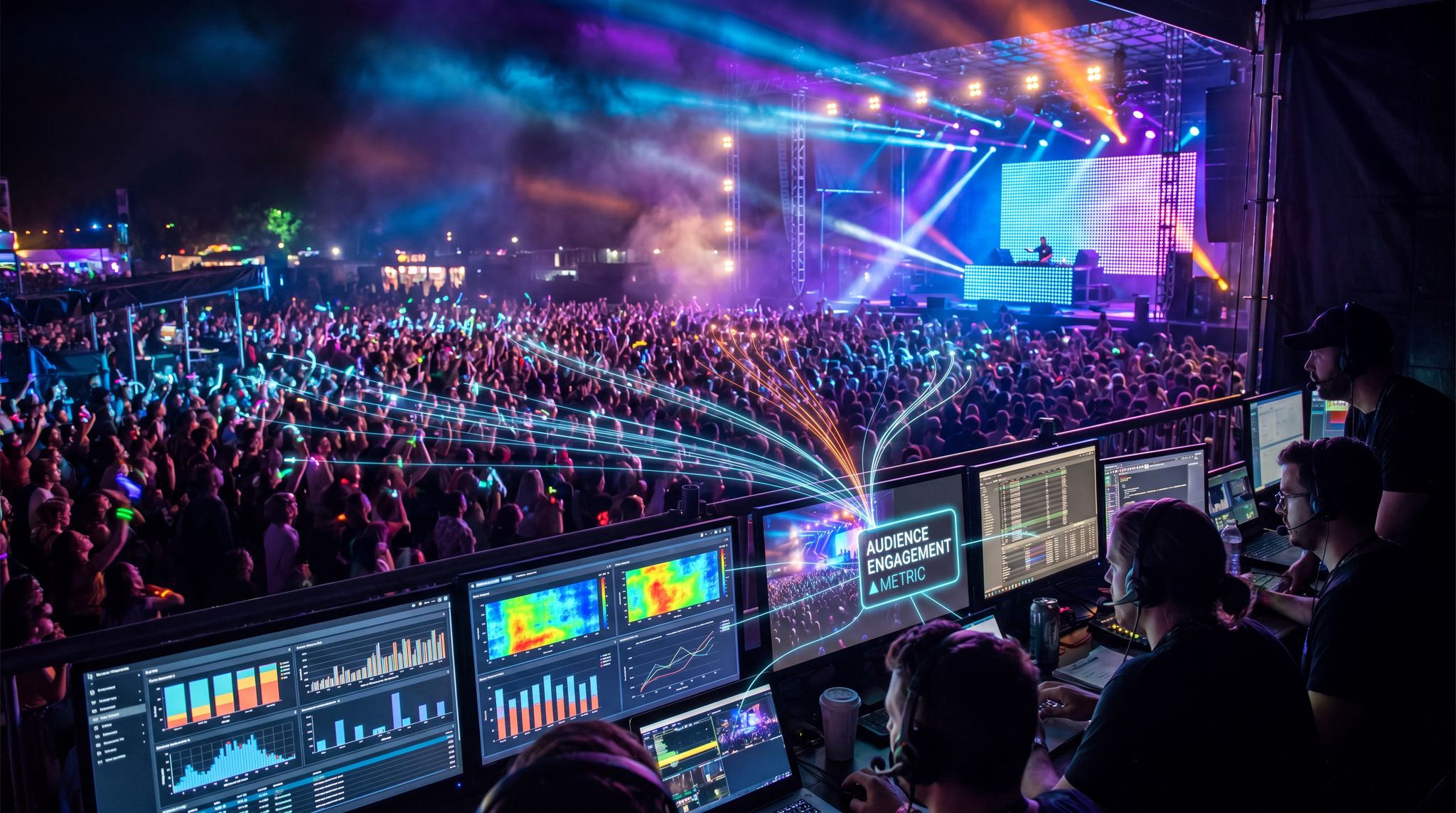
For festival promoters in 2026, email marketing remains one of the most powerful and direct tools for promotion. Building a high-quality email list and sending valuable, targeted newsletters nurtures your most interested fans and drives ticket sales. Smart segmentation (e.g. locals vs. out-of-town attendees, or GA vs. VIP) allows personalized outreach, and optimizing every message for mobile ensures maximum engagement.
How Email Anchors Overall Marketing for Festivals
When developing comprehensive strategies around marketing for festivals, organizers often get distracted by the newest social media trends or flashy digital ad formats. However, as any veteran producer will tell you, the most resilient event brands treat their email database as the foundational pillar of their entire promotional ecosystem. Whether you are producing an intimate 500-person boutique gathering or a massive 100,000-capacity mega-event, owning your audience data provides a reliable safety net against unpredictable algorithm shifts and platform outages. By integrating direct inbox outreach with your broader digital advertising and venue partnerships, you create a cohesive, multi-channel approach that maximizes ticket conversions and long-term attendee retention.
The Enduring Power of Email in Festival Promotion
In an age dominated by social media, email is still a surprisingly powerful marketing channel for festivals. Social network posts can be missed or buried by algorithms, but an email lands directly in a fan’s inbox – a space they actively check. This direct connection means festivals often see email open rates of 20–30%, far higher than the single-digit organic reach on platforms like Facebook (which averages around 1–2% engagement). In other words, if 10,000 fans follow your social page, maybe only a few hundred will see a given post – but if 10,000 fans subscribe to your newsletter, a couple thousand will actually open and read it. That’s a huge advantage when you have important updates to share.
For festival marketers, the quality of the audience is also higher on email. If someone has willingly given you their email, they’re a warm lead already interested in attending – not a random passerby. Promoters often find that email subscribers convert to ticket buyers at a higher rate than casual social media followers. One analysis pegged the average conversion rate of email marketing at ~8%, versus around 3% for social media. And with email’s ROI estimated around $42 for every $1 spent, it’s clear why experienced producers invest in growing and engaging their mailing lists.
Smart Promo Codes & Presale Access
Create percentage or flat-rate discount codes with usage limits, date ranges, and ticket type restrictions. Plus unlock codes for private presales.
Another key advantage: email isn’t subject to mysterious algorithm changes or platform whims. When you send a message, it reliably reaches every subscriber’s inbox (barring spam filters). This isn’t the case on social platforms, where a tweak to the feed algorithm can suddenly throttle your reach – or where an outage could cut off communication entirely. By owning your fan email list, you have a marketing channel you control end-to-end.
Fans also tend to trust content delivered via your official email more than random posts or ads online. An email from “YourFestivalName.com” feels legitimate – it’s clearly from the organizers – whereas social media can be rife with impostor pages or scam links. With scammers impersonating festivals online, your direct emails serve as a single source of truth for announcements, on-sales, and official info. Many festivals now remind fans that the only reliable event updates come through their verified emails or website.
Planning a Festival?
Ticket Fairy's festival ticketing platform handles multi-day passes, RFID wristbands, and complex festival operations.
In short, the humble newsletter may not have the public buzz of a viral tweet or TikTok, but it consistently speaks directly to the audience that matters most. It can deliver detailed updates and exclusive offers straight to fans’ hearts (and inboxes) without interference, building a closer relationship that often translates into real ticket sales.
Warning: Social media outages or algorithm changes can suddenly limit your reach. Always maintain an independent email list so you can reach fans even if your social channels go down.
Building a Quality Festival Email List
Every successful email marketing effort begins with a strong, permission-based list. It’s not about sheer volume – a thousand engaged subscribers are far more valuable than ten thousand people who don’t recall signing up. Focus on gathering emails ethically from the places where your most interested fans are found. Key sources include:
Festival Website Sign-ups
Your festival’s official website is prime real estate for capturing eager fans’ emails. Make sure there’s a prominent “Join Our Mailing List” form or pop-up on your homepage and lineup pages. For instance, a simple pop-up saying “Subscribe for lineup news & early bird offers” can convert casual visitors into subscribers. Be clear about the value they’ll get – e.g. “Be the first to know when tickets go on sale” – so fans are excited to sign up. (Ticket Fairy’s own Festival Marketing & Promotion guide notes that an email list remains a direct line to your most interested audience, so treat it as one of your most important assets.)
Built-In Email Marketing for Events
Send targeted campaigns, automated purchase confirmations, and post-event follow-ups directly from your ticketing dashboard.
Additionally, ensure the signup process is frictionless. Don’t ask for too many details up front – name and email are usually enough. If your site attracts global visitors, you can offer an option to choose preferences (like what city they’re in or music genres they love) to help with later targeting, but keep it optional. And always comply with consent laws (like GDPR in Europe and CAN-SPAM in the US) by making sure people explicitly opt in. A clean, easy signup form on your site will steadily grow a qualified list of fans who genuinely want to hear from you.
Previous Ticket Buyers
Past attendees are prime candidates for future festivals – they’ve already shown they like what you offer. Import email addresses from your ticketing platform or CRM (ensuring you have permission to contact them). It’s a great move to send a special “Thank you for attending!” email soon after your event, which not only expresses gratitude but invites them to stay in the loop for next year. Because these people have bought a ticket once, they’re much more likely to do so again – so keeping them informed via email is a no-brainer.
Need Festival Funding?
Get the capital you need to book headliners, secure venues, and scale your festival production.
For example, you might include in that post-event note something like: “As a past attendee, you’re the first to hear this – we’ll be back next July! Register your email now for an exclusive alumni presale next year.” Many festivals run loyalty presales or early-bird offers specifically for previous ticket buyers. By emailing your last festival’s attendees first about new dates or lineup drops, you give them VIP treatment (and capture a bunch of repeat sales early). These returning fans are often your festival’s core evangelists, so nurturing them with dedicated emails and perks can yield excellent results.
On-site Sign-ups and Contests
Don’t underestimate the power of in-person outreach. At your festival itself (or promotional events leading up to it), have a way for people to sign up on the spot. Old-school paper sign-up sheets work, but a digital method is even better – for example, a staffer with a tablet, or a QR code on signage that leads to a mobile signup form. You can entice sign-ups by offering something immediate: “Enter your email for a chance to win a merch bundle” or “Join our email list and get a free sticker at the merch booth.”
For instance, some boutique festivals have roaming ambassadors asking attendees if they want to “join the festival family” by providing their email – maybe sweetening the ask with a small giveaway or contest entry. The key here is that these folks are already engaged (they’re literally at your event), so they’re likely to be valuable subscribers later. Just be transparent about what they’re signing up for (e.g. “We’ll send you lineup announcements and exclusive discounts for next year”) so you get informed consent. These on-site signups extend your reach beyond the digital sphere and can snag fans who might not have joined online.
Furthermore, capturing data while engaging audiences at fan zones, brand activation tents, or VIP lounges provides highly qualified leads. When fans are actively enjoying an immersive on-site experience, they are highly receptive to joining your community. Equipping brand ambassadors with tablets in these high-energy areas ensures you capture contact info when attendee excitement is at its absolute peak.
Free Tool: When Should You Announce?
Pick your event date and genre — the free planner outputs a recommended announce, presale, on-sale and reminder schedule anchored to how your audience actually buys.
Social Media Call-to-Actions
Your social media followers include some of your most enthusiastic fans – convert them into email subscribers so you can reach them directly. Periodically post reminders or call-to-action links encouraging followers to join your newsletter for exclusive perks. For example, tweet something like “? Sign up for our newsletter to get lineup clues and presale access before anyone else!” or use an Instagram Story with a swipe-up link to your signup page. Emphasize the insider benefits of being on the list (e.g. secret discount codes or surprise announcements that won’t be on social).
It’s also smart to include an email sign-up link in your social bios (Instagram, Twitter/X, TikTok) and pinned posts where possible, so it’s always accessible. Remember, only a small fraction of your followers see any given social post – but 100% of your subscribers will get your email in their inbox. So use your social presence to funnel true fans into that email list, where you control the communication. Think of getting a social follower to join your email list as moving them one step deeper into your festival’s community – it’s a conversion from transient fan to core insider.
Bonus Tip: For high-demand festivals, consider implementing a pre-registration system or waitlist as part of your list-building. This is where fans sign up with their email in advance for a chance to buy tickets when they go on sale. It builds a ready pool of interested buyers and helps manage demand. For example, Tomorrowland (Belgium) requires all prospective attendees to pre-register with an email account weeks before tickets drop; in early 2026, emails were then sent out to hundreds of thousands of registrants with personalized links when sales opened for Tomorrowland. Even if your event isn’t that massive, having a waitlist for sold-out tickets (where fans submit their email to be notified if more tickets become available) is a great way to capture overflow interest. These strategies not only grow your list but ensure the people on it are highly motivated to attend.
Crafting Valuable Festival Newsletters and Updates
Once you’re growing your audience, the next challenge is to keep those subscribers engaged and excited. Every email you send should count – content must be rewarding so that fans actually look forward to your messages, not ignore them. Experienced festival marketers treat their newsletters as a direct line to superfans. Here are some key types of content and approaches that make festival emails effective:
Important Updates First
Lead with the news that matters. When something big is happening – tickets about to go on sale, a headliner just confirmed, a venue or date change – put that front and center in your email (and often in the subject line). Many festival marketers use subject lines like “Lineup Announcement Coming Friday – Get Ready!” to build anticipation, then follow up with the actual lineup drop on the promised day.
Don’t bury critical info under fluff; assume the reader may only skim the top of your email. If early-bird tickets are going live tomorrow, mention that in the first line and include a bold Buy Tickets Now button or link that’s immediately visible. For example, if you’ve just announced a limited camping sale or a new batch of tickets, an email might start with “New Tickets Just Released – grab yours now” and a prominent call-to-action. By prioritizing key updates (and making the action clear), you respect your audience’s time and ensure they don’t miss the announcements they care about.
Turn Fans Into Your Marketing Team
Ticket Fairy's built-in referral rewards system incentivizes attendees to share your event, helping events sell 20% more tickets and 30x ROI vs paid ads.
Early Access Offers
One of the best ways to reward your core audience (and drive early revenue) is to give email subscribers exclusive early access. This could mean an early-bird ticket sale, a presale code, or a 48-hour head start to snag passes before the general public. Fans love feeling like VIPs with special privileges, and the festival benefits by locking in revenue from its most eager customers.
A savvy promoter might announce in email: “Newsletter subscribers get access to tickets 2 days early – mark your calendars!”. This not only boosts sign-ups (people will hear that being on the list has perks) but also jump-starts your sales with a wave of committed attendees. In fact, one 2025 analysis found that email marketing generates about 33% of festival presales – a huge chunk of early tickets driven by these subscriber-only campaigns. Whether it’s a secret code or a special link just for them, make your subscribers feel appreciated with opportunities to buy early.
Partnering with your host location is another excellent tactic. Many emerging promoters ask how to get venue presale campaigns off the ground effectively. The most successful approach is to collaborate directly with the venue’s marketing department to cross-pollinate audiences. By providing the venue with a unique, trackable access link to send to their historical buyer list, you tap into a localized, proven demographic before the general public on-sale even begins.
Engaging Content & Teasers
Keep your emails fun – something fans want to open. Beyond news and offers, share content that builds excitement and fosters connection. This can include behind-the-scenes glimpses (e.g. a sneak peek photo of the stage build or a short video of your team preparing the grounds), artist spotlights (mini Q&As or links to a featured playlist of performers), or interactive elements like trivia and lineup clues.
Many festivals have had success turning emails into a kind of game for subscribers. For example, a boutique festival once hid a riddle in an email – a subtle lyric reference that hinted at a new headliner – and challenged the list to guess the artist. The result? A flurry of excited email replies and social media buzz as die-hards debated the clue. People love exclusives and puzzles that make them feel in-the-know. Similarly, you could drop hints like “One of our Sunday headliners has 3 Grammy awards and a new album dropping…” to get subscribers speculating.
Another idea: include a link to a Spotify or YouTube playlist of artists (a “warm-up mix”) or a recap video from last year embedded in the email. It gives fans something to enjoy and helps them imagine themselves at your event. The goal is to keep readers looking forward to your emails because they’re not just ads – they’re part of the festival experience. (In fact, welcome emails and content-rich emails often see much higher engagement – welcome emails can get approximately 80% open rates – showing that great content really does capture attention.)
Boost Revenue With Smart Upsells
Sell merchandise, VIP upgrades, parking passes, and add-ons during checkout and via post-purchase emails. Increase average order value by up to 220%.
Exclusive Discount Codes and Offers
Everyone loves a good perk. Consider occasionally including subscriber-only discounts or offers in your emails. For instance, give your newsletter readers a unique code for 10% off official merch in your online store, or a limited promo like “Show this email at the taco truck for a free soda” during the festival. These little surprises delight your fans and encourage immediate action.
Even a modest incentive can drive engagement. If someone knows they have a discount waiting in their inbox, they’re more likely to open and click your emails rather than let them sit. And if the offer is time-sensitive (say a code that expires in 48 hours), it creates urgency to act. Periodically rewarding your list in this way makes subscribers feel like VIPs – they’re getting something no one else is. Just be sure to clearly explain how to redeem the offer and don’t overdo it; a well-timed perk now and then is far more effective than constant coupons in every email.
Pro Tip: About one week before your festival, send a detailed “Know Before You Go” email to all ticket holders. Include key info like the site map, daily schedule, what to pack, parking and shuttle details, and any last-minute weather updates. Fans will appreciate the heads-up, and you’ll reduce confusion on show day. Think of it as a personal concierge briefing that gets everyone prepared and excited.
Best Practices: Quality, Value, and Respect
When it comes to email outreach, a few golden rules guide the experts. These practices separate effective festival campaigns from those that end up unopened (or worse, in the spam folder):
Don’t Spam – Respect the Inbox
Finding the right balance is key. Bombarding inboxes every day – “Buy tickets now! … How about now?” – will prompt fans to tune out or unsubscribe. Instead, pace your communications on a logical timeline. A recent survey found that over half of U.S. consumers will unsubscribe if they receive excessive marketing emails from the same source (and 44% will opt out even sooner), so err on the side of moderation. Maybe start with monthly updates far in advance, then bi-weekly as the event approaches, and weekly in the final countdown when critical info (set times, entry tips, etc.) needs to be delivered. The key is to make each email worthwhile, not to simply increase frequency.
Always ask yourself: “Would I find this email useful if I were an attendee?” If not, reconsider sending it. It’s better to send fewer, high-impact emails than a constant barrage of low-value blasts. Many seasoned festival organizers impose internal limits – for example, during the height of promo season you might allow at most one general update plus one targeted/specific email per week. By spacing things out, you avoid fatigue and keep open rates healthier.
Grow Your Social Following With Every Sale
Require social media follows, shares, or playlist adds to unlock presale access or special pricing. Turn every ticket purchase into audience growth.
Also be mindful of timing. Avoid odd hours when possible – sending at 3 AM might catch a few night owls, but many others could miss it in the overnight clutter. Aim for times when your fans are likely scrolling (mid-morning, lunch breaks, early evenings, depending on your demographic). And if your festival spans multiple time zones or countries, consider segmenting by region so you hit inboxes at optimal local times.
Finally, remember that even the biggest events have learned that overloading fans with too many promotional messages can backfire on engagement. A thoughtful, well-paced approach keeps your audience receptive and your emails out of the spam folder. (For more on balancing email frequency and sponsor content, see our guide on monetizing festival emails without burning out your list.)
Deliver Value in Every Send
Subscribers will stay loyal – and keep opening your emails – if they consistently get something out of them. Make it a rule that each email should offer value: it should inform, entertain, or reward the reader (ideally at least two of those at once!). Before hitting send, ask yourself if the content would be genuinely interesting to your audience. If the answer is “not really,” hold off or improve it.
Examples of value-packed emails include: announcing useful information (like the official schedule release or a new headliner addition), sharing fun content (a recap video, a behind-the-scenes mini documentary, a playlist of artists to check out), or giving an incentive (a discount code or exclusive contest for subscribers). Ideally, your newsletters combine elements of all three whenever possible. For instance, an update email might start with a heartfelt note from the festival director about new improvements (informative), include a short clip of the stage build progress (entertaining), and end with a “subscribers-only” merch discount code (reward) as a thank you.
If you consistently send emails that fans find worthwhile, they’ll remain engaged. Open rates stay high because people learn that your messages aren’t a waste of time. On the flip side, blasting out emails that only say “buy now” repeatedly with no new info will quickly erode trust. Respect your fans’ inbox by ensuring each communication has something in it for them. (As the Ticket Fairy guide advises, provide value in each email – not just sales pitches – so your open rates stay high and fans remain engaged.)
Optimize for Mobile Viewing
These days, a huge portion of your audience will read emails on their phones. In fact, nearly half of all email opens happen on mobile devices, so designing with mobile in mind isn’t optional – it’s essential. Use a clean, single-column layout that’s mobile-responsive. Make sure text is large enough to read without pinching and zooming, and that any buttons or links are easy to tap with a thumb.
Test your email on an actual smartphone (or at least with your email tool’s mobile preview) before you send. Does it load quickly? Do images and formatting look correct on a small screen? Are the most important info and the main call-to-action visible without excessive scrolling? If not, adjust the design or content length. It’s often wise to put your primary message or offer near the top, since mobile readers may not scroll endlessly.
Also consider mobile-friendly subject lines. Many mobile email apps show only 30–40 characters of a subject line, so keep it punchy and front-loaded with key words. For example, instead of “Your Festival Name – Important Announcement Inside” (which might get cut off), try “Festival Update: Full Lineup Out Now” which gets the point across faster.
One more tip: ensure your email links to a mobile-friendly page. If you want fans to click “buy tickets” in an email, the ticketing page they land on should work great on phones. Otherwise, all that optimization in the email itself is wasted at the last step.
Personalize When Possible
No one wants to feel like just another number on a list. Using personalization can significantly boost engagement. Many email tools allow you to insert a recipient’s first name or other details – take advantage of that. A message that opens with “Hey Alex, we thought you’d enjoy this update” feels more personal than one that says “Hello Festival Fan”. People know it’s automated, but it still catches the eye and creates a friendlier tone.
Beyond names, you can personalize based on past behavior or traits. If your data shows a subscriber is local versus traveling, or VIP versus GA, or a repeat attendee versus newbie, you can tweak your messaging accordingly (as outlined in the segmentation section below). For example, referencing “since you joined us in 2019” for a returnee, or giving first-timers a special “welcome aboard” message, can make an email resonate more. Personalized emails have been shown to drive transaction rates up to 6× higher than non-personalized sends, so the effort is worth it.
Just be careful: personalization should feel helpful, not creepy. Don’t overdo it by spitting back a lot of personal data that might spook people (for example, listing every event they attended might come off as too heavy-handed). And double-check your merge fields! There’s nothing worse than sending “Hello [First Name],” due to a setup mistake. (Send test emails to yourself or colleagues to verify everything works.) When done right, personalization simply shows that you recognize your fans as individuals – which goes a long way in building goodwill.
Clear Call-to-Action
Each email should have a clear purpose and a clear call-to-action (CTA) for the reader. If you want them to do something – buy a ticket, RSVP for a meetup, watch a video – make that CTA prominent and straightforward. Use a button or a noticeable link, and don’t bury it among a million other things.
For example, if your newsletter includes lots of content, you might still have one primary goal like “Secure your tickets”. Make that button or link stand out with color and size. Place it earlier in the email (for those who won’t scroll much) and consider repeating it at the end for those who do read all the way. The text on the button should be specific and action-oriented: instead of a generic “Click Here,” say Buy Tickets, View Full Lineup, or Download Festival App – whatever the desired action is.
Also, don’t overload a single email with too many different CTAs. It’s fine to have a secondary link or two (like to your website or socials), but if your email tries to ask readers to do five different things, they’ll likely end up doing none. Decide what the main takeaway or action is, and design around that.
Lastly, double-check that your hyperlinks and buttons actually work before you send. You don’t want to send 50,000 people a “Buy Tickets” button that goes to a 404 error. It sounds obvious, but in the flurry of festival prep, it’s an easy oversight – and nothing erodes trust like a broken link in an email.
Additionally, you must prepare your ticketing infrastructure for the sudden traffic spikes that successful emails generate. When thousands of eager fans click your “Buy Now” button simultaneously, server overloads on subpar platforms can trigger frustrating checkout glitches—leaving fans staring at confusing errors like “your event eligibility has changed please refresh and try again” or generic gateway timeouts. Partner with a robust ticketing provider capable of handling massive concurrent volume so that your carefully crafted email conversions don’t bounce at the finish line.
To tie these best practices together, it helps to plan out an email timeline for your festival outreach. Rather than blasting things ad hoc, map out the key communications you’ll send in the run-up to the event. For example, here’s a sample schedule for how an annual summer festival might structure its email campaign:
| Timing (before event) | Email Content & Purpose | Key Message/Offer |
|---|---|---|
| 6+ months out | Save-the-date announcement; perhaps a recap of last year to rekindle excitement | Mark your calendars: Festival returns (dates) – just announced. |
| 3–4 months out | Lineup teaser or first lineup phase reveal; loyalty pre-sale info for subscribers | First lineup names dropped! Subscribers get early access to tickets starting tomorrow. |
| 2–3 months out | Full lineup announcement and general ticket on-sale | Full 2026 lineup is here ? – tickets on sale to everyone at noon! |
| 1 month out | Logistics and hype: daily schedule release, travel tips, FAQ, etc. | Plan your festival: Schedule is out now, plus travel and packing tips. |
| 1 week out | “Know Before You Go” final info blast – map, weather, rules, last-minute reminders | It’s almost time! Here’s your festival guide (map, what to bring, set times, etc.). |
| Post-event (1 week after) | Thank-you and feedback survey; teaser for next year or loyalty reward | Thank you for an amazing festival! ? Share your feedback and get first dibs on 2027 tickets. |
Segmenting Your Audience for Tailored Outreach
No two subscribers are exactly alike, and sending the same blanket email to everyone isn’t always optimal. Segmenting your email list – dividing it into smaller groups based on characteristics or behavior – ensures each group gets messages most relevant to them. (In fact, many festivals fumble their audience targeting, leading to communications that miss the mark.) Seasoned festival producers often segment by geography, ticket type, or engagement level. Let’s look at a few common segments and how you might tailor your outreach for each:
Local Attendees vs. Out-of-Town Fans
Geography is a simple but powerful segmentation. Local attendees (who live near the venue) will appreciate different info than traveling fans coming from far away. For example, locals might be interested in last-minute ticket releases, street closures, or local pre-parties, whereas out-of-towners need details on hotels, airport shuttles, and planning a trip.
If you know from data (like ZIP codes or country codes) who is local versus not, you can send separate versions of an email. A local-specific email could lead with “Hometown fan update: local shuttle schedule & FREE pre-party this Thursday”, while the out-of-town version of that email leads with “Travel update: shuttles from the airport & packing tips for the weekend”. Both groups get useful info tailored to them. Many festivals do this automatically – for instance, people from out of state might get an email with flight and hotel deal partnerships, while locals wouldn’t receive that section at all.
The result is higher relevance and happier readers. Locals aren’t bored by airport directions, and travelers don’t miss out on key tips because they were buried below local info. Especially for festivals that draw a significant tourist crowd, segmenting by location can greatly improve your email effectiveness (and even boost attendance by making the travel experience smoother).
General Admission vs. VIP Ticket Holders
If your festival offers tiered ticket types or experiences (General Admission, VIP, various packages, etc.), it’s smart to segment communications by what each person bought. VIP ticket holders have different expectations (and opportunities) than GA buyers. Tailor your messaging accordingly.
For VIPs: send emails highlighting the perks they can look forward to and any special instructions. For example, “Explore the VIP Lounge: Here’s a sneak peek at the menu and amenities” or “VIP Reminder: Use Entrance Gate A for a faster check-in.” This not only builds excitement for their upgraded experience, but also reinforces the value of what they paid for. You might also promote any extra VIP-only sales (like reserved parking passes or VIP afterparties) specifically to this group. They’re your top spenders, so a concierge-style tone is fitting: “We can’t wait to treat you like a VIP!”.
For GA attendees: your emails can focus on general festival tips, plus perhaps gentle upsells if appropriate. If VIP is not sold out, you could send GA folks an email noting VIP upgrades are almost gone. Otherwise, focus on making their GA experience great: “What’s new for GA – more water stations, bigger screens, and a new app to help you navigate!”. The tone here is all about community and excitement (e.g. “Get ready to party with 50,000 fellow fans!”), whereas VIP emails might be more about comfort and exclusivity.
By segmenting by ticket type, you avoid mistakes like promoting a VIP-only feature to everyone (which can cause GA folks to feel left out or annoyed). Instead, you give each group information that matters to them, increasing the chances they’ll read it and act on it.
First-Timers vs. Returning Attendees
Knowing who’s a newbie and who’s a veteran attendee lets you personalize messaging in a big way. First-time attendees might need extra guidance and welcome, whereas loyal returnees might crave more insider info or rewards for their loyalty.
For first-timers (you can identify them if your ticketing system tracks who has never bought before, or even via a sign-up question like “Is this your first time?”): consider sending a special Welcome Series. Perhaps an email titled “Your First Festival: What You Need to Know” that covers FAQ and tips for newbies. Include things like what to pack, how entry works, and maybe a highlight of the festival’s history or values to indoctrinate them into the culture. First-timers often have jitters or lots of questions – proactively answering those in a friendly way makes them feel taken care of (and reduces basic queries later).
Return attendees, by contrast, don’t need the “how it works” rundown – they know the drill. So your emails to them can be more about what’s new or improved. For example, “What’s New for 2026 – 5 upgrades veteran fans will love”. You can also leverage nostalgia: “Remember last year when we all sang along to the closing song? Get ready for even more moments like that.” Long-time attendees appreciate feeling recognized. Some festivals even segment by how many years someone has attended and tailor a line in the email like, “Year 4 for you! We truly appreciate your ongoing support.” Little touches like that go a long way.
And of course, reward loyalty. Maybe your returning attendees get a loyalty discount code or early access to next year’s tickets as a thank you for loyalty. You can announce that via a segmented email just to them: “Because you’ve been with us before, here’s a little thank you…”. Meanwhile, first-timers might get a different perk like tips for making friends on site, or a gentle prompt to follow your socials to start feeling the community. Tailoring by experience level makes each group feel understood.
Highly Engaged vs. Less Engaged Subscribers
It can also be useful to segment based on how people interact with your emails. Some fans open every single email and click through – these are your highly engaged subscribers. Others might rarely open anything unless it’s really major – these are less engaged. You can adjust your approach for each.
For your super fans (highly engaged), you might actually send them more content or special invites. They’re the ones who might appreciate extra emails like “Meet the Team Mondays” or deep-dive stories about the festival, whereas a less engaged person might find that excessive. You could create a segment of “Top Engagers” (people who opened, say, 80% of your last 10 emails) and occasionally send them surprise content or early info – almost like a street team or insider club. They’ll eat it up.
For the less engaged segment (say, people who haven’t opened anything in 6 months), consider sending fewer emails or a re-engagement campaign. For example, you might email them only for big announcements (lineup, on-sale, etc.), and skip the fluff. Or send a “We Miss You – Come Back” email with highlights of what they’ve missed and maybe an incentive (like a small discount) to re-capture their interest. If they still don’t engage, it may be worth removing them from the list eventually (to keep your sender reputation high with ISPs). Sometimes festivals will send an email to these folks saying “Do you still want to receive updates?” – if they click yes, great, if not, they get purged.
Most email platforms (including features in the Ticket Fairy Promoter Dashboard) let you automate these kinds of segmentations. Use that power. It ensures that your super-engaged fans get all the content they want and more, while your disengaged subscribers aren’t annoyed by emails they don’t care about. In the end, that boosts your overall engagement metrics (because you’re not dragging them down with uninterested recipients) and it keeps everyone happier.
Pro Tip: Use your ticketing platform’s CRM tools to automate segmentation. For example, the Ticket Fairy Promoter Dashboard can tag attendees by location, ticket type, or engagement level, then send targeted emails to each segment. Let technology do the heavy lifting – you’ll save time and ensure the right fans get the right content at the right time.
Genre-Specific Targeting: Food, Music, and Niche Events
Beyond demographics and engagement, tailoring your approach to the specific type of event you run is crucial. For example, email marketing strategies for food festivals look quite different from those for electronic music events. Culinary event promoters should focus on mouth-watering visuals, chef announcements, exclusive tasting menu presales, and dietary-specific segmentation (e.g., highlighting vegan or gluten-free vendor options to subscribers who have indicated those preferences). By aligning your email content with the core sensory and experiential drivers of your specific festival genre, you ensure that your messaging resonates deeply with that particular audience’s cravings.
Email as a Sales Conversion Engine
Beyond engagement and community-building, email is a key driver of ticket sales for festivals. Promoters often observe that their email subscribers convert to buyers at a higher rate than almost any other audience. If someone took the time to join your mailing list, they’re signaling strong interest. By nurturing those warm leads with consistent, value-rich emails, you can guide them from interested to attending.
Consider the journey of a fan who signs up for your newsletter months before the lineup is announced. With a smart email strategy, you can walk them down the path to purchase step by step:
- Welcome Email: Immediately after they subscribe, send a friendly welcome message. Thank them for joining, maybe share a short highlight reel video or a Spotify playlist from last year, and let them know they’ll be first to hear big news. This sets a positive tone and rewards them for signing up.
- Save-the-Date Reminder: A month or two later (or whenever you announce dates), send an email to all subscribers with the festival dates and perhaps early bird ticket info. Subject line might be “Festival Dates Announced – Mark Your Calendar”. This keeps excitement simmering and ensures your list is primed for the on-sale.
- Teaser Updates: In the lead-up to the lineup reveal, drop a couple teaser emails. Maybe one with a blurred-out poster or cryptic clues about a few artists, or an email showcasing new features (“New Stage Alert – we’re adding a 360° dome”). These sustain interest and get your subscribers speculating (which they often take to social media, generating buzz).
- Exclusive Presale Invite: When it’s time to start selling tickets, email your subscribers first. For example, send a special presale invitation 24-48 hours before public on-sale, with a unique access code just for them. This email is gold – it can drive a huge chunk of your initial sales. By the time general on-sale arrives, a good portion of tickets are already gone to your email insiders.
- General On-Sale Blast: Now send the big lineup announcement to everyone (often the same day or day after the presale). Subject might be “Lineup Out – Tickets on Sale to Everyone Now!”. Include the full poster, a big Tickets On Sale Now button, and all the hype you can pack in. This catches any subscribers who didn’t buy during presale and also serves as your official public on-sale announcement (since some people on your list may not check socials, this email ensures they hear it directly).
- Urgency & Last Call: As the festival approaches, use email to capitalize on FOMO and any remaining demand. For example, “90% Sold Out – Final Tickets Remaining!” or “Last Chance for Tier 1 Prices – prices go up Friday.” Emails like this, targeted to those who haven’t bought yet, can push procrastinators over the edge. Data shows a huge share of festival tickets are often sold in the final weeks leading up to the event, so these timely reminders are crucial.
By the time the festival is near, that one subscriber may have received a half-dozen well-timed emails nurturing them from curious to committed. Many large festivals attribute a significant portion of their ticket sales to email campaigns to their subscriber base. It’s not surprising when you consider the conversion power: email marketing’s average conversion rate is around 8%, substantially higher than the ~3% typical of social media ads.
Email isn’t just useful for the initial ticket sale either – it’s also great for upselling and cross-selling. Want to upgrade GA buyers to VIP? Send a targeted email highlighting VIP perks and how few spots remain. Have afterparty tickets or workshops? Email the main event attendees with those add-on offers. Selling camping or parking passes? Shoot an email to everyone who bought tickets but hasn’t added camping yet. Because these offers go to folks who already showed interest (or made a purchase), the conversion rate is often much higher than a generic advertisement would be.
One cautionary tale: a new festival once relied almost entirely on social media for its big on-sale announcement, and many fans simply missed the news amid algorithmic noise. The organizers faced slow early sales and discovered that lots of potential attendees hadn’t even seen the posts. The next year, they prioritized direct email notifications – and saw an immediate spike in day-one ticket sales. The lesson? For driving action, don’t leave things to social media chance. Your email list is your captive audience – when you need to sell tickets (or anything), those are the people most likely to act on it.
In fact, as almost half of buyers now wait until the last month or weeks to purchase tickets, having the ability to send targeted “last call” emails can be a game-changer. Rather than hoping people notice your urgent tweet, you can put a limited-time discount or “selling out fast” alert right in their inbox. Many procrastinators just need that nudge of urgency from an official source to finally pull the trigger.
(For more strategies on handling late-ticket buyers, see our guide on Winning the Waiting Game: Managing Last-Minute Festival Ticket Buyers in 2026.)
The bottom line: email is not just for “awareness” – it’s a sales engine. By building your list and treating it right, you create a direct funnel to convert your core audience’s excitement into actual ticket purchases, year after year.
To truly master email marketing for ticket sales, organizers must view every single touchpoint as a conversion opportunity. Even the transactional festival booking email—the automated receipt or confirmation sent immediately after a fan secures their pass—enjoys incredibly high open rates. Savvy promoters use this specific booking confirmation to drive secondary revenue, embedding links to upgrade to VIP, book glamping packages, or reserve shuttle passes. When you integrate these tactics into broader estrategias de marketing con The Ticket Fairy (or your chosen ticketing CRM), you transform a standard promotional calendar into a highly optimized, revenue-generating machine, rather than just a chaotic festival of email blasts.
Conclusion: Nurturing a Loyal Festival Community
At its heart, effective email marketing becomes more than just promotion – it builds a sense of community and loyalty around your festival. When you treat subscribers as insiders, they feel like an integral part of your journey. They’re the first to hear lineup news, get special presales, and receive personal messages from the festival team. This fosters goodwill that can last for years. Fans who feel connected through your emails are more likely to attend again and again, and to encourage their friends to join in. (It’s often said that your passionate core fans become your greatest marketers – their genuine enthusiasm spreads your festival’s reputation.)
Don’t underestimate the goodwill generated by thoughtful email touches. A simple thank-you email after the festival, for instance, goes a long way. It shows attendees that you appreciate them, and it keeps the positive vibes alive well after the stages go dark. As veteran producers know, the festival isn’t truly over when the music stops – those post-event thank-yous, recap highlights, and feedback surveys you send via email become the first building blocks of your next festival. They help turn one-time attendees into a loyal returning audience.
Over time, you can even elevate your email community into something like a club. Some events have introduced year-round fan communities or membership programs where email is the main channel for delivering exclusive content, merch drops, or early access to spin-off events. By keeping that off-season conversation going, you ensure that your festival isn’t just a once-a-year blip on the radar, but a continuous presence in your fans’ lives.
In a world of constantly shifting algorithms and fragmented social media attention, your email list remains an anchor of stability and trust. It’s a direct line to the people who love what you do. Treat that relationship with care – offer genuine value, keep the tone authentic, and honor the trust your fans have placed in you by giving you space in their inbox. Do that consistently, and you’ll cultivate not just attendees for one event, but a passionate community that will stick with your festival through thick and thin. That kind of loyalty is priceless – and it all starts with a well-crafted email.
Frequently Asked Questions
Why is email marketing effective for festival promotion?
Email marketing provides a direct connection to fans, offering open rates of 20–30% compared to the 1–2% engagement typical of social media. It generates a higher ROI, estimated at $42 for every $1 spent, and allows promoters to control the message without interference from algorithm changes or platform outages.
How can festivals build a high-quality email list?
Promoters can build quality lists by placing prominent sign-up forms on their website and importing previous ticket buyers from CRMs. Additionally, using on-site QR codes for contests, adding social media call-to-action links, and implementing pre-registration waitlists for ticket drops effectively captures the most interested and motivated fans.
What are the best ways to segment a festival email audience?
Effective segmentation involves grouping subscribers by geography to send locals logistics and travelers hotel tips. Festivals should also separate lists by ticket type, sending VIPs exclusive perk details and GA attendees general updates. Differentiating between first-timers and returning veterans allows for tailored welcome guides or loyalty rewards that increase relevance.
Why is mobile optimization crucial for festival emails?
Mobile optimization is essential because nearly half of all email opens occur on mobile devices. A clean, single-column layout ensures text is readable and buttons are easy to tap without zooming. Failing to optimize for mobile can lead to poor engagement, as fans often ignore or delete emails that display poorly on smartphones.
What type of content increases festival newsletter engagement?
High-engagement emails prioritize critical updates like lineup drops and ticket on-sales while offering tangible value. Including early access presale codes, exclusive merchandise discounts, and behind-the-scenes content like stage build photos keeps fans interested. Interactive elements like artist clues or playlists also help transform standard newsletters into exciting updates fans look forward to.
How does email marketing drive festival ticket sales?
Email marketing drives sales by nurturing fans through a structured journey, from welcome messages to exclusive presale invitations. With a conversion rate of approximately 8%, email outperforms social media ads. Strategies like sending “last call” alerts for price increases or low ticket inventory create urgency that motivates procrastinating buyers to purchase.
How can organizers use a festival booking email to increase revenue?
A standard festival booking email or order confirmation has one of the highest open rates of any campaign. Organizers can leverage this by including targeted upsells—such as VIP upgrades, parking passes, or merchandise—directly within the receipt, turning a simple transactional message into a powerful tool for secondary ticket sales.
How do email marketing strategies for food festivals differ from music events?
Email marketing strategies for food festivals focus heavily on culinary experiences, such as chef announcements, tasting menu presales, and vendor highlights. Promoters often segment their lists by dietary preferences to send targeted updates about vegan or gluten-free options, using high-quality food photography to drive engagement and ticket sales.
How can organizers effectively set up a venue presale?
To execute a successful venue presale, festival organizers should collaborate with their host venue’s marketing department to email the facility’s existing subscriber base. Providing a unique access code allows these local, proven ticket buyers to secure passes before the general public, driving early revenue and expanding the festival’s reach.
What are the best marketing strategies with The Ticket Fairy for international festivals?
Effective marketing strategies with The Ticket Fairy (often searched as estrategias de marketing con The Ticket Fairy in Latin American and Spanish markets) involve leveraging the platform’s built-in CRM, automated audience segmentation, and peer-to-peer referral programs. Organizers can use these tools to target specific regional demographics, run localized email campaigns, and turn early buyers into active brand ambassadors globally.