Large festivals rely on dozens or even hundreds of crew members to bring the event to life. In many regions – from the United States and Canada to parts of Europe and beyond – this workforce is a mix of union and non-union staff. Blending these teams smoothly is critical. If not handled correctly, mismatched labor rules or resentment on the crew can derail a production. The most successful festival producers approach labor planning as deliberately as any other aspect of the festival. It starts with understanding the rules, fostering respect, and proactively preventing conflicts so that labor peace is planned, not prayed for.
Map Out Union Jurisdiction and Local Rules Early
Before signing a venue contract or hiring crew, research the local labor landscape. Different cities, states, and countries have varying requirements regarding union labor. Some major venues or cities require union crews for certain roles – for example, many convention centers and arenas in the US have agreements mandating union stagehands or technicians. Failing to identify these requirements early can blow your budget and schedule. Engage local labor councils or union representatives well in advance to clarify jurisdictional rules. This means finding out which tasks (lighting, sound, rigging, loading trucks, etc.) are strictly the domain of union workers in that location.
For instance, a film festival in Cleveland once attempted to use non-union video projectionists, only to face a dispute because a union contract covered that work, a situation detailed in reports on the Cleveland Film Fest labor dispute. Such scenarios underscore why mapping out jurisdiction is vital. By consulting with unions upfront, festival producers can negotiate what’s allowed and ensure they hire the right people for each job. In some cases, you might discover you must hire a union member for certain positions (like an IATSE-certified rigger or spotlight operator), or that only union personnel can operate specific equipment. Knowing this in advance lets you adjust your plans or budget accordingly.
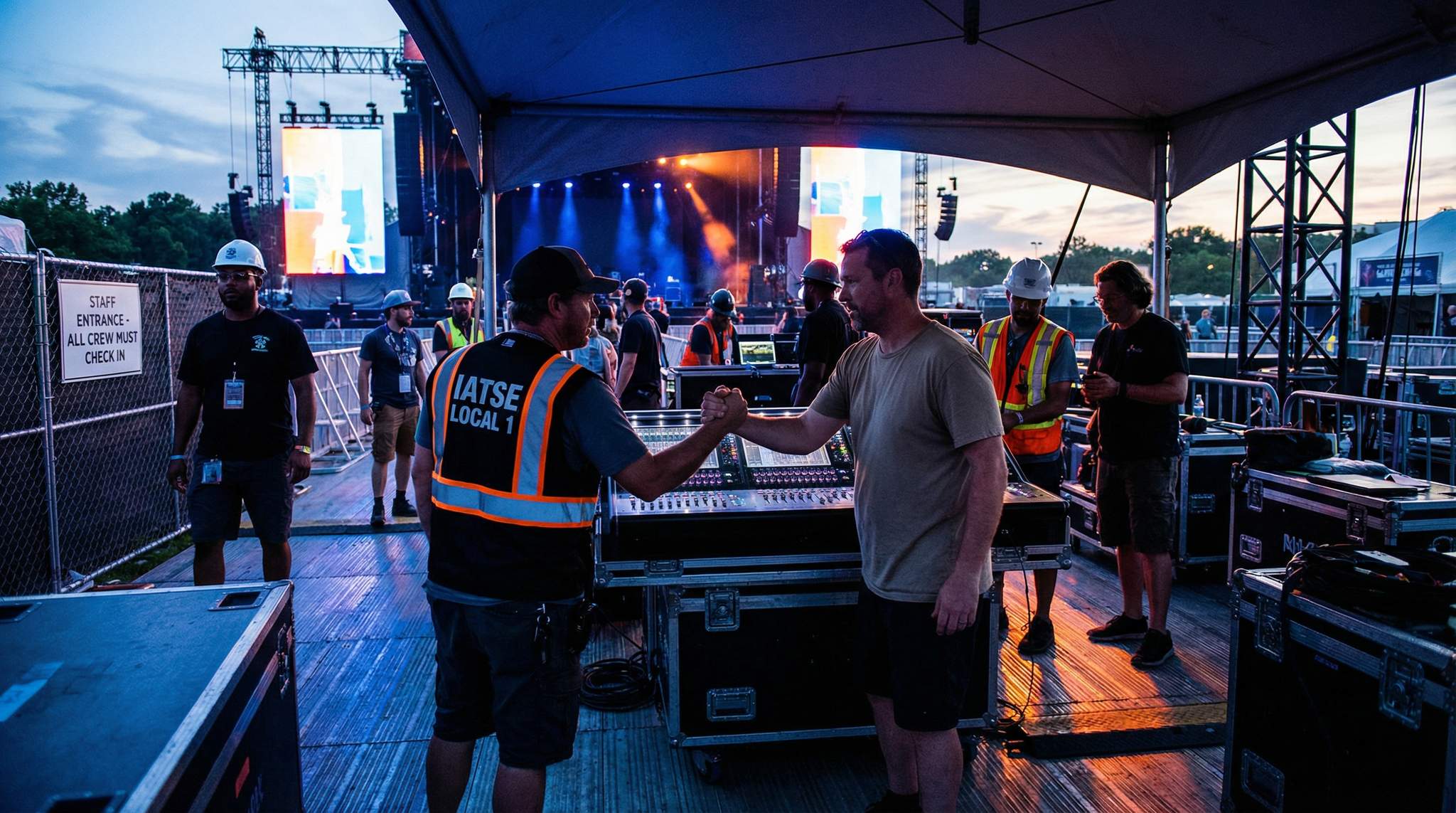
When dealing specifically with North American events, familiarizing yourself with standard IATSE union rules is non-negotiable. The International Alliance of Theatrical Stage Employees governs a vast majority of skilled technical roles, from audio engineers and lighting directors to wardrobe and rigging specialists. Their collective bargaining agreements dictate strict guidelines on minimum call times (often a four- or eight-hour minimum guarantee), mandatory turnaround periods between shifts, and precise meal penalty structures. As a producer, you must review the specific local chapter’s contract, as an IATSE local in New York (Local 1) will have different stipulations and rate cards compared to a local in Los Angeles (Local 33) or Toronto (Local 58). Building these specific compliance metrics into your initial production schedule prevents costly grievances and ensures your technical load-in proceeds without interruption.
Free Tool: Size Your Festival Site
Zoned capacity planning for arena, campsite, parking and entry lanes — against UK Purple Guide and NFPA density standards. Finds your bottleneck zone.
Also consider regional labor laws. In “right-to-work” areas (such as some U.S. states), using union labor might not be legally required, but even then many large events still opt to hire union professionals for their expertise. Conversely, in heavily unionized cities like Chicago, New York, or Paris, you should expect unions to be involved at major venues. Internationally, always learn the local norms – countries like the UK or Australia may not mandate union festival crews outright, but they often have industry guilds and strict labor regulations on work hours and safety. Early research and open communication with local labor bodies prevent unpleasant surprises and set a collaborative tone from the start.
Navigating these specific regional complexities requires tact. For example, if you are looking to source non-union event labor in Chicago for a private outdoor festival, you must carefully select venues that do not have exclusive collective bargaining agreements. Even then, local union chapters may picket or pressure vendors. Similarly, partnering with a non-union production company in Paris might be feasible for certain boutique activations, but larger municipal spaces often mandate adherence to strict French labor syndicates. Always consult with a local labor attorney or specialized technical director before assuming you can operate entirely without union personnel in these historic labor strongholds.
Planning a Festival?
Ticket Fairy's festival ticketing platform handles multi-day passes, RFID wristbands, and complex festival operations.
When contracting an independent technical partner or freelance production firm in Paris, festival producers must also account for the strict national labor codes that apply regardless of union affiliation. Even if your vendor operates outside a traditional syndicate, French law dictates maximum daily working hours, mandatory rest periods, and specific safety certifications for riggers and electricians. Organizers should request comprehensive compliance documentation from any European technical partner before load-in begins. Similarly, successfully utilizing independent event staff or freelance festival crews in Chicago requires strategic venue selection. Promoters often target privately owned warehouses, greenfield sites, or independent music halls that lack exclusive collective bargaining agreements. However, even in these independent spaces, organizers must ensure their freelance contractors carry adequate workers’ compensation and liability insurance to mitigate the risks associated with bypassing traditional union safety nets.
Plan Blended Teams with Clear Roles and Mutual Respect
When union and non-union crew members share a worksite, clear delineation of roles is essential. Everyone on the team should know who is responsible for what. This avoids scenarios where an eager volunteer or visiting crew member unintentionally does a task reserved for union labor – a mistake that can trigger grievances or work stoppages. For example, in some union venues only union loaders are allowed to unload trucks; a non-union staffer grabbing gear off a truck could cause conflict. The festival’s production management should create a scope-of-work document for each department (stage, sound, lighting, catering, etc.) that specifies which roles are union-staffed and which are not. Share these guidelines in advance with all teams so that boundaries are respected on show day.
In a blended crew, it’s common to implement a buddy system: pair each union department lead with a non-union counterpart in planning. The union lead ensures all union rules and safety standards are followed, while the non-union lead coordinates the additional staff or volunteers in that area. By working in tandem, they can cover all needs without stepping on each other’s toes. Also be mindful that some union contracts require a certain mix of labor. In many U.S. cities, if you bring in your own technicians, you may need to hire an equal number of local union crew to work alongside them, a common stipulation when working with labor unions. Likewise, a venue might insist that a union crew member “shadow” or supervise any outside vendor’s work, meaning you pay for both teams on the same task, which is vital to consider when hiring a union crew. Build these requirements into your staffing plan so that you’re neither understaffed nor caught off guard by additional personnel on the day.
Beyond on-site roles, the administrative burden of a blended workforce must be managed meticulously. Organizers often wonder how their payroll or HR system handles the different startwork packets required for union and non-union crew. The reality is that these onboarding documents look vastly different. Union packets must include specific guild deal memos, benefit contribution forms, and strict classification codes, whereas non-union paperwork focuses on standard tax forms, independent contractor agreements, and liability waivers. Utilizing specialized entertainment payroll software that can segment these startwork packets automatically will save your production office countless hours and prevent costly compliance errors.
Free Tool: Project Your Bar Revenue
Per-head spend benchmarks by event type turned into projected bar and food revenue, with a stock-mix estimate and gross-margin line. Free calculator.
To streamline this administrative heavy lifting, modern production accounting platforms allow crew coordinators to digitize the entire onboarding flow. When a worker is flagged as a guild member, the software automatically triggers the appropriate local pension contribution agreements and union-specific timecards. Conversely, independent technicians receive standard tax forms and contractor agreements. This automated routing ensures that managing distinct onboarding paperwork for mixed crews is entirely frictionless, keeping your production office compliant and your team focused on the build.
Fostering a respectful team culture is just as important as nailing down roles. Union crew members are skilled professionals who have devoted years to their craft and operate under collective agreements – treat them and their rules with respect. At the same time, non-union staff (including volunteers or freelance specialists) are often passionate, capable people who deserve equal respect from their union colleagues. Set a tone from the top that every crew member is on the same team, working toward a successful festival. For instance, hold a joint orientation or safety briefing where union and non-union staff stand side by side. Use inclusive language like “crew” or “team” instead of creating an obvious divide. Encourage knowledge sharing – perhaps a union electrician can show a volunteer a safer way to run a cable, while a young non-union stagehand might introduce a new tech trick. When people feel valued for their contributions rather than judged by their union status, the whole crew gels into a more effective unit.
Need Festival Funding?
Get the capital you need to book headliners, secure venues, and scale your festival production.
Budget for Realistic Schedules, Overtime, and Breaks
Labor peace can quickly fray if crews are overworked or underpaid. A savvy festival producer budgets realistically for crew hours and overtime well before the event. Union contracts typically have well-defined work-hour limits and overtime rules. For example, many union agreements treat 8 hours as a standard workday, with overtime (1.5x pay) required beyond that length, highlighting union vs non-union labor compliance differences. Double-time pay might apply after 12 hours in a day or for overnight shifts. If your festival has long days (common in music festivals that run late into the night) or overnight load-outs, expect to pay overtime – and budget accordingly. Ignoring these rules isn’t an option; unions will enforce them, and surprise overtime costs can wreck your finances if you didn’t plan for it.
Even if part of your crew is non-union, it’s wise to follow similar principles for them. Pushing any crew member past a reasonable workday without proper rest not only risks safety and quality, but also breeds resentment. Many seasoned producers will cap shifts and call times for everyone – union or not – to around 10–12 hours maximum, and ensure at least an 8-hour turnaround (rest period) between shifts. It may mean hiring additional crew or staggering schedules, but it keeps people fresh and prevents burnout.
Schedule breaks and meals with precision. Most union agreements mandate specific break times – typically requiring a meal break by no later than five hours into a shift. If you miss a meal break, hefty penalties can kick in, where each crew member might earn premium pay for every hour until they are given a break. To avoid chaos on show day, integrate crew breaks into the production schedule just like you would artist set times or venue curfews. Assign stage managers or department coordinators to monitor crew break times and ensure coverage. For example, if your lighting technicians need a lunch break at 1 PM, have a float technician available or plan a non-critical period then. Providing catered meals or snacks on-site can help keep schedules on track and crew energized. Ultimately, respecting crew break times and overtime isn’t just about cost – it’s about showing your team you value their well-being. When crew members see that management honors their time and health, they are far more likely to go the extra mile when the festival is in full swing.
Train Supervisors in Conflict Resolution and Documentation
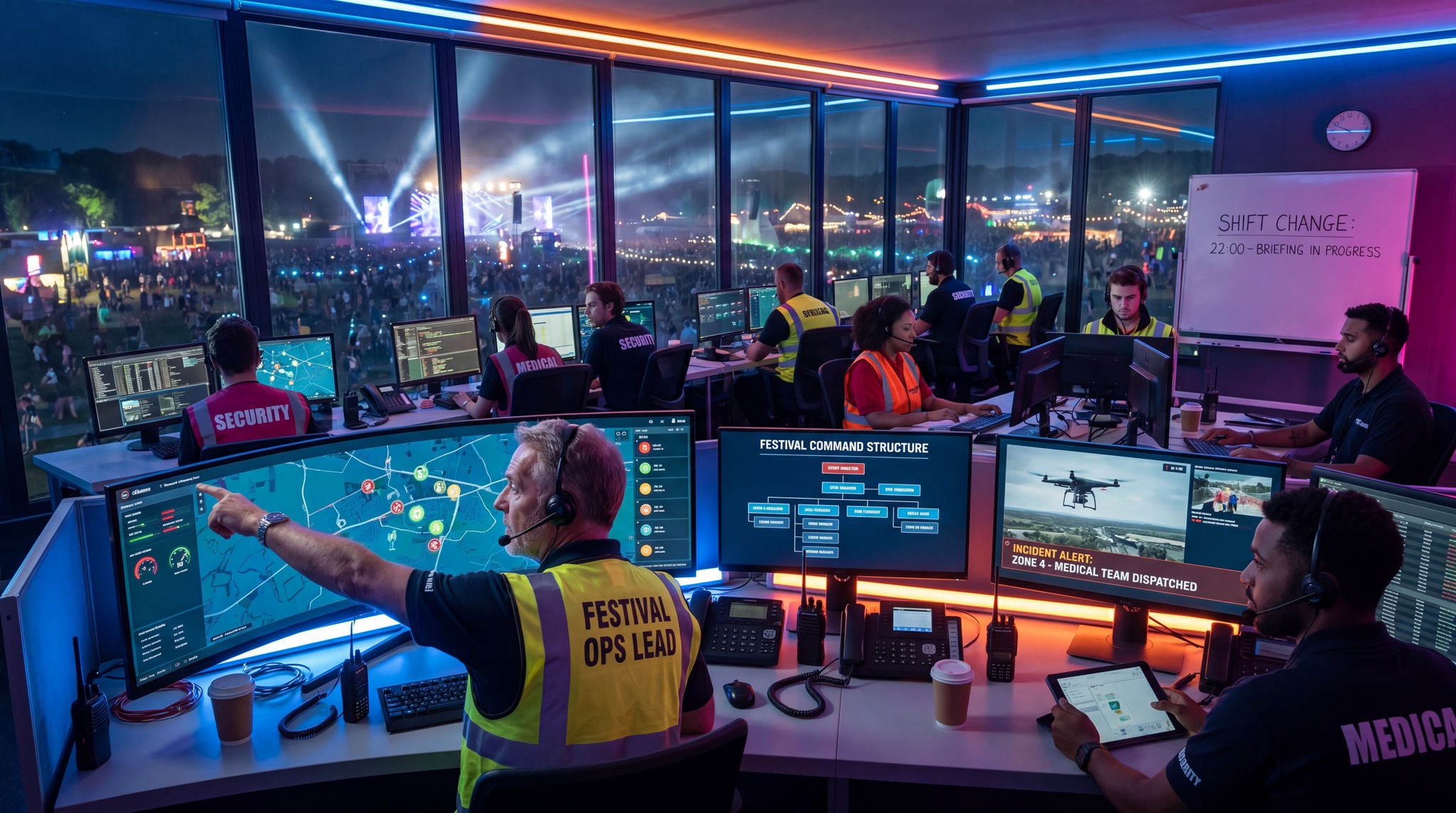
Even with the best planning, frictions may arise in the heat of a festival setup or show. This is where strong leadership makes the difference. Train your department heads and supervisors in basic conflict resolution techniques and equip them to handle union-related issues professionally. For example, a staging supervisor should know how to respond if a union steward raises a concern about a task assignment. The correct approach is to listen respectfully, consult the agreed scope of work or contract, and resolve the issue collaboratively – not to ignore it or respond with anger. Make sure supervisors understand the chain of command for labor issues: often, the union steward on-site is the point person for any union crew grievances. Establish a good working relationship between your festival’s production management and the union steward from day one. A quick daily check-in with the steward to ask, “Everything going okay with the crew?” can catch small issues before they escalate.
Accept Payments Across 13 Countries
Local currency processing via Stripe, Razorpay, Xendit, Paystack, and OXXO across 13 countries with region-specific payment methods.
Foster a problem-solving mindset among your leads. If a non-union volunteer inadvertently did a union crew’s task, a supervisor should immediately address it: apologize to the union crew, reiterate roles to the volunteer, and adjust procedures to prevent repeats. It’s about solving the problem, not blaming. By taking crew complaints seriously and acting fast, you show the whole team that fairness is a priority. Sometimes conflicts can stem from simple misunderstandings – different communication styles or cultural differences on an international crew. Encourage supervisors to be approachable, to mediate disputes calmly, and to seek common ground.
All supervisors should also be trained to document important labor information. This includes keeping accurate records of crew call times, hours worked, breaks taken, and any incidents or disputes that occur. Detailed documentation is your safety net if there’s a later disagreement over pay or if a union claims a contract violation. For instance, if a stage crew member feels they didn’t get their proper break, your records can confirm whether a break was offered and at what time. Encourage a culture of “if it isn’t written down, it didn’t happen.” In the moment, this might be as simple as a crew chief noting in a log, “12:30 PM – lighting crew break started (30 min)” and “1:00 PM – lighting crew back on duty.” Similarly, if a conflict or near-miss occurs, supervisors can jot down what happened and how it was resolved. These notes can be compiled in daily reports. Not only does this protect the festival legally, but it also helps identify patterns (for example, if multiple minor disputes are bubbling, you can address the root cause proactively).
Finally, consider running a pre-festival training session for all leads on union rules and conflict resolution. This might involve bringing in an HR professional or an experienced festival producer who has dealt with union environments. Role-play some scenarios – like a crew member refusing to do a task outside their scope, or two crew members arguing – and discuss the best resolutions. When the actual festival buildup is underway, your team leaders will then be confident and prepared to keep the crew motivated and unified. Remember, a peaceful crew that works in unison doesn’t happen by accident – it’s the result of informed leadership and a culture that nips conflict in the bud.
Conclusion: Proactive Planning for Labor Peace
Managing a mix of union and non-union personnel at a festival is a complex juggling act, but it’s one that can make or break your event. The difference between a smooth production and a chaotic one often comes down to respect and preparation. By mapping out jurisdictional rules early, you demonstrate respect for local labor practices. By planning blended teams with clear roles, you show respect for each person’s expertise and agreements. By budgeting realistic hours and honoring overtime and breaks, you respect the crew’s humanity and limits. And by training your leaders to handle conflicts, you respect the fact that issues will arise and must be dealt with professionally.
The most seasoned festival organizers around the world will tell you that harmonious labor relations are no accident. Avoiding strikes, grievances, or high staff turnover isn’t a matter of luck – it comes from the kind of diligent, thoughtful planning outlined above. Whether you’re producing a boutique festival in New Zealand or a massive multi-stage extravaganza in Los Angeles, these principles hold true. Treat your crew well and plan for the worst, and your event is far more likely to run at its best. In the end, a festival’s success isn’t just about headline artists or cutting-edge visuals – it’s also about the hardworking people backstage. Taking care of them and balancing their different statuses and needs is not just wise, it’s absolutely necessary. Labor peace is planned, not prayed for, and with the right approach, you can create a festival culture where every crew member is empowered to do their best work, together.
Frequently Asked Questions
How do festival organizers identify union labor requirements?
Organizers must research the local labor landscape and engage labor councils or union representatives before signing venue contracts. Many major venues and cities mandate union crews for specific tasks like rigging, lighting, or loading trucks. Identifying these jurisdictional rules early prevents budget overruns and scheduling conflicts.
How can festivals integrate union and non-union crews effectively?
Production management should create a scope-of-work document that clearly delineates tasks to avoid jurisdictional violations. Implementing a buddy system, where union leads pair with non-union counterparts, ensures safety standards are met while fostering respect. Joint orientations and inclusive language help blend the teams into a unified workforce.
What are standard overtime rules for union festival staff?
Union contracts typically define a standard workday as 8 hours, requiring 1.5x pay for overtime beyond that limit. Double-time pay often applies after 12 hours or during overnight shifts. Producers must budget for these specific rates and ensure realistic schedules to avoid excessive costs or crew burnout.
When are meal breaks required for union production crews?
Most union agreements mandate a meal break no later than five hours into a shift. Missing this deadline triggers hefty financial penalties, often requiring premium pay for every hour worked until a break is provided. integrating precise break times into the production schedule prevents these costs and ensures compliance.
How should festival supervisors resolve labor disputes on-site?
Supervisors should listen respectfully, consult the agreed scope of work, and resolve issues collaboratively with the on-site union steward. Training leaders in conflict resolution and maintaining detailed documentation of call times and incidents provides a safety net against grievances. Immediate, professional communication prevents small issues from escalating.
What is a union shadow in festival production?
A union shadow is a required local crew member hired to supervise or observe work performed by an outside vendor or non-union technician. This stipulation means the festival must pay for both the visiting team and the local union counterpart for the same task, significantly impacting the labor budget.
How do payroll systems handle the different startwork packets required for union and non-union crew?
Specialized entertainment payroll platforms segment onboarding documents automatically. Union packets require specific guild deal memos and benefit contribution forms, while non-union staff typically complete standard tax forms and independent contractor agreements. Keeping these workflows separate ensures compliance with both labor laws and collective bargaining agreements.
Can organizers use non-union event labor in heavily unionized cities like Chicago or Paris?
Yes, but it depends entirely on the venue and scope. While major arenas and municipal sites usually mandate union crews, private or independent venues might allow non-union event labor or a non-union production company. Organizers must verify venue contracts and local labor laws to avoid unexpected picketing or work stoppages.
What are common IATSE union rules festival producers should prepare for?
Producers working with the International Alliance of Theatrical Stage Employees must adhere to strict collective bargaining agreements. Common IATSE union rules include mandatory minimum call times (typically four to eight hours), specific turnaround periods between shifts to ensure adequate rest, and rigid meal break schedules. Failure to provide timely meals often triggers compounding financial penalties. Additionally, organizers must respect strict jurisdictional boundaries, meaning only designated union members can perform specific technical tasks like rigging or operating heavy machinery.