In the high-stakes world of festival sponsorship, how you treat your sponsors on-site can be the difference between a one-off deal and a lifelong partnership. Sponsors invest in festivals seeking brand exposure and goodwill; in return, they deserve an experience that makes them love being part of your event. Great sponsor hospitality isn’t about lavish excess – it’s about thoughtful, well-organized gestures that show respect, deliver value, and forge genuine connections. This advisory dives into practical ways festival producers worldwide can turn sponsor hospitality into an expression of brand love, ensuring sponsors feel valued and eager to sign on year after year.
Host Purposeful Behind-the-Scenes Tours and Moments
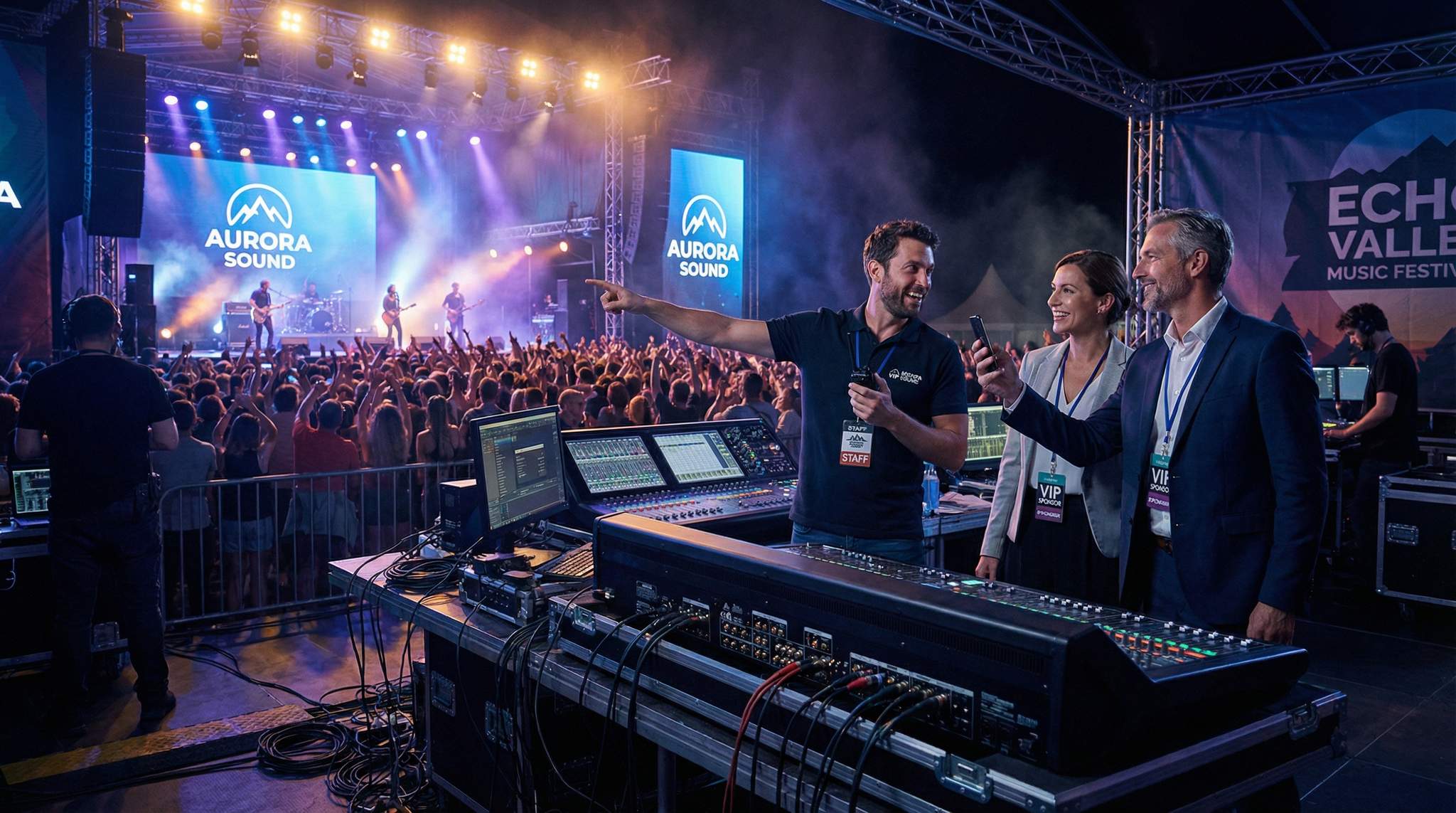
One key to winning sponsor hearts is offering concise, useful backstage tours and special moments that tie directly to outcomes. Rather than long, aimless walks, focus on showing sponsors exactly how their contribution is making an impact. For example, a quick guided tour of the main stage during soundcheck can highlight the state-of-the-art equipment their funding helped secure or the crowds gathering at the stage they sponsored. At large music festivals like Lollapalooza or Tomorrowland, festival organizers often escort sponsors to front-of-house mix towers or backstage control rooms, giving them a firsthand look at the coordination and technology behind the scenes. These glimpses are kept brief – 10 or 15 minutes – but packed with insights. Sponsors might meet the stage manager or lighting tech who can point out “This is where we monitor the live stream your brand is presenting.” By tying the tour to tangible outcomes (e.g. a busy stage they named, a safety operation they funded, or a unique fan activation they enabled), sponsors leave that tour feeling proud and embedded in the festival’s success.
Such meaningful access isn’t only for mega-festivals. Even a small boutique festival can craft a special backstage moment for a local sponsor. Imagine a food festival in Mexico giving its craft beer sponsor a quick behind-the-taps tour by the head brewer, or a film festival in France inviting a sponsor’s team to peek into the projection room to see how their sponsored equipment runs the show. The idea is to curate moments that say “You’re part of this magic.” Keep them short and sweet – sponsors are often busy or entertaining their own guests. A concise tour respects their time while still delivering a memorable, business-relevant experience.
Feed Them Well and Offer Comfort
The old adage “the way to someone’s heart is through their stomach” holds true for sponsors too. Quality catering and hospitality comforts go a long way in building positive feelings. Providing delicious food, refreshing drinks, and a comfortable space shows sponsors that you care about their well-being, not just their wallet. Many festivals set up dedicated sponsor lounges or hospitality suites stocked with local gourmet offerings or the sponsor’s own products for a personal touch. At international events – from a music festival in Australia to a tech festival in Singapore – festival organisers ensure that sponsor guests have access to hearty meals at convenient times, not just canapés and cocktails. For instance, during Glastonbury Festival in the UK, sponsors and VIP partners often enjoy meals prepared by reputed caterers, offering a taste of both comfort food and local cuisine. Such gestures not only satisfy appetites but encourage informal networking in a relaxed setting.
Free Tool: Size Your Festival Site
Zoned capacity planning for arena, campsite, parking and entry lanes — against UK Purple Guide and NFPA density standards. Finds your bottleneck zone.
Beyond food, think about overall comfort and convenience. Are there comfortable seats and shade available for sponsors to take a break? Festivals in hot climates like India’s Rajasthan desert events or Nevada’s Burning Man (which famously avoids commercial sponsors but nonetheless treats VIP guests with care) know the value of a cooling tent or a fan-misting area. If your festival is urban and indoors, perhaps a quiet lounge with sofas away from the crowd is the sanctuary sponsors will appreciate. Providing phone charging stations, secure storage for their belongings, and clean restroom access in the hospitality area all show a level of detail that spells respect. When sponsors are well-fed, comfortable, and refreshed, they’ll be in the best mindset to enjoy the event and discuss future business.
Another highly effective strategy is integrating your partners directly into the event’s infrastructure through branded bars and cocktail lounges. In the context of music festivals, operation sponsorship of these areas serves a dual purpose. Not only does it provide a high-visibility activation for the brand, but it also creates a built-in, premium hospitality zone where the sponsor can entertain their own VIPs. When a beverage or lifestyle brand takes ownership of a cocktail lounge, festival organizers can collaborate with them to ensure the space includes a private, gated section exclusively for their executives and top-tier clients. This seamless blend of public-facing marketing and private comfort is a major selling point when pitching sponsors for festivals.
Planning a Festival?
Ticket Fairy's festival ticketing platform handles multi-day passes, RFID wristbands, and complex festival operations.
Keep Schedules Realistic and Respect Their Time
Sponsorship hospitality should be engaging but not overbearing. A common mistake is packing the sponsor’s itinerary with endless activities, photo ops, and meetings – leaving them exhausted or annoyed. Seasoned festival producers understand that sponsors are often juggling business with pleasure during an event. It’s vital to keep schedules realistic, with ample downtime and flexibility. For example, if your festival runs all weekend, don’t expect sponsors to attend an 8 AM breakfast, a noon tour, a 3 PM rehearsal viewing, and a 7 PM dinner every single day. Instead, pick the most impactful engagements and space them out.
Build itineraries that prioritise quality over quantity. One concise backstage tour, one VIP networking lunch, and perhaps an evening reception or artist meet-and-greet can be plenty for a day. Leave room for sponsors to explore on their own or entertain their clients. For instance, at the Edinburgh Festival Fringe in Scotland, sponsors are given the freedom to explore shows at their leisure between scheduled hospitality moments – an approach that makes them feel like genuine attendees rather than chaperoned VIPs. Always communicate clearly about timings and stick to the schedule; if something will run late, have a liaison inform the sponsors promptly. Realistic scheduling shows you value their time. Hospitality that respects time – for example, ending a sponsor VIP reception before it becomes a drag – demonstrates professionalism and consideration, which sponsors will remember when renewal discussions come up.
Offer Prime Viewing Spots with Operational Insight
Sponsors naturally want to see the festival they’ve invested in at its best. Providing prime viewing areas (like a special VIP platform or reserved front-row seating) is standard, but take it a step further by choosing spots that also offer insight into festival operations. For instance, some music festivals seat sponsors at the front-of-house sound mixing area for a headliner show – a location that not only has a great audio-visual perspective but also sits next to the tech crew. From there, sponsors can observe the lighting cues, sound engineers at work, and the crowd’s reaction all at once. It’s an exciting vantage point that blends entertainment with a subtle peek into how the event is run.
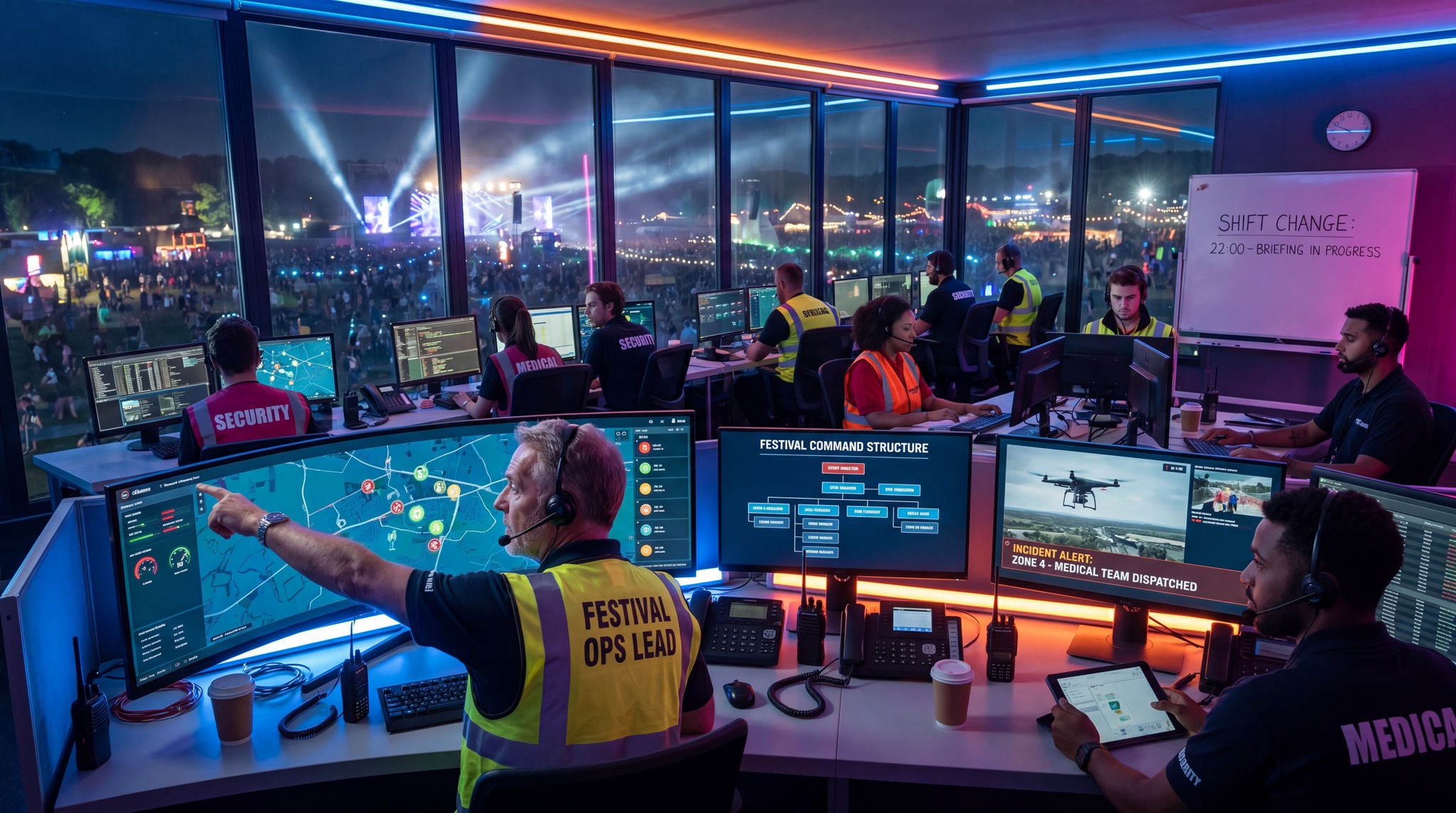
Another approach is to invite sponsors for a brief stay in the operations centre or command post during a relatively calm period. At major events like Canada’s Toronto International Film Festival (TIFF), key sponsors might visit the control room for a few minutes to watch staff coordinate line-ups and screenings across venues. Seeing the “mission control” of a festival can be eye-opening and assures sponsors that the team is competent and their brand is in good hands. In the music world, festivals like Ultra Singapore and Sunburn in India have wowed sponsors by taking them to the DJ stage wing or production pit during a performance, where they can feel the energy of the crowd while also noting the meticulous safety and technical efforts underway. Always ensure these experiences are safe and guided – a knowledgeable staff member should accompany sponsors and explain what they are seeing. By seating them where they can both enjoy the show and observe the professional execution, you turn a simple perk into an enlightening experience. Sponsors often come away impressed, saying things like “I had no idea how much work goes on behind the scenes – it makes us even prouder to be part of this.”
Free Tool: Project Your Bar Revenue
Per-head spend benchmarks by event type turned into projected bar and food revenue, with a stock-mix estimate and gross-margin line. Free calculator.
This strategy of exclusive vantage points is particularly relevant when structuring VIP access sponsorships for film festivals. Unlike music events with massive main stages, film festivals rely on intimate, high-stakes environments like premiere screenings, director Q&As, and exclusive after-parties. Organizers often wonder who sponsors VIP lounges or access at film festivals—typically, it is luxury automotive brands, high-end fashion labels, or premium beverage companies looking to align with cinematic prestige. By offering these specific festival sponsors dedicated access to talent green rooms or private balcony seating during a gala premiere, producers deliver a sophisticated hospitality experience that perfectly matches the sponsor’s high-end demographic.
Share Mid-Show Micro-Reports and Live Updates
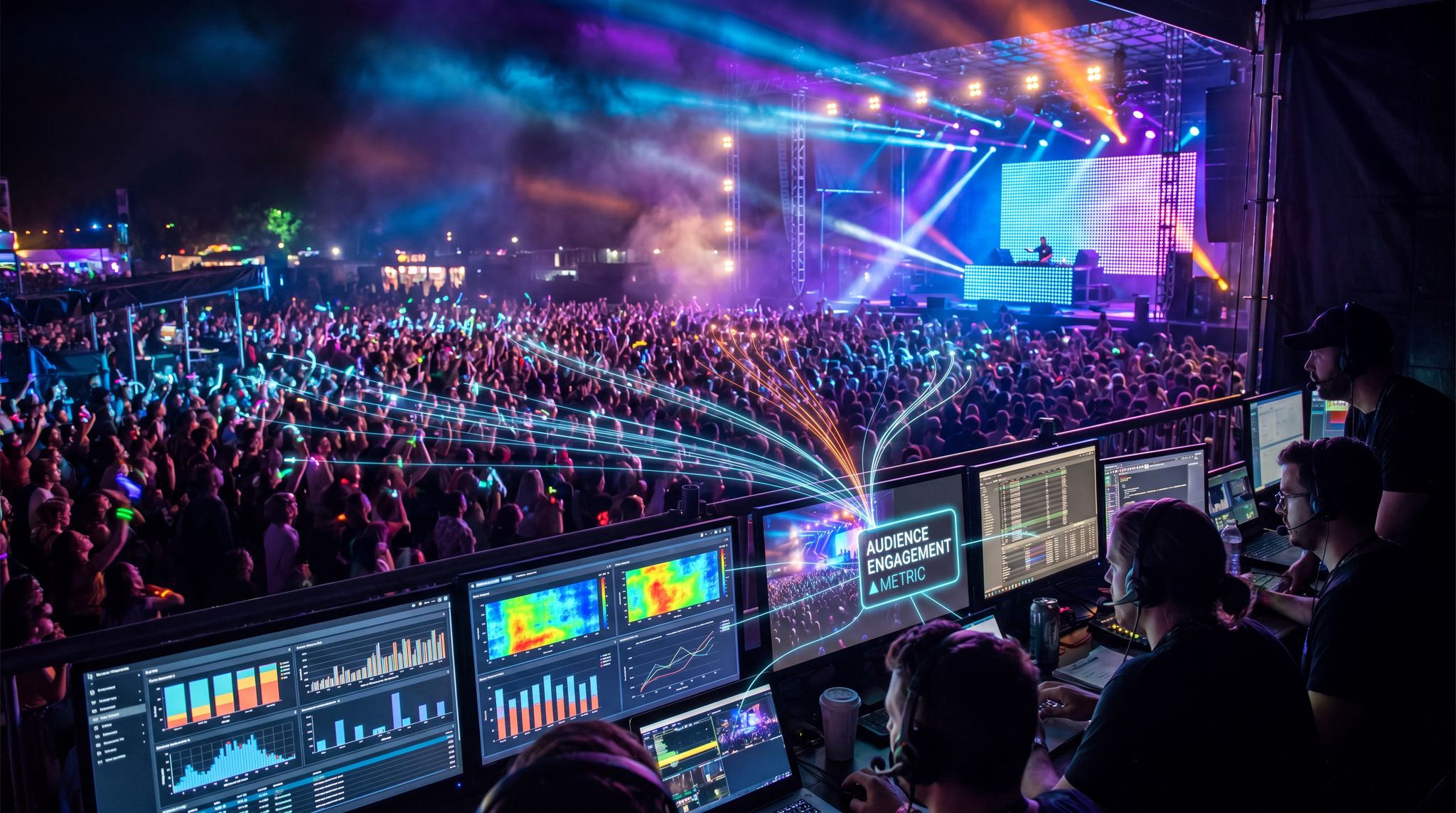
Don’t leave your sponsors guessing about how the event is faring – keep them in the loop with timely updates. During the festival, have your sponsor liaison or hospitality team share brief “micro-reports” with sponsors at key moments. These could be quick, digestible stats or anecdotes: for example, “By mid-afternoon we’ve hit 80% of ticket sales, on track for a record crowd,” or “The hashtag your brand launched is now trending #1 in the country.” Sharing such updates during the show serves two purposes: it demonstrates that you’re actively monitoring and steering the event, and it gives sponsors real data on their investment’s performance, a strategy emphasized by experts in building long-term relationships with festival sponsors. Sponsors want to feel confident that the festival is a success and that their partnership is yielding results – seeing you steer in real time builds that confidence.
Need Festival Funding?
Get the capital you need to book headliners, secure venues, and scale your festival production.
There are many ways to deliver these micro-reports without interrupting sponsors’ fun. Some festivals hand out a short printed update sheet during a sponsor lunch, while others use WhatsApp or SMS groups to ping major partners with live highlights (“Stage B sponsored by YourBrand is at capacity for the third time today!”). You might also have a dedicated point person swing by the sponsor lounge with a smile and a one-minute verbal update. The tone should be enthusiastic and transparent – if there was a hiccup (“a brief power outage occurred but our team resolved it in 90 seconds”), sharing that shows integrity and control. By keeping sponsors informed of both the wins and how you handle challenges, you make them insiders rather than outsiders. This inclusion strengthens their trust in your team. In the long run, a sponsor who feels consistently informed is more likely to return, as they’ve seen value delivered not just in a post-event report but in the moment.
Skip the Endless Step-and-Repeat
Everyone has seen those events where sponsors are marched from one photo op to another in front of branded backdrops – the dreaded “step-and-repeat” marathon. While a reasonable amount of public recognition is important (after all, sponsors do appreciate a shout-out and a good photo for their own PR), don’t overdo it. Sponsors will quickly tire of being treated like props for your event’s publicity if it eats up all their time. Instead of dragging them to every minor ribbon-cutting or press wall, be strategic. Arrange one or two high-value photo opportunities – for instance, a group photo with the headline artist or a ribbon-cutting at the most important installation they funded – and make it count. Ensure the photographers get their shots, thank the sponsors publicly in that moment, and then escort them back to enjoying the festival.
Beyond photos, consider how you acknowledge sponsors on-site in a way that isn’t tedious. Onstage thank-yous should be brief and well-timed (perhaps just before a big headliner set, a host can say “Special thanks to our sponsors who helped make this possible”). Many festivals also provide subtle perks like merchandise or personalised thank-you notes in sponsor goody bags instead of repeated public ceremonies. This way, sponsors feel recognised but not overwhelmed by repetitive gestures. Remember, the goal is to have them think “This festival really values us”, not “We spent half the day taking the same photo over and over.” By trimming the fat from your hospitality agenda – less time on perfunctory formalities, more on authentic engagement – you respect your sponsors’ time and enjoyment. When their time is respected, they’re far more likely to sign on the dotted line for next year.
Tailor the Experience to Festival Size and Sponsor Profile
One size does not fit all when it comes to sponsor hospitality. The approach should scale and adapt based on your festival’s size and the sponsor’s expectations. Small-scale festivals (think a local jazz weekend or a community food fair) might have sponsors who are local business owners or regional partners. In these cases, a personal touch goes a long way – perhaps the festival producer invites the sponsor for a casual coffee and site walk-around early in the day, or includes them in a volunteer thank-you dinner. The atmosphere is informal and family-like, and the sponsor becomes part of the festival community. For example, at a boutique indie film festival in New Zealand, organisers seated sponsors with the filmmakers at the after-party, blending hospitality with networking in a warm, low-key environment.
Turn Fans Into Your Marketing Team
Ticket Fairy's built-in referral rewards system incentivizes attendees to share your event, delivering 15-25% sales boosts and 30x ROI vs paid ads.
On the other hand, large-scale international festivals hosting big-name corporate sponsors will require a more structured hospitality program. Here you might deal with a sponsor’s marketing executives, their clients, and other guests – a diverse group that expects professional-level hosting. Create a schedule with flexible options: a guided tour for those interested, a lounge for those who prefer to relax, and short meet-and-greet windows with festival directors or artists for VIPs. In large events like Coachella or Tomorrowland, sponsors often have their own VIP suites or branded viewing areas. The festival’s job is to facilitate their access smoothly, provide concierge-like support (e.g. arranging shuttles or fast-track entry), and still find moments of personal connection (perhaps the festival CEO stops by to say hello, or the sponsors receive a custom souvenir reflecting the event’s theme). Adjust your hospitality game to fit the culture too – a sponsor from Japan might appreciate a more formal greeting and exchange of business cards, whereas a sponsor from California might prefer a relaxed, first-name-basis interaction. By tailoring hospitality to the context, you show cultural savvy and personal consideration, deepening that brand love across borders.
Securing Sponsorship for Cultural Events
While mega music festivals often attract massive beverage and tech brands, securing sponsorship for cultural events requires a slightly different approach. Heritage festivals, art biennials, and community celebrations thrive on alignment with brands that prioritize corporate social responsibility (CSR) and community engagement. When hosting a cultural event, your hospitality strategy should emphasize deep, meaningful interactions rather than flashy VIP parties. Invite prospective backers to intimate panel discussions, private gallery viewings, or meet-and-greets with local artisans. By showcasing the community impact and educational value of the gathering, organizers can forge strong festival partnerships with civic-minded corporations, regional banks, and philanthropic foundations looking to invest in local culture.
Once these civic-minded partners are on board, delivering tailored on-site care is crucial. For instance, at a regional heritage festival or a city-wide art biennial, organizers might arrange a private, guided walkthrough with the lead curator before the gates open to the public. Providing a quiet, culturally immersive hospitality lounge—perhaps featuring locally sourced refreshments and acoustic performances—allows these backers to entertain their own stakeholders in an environment that reflects their CSR goals. This level of thoughtful integration proves that their investment is actively enriching the community, making renewal conversations much smoother.
Training Your Team for Flawless Festival Sponsorship Execution
Delivering top-tier hospitality requires more than just a good plan; it demands a well-trained on-site team. Every staff member interacting with a festival sponsor—from the gate security to the VIP lounge concierge—must understand the value these partners bring to the event. Organizers should conduct pre-event briefings detailing who the key backers are, what their specific festival sponsorship entails, and how to handle their requests efficiently. When a brand representative arrives, a seamless check-in process and a dedicated liaison can set a positive tone for the entire weekend. Empowering your staff to anticipate the needs of sponsors for festivals ensures that the hospitality feels organic and attentive, rather than forced or disorganized.
Success Stories: When Hospitality Seals the Deal
It’s worth noting how effective sponsor hospitality can directly lead to sponsorship successes. Many veteran festival organisers can share stories of sponsors who increased their support or renewed multi-year deals because of the extra-mile hospitality. For instance, the Montreal Jazz Festival has retained a major banking sponsor for over a decade; festival insiders credit this partly to how sponsor executives are treated each year – from a private jazz brunch with artists, to receiving mid-event reports highlighting how many attendees visited the sponsor’s activation tent. In another case, Electric Daisy Carnival (EDC) in Las Vegas managed to upsell a tech sponsor to a multi-festival tour package after impressing their team with a behind-the-scenes look at the festival’s innovative stage designs and a stress-free VIP experience on-site. These anecdotes underline a clear lesson: when sponsors feel truly valued and see tangible proof of their impact, it creates loyalty.
However, there are also cautionary tales. A food and wine festival in California once lost a longtime sponsor because, over the years, the sponsor team grew frustrated with disorganised hospitality – they were often left waiting for credentials, given no clear schedule, and largely ignored after their onstage thank-you. This shows that even a great festival can falter if it takes sponsors for granted during the event. The next festival down the road, hearing of this misstep, eagerly scooped that sponsor up by promising a better experience. The cost of poor hospitality is high, but the rewards of excellent hospitality are even higher. Not only do sponsors return, but they also become your advocates – sharing positive experiences with other potential sponsors and even with the media. A sponsor who loves your festival brand will organically promote it, saying things like “We’re proud to support that event; they really know how to treat partners right.” In short, hospitality can make the difference between a transactional sponsorship and a true partnership.
Data-Driven Event Marketing
Track ticket sales, demographics, marketing ROI, and social reach in real time. Exportable reports give you the insights to make smarter decisions.
Transitioning from a Festival Sponsor to Long-Term Partnerships
The ultimate goal of exceptional on-site hospitality is to convert a single-year festival sponsor into a multi-year collaborator. True festival partnerships are built when brands feel their operational needs and marketing objectives are deeply understood by the event production team. Instead of treating backers as mere revenue sources, successful promoters integrate them into the planning process year-round. Use the goodwill generated during the event to schedule post-festival debriefs, where you can collaboratively design next year’s activations. When a brand transitions from a transactional buyer of sponsors for festivals inventory to a strategic partner, they become invested in the long-term growth and sustainability of your property.
Evaluating Sponsor Hospitality Package Offerings
Before finalizing your pitch decks for the upcoming season, take time for evaluating sponsor hospitality package offerings from the previous year. Festival sponsoring has evolved; brands no longer settle for generic VIP wristbands and a logo on a banner. Organizers must audit their hospitality assets to ensure they are delivering measurable value. Ask your team: Did the sponsor actually use their allotted backstage passes? Was the catered lunch conducive to their networking goals? By reviewing post-event feedback and analyzing which hospitality perks drove the highest satisfaction, you can refine your packages. Tailoring these offerings ensures that when you approach a prospective festival sponsor, you are presenting a curated, high-value experience rather than a one-size-fits-all list of amenities.
To effectively assess these assets, many seasoned producers implement a post-event scoring matrix. This involves tracking the utilization rates of premium perks—such as how many guests actually visited the branded bars or utilized the dedicated concierge. You should also conduct brief debrief interviews with each festival sponsor to gauge their qualitative satisfaction. Did the environment facilitate meaningful B2B networking for their executives? Were the sightlines from their reserved viewing platforms adequate? By systematically reviewing these data points, organizers can eliminate underperforming benefits and double down on the high-impact touchpoints that truly drive renewal rates.
Streamlining Sponsor Access with Integrated Guest Management
Delivering a flawless VIP experience starts long before your partners arrive at the gates. To ensure seamless credentialing and personalized service, organizers increasingly rely on advanced event technology. Partnering with the best festival ticketing companies with integrated hospitality and on-site guest management allows production teams to automate sponsor ticket allocations, track VIP arrivals in real time, and manage exclusive access zones without friction. When a brand decides to sponsor a festival, the last thing their executives want is to be stuck in a disorganized will-call line. By utilizing robust ticketing platforms that offer dedicated guest list features, promoters can instantly notify their hospitality liaisons the moment a key festival sponsor scans their credential. This technological integration ensures that your team is always ready to greet high-value partners with a white-glove reception, elevating the overall brand experience and setting the stage for future renewals.
Targeting Brands Accustomed to Sponsoring Festival Environments
When building your outreach strategy, it pays to research brands that already have a track record of sponsoring festival properties. A company that frequently acts as a festival sponsor understands the unique dynamic of live events and often comes with established expectations for on-site hospitality. For example, organizers can learn a lot by analyzing companies sponsoring film festival VIP experiences. These luxury and lifestyle brands expect white-glove service, private networking enclaves, and high-touch touchpoints that go far beyond standard logo placement. By studying how seasoned brands execute their activations at top-tier events, promoters can reverse-engineer their own hospitality offerings. Pitching to companies that are already comfortable sponsoring a festival means your team must be ready to deliver a sophisticated, frictionless experience that matches their premium standards.
Curating High-End Assets for Luxury Brand Partners
When targeting companies sponsoring film festival VIP experiences, organizers must recognize that these premium brands evaluate partnerships differently than mass-market consumer goods. High-end fashion houses, luxury automakers, and top-tier spirits brands are primarily interested in exclusivity and brand alignment. To attract these specialized backers, producers should design bespoke hospitality assets such as private tasting rooms, secluded talent green rooms, or invitation-only gala dinners. By offering highly controlled, aesthetically pristine environments, organizers provide the perfect backdrop for these sponsors to entertain their ultra-high-net-worth clients and celebrity guests, ensuring the partnership delivers the prestige they require.
Smooth Entry With Mobile Check-In
Scan tickets and manage entry with our mobile check-in app. Supports photo ID verification, real-time capacity tracking, and multi-gate coordination.
Structuring Film Festival Sponsorship Packages with VIP Hospitality
When designing film festival sponsorship packages, VIP hospitality should be the cornerstone of your top-tier offerings. Unlike mass-market events where volume is the primary metric, cinematic gatherings rely on exclusivity and high-touch experiences to attract luxury brands. To build a compelling proposal, organizers must bundle premium assets that allow backers to entertain their own elite clientele. This means moving beyond standard logo placement and offering tangible, high-value perks such as private screening rooms, reserved seating at gala premieres, and exclusive access to talent green rooms. By embedding dedicated concierge services and invitation-only after-party access directly into your sponsorship tiers, you create a turnkey solution for brands looking to host ultra-high-net-worth guests in a sophisticated environment.
Aligning Hospitality with Sponsor Festival Objectives
Every brand that decides to sponsor a festival comes with specific corporate objectives, whether that is B2B client entertainment, consumer brand awareness, or product sampling. Your hospitality strategy must align directly with these goals. For instance, if a company is focused on B2B relationship building, offering them a loud, crowded VIP tent might backfire. Instead, providing a quiet, climate-controlled suite or a private dinner with the festival director will yield much better results. When festival sponsoring is treated as a bespoke partnership rather than a rigid menu of assets, organizers can craft environments that actively help partners close their own business deals on-site.
Leveraging Hospitality to Attract New Sponsors for Events
Word of mouth travels fast in the corporate marketing world. When you deliver an exceptional on-site experience, your current partners become your best advocates for attracting new sponsors for events. Brand managers frequently network with their peers across different industries, sharing insights on which properties deliver the best return on investment and the most seamless VIP treatment. By building a reputation for flawless execution and premium care, festival organizers can leverage these testimonials in future pitch decks. Prospective corporate partners are far more likely to sign on when they know an event producer has a proven track record of treating their financial backers like true VIPs, rather than just walking ATMs.
Frequently Asked Questions About Festival Sponsorship Hospitality
Who typically provides VIP access sponsorships for film festivals?
When securing partners for high-end cinematic events, organizers often look to luxury automotive brands, premium beverage companies, high fashion labels, and exclusive travel concierges. These companies provide VIP access sponsorships for film festivals because their target demographics align perfectly with the affluent, influential attendees found in director’s lounges, gala premieres, and private after-parties. Securing these deals requires pitching bespoke hospitality assets rather than standard logo placements.
How do VVIP access sponsorships differ from standard VIP packages?
While standard VIP tiers offer premium seating and dedicated entry lanes, VVIP access sponsorships for film festivals and mega-events cater to ultra-high-net-worth individuals, celebrities, and top-tier corporate executives. VVIP hospitality involves white-glove services such as private chauffeur golf carts, dedicated concierge liaisons, secluded viewing suites, and closed-door meet-and-greets with headline talent or directors. Organizers must ensure these VVIP zones remain strictly gated to preserve the exclusivity that high-level sponsors demand.
What is operation sponsorship in the context of music festivals?
Operation sponsorship occurs when a brand underwrites or takes ownership of a specific functional area of the event’s infrastructure. A prime example is branded bars and cocktail lounges at music festivals. Instead of just placing a banner near a generic bar, a liquor or lifestyle brand fully designs, builds, and operates the lounge. This provides the festival with essential infrastructure and revenue, while giving the sponsor a highly visible, immersive activation space where they can also host their own B2B clients in a premium setting.
How should organizers go about evaluating sponsor hospitality package offerings?
Producers should evaluate their hospitality assets by analyzing both utilization data and direct partner feedback post-event. Key metrics include the redemption rate of premium passes, attendance at exclusive networking mixers, and the overall satisfaction of the brand’s VIP guests. Conducting a formal debrief allows organizers to identify which perks delivered genuine ROI and which fell flat, enabling them to refine and customize future proposals for prospective partners.
How does on-site hospitality help secure future sponsors for events?
Exceptional on-site hospitality acts as a live case study of your event’s professionalism. When prospective brand partners attend as guests or hear glowing reviews from current backers, they see firsthand how your team handles logistics, VIP care, and brand integration. This tangible proof of competence builds trust, making it significantly easier to pitch and secure high-level sponsors for events in subsequent years.
How does sponsorship for cultural events differ from music festivals?
Securing sponsorship for cultural events typically involves targeting brands focused on community impact, corporate social responsibility, and local heritage. Unlike music festivals that often rely on high-energy activations and massive consumer reach, cultural gatherings benefit from intimate hospitality experiences—such as private art viewings or artisan meet-and-greets—that highlight the event’s educational and civic value. This approach helps build sustainable festival partnerships with philanthropic organizations and regional businesses.
What role does a dedicated liaison play in festival sponsorship hospitality?
Assigning a dedicated liaison is one of the most effective ways to elevate the on-site experience for a festival sponsor. This staff member acts as a single point of contact, handling everything from credential troubleshooting to escorting executives to prime viewing areas. Having a dedicated point person eliminates friction, ensuring that the brand’s representatives can focus on networking and enjoying the event rather than navigating logistical hurdles.
What operational standards do companies sponsoring film festival VIP experiences expect?
Brands investing in premium cinematic events expect flawless, white-glove execution that mirrors their own high-end customer service. Organizers must provide dedicated concierge staff, seamless credentialing, private transportation logistics, and strictly enforced access control for VIP areas. These companies require an environment where their top-tier clients and celebrity guests can network discreetly, meaning the operational focus must be on privacy, comfort, and aesthetic perfection rather than high-volume foot traffic.
How can ticketing platforms improve on-site guest management for sponsors?
Utilizing advanced event technology—specifically platforms that combine robust ticketing with dedicated VIP and guest list features—allows organizers to seamlessly issue credentials, track arrivals, and manage exclusive access zones. These integrated systems eliminate will-call bottlenecks and provide real-time data to your hospitality liaisons, ensuring that every festival sponsor receives a prompt, personalized welcome the moment they step onto the grounds.
What should be included in film festival sponsorship packages to ensure premium VIP hospitality?
To attract luxury brands, film festival sponsorship packages must feature VIP hospitality elements that prioritize exclusivity and comfort. Organizers should include assets like dedicated concierge liaisons, reserved balcony seating at major premieres, private tasting lounges, and guaranteed entry to closed-door talent events. Bundling these high-touch experiences ensures that sponsors can seamlessly entertain their own elite clients, making the investment highly attractive to premium lifestyle and automotive brands.