Scaling fan conventions from a cozy 2,000-person gathering into a 100,000-attendee mega-event is both thrilling and daunting. On one hand, more fans mean bigger guest stars, expansive programming, and increased revenue opportunities. On the other, rapid growth can strain logistics and risk losing the intimate community vibe that made the convention special. The good news: many fan events have successfully made this leap by planning carefully and prioritizing fan experience. It is possible to grow convention attendance dramatically without sacrificing the magic – but it requires veteran insight and strategic scaling at every step.
Fan conventions have exploded into the mainstream in recent years, with attendance surging at major events around the world. For example, Dragon Con in Atlanta started with just 1,200 attendees at an Atlanta hotel in the late ’80s and now draws over 65,000 fans across five downtown hotels each year – bringing an $80 million boost to the local economy. New York Comic Con has surpassed 200,000 attendees in 2023, even overtaking San Diego Comic-Con’s ~150,000 as the largest comic convention in North America. These events grew exponentially over decades, learning hard lessons along the way. In this guide, we’ll explore how to replicate that success in 2026 and beyond, scaling your fan convention without losing operational sanity or the close-knit feel that attendees cherish.
Expect practical strategies earned through experience: how to expand programming and guest lineups as crowds grow; when to upgrade venues (or add new ones) to handle the masses; ways to recruit and organize a volunteer army; technology tools to streamline everything from ticketing to crowd communication; and tactics to keep fan communities engaged and happy even as the event balloons in size. We’ll spotlight real examples of conventions that navigated growth expertly – and cautionary tales of those that stumbled. Whether you’re growing a fan convention for comics, anime, gaming, sci-fi, or all of the above, these insights will help you scale up while keeping the magic alive.
Laying the Groundwork to Grow Convention Attendance
Setting a Scalable Vision and Pace
Growing a fan convention successfully starts with a clear vision and realistic pacing. Organizers should decide early on why they want to scale up. Are you aiming to become a multi-genre pop culture expo, or to remain focused on a niche fandom while welcoming more people? Having a north-star vision helps guide which opportunities to pursue and which to decline as you expand. Convention veterans recommend creating a multi-year growth roadmap – for example, targeting a 15–20% attendance increase per year rather than a sudden jump from 2,000 to 10,000 in one go. Gradual growth allows your team to learn and adjust in stages, preventing attendee experience from collapsing under too-steep a climb. As one con organizer put it, “scale responsibly – you want each year’s attendees to leave excited for more, not vowing never to return.”
It’s also wise to study how similar events grew. Look at attendance trends for comparable cons in your region or genre. If local anime and comic conventions have been growing 10% annually, that’s a reasonable benchmark for your event’s natural growth without overreach. Some conventions even cap attendance in certain years to protect the fan experience, a strategy used by events like Anime NYC and others to avoid overcrowding when a venue hasn’t caught up. The goal is to build momentum year over year – but not at the expense of long lines, safety hazards, or a loss of charm. By pacing growth, you can scale up excitement and infrastructure in tandem.
Community-Building and Word-of-Mouth Marketing
In the early stages, nothing beats fan-driven marketing to grow convention attendance. Your existing attendees are your best ambassadors. Tapping into this through referral incentives and community engagement can boost numbers significantly without huge ad spends. For instance, launching a fan convention referral program can turn passionate attendees into a street team for your event. Many cons have seen attendance jump 15–25% by empowering fans to spread the word. Simple tactics like giving a discount or exclusive pin for every friend referred can multiply your reach. (One 2022 fan expo generated over $100,000 in extra ticket sales by rewarding superfans who recruited others.) Organizers can leverage social media challenges, con-specific hashtags, and “bring a friend” campaigns to amplify the FOMO and excitement.
Ready to Sell Tickets?
Create professional event pages with built-in payment processing, marketing tools, and real-time analytics.
Beyond referrals, invest in year-round community building so that your convention’s fanbase grows in tandem with the event. This might mean hosting an official Discord or Facebook group, running mini meetups or online panels between annual events, and featuring fan art or cosplay spotlights on your blog. Engaging media and influencers can help as well – e.g. inviting popular cosplayers or content creators to be guests, which brings their followers to your con. Just be sure any promotional push is matched by operational readiness. Successful organizers align their marketing with capacity; they’ll open up more badge batches only when additional venue space or staff are secured. The worst outcome is to over-hype and oversell beyond what your con can handle (as the ill-fated TanaCon learned when thousands showed up to a venue built for a few hundred). By growing your audience organically and scaling operations in lockstep, you set a strong foundation for sustainable expansion.
Expanding Programming and Guest Lineups
Diversifying Content Tracks as You Scale
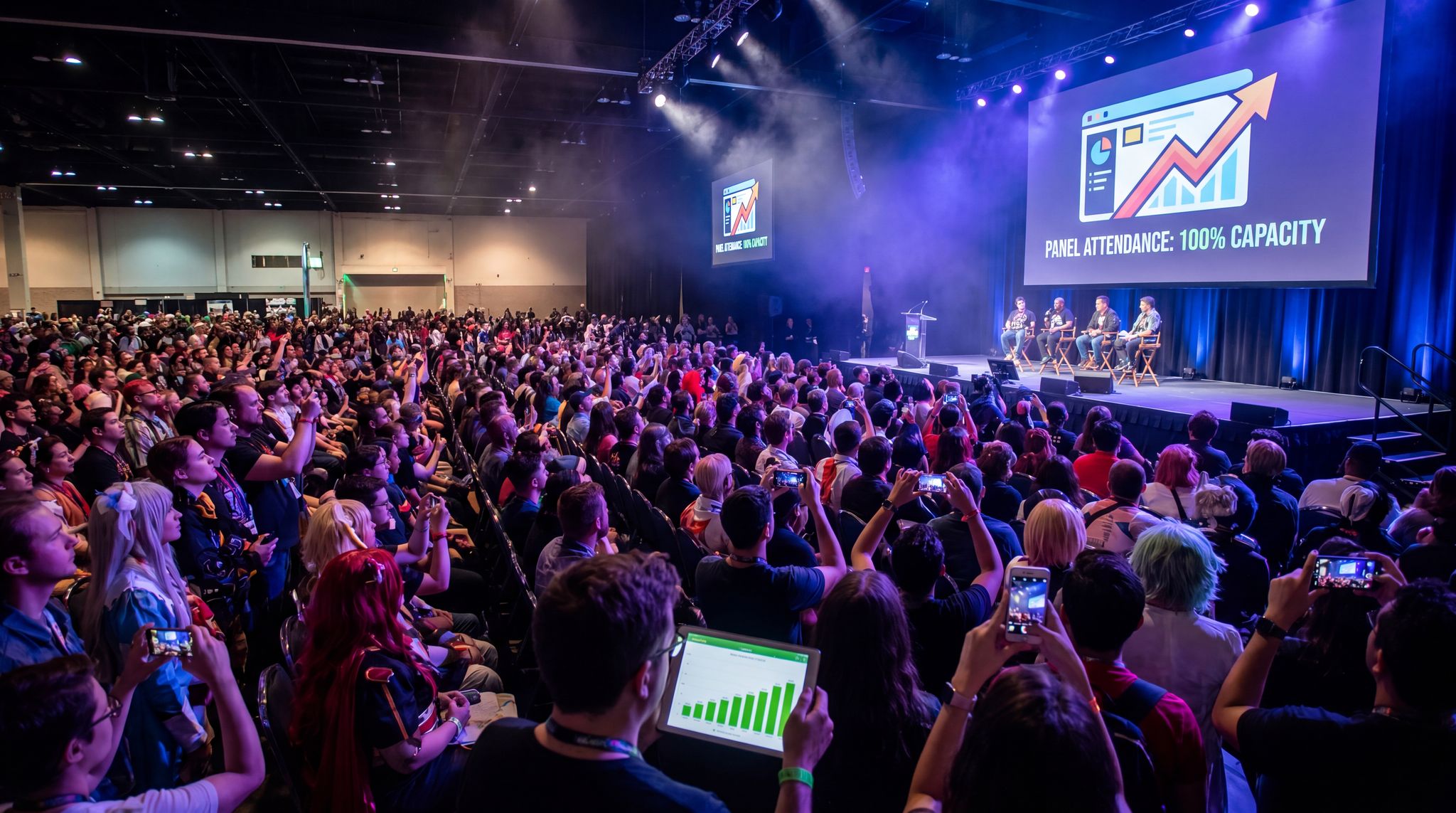
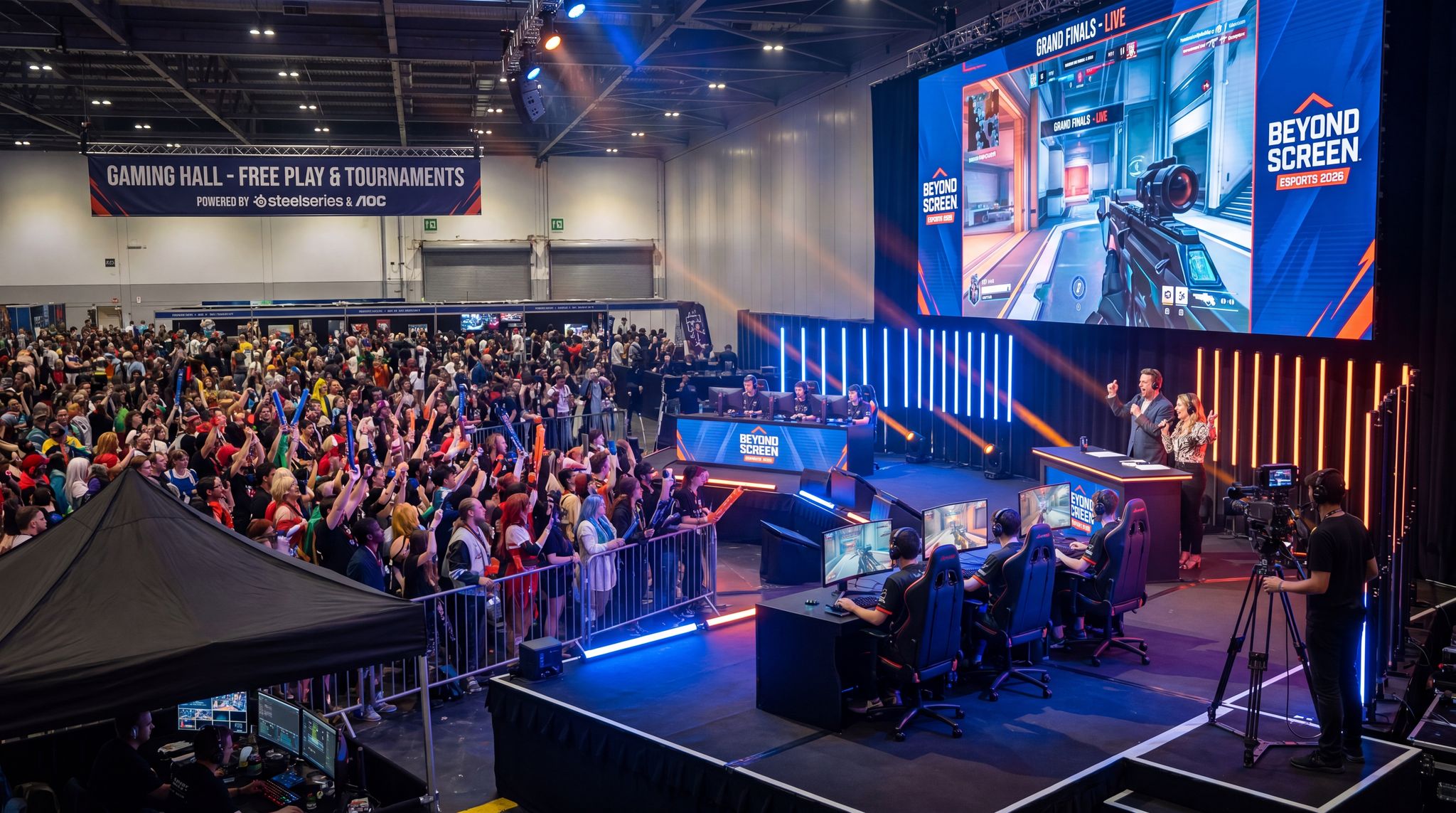
One of the biggest appeals of a larger convention is the sheer variety of programming on offer. To grow from a handful of panels to a packed schedule spanning multiple stages, start by diversifying your content tracks. For example, a small 2,000-person anime con might have had one main events room and two panel rooms; a 50,000-person version could support dedicated tracks for anime, manga, cosplay, gaming, K-pop, and more, each running simultaneously. Look at what adjacent fandom interests your attendees have and gradually introduce new tracks to broaden the event’s scope. Many conventions cross-pollinate genres as they grow – a comic con might add an esports gaming arena, an anime con might introduce an artist alley and science-fiction panels. These additions attract new attendee segments and justify a higher ticket price, while keeping core fans entertained rather than stuck in one overcrowded room.
Managing an expanded programme requires tools and strategy. Scheduling becomes an art form at scale – you’ll be coordinating dozens (even hundreds) of panels, screenings, workshops, and performances across multiple days. It helps to bring on a dedicated programming team or use scheduling software to organise time slots and avoid major content overlaps that frustrate fans. Some large cons even repeat especially popular panels or run encore screenings later in the weekend so more people can experience them. As attendance grows, consider tiered access or reservations for high-demand content. For instance, San Diego Comic-Con’s famous Hall H film studio panels require overnight wristbands to manage the massive lines, and some big conventions use online lotteries or pre-registration for panels to fairly allocate limited seats. The larger your event, the more you need structured systems like this to keep programming accessible and avoid endless queues.
Real-world case studies show the value of proactive programming expansion. New York Comic Con, upon hitting around 100,000 attendees, didn’t just add more panels – it spread them across the city. By 2018, NYCC was hosting over 420 panel sessions across seven venues (the Javits Center plus six nearby sites like Madison Square Garden). This multi-venue approach allowed a wider variety of content (comics, TV, anime, gaming, etc.) without overcrowding one building. It also meant creating a robust shuttle and scheduling system to coordinate sessions and attendee movement between locations. The takeaway: more attendees = more interests to satisfy. Expanding your content offerings in a thoughtful, organised way lets a 100,000-person con feel like several great smaller cons under one roof, where each fan can find their niche.
Managing Bigger Guest Rosters (Without the Drama)
As conventions scale up, so do their guest lineups – and the complexity of managing them. A small con might feature a few local artists or voice actors who mix freely with fans. A mega-con will host A-list celebrity actors, directors, pro gamers, bestselling authors, and beyond. To attract marquee names that draw crowds, be prepared to negotiate appearance fees and logistics months in advance. Top-tier Hollywood talent may charge anywhere from $25,000 to $250,000+ for a convention appearance, plus travel, lodging, and per-diems. It’s critical to budget for these fees (and perhaps secure sponsors to underwrite them) before you promise a huge guest. Knowing the tiers – e.g. TV stars vs. film stars vs. internet influencers – will help set realistic expectations for who you can afford at each growth stage. Some big conventions use a mix: a few headline celebrities to drive buzz, supported by many mid-tier guests (comic artists, voice actors, authors, niche icons) that collectively appeal to diverse fandoms.
Large guest rosters also mean you’ll need a professional guest relations team. Assign experienced handlers or liaisons to each VIP guest to manage their schedules, assist with queues, and enforce their contract terms (like no off-schedule autographs, or limits on personal photo-taking). Create a detailed green room and panel schedule for all guests – at 2,000 attendees you could get by with a casual approach, but at 50,000+, any missed communication can lead to a panel with no panelists or a frustrated star who didn’t realize fans would mob them on the show floor. Treat your guests well with clear itineraries, private backstage areas, and smooth transportation; in return, they’ll be more likely to return and give fans a great experience.
Grow Your Events
Leverage referral marketing, social sharing incentives, and audience insights to sell more tickets.
Another key is structuring autograph and photo op sessions as you scale. In small events these can be informal, but in huge cons they become major undertakings. Consider using separate ticketed autograph sessions for the most famous guests to control the demand (fans either purchase a limited autograph ticket or enter a raffle). This not only manages lines but can offset high appearance fees. Ensure you have line caps and overflow plans – nothing enrages attendees like waiting three hours only to be turned away. Use line staff or virtual queue systems to give real-time updates (“the Mark Hamill signing is now full”) so people can enjoy other activities instead of standing in a hopeless queue. By taking a page from veterans – such as understanding how major cons negotiate celebrity contracts and schedule signings – you can avoid common pitfalls. The larger your convention grows, the more your guest operations should run like a well-oiled machine, with clear rules, plenty of staff, and contingency plans for everything (including inevitable last-minute guest cancellations). Pull it off and your attendees will rave about meeting their heroes without chaos – a hallmark of a big convention that hasn’t lost its fan-first charm.
Upgrading Venues, Logistics, and Crowd Flow
Finding the Right Venue (or Venues) for Each Stage
Your venue is arguably the single biggest factor in how large your convention can grow. Many fan events originate in modest venues – perhaps a university hall or hotel ballroom that comfortably holds a couple thousand people. As attendance pushes past that threshold, you’ll face a major decision: expand or move. Some conventions take an interim step of adding an extra day (spreading 5,000 attendees over three days instead of two, for example) or using overflow space at adjacent facilities. But eventually, to hit 10,000, 20,000, or 100,000 attendees, you need significantly more square footage and likely a purpose-built convention center.
When upgrading venue, think long term. If you’ve outgrown a 30,000 sq ft venue, don’t jump to just a 50,000 sq ft one if projections show you’ll hit capacity again in two years. It might be better to move into a major convention center or exhibition hall that offers room to grow over 5–10 years. Also consider geography – will relocating to a bigger city bring in more fans and guests, or alienate your original community? Some cons solve this by spreading across multiple venues in the same city instead of one giant hall. For example, as mentioned, New York Comic Con utilizes the main Javits Convention Center plus satellite theaters and event halls for special programming. Dragon Con in Atlanta takes over five large hotels within a few blocks, effectively creating a walkable “campus” of different themed venues (sci-fi in one hotel, gaming in another, etc.). This multi-venue strategy can preserve a close-knit feel by breaking the mega-event into distinct zones, though it requires tight coordination and clear attendee guidance.
Whichever route you choose, work closely with venue management and city officials as your crowd grows. Security and safety regulations become more intensive at high capacities – you’ll need to adhere to fire marshal limits for each room, plan for crowd control in common areas, and possibly hire professional security firms or off-duty police for traffic and safety. Large convention centers often require using union labour for tasks like booth setup or rigging, which adds cost and complexity. Additionally, major venues book out far in advance (sometimes years), so secure your future dates early. The logistics of load-in/load-out also scale up – moving 100 vendor booths and 5,000 attendees is one thing, but moving 500 booths and 100,000 attendees through loading docks, elevators, and escalators demands a detailed plan and experienced crew. The bottom line is space enables growth: give yourself the capacity, then scale into it with strong operations. Skimp on space and the fan experience will quickly suffer from overcrowding.
To illustrate, here’s a snapshot of how key metrics might scale when a convention grows from 2,000 to 100,000 attendees:
| Metric | Small Fan Con (?2,000 attendees) | Mega Fan Con (?100,000 attendees) |
|---|---|---|
| Venue Size | Hotel ballroom or campus hall (?2,000 m²) Single location |
City convention center (?50,000+ m²) plus overflow venues Multiple locations |
| Programming Tracks | 2–3 tracks (anime screenings, panels, etc.) | 15+ tracks spanning genres (panels, screenings, gaming, workshops, etc.) |
| Featured Guests | 3–5 guests (local creators, niche celebs) | 50+ guests (A-list actors, creators, industry panels across fandoms) |
| Exhibitors & Artists | ~30 vendor/artist tables (local shops, fan art) | 300+ exhibitors (major brands, merch companies, artists alley, fan clubs) |
| Volunteers & Staff | ~30 volunteers, all part-time Core team of 5 organisers |
800–1,000+ volunteers across departments Professional staff leads for ops, security, AV, etc. |
| Budget (Operating Costs) | Approx. $50,000 (venue, basic A/V, guests, marketing) | $5–10 million+ (large venue rental, pro A/V & staging, star guests, extensive marketing) |
| Hotel Room Blocks | None or informal (attendees book on their own) | Official room blocks at 5–10 hotels; travel partnerships for attendees (discounted rates, shuttles) |
| Badge Types | General admission only; simple paper badges | Tiered badges (single-day, weekend, VIP, premium experiences); RFID or QR-coded badges for scanning |
(Metrics above are illustrative; actual figures vary by event.)
As shown, a 100k-attendee convention operates on a different magnitude entirely. Yet, if managed well, it can still feel like a collection of intimate experiences rather than a faceless crowd. The key is scaling each aspect – venue, programming, vendors, staff, and amenities – in harmony so that no one element lags behind the others.
Mastering Crowd Management and Flow
With great crowds comes great responsibility – namely, preventing those crowds from turning into a logistical nightmare. Crowd management is one of the trickiest challenges as conventions grow, often distinguishing smooth events from disorganized ones. The fundamentals (clear signage, sensible layout, and plenty of staff) become absolutely critical at scale. Start by analyzing your traffic flow: how will 50,000 people circulate between panel rooms, the exhibit hall, food areas, and restrooms? Techniques like one-way corridors or designated “up” and “down” staircases can prevent jams. Tape on the floor marking lanes or waiting areas (a tactic Anime Expo effectively uses to guide attendees) can avoid free-for-all clusters. Work with your venue’s fire marshal to identify chokepoints and establish overflow spaces where crowds can spill into if needed.
Queuing systems deserve special attention. Fans will happily line up for must-see panels or exclusives, but long waits can sour the experience if handled poorly. As your con grows, implement advanced queue management tactics to keep lines orderly and people informed. Many large cons deploy a ticket or wristband system for the most popular panel sessions – for example, distributing morning wristbands for later big panels so that only those with bands wait, while others are free to enjoy other content. Digital solutions are increasingly common too: some events use virtual queue apps where attendees can join a line via smartphone and get notified when it’s their turn, reducing physical waiting. According to veteran organizers, adopting such crowd management strategies can make the difference between a fan-friendly mega-event and a chaotic mess. Even simple steps like providing line entertainment, water stations, and up-to-the-minute information (“Panel room full – please enjoy our overflow live stream in Hall B”) go a long way to maintain goodwill.
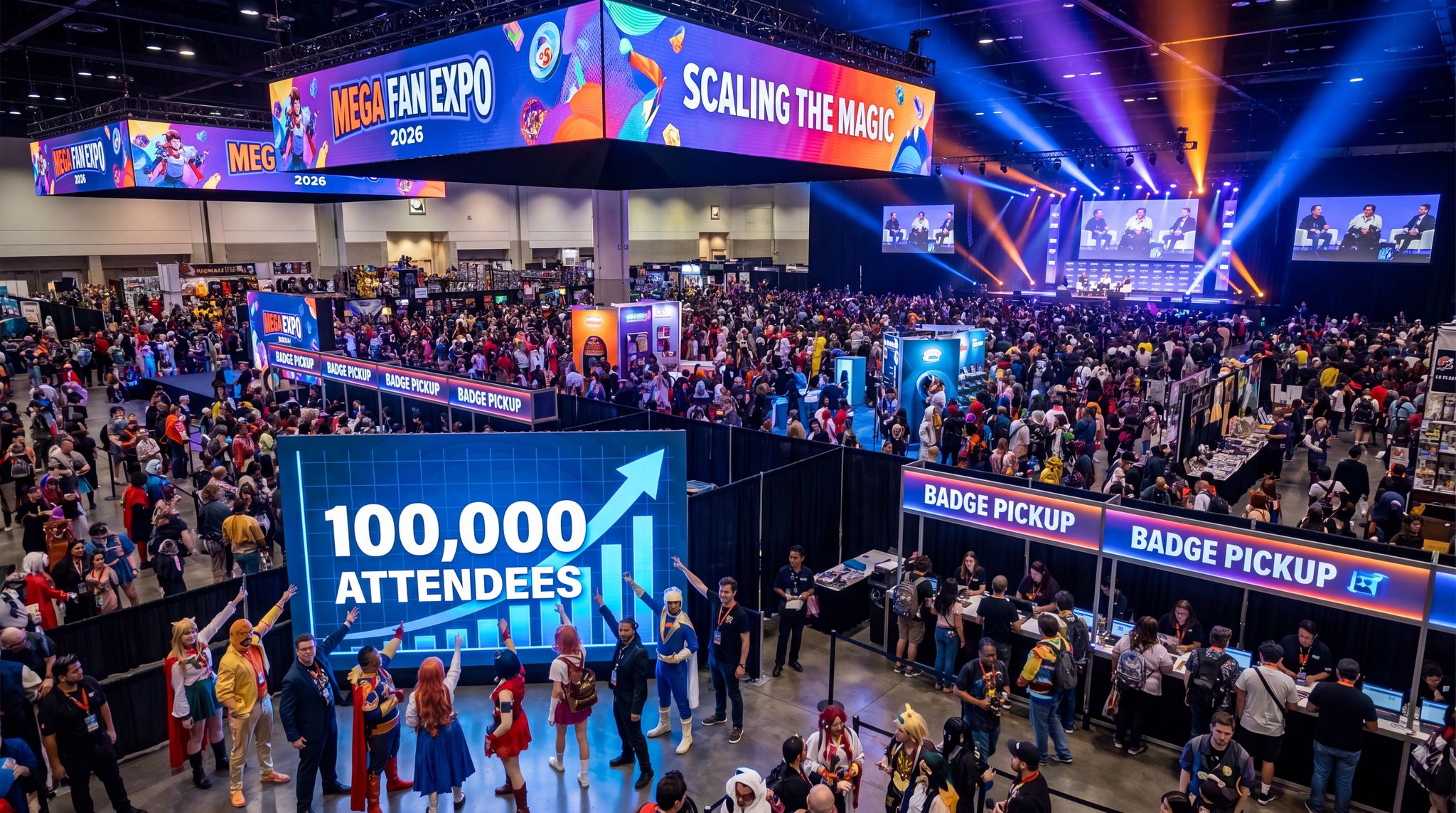
Don’t forget external crowd logistics as well. Large conventions can impact the whole surrounding area – think traffic jams and mile-long badge pickup lines outside the venue. Coordinate with local authorities on traffic flow and public transport; many huge cons arrange shuttle buses from key parking lots or transit hubs to discourage everyone driving separately. Staggered check-in times or mailing out badges in advance can prevent a crush on Day 1. Line management outside the doors matters too – use railings or switchbacks for any queue that might snake around the block, and have staff or volunteers on crowd duty even in outdoor lines (with radios to call in extra support or medical help if needed). The best conventions create a detailed crowd control plan each year, often led by someone with safety or large-event experience. As one might expect, plans can be tested by reality – a sudden rainstorm, an unexpected celebrity entourage causing crowding, etc. That’s why having contingency protocols (like temporarily halting entry, opening an extra hall early, or using staff to disperse a tight crowd) is vital. By anticipating bottlenecks and actively managing crowds, you ensure that even tens of thousands of fans can navigate your event without feeling lost in an overwhelming sea of people.
Building a Scalable Crew and Operations Team
From Fan Volunteers to a Structured Workforce
Most fan conventions begin as labours of love – a handful of enthusiasts wearing multiple hats and assisted by volunteer friends or club members. This familial approach can start an event off with great community spirit. However, as attendance grows into the thousands, you’ll need to expand and formalize your workforce to maintain quality and safety. The transition from a 20-person volunteer crew to a 500-person multi-tiered team is huge, and it’s one that veteran con organizers emphasize must be handled deliberately.
Begin by defining a clear organization structure for your convention team. At small scale, everyone might report to one director; at large scale, you’ll require departments and team leads. Common units for big cons include Operations, Programming, Guest Relations, Vendor/Exhibit Hall, Registration, Security, Cosplay Ops, Hospitality (green room & guest transport), and Marketing/Press. Create lead roles for each area – ideally filled by people with prior experience – and delineate their responsibilities. For example, when you hit 10,000+ attendees, you may need a dedicated Volunteer Coordinator to recruit, train and manage all volunteers (whereas at 2,000 attendees, volunteers were informal and self-managed). By 50,000 attendees, expect to have several paid staff or contractors in key positions like security chief, PR manager, and technical director. Don’t be afraid to bring in experts from the festival or trade show world for critical operations roles; their knowledge can save you from learning by trial-and-error when the stakes are high.
Recruiting and retaining a large volunteer force is an ongoing challenge. Free badges and a T-shirt might be enough incentive for a weekend volunteer shift at a small con, but larger events demand more time and skills from their crew. To build a reliable team, focus on culture and perks: foster camaraderie with team meetups or an opening-night volunteer party, offer behind-the-scenes experiences or exclusive swag, and publicly recognize outstanding helpers. Many conventions have a tiered system where volunteers who put in more hours get additional rewards (meals, travel stipends, exclusive photo ops with guests, etc.). It’s also crucial to provide proper training as your volunteer pool grows. Have written guides or online training modules for each role – whether it’s how to check badges at doors, how to manage line caps, or conflict resolution 101. Seasoned con runners know that investing in volunteer training dramatically reduces on-site fires to put out. Simple steps like briefing everyone on the code of conduct, radio protocols, and emergency procedures can prevent incidents and empower volunteers to handle issues before they escalate.
As you scale, you might worry about losing the “by fans, for fans” heart of your event by bringing in professional staff or more formal rules. In practice, structure actually helps volunteers shine by giving them the support and clarity to do their jobs well. When everyone knows their role and has the resources they need, the team can deliver that same friendly fan experience even to tens of thousands of attendees. A great example is Anime Expo in Los Angeles – it grew to over 100,000 attendees while still relying on a huge volunteer squad called “Arcade Staffers”. They succeeded by clearly delineating tasks and appointing veteran volunteers as area supervisors each year, ensuring crowds didn’t overwhelm the volunteer staff. The result was an event where volunteers felt ownership and pride, attendees got help and answers when they needed, and the once small con scaled up without losing its fan-driven soul.
Training, Communication, and Leadership at Scale
Effective internal communication becomes the make-or-break factor for operations as your convention grows. With a small team in one room, it’s easy to stay on the same page. But if you have 500 staff and volunteers spread across a convention center and nearby hotels, chaos can ensue unless you have robust communication channels. Equip your team leads with radios (and train them in concise radio etiquette to keep channels clear). Establish a chain of command for decision-making – for instance, the registration team leader can solve most badge issues, but anything involving refunds or VIP complaints escalates to the Operations Director. This hierarchy ensures front-line crew can act decisively without always “finding the boss”, which is critical when thousands of attendees need timely service.
Regular team check-ins and briefings are also vital. Large conventions often start each day with a quick all-hands meeting or a distributed briefing (department heads meet with their teams) to update everyone on any changes, big schedule items, or issues from the previous day. Encourage a culture where staff feel comfortable reporting problems and ideas up the chain. As the event unfolds, have a “situation room” or central operations center where key staff monitor communications and coordinate responses. For example, if a big panel is reaching capacity, security can alert ops, who then inform the programming team to start an overflow stream and send a push notification to attendees. This kind of cross-team coordination is only possible if you’ve set up the infrastructure – shared chat groups, radio nets, a command post – and practiced it. Some cons run tabletop simulations or walkthroughs pre-event to train leadership in handling various scenarios (from medical emergencies to a surprise guest appearance that draws crowds).
Go Cashless With RFID Technology
Enable contactless payments, faster entry, and real-time spending analytics with RFID wristbands and NFC-enabled ticketing for your events.
Another aspect to plan for is specialised training as your team grows. Consider bringing in professionals to train volunteers on things like crowd management, disability awareness, or conflict de-escalation. When your con was small, you might never have encountered a serious medical situation or a harassment complaint; at scale, these will happen, and your crew must be ready to respond appropriately and empathetically. Large events typically coordinate with local EMTs and have ambulances on standby, as well as establish a clear protocol for staff to report any safety or harassment issues (many cons now have a dedicated safety team or “Attendee Services” team to handle these incidents discreetly). By investing in training and clearly communicating roles and procedures, you build a trustworthy operation that can handle the pressures of a massive crowd.
Finally, don’t overlook team morale. Long hours and high stress are common in convention operations, especially for multi-day events. As you grow, budget for basic crew welfare: provide a break room with snacks and water, schedule shifts so no one works a 12-hour stretch without relief, and consider bringing in a few floater volunteers who can step in so others get breaks to eat and rest. Burnt-out staff or volunteers can lead to mistakes that ripple through the attendee experience. A well-treated team, on the other hand, will go the extra mile to keep the convention magic alive for everyone. The mark of a smoothly scaled event is when even behind the scenes, there’s an organized, positive team culture powering the whole show.
Leveraging Technology and Ticketing as You Scale
Upgrading Ticketing and Registration Systems
In the early days, your ticketing might have been as simple as an online form, PayPal account, or on-site cash sales with paper badges. To handle tens of thousands of attendees, robust ticketing technology is non-negotiable. First, you’ll want a platform that can easily support tiered badge types (weekend vs. single-day, VIP passes, exhibitor badges, press passes, etc.) and high-volume on-sales without crashing. Nothing frustrates fans more than a Ticketmaster-style meltdown during badge release. Modern solutions – such as an all-in-one event ticketing platform with built-in marketing and analytics – are built to queue transaction loads and prevent overselling, so invest in a reliable system that can scale with your attendance.
As your convention grows, consider adding features like RFID badges or QR codes for quick scanning. RFID-enabled badges (or wristbands) allow for much faster entry throughput, since attendees can just tap sensors at doors instead of having barcodes manually scanned. They also open up possibilities like cashless payments or access control for specific areas (e.g. VIP lounge or 18+ panels). For example, New York Comic Con switched to RFID badges as it grew past 100k attendees to combat counterfeit passes and speed up entry. If RFID feels too advanced, at least ensure your badge printing and scanning setup is industrial-grade – multiple printers, backup scanners, and a network that can handle on-site database lookups for thousands of records. The check-in process is every attendee’s first impression each day; by 2026, fans expect a swift, tech-assisted entry, not an hour waiting in line because of a slow ID check.
Another essential tech upgrade is a robust online registration portal that handles all the new complexities of a big event. This might include badge mailing, where tickets purchased in advance are mailed as badges or QR codes to reduce on-site queues. It can also include integrated add-on sales (for booking special events, merchandise, or photo-ops in advance) so that these transactions are spread out and organized. A system with group and team ticketing is helpful if you’re expanding into esports or competitions – for instance, esports tournament ticketing features for team sign-ups and spectator passes ensure those events run smoothly alongside the main convention. As your event scales, it often gains multiple “sub-events” (tournaments, workshops, VIP experiences) that need their own capacity management within the wider con – a capable ticketing platform can automate that rather than relying on manual spreadsheets.
Behind the scenes, large conventions benefit from the data and analytics modern ticketing provides. When you’re selling 50,000 badges, you can glean insights like where attendees are traveling from, which promotions sold the most tickets, and what the peak entry times are each day. Real-time dashboards allow you to adjust operations on the fly – for example, if you see a surge of Saturday single-day ticket scans between 9–10am, you might deploy more staff to the main entrance during that window . Data also guides growth decisions: by tracking attendance patterns, you can identify if adding a day (say a Thursday preview night) might better spread crowds, or if certain content is under-capacity and could be swapped out next year. The bottom line is that technology becomes your ally in scaling. By choosing the right ticketing and registration tools, you reduce friction for attendees and gain control over the complex moving parts of a massive convention.
Tech-Forward Solutions for Fan Engagement and Safety
Beyond ticketing, a host of other technologies can help a big convention run smoothly. Mobile apps have become commonplace for fan events – by 2026, attendees expect a dedicated event app or mobile schedule at minimum. An official convention app lets fans personalize their schedule, get panel reminders, and receive push notifications for important updates (“Autograph session with Guest X starts in 10 minutes at Hall A”). This not only enhances the attendee experience but also aids crowd management – you can instantly alert everyone to changes or issues. For example, if a major guest’s panel is rescheduled, an app notification can prevent a roomful of angry fans. Some apps even show real-time room capacities or queue status, so attendees can decide on the fly which activities to pursue. Investing in a white-label event app or partnering with a service like Grenadine or Guidebook is well worth it when your event spans multiple days and venues.
Large conventions are also embracing RFID and cashless payment systems for on-site purchases. Concession lines and merchandise booths move much faster when attendees can tap their badge or a stored payment wristband instead of fumbling with cash or cards, a strategy that helps manage massive convention attendance numbers. This is especially valuable if your con has large concerts, after-parties, or festival-style outdoor areas as part of the experience – going cashless reduces theft risk and makes financial tracking easier. Just be sure to also offer an easy way for fans to load these cashless accounts and a fallback for those who aren’t tech-savvy (like a onetime top-up booth for RFID wristbands). Similarly, incorporating contactless entry gates or turnstiles at main entrances can handle huge volumes; many events still use staff scanning, but turnstiles with badge tap readers can greatly increase throughput if configured well. A guide comparing entry tech options suggests that for crowds above 50k, hybrid approaches (staff with handheld scanners at early rush then turnstiles for steady flow) can optimize speed and flexibility.
Safety technology is another area to leverage. As crowds grow, so does the importance of things like facial recognition for badge name checks (some cons use this to catch banned individuals or known ticket scammers) and real-time people counting systems to monitor venue density. If your budget allows, deploying CCTV cameras in key areas and having a security control center helps in managing incidents – it’s what many large-scale event organizers do for rapid response. Even simpler, ensure your staff and volunteers all have a reliable communication tech: push-to-talk apps or radios with dedicated channels for different teams (security, medical, ops) will speed up responses. For example, if there’s a medical emergency in the expo hall, any staffer should be able to radio “Code Blue at Exhibit Aisle 5” and trigger the med team without delay. At high volumes, instant communication and data can literally save lives and prevent minor hiccups from snowballing.
One more tech-enabled aspect to consider is the online experience of your convention. As you surpass tens of thousands of attendees, inevitably many fans who can’t attend in person will want to be involved. Streaming large panels or hosting virtual content (like digital meet-and-greets or an online artist alley) can expand your reach without adding physical crowding. Events such as Comic-Con and Gamescom have successfully run hybrid editions where keynotes are broadcast globally, generating additional revenue and fan goodwill. While the logistics of hybrid events are a topic of their own, be aware that scaling in-person doesn’t mean you must ignore the online audience – they can be part of your growth strategy too, especially in 2026 where virtual access is a norm. Just be cautious not to detract from the live attendees’ value; for example, you might stream only certain content or offer exclusive online perks that don’t take away from the on-site experience.
Preserving the Fan Experience and Community Magic
Maintaining the Close-Knit Community Feel
Amid all the logistical and commercial considerations of scaling up, never forget the heart of any fan convention: the community. The magic that longtime attendees speak of often comes from small, personal moments – a friendly conversation in line, a chance meeting with a favorite artist at the hotel bar, an inside joke at closing ceremonies. When your event grows 50x its original size, it’s easy for attendees to feel like just another face in a huge crowd unless you actively work to maintain a sense of community. One strategy is to keep some fan-made and fan-run elements as you expand. For instance, fan panels and meetups can be a staple of large cons just as they are in small ones – you might set aside a few rooms for community-submitted sessions or niche fandom meetups even if the main stages are filled with celebrity spotlights. This gives die-hard community members a stake in the event and lets new attendees immediately plug into like-minded groups.
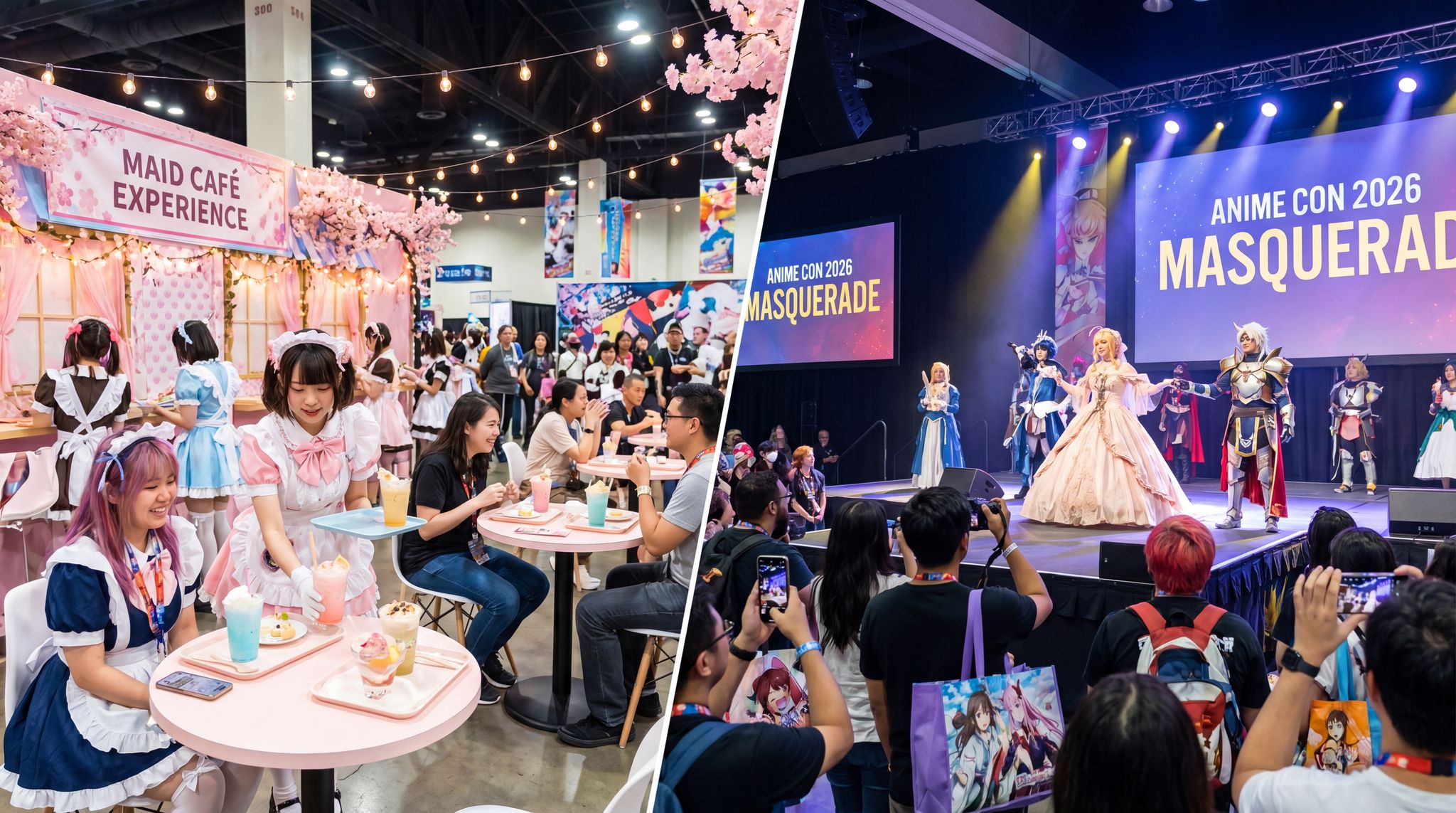
Traditions and signature activities also help make a big con still feel unique and familiar. If your 2,000-person event had a quirky tradition (say, a charity pie-in-the-face event for the con chair, or a themed cosplay parade), carry it forward and scale it up. Dragon Con, for example, has kept its fan-hosted parade through downtown Atlanta as a marquee event even as the con grew huge – it’s an anchor of fan pride that makes the city part of the experience. Similarly, Anime Expo preserved things like its late-night maid café and cosplay masquerade contests as it expanded, ensuring core fan culture stayed front and center by building a dedicated volunteer team and maintaining unique fan-focused programming. These familiar touchpoints make veterans feel at home and newcomers sense the event’s personality beyond just big crowds and commerce.
Turn Fans Into Your Marketing Team
Ticket Fairy's built-in referral rewards system incentivizes attendees to share your event, delivering 15-25% sales boosts and 30x ROI vs paid ads.
Communication with your fan community becomes more important, not less, as you scale. Large conventions like San Diego Comic-Con hold an open feedback forum (the “Comic-Con Talk Back” panel) at the end of each event, where attendees can voice complaints and suggestions directly to organizers. This kind of listening ear signals that fan input matters, even if the con is now a behemoth. You don’t have to wait for the event itself – use surveys, social media, and community forums year-round to gauge sentiment. When fans see their suggestions implemented (“you asked for more water stations and we added them” or “due to feedback, we’ll have a quiet room for those needing a break from crowds”), it builds loyalty and trust. The narrative should be “we’re growing this together” rather than a faceless corporate expansion. Transparency about challenges helps too; if you have to increase badge prices or enforce stricter rules as you grow, explain the reasons to your community. Fans might grumble, but they’ll appreciate being treated like stakeholders, not just customers.
Finally, invest in the emotional and social experience of attendees, not just the spectacle. Big conventions can be exhausting and overwhelming – plan features that humanize the experience. For example, create dedicated rest areas or lounges where people can sit, recharge (devices and themselves), and meet fellow fans in a calmer setting. Offer interactive elements that spark joy at any scale, like community art walls where attendees can doodle, or scavenger hunts that encourage making new friends. Emphasize inclusivity and safety so fans know the expanded crowd doesn’t mean more tolerance for bad behavior. Initiatives like harassment reporting systems, cosplay repair stations, gender-neutral bathrooms, and quiet zones for neurodivergent or anxious attendees all contribute to a welcoming atmosphere. When fans see that even at 100,000 strong, the convention still cares about each person’s experience, the magic endures. In essence, never lose sight of why people come in the first place – to celebrate their passions with others. If every decision, from scaling a venue to booking a guest, is filtered through the lens of “will this delight our community?”, you’ll be well on your way to growing in size while staying true to your roots.
Frequently Asked Questions
What is a multi-venue strategy for fan conventions?
A multi-venue strategy involves hosting a single convention across several nearby locations, such as convention centers and adjacent hotels, rather than one building. Events like New York Comic Con and Dragon Con use this approach to accommodate over 65,000 to 200,000 attendees without severe overcrowding.
How do organizers manage crowds at large fan conventions?
Organizers manage massive convention crowds by implementing virtual queue apps, designated one-way corridors, and floor tape to guide traffic flow. Distributing morning wristbands for popular afternoon panels and utilizing overflow live-stream rooms also prevents dangerous bottlenecks and keeps attendees informed in real-time.
What is a safe annual growth rate for a fan convention?
A safe and sustainable growth rate for fan conventions is typically 15 to 20 percent annually. This gradual pacing allows organizers to scale infrastructure, secure larger venues, and train additional volunteer staff without compromising safety or overwhelming the intimate fan experience.
What are the benefits of using RFID badges at large events?
RFID badges significantly speed up entry throughput by allowing attendees to tap sensors instead of waiting for manual barcode scans. This technology also combats counterfeit passes, enables cashless on-site payments for merchandise, and provides organizers with real-time data on peak entry times and crowd density.
How can organizers increase fan convention attendance organically?
Launching a fan referral program is the most effective way to organically grow convention attendance. By offering incentives like exclusive pins or ticket discounts for bringing friends, organizers can turn passionate attendees into a street team, often boosting overall ticket sales by 15 to 25 percent.
How much do celebrity guests charge for convention appearances?
Top-tier Hollywood actors and celebrity talent typically charge appearance fees ranging from $25,000 to over $250,000 per convention. Organizers must also budget for additional logistical expenses, including first-class travel, premium lodging, and daily per-diems, often requiring corporate sponsorships to underwrite these massive costs.
How do mega conventions organize their volunteer staff?
Massive conventions organize volunteers by establishing a structured hierarchy with dedicated departments like Operations, Guest Relations, and Security. Appointing experienced veteran volunteers as area supervisors and providing tiered rewards, such as travel stipends or exclusive photo ops, ensures a reliable and well-trained workforce.
How can massive fan conventions maintain an intimate community feel?
Large conventions preserve their close-knit vibe by hosting niche fan-run panels, maintaining signature traditions like cosplay parades, and creating dedicated quiet lounges. Actively listening to attendee feedback through post-event forums and implementing fan suggestions ensures the community feels valued despite the massive crowd size.