Pricing can make or break the trust between a festival producer and their audience, especially in the close-knit world of boutique festivals. In smaller or niche events, word travels fast – fairness (or the lack of it) quickly becomes part of the festival’s reputation. To keep attendees happy and coming back year after year, it’s essential to create ticket tiers that excite rather than alienate your crowd. This means keeping tier structures simple, being upfront about fees, and ensuring any premium prices are tied to real value. Around the world, successful boutique festivals are discovering that when pricing is transparent and equitable, it turns festival-goers into loyal fans and ambassadors.
Keep Tiers Simple and Fees Honest
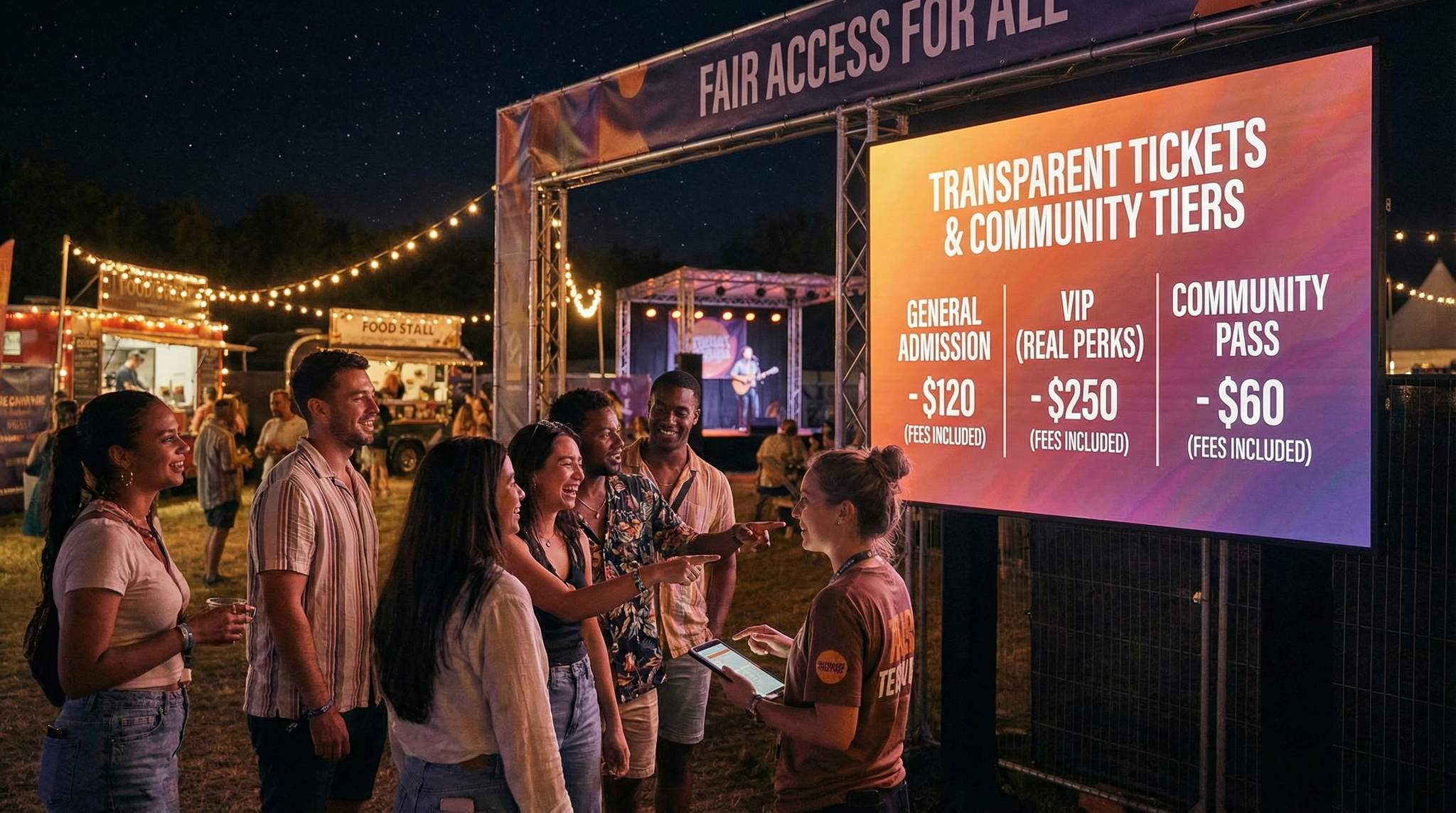
One hallmark of pain-free pricing is simplicity. Keep your ticket tiers straightforward – for instance, a General Admission (GA) and a VIP, or GA, VIP, and perhaps an Early Bird special. Overloading people with five or six tier options (Bronze, Silver, Gold, Platinum, etc.) can confuse buyers and foster a sense of division. Boutique festival attendees, often part of tight communities, appreciate clarity. They want to know exactly what they’re getting without deciphering a complex hierarchy of passes.
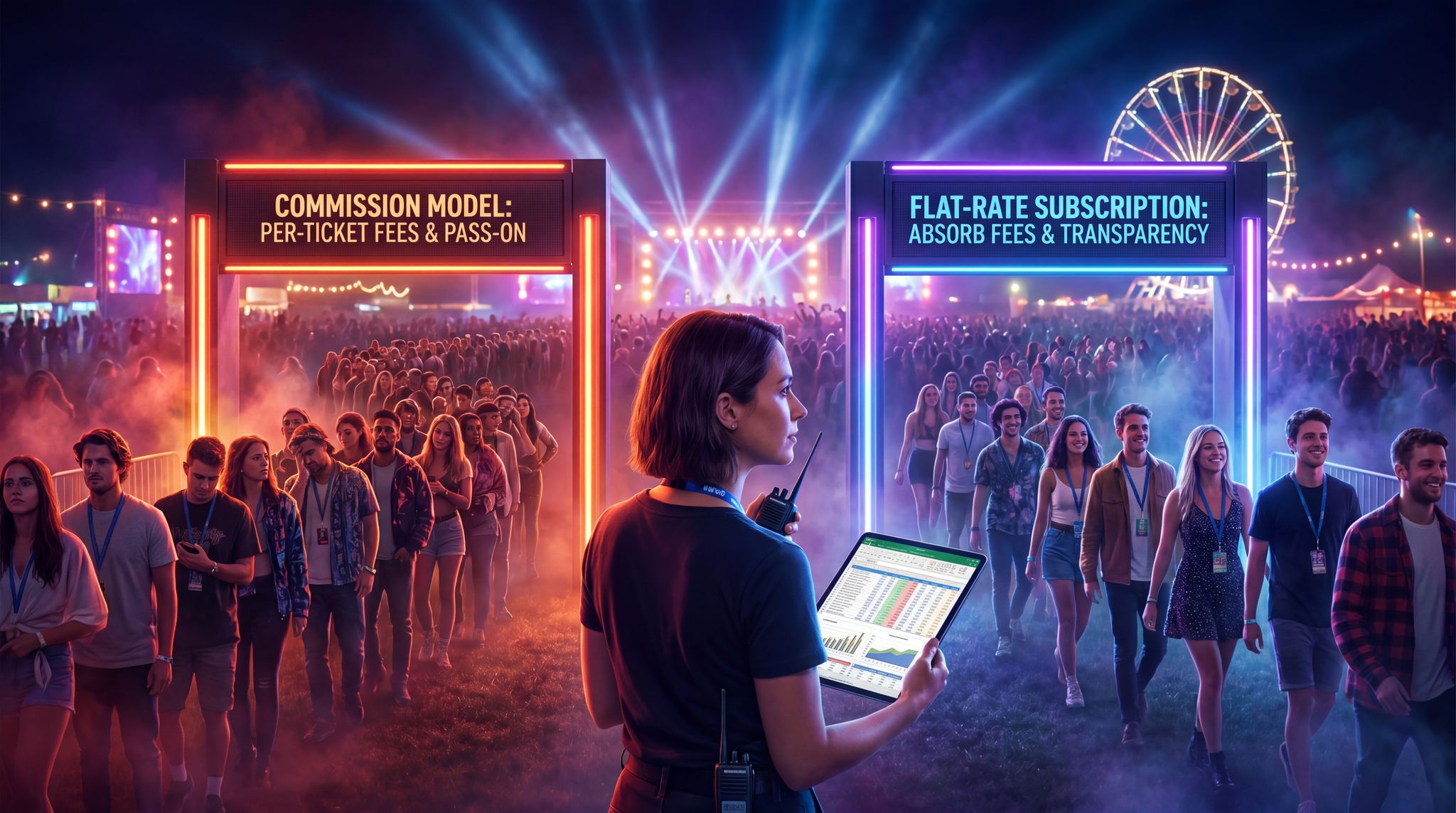
Honest fees are just as crucial. Nothing deflates a buyer’s excitement faster than a hefty surprise fee at checkout. Many festival producers worldwide are moving toward all-inclusive pricing or clearly disclosed fees from the start. For example, some events in the United States and Europe now advertise the full price (including any service charges and taxes) upfront, because they know transparency builds trust. Selecting a ticketing platform committed to transparency can help – Ticket Fairy, for instance, explicitly displays all ticket-related fees from the beginning, so attendees aren’t caught off guard by hidden costs. When your audience sees that you’re being open about pricing, they’re more likely to hit “buy” with confidence and less likely to abandon their cart in frustration.
Beyond avoiding hidden fees, steer clear of controversial pricing tactics. In recent years, some large-scale concerts and festivals experimented with dynamic pricing – adjusting ticket costs in real time based on demand – only to face public backlash. Fans around the world have made it clear they feel gouged by sudden price surges. A wisely run boutique festival steers away from such practices. Instead, consider implementing timed tier releases (such as Early Bird tickets at a discount for those who commit early, then gradually increasing prices for later buyers). This approach rewards loyalty and early planning without springing unwelcome surprises on your community.
Free Tool: Split Tickets for Max Gross
Given capacity and a target price, the optimizer proposes Early Bird / GA / VIP allocations and prices — with projected gross at 100%, 80% and 60% sell-through.
Tie Premium Perks to Real Utility
If you do offer a higher-priced tier like VIP or a premium pass, make sure the perks provide real, tangible utility. Festival-goers are generally happy to pay extra if they know they’ll get meaningful benefits – but they’ll spot a shallow upsell from a mile away. The key is to tie the premium price to real comfort and convenience that elevate the festival experience:
-
Shade and Seating: At outdoor festivals in hot climates (think Australia or Mexico in summer), a VIP area with plenty of shade, cooling stations, and comfortable seating can be worth its weight in gold. For example, a boutique music festival in Indonesia set up a relaxed VIP lounge under a tent with fans and beanbags. Attendees who paid a bit more could escape the midday sun and recharge, a perk that got rave reviews as more than “just a status symbol.” By contrast, a so-called VIP zone that offers nothing but a roped-off area with the same blistering sun and no seating will rightly leave people asking what they paid for.
Planning a Festival?
Ticket Fairy's festival ticketing platform handles multi-day passes, RFID wristbands, and complex festival operations.
-
Early Entry and Easy Access: Time is a luxury. Offering early entry for premium ticket-holders – whether it’s getting into the venue an hour before the general gates open or access to campsites a day early – is a perk with real value. Many festivals around the world successfully use this strategy. In the UK and Canada, some small festivals allow VIP or early-bird pass holders to enter early and snag the best spot by the stage or set up camp without the chaos of the main rush. Similarly, having a dedicated fast-track entrance or check-in line for VIP can turn a 45-minute wait into a breezy 5-minute stroll into the venue. That kind of convenience on festival day feels almost magical to attendees. They’ll remember that the organizers respected their time.
-
Concierge-Level Support: Premium tickets can also come with a human touch – think of it as a “festival concierge.” This could mean a dedicated customer service desk or hotline for VIP pass-holders to handle any issues, answer questions, or even help arrange special accommodations. For instance, at an upscale boutique wine & music festival in California, VIP guests were given access to a concierge tent where staff would help store merchandise, charge phones, or provide on-demand information. These small touches (often inexpensive to provide) make premium attendees feel genuinely cared for. The important part is that each VIP perk corresponds to something concrete: relief from heat, a place to sit, saved time, or personal assistance. By tying the VIP price tag to real improvements in the festival experience, you’re not just selling “VIP for VIP’s sake” – you’re solving problems (comfort, convenience, service) for your biggest fans.
Community Tickets and Payment Plans – Access for All, Without Stigma
Great boutique festivals build a sense of community, and your pricing strategy can reinforce that inclusivity. One way is by offering community tickets – special pricing or ticket allotments for certain groups – and by normalizing payment plans, all without any stigma or singling people out.
Community tickets can take various forms. Some festivals offer discounted tickets to local residents as a gesture of goodwill for hosting the event in their area. For example, a festival in Ireland reserves a batch of tickets for county residents at reduced prices, and several festivals in the UK (such as The Big Feastival) offer around 20% off to people living in nearby postal codes. This not only rewards the local community but also turns neighbors into advocates for the festival. Another approach is providing a limited number of lower-priced tickets for underrepresented or disadvantaged groups. It’s important to handle this sensitively. If you have “community” or subsidized tickets, make them available through an application or lottery in a way that doesn’t publicly label the recipients. Everyone at the festival should feel like an equal participant in the celebration, not like a second-class guest. A good example comes from certain cultural festivals in New Zealand and India, where organizers partner with community organizations to distribute a set of free or discounted tickets to youth groups or local arts clubs. These attendees blend in with everyone else – no special wristband that marks them out – ensuring the gesture of inclusion remains positive and discreet.
No Hidden Fees, Just Honest Pricing
One all-inclusive fee covers the platform, payment processing, customer service for your ticket buyers, support for you, and every feature. Free events are always free. No setup costs, no surprises.
Meanwhile, payment plans have become a game-changer for accessibility. With festival ticket prices worldwide creeping upward (some full-weekend passes run several hundred dollars or equivalent), offering an installment payment option can open the door for fans who can’t drop a large sum all at once. The key is to offer this without shame – as a convenience for anyone who wants it, not just those on a tight budget. In fact, installment plans are now mainstream: at some major festivals like Coachella in the U.S., a majority of attendees opt to buy their passes on payment plans, spreading the cost over several months. Even at smaller festivals, letting fans pay, say, 50% now and 50% next month – or breaking the cost into three or four monthly installments – can dramatically improve both sales and goodwill. People appreciate that the festival recognizes real-world cash flow challenges.
When implementing payment plans, be transparent about how they work (for example, how many installments, any service fees or deadlines, and what happens if a payment is missed). Many modern ticketing platforms make this easy. For instance, Ticket Fairy’s platform allows buyers to split their ticket purchase into multiple installments (up to 10 payments in some cases) right at checkout. The process is automated and clear, so there’s no extra hassle for the festival organizer or for the fan. By normalizing installment options (rather than making people jump through hoops to request special permission), you send a message that everyone is welcome – whether they can pay in full today or need a bit more time.
Need Festival Funding?
Get the capital you need to book headliners, secure venues, and scale your festival production.
Protect GA Sightlines – Don’t Let VIP Perks Block the View
Providing VIP perks is a fine balancing act: you want to give some attendees an elevated experience without literally elevating them right in front of everyone else. One common pitfall to avoid is what experienced festival producers jokingly call “VIP creep” – when VIP sections start small but grow year after year, encroaching into prime areas and ultimately eroding the general admission experience. Nowhere is this more evident (and more emotionally charged) than at the main stage.
At community-driven festivals, people often expect an egalitarian atmosphere – the kind where die-hard fans who showed up early can stand at the front of the stage, regardless of their ticket type. If instead they arrive and find a large VIP-only pit or platform monopolizing the best view of the headline act, you can bet that disappointment will spread like wildfire on social media and in conversations among attendees. In one recent example, a boutique music festival in Australia tried separating the front-of-stage area into a VIP zone and a GA zone. The result? Widespread frustration. GA attendees felt pushed back and excluded, and the symbolism of a literal barrier between classes of ticket-holders struck a nerve. Within days, memes and angry comments flooded the festival’s online pages, and the organizers publicly vowed to remove the divided sections in the future to reunite the crowd. The lesson: never let VIP perks subtract from the core experience that every ticket-holder expects.
How do you avoid this trap? Thoughtful festival design is crucial. If you want a VIP viewing area, place it where it doesn’t obstruct others’ view – for example, an elevated platform off to the side of the stage, or a section near the sound mixing booth (front-of-house) which is often raised anyway. This way, VIP guests still get a great vantage point (sometimes an even better panoramic view), and GA guests can fill up the front and center spots without a literal wall in their way. Some festivals also wisely cap the proportion of VIP tickets so that the majority of attendees (and space on the grounds) remain GA. You might decide that, say, no more than 10% of your attendees will be VIP, and design your site layout accordingly. The point is to prevent VIP amenities from ever coming at the expense of the general audience’s enjoyment.
Also, resist the temptation to turn every nice patch of grass or viewing hill into an exclusive VIP zone. It can be enticing to monetize every prime spot, but consider the optics and goodwill. If a long-time attendee suddenly finds that their favorite free space to watch the sunset DJ set is now behind a VIP fence, it could sour their whole experience. Preserve some of those special communal areas for everyone. By keeping significant portions of your festival’s best viewing areas open to all, you’re signaling that every attendee is valued. Interestingly, this even benefits your VIPs: a festival with an excited, united crowd has better atmosphere, and that energy is exactly what premium ticket holders come for, too.
Let Fans Pay Over Time
Offer flexible payment plans that split ticket costs into manageable installments, making higher-priced events accessible and boosting conversions.
Fairness Becomes Folklore in Tight-Knit Communities
In boutique festivals, fairness isn’t just a policy – it becomes part of the lore. When a festival is known for treating its attendees equitably, that reputation spreads organically through word-of-mouth. You’ll hear longtime patrons telling newcomers stories like, “They’ve never jacked up prices on us last-minute,” or “This festival always takes care of its people – they even set aside tickets for local families,” or “I got a VIP ticket here once and it was actually worth it, but even without it you don’t feel left out.” These kinds of anecdotes are gold. They signal that the organizers get it – they aren’t just chasing profit, they genuinely care about the experience and community.
Conversely, if a festival earns a reputation for gouging or unfair practices, that too becomes folklore – the cautionary kind. People remember the event that charged an exorbitant “convenience fee” or the one that advertised a cheap pass but hid half the cost in addons, or the year a big section of the viewing area was reserved for VIPs and left half-empty while GA fans were crammed at the back. In tight communities, such stories are told for years, often with a shake of the head. Once that trust is broken, it’s hard to win back.
The good news: by following the principles above – simplicity, honesty, real value, inclusivity, and balance – you create the conditions for positive folklore. Fair pricing and transparent practices give your festival a kind of authentic credibility that even the splashiest marketing campaign can’t buy. Attendees feel respected and, in turn, become passionate ambassadors for the event. They’ll come back year after year and bring friends along, saying, “This is the one festival you have to experience – they do things right.”
In the long run, doing right by your festival-goers is not only ethically sound but deeply strategic. Especially for boutique festivals that thrive on community, fairness is the foundation of loyalty. It builds a family of attendees who feel personally invested in the event’s success because they know the organizers are personally invested in them. When your festival’s story is one of fairness and trust, that story gets told over and over – and each retelling amplifies your festival’s legacy.
Frequently Asked Questions
What is the best ticket tier structure for boutique festivals?
Boutique festivals should keep ticket tiers simple, typically offering General Admission, VIP, and an Early Bird special. Avoiding complex hierarchies like Bronze or Platinum prevents buyer confusion. Clear, straightforward options combined with all-inclusive pricing help build trust within the festival community and encourage attendees to purchase with confidence.
Why should boutique festivals avoid dynamic pricing?
Dynamic pricing often leads to public backlash because fans feel gouged by real-time price surges based on demand. Instead of this controversial tactic, boutique festivals should use timed tier releases. This strategy rewards early buyers with discounts and gradually increases prices, fostering loyalty without springing unwelcome costs on the community.
What VIP perks provide the most value to festival attendees?
Premium tickets offer the most value when tied to tangible utility like shade, comfortable seating, and cooling stations, especially in hot climates. Other effective perks include early entry for camping spots, fast-track check-in lines, and concierge support. These benefits solve physical discomfort and save time, justifying the higher cost.
How do installment payment plans benefit festival organizers and fans?
Installment plans make expensive festivals more accessible by allowing attendees to split costs into monthly payments. This approach improves sales and goodwill by recognizing real-world cash flow challenges. Modern ticketing platforms can automate this process at checkout, normalizing the option so fans can attend without financial stress or stigma.
How can festivals prevent VIP areas from ruining the General Admission experience?
Organizers can prevent “VIP creep” by placing premium viewing platforms to the side of the stage or near the sound booth, rather than blocking the front-and-center view. This design preserves prime sightlines for General Admission ticket-holders, maintaining an egalitarian atmosphere and ensuring that VIP amenities do not subtract from the crowd’s energy.
What are community tickets and how should they be distributed?
Community tickets are discounted or subsidized passes offered to local residents or underrepresented groups to foster inclusivity. These should be distributed discreetly through applications or lotteries without special wristbands that single people out. This approach rewards the local community and ensures everyone feels like an equal participant in the celebration.