The New Reality of Festival Volunteering in 2026
Post-Pandemic Shifts in Volunteer Culture
The festival landscape has changed dramatically, and so have volunteers. After years of disruption, many festivals in 2020–2021 were canceled, meaning a whole generation missed the rite of passage of volunteering. By 2026, fewer new volunteers are entering the pipeline – young people who didn’t get the chance to volunteer have moved on to other professional opportunities. Those who do sign up often expect more than a free ticket; they want meaningful experiences and professional treatment. Seasoned producers report that volunteer burnout is a real concern now. Working long hours in tough conditions for minimal reward led many past volunteers to bow out. Festivals can no longer count on an endless supply of free labor, so organizers must rethink how they recruit, train, and reward volunteers to keep them engaged and returning year after year.
Rising Legal Scrutiny and Compliance
In 2026, the days of casually treating volunteers as “free staff” are over. Regulators are keeping a closer eye on how events use unpaid workers. Misclassifying volunteers can trigger legal trouble, especially at for-profit festivals regarding wage theft. For example, the U.S. Department of Labor makes it clear that for-profit companies cannot legally replace paid roles with unpaid volunteers. Some large events have even faced public criticism for over-relying on volunteers in what should be paid positions. The result is stricter labor regulation enforcement in certain regions, with festivals now required to adhere to minimum wage laws and fair practice guidelines for any quasi-employee roles. Volunteer programs must be revamped to comply with labor laws while preserving the community spirit volunteers bring. Every festival organizer should review current laws and consult legal guidelines – for instance, understanding the fine line between a true volunteer and an employee is crucial to avoid penalties. In the UK and Europe, many festivals partner with charities or formal volunteer organizations (such as Oxfam in the UK) to ensure compliance. At Glastonbury Festival, thousands of volunteer stewards are coordinated through charities like Oxfam, WaterAid, and Greenpeace as part of a compliant volunteer staffing model. This approach channels volunteer passion via nonprofit partners and keeps festivals on the right side of labor regulations.
Volunteers as Essential Crew Members
Volunteers have always been the invisible infrastructure of the festival world – the smiling faces guiding crowds, staffing info booths, picking up litter, and more, serving as the backbone of event operations. In 2026’s new reality, forward-thinking festivals treat volunteers as an integral part of the crew, not as an afterthought. This shift in mindset yields big benefits: better performance on-site, higher retention year to year, and a positive public image. Festivals that build a culture of respect find that volunteers turn into passionate brand ambassadors for the event and its community. They’ll proudly wear the festival volunteer t-shirt around town and flood social media with behind-the-scenes positivity. This kind of goodwill is priceless – it boosts word-of-mouth marketing and ingrains the festival in the community. On the flip side, if volunteers feel used or undervalued, the fallout can be severe: no-shows, disengaged work, or even reputational damage if complaints go public. The new reality is clear – volunteers must be managed with the same care and professionalism as paid staff. “Volunteers 2.0” programs emphasize excellent communication, training, and incentives, ensuring these team members are empowered to do their best work and feel pride in it. In the sections below, we’ll explore how to update every aspect of your volunteer program to meet 2026’s high standards.
Understanding New Legal Requirements
Volunteer vs. Employee: Staying on the Right Side of the Law
One of the biggest traps festival organizers fall into is blurring the line between volunteer and employee. Labor laws in many countries draw a clear distinction: volunteers typically donate time for civic, charitable, or recreational reasons, whereas employees work in exchange for compensation. If a volunteer is effectively doing a job that a paid worker would normally do at a for-profit event, that can be a legal violation of wage and labor laws. In the U.S., for instance, the Fair Labor Standards Act prohibits unpaid volunteers at for-profit companies for roles that would otherwise be paid positions. The only exceptions are usually internships meeting strict educational criteria or volunteering through a nonprofit partner. What this means for festivals: you cannot use “volunteers” as a way to avoid paying staff for essential operational roles. If an enforcement agency or disgruntled volunteer scrutinizes your program, you need to show that you’re in compliance. To stay safe, work with an attorney or HR expert to craft volunteer agreements that clarify the voluntary nature of the work and the perks provided. Be transparent that the role is unpaid and for experience or community benefit only. Many savvy festivals structure certain roles as short-term paid gigs or stipended roles if they involve extensive hours or responsibility, rather than risk misclassification. It’s better to pay a few critical crew members than to face a lawsuit or fines for essentially having “free employees.” The key is knowing where to draw the line – err on the side of respecting labor standards, and funnel truly essential tasks to paid staff.
Turn Fans Into Your Marketing Team
Ticket Fairy's built-in referral rewards system incentivizes attendees to share your event, helping events sell 20% more tickets and 30x ROI vs paid ads.
Regional Regulations and Best Practices
Labor regulations around volunteers vary worldwide, so producers in 2026 must adapt to their locale. In the UK and EU, volunteer roles at festivals are common but often must be tied to charitable or community purposes. Major UK festivals like Glastonbury and Reading partner with organizations such as Oxfam or local Rotary clubs to enlist volunteers – the volunteers get a festival experience and the charity receives a donation, satisfying legal and ethical norms. Glastonbury’s organizers reported paying £1.6 million for services including stewarding in 2024, effectively donating to charities that supplied volunteers. This model thanks the “volunteers whose time supports more than 200 charities” (according to The Guardian’s coverage of the event) and keeps the festival compliant. In the EU, countries like France and Germany allow volunteer involvement but may require formal registration of volunteers and proof that roles are truly voluntary. Some jurisdictions mandate that volunteers receive only reimbursement for expenses (meals, travel) and nominal gifts, not wages. Australia and New Zealand have vibrant festival volunteer scenes too, with guidelines to ensure no exploitation – for example, volunteers must freely choose to be there and can quit without consequence, and they shouldn’t replace a paid role that the festival would otherwise fill. North America is seeing closer scrutiny as well. California’s strict employment laws (like AB5) have raised questions about using unpaid labor; festivals there lean towards either paying staff or working with nonprofit-run volunteer programs to avoid missteps. Across the board, the best practice is to document everything: have volunteers sign an agreement that outlines duties, hours, and that they are not an employee. Ensure they acknowledge any waivers of liability and that they’re volunteering by choice. Keeping clear records not only protects you legally but also shows volunteers you run a professional operation.
Safety, Insurance, and Liability Considerations
Legal requirements go beyond just pay. Festivals must also account for safety regulations and insurance coverage for volunteers. In many countries, occupational health and safety laws require that anyone working on site – paid or unpaid – be provided a safe environment, proper training, and necessary protective gear. This means your volunteers need safety briefings just like your crew. They should receive instruction on things like crowd management basics, emergency procedures, and who to contact for help if something goes awry. Some festivals even include volunteers in their emergency drills and tabletop exercises, so that everyone knows their role if there’s an incident. From an insurance standpoint, treat volunteers as you would staff: verify that your event insurance policy covers volunteer workers (many policies do, but check the limits and conditions). If a volunteer is injured on the job, you could be liable as the event organizer. Workers’ compensation laws generally don’t cover volunteers, so it’s wise to have a supplemental accident insurance policy or medical coverage for them. At minimum, require volunteers to sign liability waivers acknowledging the inherent risks of festival work (lifting boxes, being around crowds and loud equipment, etc.). However, note that a waiver isn’t a get-out-of-jail-free card – it won’t protect you if you were negligent in providing a safe workplace. Thus, compliance includes giving volunteers reasonable rest breaks, access to water and shade (to avoid heat illness), and not assigning them to dangerous tasks they’re not trained for. For example, never put untrained volunteers in roles requiring professional certification – such as security (which in many regions requires a license) or medical assistance (leave that to paramedics). By aligning your volunteer program with safety regulations and insurance best practices, you protect both the people who give their time and the festival itself. In short, safety and legality go hand in hand: a well-managed volunteer is not only happy but also operating under conditions that meet all legal requirements.
Planning a Festival?
Ticket Fairy's festival ticketing platform handles multi-day passes, RFID wristbands, and complex festival operations.
Evolving Volunteer Expectations in 2026
Beyond Free Tickets: What Modern Volunteers Want
Simply dangling a free festival pass is no longer enough to attract and retain volunteers. Volunteer expectations have evolved – today’s volunteers seek personal value and development from the experience, not just free entry. Many are looking for meaningful engagement, whether that’s learning new skills, making friends, or contributing to a cause. For instance, at socially conscious festivals, volunteers might be motivated by the festival’s mission (sustainability, community arts, etc.) as much as the music. Others, especially younger volunteers, appreciate opportunities to beef up their resume. Savvy festival organizers now pitch volunteering as a chance to gain real-world event management experience, with training certificates or leadership roles for those who excel. Some festivals have started offering “volunteer credential programs” – complete a certain number of hours and training modules and get a certificate of event operations or a letter of recommendation from the festival director. In 2026, culture and perks matter more than ever. Volunteers expect basic comfort during their shifts: water, shade, snacks, and reasonable break times. They also appreciate exclusive perks that regular attendees don’t get. We’re seeing trends like volunteer-only lounges or chill-out areas, where off-duty volunteers can relax (perhaps with complimentary massage chairs or phone charging stations). A small festival in California even offered its volunteers a private acoustic set by a local artist as a thank-you during show cleanup – a unique experience money couldn’t buy. These kinds of gestures show volunteers they are valued insiders, not just free labor. The bottom line: modern volunteers want to feel valued, learn something, and have a good time doing it. If you can meet those needs, you’ll have a much easier time recruiting – and keeping – a solid volunteer team.
Diversity, Inclusion, and Accessibility in Volunteering
Another expectation in 2026 is that volunteer programs be as diverse and inclusive as the audiences festivals serve. Volunteers come from all walks of life – students, working professionals, retirees, people of various ethnic backgrounds, and abilities. Embracing this diversity makes your festival stronger. Ensure your recruiting message reaches different groups, not just the typical “festival superfans.” Community centers, cultural organizations, and online forums for various demographics can help you tap into a wider volunteer pool. When building your team, strive for an inclusive culture: use language in your materials that welcomes all genders, ages, and backgrounds. Provide a range of roles to suit different abilities and comfort levels; for example, not everyone can haul kegs of beer or stand for a 6-hour gate shift. Some may excel at social media volunteering, helping remotely with promoting the festival or moderating online communities (yes, digital volunteering is a thing!). Also consider accessibility: if you have volunteers with disabilities, make sure you have roles they can perform and that your site can accommodate them. Many festivals now connect volunteer programs with their accessibility teams. For instance, Glastonbury Festival works with Diverse UK to have volunteers run sensory calm spaces for neurodiverse attendees – a double win, as it both improves the attendee experience and allows volunteers with relevant passion to contribute in a meaningful way. Always ask on your volunteer application if the person has any access needs or limitations, and be prepared to adjust assignments. A volunteer might say, “I can volunteer but I can’t do heavy lifting due to a health condition” – in such cases, assign them to an info booth instead of parking duty. Bonnaroo’s volunteer FAQ explicitly invites those with accessibility concerns to reach out so they can be placed in suitable roles. By proactively addressing inclusion, you not only expand your potential volunteer base but also build a richer, more welcoming festival community. Volunteers who feel accepted and included – regardless of age, ability, or background – are more likely to have a positive experience and return in the future.
Listening and Adapting Through Volunteer Feedback
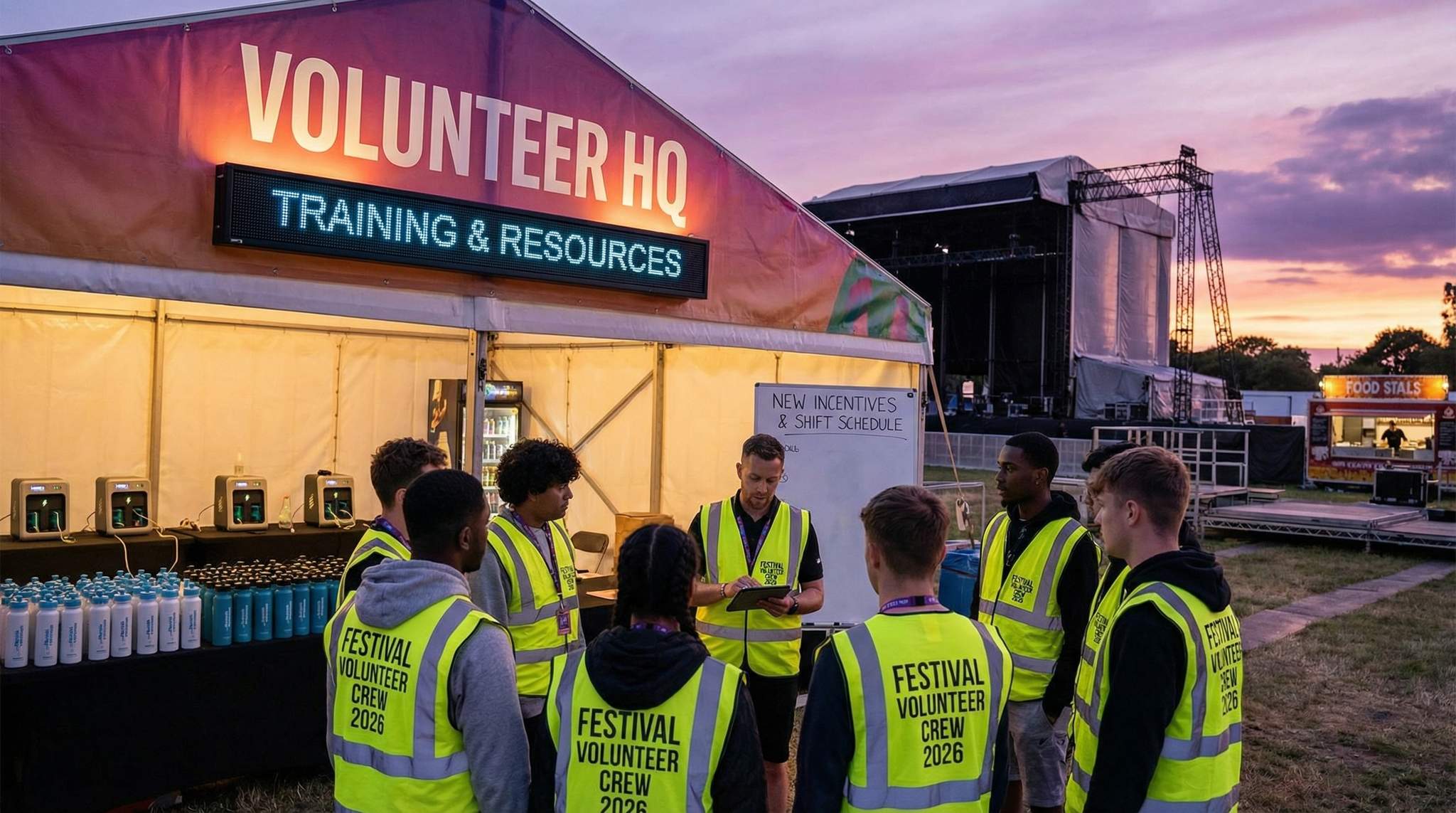
In 2026, successful volunteer programs operate on a two-way street: it’s not just what volunteers can do for the festival, but also how the festival listens and adapts to volunteers. Building a culture that treats volunteers as valued team members means giving them a voice. One practical approach is to institute post-festival volunteer surveys and debrief sessions. Ask volunteers what went well and what could be improved – and actually act on that feedback. For example, if many volunteers say the check-in process was confusing or the water stations were too far from their posts, fix those issues next time and tell them you did so because of their feedback. This creates a loop of trust: volunteers see that their opinions matter and lead to tangible changes. Some festivals even include a volunteer representative in their planning committees or post-mortem meetings, ensuring the volunteer perspective is heard at the decision-making level. Another aspect of feedback is real-time communication during the event. Make it easy for volunteers to report issues or ask questions – perhaps via a dedicated WhatsApp group or a volunteer HQ phone line. Many festivals set up a volunteer HQ tent or office on-site, staffed with coordinators who can field concerns (like “I need a replacement, I’m feeling unwell” or “We’re running low on supplies at the info booth”). By being responsive to volunteer needs in the moment, you prevent small problems from becoming big dissatisfaction. Remember that volunteers talk to each other and to attendees; their sentiment can quickly become public. A volunteer who feels ignored or mistreated might relay that to friends or online forums, damaging the festival’s reputation. On the other hand, a volunteer who feels heard and appreciated is likely to sing the festival’s praises. Treat volunteers as partners who help improve the festival – because often their on-the-ground viewpoint catches things management might miss. In summary, listening and adapting to volunteer input not only boosts retention (people love returning to an event that values them) but also continuously improves your operations.
Revamping Volunteer Recruitment Strategies for 2026
Casting a Wider Net for Talent
If volunteer sign-ups have been sluggish lately, it’s time to broaden your recruitment strategy. In 2026, relying on the same old email list or a single Facebook post won’t cut it – you need to cast a wide net to find enthusiastic, reliable volunteers. Start by tapping into new demographics. University students are a great pool: connect with college event management programs, hospitality courses, or even business and arts clubs. Offering volunteering as a way to get real event experience can attract ambitious students (some festivals partner with universities so students can earn internship credit for volunteering). Also consider reaching out to older adults – many retirees or working adults are looking for fun ways to give back to the community on weekends. For example, Oregon Country Fair in the U.S. has multi-generational volunteer crews where parents and even grandparents volunteer alongside younger folks, creating a family tradition. Don’t overlook corporate volunteer programs either. Some companies encourage employees to volunteer at community events (sometimes even counting it as paid volunteer time); a friendly call to local businesses might land you a group of eager helpers. Community organizations and clubs are another goldmine. Sports teams, scouting groups, rotary clubs, and church groups often volunteer together. In one Canadian festival, organizers solved a volunteer shortage by partnering with local sports clubs: for each shift a club member volunteered, the festival donated a set amount to that club’s fundraiser. This creative approach effectively paid volunteers via their organizations and boosted accountability, since volunteers were representing their club’s reputation. The key takeaway: be proactive and creative in recruitment. Post on a variety of platforms – not just your website, but volunteer matchmaking sites, local forums (Reddit, community Facebook groups), and at in-person events. Consider hosting a “volunteer open house” or info session months before the festival where interested people can learn about roles and sign up on the spot. By expanding where and how you look for volunteers, you’ll build a larger and more diverse team.
Free Tool: How Many Staff Do You Need?
Get a starting headcount for security, stewards, scanners, bar staff and first aid from your crowd size, event type and risk level.
Social Media, Referrals, and Modern Outreach
In 2026, you should meet prospective volunteers where they already are: online and on their phones. Social media is a powerful recruitment tool – not just for attendees, but for volunteers too. Craft a campaign that showcases the fun and benefits of volunteering at your festival. For instance, share short video clips or testimonials from past volunteers (“Volunteering at XYZ Fest was the highlight of my summer – I met amazing people and gained backstage access!”). Highlight unique perks (a behind-the-scenes tour, volunteer swag, chances to see shows while off duty) in your posts. Platforms like Instagram and TikTok can be especially effective if you encourage past volunteers to share their experiences using a specific hashtag. Another strategy is leveraging peer referrals. People are more likely to sign up if a friend encourages them. You can create an incentive for this: perhaps existing volunteers who refer a friend that completes a shift get a bonus perk (like a merchandise voucher or extra drink tickets). Even without a formal program, simply asking your confirmed volunteers to “bring a friend along” can boost your numbers. Make it easy with a refer-a-friend link or by allowing friends to request to be scheduled together on shifts (volunteers love working with their buddies if possible). Don’t forget traditional outreach too: local community bulletin boards, volunteer fairs, and press releases to local media (“Big Music Fest seeks volunteers, offers behind-the-scenes access”). A human-interest story in a local newspaper or radio about volunteers can drive people to your signup page. And speaking of signups – optimize that process for 2026. Use a mobile-friendly, easy form on your website or ticketing platform (Ticket Fairy’s platform, for example, lets you integrate custom registration forms for volunteers with your event page). The form should clearly list volunteer roles and requirements, so people know what they’re signing up for. The more transparent and convenient the recruitment process, the more likely potential volunteers will follow through and commit.
Clear Roles and Realistic Commitments
To attract dependable volunteers, be crystal clear up front about roles, expectations, and time commitment. Experienced festival organizers emphasize that volunteers perform best when they know exactly what their job entails. When advertising volunteer opportunities, provide mini job descriptions for each role: e.g., “Greeter Volunteer – 1 shift of 5 hours, welcome attendees at gate, scan tickets with provided scanner, must be friendly and able to stand for long periods.” This lets people self-select the roles that suit them, leading to happier volunteers and better performance. Clarity also weeds out those looking for a free ride – if someone just wants a free ticket with minimal work, seeing the commitment spelled out might dissuade them (which is good, you want only serious volunteers). In 2026, also be realistic and flexible with commitments. Gone are the days of demanding 16+ hours from each volunteer without options. Many festivals now offer tiered volunteering: for example, a “weekend volunteer” might do 3 shifts of 4 hours each (12 hours total) for a full festival pass, while a “single-day volunteer” does one 6-hour shift for a day ticket. Offering such options widens your pool (some people can’t commit to multiple days). Always state what the reward is for the commitment: “Volunteers who complete X will receive Y” – be it the festival pass, meal vouchers, t-shirt, etc. Honesty about the workload is crucial. If a role involves heavy lifting or being out in the hot sun, say so upfront; if it requires missing certain big artist sets due to shift timing, let them know. It’s better a volunteer knows what they signed up for than to have them no-show or quit mid-event out of surprise or disappointment. Many organizers create a Volunteer Handbook or FAQ on their website with all these details. Bonnaroo, for instance, publishes a detailed C’roo (volunteer) FAQ outlining everything from arrival times to camping arrangements. Setting clear expectations at the recruitment stage not only helps attract the right volunteers but also sets the tone for a professional program – volunteers see that the festival respects their time and takes the program seriously. And that in itself is a motivator for the dedicated people you actually want on your team.
Need Festival Funding?
Get the capital you need to book headliners, secure venues, and scale your festival production.
Modern Training and Onboarding for Volunteers
Comprehensive Orientation Programs
Throwing untrained volunteers into a festival is a recipe for chaos. In 2026, robust training and orientation is a must-have component of any volunteer program overhaul. This starts well before the festival gates open. Many successful events now provide pre-festival orientation sessions, either virtually (via Zoom/Teams webinars) or in-person if volunteers are local. These sessions cover the festival’s mission, values, and the basic do’s and don’ts. A great orientation makes volunteers feel like part of the family and clarifies how important their contribution is to the event’s success. It should also cover essential info like site layout, staff hierarchy (so they know who to report to), and general festival rules/policies. Some festivals send out an orientation video as part of the onboarding email – a 5-10 minute clip featuring the volunteer coordinator or festival director welcoming volunteers, walking through a map of the site, and showing key areas (first aid, volunteer HQ, etc.). This helps visual learners and builds excitement. Additionally, consider a Q&A segment – even an email thread or forum where volunteers can ask questions ahead of time. Once on-site, reinforce orientation with a short briefing for each shift. For example, if you have volunteers arriving each day, host a 15-minute “refresh meeting” each morning or at shift change. Here, area leads can remind everyone of safety tips, schedule changes, and weather considerations. Some veteran producers even incorporate an on-site walk-through or tour for volunteers on a pre-show day: walking the grounds, pointing out stage entrances, exits, rest areas, and demonstrating how to use any equipment (like radio or scanning devices). By investing time in thorough orientation, you not only equip volunteers to do their jobs well, but you also reduce their anxiety – a confident, informed volunteer is far more effective and engaged than a confused one. Plus, it sets a professional tone that this isn’t a haphazard operation; volunteers see that the festival respects them enough to prepare them properly.
Skills Training: From Safety to Service
Modern volunteer programs treat certain volunteer roles almost like job positions, complete with skills training. While not every volunteer task requires special skills, many do benefit from training in specific areas. Customer service is one big focus. Volunteers often interact with attendees at gates, info booths, or merch stands, so teaching them the basics of friendly, helpful service is crucial. This can be as simple as giving them a cheat-sheet of FAQs (“Where are the toilets? What time does XYZ play? How do I find lost & found?”) and training them to answer calmly and direct people effectively. A positive volunteer interaction can greatly enhance an attendee’s festival experience. Crowd management and safety is another key training area, especially after some high-profile crowd incidents in recent years. While volunteers are not a replacement for professional security, they should know what to do if they see unsafe crowding, a fight, or an emergency. Teach them the principle of “See Something, Say Something” – report issues to supervisors or security immediately. Basic training on using a radio, or who to call for different situations (medical vs security vs production) can save precious time in an incident. First aid training for volunteers is a bonus: some festivals partner with organizations like the Red Cross or St. John Ambulance to offer free or discounted first aid courses to volunteers before the event. Having a few volunteers knowledgeable in CPR or wound care sprinkled throughout the site can be very helpful as a first response, until medical teams arrive. In 2026, harm reduction training is also becoming more common – for example, volunteers might be trained to recognize signs of overdose and how to call in the medical team with Naloxone (especially if your festival emphasizes harm reduction initiatives). Lastly, job-specific training is key for certain roles: if volunteers are scanning tickets, train them on the scanner device and troubleshooting entry issues; if they assist at stages, teach them stagehand etiquette and safety (like not tripping on cables, etc.). A well-trained volunteer is not only more competent but also feels more confident and valued. They’ll take pride in being “skilled” at their role rather than just a warm body. Set up your training curriculum as if you were training paid staff – you might be surprised at how professionally volunteers will perform when treated like real crew members.
Tech-Enabled Onboarding and Coordination
In this digital age, leverage technology to streamline volunteer onboarding and communication. Volunteer management software and simple tools can save countless hours and headaches. To start, use online application forms that feed into a database or spreadsheet, making it easy to track applicants, their preferences, and contact info. Many festivals use tools like Google Forms or Typeform, but there are also specialized platforms for volunteer management (Volgistics, Better Impact, etc.). Once volunteers are confirmed, consider using a scheduling app or system to assign and manage shifts. In 2026, volunteers appreciate being able to check their schedule on their phones rather than juggling email PDFs. Some event ticketing platforms (like Ticket Fairy) or project management tools allow you to publish shift rosters, or you can use dedicated shift-scheduling apps. A popular approach is to create a private Google Calendar or an Excel schedule that volunteers can access; each volunteer finds their name and sees their shift times/locations. Make sure whatever system you use is updated in real-time if changes occur, and notify affected volunteers promptly via email or text. Another tech tool is a volunteer communication channel. Many festivals set up a closed Facebook Group or Slack/Discord server for volunteers. This acts as a community hub where you can post updates (“Volunteer parking changed to Lot C”, “Don’t forget orientation at 10am Saturday in the Volunteer Tent”) and volunteers can ask questions or even bond with each other. During the festival, a WhatsApp broadcast list or SMS alert system can send urgent blasts (e.g. “Storm coming, all volunteers secure loose items and report to shelter as instructed”). On-site, ensure your volunteer coordinators have tablets or printouts to check in volunteers quickly at the start of shifts – or even better, a check-in app or QR code scan to log attendance. This data (who showed up, who didn’t) is invaluable for post-event analysis and next year’s planning. Finally, tech can enhance training: host webinars for remote volunteers, use platforms to quiz volunteers on the handbook (making it interactive and fun), or produce quick “how-to” video clips for various tasks. Embracing tech in volunteer management not only appeals to younger, tech-savvy volunteers but also reduces the administrative load on your team, allowing coordinators to focus on the human side of volunteer engagement.
Incentives and Rewards That Motivate Volunteers
Beyond the Basics: Creative Perks in 2026
While a festival ticket, t-shirt, and maybe a meal voucher have long been standard volunteer compensation, 2026 calls for upping the game. Festivals are finding creative new ways to reward volunteers without crossing into employee compensation. One trend is offering tiered incentive packages. For example, volunteers who do more hours or take on tougher roles might earn extra perks – a merch bundle, access to a special viewing area for a headliner, or even a small travel stipend. Some festivals have instituted points or tokens that volunteers earn per shift, which can be exchanged for merchandise, food, or even guest passes for friends. Exclusive access is another powerful perk. Think about experiences money can’t buy that you can offer: a “volunteers only” after-party with the staff, an opportunity to attend a soundcheck, or a group photo on the main stage when the festival is over. These create memories and insider status that many volunteers value more than material items. Don’t underestimate comfort perks too. Providing volunteers with superior facilities can be a huge motivator: a dedicated volunteer camping area that’s nicer (maybe closer to the festival, or with better showers), or a volunteer lounge with free snacks, coffee, and massages. At some multi-day festivals, volunteers get early entry to the campgrounds before the general public as a perk, which guarantees them a good camping spot. Another idea catching on is professional development rewards. If you have industry connections, you could offer volunteers a free pass to an events workshop or conference, or a networking session with the festival’s production team – something that says, “We care about your growth.” Finally, consider cause-related incentives. Many volunteers are altruistically motivated, so tie in with a charity: for each volunteer shift completed, the festival donates $X to a local nonprofit (this can rally volunteers who love to give back, and it also generates positive PR). When structuring perks, just remember to keep them fair and legal – they should be gifts/recognition, not wages. Avoid direct cash payments (beyond reimbursement for expenses) to maintain the volunteer status. But within those bounds, you can get very creative. The more appreciated a volunteer feels, the more likely they’ll say “yes” to helping again – and they’ll encourage others to join too because your festival is known for treating volunteers amazingly.
Free Tool: Size Your Festival Site
Zoned capacity planning for arena, campsite, parking and entry lanes — against UK Purple Guide and NFPA density standards. Finds your bottleneck zone.
Recognition and Growth Opportunities
Sometimes praise and recognition are the greatest rewards of all. Volunteers commit their time out of passion, and publicly acknowledging that commitment goes a long way. Recognition programs in 2026 have become more elaborate and year-round. A classic tactic is the “Volunteer of the Year” (or of the festival) award. You can announce this at the end of the event – perhaps call a standout volunteer up on the main stage on the final day for a round of applause, or highlight them in a post-festival email/newsletter. Social media shout-outs are fantastic too: featuring volunteer spotlights (“Meet Jane, who led our Eco-Volunteer team, working 30 hours to keep the grounds clean – thank you Jane!”) puts a personal face on the program and shows you genuinely appreciate individuals. Some festivals partner with industry associations to formally recognize volunteers; for example, the International Festivals & Events Association (IFEA) even has a Volunteer of the Year award, which you could nominate your star volunteers for. Beyond awards, creating growth paths for volunteers is a powerful retention strategy. Many of today’s top festival organizers and staff actually started out as volunteers learning the ropes. Let volunteers know that and create a ladder: perhaps a volunteer can become a team leader or zone captain after 2 years of good performance, and maybe down the line transition into a paid staff role (even if seasonal) like volunteer coordinator or production assistant. When volunteers see tangible personal benefit – like career experience or a foot in the door of the events industry – they’re more motivated and loyal. Provide mentorship: pair veteran volunteers with newbies as buddies, or have one of your staff take an aspiring volunteer under their wing during the festival. Offering to write reference letters for jobs or college can also be a draw; a volunteer who busts their tail for you might greatly value a glowing letter from the festival management to future employers. Essentially, show volunteers that their service is a pathway, not a dead-end. They are gaining something lasting (skills, confidence, connections) beyond just the immediate perks. This mindset transforms volunteering from “free labor” to a win-win collaboration. And it pays off for festivals: a volunteer who grows with you often becomes an exceptional staff member or lifelong advocate for the event’s mission.
Balancing Perks with Fair Labor Practices
While incentives and rewards are great, festival producers must carefully balance them with legal and ethical considerations. We want to motivate volunteers without veering into employment. A common guideline is to keep the total monetary value of perks within a reasonable range that wouldn’t be seen as a wage substitute. For instance, giving a volunteer a festival pass (which might be worth $200) plus some meals and a t-shirt is generally acceptable for a weekend of work. But if you start adding high-value items like expensive electronics or large gift cards, it could raise eyebrows that these “volunteers” are being compensated like employees. Always frame the perks as gifts or tokens of appreciation, not as quid pro quo payment for hours worked. Language matters: say “volunteers receive a thank-you package including XYZ” rather than “volunteers will be paid in tickets and merch” (never use “paid” for volunteers). Also be mindful of equity among volunteers. Tiered rewards are fine as long as they correspond to clearly different commitment levels or responsibilities. It should feel fair – volunteers talk among themselves, and if someone feels shortchanged, it can breed resentment. Make sure everyone meeting the same requirements gets the same base perks. Additionally, maintain transparency about perks in your volunteer agreement. List what they will get upon successful completion of their shifts. One tricky area is deposits: Many festivals (especially in Europe) require volunteers to put down a refundable ticket deposit – say $300 – which is returned after they complete all shifts. This dramatically cuts down no-shows (Oxfam’s famous volunteer program uses this model with great success). If you choose to do this, be very clear and administratively sound in handling those funds (and make sure it’s legal in your area to take a deposit). When volunteers fulfill their duty, promptly refund that money with a thank-you note. If someone flakes, that deposit can be donated to charity or used to pay emergency staff – outline these terms up front. Lastly, stay attuned to labor law updates. If minimum wage laws change or if there’s new guidance on volunteer stipends, adjust your program. For example, some regions may start considering large gift cards as wages. In 2026, the emphasis is on fairness – no volunteer should feel exploited. If you calculate that your volunteers are contributing 20 hours of work each, ask if the perks you give truly make it feel worthwhile for them. If not, you may need to adjust or consider paying some roles. A well-balanced program keeps the spirit of volunteerism (people giving time for love of the event and community) intact, while generously rewarding that spirit in ways that don’t cross legal lines.
Building a Volunteer Community and Culture
Communication, Respect, and Inclusion
To truly revamp a volunteer program, festival organizers must foster a culture of respect and communication. Volunteers are not just temp workers; they’re part of the festival family. Start by communicating with volunteers year-round, not just the week of the event. Many festivals maintain a volunteer email list or Facebook group where they share festival news, highlight volunteer stories, and make volunteers feel in the loop. This continuous engagement builds a sense of community. When announcing your lineup or new sustainability initiative to the public, also shoot a note to your volunteers: “We thought you’d be excited to know first – you’re a crucial part of making this happen!” During the festival, treat volunteers with equal respect as paid staff. Simple things go far: ensure volunteers are addressed politely, their questions answered, and their basic needs looked after. Encourage your staff and crew leads to learn volunteer names and thank them often. Inclusive language is important too – refer to the group as “the volunteer team” or just “the team” rather than creating an us-vs-them divide. Some festivals give volunteers a different colored staff shirt, but otherwise integrate them into the overall crew for meals and meetings, reinforcing that one-team feeling.
Cultivating respect also means enforcing a zero-tolerance policy for harassment or discrimination involving volunteers. They should feel safe and welcome at all times. If a volunteer faces abuse from an attendee or even a staff member, the organizers must have their back (remove the volunteer from that situation and handle the offending person accordingly). By championing volunteer well-being publicly, you signal that these team members are valued humans, not disposable help. In the end, building a positive volunteer culture boils down to the Golden Rule – treat volunteers how you’d want to be treated if you were donating your time. Clear communication, gratitude, and basic respect create an environment where volunteers are happy to give 110%. And that radiant volunteer morale will be palpable to festival-goers, creating a virtuous cycle of positivity.
Empowerment and Ownership
A hallmark of next-level volunteer programs is giving volunteers a sense of ownership and empowerment in their roles. People take their responsibilities more seriously – and find them more rewarding – when they have agency and trust. How do you foster this? Start by involving volunteers in small decision-making. For example, if you have volunteer team leaders or returnees, get their input on things like shift scheduling or placement preferences: “Do you think 4-hour or 6-hour shifts work better for the entry gate team?” or “You’ve done campground patrol before – what equipment or support would help you do it better this year?”. By consulting them, you signal that their insights matter. Some festivals create a volunteer advisory committee that meets a few times in the lead-up to the event to discuss the volunteer program. This not only generates great ideas (volunteers often know the pain points firsthand) but also makes those volunteers feel truly invested in the outcome.
On the ground, empowerment comes from trusting volunteers with meaningful tasks and responsibility. Assign team leads or captains among the volunteers – for instance, a volunteer who’s been with you for years could supervise a crew of 10 other volunteers in a parking lot or at the kids’ area. Give them a radio and the authority to make minor decisions (like rotating breaks or solving small attendee requests) without needing a manager every time. Volunteers appreciate when they aren’t micromanaged and can take initiative. Of course, provide guidance and boundaries: “You are in charge of keeping this area tidy and helping attendees, but do call security if anything major happens.” Another aspect is encouraging problem-solving. If a volunteer notices an issue – say, a missing directional sign or a shortage of water cups at a station – empower them to solve it if possible (maybe extra supplies are nearby), or to quickly relay it to someone who can. Celebrate these proactive actions as success stories in your debrief. When volunteers feel a sense of ownership, they act like true stakeholders. At Australia’s Rainbow Serpent Festival, for example, long-time volunteers often speak of “our festival” as if it were theirs – because the organizers have long empowered them to run whole domains (like the sanctuary space, decor, etc.). That pride leads to extraordinary dedication. Empowerment also means having a bit of tolerance for mistakes – volunteers might try something and err, but use it as a coaching moment rather than scolding. Over time, you’ll cultivate a cadre of veteran volunteers who are as passionate and competent as any paid staffer, all because they were given room to grow. This level of trust and responsibility is the ultimate motivator: volunteers feel needed, capable, and proud of the festival’s success as if it were their own.
Boost Revenue With Smart Upsells
Sell merchandise, VIP upgrades, parking passes, and add-ons during checkout and via post-purchase emails. Increase average order value by up to 220%.
Camaraderie and Community Goodwill
One of the most rewarding aspects of volunteering (and running a volunteer program) is the sense of community it creates. Festival producers can nurture this by intentionally turning volunteering into a fun, social experience. Encourage camaraderie from day one: use icebreakers during volunteer orientation, set up a group chat or social event for volunteers to mingle before the festival. Some festivals host a pre-festival gathering or BBQ exclusively for volunteers and staff – a low-pressure way for everyone to meet, bond, and build team spirit. During the event, small touches help build camaraderie: a whiteboard in the volunteer lounge where people can write shout-outs (“Props to the Gate Crew for handling the morning rush!”), or team challenges (e.g. which volunteer team can get the most attendee high-fives or recycle the most trash – friendly competitions with silly prizes). By the end of the festival, many volunteers have formed friendships and memories together. Recognizing that, many events also hold a post-festival volunteer party or reunion. This could coincide with a volunteer appreciation ceremony, or be as casual as inviting everyone to a local pub a week later to swap stories. It wraps up the experience on a high note and keeps that community feeling alive beyond the festival.
Importantly, a strong volunteer community doesn’t just benefit the event internally – it radiates goodwill outward to the broader community. Festivals that prioritize volunteers often become beloved in their hometowns. Local volunteers feel proud and tell others about their positive involvement, which enhances the festival’s reputation as a community-centric event. For example, community-centric festivals like Burning Man or small town arts festivals heavily integrate volunteers and local values, which in turn fosters local support and longevity . A volunteer program can also be a conduit for community initiatives. Some festivals engage volunteers in year-round activities like park clean-ups, charity drives, or festival workshops in schools (often while wearing their festival volunteer shirts). This keeps the brand active in the community and shows that the festival isn’t just about profit but about giving back – a narrative that sponsors and city councils love to hear. In essence, by building a genuine “festival family” through your volunteers, you lay a foundation for sustainable success. These individuals become your festival’s ambassadors and defenders. They will happily turn out to support you in tough times (like if you need voices at a permit hearing or help during a last-minute site change). And they’ll likely return next year with friends in tow. Camaraderie is contagious. When new recruits see the laughter, hugs, and teamwork among veteran volunteers, they realize this is more than a volunteer gig – it’s joining a community. That is the true power of Volunteers 2.0: not just a workforce, but a tight-knit community that amplifies the spirit and reach of your festival.
Real-World Examples of Evolved Volunteer Programs
Large-Scale Festival: Setting the Standard
Glastonbury Festival (UK) – host to over 200,000 attendees – offers a prime example of a large festival revamping volunteer engagement while meeting legal requirements. Glastonbury relies on thousands of volunteer stewards each year, but they do it right by partnering with charities. Organizations like Oxfam manage these volunteers, ensuring they’re well-trained and looked after, in exchange for donations from the festival. The result? Volunteers get a structured program with clear roles (e.g. gate steward, fire tower watch, campsite assistance) and support, while the festival stays compliant and generates goodwill. Many Glastonbury volunteers return annually; one volunteer-turned-supervisor has been with the festival since 2007, now leading a team of 300+ volunteers in the Park Stage area. Glastonbury also innovates in volunteer welfare: volunteers work reasonable shifts (often 3 x 6-hour shifts spread over the festival), with two meals a day, free camping, showers, and even a dedicated volunteers’ chill-out area. The festival publicly praises its volunteer army; in 2024, co-organizer Emily Eavis thanked the “30,000 volunteers and the charities they support – without whom Glastonbury couldn’t happen” in a press release. This high-profile appreciation and the professional setup make volunteers feel like an essential part of the Glasto legacy. Roskilde Festival in Denmark similarly showcases scale with soul: it mobilizes roughly 30,000 volunteers to run the event each year, providing them with meals and a special Volunteers’ Village near the main stage as a token of thanks. These mega-festival case studies show that even at industrial scale, a well-run volunteer program can thrive – it just requires significant planning, clear structure, and a commitment to volunteer well-being from the very top of the organization.
Mid-Sized Festival: Turning Volunteers into a Family
Mid-sized festivals (say 5,000–30,000 attendees) have an opportunity to really turn their volunteer crew into a close-knit family, and some have excelled at this. Take Oregon Country Fair (USA) as an example of a long-running cultural festival (attendance ~20k) that’s legendary for its volunteer culture. Spanning decades, OCF has developed multi-generational volunteer teams – parents and children volunteering together, with knowledge passed down like folklore. They’ve done this by creating volunteer “crews” with distinct identities (security crew, peach pit crew, recycling crew, etc.), each with its own traditions, symbols, and even reunion events between fairs. Volunteers here are not just staff, they’re part of the Fair’s very identity, which explains why so many have stuck around for 10, 20, or 30 years. The Fair also treats volunteers exceptionally well: there’s a saying that the best food at OCF is in the volunteer kitchen, where home-cooked meals are served to those working. Another mid-sized event, Shambhala Music Festival (Canada), overhauled its volunteer program in the face of increasing competition and expectations. Around 2018–2019 they faced volunteer drop-off due to the remote location and demanding nature of the work (it’s on a ranch with hot days and cold nights). In response, Shambhala’s team implemented new volunteer wellness measures: they shortened volunteer shifts to a max of 5 hours, built a shaded rest zone with free hydration drinks, and started each shift with a quick stretch and hype session to energize the crew. They also began a tradition of hand-written thank-you cards from the organizers given to volunteers as they checked out after the festival, often accompanied by a small gift bag of festival merchandise. The impact was clear – volunteer satisfaction scores jumped in post-event surveys, and retention for the next year rose significantly (an internal report showed a jump from ~50% returning volunteers to 70%+ after these changes). The lesson from these mid-sized festivals is that personal touches and community spirit are powerful. They operate with a more intimate scale than giant festivals, so they leverage that by forging genuine personal connections with and among volunteers. The festival becomes more than an event – it becomes their event, a shared passion project, which is exactly the kind of magic that money can’t buy.
Innovative Approaches: Partnerships and Incentives
Some festivals have gotten truly innovative in restructuring their volunteer programs for modern times. On the partnership front, consider Lightning in a Bottle (USA) – a festival known for environmental consciousness. LIB partnered with volunteer organizations for specific needs: they brought in Professionals for Drug Prevention and Harm Reduction (a fictitious example name for illustration) to supply trained volunteers for their sanctuary spaces and harm reduction tents, ensuring qualified people were in those sensitive roles. In return, LIB made a donation and gave those volunteers extra privileges on site. This approach filled skilled volunteer roles that they might otherwise have to pay staff for, while boosting the festival’s safety credentials. Another innovative case comes from a regional festival in Australia that struggled with last-minute volunteer no-shows. They implemented a refundable deposit system similar to the UK charity model: volunteers had to buy a special volunteer ticket, say $100, which was fully refunded after they completed their shifts. To avoid financial barrier issues, those who couldn’t afford it could opt for a “no deposit” plan but had to check in more frequently. The result was a dramatic drop in no-shows – practically zero, because almost everyone either came or formally canceled in advance to get their deposit back. The festival also noticed volunteers took the commitment more seriously (arriving on time, etc.), perhaps because they had some skin in the game. On the incentive side, SXSW (USA) – while not a traditional outdoor festival, it’s a massive event that relies on volunteers – refreshed its program recently by offering volunteers access to exclusive conference content and professional networking events normally reserved for paid badge holders. Essentially, volunteers who worked X hours got a curated selection of talks or showcases they could attend for free. This appealed greatly to the demographic that volunteers there (many are students or young professionals in tech/creative fields). It reframed volunteering not as “work for free entry” but “exchange time for learning and networking”. Looking globally, festivals in emerging markets are also adapting: Envision Festival (Costa Rica) has volunteers arrive a few days early for a communal eco-immersion program – they help plant trees or do a beach cleanup as part of their orientation, aligning volunteer work with the fest’s eco-values and giving volunteers a deeper connection to the land and cause. These examples show that there’s no one-size-fits-all; the best programs often blend multiple strategies. Whether it’s tighter collaboration with volunteer organizations, novel uses of incentives like deposits or education, or tying the volunteer experience into the festival’s mission, innovation is thriving. Festival producers are essentially asking, “How can we make volunteering itself an amazing experience?” and answering that in diverse ways. By studying these inventive approaches, any festival can pick up ideas to refresh their own volunteer program for the better.