Beer festivals can be joyous celebrations of craft, community, and culture. Yet behind the scenes, producing a successful beer festival is a complex feat that even seasoned organizers sometimes struggle to get right. From small-town craft gatherings to world-famous events like Munich’s Oktoberfest, the difference between a festival that falls flat and one that flourishes comes down to meticulous planning and smart execution. This authoritative guide breaks down why many beer festivals stumble and, more importantly, how to avoid those pitfalls. Drawing on decades of production expertise, it offers proven strategies to help any festival producer – whether planning for 500 or 50,000 attendees – create an unforgettable, smooth-pouring event.
Key Stat: Oktoberfest in Germany attracts around 6 million visitors over two weeks, illustrating the extreme high end of festival scale. Even far smaller beer festivals can have outsized impacts on their local community and economy.
Warning: The craft beer scene is evolving fast. Festivals that ignore shifts like the rise of low-alcohol brews, craft seltzers, or inclusive offerings risk losing relevance. Successful events adapt to new tastes while staying true to their core identity.
For those looking into how to plan a beer festival from the ground up, the process requires balancing a creative vision with rigorous operational logistics. Organizing a beer festival involves mastering everything from curating the perfect tap list and managing cold-chain storage to navigating complex municipal permits and crowd flow dynamics.
Smooth Entry With Mobile Check-In
Scan tickets and manage entry with our mobile check-in app. Supports photo ID verification, real-time capacity tracking, and multi-gate coordination.
Before diving into the details, here’s a roadmap of the crucial elements in beer festival production, from initial vision to post-event wrap-up.
When you first set out to organize a beer festival, establishing a comprehensive project timeline is your most critical initial step. Planning a successful brew fest requires reverse-engineering your critical path from the event date. At the 12-month mark, your focus should be entirely on venue procurement, date selection, and initial financial modeling. By the six-month milestone, the focus shifts to securing brewery commitments, locking in infrastructure rentals (like staging and cold-storage trailers), and launching early-bird ticket sales. This structured approach to event production ensures that the myriad of moving parts—from municipal compliance to marketing—align perfectly on opening day.
Successfully organizing a beer festival requires a phased approach. The lifecycle of planning a beer festival typically breaks down into three core stages: pre-event strategy (securing the venue, curating the brewery lineup, and navigating municipal licensing), operational execution (managing cold-chain logistics, draft systems, and crowd flow), and post-event reconciliation (settling tokens, analyzing pour data, and gathering feedback). Mastering these phases is what separates a chaotic gathering from a highly profitable, scalable annual event.
Beer festivals can be joyous celebrations of craft, community, and culture. Yet behind the scenes, producing a successful beer festival is a complex feat that even seasoned organizers sometimes struggle to get right. From small-town craft gatherings to world-famous events like Munich’s Oktoberfest, the difference between a festival that falls flat and one that flourishes comes down to meticulous planning and smart execution. This authoritative guide breaks down why many beer festivals stumble and, more importantly, how to avoid those pitfalls. Drawing on decades of production expertise, it offers proven strategies to help any festival producer – whether planning for 500 or 50,000 attendees – create an unforgettable, smooth-pouring event.
Key Stat: Oktoberfest in Germany attracts around 6 million visitors over two weeks, illustrating the extreme high end of festival scale. Even far smaller beer festivals can have outsized impacts on their local community and economy.
Warning: The craft beer scene is evolving fast. Festivals that ignore shifts like the rise of low-alcohol brews, craft seltzers, or inclusive offerings risk losing relevance. Successful events adapt to new tastes while staying true to their core identity.
For those looking into how to plan a beer festival from the ground up, the process requires balancing a creative vision with rigorous operational logistics. Organizing a beer festival involves mastering everything from curating the perfect tap list and managing cold-chain storage to navigating complex municipal permits and crowd flow dynamics.
Before diving into the details, here’s a roadmap of the crucial elements in beer festival production, from initial vision to post-event wrap-up.
Planning a Festival?
Ticket Fairy's festival ticketing platform handles multi-day passes, RFID wristbands, and complex festival operations.
When you first set out to organize a beer festival, establishing a comprehensive project timeline is your most critical initial step. Planning a successful brew fest requires reverse-engineering your critical path from the event date. At the 12-month mark, your focus should be entirely on venue procurement, date selection, and initial financial modeling. By the six-month milestone, the focus shifts to securing brewery commitments, locking in infrastructure rentals (like staging and cold-storage trailers), and launching early-bird beer festival ticket sales. This structured approach to event production ensures that the myriad of moving parts—from municipal compliance to marketing—align perfectly on opening day.
Successfully organizing a beer festival requires a phased approach. The lifecycle of planning a beer festival typically breaks down into three core stages: pre-event strategy (securing the venue, curating the brewery lineup, and navigating municipal licensing), operational execution (managing cold-chain logistics, draft systems, and crowd flow), and post-event reconciliation (settling tokens, analyzing pour data, and gathering feedback). Mastering these phases is what separates a chaotic gathering from a highly profitable, scalable annual event.
Ultimately, learning how to organize a beer festival effectively means treating it as a professional production rather than a casual party. Whether you are planning a beer festival for a local neighborhood or scaling up to a regional mega-event, the operational frameworks detailed below will serve as your blueprint for success.
Table of Contents
- The Evolving Beer Festival Landscape
- Crafting a Unique Beer Festival Identity and Theme
- Festival Venue, Layout, and Accessibility Considerations
- Licensing, Permits, and Legal Compliance for Beer Festivals
- Ticketing, Capacity Planning & Pricing Models
- Safety, Security, and Responsible Service
- Beer Handling Logistics: Draft Systems and Cold Chain
- Sustainability and Waste Management
- Brewery Partnerships and Sponsor Relations
- Staff and Volunteer Management
- Attendee Experience and Engagement
- Post-Event Reconciliation and Evaluation
- Essential Reading
- FAQ
- Glossary
- Conclusion
The Evolving Beer Festival Landscape
Beer festivals today span every size and style, from intimate 200-person tasting nights to massive multi-day fairs covering entire fairgrounds. Understanding the broader landscape helps a producer position their event for success. Small local festivals might feature a dozen regional breweries in a community park, whereas large international festivals coordinate hundreds of breweries and tens of thousands of attendees.
To appreciate the range, consider that a regional event like the Great American Beer Festival in Denver (USA) hosts around 40,000 attendees and hundreds of breweries, while Oktoberfest in Munich draws millions. In recent years, craft beer festivals have proliferated worldwide, driven by the boom in craft breweries and enthusiastic consumer demand for unique beer experiences. At the same time, the industry is seeing some growing pains – oversaturation in certain markets, rising costs, and changing consumer tastes. Festivals that once sold out easily now face competition and must work harder to offer compelling value.
Key Stat: A UK study found that a four-day beer festival in York generated approximately £1.2 million for the local economy and created 18 full-time equivalent jobs, according to Northumbria University research on local economic impact. Even modest festivals can deliver significant economic boosts to their communities.
Modern beer festivals are evolving to meet new expectations. Attendees increasingly seek more than just unlimited beer – they crave quality experiences: educational tastings, foodie pairings, live entertainment, and a safe, inclusive atmosphere. Industry trends reflect this: for example, the Great American Beer Festival recently added hard seltzer and cider options and interactive booths to broaden appeal. Successful producers read these trends and adapt. They ensure their festival stands out (why should someone attend your event versus any other?), stays culturally relevant, and maintains high standards in service and safety.
Planning is key: top producers often begin preparations a year or more in advance for major festivals, and at least 6–12 months ahead for mid-sized events. This lead time is needed to secure venues, lock in brewery commitments, obtain permits, and market effectively. The following table highlights how festival scale influences various production elements:
Comparison of Small vs. Large Beer Festivals
| Aspect | Small Local Festival (hundreds of attendees) | Large International Festival (tens of thousands) |
|---|---|---|
| Breweries Participating | 10–30 mostly local/regional breweries | 100+ breweries from across the country/world |
| Venue | Brewery taproom, community hall, or small park | Convention center or large fairgrounds (indoor & outdoor mix) |
| Ticketing | Single-day event or one session; general admission only | Multi-session or multi-day; VIP tiers and special sessions |
| Staffing | Volunteers from local clubs and a few paid staff | Professional security, medical teams, large volunteer crew with experienced leads |
| Beer Selection | Focus on local favorites; limited rare beers | Extensive tap list covering many styles; rare and exclusive brews tapped on schedule |
| Logistics Complexity | Simple draft setup (jockey boxes, few kegs); minimal tech | Complex operations (draft trailers, real-time keg monitoring, dedicated chill storage) |
| Budget | Tens of thousands in expenses; relies on local sponsors and donated beer | Hundreds of thousands in expenses; major corporate sponsorships, significant infrastructure costs |
| Waste Management | Basic recycling bins and trash cans | Formal zero-waste program with recycling, composting, and reusable cups (staffed waste stations) |
| Planning Timeline | 3–6 months of planning | 12–18 months of planning with full-time coordination |
As you scale your operations, the methodology behind planning a beer festival must mature. Transitioning from a local parking lot gathering to a regional destination event means shifting from ad-hoc volunteer committees to professionalized production teams. Organizers must adopt rigorous project management frameworks, utilizing Gantt charts for permit deadlines and dedicated CRM tools for brewery outreach. Ultimately, organizing a beer festival at a high level requires treating the event as a complex logistics business rather than just a large party.
Whatever the scale, certain fundamentals remain the same: you need a clear vision, diligent planning, and agile execution. Below, we delve into each major component of festival production in depth.
Crafting a Unique Beer Festival Identity and Theme
In a crowded festival market, a strong identity is your festival’s North Star. It informs everything from the name and branding to the beer list and decor. Start by defining what makes your event distinct. Will your beer festival showcase a particular style (e.g. an IPA Fest or Sour Beer Celebration)? Does it highlight a story or local culture (like a mountain-town brew fest with alpine theme)? Identify your target scene – are you catering to hardcore beer geeks, casual food-and-beer lovers, or perhaps a mix of both?
Need Festival Funding?
Get the capital you need to book headliners, secure venues, and scale your festival production.
Crafting a narrative around the festival helps attract both attendees and breweries. Many of the most beloved events have a clear personality. For instance, one festival might pride itself on being a “barrel-aged beer paradise,” while another focuses on seasonal autumn brews and harvest foods. Use those unique angles in your marketing. Ensure the festival name, logo, and tagline reflect that identity (avoid generic names – be memorable and authentic).
Pro Tip: Engage a well-known local brewmaster or brewery as a collaborating partner. For example, consider hosting an exclusive collaboration beer program with multiple breweries where they create festival-only brews. This not only bolsters your festival’s identity but also gives super-fans something unique to chase.
A signature element enhances identity. This could be a flagship competition or award (like a Best in Show voted by certified judges or a People’s Choice award by attendees). Having formal judging and awards strategies – from BJCP-sanctioned panels to fun People’s Choice votes – can attract serious brewers and lend credibility. Alternatively, it could be a non-beer attraction in tune with your theme: a live art installation, a homebrew demonstration stage, or pairing sessions with chefs if your angle is culinary.
Above all, be authentic. Beer aficionados can sense when a festival is just copy-pasting another event’s formula. Take inspiration from others, but infuse your own local flavor and creativity. If your town is known for its music scene, integrate it in a way that complements the beer (we’ll discuss entertainment more later). If sustainability is a core value, maybe the festival identity revolves around being eco-friendly (e.g. reusable glassware, low waste).
Warning: Don’t chase every trend at the expense of coherence. If your festival is marketed as a cozy winter stout fest, suddenly adding a “tropical tiki bar” area might confuse the experience. Stay true to the story you’re telling, even as you innovate.
In practical terms, once you have an identity and theme, build branding and marketing around it early. Create a simple style guide: colors, imagery, tone of voice for communications. For example, a funky summer beer carnival might use vibrant graphics and a playful tone, while a refined connoisseur’s festival might use sophisticated fonts and a knowledgeable yet approachable voice. This consistency in identity will help attract the right audience and make your event memorable year after year.
Festival Venue, Layout, and Accessibility Considerations
Choosing the right venue and designing an effective festival layout are make-or-break decisions. The venue sets the atmosphere and imposes logistical constraints. Key venue options include:
- Indoor halls or convention centers: Great for climate control and existing facilities (bathrooms, electricity), but they can feel sterile if not decorated well. Ventilation is crucial – beer tasting in a stuffy hall isn’t fun. Check if the floor can handle spilled beer and if load-in for kegs is convenient (docks, elevators).
- Open-air parks or city streets: Provide a vibrant, festival-like ambience. However, you’ll likely need tents for shade or rain, fencing for perimeter control, and plans for power, lighting, and stage setup. Community impact must be managed when taking over public spaces.
- At breweries or beer gardens: Some festivals occur across multiple brewery taprooms or a large brewery’s grounds. This offers built-in beer infrastructure (taps, cold storage) and an authentic vibe, but capacity is limited and you may need shuttle transport if spread out.
Think about attendee comfort and flow. A common mistake is underestimating the space needed for lines at popular booths or for general crowd movement. It’s far better to have some open space than to be overly cramped. Map out your layout to scale: booth positions, stage, restrooms, entrance/exit, water stations, seating areas, etc. Ensure there are obvious walking paths and that lines for beer stations won’t obstruct those paths.
Pro Tip: Early in planning, create a detailed site map and conduct a walk-through (physically or virtually) with your team. Position placeholders for each brewery booth and imagine a few hundred people circulating. Adjust spacing to eliminate bottlenecks. Also, plan where essential amenities go, like rinse stations and sanitation areas (near trash bins but out of main foot traffic).
Consult with the local community if your festival is outdoors or in a residential area. Good community relations can prevent a lot of headaches. Visit neighboring businesses or residents, inform them of your plans, festival timing, and any street closures. Offering perks (free or discounted tickets for locals, or a special preview hour for the neighborhood) can build goodwill. Most importantly, strictly manage your open-container boundaries and community relations. Use fencing or barricades and security staff at exits so no alcohol leaves the permitted area. If music or crowds might be loud, set reasonable hours and have a sound curfew.
Free Tool: Size Your Festival Site
Zoned capacity planning for arena, campsite, parking and entry lanes — against UK Purple Guide and NFPA density standards. Finds your bottleneck zone.
Accessibility isn’t optional – it’s a must. Design the layout to accommodate attendees of all abilities. Provide ADA-compliant access: ramps instead of steps, wide gateways for wheelchairs, some low tables for tastings, and accessible portable restrooms. If your event uses tokens or tickets, have an accessible sales point. Consider an inclusive design approach such as a quiet area for attendees who might need a break from noise or sensory overload. Little touches like providing printed beer lists in large font or a sign language interpreter for stage announcements can make a big difference for inclusivity.
Warning: Don’t skimp on essential facilities. A common blunder is under-providing restrooms and water. Aim for roughly one restroom per 75–100 attendees for a beer event (since consumption is high), and distribute them around the venue to avoid one massive line. Likewise, ensure free water stations are plentiful to keep attendees hydrated and to promote responsible drinking.
Lastly, have a bad-weather and contingency plan. Outdoors events should have tents or an indoor fallback for rain. For any venue, think through emergency evacuation routes and capacity limits for each area. The layout should allow safe exit pathways and not pen people into dead ends. Once your layout is set and approved by any required officials (fire marshal, etc.), communicate it to all vendors and staff. That way, everyone knows the festival footprint, which helps setup and event-day coordination to go much smoother.
Licensing, Permits, and Legal Compliance for Beer Festivals
No matter how exciting your festival plans are, they can’t proceed without the proper licenses and permits. Alcohol is heavily regulated, so start this process early – often several months in advance. First and foremost, you’ll need a permit to serve alcohol at your event. Depending on your jurisdiction, this could be a one-day special event liquor license or an extension of an existing license (for example, some festivals partner with a nonprofit or a brewery that holds the license). Research local laws or consult an attorney to understand the pathway. Never assume you can just pour beer because breweries are present – explicit permission is almost always required.
Important compliance items to address:
- Alcohol service license: File the application on time (some regions require 60–90 days lead time). Provide all required documentation – site maps, security plans, insurance certificates. Work closely with your local Alcohol Beverage Control (ABC) agency or equivalent. In some areas, an already-licensed vendor (brewery, bar, caterer) must apply on your behalf. Identify that partner early.
- Age verification: Absolutely no exceptions here – every attendee who will drink must be 21+ (or whatever the legal drinking age is locally). Implement a robust ID check at entry and use a system to indicate verified attendees, such as tamper-proof wristbands with security features. Train gate staff to spot fake IDs and consider electronic ID scanners for speed and accuracy if your crowd is large.
- Open container and location permits: If in a public space, you likely need city permits for the event itself (street closure, park use permit, etc.), not just the liquor aspect. Ensure your event perimeter is clearly defined in the permit and then physically demarcated on site (fencing, signage). Adhere to any serving hours specified by permit (e.g. “beer service must stop by 9pm”).
- Insurance: Obtain liability insurance with liquor liability coverage. Many jurisdictions and venue owners require it. A typical policy might be $1–2 million general liability plus a liquor liability rider. Also, check if any additional insured (city, venue, sponsors) need to be named on the policy.
- Health department compliance: Even though you’re serving beverages, local health inspectors may oversee your event, especially any rinse water or if you’re handing out glassware. Follow beverage sampling health protocols like using food-grade hoses, properly labeling any non-potable water lines (e.g. for chilling coils), and ensuring hand-wash stations for staff. If you have food vendors, each will need their permits and must comply with food safety regs – coordinate this and verify all food vendors are licensed and inspected.
- Vendor and tax compliance: Some places require temporary event vendor permits for each brewery or merch seller at your fest. It’s good practice to handle any such paperwork centrally so your vendors have a smooth experience. Additionally, confirm if sales tax applies to ticket or token sales and ensure your systems account for this. If breweries are selling merchandise or packaged beer on-site (where legal), they may need to charge tax too.
Another major legal consideration is the structure of your ticketing and beer sales. Some jurisdictions prohibit “all-you-can-drink” models because they encourage overconsumption, while others allow it at a flat fee event. Know the rules: you may have to use a token or ticket-per-pour system if unlimited tasting is not legal. (Our next section dives into these models.) If using tokens or beer tickets, also confirm any local restrictions – for instance, some states require that unused tokens be refundable to avoid them being a “drink purchase” currency.
Warning: Failing to get the proper permits can shut down your festival on the day of the event – an absolute disaster. Never assume leniency. If you haven’t received written approval for something, chase it down. Bureaucracy can be slow; build time for possible delays or additional information requests. It’s far better to slightly postpone a festival date than to hold it illegally and risk fines or cancellation on the spot.
Finally, maintain excellent documentation. Keep copies of all permits on site during the festival. Have a binder or digital folder that organizers can quickly access if officials ask. Train your staff on critical rules (e.g. no outside alcohol, the exact service cut-off time, maximum pour size if mandated, etc.). A well-run festival stays within the lines of the law – and as a result, keeps its reputation clean and paves the way for future editions.
Ticketing, Capacity Planning & Pricing Models
Striking the right balance in ticketing and pricing is crucial for both attendee satisfaction and financial viability. It starts with setting a realistic capacity. Overestimating how many people the venue or breweries can handle leads to overcrowding and poor experiences (long lines, beer running out). It’s wiser to have a sell-out at a comfortable number than to sell unlimited tickets and tarnish your festival’s name. Use a throughput model – for example, how many pours per hour can each booth make, and thus how many attendees can each brewery serve in a session without major waits? One resource is to leverage throughput data and queue telemetry from past events or similar festivals. If each brewery can pour, say, 150 servings an hour on average and you have 30 breweries, that’s 4,500 pours/hour capacity. If the average attendee samples 10 beers in 4 hours (2.5 per hour), then ~1,800 attendees could be served comfortably. These rough calculations help shape an attendance cap.
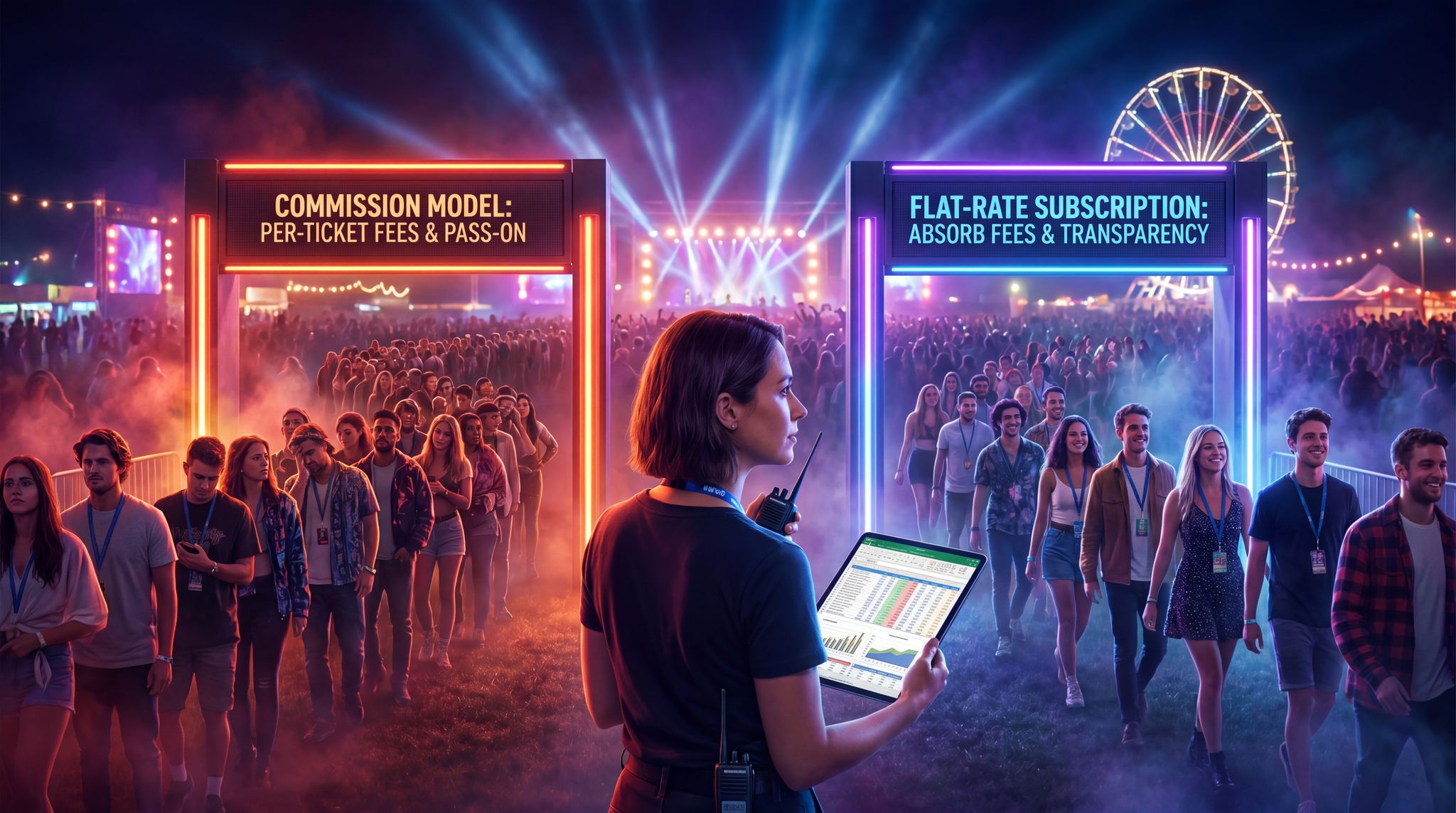
Next, decide on ticket tiers and format. Many beer festivals use one of two models: unlimited tasting or pay-per-pour (token/ticket). Each has pros and cons and legal considerations. Some events use hybrids (e.g. an entry fee that includes some tokens and the option to buy more).
Ticket Models Comparison:
| Model | How It Works | Pros | Cons |
|---|---|---|---|
| Flat-Rate Unlimited | Attendee pays one price for entry and unlimited small pours during the event (often a tasting glass is provided). | Simple for attendees – one ticket covers everything. Fast service – no token transactions at taps. Predictable revenue – ticket sales are fixed income. |
Higher risk of overconsumption – relies on strict monitoring of pour sizes and cutoff of intoxicated guests. Upfront pricing can seem high – might deter some if priced too steeply. Breweries bear cost – usually beer is donated, meaning breweries get no direct compensation per pour. |
| Token / Ticket per Pour | Attendee pays a smaller entry fee (or none), then purchases tokens or drink tickets to exchange for each pour (e.g. 1 token per 5 oz sample). | Consumption control – attendees moderate usage since each pour “costs” a token, reducing excessive drinking, as noted in guides on ABV and intoxication risk management. Flexible pricing – can offer token bundles, and attendees pay as they go, which may attract those who plan to drink less. Data for payback – breweries can be reimbursed per token collected, showing which beers were most popular. |
Complexity – requires token handling, sales booths, and counting tokens after the event, often discussed in promoter blogs on festival operations. Lines possible – token top-up stations can create lines if not managed. Psychological barrier – attendees might feel nickel-and-dimed if they run out of tokens quickly and have to buy more. |
If legally allowed, many fests opt for unlimited tasting because it’s a hallmark of the craft beer festival experience – it encourages exploration of many beers without worrying about cost per sample. However, ensure you structure it safely: keep pour sizes modest (often 2 to 5 ounces is standard). Managing ABV and serving sizes is key. Some festivals even color-code glassware or have rules like “beers over 8% ABV are a half-pour only” to prevent overdoing high-alcohol brews.
Sessioning: Another tactic to control capacity and improve experience is using sessions. Instead of one 8-hour festival day, you might have two separate 4-hour sessions (e.g. Afternoon Session and Evening Session, each with a fixed number of tickets). This gives you the opportunity to reset – clean up, let breweries swap kegs – and means crowd sizes are more manageable at any given time. VIP tickets often come into play here: for example, VIPs get to enter 30–60 minutes early or have access to an exclusive lounge with rare beers. VIP perks and timed rare tappings can justify a higher ticket price and spread out peak crowding since VIPs typically trickle in early.
Set pricing strategically. Research what similar festivals in your region charge. Factor in what an attendee gets: a commemorative glass, unlimited samples or a token bundle, perhaps a program or other swag. Pricing also communicates quality – a very cheap ticket might signal “this event may be subpar,” whereas too expensive could turn people away. If unsure, it’s often better to start with slightly fewer tickets at a not-too-high price and sell out, creating a buzz and scarcity. You can always expand capacity in future years as reputation grows.
Don’t forget designated driver (DD) tickets. These are usually low-cost (or free except maybe a small fee) tickets for attendees who won’t drink. Offering incentives for designated drivers – like free soft drinks or a special raffle – encourages groups to bring a sober driver and underlines your commitment to safety. DDs get a different wristband and are not served alcohol.
Pro Tip: If using a token system, streamline it. Allow attendees to pre-purchase tokens online or at least pay with credit card on-site – fewer cash-only lines. Some festivals use RFID wristbands or festival apps as a token alternative (attendees load credits digitally and simply scan at booths). Smooth transactions mean more samples enjoyed and more revenue. Also, clearly communicate how tokens work ahead of time to avoid confusion at the gate.
Warning: Avoid the urge to oversell beyond your planned capacity “to make more money.” Overcrowding will severely hurt the attendee experience – and in the age of social media, one bad year can haunt future ticket sales. Stick to your calculated capacity. If demand is sky-high, consider adding another session or enlarging the venue next time, but don’t cram people in beyond what your brewers and infrastructure can handle.
On event day, closely monitor entry flow. Use a reliable, fast ticket scanning system to prevent long waits at the gate – first impressions count. And once you hit capacity, have signage ready: “Sold Out – No Tickets at Door” to avoid arguments at the entrance. Your ticketing strategy, capacity management, and pricing decisions all set the stage for a festival where everyone can relax and enjoy the beer, rather than spending the day in lines or worrying about running out of tokens.
Go Cashless With RFID Technology
Enable contactless payments, faster entry, and real-time spending analytics with RFID wristbands and NFC-enabled ticketing for your events.
Safety, Security, and Responsible Service
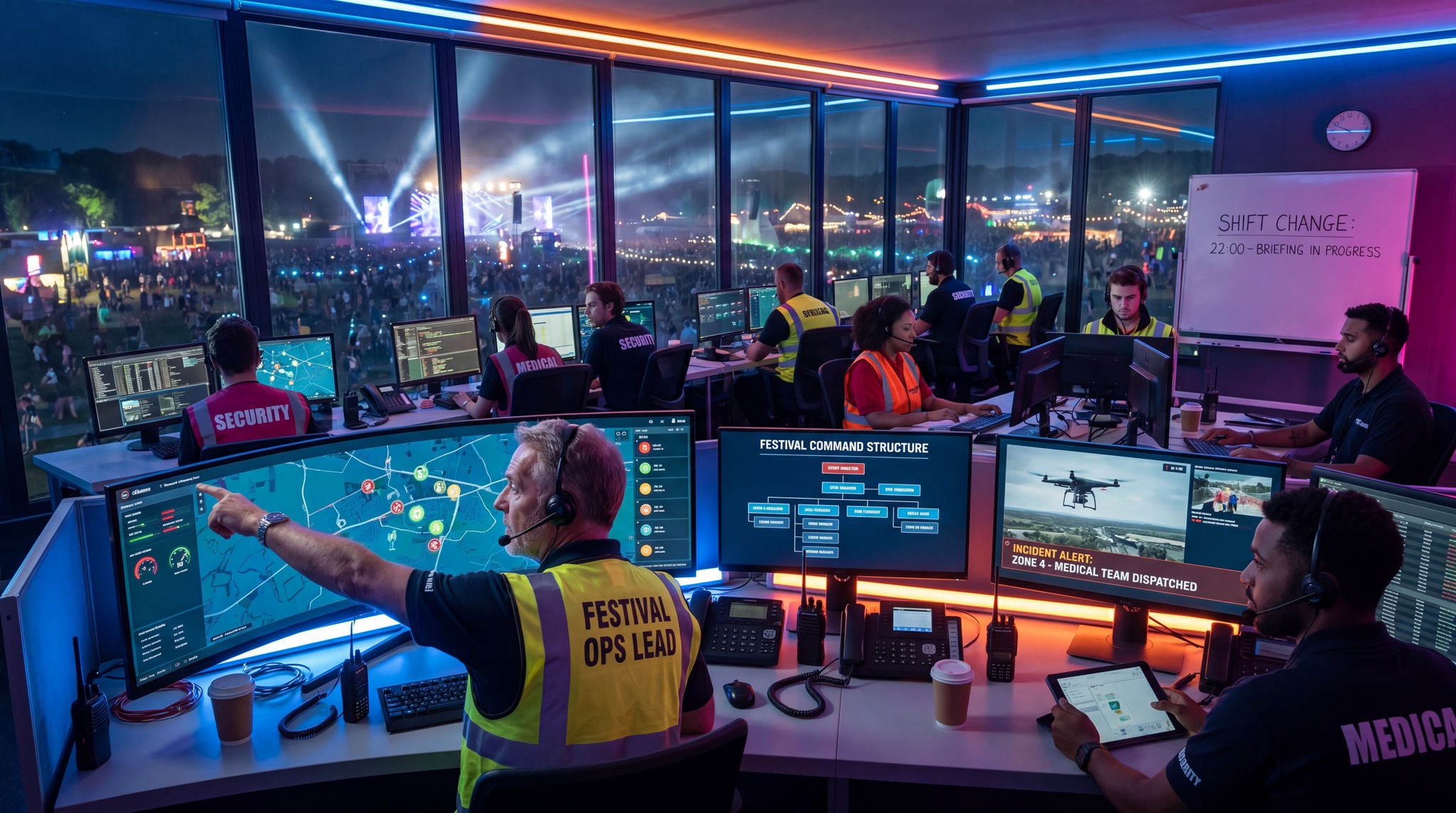
A beer festival must be fun, but it also must be safe. With alcohol in the mix, organizers have a duty of care to attendees, staff, and the community. A solid safety plan covers everything from managing intoxication to preparedness for medical incidents or other emergencies.
Start with a focus on responsible alcohol service. Train everyone pouring beer – whether volunteer or brewery staff – on how to politely refuse service to someone who is intoxicated. Emphasize the festival’s stance: “It’s okay to cut someone off.” Many festivals have a code of conduct that attendees agree to, which can include language like “Over-intoxicated guests will be declined service and may be asked to leave.” Back your staff on this. If someone is clearly drunk, remove their glass or wristband. It’s for their safety and others’. Support your team by maybe assigning a few roving senior staff or security who can handle these situations so booth staff aren’t left to deal with belligerent guests alone.
Plan for on-site medical needs. For anything over a few hundred people, hire professional EMTs or paramedics to be on-site (often local ambulance companies can station a crew for a reasonable fee). Set up a clearly marked medical tent or first aid station. This isn’t just for extreme cases – attendees might have falls, allergic reactions, or simply need assistance if they feel faint. Alongside medical, consider a designated sobering up area where those who over-imbibe can be brought to sit, rehydrate, and recover under supervision. Some festivals partner with local charities to staff these “cool-down” zones which have water, cots, and basic first aid.
Hydration is an ally in safety. Make water abundant and free – multiple water refill stations plus perhaps canned water or water bottles handed out. Remind attendees to eat and hydrate (you can do this in friendly ways via signage or the MC on the microphone). Providing palate cleansers like pretzel necklaces or cracker stations isn’t just fun, it also puts a bit of food in people’s stomachs. Effective hydration and palate cleansing measures have been shown to reduce incidents and keep guests feeling well.
Now, security personnel: In most cases, you’ll want licensed security guards at your event. They can check IDs at the entrance if needed, but more importantly, they manage crowd issues, intervene in altercations, and are trained in de-escalation. The number of guards will depend on your size – a common guideline is 1 guard per 250 attendees, plus extra at points like the entrance and any particularly sensitive spots (like where money is handled or near stages). Brief your security team on specific festival policies (e.g., no outside alcohol, how to handle someone sneaking in, etc.). Ideally, include off-duty or retired police officers in your security team if possible; they have strong training and can liaise with on-duty police if any arise.
Coordinate with local law enforcement and transportation authorities. Let police know about your event in advance – they may choose to do a patrol pass or set up DUI checkpoints nearby (which is actually a good deterrent to encourage people to use taxis or rideshare). Promote safe transport: share discount codes for rideshare or have a taxi stand. Some festivals partner with a transit sponsor to provide free shuttle buses from the event to central drop-off points, reducing drunk driving risk.
Despite best efforts, incidents can happen. Keep an incident log during the event. If a notable issue occurs – an injury, an ejection of an attendee, a fight, a medical transport – have a supervisor note down what happened, who was involved, time, and actions taken. This ties into protecting yourself against legal claims. Photographic evidence can help too if appropriate (e.g., take a photo of a fake ID that was confiscated, record where a slip-and-fall occurred). Hopefully you won’t need these, but if someone tries to make a false claim later, your detailed records are your best defense.
Pro Tip: Proactively engage the beer community in your safety efforts. For example, recruit members of local homebrew or beer enthusiast clubs as festival volunteers specifically for roles like “Designated Driver buddies” or water station captains. These folks are passionate about beer culture and will often gladly help maintain a positive, safe environment, reminding peers to drink water or assisting anyone who looks woozy. Peer-to-peer encouragement can be more effective than top-down.
Warning: Do not ignore weather and environmental safety. If outdoors, have plans for extreme heat (extra shade, misting stations) or cold (heaters). Monitor weather alerts. Also, never exceed tent occupancy or stage weight limits – if you set up heavy draft equipment on a platform, ensure it’s secure. Seemingly minor oversights can turn into hazards.
In sum, integrate safety into every layer of your festival. A well-executed festival is one where attendees have a great time and go home without incident. Not only is this your ethical responsibility, it’s essential for the longevity of your event – a serious safety lapse can end a festival’s run. Conversely, a party that everyone feels good about will earn trust and repeat attendance.
Beer Handling Logistics: Draft Systems and Cold Chain
One of the less glamorous but absolutely critical aspects of a beer festival is making sure every pour is perfect. Warm or foamy beer will quickly disappoint attendees and brewers alike. Achieving consistent quality pour after pour requires careful management of kegs, gas, temperature, and sanitation – essentially mastering the festival draft system and “cold chain” logistics.
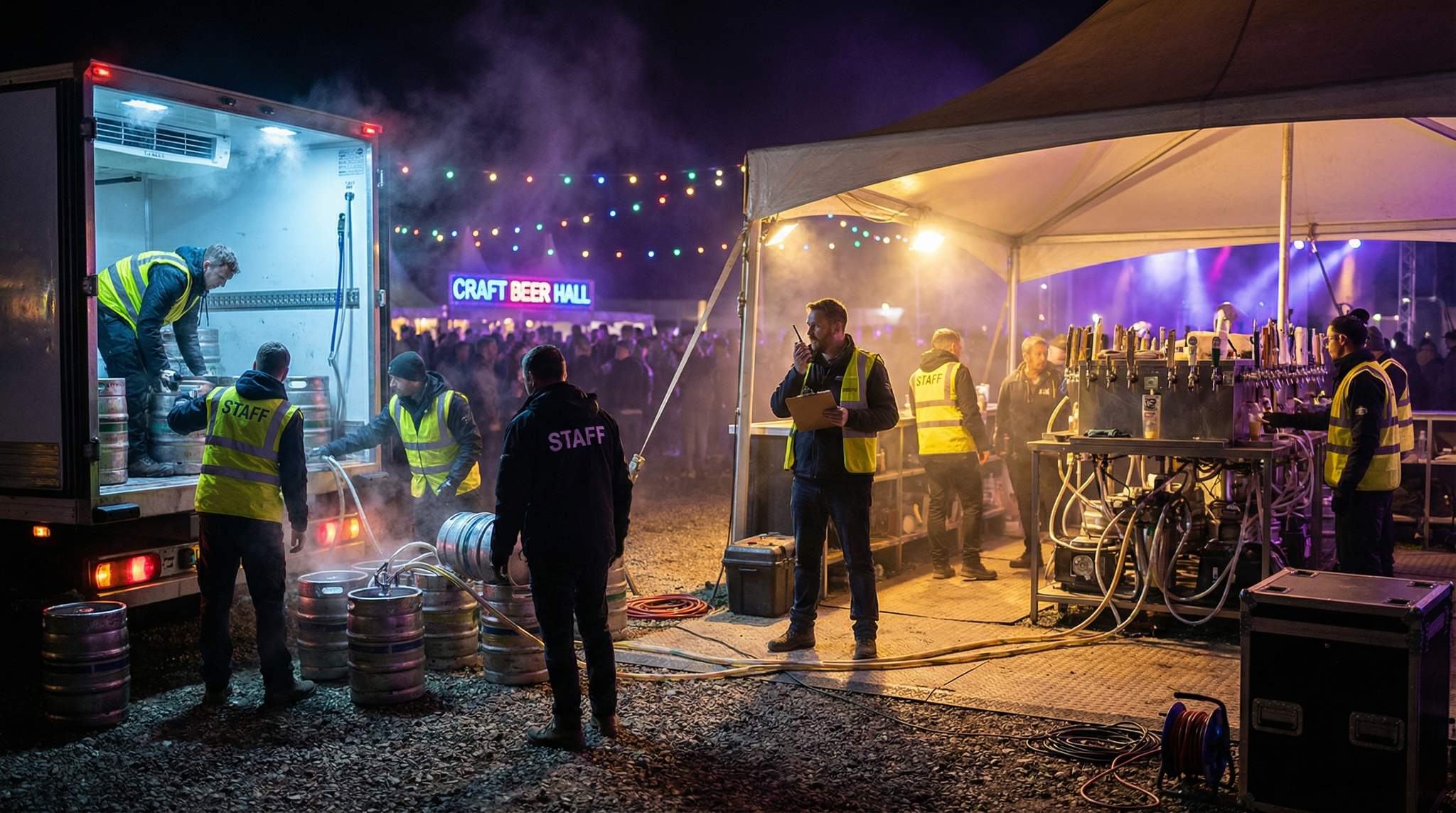
Let’s start with the cold chain. Beer is best stored and served cold (with some specialty exceptions). From the moment a keg leaves the brewery until it’s tapped at your festival and poured into a glass, it needs to be kept within an ideal temperature range (usually around 35–50°F, depending on style). For a festival, this means arranging sufficient refrigeration on-site. Common solutions include refrigerated trucks or trailers (“reefers”) parked at the venue as mobile cold rooms, and jockey box coolers at serving stations. The jockey box – essentially a cooler with ice and coils – chills beer inline as it’s poured. Plan for enough ice too: one internal guide is at least 20–30 pounds of ice per jockey box per hour in hot weather. (Our team has seen festivals literally run out of ice – don’t let that happen.) If you lack on-site power for cooling, coordinate a comprehensive ice logistics plan with deliveries throughout the day and insulated blankets for kegs.
Now, draft systems. Many festivals utilize temporary draft setups: typically, each brewery either brings a jockey box or you provide a standard tap system per booth. In a centralized pouring model, you might have long-draw systems serving many taps from a cold room – but most beer fests keep it simple with one-to-three taps per brewery table. Ensure you have the right keg couplers and hardware. U.S. breweries mostly use Sankey D couplers, but international or specialty kegs might need type S, A, etc. As the organizer, carry a coupler kit with all common types and extra gaskets – breweries will thank you if they forgot theirs or something breaks.
Use the proper gas. CO2 is standard for most beers; some stouts or nitro beers require a N2/CO2 blend. Coordinate with breweries ahead of time on their gas needs and provide or allow cylinders accordingly. Gas management is part of sustainability too – consider efficient gas use and recovery methods (some large events capture expelled CO2 from taps to reduce waste). Make sure all gas cylinders are secured upright (chained to something) to prevent tip-over accidents.
For smooth pours, balancing the system is vital. That means the right combination of temperature, pressure, and line length. If beer is coming out all foam, something’s off: either it’s too warm, pressure is too high/low, or lines are too warm or short. Keep keg temperature stable – don’t let kegs sit in direct sun (even a 10°F rise can turn a perfect pour into foam city). Provide tents or at least reflective keg covers for any taps in sunny spots. Shield taps and beer from heat and UV as much as possible. We’ve seen simple fixes like placing blocks of Styrofoam over jockey box tops to insulate lines or using jockey box covers to keep ice lasting longer.
Warning: Never break the cold chain if you can help it. Allowing kegs to warm up and then re-cooling them can deteriorate beer quality (and cause hazy or foamy pours). If a keg has to be staged outside of refrigeration, try to keep it on ice or at least shade and cover it. Also, avoid unnecessary agitation – rolling kegs across a festival site will create foam; use handcarts or dollies with pneumatic wheels and let kegs settle before tapping.
Another piece of the puzzle is sanitation and line cleaning. Beer is a food product, and dirty draft lines or tap nozzles can spoil flavors or even make people sick. Before the festival, ensure all equipment (taps, hoses, couplers) is clean and sanitized. During the festival, provide each brewery with a bucket and encourage them to dump first foam and regularly rinse their tap (some events supply nozzle dip sanitizers at each station). If breweries are rotating multiple kegs on one line (e.g. they kick a keg and put on a new beer), an in-line rinse between kegs is ideal if possible. Also, set up rinse stations and sanitation areas for glassware – these are usually simple sinks or pitchers of water for attendees to quickly rinse their tasting glass between samples (helps taste and cleanliness).
Keg logistics also include managing the back end: have a crew for keg load-in and load-out. Breweries will appreciate if you have volunteers or staff to help haul heavy kegs from vehicles to booths during setup. Use tools like keg dollies or pallet jacks if on a flat surface. After the festival, ensure leftover kegs go back to the right parties. Create a system, like labeling kegs with brewery name tags upon check-in, so none are lost. Unserved beer disposal should be environmentally compliant – don’t dump beer into storm drains. If you must dump, coordinate with the venue or wastewater authority to dispose in a sanitary sewer (and in increments, as large volumes of beer can upset water treatment plants!). Many festivals have creative end-of-event plans like a local farmer collecting waste beer for composting, etc.
Turn Fans Into Your Marketing Team
Ticket Fairy's built-in referral rewards system incentivizes attendees to share your event, delivering 15-25% sales boosts and 30x ROI vs paid ads.
Lastly, consider those special beers. If you have cask ales (served at cellar temp) or mixed-fermentation sour beers (which are sensitive to heat and light), plan their storage and service carefully. Perhaps allocate a shaded tent or a separate “cool room” area for these and serve in limited quantities to preserve quality. Handling barrel-aged and wild beers often represent the pinnacle of a brewery’s offerings, so treat them with extra care – the brewers will notice and appreciate it.
Pro Tip: Hire or assign a dedicated “Draft Guru” for festival day. This person’s sole job is to troubleshoot any pouring problems for vendors. They should have a tool kit with extra couplers, gaskets, faucet washers, line cleaning kit, ice scoop, etc. When a line starts foaming or a tap handle sticks, this roving draft tech can fix it on the fly. Many festivals partner with a draft system company or a distributor’s technician to be on-site for this role. It saves the day when issues arise and keeps beer flowing.
In summary, while attendees might not consciously notice all the work behind the scenes, they will remember if the beer was pouring smoothly and tasting great. That’s a direct result of careful logistics and respect for the product. By mastering cold chain and draft system management, you ensure brewers’ beers show their best – and nothing makes a beer festival shine more than happy brewers and delighted tasters with full, fresh pours.
Sustainability and Waste Management
Beer festivals, like any large events, can generate mountains of waste – but modern festival producers are taking big strides to reduce that environmental impact. A commitment to sustainability not only feels right, it resonates with attendees (many of whom in the craft beer community value eco-consciousness) and can even save money on trash hauling in the long run. A holistic sustainability plan covers waste reduction, recycling/composting, and carbon footprint mitigation.
Start with the obvious waste source: cups and serveware. Traditionally, festivals handed out thousands of plastic taster cups. Today, the gold standard is to ditch disposables entirely. Provide each attendee with a reusable tasting glass or cup. Many events give a branded souvenir glass at entry – attendees use it all festival (rinse stations help keep them clean) and take it home. This massively cuts down single-use cup waste. Alternatively, some festivals run a reusable cup program with on-site washing: attendees pay a small deposit for a durable cup and can return it at the end. If disposables must be used (e.g. local law forbids glass at an outdoor venue), choose compostable cups made of PLA or similar and ensure compost bins are provided. Also coordinate on glassware vs. cup strategy – glass is more sustainable and classy, but in some settings a shatterproof cup is safer. Find the right balance for your event, prioritizing reuse.
Set up a robust waste station system. Instead of generic trash barrels that end up in landfills, create clearly marked stations with bins for recyclables (bottles, cans, cardboard), compostables (food waste, biodegradable serveware), and landfill (non-recyclable wrappers, etc.). Use big, color-coded signs with pictures of what goes in each. Even better, assign volunteers to gently coach people at the waste stations during busy times (“That pizza plate is compostable – goes in the green bin!”). This significantly improves sorting. Many festivals partner with local zero-waste organizations or city recycling departments to get this right. For example, ensure a recycling partner will actually accept the types of plastic you collect. If you hand out aluminum cans of water, definitely have a bin to capture those – aluminum is highly recyclable and even can generate refund money in some areas.
Free Tool: Project Your Bar Revenue
Per-head spend benchmarks by event type turned into projected bar and food revenue, with a stock-mix estimate and gross-margin line. Free calculator.
When it comes to leftover beer and rinse water, handle it responsibly. Dumping hundreds of gallons of beer down a storm drain at night’s end is not only frowned upon, it might violate environmental regulations. Instead, arrange to dispose of “greywater” (like melted ice, rinse water) in proper sinks or sewer access as allowed. Waste beer disposal can be mitigated by reducing how much is left over – encourage breweries to bring reasonable volumes or use self-closing taps to prevent spillage. For any unavoidable excess, some regions allow diluting beer and pouring in sanitary sewer with permission. Always check local guidelines. And never pour out beer on grass; the alcohol can kill turf and the smell will linger.
Reducing the festival’s carbon footprint is another angle. Transport and energy use are the big factors. Encourage attendees to carpool or use public transit – provide info on transit routes, or even partner with a rideshare company (perhaps securing a transit sponsorship to offset cost of a shuttle bus or offer discounted rides). Power-wise, if your festival is outdoors and needs generators, try biodiesel or solar charging stations if feasible. For indoor venues, ensure lights and AC aren’t running more than necessary for set-up/tear-down. If you print posters or programs, use recycled paper and soy inks, or better yet, go digital with a festival app.
Another sustainable practice gaining traction is partnering with local charities to handle leftover edible items. If food vendors have unsold food, arrange for a food rescue organization to collect and donate it. Similarly, some festivals compost spent grain or leftover fruit from brewing demo sessions, etc., by giving them to farms. Aim for the ambition of a zero-waste event – some festivals have hit over 90% waste diversion (meaning only <10% of waste goes to landfill). It’s achievable with planning.
Pro Tip: Communicate your sustainability goals to everyone: breweries, food vendors, attendees, and staff. Include a brief note in vendor packets like “This is a low-waste event – please break down your cardboard for recycling, and refrain from bringing Styrofoam.” Attendees can be informed via website and signage that the festival is eco-conscious (bring a reusable water bottle, etc.). When people know the plan, they’re more likely to participate and support it. Celebrate sustainable sponsors too – for example, if a local company is sponsoring your recycling bins or providing free water stations, highlight them. It shows that the community is collectively invested in the festival’s green efforts.
Warning: Don’t leave trash management as an afterthought. If bins overflow, people will use the ground. A messy venue not only damages your reputation, it can create hazards (slips, attracting wasps, etc.). Have a dedicated clean-up crew roaming during the event to swap out full bags and pick up litter. Post-event, ensure the site is cleaner than you found it – many cities require that, and it’s simply respectful.
In implementing these steps, you’ll likely find a positive reception. Attendees notice when an event is clean and green. Brewers appreciate not seeing their festival become a garbage heap. Plus, you might save on waste disposal costs by recycling and reducing garbage volume. The bottom line: a focus on sustainability is a win–win, aligning your festival with the values of many craft beer enthusiasts and keeping the environment in better shape for the next round of celebrations.
Free Tool: When Should You Announce?
Pick your event date and genre — the free planner outputs a recommended announce, presale, on-sale and reminder schedule anchored to how your audience actually buys.
Brewery Partnerships and Sponsor Relations
A beer festival is only as good as the brews it can offer – and that means it’s only as good as the breweries who participate. Cultivating strong relationships with breweries (and sponsors) is therefore mission-critical. You want brewers to feel excited to attend your festival and appreciated during it, so they return year after year. Likewise, ethical and effective handling of sponsorships can provide crucial support without undermining the festival’s authenticity.
Attracting breweries: Start by clearly communicating the value of your festival to potential brewery participants. Especially in areas with many festivals, breweries now pick and choose events based on ROI (return on investment). Be prepared to make a case: share data from past fests (attendance numbers, demographics, social media reach). Emphasize perks like hospitality – will you provide a free hotel night, a hospitality lounge, or a post-festival brewer party? Show that you care about their product quality: discuss your draft management (cold storage, etc.) so they know their beer will be served in top condition. Our article on convincing breweries with ROI and data delves into this. Essentially, be professional and organized in your outreach; a sloppy invite (or worse, no formal invite process) signals a red flag to breweries.
Consider offering different participation options: some festivals have brewery booths where the brewery staffs and serves (most common), while others might have a “Featured Brewery” sponsorship where, for example, a brewery pays a bit for prime placement or extra marketing and gets special billing. Be transparent and fair with these arrangements. Strictly avoid any hint of avoiding pay-to-play in brewery inclusion. In some jurisdictions, it’s outright illegal for breweries to pay for access (tied-house laws), and even where not, it’s considered unethical in the craft community. Curate your brewery list based on quality and reputation, not who pays – attendees will know.
Logistics for breweries should be as turnkey as possible. Provide them with a detailed info packet well in advance: load-in times, booth dimensions, what equipment you provide vs. they bring, how beer will be stored, how tokens (if used) will be collected and reimbursed, etc. Having a smooth booth setup and ergonomic plan helps them serve quickly and engage with attendees. Encourage breweries to bring creative signage or decor to tell their brand story – a festival is as much about personality as it is about beer.
Brewery staff welfare: Treat brewers and their staff like VIPs. They often travel and work long hours to pour at festivals basically for free (since many festivals don’t pay breweries, aside from maybe an honorarium or per-pour token reimbursement). So small gestures count. Provide a brewers-only chill zone (away from the crowd) stocked with water, soft drinks, coffee, and some snacks. Offer them a proper meal – many festivals hand out meal vouchers to brewery reps or even arrange a simple catered lunch. Ensuring brewery staff welfare goes a long way. Also, schedule short breaks: have a process where a festival floater can cover a brewery booth for 5 minutes if someone needs a restroom break.
Communication is key to partner relations. Hold a brief brewery orientation (in-person or via email/Zoom) before the event to answer questions. During the festival, have volunteer “brewery liaisons” or runners assigned to a few booths each – they can fetch ice, relieve someone for a break, or bring extra sanitizer, etc. This level of attentiveness will truly set your festival apart in brewers’ minds.
Now onto sponsors. Sponsors can underwrite costs for things like glassware, stage entertainment, or logistics, but it’s vital to align with sponsors that make sense in a beer festival context. Ideal sponsors either provide services you need or complement the attendee experience. For example, partnering with a local water company to sponsor hydration stations, or a transport company to sponsor a free shuttle aligns perfectly. (See our comprehensive sponsor playbook for ideas like glassware sponsors or CO2 suppliers.) Avoid sponsors that conflict with breweries’ interests (for instance, a macro beer brand sponsoring a craft festival – that could upset your craft brewers). Also avoid over-commercializing. Attendees come for beer and fun, not a marketing expo.
When you do have sponsors, fulfill your promises to them fully. Display their banners, include their logos wherever agreed (web, tickets, signage), give their staff any promised perks or VIP access. Keep these relationships professional – they may support annually if you deliver value.
Pro Tip: Integrate technical or industry sponsors that can enhance the festival. For example, inviting a malt or yeast company to be a sponsor (and perhaps host an educational booth or seminar) can provide content for beer geeks and also deepen brewery involvement. A technical lab or malt sponsor partnership might offer free beer analysis or fun yeast tasting trials on-site. This enriches the event and the sponsor gets direct interaction with their target market.
Warning: Maintain an even playing field for breweries. Do not give one brewery a prime pouring location just because they’re a bigger name or paying extra, unless it’s part of a clearly defined sponsorship that all breweries know about. Inequitable treatment can breed resentment. Similarly, enforce a no-“pay-to-play” ethic: breweries should never feel extorted to join. If you charge breweries a fee to participate (some fests do to cover costs), keep it modest and reasonable, and apply it uniformly. Your reputation in the brewing community will spread by word-of-mouth.
Finally, for international breweries if you feature them: assist with the complexities. Importing beer across borders involves customs, possibly hiring an importer/distributor, and definitely plenty of lead time. If you manage to bring in a famed overseas brewer, make it special – perhaps arrange collaboration brews with local breweries around the festival to give them more reason to come. And ensure any shipped beer is cared for (cold storage etc.) as you would your own.
All these efforts in nurturing partnerships pay dividends. Happy brewers often share their positive festival experiences with industry peers – meaning more breweries will want in next time. Satisfied sponsors often increase their support. And ultimately, attendees sense when a festival has a great mix of brewers and a positive vibe among participants. That vibe comes from you treating your partners right.
A crucial but often overlooked element of this ecosystem is prioritizing vendor diversity at brewing festivals. When curating your lineup, look beyond the usual suspects. Actively invite breweries owned by underrepresented groups, feature local artisans for merchandise, and ensure your food vendors represent a wide array of culinary traditions. A diverse vendor list not only broadens your festival’s appeal to a wider demographic but also enriches the overall cultural experience, making your event stand out in a saturated market.
Staff and Volunteer Management
Behind every smooth festival is a hardworking crew of staff and volunteers. Managing them well means your festival runs like a well-oiled machine rather than a chaotic scramble. It’s crucial to recruit effectively, assign roles clearly, and maintain morale throughout the event.
Volunteer recruitment: Many beer festivals tap into local homebrew clubs or beer enthusiast communities for volunteers. These folks can be ideal – they’re passionate and knowledgeable about beer. (In fact, recruiting from homebrew clubs is a proven strategy. Just be mindful of conflict-of-interest if a homebrewer is pouring for a commercial brewery they’re connected to.) Start volunteer outreach early – at least 2–3 months ahead. Use an online sign-up form to gather info on people’s availability, any relevant experience or certifications (like TIPS alcohol service training or first aid), and their preferred roles.
Typical roles include: pouring beer (if breweries need extra hands or to cover breaks), ticket scanning at entry, token sales, merchandise sales, roaming info/helpers, waste station monitors, setup/tear-down crew, and so on. Some festivals also designate a few volunteers as “floaters” who can fill in anywhere needed. Aim to give each volunteer a reasonable shift length (e.g. one 4–5 hour shift) and then free time to enjoy the festival if possible.
Offer attractive perks to volunteers: common incentives are free admission to a session when they’re off-duty, a festival t-shirt, a glass, meal vouchers, and sometimes an exclusive tasting or party just for volunteers and brewers after the festival. Not only is this fair, but it builds a loyal volunteer base who will come back. Many events host a brief volunteer-only tasting at the end of the day where they can sample beers in a relaxed setting – a nice way to thank them.
Provide thorough training. Even a one-hour pre-event orientation can make a huge difference. Go over things like how to properly pour beer with minimal foam, how to check IDs (if that falls on volunteers), recognizing signs of intoxication, and festival layout/policies. Give them a contact sheet of key staff. Emphasize professionalism: friendly, helpful interactions with attendees and brewers. Also stress safety and rules (e.g. volunteers generally should not drink during their shift – many festivals enforce a strict no-drinking-while-working rule, and only allow sampling once the volunteer is completely off duty and out of uniform). This is important for liability and public perception.
Pro Tip: Create a volunteer HQ or break room on-site. Stock it with water, coffee, small snacks, and have it be a place where volunteers can securely leave their belongings and take a breather. Assign a volunteer coordinator (or two) whose sole job is managing the volunteers – check-in, assignments, handling no-shows, and floating to problem-solve. This shows you value the team and helps volunteers feel there’s structure. One effective tactic is giving each volunteer a specific point-of-contact (a team leader) – for instance, five volunteers assigned to entry report to the “Front Gate Lead.” This lead can be a reliable returning volunteer or a staff member. It creates a clear chain of command and less confusion.
During the festival, keep staff communications flowing. Use radios or a messaging app for core staff. Volunteers may not have radios, so ensure their team leaders do, or that they know where to find staff if an issue arises. Encourage a culture where volunteers do not try to handle emergencies or conflicts alone – they should fetch a staff/security member.
Paid staff: Identify which roles need professionals. Typical ones include security (as discussed earlier), medical/EMT, perhaps a hired barback/draft tech team, and an event manager or two who are paid to oversee logistics. If your budget allows, paying a few key supervisors can guarantee accountability. Treat them well too – make sure staff gets breaks and food. Even if someone’s paid, a 12-hour day on their feet is rough; build in a rotation or spare personnel to relieve people.
Also consider contingency staffing. Have a few extra volunteers on standby (over-recruit by 10-15% knowing some will drop out last-minute). Cross-train people in case you need to move someone from a less critical role to a busy one (for example, if entry backup happens, pull a volunteer from a slower area to assist ticket scanning temporarily).
Warning: Volunteers are not free labor in the sense of being endlessly exploitable – don’t overwork them or take them for granted. Burning out your volunteers by, say, making them work the entire day without break or by treating them as “cheap help,” will ensure they never return and word might spread that your fest isn’t volunteer-friendly. Remember, volunteers are often deeply embedded in the local beer community – you want them as ambassadors, not critics. Always be respectful, thank them frequently, and maybe do a post-event appreciation (even a personalized thank-you email or social media shout-out can mean a lot).
After the festival, promptly communicate with your team. Send volunteers a thank-you note and perhaps a link to a volunteer feedback survey – they might offer great suggestions from their unique perspective for future improvements. Let them know how much was raised for charity (if applicable) or share a fun stat (like “we poured 5,000 pints without a spill!” etc.). Making volunteers and staff feel like an integral part of the festival’s success will keep the crew strong year after year. And a strong crew means a smoother festival, which in turn means happy attendees – it all comes full circle.
Attendee Experience and Engagement
At its core, a beer festival is about delighting your attendees – not just with great beer, but with an overall experience that’s fun, enriching, and memorable. Beyond the beer itself, think about all the elements that influence someone’s day at your event: entertainment, education, comfort, and little surprises that can elevate the experience.
Entertainment: Many beer fests incorporate music or other live entertainment, but it should be curated to enhance, not overpower, the tasting atmosphere. A common formula is to have upbeat, background music during most of the event (live acoustic acts, jazz ensembles, or DJs who keep volume moderate), then maybe a higher-energy set or headline band toward the end when palates are tired and people are in a merrier mood. Music that enhances rather than overpowers is key – attendees should be able to chat with brewers and friends without shouting. Also plan the stage location wisely: position speakers such that sound is directed away from the main tasting area or use smaller speakers spread out for ambient sound. Non-musical entertainment, like beer-themed games or contests, can also engage folks (stein-holding competition, pretzel necklace contest, etc.), but keep them opt-in and low risk. A trivia contest or raffle on the PA can be fun without too much disruption.
Education: One big draw for hardcore beer fans is learning opportunities. Consider dedicating a small tent or area for mini-seminars or demos. For instance, a brewer could give a 15-minute talk on barrel-aging, or a Cicerone could lead a taste-along session on off-flavors or beer-and-cheese pairing. You might have an “education passport” program where attendees get a stamp for each booth where they learn something specific, tying into a prize drawing. Gamified tasting passports and beer trails not only educate but encourage guests to visit a variety of booths (e.g. a passport might have them find and taste a beer from five different states or three different beer styles, etc.). Such interactive elements keep people engaged beyond just drinking.
To further facilitate discovery, implement tools like a digital beer menu or app. Modern festivals often have an app or at least a mobile-friendly list where attendees can look up what beers are pouring and where. Some even show real-time keg levels or alerts when a rare tapping is about to happen (for example, “Keg of Imperial Stout tapping at Booth 12 at 3:00pm”). If an app is too much, even a printed guide or large style guide posters can help attendees plan their tasting, ensuring they don’t miss the beers that might be their favorites. A “beer finder” poster board that maps styles to booth locations is a low-tech solution.
Food and palate cleansers: Good food keeps people longer (and safer). Enlist a variety of food vendors, ideally with offerings that complement beer: think savory pretzels, BBQ, tacos, gourmet grilled cheese, perhaps some vegetarian and vegan options for inclusivity. Work with them to possibly suggest pairings: maybe one vendor sells stout brownies that pair with the coffee stout at the brewery next door, etc. Emphasize food safety and quality – require vendors to have proper permits and possibly do a taste test or menu review to ensure it suits the event. Also coordinate portion sizes and prices with them; festival-goers often prefer smaller, cheaper bites so they can sample multiple things. Make sure there are non-alcoholic drinks available (beyond water) – perhaps a craft soda stand or cold brew coffee truck, which also caters to designated drivers.
Don’t overlook dietary and allergen info. If any beers contain common allergens (like a peanut butter porter, or a lactose-heavy milkshake IPA), mark those at booths or in the program. Allergen and dietary disclosures are part of a welcoming experience. Similarly, highlight if you have gluten-free beer or non-beer options (cider, mead, NA beers) for those who need or want them. More festivals now have a token presence of non-alcoholic craft beverages as an inclusive touch – it could be a local kombucha or artisanal soda being poured.
Engagement and extras: Small touches can create big smiles. Consider giving out a free pretzel necklace kit at entry (some string and a handful of pretzels in a bag) – people love making and wearing them, and it’s both fun and functional as a palate cleanser. Photo opportunities are another hit: maybe a hop vine garland wall with your festival logo for selfies, or a goofy cut-out stand (like those boards where you stick your head in the hole) featuring a giant beer mug or mascot. Social media engagement often stems from these photo ops, which in turn is free marketing for you.
Think about pacing the highlights. For instance, if you have any VIP-exclusive beers or timed rare tappings, announce them with fanfare. Do a countdown or a special bell ring when a rare keg is tapped to gather excitement. However, manage lines for these – perhaps distribute “golden tickets” to the first 50 people in the VIP line for the super rare stout to avoid a crush. Communication is key; use your MC or push notifications in the app to let attendees know what’s happening when (schedule of live music, seminars, tappings, last call, etc.).
Safety and service tie into experience: maintain adequate rest areas (somewhere to sit that isn’t just the ground – a few picnic tables or hay bales work), shade on hot days, heat lamps on cold days if outdoors. If your fest is family-friendly (some are, allowing under-21 with guardians), provide something for kids – maybe a small game area or root beer floats stand. Conversely, if it’s strictly 21+, make that clear so no one brings kids and gets turned away.
Pro Tip: Crowdsource engagement ideas from your community. For example, run a pre-festival contest on social media for “best DIY pretzel necklace design” or “beer-themed costume contest” to be held at the fest. Offer a fun prize like free tickets or merchandise. This not only generates buzz but gives attendees a way to participate actively. Another idea: a People’s Choice Award where each attendee gets a token to drop in a jar at their favorite brewery’s booth – the winner gets announced at the end. It’s simple, but attendees love having a say, and breweries love winning these honors.
Warning: Keep an eye on the overall atmosphere. If lines are getting long or a particular booth is overwhelmed, send support (maybe a volunteer to assist or an announcement like “Don’t forget there’s plenty of IPA also at booths X, Y, Z – spread the love!”). If certain beers kick and attendees are disappointed, have your MC or app inform people when something is gone and recommend alternatives to prevent negative feelings. The goal is to avoid any one pain point dominating someone’s memory of the event. Proactively addressing issues (water running low, trash overflowing, etc.) before attendees notice keeps the vibe positive.
Ultimately, a great attendee experience comes from thoughtful details and genuine hospitality. Yes, people come for the beer – but the reason they’ll come back is how the festival made them feel. If it’s well-organized, engaging, and filled with moments of delight, they’ll mark their calendars for your next one as a can’t-miss event.
Post-Event Reconciliation and Evaluation
As the last kegs are packed up and the crowds depart, a festival producer’s work isn’t quite done. The post-event phase is all about wrapping up responsibly and learning from the experience. How you handle the aftermath can cement your festival’s reputation with breweries, attendees, and partners – and set the stage for an even better event next time.
Reconciliation with breweries: This is a top priority in the days immediately after the fest. If you used a token system or agreed to cover certain costs for breweries (like per-pour fees or travel stipends), crunch those numbers promptly. For example, if breweries were promised $0.50 per token redeemed, count up tokens and communicate their “payout” fast. Post-event settlement done efficiently shows professionalism. Even if breweries donated beer (no payment due), follow up to thank them and share any relevant stats (how many people attended, how popular their booth was if you have data). They’ll appreciate hearing “You poured 800 tasters – one of the busiest booths!” or similar feedback.
If any kegs were untapped and agreed to be returned, ensure that happens smoothly. Coordinate drop-off of leftover beer back to distributors or breweries as arranged. A festival organizer who loses a cooperage’s keg or forgets to return something will have a black mark, so use that inventory sheet you created at check-in to check-out and be sure all is accounted for. Also handle breakage deposits or equipment returns (maybe you rented jockey boxes or radios – return on time to avoid extra fees).
Vendor and sponsor wrap-up: Settle payments with your venue, rental companies, food vendors (some pay you a percentage of sales, etc. – finalize those numbers). Send sponsors any promised recap – often sponsors like a brief report with photos showing their logo on-site, attendance numbers, and the engagement they got. It helps them justify the spend and makes them more likely to sponsor again. If a sponsor provided a product (like the hydration sponsor gave free water cans), tell them how it went (“we distributed 1,200 cans of water – a huge hit!”).
Attendee feedback: Within a few days, consider sending a thank-you email to attendees (if you have their contacts via ticketing). Include a short survey link. Keep it 5-10 questions max – you can ask what their favorite aspect was, any suggestions for improvement, etc. Offer an incentive like a chance to win two tickets to next year’s event for filling it out. This feedback is gold; it highlights areas you might not have noticed. Perhaps folks felt there weren’t enough seating areas, or that the IPA selection was too heavy and wanted more lagers – whatever it is, you can factor it in next time.
Also monitor social media and review sites in the immediate aftermath. Respond to any common issues or especially negative posts with professionalism and a solution mindset. For instance, if someone important (like a local beer blogger) points out a flaw, you might even privately reach out to acknowledge and say you’ll address it next time. On the flip side, amplify the positive posts – share or retweet photos and compliments (user-generated content can be great promo for next year). And don’t be shy about tooting your horn if something went really well: e.g., “Thank you to our 50 volunteer heroes who helped make the festival happen – and helped divert 85% of waste from landfills!” Combining thanks with an impressive stat in public communications shows success.
Internal debrief: Gather your core team (even if virtually) within a week or two for a candid debrief meeting. What went right, what went wrong? Look at key metrics: attendance vs. goal, revenue vs. budget, beer consumption (did we run out early, or over-purchase a lot?), any incidents recorded, etc. Operational analytics can be very insightful. For example, if you find one session had 25% of beer left untapped, maybe that session was under-attended or you overstocked – adjust next year’s supply or ticket sales accordingly. If one part of the venue was overcrowded, consider layout changes. Document these lessons while fresh. It’s easy to forget details 10 months later when planning the next one, so write a brief report or even just bullet points and store it with your planning files.
Thank-yous go a long way. Send personalized thank you emails to all your breweries and key partners. Mention something specific if you can (“Your strawberry sour was a huge hit!” or “The crowd loved your booth’s decor.”). Similarly, highlight volunteer appreciation – maybe host a small volunteer party at a local brewery as a thank-you, or at least a thank-you letter potentially including a discount code for next year’s tickets or a brewery gift card if budget allows. Expressing gratitude to partners solidifies relationships.
Financially, settle all bills promptly – venues, entertainers, rentals. It demonstrates reliability. If the festival benefited a charity, arrange the donation check ceremony or announcement as promised; share that good news in press releases or social media (“We’re thrilled to donate $5,000 to the local food bank thanks to your support!”). It reinforces the event’s positive impact.
Finally, take a moment to celebrate internally. Running a festival is hard work – you and your team should acknowledge the accomplishment. A casual team get-together or even an email highlighting “we pulled it off and served X attendees safely” helps recharge everyone’s desire to do it again.
And then, while the pain points are still vivid, start a skeleton plan for next year. Maybe you already locked the venue for the same weekend next year (good idea in competitive markets). Maybe you want to grow from 1,000 to 1,500 attendees or add a second day. Sketch those thoughts out now, while motivation is high, and set reminders for when to kick off the planning cycle again. The best time to start improving the next festival is immediately after the last one – that’s when all the knowledge is at your fingertips.
In wrapping up, remember that how you end this year’s event often determines how you’ll begin the next. Close every loop diligently – because if you take care of your community (brewers, attendees, sponsors, staff) now, they’ll be eager and happy to join you when you announce, “We’re back next year – even bigger and better!”
Essential Reading
- Alcohol Licensing & Compliance: Navigating Laws for Beer Festivals
- Cold Chain Mastery: Kegs, Trailers, and Temperature Control
- Ticketing Tiers, Session Caps & Throughput Modeling for Beer Festivals
- Zero Waste & Sustainability for Beer Festivals
- Convincing Breweries to Attend Your Beer Festival: ROI, Data, and Hospitality
- Curating the Beer Festival Tap List: Style Balance, Seasonality, and Discovery
FAQ
What is the ultimate checklist for how to organize a beer festival?
Figuring out how to organize a beer festival requires a master checklist divided into three phases. Phase one (6-12 months out) involves securing the venue, obtaining municipal permits, and locking in your core brewery partners. Phase two (3-6 months out) focuses on launching ticket sales, finalizing cold-chain logistics, and mapping out the site layout. Phase three (1-3 months out) is all about staff training, volunteer recruitment, and executing your marketing push. Following a structured timeline ensures no critical compliance or operational details slip through the cracks.
What are the first steps when organizing a beer festival?
When figuring out how to organise a beer festival, your immediate first steps should focus on feasibility and foundational logistics. Begin by defining your event’s core concept and target audience, then establish a realistic budget. Next, secure a viable venue and immediately research the local alcohol licensing requirements, as permit lead times can dictate your entire timeline. Once the date and location are locked, you can move on to pitching breweries, mapping out infrastructure, and setting up your ticketing platform.
How far in advance should a beer festival be planned?
For a small local beer festival, start planning at least 6 months in advance. Larger festivals (5,000+ attendees or complex logistics) often require 12–18 months of preparation. Early tasks include securing a venue and date, applying for alcohol and event permits, and recruiting breweries and sponsors. Planning well ahead ensures you can properly market the event and handle any licensing or logistical hurdles without last-minute pressure.
What licenses and permits are needed to host a beer festival?
You will typically need a special event liquor license or permit allowing alcohol service at your venue and date. Additionally, most local governments require an event permit for gatherings over a certain size (covering safety, noise, sanitation plans). If on public property, you need permission or a rental agreement. Other permits can include health department permits (for food and beverage handling), fire department occupancy approvals for tents or indoor venues, and sometimes vendor permits for each brewery or seller. It’s crucial to check with your city or county authorities early on to obtain all necessary approvals.
How can beer festivals prevent over-intoxication among attendees?
Festival organizers use several tactics to promote responsible drinking. They enforce small tasting portions (usually 2–5 ounces per pour) and may limit high-ABV beers to smaller pours. Free water stations are placed throughout the event and attendees are encouraged to hydrate and eat (many festivals hand out water bottles or pretzel necklaces). Staff and volunteers are trained to refuse service to anyone who appears visibly intoxicated. Additionally, having a medical team on-site and designated “sobering” areas allows those who overindulge to get assistance. Some festivals also offer incentives for designated drivers (like free soft drinks) to encourage groups to plan safe rides home.
How do tasting tokens or ticket systems work at beer festivals?
In a token or ticket system, attendees purchase a certain number of tokens (or are given some with their admission) and exchange those tokens for beer samples. For example, one token might equal one 4-ounce pour. When they run out of tokens, attendees can usually buy more on-site. This system helps regulate and measure how much beer is poured and can align with legal requirements in some areas. The alternative is a one-price unlimited tasting model, where attendees pay a higher flat ticket price for the freedom to sample anything. Each model has pros and cons: tokens allow more control and potentially lower entry cost, while unlimited tasting offers simplicity and freedom but requires careful monitoring of over-pouring. Organizers choose based on local regulations and desired attendee experience.
What happens to leftover beer after a festival?
Leftover beer is generally handled in one of a few ways. If kegs were provided on consignment or with the agreement they’d be returned if untapped, they go back to the brewery or distributor after the festival (still fresh for use elsewhere). Some festivals purchase the beer outright – in that case, any unserved beer might be given to staff/volunteers at the end in sealed containers if legal, donated (very rarely, due to legal constraints), or sadly, discarded. Beer that has been tapped and exposed (in lines, etc.) often can’t be saved; organizers dispose of it in compliance with local wastewater rules (pouring it into approved drains, not into streets or grass). Organizers strive to accurately estimate beer needs to minimize waste, and many keep detailed pour data to improve orders for next time.
How can I attract the best breweries to participate in my beer festival?
Attracting high-quality breweries requires demonstrating that your festival is worth their time and beer. Start by building a professional proposal/invitation that highlights what breweries get: a great audience (describe your expected attendance and their craft beer enthusiasm), marketing exposure, possibly media coverage, and hospitality (free booth space, VIP perks, meals, accommodation if budget allows). Show that logistics will be smooth – outline your cold storage, draft system quality, and how you’ll help them serve their beer in the best condition. If you have past festival success or data, share it (e.g., “Last year 95% of brewers said they’d return”). It also helps to foster relationships: meet brewery reps at other events, support their product, and communicate early and clearly. Some festivals offer travel stipends or lodging for out-of-town breweries to sweeten the deal. Ultimately, breweries are most interested in festivals that draw an appreciative crowd and are well-organized, so focusing on those aspects in your pitch will make your event appealing.
What is the most challenging part of organizing a beer festival?
For most producers, the biggest hurdle when organizing a beer festival is synchronizing cold-chain logistics with strict municipal compliance. Unlike standard music events, planning a beer festival means you are dealing with a highly regulated, temperature-sensitive product. You must simultaneously manage health department sampling rules, temporary liquor licenses, and precise draft system balancing (temperature and pressure) to prevent excessive foaming. Overcoming these challenges requires hiring experienced draft technicians and maintaining flawless communication with local regulatory bodies months in advance.
What is the typical budget required when organizing a beer festival?
The financial commitment required to organize a beer festival varies wildly based on scale and location. A boutique, 500-person community tasting event might be executed for $15,000 to $25,000, focusing heavily on grassroots marketing and local sponsorships. Conversely, planning a large-scale, multi-day craft beer festival for 10,000+ attendees can easily require a budget exceeding $250,000. Major line items always include venue rental, liability insurance, municipal permitting, professional security, cold-chain infrastructure, and marketing. Smart promoters build a financial model that achieves break-even at 60% capacity, ensuring the event remains viable even if walk-up sales are impacted by weather.
How do you structure the core team when planning a beer festival?
When figuring out how to plan a beer festival, assembling the right core committee is just as important as securing the venue. A successful organizing team typically divides responsibilities into distinct pillars: beverage logistics (handling cold-chain and brewery relations), operations and compliance (managing permits, security, and site layout), marketing and ticketing, and volunteer coordination. For those looking into how to organise a beer festival in regions with strict municipal oversight, appointing a dedicated compliance officer to liaise with local councils and health departments is a critical early step.
Glossary
- ABV (Alcohol By Volume): The standard measure of alcohol content in a beer, expressed as a percentage. Higher ABV beers can intoxicate faster; festivals often use smaller pour sizes for strong beers to promote responsible tasting.
- BJCP (Beer Judge Certification Program): An organization that certifies beer judges and provides style guidelines. Some festivals have BJCP-sanctioned competitions or judging, lending professional credibility to awards.
- CAMRA (Campaign for Real Ale): A famous UK-based consumer group promoting traditional beer (especially cask ale) and pubs. CAMRA volunteers often help run beer festivals in the UK; the term signifies knowledgeable, volunteer-driven festival culture.
- Designated Driver (DD): A person in a group who abstains from alcohol to safely drive others. Festivals encourage DD programs by offering free or discounted entry to DDs and providing complimentary water or soft drinks.
- IBU (International Bitterness Units): A scale indicating beer’s bitterness level. Higher IBU means more bitter. Some tasting glasses or menus list IBUs, as bitterness can affect palate fatigue during a long tasting session.
- Jockey Box: A portable draft beer dispensing cooler. It contains coiled tubing and ice to chill beer as it’s poured. Breweries often bring jockey boxes to festivals to serve their kegged beer cold without electricity.
- Keg Coupler: A device that attaches to a keg valve to connect the beer line and gas line. Different keg types (Sankey D, S, etc.) require specific couplers. Festivals must have the correct couplers on hand for all the keg types being served.
- Open Container Law: Local or state laws regulating possession of open alcoholic beverages in public. Festivals require special permits to suspend these laws within a defined venue so attendees can openly carry beers. The festival boundary must be clearly marked to comply.
- Pay-to-Play: An unethical/illegal practice where breweries pay money (or incentives) to get tap access or placement. In festival context, “pay-to-play” would mean breweries paying to participate or to get special treatment, which is discouraged or banned to keep things fair and legal.
- Session (Event Session): A block of festival time with a set start and end. Some festivals are broken into multiple sessions (e.g., an afternoon and evening session), each requiring a separate ticket and with a break in between. This controls crowd size and allows breaks for resetting and rest.
- Tasting Tokens: Small tokens (often metal or plastic chips) used as festival currency for beer samples. Instead of cash, attendees trade tokens at each booth. This system helps regulate and measure how much beer is poured and can align with legal requirements in some areas.
- Mixed-Fermentation Beer: Beers fermented with unconventional microbes (beyond standard brewer’s yeast), such as wild yeasts or bacteria. Examples include many sour or farmhouse ales. These beers can be more volatile and sensitive, so festivals handle them carefully (usually kept cool and out of sunlight to preserve flavor).
- Timed Release: A special beer tapping scheduled at a specific time during the festival. Festivals use timed releases for rare or limited beers to build excitement. Attendees often line up for these, so organizers schedule and announce them to manage demand and crowd flow.
Conclusion
A successful beer festival is a symphony of coordination – from the early planning beats to the final notes of cleanup. By now, it’s clear that producing a great festival goes well beyond filling cups with beer. It’s about creating an environment where brewers feel valued, attendees feel delighted (and safe), and the community as a whole benefits. The world’s most seasoned festival producers all emphasize the same core principles: plan thoroughly, communicate clearly, adapt to challenges, and never compromise on attendee experience or safety.
A beer festival, regardless of size, thrives on the passion and collaboration of everyone involved. When organizers work hand-in-hand with breweries, volunteers, and sponsors – and keep the focus on what attendees will love – the results speak for themselves. You’ll see it in the clinking of glasses between strangers who just became friends, the brewer who says “Can’t wait to come back next year!”, and the social media posts raving about that awesome time at your event.
Use this guide as a playbook, but also remember to inject your festival’s unique personality into the process. Learn continuously (each festival teaches its own lessons) and stay agile. Trends in beer and events will evolve, and so will you as a producer. By covering all these bases – from cold beer to warm hospitality – you’re setting your festival up to not just avoid the common pitfalls but to truly shine.
Here’s to your festival’s success. May your lines be short, your beers pour perfectly, and your reviews be glowing. Cheers to brewing a winning beer festival!