Introduction
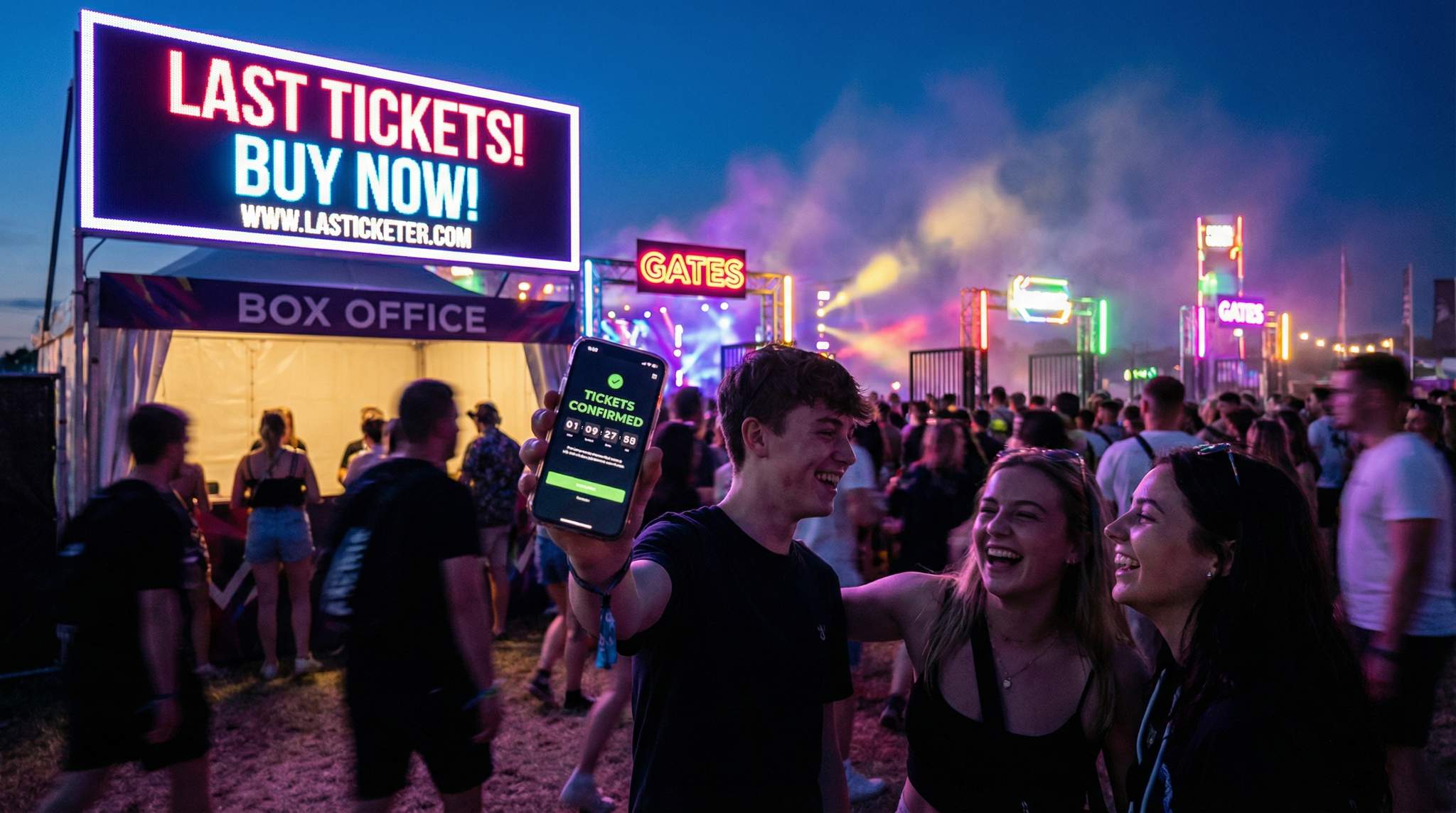
Festival producers around the world are facing a new reality in 2026: audiences are buying tickets later than ever before. What used to be a rush for early-bird tickets has evolved into a waiting game, with a significant share of attendees procrastinating on purchases until the final weeks or even days before an event. This trend has been accelerated by post-pandemic shifts in behavior – fans crave flexibility, monitor their finances closely, and have learned that sometimes patience yields last-minute discounts. While overall demand for live events is high again, the timing of ticket sales has changed. Seasoned producers know that adapting to this new buying pattern is critical. In this guide, we’ll share practical strategies to encourage earlier sales and prepare for late surges, ensuring that a flood of last-minute buyers doesn’t jeopardize your festival’s cash flow, logistics, or attendee experience.
Understanding the Rise of Last-Minute Ticket Buying
Post-Pandemic Shifts in Buying Behavior
The COVID-19 pandemic reset consumer expectations about planning ahead. In the pre-2020 era, many festivals counted on early ticket launches and pre-sales to gauge interest. But post-pandemic audiences are hesitant to commit months in advance, having experienced years of cancellations and uncertainty. They value the freedom to make spur-of-the-moment decisions. As one industry expert noted, “I don’t know one person who knows where they are going to be in seven months” according to Pollstar’s analysis of late ticket buying trends – a sentiment that rings even truer now. This mindset means fans often delay buying tickets until they’re absolutely sure the event will happen and fit their schedule. Additionally, after years of on-off restrictions, people have grown accustomed to keeping plans flexible – they might wait to see how they feel, what the health situation is, or whether a better opportunity comes along.
Evidence of a Last-Minute Sales Surge
Data from recent years confirms the shift toward last-minute sales. Industry analysis by Resident Advisor found that in 2022, 46% of festival tickets were purchased within 30 days of the event, up sharply from about 36% in the pre-pandemic period based on RA’s report on promoter challenges. In other words, nearly half of attendees now buy in the final month. Even some of the world’s largest festivals have seen slower early sales. For example, Coachella – which once sold out in hours – had tickets “available for months” in 2023, and its 2024 edition sold roughly 80% of tickets (about 200,000 of 250,000) by opening day as reported by Billboard’s coverage of Coachella sales trends and WJCL’s insights on festival declines. The first Coachella weekend in 2024 took nearly a month to sell out, whereas historically it sold out within a day, a shift highlighted in Billboard’s analysis of slower ticket movement. Other major events like Electric Forest have also experienced a slowdown in advance ticket sales according to reports on the changing festival landscape. This isn’t due to lack of interest – attendance at many festivals is rebounding strongly – but it indicates that fans are waiting longer to purchase.
Not Just Mega-Festivals – A Widespread Trend
This waiting game isn’t limited to marquee festivals. Boutique and mid-sized festivals across North America, Europe, and Asia-Pacific report similar patterns. A UK survey in 2024 found 44% of festivalgoers planned to attend fewer festivals (often due to cost) and many were holding off on buying tickets, as shown in The Quietus’ survey of UK festivalgoers. In the US, dozens of festivals have grappled with slower pre-sales; some volunteer-driven events like Iowa’s 80/35 Festival even faced uncertainty due to organizational and sales challenges, detailed in Axios’ report on the 80/35 Festival. In Europe, insiders observed that after an initial post-lockdown boom, ticket sales “plummeted” for some independent events, with buyers becoming “way more cautious before actually making the decision of buying tickets” according to Resident Advisor’s industry news. From India to Australia, veteran festival organizers note that younger audiences especially tend to delay committing, often juggling multiple event options and waiting to see which plan looks best. The result is a global phenomenon: while a handful of top-tier festivals (think Tomorrowland or Glastonbury) still sell out far in advance on brand reputation, the majority of festivals now see a significant chunk of tickets sold in the final weeks.
Turn Fans Into Your Marketing Team
Ticket Fairy's built-in referral rewards system incentivizes attendees to share your event, delivering 15-25% sales boosts and 30x ROI vs paid ads.
Why This Trend Matters for Producers
The rise of late ticket buying has profound implications for how festivals must be planned and promoted. Relying on old models – where early sales funded preparation – can be risky if half your audience decides to click “Buy” only at the last minute. Cash flow, marketing strategy, staffing, and safety protocols are all impacted. As we’ll explore, producers need to adjust by creating incentives for early birds and contingency plans for procrastinators. The encouraging news is that by understanding why audiences procrastinate and implementing adaptive strategies, festivals can thrive in this new environment. In fact, some organizers have turned this challenge into an opportunity – using savvy marketing and operational flexibility to turn late surges into sold-out successes instead of crises.
Why 2026 Audiences Wait Until the Last Minute
Understanding the motivations behind late purchases is key to addressing them. Today’s festival-goers have varied reasons for procrastinating on ticket buys. Here are some of the most common factors contributing to this behavior:
Planning a Festival?
Ticket Fairy's festival ticketing platform handles multi-day passes, RFID wristbands, and complex festival operations.
Desire for Flexibility and Certainty
Modern audiences, especially in a post-2020 world, crave flexibility. After experiencing unpredictable cancellations and personal disruptions, many people avoid locking in plans too early. Attendees want to see how things unfold – from their own schedule to world events – before committing. As one promoter put it in 2022, “People have become way more cautious before actually making the decision of buying tickets” noted in RA’s coverage of promoter struggles. By waiting, they ensure nothing (work, school, health, family) interferes with their festival weekend. This desire for certainty also extends to the event itself: fans may wait for final lineups, set times, or even weather forecasts. If a festival is outdoors, savvy attendees often check long-range forecasts and might hold off if there’s a threat of extreme weather. In short, procrastination can be a rational decision to avoid regret – nobody wants to be stuck with a ticket they can’t use.
Hoping for Discounts or Last-Minute Deals
Another reason audiences delay is the hope of scoring a cheaper ticket. In the age of deal websites and resale marketplaces, consumers have learned that if an event isn’t sold out, prices might drop as the date nears. This mentality partly comes from other live events: for some concerts and sports, resale ticket prices decline closer to the event if demand is soft. Festival-goers apply this logic, speculating that organizers might release promo codes, “last chance” sales, or door discounts to boost final attendance. Unfortunately, this becomes a self-fulfilling cycle – if fans anticipate a price drop, they hold off buying, which then may force the promoter to actually consider discounting unsold tickets in the final days. Industry veterans have observed that years ago “you would pay more later, as the show got closer,” but now consumers see many cases where ticket prices go down last-minute, a trend discussed in Pollstar’s article on late buying behavior. Additionally, the controversial rise of dynamic pricing in live events has taught buyers that prices fluctuate; many casual attendees simply assume waiting might save money. The proliferation of secondary ticket platforms and flash sales has conditioned a subset of fans to treat festival tickets like airline tickets – hoping for a deal if they watch and wait.
Social Coordination and FOMO
Festivals are social experiences, and many people delay buying until their friends commit. Younger attendees in particular often travel in groups and won’t purchase a ticket until the group chat decides on plans. This coordination can take time – everyone waits for everyone else. By the time a consensus is reached (“Yes, let’s all go to BeachFest this year”), it might be just weeks out. There’s also a FOMO (Fear of Missing Out) paradox at play: some fans wait because they don’t want to lock into one festival if there’s a chance another event or opportunity might come along on the same dates. They essentially hold tickets as a last-minute decision based on what everyone else is doing. Only when they see peers posting about going, or when the festival hype on social media reaches a peak, do they purchase – often in a late flurry. FOMO-driven buyers might literally grab tickets days before the show because “all our friends decided to go this week.” In 2026’s hyper-connected world, plans can come together very late, but once they do, the rush is on.
Economic Pressures and Budgeting
The economic climate is another big factor. With rising costs of living and inflation in many countries, attendees (especially students and young adults) may delay buying to save up money or wait for a payday. A festival ticket can be a significant expense alongside travel, accommodation, and spending money. By waiting, people give themselves more time to gather funds or make sure they won’t need that money for something else. Additionally, 2026 audiences are quite value-conscious. They weigh the lineup and experience against the price, and sometimes hesitate if they feel the cost is steep. They might hold off to see if the festival announces more headliners or improvements that justify the price. A recent survey of UK festivalgoers found 44% bought fewer tickets in 2024 due to financial constraints and other priorities, according to The Quietus’ festival attendance survey. This suggests many fans are picking only one or two major events and waiting as long as possible to decide which is truly worth it. Economic uncertainty makes advance entertainment purchases feel riskier – people would rather keep cash on hand until they’re sure they won’t regret the expenditure.
Smart Promo Codes & Presale Access
Create percentage or flat-rate discount codes with usage limits, date ranges, and ticket type restrictions. Plus unlock codes for private presales.
Weather and Other Uncertainties
Practical uncertainties also cause delays. Weather is a classic consideration: if a festival is in monsoon season in India or hurricane season in the Caribbean, local attendees might wait to see if that weekend will be rainfall-free. Festivals in Australia and New Zealand, for instance, have noted spikes in last-week sales when the forecast looks sunny. Beyond weather, festival-goers may wait on logistics like securing time off work, arranging childcare, or confirming travel plans. International attendees often book flights and tickets together; if travel visas or flights are uncertain, the ticket purchase gets pushed to the last minute as well. Another subtle factor in 2026 is event saturation – there are now so many festivals and concerts that fans often delay choosing which to attend. They might keep multiple options open (e.g., “I’ll either go to Festival A or Festival B that month”) and decide only late in the game based on line-ups, friends, and mood. This over-choice leads to procrastination: why decide now if you can decide later with more info? All these reasons underscore that attendees’ late buying isn’t simply laziness – it’s a reflection of their needs for flexibility, assurance of value, and adaptive planning in a fast-changing world.
When veteran promoters analyze the core low ticket sales reasons in 2026, the consensus points to a perfect storm of economic caution, event saturation, and a fundamental shift in consumer trust. Fans are increasingly unwilling to act as interest-free banks for events months in advance. Instead of immediately assuming a lack of market interest or a failed marketing campaign, organizers must recognize that sluggish early movement is often a symptom of these broader behavioral shifts. Diagnosing the exact cause—whether it’s pricing fatigue or lineup uncertainty—allows producers to pivot their strategy rather than panicking.
Need Festival Funding?
Get the capital you need to book headliners, secure venues, and scale your festival production.
Table: Why Attendees Delay and How Festivals Can Respond
| Attendee’s Reason for Buying Late | What It Means for Festivals | How to Counteract It |
|---|---|---|
| Wants flexibility / unsure of schedule | Hesitant to commit in advance | Offer refund protection or easy resale options to reduce risk; emphasise “no cancellation” reliability of your event. |
| Hoping for discounts or price drops | Expects cheaper tickets closer to event | Use tiered pricing that only rises over time; message that prices won’t drop (and may increase). Provide added value instead of discounts. |
| Waiting on friends or group decisions | Tickets purchased once group is on board | Introduce group deals (buy X get one free) and refer-a-friend incentives to motivate group purchases early. Leverage social media buzz to get groups excited sooner. |
| Budget constraints / cash flow | Delaying spending until necessary | Provide payment plans that allow installments; time limited early-bird deals that fit pay cycles; highlight “lock in now, pay later” options. |
| Monitoring weather or event updates | Holding off until assured of experience | Offer single-day tickets or last-minute upgrades (so late-deciders can still join for a day). Communicate weather contingency plans and improvements (e.g., covered stages, refunds if cancellation) to build confidence. |
By recognizing these motivations, festival producers can tailor their marketing and ticketing strategies to address concerns and break the cycle of procrastination. In the next sections, we’ll cover concrete tactics – from pricing structures to communication techniques – to encourage fans to buy earlier while still preparing for those who wait.
Challenges Late Ticket Sales Create for Festival Organizers
Allowing half or more of your ticket sales to come in the final weeks isn’t just a theoretical concern – it poses real challenges in financing, logistics, and overall risk. Experienced festival producers have learned the hard way what can happen if late-buying trends catch you unprepared. Here are the key impacts of this shift and why managing it is so critical:
Cash Flow Strain and Budget Uncertainty
Most festival expenses occur long before gates open. Artists often require deposits months in advance, venues and suppliers need early payment, and marketing campaigns incur costs throughout the lead-up. If ticket revenue doesn’t start flowing until shortly before the event, cash flow can become a major strain. Many festivals traditionally used early ticket income to pay deposits and ongoing bills. Now, with perhaps only 20–30% of tickets sold by mid-way through the planning timeline, organizers might face a cash crunch. A study noted that some festivals earn over 60% of their revenue from ticket sales, and nearly half of those sales can come in the last month, as highlighted in Festival Pro’s analysis of ticket buying trends and their insights on revenue timing. That means a huge portion of expected income isn’t in hand when you need to pay vendors. Festivals that operate without deep financial reserves or backing are especially at risk – they may struggle to cover costs, or worse, consider cancelling if presales are too low. In fact, insufficient early cash flow has led to event cancellations in recent years. Promoters simply couldn’t confidently pay all commitments while waiting for a hoped-for last-minute surge that might or might not materialize. The budgeting process becomes a nail-biter: do you spend assuming full attendance (and risk overspending if the surge doesn’t come) or cut costs early (and risk being underprepared if everyone buys last minute)? This uncertainty forces more complex financial planning and contingency funds to buffer the late income.
Free Tool: Split Tickets for Max Gross
Given capacity and a target price, the optimizer proposes Early Bird / GA / VIP allocations and prices — with projected gross at 100%, 80% and 60% sell-through.
Difficulty in Forecasting Attendance and Planning
When the bulk of sales come late, it becomes much harder to forecast final attendance even a few weeks out. Festival planners rely on headcounts to order the right amount of everything – from portable toilets and food vendor supplies to wristbands, merchandise, and security staff. If only half the tickets are sold a month before, the final turnout could swing dramatically. This ambiguity complicates logistics: order too little and you’re scrambling to accommodate a larger crowd; order too much and you’ve wasted money. An organizer of a boutique UK festival described how a late surge makes it “very difficult [for]promoters to predict demand and budget accordingly”, making an already precarious business even more precarious, as detailed in RA’s report on independent festivals. Even large festivals deal with this: they must plan infrastructure for potential capacity, not just tickets sold to date. It’s also challenging to communicate with partners and stakeholders – safety officials, city services, sponsors – about expected attendance when your numbers could jump last-minute. For multi-day festivals, the lack of early data might hinder detailed planning of entry flows or campground needs. Overall, the uncertainty adds stress and calls for scenario planning: prudent producers now map out multiple scenarios (e.g., pessimistic, expected, and optimistic turnout) and prepare accordingly. It’s extra work, but necessary to ensure that whether 5,000 or 15,000 people show up, the festival runs smoothly.
Marketing and Sales Pacing Challenges
Late buyer trends also wreak havoc on traditional marketing timelines. In the past, a festival might gauge ticket sales rhythm – an early spike at announcement, a lull, another bump when line-up is revealed, then steady sales until a sell-out. Now, that middle period can be alarmingly quiet. Promoters have reported “softer ticket sales” and more consumer hesitation, requiring heavier marketing investment to hit targets, a challenge noted in RA’s 2024 European Festival Report. Thanscheidt, CEO of a German festival, confirmed this shift in consumer hesitation. If you’re not prepared, you might blow through your ad budget too soon trying to jolt slow early sales, only to find that most customers wouldn’t buy until later no matter what. Conversely, if you assume everyone will show up eventually and hold back on promotion, you risk actually selling far fewer tickets. Hitting the right balance is tricky. Some 2024 festivals had to double their marketing spend to sell the same number of tickets as before, according to further analysis in the RA report and comments from industry leaders, as noted by Cindy Castillo of Spain’s Mad Cool Festival. The timing of campaigns needs to be rethought: you’ll want some budget reserved for a final push when procrastinators finally pay attention. There’s also psychological pressure – slow early sales can create a negative perception (“why aren’t people buying?”) among media or sponsors. Organizers must manage the narrative so that a slow buildup doesn’t undermine confidence. Internally, team morale and decision-making can be tested too: talent buyers and production managers may get nervous and urge changes (cutting costs, changing marketing tactics, etc.) in response to lagging numbers that ultimately might recover at the end.
Operational Strain from Sudden Surges
When a huge portion of your audience buys at the last minute, it often means a major surge in on-site operations at the festival’s start. Imagine 30–40% of attendees all showing up with tickets bought in the final days – they may all need to redeem tickets or have barcodes scanned, many will have questions (“How do I download my ticket? Where do I park?”) and a good number might even buy at the gate. This can translate to longer lines at will-call and entrances, and an overwhelmed front-of-house staff if not properly scaled. Seasoned event operations managers plan for peak ingress times, but late buyers can compress the window – if lots of people purchase just 1–2 days before, they tend to arrive early on Day 1 to get their wristbands. Without planning, this could cause bottlenecks, crowding at entry gates, or security delays. There’s also an impact on customer service: last-minute buyers might flood your support channels with queries about tickets, payment issues, or event info in the days prior. If you only staffed for the typical trickle of questions, you could be caught off guard. Additionally, merchandise and on-site experience could be affected. If you ordered merchandise quantities based on early sales, a late attendance surge could mean missed revenue (merch selling out too soon) or not enough freebies like welcome kits. Crowd safety is another consideration – your security and medical teams need accurate headcounts to deploy resources effectively. If actual turnout far exceeds what was expected a week out, you might need to bring in extra staff last-minute (often at higher cost) or adjust plans on the fly. All told, operations teams must be more nimble and robust to handle a potentially steep ramp-up in attendance.
Stakeholder and Reputation Risks
Finally, slow early sales that recover late can pose reputation and relationship risks. Sponsors and investors often track ticket sales closely; if numbers are low in the early months, they might get cold feet or scale back activation plans, thinking the event could flop. Community stakeholders (like host cities or local vendors) may also grow concerned if there’s chatter that “ticket sales are slow,” which can impact their support. For example, numerous 2024 festivals cited insufficient early ticket sales and rising costs when they cancelled events, as reported by The Quietus regarding cancellation trends. Each time a festival cancels due to poor sales, it trains audiences to be even more cautious next time (a kind of vicious cycle). On the flip side, if you respond to slow sales with huge last-minute discounts or giveaways, you risk angering your early buyers and tarnishing your brand. No loyal fan wants to see that they paid full price months ago while procrastinators get 50% off a week before showtime. Such moves can damage trust and reduce the incentive to buy early in the future (“Why bother? If I wait, they’ll probably discount”). There’s also the media narrative: journalists sometimes pick up on “slow sales for X Festival” in advance, which can hurt momentum. Thus, how you manage communications and public perception is crucial. An experienced producer will stress confidentiality and positivity internally, avoiding any public panic. Maintaining a reputation for solid attendance (even if it all comes in late) helps ensure sponsors, partners, and fans remain confident in the festival’s viability.
Table: Example Timeline – Ticket Sales vs. Expenses (Illustrative Scenario)
| Timeline Milestone | Cumulative Tickets Sold (out of 10,000) | Cumulative Major Costs Paid (% of total budget) |
|---|---|---|
| 9 months before (Launch) | 1,000 (10% – loyal fans) | 20% (deposits for artists, venue, marketing launch) |
| 3 months before | 5,000 (50% – after lineup announcements) | 70% (production deposits, staffing, logistics commitments) |
| 1 month before | 6,000 (60% – slow middle period) | 80% (remaining balances starting to come due) |
| Final 2 weeks | 8,500 (85% – late surge as excitement peaks) | 90% (most expenses paid; last-minute adds) |
| Festival opening day | 10,000 (100% – including gate sales) | 100% (all supplier/vendor payments completed) |
In this example, 40% of tickets (from 6,000 to 10,000) sell in the final month. Meanwhile, the festival had to outlay about 80–90% of its budget by that time. This mismatch highlights the importance of strong cash reserves or financing to cover late-buying attendees.
Let Fans Pay Over Time
Offer flexible payment plans that split ticket costs into manageable installments, making higher-priced events accessible and boosting conversions.
Incentives and Strategies to Encourage Early Ticket Sales
While late buying might be the trend, festival organizers are not powerless against it. By crafting smart incentives and policies, you can entice a good portion of your audience to commit earlier. Capturing those early sales not only provides financial stability but also creates positive momentum (“Tickets are selling fast!”) that can drive even more interest. Here are proven strategies – drawn from successful festivals and industry best practices – to nudge attendees off the fence sooner:
Early-Bird Discounts and Tiered Pricing
One of the most common and effective tools is the early-bird ticket – a special discounted price offered to the earliest buyers. Many festivals release a limited batch of tickets at a lower cost well ahead of the event. The key is to make this truly feel like a reward for early action. For instance, a festival might sell the first 500 tickets at 25% off, or only during the first month after announcement. Fans love a deal, and this creates urgency: buy now or lose the discount. After the early-birds sell out, you can implement tiered pricing, where ticket prices gradually increase as the event date approaches. For example, general admission might be $200 for a “Phase 1” sale, then bump to $225 in Phase 2, $250 in Phase 3, and a higher gate price on the festival weekend. This time-based or quantity-based pricing trains attendees that the cheapest price is today, not last minute. Major festivals worldwide use this approach. Mexico’s Electric Daisy Carnival (EDC) and Spain’s Primavera Sound have both employed tiered pricing to spur early commitments, often selling out initial tiers within days. It’s important, however, to communicate these tiers clearly – let buyers know the dates or ticket counts for each price jump. The psychological effect is significant: nobody wants to pay more next week for the same ticket. By structuring prices to rise (and never go down), you eliminate the incentive to wait for a discount, since the “discount” is essentially now. Just be sure to honor the structure (don’t extend an early-bird last minute), otherwise trust is lost. Festivals like Brazil’s Rock In Rio have successfully locked in tens of thousands of early sales by heavily promoting their early-bird phase, sometimes even before the lineup is announced, leveraging the festival’s brand loyalty with a great deal.
Payment Plans and Deposits
Another increasingly popular strategy, especially to accommodate budget-conscious fans, is offering payment plans. Rather than requiring the full ticket price upfront, you allow buyers to pay in installments over time (often with an initial deposit to secure the ticket). This has been a game-changer for attracting early commitments from people who might otherwise wait. According to ticketing data, usage of payment plans has more than doubled among Gen Z festival-goers in recent years according to Audience Republic’s interview with TicketSellers and insights on payment trends. For example, UK festivals like Boomtown Fair and Glastonbury have long offered installment plans – Glastonbury’s “ticket + coach package” scheme often lets fans pay a deposit to reserve a spot, then pay the balance closer to the event. The CEO of TicketSellers noted that by 2024, about 10% of Gen Z customers were using payment plans across their events, up from only ~4% in 2021, as detailed in Audience Republic’s ticketing analysis and discussions on financial flexibility. This option taps into the buy now, pay later culture (fueled by services like Klarna and Afterpay) and makes a higher-priced ticket feel more accessible. Festival producers benefit by locking in the attendee early, even if you don’t have all their money yet. Yes, there’s a slight risk some might default on payments, but many organizers find it worth it. The commitment is psychological – once someone has put down a deposit, they’re invested in going. Plus, payment plans give you regular cash inflow in the months leading up, which helps cash flow. Some festivals also allow a small layaway deposit (say $50) to reserve early-bird pricing, with the full amount due later – capturing those fence-sitters who have limited funds now. If you adopt payment plans, be sure to communicate the terms clearly (number of installments, deadlines) and use a ticketing platform that automates the payment schedule. Also, consider incentives like locking in lineup guarantees – e.g. “Pay just 20% now to secure your ticket; if you’re unhappy with the lineup later, you can refund this deposit” – which can remove fear of committing early.
Exclusive Perks for Early Buyers
Beyond pricing, think about value-add incentives that reward early ticket purchasers. This can shift the conversation from “Why buy now?” to “Look what I get if I buy now!”. Some ideas that festivals have successfully used include:
- Merchandise or Upgrades: Offer a free merch bundle (t-shirt, poster, etc.) for those who buy in the first X weeks, or perhaps a free upgrade lottery (e.g. 100 early buyers get randomly upgraded to VIP). The New Zealand festival Rhythm and Vines in the past gave early buyers exclusive swag that latecomers didn’t receive.
- Payment Plan Discounts: If someone joins a payment plan early, maybe they get a small discount overall versus those who pay last minute in full. This thank-you can push the cost-sensitive to commit.
- VIP Access or Better Experience: Early purchasers could get early access to the festival grounds or prime camping spots. For example, a regional camping festival might say “first 1000 ticket buyers get early entry on Thursday night plus a special welcome party.” That creates a cool-kids club that motivates fans to buy sooner so they don’t miss out on an enhanced experience.
- Meet & Greets or Exclusive Content: Partner with artists to offer something unique – perhaps a virtual meet & greet or an exclusive afterparty invitation for early ticket holders. If your festival is smaller, even offering a backstage tour or a Q&A session with the organizers for early supporters can add perceived value.
- Lock in Last Year’s Price: Some festivals run a loyalty program where immediately after an edition ends, they sell next year’s tickets at the same price as the previous year (or at a special low rate) for a short window. This plays off the post-event high (more on that later) and also rewards loyalty – fans feel smart for snagging a deal by acting early.
The idea is to make early buyers feel like VIPs. They should receive something that late buyers do not. Festivals in the U.S. like Bonnaroo and Outside Lands have offered early access to lineup information or app-based perks to those who pre-register or buy early. By layering these perks on top of the ticket, you make the earlier purchase psychologically more valuable. Just ensure you can deliver on these promises and that they’re communicated well. If an early buyer doesn’t realize they were supposed to get a perk, the benefit is lost – so integrate the messaging (“Buy before March 1 and you’ll also get an exclusive merch pack at the festival gates!”) in your promos.
Group Deals and Referral Incentives
Since we know social factors are a big reason for procrastination, address them head-on with group incentives. The goal is to turn the dynamic from “I’ll wait until all my friends decide” to “I’ll go ahead and purchase because it helps out my friends/me”. Many events have had success with a “buy X tickets, get 1 free” deal – for example, a festival might offer a 5th ticket free when 4 are bought together. This encourages one proactive person in a friend group to round everyone up early to save money. It’s essentially an early-bird group discount. A variation is group bundles that include extras like a reserved campsite for groups of 6 who book together by a certain date.
Free Tool: Size Your Festival Site
Zoned capacity planning for arena, campsite, parking and entry lanes — against UK Purple Guide and NFPA density standards. Finds your bottleneck zone.
Another powerful approach is leveraging word-of-mouth through referral programs. Ticketing platforms (including Ticket Fairy’s) often have built-in referral systems where attendees get a unique link and can earn cash back or rewards for each friend who uses it to buy a ticket. For example, a fan could get $10 credited back per friend who buys, up to covering their whole ticket – turning enthusiastic fans into mini-ambassadors. This not only boosts sales but does so earlier, because you usually launch the referral incentive during the main sales period, not last minute. Some festivals also create friendly competitions or rewards for top referrers (like free upgrades or merch for the person who brings the most friends). The Firefly Festival in the USA has used referral discounts effectively in the past to spur peer-to-peer promotion. By empowering your loyal supporters to actively sell tickets to their network, you tap into social proof and urgency – friends don’t want to be the last to join the group.
For international promoters, the core advantages of using Ticket Fairy for events (frequently highlighted by Spanish-speaking organizers exploring the ventajas de usar ticketfairy.com para eventos) extend beyond simple transaction processing. The platform’s built-in gamification and peer-to-peer reward structures are specifically engineered to combat late-buying fatigue. By turning every early buyer into a motivated micro-promoter, organizers can secure a much larger percentage of their revenue weeks in advance, drastically reducing the operational anxiety associated with last-minute walk-ups.
Lastly, consider “packaged” deals tailored to groups: for instance, a festival in California offered a discounted bundle that included 4 tickets + a parking pass + a merch voucher, only available up to a certain date. The convenience and savings motivated friend groups to buy all at once early, rather than piece by piece later. Always message these group incentives with FOMO-inducing language like “rally your squad now” or “be the hero of your friend group by snagging this deal early!” – it aligns the social nature of festivals with the act of early purchasing.
Communicating Urgency and Scarcity (Honestly)
One of the simplest tactics to encourage earlier purchase is strategic communication emphasizing urgency and scarcity – but it must be done authentically. Festival-goers are savvy; they can smell false urgency a mile away. That said, you should regularly remind your audience of real milestones: for example, “Only 500 early-bird tickets left at this price – don’t miss out!” or “Ticket prices jump on July 1”. Countdown timers on your website and social posts highlighting deadlines can be very effective. In the final weeks, even if you’re not sold out, you can still emphasize what’s scarce: maybe camping passes are nearly gone, or VIP is 90% sold. Highlighting any element that is selling out can create a halo effect that nudges people to buy general tickets too (nobody wants to miss the boat entirely).
Implementing a behavioral nudge strategy in event management for music festival tickets can also yield massive dividends during this final stretch. Rather than relying solely on aggressive sales pitches, subtle digital nudges—such as displaying “X people are looking at this ticket tier right now” or sending automated cart-abandonment reminders—gently push fans toward checkout. Leading event management companies have found that these micro-interactions reduce the friction of decision-making, effectively converting passive interest into confirmed sales without cheapening the festival’s brand voice.
However, it’s crucial to stay truthful. Do not claim “almost sold out!” if you have thousands of tickets left – that can backfire and damage trust when people arrive at a half-full event. Instead, find genuine angles: share progress like “Join 8,000 others who have already locked in their tickets – don’t wait until the last minute” or use social proof such as “Our community is buzzing – ticket sales have spiked this month. Secure yours now if you plan to attend.” According to marketing experts, explicitly telling fans the consequences of waiting can work too: e.g. “Don’t get stuck paying more at the gate – grab your pass now and save 20%.” Some festivals put up tickers or thermometers of tickets sold, though this can be risky if sales are slow; it works best if you have solid early numbers to show momentum.
Boost Revenue With Smart Upsells
Sell merchandise, VIP upgrades, parking passes, and add-ons during checkout and via post-purchase emails. Increase average order value by up to 220%.
One savvy approach used by the The Town festival in Brazil was transparent tier announcements – they publicized when the next tier price would kick in, and each time it created a surge just before the increase date. Similarly, festival loyalty pre-sales (where past attendees get first dibs) leverage exclusivity and urgency – fans feel special and hurry to buy before it opens to the general public. Use email blasts and social media for urgent calls to action, especially as tier deadlines or limited allotments approach. For example: “72 Hours Left: Early-Bird sales end Friday midnight!” — this can convert procrastinators who just needed that final nudge. In all messaging, maintain an enthusiastic tone: rather than sounding desperate (“Tickets aren’t selling, please buy now”), frame it as excitement (“The festival is approaching fast – get your ticket now to be part of an incredible weekend!”). By steadily and honestly reminding your audience that waiting has drawbacks, you steer them toward acting on your timeline, not theirs.
When fans inevitably ask your customer support team or social media managers, “when should I book festival tickets?“, your communication strategy must provide a definitive, value-driven answer. As an organizer, you should empower your team to respond not just with a date, but with the clear benefits of immediate action. Train your staff to highlight that purchasing early guarantees the lowest possible price tier, secures limited add-ons like premium camping or VIP upgrades, and provides peace of mind. By publicly addressing the optimal time to buy through FAQ pages and pinned social posts, you shift the narrative from a passive waiting game to an active, rewarding decision for the attendee.
Table: Early Purchase Incentives and Their Benefits
| Early Purchase Incentive | What Is It & Why It Works | Example Implementation |
|---|---|---|
| Early-Bird Pricing | Discounted tickets for the first sales period or a limited quantity. Creates urgency and rewards loyalty. | “First 1000 tickets at $99 (25% off) – available until Jan 31 or until sold out.” Result: sells out in days, locking in core audience early. |
| Tiered Price Increases | Pre-set price jumps at certain dates or sales numbers. Trains buyers that prices only go up, never down. | Phase 1 GA tickets $200 until May 1, then $220 until July 1, $250 after. Communicated clearly on timeline – fans buy before each deadline to avoid higher cost. |
| Payment Plans (Installments) | Allowing tickets to be paid over multiple payments. Reduces upfront cost barrier, especially for young attendees. | 50% due at booking, two more 25% payments in following months. A Gen Z attendee locks in a $300 ticket with $150 now and two $75 payments later, making it feasible to commit early, as noted in Audience Republic’s trend report. |
| Group Deals | Discounts or free tickets for buying in groups. Leverages social planning by incentivizing one person to gather friends to buy now. | “Buy 4 tickets, get 5th free” or a bundled price for 4-pack. A group of friends splits the cost, effectively saving 20% each – motivating them to decide early and purchase together. |
| Exclusive Perks | Special benefits only for early buyers – merch, VIP upgrades, early entry, etc. Adds extra value beyond the ticket itself. | Early buyers get a free t-shirt and priority entry lane. This tangible reward makes early supporters feel valued and gets fence-sitters to act so they don’t miss the perk. |
| Loyalty Presale | Advance sales to past attendees or subscribers, often at a special rate. Captures the most enthusiastic fans immediately. | One week after the 2025 fest, 2026 tickets go on sale to last year’s attendees at last year’s prices. Thousands buy during this loyalty window, propelled by fresh memories and a deal. |
By combining several of these tactics, you create a layered strategy encouraging early sales. For example, you might announce the festival and launch loyalty presale tickets (limited number at a discount), then move to an early-bird phase for new customers, then scale through tiered pricing. Throughout, add value with perks and make it easy with payment plans. The goal is a win-win: fans who commit early feel they got a great deal or exclusive benefit, and you as the organizer secure a substantial base of tickets sold (and revenue) well before the last-minute crunch.
Adapting Marketing and Communications for Procrastinating Audiences
When ticket buying behavior changes, your marketing playbook has to change with it. Promoting a festival in 2026 requires pacing and messaging that caters to both early planners and spur-of-the-moment deciders. The emphasis is on keeping potential attendees engaged over a longer decision window, and then capitalizing on the late-breaking urgency. Here’s how to adapt your marketing and communications strategy to this new reality:
Recalibrating the Marketing Timeline
Instead of a traditional marketing curve (big bang at announcement, steady maintenance, then a small final push), you may need a more sustained and flexible marketing timeline. Accept that many customers are making the buy/no-buy decision much later, and allocate resources accordingly. This means spreading out your marketing spend: don’t exhaust your budget three months out if a huge chunk of your audience will only start paying attention closer to the event. A lot of savvy promoters now plan for two peaks – one around the initial announcement/on-sale, and another in the last 4-6 weeks before the festival. For example, if you have $50k marketing budget, you might spend $25k in the first two months of sales (to drive early uptake and gauge interest), keep a lighter presence mid-way (just organic content and low-level ads to stay on radar), and reserve the final $15k-$20k for a blitz in the last month. That late-stage marketing blitz can include retargeting ads to everyone who visited the ticket page but didn’t buy, geo-targeted ads to locals who can make a last-minute decision, and fresh creative that screams “it’s now or never.” In practice, festivals that anticipated this procrastination trend – like some large U.S. EDM festivals – have shifted to dropping their detailed daily schedules or special attractions about a month out, because they know that’s when many undecideds start actively researching the event. The content schedule (artist interviews, venue tours, etc.) might be stretched to keep drip-feeding reasons to attend. Plan your announcements strategically: lineup additions, after-parties, food vendor reveals – try to have enticing news hitting the wires even in the final weeks to catch those procrastinators. Also, keep some ad channels in reserve. If you suddenly see a slow pickup, you might engage a quick radio promo or a burst of influencer marketing late in the game. The key is being adaptive: watch the sales data and be ready to amplify marketing when it’s most needed, which now is often later than in the past.
Treating the last-minute sales phase as a dedicated, fully resourced campaign—rather than just a desperate scramble—is what separates veteran producers from amateurs. During this final ticketing window, your marketing team should shift from brand-building to direct-response tactics. This means reallocating ad spend toward high-intent search terms, deploying aggressive retargeting pixels for users who abandoned their carts, and leveraging SMS blasts for immediate conversion. By formalizing this late-stage conversion period, you ensure that when procrastinators finally decide to buy, your event is the path of least resistance.
A frequent debate among production teams is exactly when do festivals release tickets and go on sale to maximize early revenue. While traditional models favored a massive on-sale event six to nine months out, modern strategies often break this into micro-releases. Launching a blind presale immediately after the previous year’s event captures peak euphoria, while holding back specific ticket tiers for strategic drops closer to the festival date keeps the momentum alive. Aligning your on-sale dates with major lineup announcements or payday weekends can significantly boost initial conversion rates before the long wait begins.
Sustaining Engagement and Fostering Community
With a longer window between tickets going on sale and people actually buying, it’s crucial to keep your audience warm and engaged throughout. Even if someone doesn’t buy early, you want them to remain excited so that when they’re finally ready to decide, your festival is top of mind. Achieve this by fostering a sense of community and anticipation. Social media is your ally here: create content that keeps followers interested – not just ticket promos, but interactive posts. For example, polls (“Which headliner are you most excited to see?”), throwback posts from past festivals, behind-the-scenes peeks at preparations, and artist takeover videos can keep people emotionally invested in your event. The idea is to build a narrative over months. Many festivals have success with playlist sharing (curated Spotify/Apple Music playlists of the lineup), which both helps fans discover artists and subtly reminds them of the great experience coming up. Additionally, consider using community platforms or forums: perhaps a Facebook group or Discord server for attendees. Even those who haven’t bought yet might lurk and engage, catching the contagious excitement of others. By the time they purchase, they already feel part of the tribe. Some international festivals also organize lead-up events (like local meetups, launch parties, or online webinars with organizers) to cultivate belonging and confidence among potential attendees. An engaged fan is less likely to drift away or choose a different event. Keep an eye on questions and concerns that pop up on your channels – if people frequently ask “Is the festival definitely happening? Is X allowed? What’s the camping situation?”, address those openly. Timely and transparent communication maintains trust (for instance, if you show you’re actively planning and addressing attendee interests, people feel safer buying). Remember, engagement is a marathon – especially when sales are slow mid-way. You’re essentially nurturing leads over a longer funnel. By the time late buyers are ready to click purchase, they should feel like they know your festival, they’ve seen the hype build, and they don’t want to miss out.
Urgency and “Last Chance” Messaging in the Final Stretch
As the event draws very near, it’s time to convert all those fence-sitters with unequivocal urgency and FOMO (Fear of Missing Out). In the final 2-3 weeks, ramp up the urgency in all channels. This includes daily or near-daily countdowns on social media (“Only 10 days until we open the gates!”), targeted emails highlighting that time is running out (“Still thinking about [Festival Name]? Now’s your last chance – tickets almost gone!”), and possibly even SMS reminders if you have that ability for abandoned carts or waitlist sign-ups. Use action-oriented language and emphasize consequences: “Don’t wait until the gate – tickets will be more expensive and might be sold out. Secure yours by Friday!”. Many successful festivals also lean into FOMO by showcasing what late-buyers will miss if they don’t act. This can be done by releasing tantalizing final teasers: e.g., a short aftermovie-style trailer of what’s to come, or announcing surprise special guests in the final week. When people see their friends posting excitement (“Can’t wait for XYZ Festival next week!”), that’s often the final push to get them to purchase – so encourage user-generated buzz. For instance, run a hashtag campaign or a contest like “Share a throwback of you at [Festival] in past years – one lucky poster this week wins a merch pack + pair of tickets” – this floods social feeds with peer enthusiasm and reminds those who haven’t bought what fun awaits.
Meanwhile, utilize any media partnerships or press: local news or radio might do a last-minute segment – ensure they mention tickets are still available but not for long. If you have artists or influencers willing to plug the event, ask them to make a final call (“See you at [Festival] next week – get your tickets ASAP!”). Personal endorsements carry weight with procrastinators. Some festivals do a “last call” Facebook/Instagram live Q&A the week of the event to address any doubts and drive home the message that it’s now or never. Importantly, if you are nearing a sell-out or hitting capacity for certain passes, shout it from the rooftops: “Saturday Day Tickets: Only 100 left!” – nothing motivates like seeing others grabbing the last spots. Even if not sold out, you can create a virtual sense of scarcity by discontinuing online sales at a certain point (e.g., “Online ticket sales close 24 hours before event – after that, only very limited tickets at the door if available”). This prompts a flood of last-day online purchases from those who prefer the certainty of securing a ticket rather than gambling on door availability. The final stretch is all about mobilizing those who’ve been on the sidelines; you want them to feel the excitement turning into urgency – a moment of “buy now or regret it.”
Transparency and Community Appeals
In some cases, particularly for independent or smaller festivals, a more transparent, community-oriented communication can spur early sales. If your event relies heavily on a loyal community, consider leveling with them about the importance of buying tickets in advance. For example, UK’s boutique Dusty Flyers’ Club festival made headlines with a candid social media post explaining that if fans waited too long to buy, the festival might have to take “drastic actions” due to financial commitments, a situation covered by RA’s article on Dusty Flyers’ Club and their transparency regarding costs. Their organizer essentially said: we’re a small, non-corporate event that needs your support upfront to pull this off. Surprisingly to some, this honesty was well-received – it rallied the core community to step up and purchase earlier, as they didn’t want to see their beloved event in danger. Similarly, another festival team talked about… “being more transparent about the demands of running this project” as cited in RA’s discussion on open dialogue. This kind of open dialogue treats attendees as stakeholders in the festival’s success. Used carefully, it can build trust and urgency: fans realize that by procrastinating, they might actually harm the event or certain features (for instance, “late sales mean we can’t expand the second stage unless more commit early”).
Of course, this approach must be used sincerely and sparingly – it’s not appropriate for every festival to publicly share sales struggles. But it highlights a broader point: community engagement can drive commitment. Consider starting ambassador programs where superfans are enlisted to promote early (as mentioned with referrals), or host community forums to gather input on the festival (people who feel invested in the planning are more likely to buy tickets early to support their ideas coming to life). Another angle is offering patron or donor tickets – a higher-priced tier that includes a donation to support the festival’s mission or community initiatives. Those who purchase show extra support and in return maybe get recognition (like their name on the website or a special lounge). This won’t move the masses, but it can engage your most committed fans to effectively pre-fund the event. Overall, marketing in an era of last-minute buyers means balancing hype with heart: maintain the glitz and excitement to hook the undecided, but also nurture a faithful community that understands the value of committing early. When your audience feels like partners rather than just customers, they’ll be more inclined to have your back – buying tickets early and encouraging others to do the same.
Pricing Policies to Balance Early and Late Sales
Pricing strategy is intimately tied to purchase timing. How you set and adjust prices can either encourage early commitments or inadvertently train your audience to wait. Here we explore how to approach pricing in a way that drives timely sales, maintains revenue, and keeps your audience’s trust. The goal is to align your pricing policies with your sales timeline so that both early birds and procrastinators are handled optimally.
Tiered Pricing vs. Dynamic Pricing
We touched on tiered pricing earlier as a way to reward early buyers. It’s worth contrasting this with dynamic pricing, a system where prices fluctuate in real-time based on demand – something seen in the concert industry and airline tickets. While dynamic pricing can maximize revenue by charging more when demand surges, it’s generally disliked by festival audiences and can be counterproductive in the context of late sales. Big ticketing companies have used dynamic pricing for superstar concerts (where last-minute buyers pay a premium), but at festivals, dynamic pricing often confuses or frustrates fans. Many festival producers avoid it because it undermines goodwill – fans feel punished if they see prices jump unpredictably. Moreover, dynamic pricing can teach fans the wrong lesson: if an event isn’t selling well, dynamic algorithms might drop the price later on, which again encourages waiting. Instead, most festivals opt for a transparent tier system that everyone knows in advance. This way, the onus is on the attendee: the longer you wait, the higher the tier you’ll pay, straightforward and fair. Some larger festival promoters who experimented with dynamic pricing saw backlash, as attendees felt it led to gouging during high demand and cheapening the experience during low demand. Consistency builds trust. As an example, Ticket Fairy’s platform supports tiered ticket groups (but does not implement automatic price surging) because it’s built around fan-friendly practices. Industry veterans recommend sticking to clear price phases and avoiding mid-stream price drops – a framework that “rewards loyalty and early commitment, rather than penalizing excitement.” Even if you have the tech to change prices on the fly, use it to enforce tier deadlines, not to surprise fans. This way, you harness urgency and still treat everyone equitably.
Avoiding Last-Minute Deep Discounts (and Their Pitfalls)
When faced with slow sales close to an event, many promoters feel the temptation to slash prices or offer heavy discounts to get people in the door. While targeted promotions can have a place (for example, a limited 24-hour flash sale to create buzz), you should be extremely cautious with last-minute discounts. Deep discounts in the final days can devalue your brand and anger those who bought early at full price. Imagine paying $200 months ago, only to see a friend pay $100 at the last minute for the same ticket – you’d feel cheated. Those loyal early customers might not be so loyal next time. Additionally, a publicized massive discount can signal desperation, affecting your reputation with media and partners. That said, there are ways to boost late sales without a headline “50% off”. One method is offering value-added deals rather than straight price cuts – e.g., “Buy a 2-day pass now and get a free drink and meal voucher” or “Last 100 tickets come with a free campground upgrade.” This gives an impression of a special offer without officially lowering the ticket’s face value. Another method is quiet discounts to specific groups: for instance, a promo code sent to your email subscribers or university students for a modest discount (like 10-15%) in the final two weeks can target those on the fence without broadcasting to everyone. If done, frame it positively (“student appreciation” or “subscriber bonus”) rather than as a fire sale. Some festivals partner with local businesses or media for last-minute giveaways or two-for-one deals – again, be mindful that such offers can leak wider, so use sparingly.
If you do find yourself needing to discount heavily to avoid empty space, consider upholding goodwill with early buyers. For example, if you drop prices in the final week, you might offer early purchasers a free merch item or a partial credit in the form of an upgrade or future discount, as a gesture. Communication matters too: be transparent that this is a one-time necessity, not the new norm, if you ever have to do it, a strategy suggested in Ticket Fairy’s guide to emergency sales boosts. But ideally, plan so you don’t reach that point. It’s worth noting some events have taken an opposite approach at the last minute: raising prices or charging a premium for procrastinators at the gate (i.e., “Door price $20 higher”) – this can be justified as covering the extra inconvenience costs. Many festivals do implement a slightly higher on-site ticket price to encourage advance sales, which is sensible. The bottom line is, preserve the value of your ticket. If attendees think prices will plummet near showtime, you train them to hold off. So, design your pricing strategy such that the best deals are always earlier, and any last-week promotions are framed as special circumstances, not something to bank on annually.
Adding Value Instead of Cutting Price
In competitive markets and late-sale situations, another strategy is to add value to tickets rather than cutting the base price. This approach can entice late buyers by sweetening the deal, yet avoids undercutting the perceived worth of your festival. For example, if you’re a week out and you want a final sales boost, you might announce that all new ticket purchases include a free shuttle bus pass, or a complimentary locker on-site, or even a free piece of merchandise on arrival. The cost of these extras to you might be relatively low (a promo deal with the shuttle company, or printing some extra merch), but their perceived value to the attendee is high. They think “Hey, that’s $30 of stuff I’d otherwise pay for, included if I buy now – good deal!” Crucially, this doesn’t punish earlier buyers because you can extend it to them as well, or it’s something minor enough that it doesn’t feel unfair. In fact, if operationally possible, you could say “all ticket holders will now get X included” – turning a last-minute sales tactic into an across-the-board perk; early buyers won’t complain if they also get it. Another tactic is bundling: for instance, partnering with a local event or attraction to include a free afterparty entry or a coupon for a city tour with each festival ticket. These kinds of bundles can often be arranged in a way that’s cost-neutral or sponsored, but they increase the urgency for someone considering buying because it’s an augmented experience now.
One innovative idea some festivals have tried is tiered add-ons that expire. For instance, the first 5,000 ticket buyers get a free poster, the next 5,000 get a free drink coupon – once you pass those thresholds, new buyers don’t get those things. Late buyers see that they missed certain perks by waiting, which subtly encourages them not to wait next time, or if they’re just on the cusp (like 5,100th ticket) you can bet some will hurry to be within the bonus range. The principle is to reinforce that early commitment is rewarded, late commitment gets fewer frills (but still a great time). Always communicate added values as bonuses rather than price adjustments. It feels like a gift instead of a markup or markdown. Over the long term, this trains your audience to expect that “the best experience goes to those who secure tickets early” – exactly the mindset you want. And it allows you to drive sales when needed without publicly cheapening your ticket. Many producers agree that protecting the long-term pricing integrity of your event is worth far more than a short-term bump from slashing prices. By adding value instead, you aim to have your cake (fill those last tickets) and eat it too (keep your brand equity strong).
Flexible Ticket Options and Policies
To entice earlier purchases and still cater to late decision-makers, examine your ticket types and policies through a flexible lens. One trend is offering different types of passes that appeal to varying commitment levels. For instance, some multi-day festivals now offer single-day tickets or two-day passes closer to the event, to capture those unwilling to buy a full weekend months out. While selling single-day tickets from the start can cannibalize full pass sales, releasing a limited number of day tickets in the final month (once you’ve secured many full pass sales) can tap into a new segment of last-minute attendees. The RA 2024 European Festival Report noted more festivals are offering day tickets than ever, adapting to audiences who prefer not to commit to a whole weekend, according to RA’s 2024 European Festival Report. This strategy acknowledges that some people wait simply because they can’t or won’t do all days – giving them an option to attend part of the event can convert an on-the-fence person into a sale late in the game.
Additionally, evaluate your refund and transfer policies. A strict “no refunds, no transfers” policy might scare off early buyers who worry their plans could change. If you can afford to, consider a more flexible approach: for example, allow tickets to be transferred to another person, or offer a refund window up to a certain date, or partner with an official resale/waitlist platform. Knowing they have an exit option, fans are more likely to buy early. The Ticket Fairy platform includes features like a waitlist and ticket transfer tools, which help facilitate this – an attendee who can’t go might transfer their ticket to someone on a waitlist, ensuring the event doesn’t lose a sale and the buyer doesn’t lose their money. Such measures build confidence. Some festivals offer refund protection insurance at checkout (usually via a third-party insurer) – while not everyone adds this, the mere availability can reduce the perceived risk of buying early for uncertain planners. For rollover scenarios (in case of postponement), clearly communicating that tickets will be honored or refunded can also encourage earlier buys, as people know they won’t be left hanging if plans change.
Lastly, think about pricing for walk-ups vs. advance. It’s standard to charge a premium for on-site ticket purchases (to encourage advance sales and cover extra handling). Ensure your door price is notably higher than the last online price – this alone nudges many to buy even a day before online to save money. But also prepare for those door sales operationally (we’ll discuss soon) because if lots still choose that route, you need to manage it. Some events completely cut off sales once they reach capacity or a set time pre-event. If you’re confident in selling out or nearly so, you can promote a hard cutoff (“No tickets at gate”) which forces everyone’s hand to buy beforehand and reduces uncertainty. In summary, align your policies to reduce the downsides of buying early (flexibility, protection) and increase the downsides of buying late (limited choice of ticket type, higher price at gate). This two-pronged approach can smooth out the sales curve by motivating earlier conversions without alienating those who truly need to wait.
Operational Readiness for Last-Minute Sales Surges
Even after deploying all the tactics to encourage earlier sales, you must be prepared to handle a late influx of ticket buyers. In 2026, it’s wise to expect and plan for a significant sales and attendance surge in the final days. This means ensuring your ticketing systems, personnel, and on-site operations can seamlessly accommodate a large number of late buyers without hiccups. Here’s how to keep the “last-minute rush” from turning into chaos:
Robust Ticketing Infrastructure and Capacity
First and foremost, your ticketing platform needs to handle peak demand. Nothing will frustrate a last-minute customer (or tarnish your credibility) more than a website crash or slow checkout when they finally decide to buy. Make sure your ticketing provider is reliable under high traffic. If you anticipate, say, thousands of people all buying in the final 48 hours, have a conversation with your ticketing company ahead of time to ensure servers are scaled and ready. The Ticket Fairy, for example, has a cloud-based infrastructure designed to handle big on-sales and surges – meaning it won’t buckle even if a flood of procrastinators hit “purchase” simultaneously. Use platforms that offer real-time analytics dashboards so you can monitor sales down to the minute as the event approaches. This data is critical: if you see an unexpected spike or a pattern (e.g., a huge jump on the last Monday before the festival), you can respond accordingly (maybe extending online sales deadlines or bolstering support). Also, ensure that mobile ticket delivery is smooth – many late buyers will be using mobile devices and will rely on digital tickets. Test that email confirmations and barcode deliveries are instant and working correctly even under heavy load. Essentially, do a mini “stress test” scenario in planning: What if 20% of our total sales happen in the last 3 days – are we confident everything will perform? If using any virtual queue or waiting room system for high demand, configure it properly to avoid turning people away unnecessarily. It’s also wise to have redundancies: for example, multiple payment processors enabled (if one payment gateway has issues, another can process transactions). Redundancy also applies to on-site: have backup scanners and offline ticket lists ready in case connectivity issues arise at the gates with all those digital tickets coming in.
Beyond basic server stability, a critical concern for promoters during these intense purchasing windows is equitable distribution. When organizers ask how to provide fair access during high-demand sales, the industry standard response centers on bot mitigation and randomized queueing. Implementing a digital waiting room ensures that when a highly anticipated ticket tier drops, genuine fans aren’t beaten out by automated scalping scripts. By combining strict per-transaction ticket limits with pre-registration requirements for major on-sales, producers can protect their inventory. This equitable approach not only secures revenue from real attendees but also preserves brand trust, preventing the public relations nightmare of a sold-out event where passes immediately appear on secondary markets at massive markups.
When evaluating exactly how mobile ticketing systems handle last-minute sales at scale, the secret lies in distributed cloud architecture and edge computing. Modern platforms automatically expand their server capacity the moment traffic spikes—such as when a headliner posts a “last chance” link on Instagram. This ensures that a fan buying a pass on their phone while walking from the parking lot experiences zero lag. Furthermore, these systems utilize real-time synchronization with gate scanners. Even if a purchase is made seconds before the attendee reaches the front of the line, the QR code is instantly validated across all entry devices, preventing bottlenecking and eliminating the need for manual box office verification.
When evaluating your tech stack, certain festival ticketing essentials are non-negotiable for surviving the modern late-buying landscape. Beyond basic transaction processing, your platform must include automated tier management, integrated waitlists, and seamless mobile wallet compatibility. These core features ensure that when the inevitable final-week rush hits, your system can process thousands of concurrent orders without crashing, while simultaneously capturing crucial attendee data for future marketing efforts.
Entry Management and Crowd Flow
Late ticket buyers often all show up at peak times – typically right as the event starts. This can cause choke points at entrances if not managed. To counter this, bolster your entry and admissions setup. This might mean additional entry lanes/portals, more staff for ticket scanning and wristbanding, and clear signage to direct flows. Consider having a dedicated lane for people who still need to buy or pick up tickets on-site (will-call or box office) separate from those who have tickets in hand, so one group doesn’t hold up the other. In 2026, the vast majority of tickets will be digital (e-tickets or QR codes on phones), which speeds things up, but some fraction may be at-will call or having issues. So ensure your box office is well-equipped: enough trained staff, devices, and a streamlined process for look-ups or sales. If you anticipate hundreds of on-the-day sales at the gate, use a mobile app or handheld devices so staff can sell/scant tickets in the queue to speed things along. Many festivals deploy customer service reps with tablets walking the entry line, resolving ticket issues or verifying IDs for will-call to cut down wait times.
Plan for queueing infrastructure too: use barriers or line systems to manage crowds who might arrive in unpredictable waves. The last thing you want is an unsafe crush at the entrance because thousands showed up at once at opening time. Communicate with attendees (via email, social, app) in the days before about the best times to arrive and what they need ready (ID, downloaded ticket, etc.) – this will smooth the process. Some events implement staggered arrival suggestions, or even assign entry times for different ticket tiers (though for a festival that’s optional). At minimum, have your security and gate teams briefed that Day 1 morning (or whenever first entry is) could be extremely busy, and have all hands on deck at that time. For example, you might cross-train some staff from other duties to assist at gates during the first rush, then redeploy them once the surge subsides. Monitoring is vital: use CCTV or on-ground spotters to watch the crowd build-up in real time and adjust by opening extra lanes or pausing bag checks for a moment if lines get too long (balance security with efficiency carefully). A lot of festivals also now use RFID wristbands which allow faster tap-and-go entry; if you do, ensure activation kiosks or registration is simple for latecomers who didn’t pre-register their wristband – maybe have roaming staff with handheld devices to activate their RFID chips quickly. In summary, treat the start of your event like an airport at Thanksgiving – expect crowds and prepare more gates, more staff, and a robust plan to keep lines moving and people safe during the initial surge.
When operators ask exactly how to reduce queues at festivals during these late-buyer surges, the answer lies in pre-arrival communication and decentralized processing. Instead of funneling everyone to a single main gate, experienced producers deploy satellite wristband exchange hubs in parking lots, campgrounds, or even partner locations in the host city days before the event. Additionally, implementing dynamic lane management—where staff can instantly switch a ‘Will Call’ lane to a ‘Ready to Scan’ lane based on real-time visual crowd monitoring—prevents bottlenecks before they form. Combining these physical layout adjustments with aggressive push notifications reminding attendees to download their QR codes before losing cell service at the gate can drastically cut per-person processing time.
Real-Time Data Monitoring and Staff Flexibility
Given the unpredictability of last-minute sales, it’s crucial to monitor data in real time and be ready to adapt operations on the fly. In the final week, designate someone on your team to constantly watch ticket sales numbers hour by hour. If you see an unexpected trend – for instance, a huge influx from a particular region or ticket type – you might need to adjust plans (like adding another shuttle bus if many last-minute out-of-towners are coming, or increasing VIP capacity if VIP tickets suddenly surged). Use analytical tools or even simple spreadsheets to project final attendance as each day’s sales roll in. Many experienced production managers set internal “trigger points”: e.g., if we cross X tickets sold by 3 days out, that triggers us to order 20 more toilets or call in an extra security team; if we remain below Y by the day before, maybe we scale back a bar staff shift to save cost. Having these contingency actions pre-planned for different scenarios can make your response more timely and less panicked.
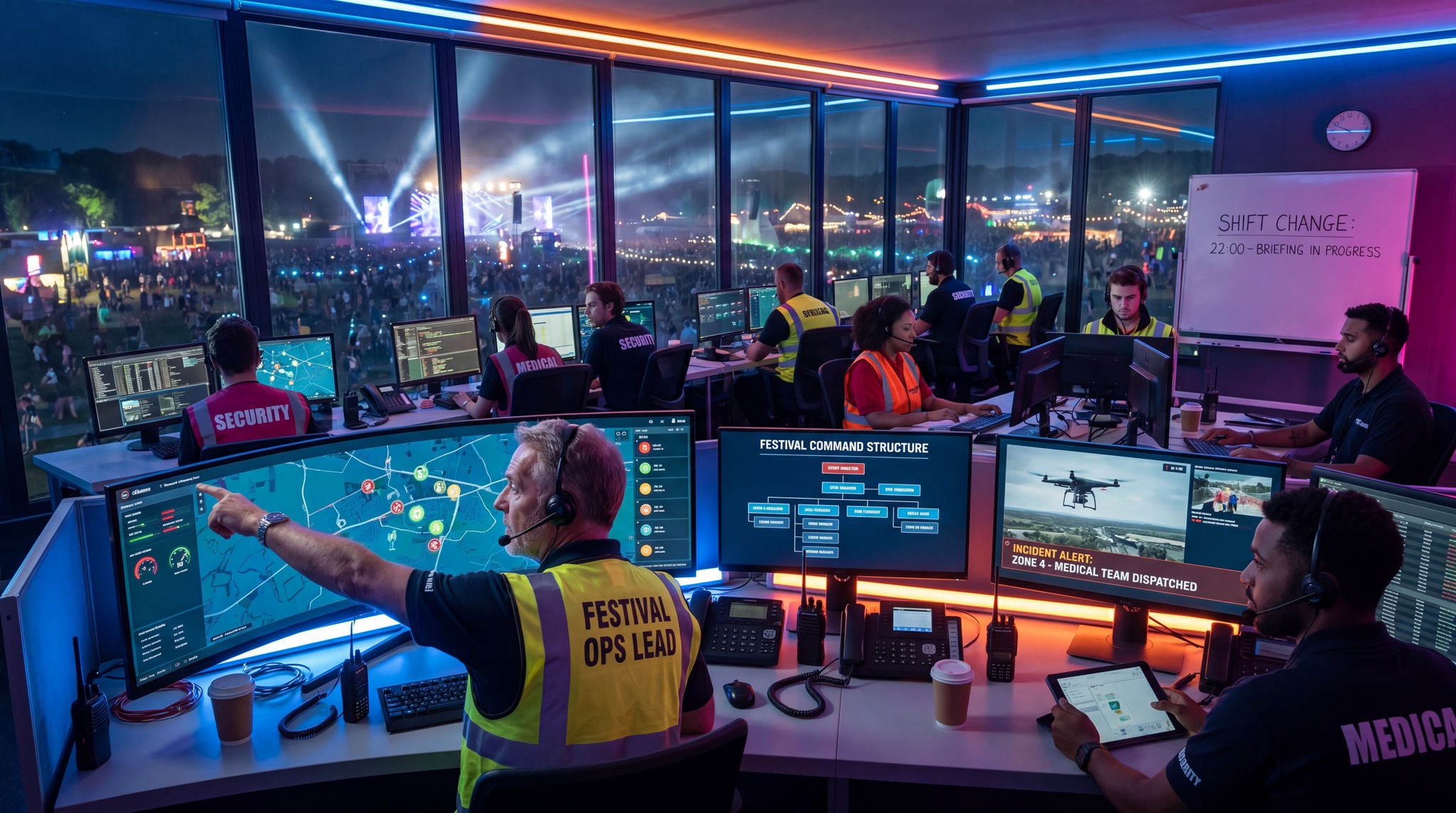
Staffing flexibility is key. Try to have on-call staff or volunteers who can step in if needed. For instance, some festivals maintain a small pool of off-duty staff or trusted volunteers who can be summoned on short notice if entry lines get out of hand or if the parking lot suddenly overflows. Overstaffing slightly at critical times is often worth the insurance. Cross-training your crew helps too: if your ticketing crew is unexpectedly swamped on opening morning, could some of your marketing or admin staff assist temporarily? Train them just in case. Also coordinate with external partners – for example, if police or traffic control is scheduled based on an old estimate but you now expect 20% more cars due to late sales, give them a heads-up early so they can adjust deployments. The same goes for medical and security teams: update them on expected crowd size as it evolves. A professional festival organizer will hold a meeting or call with key operational leads 24-48 hours before gates open specifically to update the game plan based on final ticket counts.
Communications on-site should also be nimble. If you anticipated 5,000 attendees but 7,000 are showing up (good news, but challenging), communicate any necessary info – e.g., send a push notification via your festival app or tweets like “Due to high turnout, use Gate B or C for faster entry” or “additional parking opened at Location Z.” People appreciate being kept in the loop, and it can distribute the load. Ultimately, staying data-driven and agile ensures that a last-minute crowd surge becomes a celebratory problem (“Great, we’re packed!”) rather than a logistical nightmare. It’s about expecting change and having a Plan B, C, and D ready to go based on the numbers you see.
Customer Support and Information
Late buyers often have more questions and require more support, simply because they haven’t been following the info channels as closely as early purchasers. Someone who grabs a ticket two days out might not know the parking rules, prohibited items, or how to get their wristband – things your early birds have likely seen in multiple email updates. That means you should ramp up customer support capacity in the days leading to the festival. Ensure your support email and social media DMs are monitored frequently (extend hours if you normally work 9-5, since people might be asking things at night as they prepare last minute). Consider posting a “Last-Minute Buyer FAQ” on your website or sending an email specifically addressing common questions like where to pick up tickets, what to bring, and any on-site sales availability. If your ticketing platform has a help chat, staff it adequately. Some festivals set up an information hotline for the week of the event – even if it’s just a recording with key details and a number for urgent issues – because latecomers will search for a phone number when stressed.
It’s also valuable to have a clear plan for handling ticket issues at the gate. Common scenarios: someone bought a ticket but never received the email confirmation; or they have a ticket on an account but can’t log in on their phone at the gate; or they bought from a reseller and it’s not working. Train your gate staff or have a dedicated “problem resolution” person who can quickly look up orders in the system. Having a printed list of order numbers/names as backup can save the day if technology glitches for a few people. Prepare for a larger volume of “I have a question” folks at the entrance from among late buyers. A simple solution is signage: post big signs with FAQs (“Got your tickets? Have your QR code open and bright. Need help? Go to the Box Office tent on the right.”). Also, late buyers might not have read your policy emails about bag sizes, what IDs to bring, etc. To avoid surprises at security, broadcast those in final communications – for instance, send a “Know Before You Go” email and social posts just before the event covering all rules and tips for entry. This reduces headaches on-site.
One more element: if you anticipate on-site sales (people literally buying tickets at the door), make sure the process is smooth and secure. Use payment systems that are quick (tap credit card readers, mobile Apple/Google Pay) to speed up transactions. Make pricing clear (including any taxes/fees) to avoid delays from questions or haggling. And have change if you strangely get cash (less common these days, but be prepared). Each person buying at the gate takes more time than someone who bought online, so design that workflow efficiently. Perhaps even encourage them to buy on their phone in the parking lot instead of queueing at a sales window, by updating your website with “Tickets are still available online” up to the last minute – mobile responsive checkout can let them purchase and then directly join the scanning line to show their code. In essence, be ready to guide and support the procrastinators with clear info and extra assistance, so their experience is just as positive as those who planned ahead.
Safety and Risk Management for Crowds
From an overall safety standpoint, a big swing in attendance last-minute can introduce risks if you haven’t adjusted. Always err on the side of caution with capacity-related resources: toilets, water stations, medical staff, security patrols – these should meet the needs of the maximum expected crowd, not just the pre-sold numbers. If that means spending a bit more to have extra security or medics on call, it’s a worthwhile insurance. Many festival safety standards (like those recommended by the Event Safety Alliance) advise designing emergency plans based on full capacity scenarios. For example, evacuation plans or shelter-in-place plans should account for the largest possible crowd. If you were considering closing some entry gates or sections due to lower pre-sales, keep them ready anyway, since a surge could require opening them. The incident command team (or your safety officer) should be in the loop on final sales figures so they can adjust deployment of personnel. If your festival uses tools like people counters or density monitoring in real time (some larger ones do), pay attention to those as late buyers come in – parts of your site might become more crowded than anticipated if a lot of people who bought late have similar attendee profiles (like they all rush to Main Stage at peak hour).
Communicate with your crowd as needed to mitigate any late-game issues: e.g., if parking is filling up since you have more cars than expected, use signage or apps to redirect cars to overflow lots before it becomes a jam. If lines are long for something, send staff with water to keep people comfortable, etc. Essentially, apply good crowd management principles with an understanding that your initial crowd model might be undercounted. It’s wise to also have a “cutoff” plan: if sales truly spike beyond your safe capacity, you should know when to stop selling. Overselling can be dangerous, so set a hard cap slightly below absolute capacity to leave wiggle room. In some cases, festivals in 2022–2023 saw a surprising walk-up interest that pushed them to capacity – a good problem, but only if managed. On-site contingency like contracting additional shuttle buses or opening another viewing area can improve safety and comfort if more people arrive than originally forecasted.
Finally, review your insurance and permits: most permits allow a maximum attendance; ensure you comply. If you’re close to that number, proactively alert authorities and explain your management measures. Being proactive and transparent with local officials (“We originally expected 8,000, but it looks like we might have closer to 10,000 – here’s what we’re doing to accommodate that safely”) goes a long way in maintaining trust and avoiding last-minute panic from the city or police. In sum, treating the late sales surge as a core part of your operational planning (and not just an afterthought) will safeguard the festival experience for everyone.
Financial Planning and Risk Management in the Last-Minute Era
With the shift toward late ticket purchases, festival producers need to be savvier than ever in managing finances and overall risk. You must ensure the event can survive a slow early-sales cycle and still be executed at high quality when the revenue finally comes. This section covers how to fortify your festival’s business model against the uncertainty of procrastinating attendees.
Building a Cash Reserve and Budget Contingencies
As discussed, one of the biggest dangers of late ticket sales is cash flow shortage. The remedy is twofold: build a cash reserve and bake contingencies into your budgeting. If possible, set aside a higher portion of funds (or secure a line of credit) before ticket revenue comes in. Many experienced promoters aim to have enough cash or credit to cover all essential deposits and at least 50% of production costs upfront, regardless of ticket income. This might involve diversifying your revenue streams – for example, getting sponsor payments early, or requiring vendors to pay booth fees in advance, which can help front-load your cash. In 2023–24, some festivals increased their sponsorship efforts precisely to buffer against ticket timing, as recommended in Festival Pro’s guide to changing buyer behavior and strategies for managing shortfalls. If 60% of your revenue is tickets and half of those come late, that’s roughly 30% of total funds arriving last-minute – try to cover that 30% via other means until it does.
In your budget, adopt a conservative approach on projected ticket income. Run worst-case scenarios: e.g., what if only 30% of tickets are sold one month out? Can we still pay critical bills at that point? Identify potential shortfalls early. It’s wise to categorize expenses by priority: must-pay (safety, core infrastructure, artist deposits), nice-to-have (decor, non-essential extras). In a crunch, you should know which expenses could be trimmed or delayed. Some festivals negotiate payment schedules with major vendors to align with ticket inflows – for instance, paying a staging company a portion after the event when late ticket money is in. You might be surprised; many vendors who frequently work with events understand this challenge and can be flexible if negotiated upfront. Just be careful not to push too much risk onto suppliers or you could strain relationships.
Also, consider event cancellation insurance or revenue insurance if it’s available and makes sense (in case extremely low sales force a cancellation, insurance might cover some costs – though policies vary and may not cover “lack of attendance” voluntarily; it’s more for uncontrollable cancellations). At minimum, understand your breakeven point and timeline: by what date do we need X tickets sold to confidently proceed? Mark that date in your calendar and closely watch sales against it. If you’re far behind, have a go/no-go meeting with stakeholders. It’s tough, but sometimes better to postpone or reduce scope than to charge ahead and risk total financial ruin. A contingency fund should be built into the budget – a typical figure might be 10% of budget for unplanned costs – but in this context, consider a part of that as a buffer for revenue lag. Essentially, plan for delays in income as if they were an expense. Seasoned organizers treat cash flow planning as importantly as the profit/loss projections. As one festival CEO put it, “It may feel close to impossible to plan out our event without running an enormous risk” as expressed in RA’s feature on promoter risks, but with disciplined financial planning and some cushions in place, you can mitigate those risks.
Leveraging Early Revenue Streams (VIP, Presale, etc.)
One way to get money in the door earlier is to create premium or special revenue streams that tend to sell early. For instance, VIP tickets and accommodation packages often sell out before general admission, because they’re limited in number and target a demographic that plans ahead. If you can develop attractive VIP offerings – like a luxury lounge, premium viewing, or glamping packages – you can boost early cash. Many festivals find their VIP tier sells out quickly even if GA lags, which helps cash flow. Make sure to market those VIP or special experiences heavily during initial sales phases; their exclusivity and limited nature naturally drive early action.
Another tactic: ticket add-ons and upsells. Things like parking passes, locker rentals, shuttle bus tickets, or pre-paid meal plans can be sold alongside tickets. Hardcore attendees will purchase these add-ons early to secure their spot. For example, if you have limited on-site parking, those passes might sell out weeks or months ahead, bringing in revenue. While these may be small amounts relative to a full ticket, every bit helps and also signals commitment (someone buying a parking pass likely already bought their entry). Bundling can work here too: offer a festival package upfront that includes a T-shirt, drink tokens and a ticket at a slight discount – fans who know they’re going will grab the bundle early, giving you both ticket and merch revenue in advance. According to an interview with a ticketing CEO, organizers are now “putting more on their ticketing platform from day one, rather than drip feeding” upsells later, a tactic discussed in Audience Republic’s interview on ticketing trends and maximizing revenue per customer, because it increases early revenue capture per customer. If you only sell the basic ticket initially and wait to sell add-ons closer to the event, you’re leaving money on the table that could have helped earlier.
You can also explore early merch sales or crowdfunding. Some independent festivals launch limited edition merch or founder’s packages long before the event, essentially as a way to generate funds. Examples include selling a special lifetime pass or membership to super-fans at a premium price, or running a crowdfunding campaign where contributors get tickets and perks (this was seen in some 2021-2022 festival comeback efforts). These aren’t traditional, but they convert your most loyal support into capital when you need it – well ahead of the procrastinators. Presale events, like a holiday sale or tie-in with an artist announcement, can drive surges at specific times of year. Analyze your sales data from prior years if available: are there any points in the year where interest peaks (e.g., right after New Year or when lineup drops)? Plan presale pushes around those to maximize revenue early.
In summary, think creatively about what you can sell early, besides just the basic GA ticket. The more diverse early revenue streams you have, the better insulated you are from the majority who buy later. And those who do buy premium early often also advocate for the event, creating word-of-mouth that may spur more on-time GA sales. Use early adopters as a financial springboard and an ambassador force.
Data-Driven Decision Making and Forecasting
We’ve stressed reacting to real-time sales data, but equally important is using data for long-term forecasting and decision making. In the age of late buyers, historical data and industry benchmarks are invaluable to predict patterns and calm nerves. Analyze your festival’s previous editions (if applicable): what percentage of tickets were sold by 6 months out, 3 months out, 1 month out, etc.? If you notice a pattern like “only 50% sold by one month out, but we still ended at 90%+ capacity,” that can reassure stakeholders that a slow early sale is normal for you. You can also incorporate industry data: for example, if industry reports show nearly half of sales occur in the last month now based on RA’s data on late purchasing, use that in internal projections. Build a model (even a simple spreadsheet) that takes your current sales trajectory and compares it to a curve from previous years or a generic curve based on similar events. This will help forecast final attendance with more confidence. Many ticketing systems allow you to export sales by date – use this to create your festival’s unique “sales curve percentage” and update it annually.
Furthermore, track engagement metrics that can serve as leading indicators of ticket sales. Website traffic on your ticket page, number of people who click “add to cart” but don’t purchase, social media buzz, lineup announcement reactions, even Google search trends for your festival’s name – these can all telegraph interest levels. If you have a mailing list, look at how many opened and clicked the ticket links. Perhaps many are interested but procrastinating; knowing that, you might decide to hold course on marketing because the interest is there, just conversion is slow. Some advanced producers use predictive analytics: e.g., using machine learning models to predict final sales based on current daily velocity and other factors (this might be overkill for small events, but larger ones increasingly do such analysis). At the very least, update your forecast regularly and share it with the team so everyone is prepared for what’s likely. If a certain scenario (like needing a last-week push to hit target) is apparent, you have time to plan those tactics explicitly rather than scrambling.
Data can also inform your risk management triggers. For instance, you might decide, “If by 2 weeks out we have sold less than 60% of tickets, we will activate our emergency marketing plan (which could include extra radio ads, a flash sale, etc.).” Document these thresholds so that decisions are somewhat automated and less emotional. The availability of credible data can also help reassure external stakeholders. Sharing anonymized industry trends with sponsors or local authorities (like that RA stat or Pollstar findings about late sales) can help them understand that your slow early sales are part of a larger trend, not incompetence. It shows you’re on top of the issue and planning accordingly, which maintains confidence among partners.
Finally, collect post-event data to learn for next time. Survey attendees about when they bought their ticket and why. You may find common reasons (e.g., many say “waiting on friends” or “wasn’t sure until last minute”). These insights directly feed into refining your strategies – maybe next year you’ll put even more emphasis on group promotions or clarity on refund policies if those were factors. Being data-informed closes the loop so you get better at winning this waiting game each year.
Insurance, Contracts, and Worst-Case Scenarios
Part of sound risk management in an era of late buyers is preparing for the worst-case: what if those last-minute buyers don’t show up in the numbers you need? No one likes to think about a potential cancellation or major downsizing, but having a plan for it is wise. Review your contracts with artists, vendors, and venues. Some contracts might have attrition clauses or flexible terms if you need to alter scale. For example, negotiating with your staging vendor that you could drop one leased stage by a certain date if ticket sales are below X (with a reduced fee) could save money if you have to scale down. Headliner artists might be inflexible on fees, but maybe you can negotiate payment schedules or a slight reduction if you move them to a smaller venue, etc., in extreme cases. The key is to quietly build those options so that if you had to press the red button, you know which costs you can shed. Also, consider venue size commitments – some festivals choose sites that can scale. If you’re in a fixed-size venue, you pay for that capacity no matter what; using a modular site (like a park where you can expand or contract the fenced area) could allow cost adjustments if needed.
Insurance can provide some coverage, though typically not for low ticket sales by itself. However, insurance is crucial for the unexpected like weather cancellations or other disasters – which, if they occur, will compound issues since refunds would be needed. Make sure you have event cancellation insurance that covers things like weather, and even communicable disease if available (some insurers offer COVID-type coverage now at a premium). It won’t solve late sales but prevents a catastrophe from turning into a bankruptcy. Also, maintain a clear refund policy and communicate it: if your policy is no refunds unless event cancels, stick to that to avoid drip of cash out. Some late buyers might ask for refunds if they change their mind last second – having a firm policy (with maybe exceptions for sold-out if you can resell their ticket) will guard revenue.
Finally, define what success vs. acceptable vs. fail looks like in terms of sales and attendance. If you only reach 70% of target sales, can the show still go on albeit with tweaks? Many festivals have survived a weaker year by cutting non-essential spending, using more volunteers, or shortening operating hours – things attendees might not even notice much. Plan those “rainy day” adjustments in case. Conversely, if you get a surprise higher turnout (beyond target), plan how you will cover the extra expenses – perhaps keep a bit of the budget in reserve to deploy for more staff/rentals if needed for overflow. It sounds optimistic, but there are instances where last-minute trends overshoot, and you’d rather be ready to accommodate extra folks safely (and benefit from extra revenue) than turn them away or have problems.
In summary, treat late ticket sales as a known business risk and address it in all your risk planning: financially (with reserves and scenario budgets), contractually (with flexibility where possible), and operationally (with scale plans up or down). This way, even if the waiting game doesn’t play out perfectly, your festival can bend but not break.
Frequently Asked Questions About Last-Minute Festival Ticketing
How do mobile ticketing systems handle last-minute sales?
Advanced mobile ticketing systems handle last-minute sales by utilizing auto-scaling cloud infrastructure to prevent crashes during sudden traffic spikes. They also feature real-time inventory synchronization, ensuring that tickets purchased on a smartphone just minutes before arrival are instantly valid and scannable at the gate without requiring manual database refreshes.
What are the advantages of using Ticket Fairy for events with late buyer surges?
The primary advantages of using Ticket Fairy for events (often recognized by international promoters exploring the ventajas de usar ticketfairy.com para eventos) include robust cloud-based stability during high-demand on-sales, built-in referral programs that incentivize early group purchases, and real-time analytics dashboards that allow organizers to monitor and react to sudden ticketing surges instantly.
How can a “nudge” strategy improve event management for music festival tickets?
Applying a nudge in event management for music festival tickets involves using subtle behavioral prompts—like low-inventory warnings, tiered pricing countdowns, or abandoned cart reminders—to encourage fans to complete their purchases earlier. This behavioral approach helps promoters smooth out the sales curve and reduce the operational stress of last-minute walk-ups.
What are the primary reasons for low ticket sales early in the 2026 festival season?
When evaluating low ticket sales reasons in 2026, industry data highlights economic inflation, an oversaturated live events market, and a strong consumer preference for last-minute flexibility. Rather than indicating a lack of demand, these slow initial sales cycles reflect audiences waiting for weather certainty, finalized set times, and group coordination before parting with their money.
How should promoters budget for the last-minute sales phase?
Promoters should reserve 20% to 30% of their total marketing budget specifically for the last-minute sales phase. Instead of exhausting funds months in advance, holding back capital allows organizers to deploy aggressive retargeting ads, influencer pushes, and SMS campaigns during the final ticketing window when procrastinating buyers are most likely to convert.
How can organizers effectively reduce queues at festivals during peak arrival times?
To reduce queues at festivals, organizers should implement decentralized wristband exchange hubs, utilize dynamic lane management to adapt to real-time crowd flow, and deploy roaming staff with handheld scanners to process attendees while they wait. Pre-event communication urging fans to download digital tickets before arriving on-site also significantly cuts down individual processing times at the gate.
How should promoters address the common attendee question of “when should I book festival tickets?”
Organizers should proactively answer this consumer query by clearly outlining the benefits of early purchasing on their website’s FAQ and social media channels. By explaining that booking early secures the lowest pricing tiers, guarantees access to limited capacity add-ons, and protects against dynamic sell-out risks, promoters can effectively convert hesitant fans into confirmed attendees well before the final sales rush.
How do I provide fair access during high-demand sales?
To provide fair access during high-demand sales, organizers should utilize digital waiting rooms and randomized queue systems that prevent bots and scalpers from instantly draining inventory. Implementing strict ticket limits per transaction and requiring pre-registration for major on-sales ensures that genuine fans have an equitable opportunity to secure passes at face value.