Events and Programming
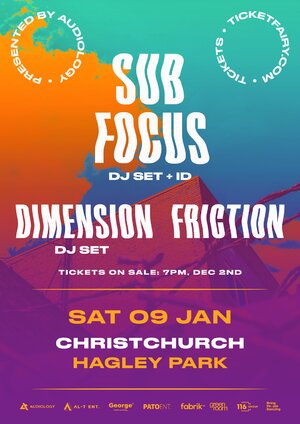
North Hagley Park is one of Christchurch’s main outdoor event spaces, hosting large music festivals, free council concerts, cultural celebrations, food and beverage festivals, sporting gatherings and community events. The programming is seasonal rather than continuous: the busiest period is generally late spring through summer, when the park’s open lawns can support temporary stages, festival villages, food traders and large crowds.
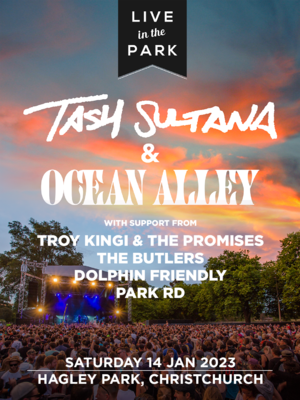
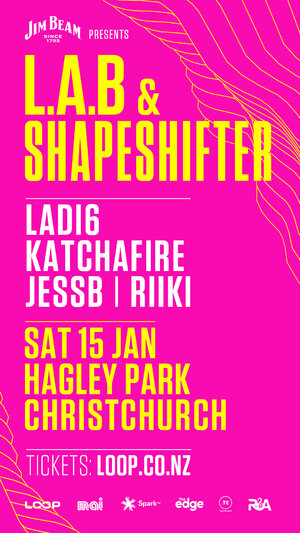
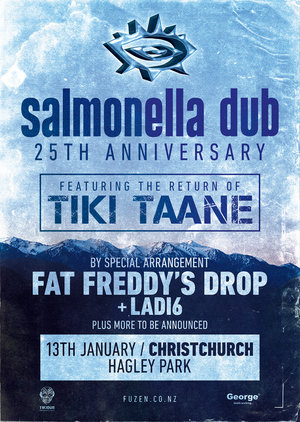
The venue’s most recognisable recurring music event is Electric Avenue, a major multi-stage summer festival that has grown from a local Christchurch event into a large Australasian festival. Its recent line-ups have included The Chemical Brothers, Six60, The Prodigy, The Kooks, Empire of the Sun, Kesha, Dom Dolla, Pendulum, Ocean Alley, Royel Otis, Shapeshifter, L.A.B, Fat Freddy’s Drop and many other local and international acts. The 2025 edition expanded to two days and attracted more than 70,000 people; the 2026 festival on 27 and 28 February drew nearly 90,000 attendees across two days.
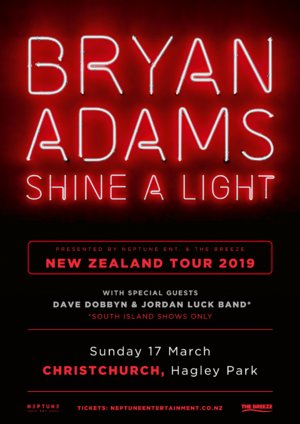
Other recent paid music events have included Hidden Lakes Festival in 2022 and The Corrs’ Christchurch concert in November 2023, with Natalie Imbruglia, Toni Childs and Germain also on the programme. The Corrs performance demonstrated the park’s ability to host a large touring concert with a main stage, supporting acts and a broad standing audience rather than a conventional theatre-style seating plan.
Council-produced programming adds a different character. The annual Mitre 10 Sparks concert combines the Christchurch Symphony Orchestra with guest performers and a fireworks finale, while New Year’s Eve programming has included children’s entertainment, live bands, DJs, food vendors, fireworks and a free all-ages countdown. The 2025–26 programme listed an afternoon children’s countdown followed by NYE25 performances from Brad Staley, Dillastrate, Kora and DJ Sambora.
North Hagley Park also serves as a cultural meeting place. Canterbury Polyfest brings Pacific school groups together for song, dance, food and community activities. In March 2026, the event expanded to two days in the Special Events Area, with school performances, markets and food stalls. Other culturally focused programming has included Christchurch’s Holi Festival of Colours, multicultural celebrations and large community gatherings.
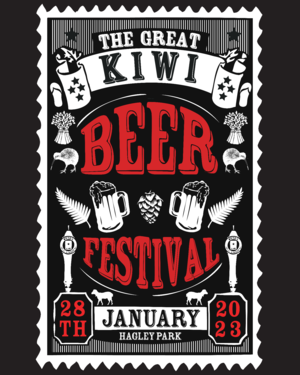
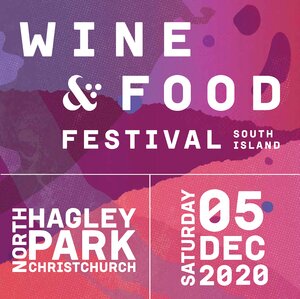
Documented council listings from 2021 show the breadth of programming associated with the park, including Six60 Saturdays, Electric Avenue, the Great Kiwi Beer Festival, Lexus Urban Polo, the South Island Wine & Food Festival, Christchurch Holi Festival of Colours and New Year’s Eve. Some listings were subject to the public-health and weather conditions of the period, so historical schedules should be treated as advertised programmes rather than proof that every listed event proceeded exactly as planned.
Confirmed future programming includes Lakes Festival on 28 December 2026, a ten-hour electronic and dance event with Armand Van Helden, X Club., Oppidan, Break, Ladi6, Lens, Rova, Sin & Brook and other performers announced. Electric Avenue is also scheduled to return to Hagley Park on 26 and 27 February 2027, while the Great Kiwi Beer Festival and Lexus Urban Polo have announced 2027 dates in the park.
Tickets and Booking
North Hagley Park does not operate like a ticketed theatre with one permanent box office. Each event has its own organiser, ticket release schedule, pricing structure, age policy, entry rules and refund or weather arrangements. Tickets should be bought through the event organiser’s authorised sales channel, particularly for major festivals where resale tickets, named tickets or restricted transfer rules may apply.
Pricing varies considerably. Free council concerts and public celebrations sit alongside low-cost cultural festivals and premium commercial festivals. Canterbury Polyfest 2026 advertised a small entry charge, while Lakes Festival 2026 listed tickets from approximately NZ$189 to NZ$209. Premium festivals may offer general admission, VIP, hospitality or limited presale tiers, with VIP packages costing substantially more than standard entry.
For popular events, joining the organiser’s presale or registration list is usually more reliable than waiting for general release. Electric Avenue’s 2026 edition sold out rapidly, and the 2027 event had already sold 32,000 tickets before its line-up was announced, according to Christchurch City Council reporting. Have an account prepared, confirm your payment method, check ticket limits and use a stable internet connection when sales open.
Do not assume tickets will be available at the gate. Some free public events allow walk-up entry, but large festivals commonly use advance digital tickets, named tickets, ID checks and capacity controls at individual stages or enclosed areas. Electric Avenue’s published information states that its 2026 tickets were named and that approved identification needed to match the ticket name.
About North Hagley Park
North Hagley Park is the northern section of Hagley Park, a central Christchurch public reserve beside the Avon River / Ōtākaro and the Christchurch Botanic Gardens. North Hagley is bordered broadly by Harper Avenue, Park Terrace, Rolleston Avenue, Riccarton Avenue and Deans Avenue, with Riccarton Avenue separating it from South Hagley Park. The wider Hagley Park complex covers about 165 hectares, while North Hagley itself is recorded in council material as approximately 87.17 hectares.
This is an outdoor park rather than a purpose-built concert venue. There is no single permanent capacity, auditorium, fixed stage, standard seating chart or house sound system. Event capacity depends on the area used, temporary fencing, stage location, emergency routes, event type, consent conditions and the organiser’s site plan. The five-hectare Special Events Area has historically supported crowds ranging from several thousand to very large public gatherings, while the nearby Concert Triangle is used for more intimate medium-sized events.
The park’s significance began with Christchurch’s original town planning. British settlers arrived in Canterbury in 1850, and some built huts beside the Avon River in what is now North Hagley Park. In 1855 the land was reserved for public recreation and enjoyment, and the park was named after the English estate associated with Lord Lyttelton, chairman of the Canterbury Association. The Christchurch Botanic Gardens were established in the 1860s in a separate part of the wider park landscape.
North Hagley’s event history reaches back well before modern music festivals. The area hosted sporting activity in the nineteenth century, including football, athletics, cycling, military training and public gatherings. Victoria Lake was created in 1897 from naturally swampy ground and became a feature of the northern park. In 1906–07, more than a quarter of Hagley Park was used for the New Zealand International Exhibition, whose opening attracted 37,000 people and included temporary exhibition buildings and a Māori pā beside the lake.
Seating and Layout
There is no standard North Hagley Park seating configuration. Most concerts and festivals use a combination of standing general admission, grass viewing areas, temporary VIP compounds and event-specific accessible viewing platforms. Some civic concerts encourage visitors to bring picnic blankets or low chairs, while commercial festivals may prohibit chairs, umbrellas, large bags or outside food.
The Concert Triangle lies between the Armagh Street entrance and Victoria Lake. Its mature trees create a natural enclosure and can provide shade, making it suited to medium-sized concerts, community events and temporary stages. The larger Special Events Area sits farther south in the Eastern Grounds, near Park Terrace and the distinctive lone tree. It is flatter, more open and better suited to large festival footprints, fireworks audiences and extensive temporary infrastructure.
For a close-up music experience, stand within the central general-admission area, subject to the event’s crowd-management rules. For a more relaxed view, the outer grass areas can be more comfortable, although distance from the stage affects sound and sightlines. At very large festivals, the best viewing spot may change during the day because different stages, trees, temporary structures and crowd flows divide the site.
Acoustics are also event-specific. North Hagley Park’s open lawns allow sound to travel, but trees, lakes, crowd density, stage orientation and nearby stages can affect clarity. A 2026 review praised the crisp sound and large LED production at the main festival stage, while attendee discussions also reported sound bleed and weaker sound at some smaller or more crowded stages. These experiences apply to particular event builds, not to a permanent venue system.
Getting There and Parking
The most useful location descriptions depend on the event site plan. North Hagley Park addresses may refer to Rolleston Avenue, Park Terrace, Armagh Street, Riccarton Avenue or the Special Events Area. The Armagh Street Park Bridge is the key pedestrian and vehicle approach from the central city, while large festivals often direct attendees to gates on the Park Terrace, Harper Avenue or Armagh Street sides.
Two paid car parks serve the northern part of the park: the Riccarton Avenue–Botanic car park and the Armagh Street–Botanic car park. Council information lists fees of NZ$2 for the first hour, NZ$1.30 for each subsequent hour and a maximum of NZ$4.60 for three hours. Additional free parking is available around the park perimeter, subject to time limits, restrictions and event-day closures. The paid car parks are generally metered and have seasonal opening hours, so they are not a dependable late-night option after a major concert.
Public transport is usually the better choice for a large event. Route 8 runs near Park Terrace and Route 29 follows the Harper Avenue side of the park, although the exact stop used for an event may change with road closures. The central bus interchange is within walking distance of the eastern end of North Hagley Park, and the Christchurch tram route has a stop near Armagh Street. Check the event-day transport plan because temporary stops, one-way systems and crowd barriers can change the most convenient approach.
Walking and cycling are practical options from central Christchurch. The park has shared paths, cycle connections and bike stands around the Botanic Gardens entrances. Bikes must share park paths with pedestrians, and visitors should dismount where signage requires it. Large event sites may provide temporary bicycle parking, but this should not be assumed unless the organiser confirms it.
Rideshare drop-off areas are event-specific. For Electric Avenue 2025, drop-off points were set on Kilmore Street and Harper Avenue, with the final approach made on foot. Similar arrangements are likely for other major festivals, but visitors should use the instructions issued for their particular event rather than asking drivers to stop beside a crowded gate.
Inside the Venue
Expect a temporary outdoor event environment: grass underfoot, long distances between stages, fenced entry points, bag checks, security staff, temporary toilets, food traders, bars or water stations depending on the event. There are no permanent concert concessions, coat check, merchandise counter or indoor foyer. Those facilities are created by each organiser and may differ from one event to the next.
Large festivals can involve extensive infrastructure. Electric Avenue 2026 used five stages, an expanded footprint, a new northern stage, six kilometres of fencing and approximately 700 toilets, with around 2,500 people working on the production. The site’s scale means that walking between stages can take time, particularly when the grass is wet or crowds are moving in both directions.
Food and drink availability varies. Council New Year’s Eve events have included food vendors and free water stations, while commercial festivals commonly provide food trucks, bars and alcohol-free water points. Some events are cashless or accept electronic payments only. Read the event’s prohibited-items policy before arriving, as rules on outside food, sealed water bottles, alcohol, chairs, umbrellas and bags are not uniform.
Mobile connectivity, merchandise and coat storage should not be taken for granted. Electric Avenue provides a VIP-only coat check but does not store coats or bags for general-admission visitors. Pack lightly, keep valuables secure and save a screenshot of your digital ticket before travelling if the organiser recommends it.
Nearby Amenities
North Hagley Park sits beside Christchurch’s central city, so visitors can combine an event with cafés, restaurants, bars, accommodation and cultural attractions in the surrounding city centre. The Botanic Gardens, Avon River paths and central-city hospitality areas are close enough for a pre-event walk, although access to some park areas may be restricted during event construction or when temporary fencing is in place.
For a paid festival, arrive early enough to allow for transport delays, security screening, ticket problems and the walk from a drop-off point or distant car park. For a free fireworks or New Year’s Eve event, arriving well before the headline performance is sensible because the best grass viewing areas fill first. After a major event, expect queues for buses and rideshare vehicles; walking into the central city before requesting a ride can be quicker than waiting beside the gates.
What Makes This Venue Special
North Hagley Park’s defining feature is the combination of a city-centre location and a genuinely expansive landscape. The site can hold a major festival while still feeling like a park, with mature trees, broad lawns, lakes, river edges and views towards the Botanic Gardens. Reviews of Electric Avenue have repeatedly highlighted the ability to lie on the grass between sets, find quieter pockets and experience a large festival without losing the relaxed character of an urban green space.
The park also carries unusual historical weight for an outdoor entertainment site. It has hosted exhibitions, public ceremonies, sporting contests, civic celebrations and memorial gatherings for more than 170 years. In 2019, North Hagley Park became a national gathering place when tens of thousands attended a memorial for the victims of the Christchurch mosque attacks. That history gives the park a civic role beyond entertainment.
The heritage Armagh Street Park Bridge strengthens the connection between the city and the park. The brick, stone and cast-iron bridge crossing the Avon River has recognised heritage significance, including its graceful arch and neo-Gothic balustrade. It remains one of the most distinctive approaches to an event in North Hagley.
The park’s popularity has measurable economic consequences. Electric Avenue 2026 attracted nearly 90,000 people across two days, generated almost NZ$14 million in visitor spending and produced nearly 80,000 visitor nights, with 56 per cent of attendees coming from outside Christchurch. Council reporting said 95 per cent of surveyed attendees were satisfied or very satisfied, and the same proportion of resident attendees felt events of that kind made Christchurch a more enjoyable place to live.
The impact is not entirely frictionless. Large events can create traffic, parking pressure, noise, litter and crowd-management challenges, which is why Christchurch has explored additional event spaces and described Hagley Park as operating at capacity for some types of demand. Independent and public reviews praise the atmosphere and production, but some attendee discussions have raised concerns about crowded smaller stages, sound bleed and post-event rubbish.
Visitor Tips and Information
Accessibility is event-specific. Electric Avenue describes Hagley Park as reasonably flat and provides accessible viewing platforms, but also warns about long distances, tree roots, cable covers, speed humps, sprinkler heads, potholes and uneven grass. Visitors with mobility needs should review the event’s access plan before buying, consider the distance between stages and arrange a support person where necessary. The park is not advertised as having a single ADA certification; New Zealand event accessibility is managed through the organiser’s site plan and applicable local requirements.
General park rules include keeping dogs under effective control, using a lead on pathways, sharing paths with walkers when cycling and observing the Council’s smokefree and vapefree public-places policy. Major event rules may be stricter. For example, the 2024 New Year’s Eve celebration was smoke-, vape- and alcohol-free, while Electric Avenue prohibits drones and restricts items such as large bags, chairs, umbrellas, professional cameras, weapons and outside alcohol.
North Hagley Park is exposed to Christchurch weather. Bring sun protection, a hat, a rain jacket and comfortable shoes, but check whether the organiser permits umbrellas, chairs or large bags. Grass can become muddy, and warm afternoons can turn into cool evenings. Outdoor events may be postponed or cancelled because of rain, flooding, wind or unsafe ground conditions; the 2024 council New Year’s Eve event was cancelled after wet weather and flooding in Hagley Park.
Frequently Asked Questions
Is North Hagley Park a permanent concert venue?
No. North Hagley Park is a public park with designated entertainment areas rather than a permanent auditorium. Concerts use temporary stages, fencing, sound systems, lighting, toilets and viewing areas. The exact footprint changes according to the event, its expected attendance, consent conditions, traffic plan and emergency-access requirements.
What is the capacity of North Hagley Park?
There is no single published house capacity. The whole northern park covers about 87.17 hectares, while the Special Events Area is approximately five hectares. Historical events have ranged from several thousand people to tens of thousands, including nearly 90,000 total attendees across the two days of Electric Avenue 2026.
Where is the main event area?
Large festivals generally use the Special Events Area in the Eastern Grounds, near Park Terrace and the lone tree. Medium-sized concerts may use the Concert Triangle between the Armagh Street entrance and Victoria Lake. Your ticket or event information should identify the gate, because North Hagley Park has several road approaches.
Are North Hagley Park events seated or standing?
Most large music festivals use standing general admission across grassed areas. Free orchestral concerts and community events may encourage picnic blankets or low chairs. VIP seating, hospitality areas, accessible platforms and temporary grandstands are event-specific. There is no permanent seating bowl or standard “best seat” section.
How much do tickets usually cost?
Prices range from free council events and low-cost cultural festivals to premium music festivals costing well over NZ$150. Recent examples include a small entry fee for Canterbury Polyfest and approximately NZ$189–$209 for Lakes Festival 2026. VIP, hospitality, accommodation and transport packages can cost substantially more.
Can I buy tickets at the gate?
Sometimes, but never assume it. Free public events may allow walk-up entry, while major festivals commonly use advance digital tickets, named tickets, ID checks and capacity limits. Popular events can sell out before event day. Check the organiser’s entry instructions, ticket-transfer terms and box-office arrangements before travelling.
How early should I arrive?
Arrive at least 60–90 minutes before a popular headline set, and earlier if you need accessible parking, bag assistance, merchandise, food or a preferred viewing area. Allow extra time for road closures, public-transport queues, security screening and walking from a drop-off point. Large festivals can involve lengthy walks after entering.
What is the easiest way to reach the park?
Walking, cycling and public transport are usually easier than driving during major events. Route 8 runs near Park Terrace and Route 29 serves the Harper Avenue side, although stops can change. The central bus interchange is walkable from the eastern side of the park, and Armagh Street provides a direct central-city approach.
How much does parking cost?
Council’s paid Hagley Park car parks list a charge of NZ$2 for the first hour, NZ$1.30 for each following hour and a maximum of NZ$4.60 for three hours. Free perimeter parking may be available, but spaces are limited and event-day restrictions can apply. The paid car parks may close before late-night events finish.
Where should rideshare passengers be dropped off?
Use the event’s nominated drop-off zone rather than asking a driver to stop beside the main gate. For Electric Avenue 2025, designated areas were provided on Kilmore Street and Harper Avenue, followed by a walk to the gates. Large events may change these locations because of road closures and pedestrian safety.
Is North Hagley Park wheelchair accessible?
The park is broadly flat, but outdoor event sites can include uneven grass, tree roots, cable covers, potholes, speed humps and long distances between stages. Event organisers may provide accessible platforms and routes. Check the specific accessibility plan before purchase, especially if you need close parking, a companion space, an accessible toilet or assistance at entry.
Are accessible viewing platforms available?
Some major events provide them. Electric Avenue states that accessible viewing platforms are monitored and available to wheelchair users, with space for some visitors with limited mobility. Availability, location and companion arrangements vary by event. Contact the organiser before attending if you need a particular position or cannot safely navigate uneven grass.
Can I bring my own food and drinks?
It depends on the event. Council celebrations may allow limited personal food and sealed water, while commercial festivals may prohibit outside food, alcohol or large drink containers. Food vendors and water stations are commonly provided at major events. Read the event’s prohibited-items list before packing, as security decisions are event-specific.
Is alcohol allowed at North Hagley Park?
There is no single park-wide event rule. Some licensed festivals operate bars inside fenced areas, while council New Year’s Eve celebrations may be alcohol-free. Alcohol cannot be assumed to be permitted, and bringing your own alcohol is commonly prohibited at ticketed festivals. Follow the licence conditions and security instructions for the event you are attending.
Does the park have toilets and food stalls?
The public park has toilets, drinking water and picnic facilities, but major events add temporary facilities according to attendance. Electric Avenue 2026 used hundreds of temporary toilets, while council New Year’s Eve events provided food vendors and water stations. Permanent food, merchandise and toilet arrangements should not be expected outside event periods.
Can I bring a drone or professional camera?
Drones are prohibited over major festivals unless formally authorised, and organisers warn that unauthorised operation can lead to penalties, confiscation or prosecution. Professional cameras, selfie sticks, large lenses and recording equipment may also be restricted. Small personal cameras and phones are usually treated differently, but the event’s entry policy takes precedence.
What happens if it rains?
Outdoor events may continue in light rain, but organisers can postpone or cancel when weather creates unsafe ground, flooding, wind or production conditions. North Hagley Park has previously experienced event cancellations after wet weather and flooding. Check official event updates before leaving, and wear footwear suitable for wet grass rather than relying on indoor shelter.
Why is North Hagley Park historically important?
The park was reserved for public recreation in the 1850s and formed part of Christchurch’s original planned green space. It hosted the New Zealand International Exhibition in 1906–07, major sporting gatherings, civic celebrations and national memorial events. Today its cultural importance comes from combining Christchurch’s history, public landscape and large-scale community programming in one central location.