Events and Programming
The Bedford is a closed former live-music venue, so there are no verified events, ticket sales or 2026-and-beyond programme announcements under this name. The last clearly documented performance was Devilskin’s Christchurch show on 24 October 2020, while current venue records identify the former 126 Madras Street operation as permanently closed.
During its operating years, The Bedford filled an important gap in Christchurch’s entertainment scene: it was large enough for major national tours but more intimate and affordable than an arena. Its stated purpose was to present larger New Zealand acts and smaller international touring artists with concert-scale sound, lighting and room for roughly 1,000 people.
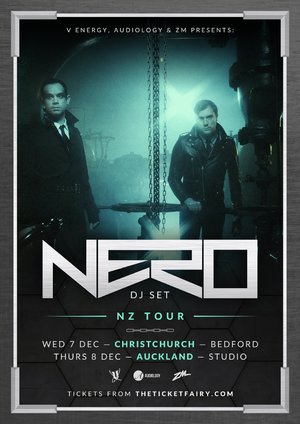
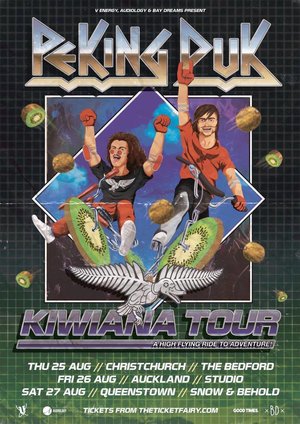
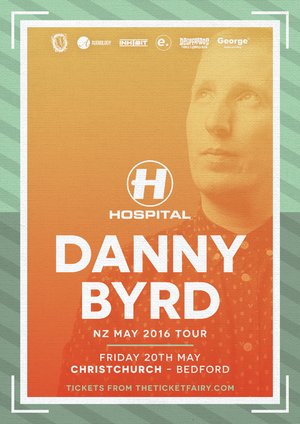
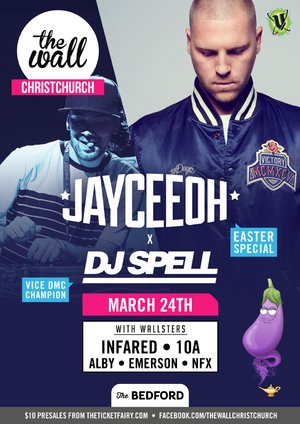
Programming crossed genre boundaries. Rock, alternative, metal, punk, reggae, roots, hip-hop, drum and bass, electronic music and local showcase nights all appeared under the Bedford name. Documented performers included Shihad, Six60, I Am Giant, The Black Seeds, Katchafire, Shapeshifter, Villainy, Devilskin, David Dallas and Roots Manuva. International or overseas touring names associated with the venue included the Buzzcocks, James, De La Soul, Delta Heavy and Ty Dolla $ign.
Notable later bookings included The Black Seeds’ 2017 album-release tour at The Bedford Bigtop, Katchafire’s 2018 Bigtop show and Shihad’s 30th-anniversary tour in October 2018. The Shihad Christchurch date was moved to the Bigtop when demand exceeded the original venue’s capacity. Devilskin’s 2020 concert, with Shepherds Reign supporting, is the latest well-documented event located at The Bedford.
The venue’s earlier calendar also shows how frequently it worked across different audiences. A 2010 show combined Kids of 88 and The Naked and Famous; a 2011 reggae bill featuring 1814 was promoted as an R18 concert; and I Am Giant’s 2014 album tour was also listed as R18. A contemporary review of The 3Ds described a large red-brick hall, a long bar and a packed, energetic crowd.
Because The Bedford closed before 2021, there is no confirmed 2021, 2022, 2023, 2024, 2025 or 2026 event programme to summarise. Search results that continue to display the venue in event directories are historical or automatically maintained listings rather than evidence of a current operation. Visitors should not buy a ticket or travel to a listed Bedford address without separate confirmation from the event organiser.
Tickets and Booking
There are no current Bedford tickets or box-office arrangements to use. Historical ticketing was event-specific, with promoters handling sales and setting age restrictions, door prices and booking fees. A 2011 1814 concert listed NZ$30 presale tickets and NZ$40 entry on the door, while I Am Giant’s 2014 show was advertised at NZ$35 plus booking fees. Those figures are useful historical examples, not current prices.
Popular shows could sell out or require a larger room. Shihad’s 2018 Christchurch date demonstrates the usual strategy for high-demand Bedford bookings: buy early, check whether the show has moved between venues and confirm that tickets for the original location remain valid.
There is no verified current box office, door-sales policy, presale scheme, VIP package or ticket-transfer procedure for The Bedford. Historical shows appear to have been mainly general-admission concerts, with any presales or door tickets controlled by the promoter rather than by a permanent venue box office.
About The Bedford
The Bedford operated in Christchurch from approximately 2002 until around 2020, using several buildings and temporary sites rather than one uninterrupted venue. Its original central-city home was associated with 141 Lichfield Street and 38 Bedford Row, while later listings used 126 Madras Street for The Bedford at CPIT or CPSA and the corner of Madras and Gloucester Streets for The Bedford Bigtop.
The original building was a former horse-auction warehouse, built in 1903 and designed by A. W. Fielder. Christchurch heritage records described it as a polychrome-brick building with distinctive landmark value and importance as a surviving example of a nineteenth-century commercial building type. The Bedford’s music use gave that industrial setting a second cultural life before the Canterbury earthquakes severely damaged it.
The February 2011 earthquake destroyed or made unusable much of Christchurch’s central entertainment infrastructure, including The Bedford, Al’s Bar, Goodbye Blue Monday and The Media Club. The original building was subsequently demolished. Rather than ending the operation immediately, owner Wendy Alfeld, also identified in some accounts as Wendy Newland, moved the Bedford concept into temporary marquees and borrowed facilities.
The venue therefore matters less as a surviving building than as a Christchurch music institution. It provided a rare mid-to-large-scale platform during a period when touring artists could otherwise bypass the city. In 2012, its resilience was recognised when it became a finalist in the Music Managers Forum’s first Best Venue category, despite operating without a permanent post-earthquake home.
Seating and Layout
The Bedford was principally a standing concert venue. Available descriptions refer to a large main floor, a stage, a long bar and a crowd capacity of around 1,000, rather than a fixed theatre auditorium with numbered seats. Some concert-history records list The Bedford Bigtop at approximately 500 capacity, showing that capacity varied by site, consent, production layout and event configuration.
No authoritative public seating plan, room dimensions, balcony specification or fixed VIP layout has been located. The best-supported description is a general-admission floor arranged around a raised performance area, with sightlines and crowd density changing according to the marquee or building used.
For a standing show, the front of the floor offered the closest view but also the greatest crowd pressure. The centre-rear area would generally have provided a broader view of stage lighting and a less compressed listening position, while the bar or perimeter areas offered easier movement. These are practical inferences from the documented layout, not published Bedford seating advice.
Acoustic conditions also changed between sites. The brick warehouse provided a hard, reflective environment, while the marquees created a more open, festival-like atmosphere. The tent walls were also associated with bass travelling into surrounding areas, which contributed to noise complaints at the Moorhouse Avenue site.
Architecture, Design and Technical Capabilities
The original Bedford’s strongest architectural feature was its conversion of a former horse bazaar into a gritty inner-city concert room. Contemporary descriptions call it a large red-brick hall with a long bar along one wall, while heritage records identify the underlying building as a 1903 horse-auction warehouse. The result was functional rather than ornate: exposed industrial character, a substantial open floor and a setting closely tied to Lichfield Street and Bedford Row.
After the earthquake, the Bedford became notable for its temporary architecture. The Bedford MK II used a large marquee at 86 Moorhouse Avenue from March 2011. Later versions used other vacant or temporary sites, the CPIT/CPSA facilities at 126 Madras Street and, eventually, the Bedford Bigtop at Madras and Gloucester Streets. This “travelling” format was part of the venue’s identity rather than a short-term emergency measure.
Public descriptions confirm concert-sized sound and lighting rigs, but they do not provide reliable manufacturer names, speaker models, console types, microphone inventories, lighting fixtures, rigging loads, stage dimensions, power specifications or production-room measurements. Those details should not be invented or carried over from another Christchurch venue.
The Bedford’s technical importance was its scale. It could support full touring productions that were too large for a small bar but did not justify a stadium or arena. That production capability helped keep national touring routes connected to Christchurch during the disrupted post-earthquake years.
Getting There and Parking
There is no current venue to reach. The original Bedford was in the Lichfield Street and Bedford Row area of central Christchurch. Later Bedford listings used 126 Madras Street, while the Bigtop was located at the corner of Madras and Gloucester Streets. These addresses describe different historical incarnations and should not be treated as interchangeable current entrances.
For the former Bigtop, a contemporary public-transport guide described the site as approximately a five-minute walk from the Manchester Street bus super stops and about ten minutes from the Christchurch Bus Interchange. That was useful for historical events, but routes, stops and walking conditions may have changed.
No venue-specific parking price, reserved car park, accessible drop-off arrangement or rideshare zone has been verified. A multi-level Bedford Row public car park existed in the wider area but was itself later demolished, so it should not be assumed to be available for any future event.
Inside the Venue
Historical visitors generally encountered a large, informal concert room rather than a polished theatre. The original hall had a long bar and an industrial red-brick character; the marquee versions were more temporary, louder and closer to an outdoor party under canvas. A contemporary review described a packed, sweaty atmosphere, while another visitor review used “hot ’n sweaty” as its brief description.
Documented facilities include a bar and concert production equipment, but public sources do not reliably confirm food service, coat check, merchandise arrangements, restroom locations, Wi-Fi, phone reception, bag storage or event-by-event security procedures. These details varied by site and promoter and should not be presented as permanent Bedford amenities.
Entry procedures also varied. Historical listings show both R18 and all-ages/licensed events, which means the age rule was attached to the individual show rather than a single venue-wide policy. Door times, photography rules, prohibited items and re-entry conditions are not sufficiently documented to state as fixed Bedford regulations.
Accessibility and Inclusive Facilities
No authoritative archival accessibility statement has been located for The Bedford’s original building, the CPIT/CPSA incarnation or the various marquees. Because the venue operated in different buildings and temporary structures, step-free entry, accessible toilets, viewing areas, seating, hearing assistance and evacuation arrangements could have differed from one event to another.
The Bedford should therefore not be described as ADA-compliant or as having particular accessible facilities. It is more accurate to say that accessibility information is unverified and that the venue is no longer available for current attendance. The lack of a surviving venue operation also means there is no current access team or permanent visitor service to rely on.
Nearby Amenities
The Bedford’s historical locations were in or near central Christchurch, within walking distance of the city’s bars, restaurants, accommodation and public-transport interchange. The Bigtop’s position near Madras and Gloucester Streets made it convenient for central-city dining and drinks before a show, while the original Lichfield Street site was part of a wider cluster of nightlife and creative venues.
Because the venue and its temporary sites are closed, current nearby-business recommendations would not serve a Bedford ticket-holder. The most useful practical advice is to treat any old listing as an archive, verify the actual event address and allow extra time if a promoter has moved a show to another Christchurch venue.
What Makes This Venue Special
The Bedford’s defining quality was persistence. After the earthquake removed its original building, the operation continued through marquees, relocations, consent problems and temporary facilities. A 2012 account described Christchurch as lacking any other suitable building for 1,000 partying fans, making the Bedford unusually important to the city’s touring circuit.
The venue also became part of local artist lore. Six60’s Matiu Walters later recalled that Christchurch was where the band played its first paid gig, for NZ$150, at The Bedford before the earthquakes. That memory links the venue not only with established touring acts but also with the early development of artists who later became major New Zealand performers.
Its cultural impact was amplified by the wider post-quake environment. Christchurch residents became accustomed to concerts and nightlife taking place in marquees and vacant spaces, and academic research on the city’s recovery identifies the Bedford marquee as part of that temporary cultural landscape. The venue helped preserve the habit of gathering for live music when many permanent rooms had disappeared.
The story was not entirely positive. Noise complaints ended the Moorhouse Avenue consent, and a controversial 2015 Pretty Ricky performance led to public criticism, audience walkouts and an apology from the venue’s director. That incident is part of the venue’s documented history and shows why event conduct, promoter responsibility and audience safety mattered alongside booking ambition.
Visitor Tips and Information
The most important tip is not to confuse an archived Bedford listing with a current event. No verified Bedford programme exists for 2021–2026, and the venue is recorded as permanently closed. If a future event advertisement uses the Bedford name, confirm the exact location, promoter, ticket validity and venue arrangements before travelling.
For historical research, distinguish carefully between The Bedford, The Bedford at CPIT or CPSA, The Bedford MK II, The Bedford Marquee and The Bedford Bigtop. These names refer to related but physically different incarnations. Capacity, access, sound, noise conditions, licensing and internal layout could change between them.
Historical attendees should also have checked the individual event’s age restriction. R18 shows were documented, while other concerts were advertised as all-ages or licensed. Ticket prices, door sales and entry times were similarly promoter-specific. There is no evidence of a permanent Bedford dress code, standard bag policy or universal photography rule.
Frequently Asked Questions
Is The Bedford in Christchurch still open?
No. The Christchurch venue is closed. The original Lichfield Street building was damaged by the 2011 earthquake and demolished, while later marquee and temporary incarnations continued for several years before closing. Historical directory records identify the 126 Madras Street operation as permanently closed, so visitors should not expect a current venue entrance or regular programme.
Are there any Bedford events in Christchurch in 2026?
No verified 2026 events or future announcements under The Bedford name were found. The latest clearly documented performance is Devilskin on 24 October 2020. Some event databases continue to display historical Bedford pages, but those should not be interpreted as a live calendar. Treat any new advertisement using the name as requiring independent confirmation before buying tickets or travelling.
What was the capacity of The Bedford?
Most descriptions gave the main Bedford operation space for around 1,000 people, particularly when describing its role as Christchurch’s large-scale touring room. Some concert-history data lists The Bedford Bigtop at about 500 capacity. The difference likely reflects separate sites, consent limits and event layouts, so there was no single capacity that applied to every Bedford incarnation.
Where was the original Bedford venue?
The original venue occupied the central Christchurch area around 141 Lichfield Street and 38 Bedford Row, in a former horse-auction warehouse. Later records use nearby or different addresses, including 126 Madras Street and the corner of Madras and Gloucester Streets. These locations belong to different stages of the Bedford’s history and should not be treated as one current address.
What was The Bedford Bigtop?
The Bedford Bigtop was a later marquee incarnation of the venue, associated with the corner of Madras and Gloucester Streets. It hosted touring shows including Katchafire and Shihad and provided a larger temporary room after the earthquake removed the original building. Its tent structure gave events a festival-like atmosphere but also created noise-management challenges.
What music was played at The Bedford?
The Bedford was best known for live concerts across rock, metal, indie, punk, reggae, roots, hip-hop and electronic music. Performers associated with the venue included Shihad, Six60, The Black Seeds, Katchafire, Shapeshifter, Villainy, Devilskin, I Am Giant, David Dallas, Roots Manuva, De La Soul, the Buzzcocks and James. The broad programme reflected its role as a large touring room rather than a single-genre club.
Did The Bedford have seated concerts?
Available descriptions present The Bedford primarily as a standing general-admission venue with a large floor, stage and bar. No verified permanent seating plan, numbered-seat map or regular balcony arrangement has been found. Individual events may have used different barriers or layouts, but visitors should not assume that historical Bedford shows had theatre-style seating or reserved sightlines.
What were historical Bedford ticket prices?
Documented prices varied by performer and year. A 2011 1814 concert listed NZ$30 presale and NZ$40 at the door, while an I Am Giant 2014 show was listed at NZ$35 plus booking fees. These examples indicate the general historical range for some national touring shows, not a current price guide or a universal Bedford tariff.
Was The Bedford an R18 venue?
Not for every event. Historical listings show R18 concerts, including 1814 and I Am Giant, but other Bedford shows were advertised as all-ages or licensed. The age rule was therefore determined by the individual promoter, performance and liquor-licensing conditions. Anyone researching a past event should check that show’s original listing rather than applying one blanket Bedford age policy.
Did The Bedford have a permanent sound system?
Sources confirm that the venue supplied concert-sized sound and lighting rigs, which was central to its purpose. They do not reliably identify a permanent PA brand, console, speaker model, monitor package, lighting inventory or technical rider. Because the Bedford moved between a warehouse, marquees and borrowed facilities, production equipment may have changed by location and promoter.
Was The Bedford accessible for wheelchair users?
There is not enough authoritative archival information to confirm step-free entrances, accessible toilets, wheelchair viewing areas, companion seating or hearing assistance. The different Bedford sites would also have presented different access conditions. Since the venue is closed, there are no current accessibility services to rely on. Visitors should not assume that a historical listing describes an accessible or compliant facility.
How did people get to the Bedford Bigtop?
A historical Christchurch transport guide placed the Bigtop at Madras and Gloucester Streets, approximately five minutes on foot from the Manchester Street bus super stops and ten minutes from the Bus Interchange. Those directions applied to the historical site and period. Current transport routes and land use may differ, and the former venue is not operating.
Was there parking at The Bedford?
No current venue parking arrangement or historical Bedford parking rate has been verified. A public car park existed in the broader Bedford Row area, but the earthquake recovery record identifies that building as demolished. It would therefore be unsafe to use old parking references as present-day directions or to assume that a dedicated Bedford car park ever existed.
Why did The Bedford move into marquees?
The original venue was destroyed in the 2011 Christchurch earthquake, leaving the city with few rooms large enough for national touring acts. Owner Wendy Alfeld continued the operation through temporary marquees at several sites and later used CPIT/CPSA facilities. The marquee format restored large concerts quickly but also created challenges around noise, consent and surrounding residents.
What happened to the original Bedford building?
The original Bedford occupied a former 1903 horse-auction warehouse with polychrome brickwork and heritage significance. It suffered serious damage in the Canterbury earthquake sequence and was later demolished. Christchurch heritage records and earthquake photographs document the building’s former role and its loss from the central-city streetscape.
What did visitors say about The Bedford?
The small surviving review sample is mixed but vivid. One visitor described the experience as “alrighty then”, another called it “hot ’n sweaty”, and the recorded overall rating was 4.2 from five reviews. A contemporary concert review also described a packed room and a heaving mosh pit. These comments suggest an energetic, informal atmosphere, but they are too limited to represent every Bedford site or event.
Did famous New Zealand bands play The Bedford?
Yes. Shihad, Six60, The Black Seeds, Katchafire, Shapeshifter, Villainy, I Am Giant and Devilskin are among the better-documented New Zealand acts associated with the venue. The Bedford was especially important for artists touring nationally who needed more room than a bar but did not require an arena. Six60 also later recalled playing an early paid Christchurch show there.
Why is The Bedford culturally important to Christchurch?
The Bedford preserved a large-scale live-music option during the city’s post-earthquake disruption. Its temporary venues helped touring artists continue visiting Christchurch when many permanent rooms had disappeared. The venue also formed part of a wider recovery culture in which concerts, nightlife and creative activity moved into marquees and vacant spaces. Its importance is therefore tied to resilience as much as to architecture.