About Blue Moose Tap House
Blue Moose Tap House was a popular bar and live-music venue in downtown Iowa City, known for its dual-stage layout and energetic atmosphere. Founded around 2009, it operated for about a decade (until closing in 2019) at 211 Iowa Ave in the heart of the city’s music district. The venue featured two performance rooms – a larger main floor stage (up to ~600 capacity) and a smaller upstairs stage (around 200 capacity) – meaning it could accommodate roughly 800 people across both levels. Its wide-ranging lineup of shows and full-service bar made it notable among University of Iowa students and local music fans alike.
Inside, Blue Moose had a distinctive, retro-inspired feel. The decor included vintage rock posters, a jukebox loaded with classic tunes, and quirky games like a hot-shot basketball arcade. The bar offered around two dozen beers on tap (including novelty “boot” pitchers) plus a full liquor menu, making it a lively spot even before shows began. Throughout its run, the Tap House became a cornerstone of the Iowa City music scene, hosting touring bands and local acts across genres – everything from indie rock and country to hardcore and hip-hop. Its casual dress code and friendly vibe (often praised for the attentive bartending staff) helped it earn a 4+ star reputation, making it a must-stop for after-work drinks or concert nights.
Despite its popularity, Blue Moose Tap House closed at its Iowa City location in September 2019. The owners cited growing competition and changing downtown needs. The space was later transformed into a different live music venue. However, during its 10-year history Blue Moose Tap House played a key role in bringing concerts and nightlife to the city – frequently drawing crowds of University students and visitors with its eclectic shows, affordable drinks, and unique saloon-style atmosphere. In short, it was a beloved local venue that helped define downtown Iowa City’s entertainment scene.
Events and Programming
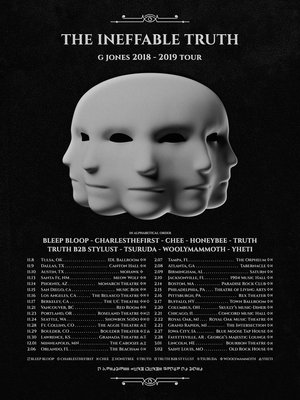
When it was active, Blue Moose Tap House hosted a packed schedule of events nearly every week. Concerts ranged from local up-and-coming bands to touring national acts. Popular artists like Macklemore & Ryan Lewis, Of Mice & Men, and 21 Savage once played the venue, alongside indie names such as Hippo Campus and singer-songwriter Samia. The upstairs stage often featured acoustic or smaller-scale shows, while the main floor was used for edgier rock, EDM dance nights, and headline bands. Blues, country-rock, punk, rap, electronic and more all found a home here. In total, the venue easily ran dozens of concerts per year (for example, on the order of 80–100 shows in 2017–2018), plus themed club nights with DJs and student events.
The schedule at Blue Moose was very dynamic. Weeknights might include singer-songwriter showcases or local tribute-band nights, whereas weekends were often booked solid with bigger live shows or dance parties. The venue regularly collaborated with student promoters and organizations (for instance, UIowa’s SCOPE program often used it for mid-size campus concerts) and with regional promoters to bring in touring acts. There were also recurring party nights – for instance, an in-house DJ’s EDM series and free “bass” dance nights on certain dates – that filled the upstairs room. Cover charges and ticket prices varied by event; small local gigs might be no cover or just a few dollars, while well-known touring bands typically had $15–$30 tickets. In all, whether it was rock, rap, folk, or funk, Blue Moose presented a very diverse lineup.
Note: After its 2019 closing, Blue Moose Tap House itself no longer hosts events. The information above covers its programming when it was open. A new venue later moved into the same location, continuing downtown Iowa City’s live music tradition under a different name and setup.
Tickets and Booking
When Blue Moose Tap House was active, tickets could be purchased through the venue’s official channels or at the door. For advertised concerts, advance tickets were typically sold via the venue’s website and authorized outlets (for example, local ticket partners or university box offices). Popular shows would often be announced weeks in advance, with on-sale dates noted on social media and flyers. Presales for big acts might be offered to fan clubs or mailing lists, so staying plugged into the venue’s updates was a good strategy. Walk-up ticket sales at the door were common, especially if a show hadn’t sold out; however, latecomers risked missing out if an event did reach capacity.
Price tiers depended on the headliner. Small local bands or amateur nights usually had very low cover charges (sometimes even free before 10:00PM areaba llow students under 19), whereas well-known touring groups had higher ticket prices (often in the mid-$20 range). If a show did sell out online, people could sometimes find limited “will-call” or door-release tickets on the night of the event. Overall, fans recommended buying their tickets early if possible, as sold-out shows were not uncommon. Each night’s event posted door-opening times with the ticket announcement (e.g. “doors at 6:00pm for an all-ages show, or 8:00pm for a 19+ show”). Late-arriving guests could typically still buy a ticket at the door until shortly before showtime, but it was safest to arrive at least 30–60 minutes in advance for popular acts.
Seating and Layout
Blue Moose Tap House was an all-ages, general-admission venue – meaning there were no fixed seats or tables reserved for viewing the stage. Both stages were standing-room style, so the best spots were often near the front rails if you wanted a close view of the performers. The downstairs area featured a spacious open floor in front of a large stage at one end, plus a long bar along one wall and high-top tables and stools around the perimeter. The upstairs level had a smaller performance space with a stage and dance floor, as well as its own bar. Patrons on the upper level could look down at the lower stage area, or gather around for an intimate setting during smaller shows.
Anyone attending a concert could roam between floor and balcony (when both were open) but must climb stairs to access the upstairs stage. The absence of chairs meant that vantage points varied by height: taller visitors might see over the crowd from the back, while shorter guests often moved closer. Each stage had its own sound and lighting rig, so audio could differ slightly between floors. Generally, the main floor’s sound system delivered powerful bass suited for rock and EDM, whereas the upstairs setup felt tighter and more focused for acoustic or spoken-word acts. In practical terms, getting as close to center stage as possible usually gave the clearest view and sound, but enthusiastic fans could also stand off to the sides or at the back if they preferred space. In summary: bring comfy shoes, find your spot early, and be ready to stand during the show (there were no theater-style seats).
Getting There and Parking
Blue Moose Tap House was located at 211 Iowa Avenue, just south of the pedestrian mall in downtown Iowa City. This central spot is within easy walking distance of many hotels and university housing, and also close to the Bus Station to the west. If driving, there are several parking ramps and lots a block or two away. For example, the Capitol Street ramp (at 330 S. Capitol St) and the Tower Place ramp (at 211 E. College St) were a short walk down Washington Street. Street parking meters run along Iowa Avenue and nearby cross streets; meters are typically enforced 8:00am–6:00pm on weekdays and Saturdays (free after 6pm and on Sundays), so visitors arriving for evening shows often find street parking at no charge once the meters are off duty.
Downtown ramps are inexpensive after the first free hour (roughly $2 per hour after that) and accept cash or the ParkMobile app. Since Iowa City is very bike-friendly, guests could also lock bikes to racks near Iowa Avenue. Public transit is convenient: Iowa City Transit and UI Cambus routes have stops on or near Iowa Avenue (Bus Route 3, the downtown “loop,” serves on St. Andrews/85 near downtown, and Cambus has nearby stops on Clinton and Burlington). For late-night travel, rideshare (Uber/Lyft) and taxi services operate downtown; common drop-off spots would be at the intersection of Iowa Avenue and Jefferson Street or S. Dubuque Street, just steps from the front door. Those on foot can simply use the pedestrian-friendly streets of downtown (the venue is only a few blocks from the University of Iowa campus). In all cases, allowing ample time for parking and/or arriving via a reliable shuttle can make the evening smoother — many patrons aimed to be downtown 30–60 minutes before showtime.
Inside the Venue
Upon entering Blue Moose Tap House, visitors passed through a modest ticket/check area into the main floor. The overall vibe was energetic but relaxed. Lighting inside was typical of a concert bar – dim ambient light with colorful stage lights while music played, plus neon signage and band posters on the walls. The bar service was a major draw: a long wood bar ran along one side of the main room, serving dozens of draft beers (including local craft selections) and a full range of spirits. Specialties like the giant “3L boot” beer pitcher were on offer as a novelty. A bright wall of vintage rock posters and a large illuminated moose logo or stag heads (a nod to the name) added character. Off to one side you might spot bar games (for example, a retro “hot shot” basketball arcade where patrons could play before a show).
Restrooms were located just off the back of the main floor, typically one men’s and one women’s room with basic facilities. (Club restroom conditions can fill up during busy shows, so lines are common at peak times.) The upstairs space had its own small bar counter where bartenders served drinks for the upper-level crowd; this floor also featured additional seating areas, windows looking onto Iowa Avenue, and access to the second stage. Both levels tended to be crowded during shows, especially near the front rail by each stage. The sound systems were permanently installed on each stage, delivering clear audio throughout the crowd areas. For connectivity, the venue did not prominently advertise free Wi-Fi, so cell phone service was generally used if needed.
During performances, staff often sold band merchandise at a table near the stage (t-shirts, CDs, etc.), and the cashier accepted both cash and cards for drinks. There was no formal coat-check; patrons usually kept belongings under a stool or hung items near the walls. The staff would occasionally do quick ID checks at the door for 19+ events, and re-entry policies were typical (one swipe at entry covers that night). Security was minimal but present for larger shows – you should be prepared for a light bag check or wand scan before big concerts, as is common in many music venues. Otherwise, the atmosphere was friendly: bartenders and staff would mingle with the crowd, adding to the neighborhood bar feel. In short, inside Blue Moose a guest could expect a buzzing bar area, a roomy dance floor, plus a casual, music-lover’s décor that set the mood for a fun show.
Nearby Amenities
Because Blue Moose sat in the lively downtown area, visitors had plenty of options for food, drink, and lodging within a few blocks. Directly on Iowa Avenue and the surrounding streets are dozens of restaurants, cafes, and bars. Pre-show dining choices ranged from casual to upscale: for example, a few doors down people could grab comfort food at the Hamburg Inn No. 2 (a famous all-American diner), enjoy pub fare and house-brewed beer at ReUnion Brewery on Iowa Ave, or go for global flavors at spots like India Café or Atlas World Grill. Coffee shops and sandwich counters – such as Uptown Bill’s (a sandwich shop on Iowa Ave) or Orchestrate (a trendy coffeehouse a block over) – were popular for grabbing a quick bite or drink before an evening out.
After the show, the heart of downtown Iowa City is rich with nightlife. Across the street or a block away are other bars like Deadwood Tavern and Stomping Grounds (coffee by day, bar by night), which stay open late. A short walk north along the pedestrian mall brings you to spots like M.C. Gins (equestrian-themed steakhouse), comic bar Pullman Bar (on Dubuque), and MicroBar (wine bar). If you want a more relaxed follow-up, there’s often a food cart or late-night burger joint on or near the mall after 10pm.
For visitors traveling into town, there are several hotels within easy reach of Blue Moose Tap House. The Graduate Iowa City hotel (on Burlington Street) and the Marriott at the Chauncey (on E. Burlington) are both about five minutes’ walk away to the north. Further afield in Coralville or just across the river are chain hotels like Holiday Inn, though many concertgoers simply stay downtown. Taxis and rideshare drivers do frequent the area, especially around Central downtown or near the city’s main parking garages (like the Capitol or Tower ramps), making it easy to grab a ride home even late at night. In general, downtown Iowa City is quite walkable, so patrons often combined a night at Blue Moose with strolling the pedestrian mall beforehand. To be safe, though, Iowa City Transit buses and UI Cambus buses were still running early-evening routes back to campus areas on weekends.
What Makes This Venue Special
Blue Moose Tap House stood out for a few key reasons. First, its two-room layout was unusual among local bars – effectively two clubs in one building. Guests could catch different acts on each floor, or enjoy a more mellow upstairs show when a big headliner took the main stage, giving the venue a versatile, layered vibe. The Moose’s eclectic booking also set it apart. Over the years it brought in artists that might skip similarly sized college towns – big hip-hop stars, rock legends, and national touring DJs all played there – helping to put Iowa City on the map as a real music destination. At the same time, it embraced the local scene, providing a stage for Iowa bands, UI student groups, and local DJs. This blend of big-name excitement and community roots gave Blue Moose a unique identity.
Culturally, Blue Moose filled an important niche. University of Iowa students and the downtown crowd appreciated having a dedicated live-music bar just off-campus. It was a steppingstone between small campus events and larger arena shows: for many bands it was the largest local stage they’d play before hitting bigger theaters. Iowa City’s Downtown District noted that losing Blue Moose in 2019 left the scene wanting more large-capacity music spots. Indeed, many local fans and journalists remember its final year fondly – the venue hosted special farewell events and free concerts in its last weeks, and even after closing its name still evokes nostalgic memories of college nights out.
On a practical level, artists who performed there often enjoyed the Moose’s packed, enthusiastic crowds and solid sound system. The venue’s staff and volunteers developed a reputation for smooth show production – good backline, lighting rigs, and an energetic in-house crowd. All of this – the friendly staff, unique bar features (like the famous 3L boot pitchers), and the feeling of a tight-knit music community – is what made Blue Moose Tap House special in Iowa City. For locals it was a reliably fun night out; for touring artists it was a memorable, well-run stop; and for the city it became an iconic part of downtown fell nightlife and live entertainment before its final set.
Visitor Tips and Information
Accessibility: The venue was housed in a historic downtown building. The ground-floor stage area was generally accessible from street level, but the upstairs floor could only be reached by stairs. Guests needing wheelchair access or other accommodations should plan accordingly (for instance, remaining on the main floor or contacting the venue ahead of time).
Age Restrictions: Blue Moose Tap House was open to all ages for many earlier-evening concerts (these were usually marked as “all ages” or “0+”). However, since it was also a bar, most late-night shows were 19+ (the legal drinking age in Iowa). Always check an event’s age policy before going. ID was required at the door for entry to 19+ events, as well as anytime alcohol was served. No one under 21 could drink, and no open containers from the venue were allowed outside the building.
What to Bring: A valid photo ID (for age verification) is a must for anyone 19 or older. Bring a little cash in case the concert has merchandise, tips, or a cover charge (though cards were accepted for drinks). Wear comfortable shoes, since you’ll likely be standing or dancing. Earplugs are a good idea for loud concerts. There was no coatcheck, so carry only what you need. Small bags and purses were fine; large backpacks might be subject to search or not allowed on busy nights.
Inside Rules: Like most concert bars, Blue Moose prohibited outside food and beverages. Smoking was not allowed anywhere inside (Iowa City has an indoor smoking ban). Photography with cell phones for personal use was generally okay, but professional cameras or video equipment usually required approval. The staff enforced basic concert etiquette – no fighting or vandalism – and asked guests to be respectful of others so everyone could enjoy the show.
Getting in Line: On busy evenings, a line often formed out front before doors opened. Arriving 20–30 minutes early ensured you got in before the band started, especially for big acts. You could mill around the street or use nearby benches until doors opened on a chilly night. Remember that opening times listed (e.g. “doors at 6pm, show at 7pm”) were approximate; soundchecks and crowds often meant the band started a little late.
General Tips: Attending Blue Moose was more enjoyable if you treated it like a night out with friends. Plan to arrive early enough to get a good spot. Check the weather and dress in layers – concert halls can heat up fast, so a light jacket that you can tie around your waist is smart. Talk to the bartenders and neighbors; the crowd was known to be friendly. And finally, savor the local vibe: sample Blue Moose’s signature beer boots or souvenir pint glasses if available. Above all, enjoy the music – this was a venue built for having fun and discovering new bands.
Frequently Asked Questions
Is Blue Moose Tap House still open?
No. Blue Moose Tap House closed at its 211 Iowa Avenue location in September 2019 and did not reopen elsewhere in Iowa City. The space is now occupied by a new venue. All information here refers to Blue Moose’s history before 2019.
What was the capacity of Blue Moose Tap House?
Combined across both levels, Blue Moose held about 800 people in total. The downstairs room (main stage) could fit roughly 600, and the upstairs stage about 200. There were no fixed seats – capacity was standing/general admission.
How do I buy tickets for Blue Moose Tap House events?
When the venue was open, tickets were sold through Blue Moose’s official channels and at the door for most shows. Popular concerts often sold advance tickets via the venue’s website or authorized outlets. For sold-out shows, organizers occasionally offered a limited number at the door. Since Blue Moose has closed, no concerts are held under that name.
What was the price range for shows?
Ticket prices varied with the act. Smaller local band nights typically had low cover (around $5–$15), while bigger touring acts charged more (often $20–$30). Special event series (like comedian shows or DJ nights) also had their own pricing. Drink prices at the bar were generally affordable (it was considered a budget-friendly spot). Current shows are not scheduled at Blue Moose since it closed in 2019.
Where was Blue Moose Tap House located and what’s the nearest parking?
Blue Moose’s address was 211 Iowa Avenue in downtown Iowa City, just off the pedestrian mall. Nearby parking options included street parking on Iowa Ave (meters were free for the evenings of shows after 6pm on weekdays and all day Sundays) and several city parking ramps a block away (like the Capitol Street and Tower Place ramps, which charge a small hourly fee after one free hour). Public transit stops and bike racks were also within a short walk.
What was the seating arrangement?
There was no fixed seating – both stages were general admission standing-room. Guests usually gathered on the dance floor or near railings in front of each stage. A few bar-height tables and stools were placed around the edges, but most people stood up. For the best view, fans typically claimed spots near center stage once the doors opened. Upstairs and downstairs had separate layouts but shared a casual, standing-only format.
What were the venue rules (age limits, dress code, etc.)?
Dress code was very casual – jeans, t-shirts, etc. were all fine. After 10:00pm most shows were 19+ (Iowa drinking age is 21, but 19-year-olds are often allowed entry). Younger teens could attend “all ages” shows earlier in the evening, which were advertised on event listings. ID was required for any show marked 19+ and to order drinks. Standard bar venue policies applied: no outside alcohol or large weapons, and respectful behavior was expected. Cameras posed a case-by-case; smartphone snaps were usually okay, but professional video equipment needed approval.
Was there a coat check or lockers?
No formal coat check was provided. Space was limited, so guests generally carried small belongings with them (backpacks were discouraged). In practice, people often tucked coats or bags near walls or under bar tables. For big winter coats, some patrons left them on the floor behind chairs or on peripheral rails. The venue’s focus was on the music, so minimal storage was available.
Were Wheelchair or ADA accommodations available?
Blue Moose was in an older two-story building. The main floor stage area was on street level, which could be accessible, but the upstairs stage required stairs. If wheelchair access was needed, it was best to remain on the ground floor and contact the venue in advance to confirm the entrance setup. Elevator service was not available for the second stage. Downtown sidewalks are fairly flat though, so arriving by accessible taxi or drop-off was usually the smoothest approach to the venue.
What types of food or drinks were available inside?
Blue Moose had a full bar and extensive beer selection (around 24 taps), but it did not have a kitchen for meals. Expect typical bar fare like mixed drinks, draft beers, bottled beverages, and the occasional snack (like popcorn or peanuts). No full dinners were served. Many visitors ate nearby before the show; for example, burgers, pizza or pub plates at neighboring restaurants were popular choices. The bar menu itself focused on beverages and bar snacks.
Are there nearby restaurants or bars for pre- or post-show?
Yes. The Iowa Avenue location is surrounded by many eateries and pubs. Minutes from Blue Moose you could find places like Hamburg Inn (a popular diner), ReUnion Brewery (a local brewpub), and Uptown bill’s sandwich shop. For quick bites, eateries on the Pedestrian Mall or S. Clinton/ Washington streets serve pizza, tacos, and more. After shows, other bars and late-night spots like Deadwood Tavern or Stomping Grounds were within easy walking distance. The downtown area is packed with dining options, so arriving early to grab food is common.
How is the sound and lighting at Blue Moose?
For a bar/club, the sound system was quite decent. Each stage had its own professional-grade PA and mixing board. Bass and volume were turned up on main-floor shows (rock, rap, EDM night), and upstairs shows still had full-band sound. Acoustics were lively (the high ceilings gave a bit of natural reverb). Lighting rigs were adequate – colored wash lights and spotlights at each stage. DJs and rock concerts had special lighting effects. Speakers were mounted to cover the crowd; generally any point on the floor had clear audio. For the best experience, stand a few feet back from the speakers (too close could be deafening). Overall, patrons found the sound quality good for a venue of this size.
Is there Wi-Fi or cell phone service inside?
No known public Wi-Fi was provided, so plan to use cellular data if needed. Downtown Iowa City generally has good cell coverage, and most shows feature music loud enough where phones are only used during breaks. If you need to coordinate plans before/after the show, consider doing so early. The bartenders and crew were reachable by phone by email, but not via an on-site Wi-Fi network.
Were service animals allowed?
This was not clearly specified publicly, but as a licensed bar/venue with loud music, Blue Moose may have had restrictions on animals inside (aside from service animals allowed by law). If someone had a guide dog or needed a service animal, it’s best to contact the venue in advance to confirm seating arrangements. For emotional-support or pets, they would not have been permitted.
What kind of shows does Blue Moose Tap House usually host?
All genres. Blue Moose’s lineup was very eclectic. Rock, metalcore, hardcore, and punk were common (local and touring), as were indie rock, Americana, and country acts. It also hosted hip-hop shows and electronic dance nights. Poetry slams, comedy nights, and spoken-word performers (like Neil Hilborn) appeared upstairs. In summary, the venue catered to almost every music taste, mixing local Iowa artists with national touring bands and DJ nights each week.
Why did Blue Moose Tap House close?
The Blue Moose Tap House closed in September 2019 due to business and lease reasons. The owners cited increased competition from other local venues and a shift in downtown entertainment needs. No new location was announced. Community members noted it left a gap in Iowa City’s music scene, but a different venue later moved into the 211 Iowa Avenue space.
Who previously owned or ran Blue Moose Tap House?
Blue Moose was owned and operated by Nick Miller (who also ran other Iowa City venues like Gabe’s and DC’s). The bar hired local managers to book shows, staff the bar, and organize events. Even after management changes, the Blue Moose branding stayed the same. (After its 2019 closure, the new owners of the building launched a different concept.)
Is there an outdoor patio or roof deck?
Not during the time Blue Moose operated. All performances and the bar were indoors on the two floors of the building. The owner of the property had discussed ideas like a future rooftop patio or alley access, but those plans were not realized under the Blue Moose concept. (A separate follow-up venue did later consider adding new outdoor elements.)