10 Essential Types of Online Content to Attract Ticket Buyers to Your Music Festival (2025 Update)
Introduction
Organizing a music festival is a thrilling challenge – especially when it comes to attracting ticket buyers in an ultra-competitive market. In 2025’s digital landscape, festival promoters are expected to be content creators as much as event planners. Industry conferences from ILMC to Pollstar Live emphasize that engaging online content is no longer optional – it’s essential for driving traffic to your festival’s ticketing software platform and converting fan interest into sales. With countless festivals worldwide, innovative content can make your event stand out as the must-attend experience.
This guide will walk you through ten essential types of online content that successful festivals use to connect with audiences, build buzz, and boost ticket sales. From blog posts and press releases to TikTok videos and live streams, we’ll explore the best platforms for each content type and share updated examples (as of 2025) to inspire your festival’s strategy. Get ready to make your event the talk of the town – and watch those ticket sales soar.
Below is an overview of each content type, the main platforms to leverage, and why it matters. Use this as a quick reference and then read on for detailed tips and examples:
| Content Type | Ideal Platforms | Key Purpose/Benefit |
|---|---|---|
| Blog Posts | Festival website (blog section) | SEO traffic, storytelling, news |
| Press Releases | Festival website, PR newswires | Media coverage, credibility |
| Social Media Posts | Instagram, Facebook, TikTok, X (Twitter) | Fan engagement, virality, updates |
| Email Newsletters | Email (Mailchimp, etc.) | Direct communication, loyalty |
| Images & Graphics | Instagram, Facebook, Pinterest | Visual identity, shareability |
| Videos | YouTube, TikTok, Instagram | Immersive promotion, emotional impact |
| Live Streaming | YouTube Live, Instagram Live, Twitch | Real-time hype, global reach |
| Podcasts | Spotify, Apple Podcasts, festival website | Deep storytelling, year-round engagement |
| Interactive Content | Festival site, Instagram Stories, Twitter/X | Audience participation, feedback |
| User-Generated Content | Instagram, TikTok, Twitter/X | Social proof, community building |
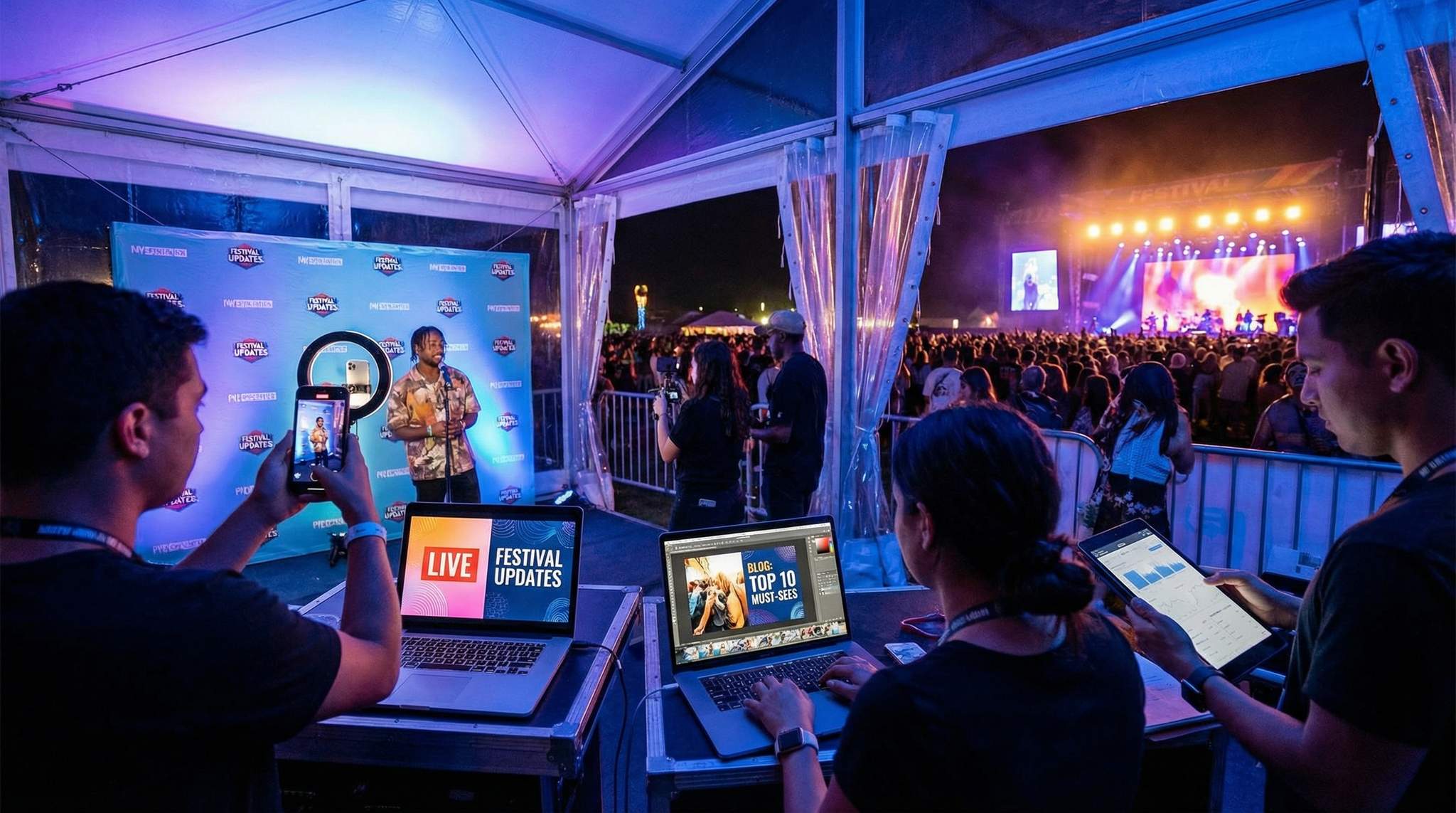
To efficiently produce and distribute these ten formats, organizers rely on a stack of specialized marketing tools for music festivals. From social media schedulers and email automation platforms to video editing software and community management apps, having the right tech stack ensures your promotional assets reach the right fans at the right time.
Grow Your Social Following With Every Sale
Require social media follows, shares, or playlist adds to unlock presale access or special pricing. Turn every ticket purchase into audience growth.
Ultimately, producing high-quality festival content is about building a digital ecosystem that mirrors the live experience. Whether you are leveraging advanced software to automate your campaigns or manually curating fan stories, every piece of media should serve a distinct purpose in your conversion funnel.
Now let’s dive into each content type and how to make the most of it for your music festival marketing.
Ready to Sell Tickets?
Create professional event pages with built-in payment processing, marketing tools, and real-time analytics.
1. Blog Posts
Blog posts are a versatile, powerful tool to provide information, updates, and stories about your music festival. By maintaining an active blog on your festival’s website, you can share lineup announcements, artist interviews, behind-the-scenes stories, and survival tips that keep fans coming back for more. An up-to-date blog not only engages your audience but also improves your search visibility – fresh content helps your festival rank on Google for relevant keywords (e.g., “[Your Festival] lineup 2025”). In fact, regularly publishing articles can significantly boost organic traffic; many festival SEO strategies hinge on optimizing your event website to sell more tickets.
From an experiential standpoint, festival-goers love feeling like insiders. Use blog posts to tell the festival’s story in an authentic voice. For example, you might publish a heartfelt recap from last year’s event or a sneak-peek diary from the production team as they build the main stage. Seasoned producers know that these personal touches can build excitement and trust with your audience.
Platform: Your festival’s official website (blog section) is the best home for these posts, so you control the narrative and drive readers toward your ticket sales page. You can also cross-post or share the links on social media for wider reach.
Examples:
* “Top 10 Must-See Performances at [Festival Name]” – a countdown previewing this year’s most anticipated acts, which can hype up the artists and encourage early scheduling by fans.
* “A Day in the Life of a [Festival Name] Stage Manager” – an insider story that showcases the essential stage manager checklist and duties. (Readers love behind-the-scenes glimpses; highlighting crew roles like stage managers, as in this example, underscores the expertise and effort that make the festival run smoothly.)
* “How to Pack the Perfect [Festival Name] Survival Kit” – a practical guide drawing from real festival veterans’ advice, which helps attendees feel prepared and cared for.
Turn Fans Into Your Marketing Team
Ticket Fairy's built-in referral rewards system incentivizes attendees to share your event, delivering 15-25% sales boosts and 30x ROI vs paid ads.
Pro Tip: Coordinate your blog content calendar with your festival’s announcement schedule. For instance, publish an artist interview or a lineup teaser post a week before the lineup release. By the time you officially announce the lineup, fans will already be primed with excitement and more likely to share the news.
2. Press Releases
Press releases are a classic yet crucial content format for spreading the word about your music festival through media outlets, industry channels, and influencers. A well-crafted press release lends authoritative weight to your announcements – it presents news in a professional format that journalists and bloggers can easily pick up. Use press releases for important milestones: lineup announcements, new sponsorships, venue changes, safety initiatives, sustainability programs, or any “big news” about your event.
Grow Your Events
Leverage referral marketing, social sharing incentives, and audience insights to sell more tickets.
In 2025, press releases often double as blog posts on your site and news blasts to media. Ensure yours has an attention-grabbing headline and includes all the key details (the 5 W’s: who, what, when, where, why) in the first paragraph. Include a compelling quote from a festival director or headlining artist to humanize the announcement. For instance, a quote from your festival founder about why a certain headliner was booked can make the news more shareable. Veteran festival marketers recommend maintaining a media list (local newspapers, music blogs, radio stations, etc.) and sending them releases directly – personal outreach can dramatically increase coverage.
Platform: Start by publishing the press release on your festival website’s news section. Then distribute via PR distribution services (PR Newswire, Business Wire, etc.) and email it to your curated media/influencer list. Many festivals also share press-release announcements on LinkedIn for industry visibility.
Examples:
* “[Festival Name] Announces 2025 Lineup Featuring [Headliner]” – highlight your biggest artists and any exclusive reunions or special sets. (A strong lineup is a ticket driver; curating one that wows fans is key, as covered in our guide to mastering festival talent booking strategies.)
* “New Sustainability Initiatives Unveiled for [Festival Name] 2025” – showcase environmental efforts (e.g., eliminating single-use plastics, solar-powered stages). Eco-friendly news not only attracts press interest but also builds trust with attendees who value green practices.
* “[Festival Name] Reveals Exclusive VIP Experiences for 2025 Attendees” – detail any new VIP areas, backstage tours, or premium offerings that can entice attendees to upgrade their tickets.
By crafting newsworthy press releases, you increase the chances of your festival being featured in publications like Billboard or local media. For example, a well-placed press release might result in a story on a major music blog, exposing your event to thousands of new readers. The authoritative tone of press releases also signals professionalism – helping convince skeptical readers that your festival is legitimate and well-organized.
3. Social Media Posts
In the age of Instagram reels and viral TikToks, social media content is essential to engage with your audience organically and create buzz around your event. Each platform has its strengths, so tailor your content accordingly:
- Facebook: Great for event pages, detailed updates, and community discussions. You can post long-form updates or create Facebook Events that fans can RSVP to (boosting visibility among their friends).
- Instagram: Ideal for striking photos, short videos, Stories, and Reels. It’s the go-to platform for visual storytelling – share artist announcements with eye-catching graphics, or use Instagram Stories for quick polls (e.g., “Which stage are you most excited for?”). Behind-the-scenes photos of stage construction or rehearsal clips on IG can humanize your festival brand.
- Twitter (X): Perfect for real-time updates and conversations. Post news bites like schedule changes or fun countdown tweets (“10 days until gates open!”). Note: Twitter was rebranded to X in 2023, but many fans still refer to “tweets,” so you can say “on X (formerly Twitter)” initially to avoid confusion. Use trending hashtags (e.g., #YourFestival2025) to join broader conversations. Quick tip: monitor your event hashtag here for fan questions or hype, and respond promptly – active engagement can boost trust.
- TikTok: A powerhouse for reaching younger audiences through creative short-form videos. Festivals in 2025 are embracing TikTok for its viral potential. You can showcase last year’s epic moments, start a dance challenge with a trending festival anthem, or have artists do a quick “see you at [Festival Name]” shoutout. TikTok’s algorithm can expose your content to millions if it resonates – a single viral clip of a surprise guest or a spectacular stage moment can drive massive interest in your tickets.
- LinkedIn: Often overlooked, but useful for B2B and professional updates. Share milestone announcements (like partnerships or hires) to build industry credibility, or post a behind-the-scenes article about planning the festival. This won’t directly drive ticket sales to fans, but it strengthens your festival’s authoritative image.
No matter the platform, consistency and authenticity are key. Develop a content calendar for social media so you’re posting regularly leading up to the event. Mix up the content types: announcement graphics, artist intro videos, throwback photos from past festivals, humorous memes related to your festival’s theme, and polls/quizzes to keep followers interacting. According to industry research, 67% of festival fans say they discover new events through social feeds – so active social media engagement isn’t just about likes, it can directly translate to ticket sales.
Platform: All major social networks where your target attendees are active. Specifically: Instagram, Facebook, TikTok, X (Twitter), and even Snapchat or Threads if relevant to your demographic. Adjust tone and format for each (for example, snappy and trending on TikTok, informative and conversational on Facebook).
Examples:
* Lineup Reveal Posts: Announce your lineup on Instagram with a stunning poster graphic (fans share these widely – think of how Coachella’s lineup poster trends every year). Simultaneously, pin a tweet thread on X listing the lineup and drop individual artist highlight posts on TikTok or Reels. An integrated approach ensures maximum reach.
* Behind-the-Scenes Snippets: Post a photo of your crew setting up the main stage on Facebook (“Stage build in progress – we’re transforming the grounds into a city of music!”). Or share an Instagram Reel of the festival site timelapse build. These authentic updates excite hardcore fans and show your team’s experience in production.
* Engagement Boosters: Run ticket giveaways and fun contests. For instance, a Twitter contest where fans retweet to win passes, or an Instagram challenge: “Post your best dance move with #FestivalNameChallenge for a chance to win VIP upgrades.” Such interactive campaigns not only create buzz but also yield valuable user-generated content you can repost (with credit) later.
Remember to engage back – reply to comments, answer DMs about festival info, and share user posts. Social media is a two-way street; when attendees feel heard, their excitement (and trust) grows. As our blog post on why engaging your audience before the event matters explains, early and authentic interaction can turn curious followers into passionate ticket buyers. In recent years, some festivals have even hired dedicated social community managers to handle the volume of inquiries and fan interaction online. It’s that important!
4. Email Newsletters
Building an email list is like having a direct hotline to your most interested fans. Email newsletters allow you to maintain a direct line of communication with your audience outside the noise of social media algorithms. In 2025, despite the dominance of social platforms, email remains one of the highest ROI marketing channels – industry data often cites an average 36:1 return on investment for email marketing, meaning $36 earned per $1 spent. For festivals, a well-timed email can be the nudge that converts a fence-sitter into a ticket buyer.
Use newsletters to share important updates, exclusive offers, and engaging content that keeps subscribers excited about your event. The key is to provide value in every email so that people look forward to opening them. Some effective newsletter content includes:
- Announcements and News: Send an email the moment your lineup is live, or when you’ve added a surprise second wave of artists. Subscribers appreciate hearing the news first (consider offering them a 24-hour presale as a reward for being on the list).
- Insider Stories or Tips: Link to your latest blog post, or include a short interview snippet from an artist in the email body. You could do a “Staff Picks: 5 Underrated Artists to Catch at [Festival Name]” as a mini-feature. These editorial touches reinforce your expertise and keep readers engaged beyond just sales pitches.
- Exclusive Deals: Reward your email subscribers with things like early access to tickets, discount codes for merchandise, or a chance to win meet-and-greet passes. For example, “[Newsletter Subscribers Special – 10% off camping passes, this week only]”. Exclusive content or deals make subscribers feel like VIPs and drive word-of-mouth (they might tell friends “sign up for their emails, they send cool stuff”).
- Event Prep and Hype: As the event nears, send helpful info: festival maps, schedules, “what to pack” checklists, or a Spotify playlist of this year’s lineup. This keeps enthusiasm high and helps attendees prep – leading to a better festival experience (and positive reviews post-event).
Platform: Utilize email marketing services such as Mailchimp, Constant Contact, or SendGrid. These platforms help manage your list, design mobile-friendly emails, and track performance metrics (open rates, click-through rates, etc.). Aim for a consistent schedule (monthly updates in early planning stages, increasing to bi-weekly or weekly as the festival date approaches).
Examples:
* Monthly “Road to [Festival]” Newsletter: A roundup of recent news (artist spotlight, new sponsors, community initiatives) to keep interest simmering year-round.
* Exclusive Presale Alert: “Tomorrow 10 AM – Early Bird Tickets Go Live for Subscribers!” – a targeted email to fans before the general public on-sale. This drives urgency and makes your subscribers feel valued, often resulting in a surge of early ticket sales.
* Post-Event Thank You & Survey: (Technically after ticket buying, but worth mentioning.) Send a heartfelt thank-you email after the festival with a highlights video and a feedback survey link. This follow-up content makes attendees feel appreciated and yields insights for next year’s improvements.
Pro Tip: Segment your email list to personalize content. For example, you can have separate segments for local attendees vs. international travelers, or first-time buyers vs. loyal returning fans. An experienced promoter will send targeted emails – such as travel tips and hotel deals to out-of-town attendees, while locals might get a parking and shuttle guide. Segmentation and personalization can significantly boost your open and conversion rates, as subscribers receive information that’s directly relevant to them.
5. Images and Graphics
We live in a very visual age, and stunning imagery is essential for effectively capturing and keeping your audience’s attention and creating a recognizable brand identity for your festival. From your social media feeds to your website and advertising materials, high-quality images and custom graphics will make your event look professional and hype-worthy. Many potential attendees will decide in a split second whether your festival “looks fun” – often based on photos or design alone – so you want visuals that evoke excitement, community, and FOMO (fear of missing out).
Types of images/graphics to focus on:
- Professional Photos of Past Events: Invest in good event photographers or tap into fan-shared photos (with permission) from previous years. A photo of a massive crowd ecstatic during a headliner’s set or a beautiful sunset over your festival grounds can instantly convey the energy and vibe of your event. Use these in promotion – they are your social proof that “this is the place to be.” For example, Tomorrowland’s marketing heavily features jaw-dropping stage photos and happy crowd shots, which contribute to its legendary status.
- Artist & Lineup Announcements Graphics: Every time you announce an artist, especially headliners, do it with style. Create branded templates that include the artist’s image, name, and your festival logo/colors. Consistent visual branding in these announcement posts makes them instantly recognizable as your festival as fans share them. (Pro tip: ensure your design is mobile-friendly, since most people will see it on a phone.) Also, consider making shareable graphics like Instagram Story slides or Twitter images for each stage lineup or each day’s schedule.
- Infographics & Festival Maps: Visual content isn’t only photos – it can be informational graphics. Have a clear festival site map design (people will screenshot it from your website or app). If your festival has multiple stages or a complex schedule, an infographic-style schedule grid can be very handy for attendees. Some festivals also do “By the Numbers” infographics post-event (e.g., picturing total attendees, number of countries represented, total water bottles saved by sustainability efforts, etc.) which can be fun content for newsletters or social.
- Posters and Flyers (Digital & Print):: Even in the online era, the classic festival poster is important. It serves as both a physical promotional item (for local coffee shops, music venues, etc.) and a digital asset (shared online). A well-designed poster showcasing all the acts can go viral in fan communities – just think of how fans dissect the Coachella or Glastonbury poster as soon as it drops. Make sure yours is readable and attractive. Tip: If your festival appeals to a niche community or location, also design versions highlighting those aspects (e.g., a poster emphasizing your country music day for a local market, if you have a mixed-genre festival).
Platform: Visual content can be deployed everywhere: Instagram (the home of aspirational photos), Facebook, Twitter/X, Pinterest (great for aesthetic inspiration boards and sharing your festival fashion or scenic shots), and your website gallery. Don’t forget print and outdoor too – billboards, venue posters, and flyers all start with strong graphic design. Many top festivals do city billboard campaigns with striking images to build local buzz, while simultaneously sharing those designs online. A balanced approach ensures you combine traditional advertising with modern digital campaigns for maximum reach.
Examples:
* A photo album on Facebook titled “Memories from [Festival 2024]” – showcasing the best shots from last year to stir anticipation. Tag the artists in the pics when posting on social, so they might reshare with their followers.
* Custom countdown graphics on Instagram Stories – e.g., a series of images “10 Days to [Festival]” featuring a quick fact or tip each day with a cool background (Day 10: a shot of last year’s crowd, Day 9: a photo of the campsite, etc.). This not only builds hype but also informs (you can include tidbits like “Did you know our main stage tent is the largest in Australia?” along with a pic).
* User-generated shots featured on your official accounts: Perhaps an attendee’s stunning sunset photo or a short video clip they took of a surprise collaboration on stage. Reposting fan-taken images (always credit them in caption or via watermark) shows authenticity and community love. Some festivals run “Photo of the Week” on their Instagram during the off-season, curating the best fan photos from past events to keep the spirit alive year-round.
Finally, ensure all your imagery maintains a consistent look and feel. Use a coherent color scheme, filters, or style that matches your festival’s vibe (bright and neon for an EDM festival, earthy tones for a folk festival, etc.). Consistency in visuals builds brand recognition – a scroll-stopping image that people can instantly associate with your event. Experienced festival marketing teams often create a brief for photographers and designers so that every shot and graphic aligns with the festival’s identity.
6. Videos
If a picture is worth a thousand words, a video is worth a million – especially in music festival marketing. Dynamic, exciting videos can immerse viewers in the festival atmosphere and ignite their FOMO like nothing else. In recent years, the “after-movie” or recap video has become a staple: a 3-5 minute cinematic highlight reel of the festival’s best moments, usually released shortly after the event. These videos serve as both a memento for attendees and a powerful promo tool to attract future attendees. For instance, Tomorrowland’s 2022 official aftermovie garnered tens of millions of views on YouTube, inspiring viewers around the world to experience that magic in person the next year.
But video content isn’t just post-event recaps. You can deploy videos in many creative ways:
- Hype Trailers: A short, energetic trailer released a few months before the festival can build anticipation. Think of it like a movie trailer – quick cuts of past crowds, artists, or location shots, overlaid with epic music (perhaps by a headliner on the lineup). Some festivals also tease their lineup via creative videos (e.g., animated name reveals or a cryptic montage that fans have to pause to spot artist names – this gets hardcore fans buzzing). As a current example, a New Zealand EDM festival recently dropped a sci-fi themed teaser video revealing their stage themes for 2025, which went viral in the community for its production value.
- Artist Interview Videos: Coordinate with a few artists (especially those with passionate fanbases) to do quick promo videos. This could be them talking about what they have planned for their set, a shoutout to your festival’s audience (“Can’t wait to see you at [Festival]!”), or a Q&A about their festival experiences. These can be as simple as selfie-style clips for Instagram/TikTok or more produced Skype/Zoom interviews you post on YouTube. Having artists personally invite fans to the festival is gold – it leverages their credibility and creates a personal connection.
- Behind-the-Scenes Footage: Show the making of the festival. For example, do a time-lapse video of your main stage being built from the ground up (this could be a great mid-festival campaign content piece – “Only 7 days to go, watch our team build an entire stage in 60 seconds!”). Or profile a crew member in a short video (e.g., “Meet Sarah, our Lighting Designer, who’s programming a dazzling light show for you all”). These behind-the-scenes videos highlight the expertise and effort that goes into the event and often deepen appreciation among attendees.
- Live-Style Content: Even before the festival, you can create “live” feeling content. For example, a 60-second montage of crowd dancing scenes from past festivals set to an upcoming headliner’s track can simulate the experience. Or do a POV walk-through video (“walk” from the entrance into the crowd with a GoPro) to give newcomers a taste of what it’s like on-site. Be creative – compelling storytelling through video can set your festival apart from others that might just rely on static posts.
- Artist Tour Content: When considering what content an artist should produce from the road to promote their tour and engage with fans, guide your booked talent toward formats that build hype for your specific event. A gritty tour diary, a cryptic album teaser, a striking visual asset video, or behind-the-scenes clips from an official music video shoot can all be highly effective. When touring acts share these updates and tag your festival as an upcoming stop, it seamlessly cross-pollinates their dedicated followers with your ticketing page.
Platform: YouTube is the primary home for longer videos (trailers, aftermovies, interviews). It’s the second-largest search engine after Google, and fans often search YouTube for “[Festival Name] 2024 aftermovie” or “[Festival Name] lineup.” Make sure your videos are titled and tagged well so they appear in those searches. Facebook and Instagram are great for short-form edits – upload natively for best algorithm boost. TikTok is ideal for bite-size clips (15-60 seconds) – consider behind-the-scenes or funny moments formatted vertically. Twitter/X can host short videos too (2:20 max) which are useful for quick hits like artist shoutouts.
Examples:
* Official Aftermovie: A high-production recap of last year’s festival, showing sweeping crowd shots, smiling faces, epic stage visuals, and candids of artists backstage. Use this in your ticket launch announcements; it’s often the single most persuasive piece of content for undecided fans. (Pro tip: feature diverse shots of attendees so viewers can imagine themselves there, and keep it authentic – highlight the real crowd energy, not just the pyrotechnics.)
* Artist Backstage Q&A Series: Post a weekly short video on YouTube or IGTV leading up to the event where you ask performers quick questions (favorite festival memory, what song they’re most excited to play, etc.). Not only does this create content, but artists might share it, broadening your reach to their followers.
* UGC Fan Compilations: Encourage past attendees to send in or tag their best festival video clips (or scour your hashtag) – then compile a montage like “Fans of [Festival]: Best Moments”. This not only produces an engaging video showing genuine experiences, but those featured will proudly share it, acting as ambassadors for your event.
Keep in mind video production quality matters. You don’t need Hollywood-level budgets for everything (smartphone videos and TikToks thrive on authenticity), but any official trailers or aftermovies reflect on your brand – if they look sloppy or have poor audio, it can undercut your credibility. Many mid-sized festivals hire a professional videographer team for the main content and supplement with DIY clips for social. Budget and plan for video as a core part of your marketing, not an afterthought. With mobile video consumption skyrocketing (video is projected to account for 75% of all mobile data traffic by 2025), this content type will only become more crucial.
7. Live Streaming
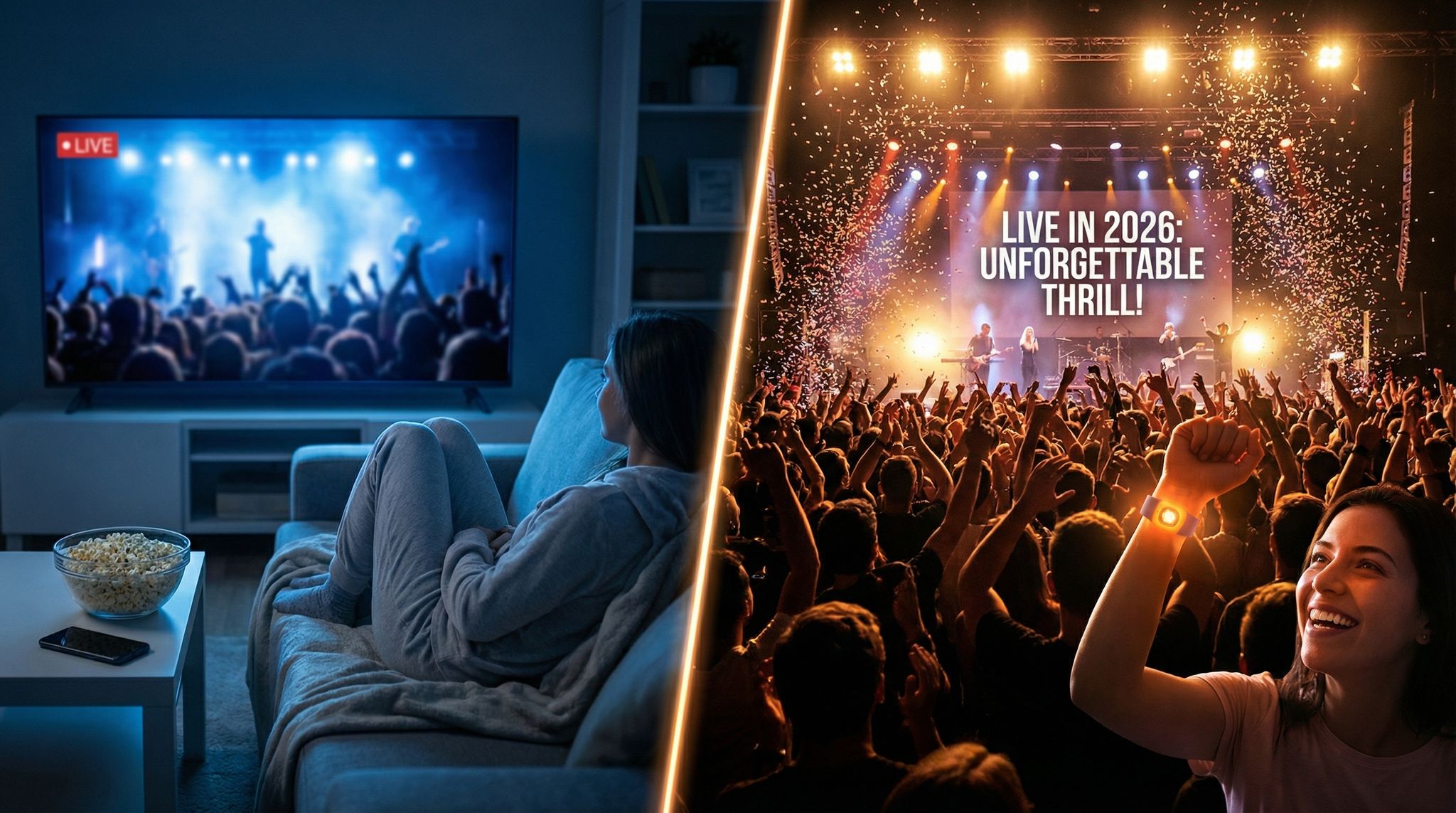
Live streaming has transformed from a novelty into a game-changer for festivals. In the past few years – accelerated by the pandemic and the global reach of platforms – live streaming your festival (or key parts of it) can dramatically expand your audience and keep remote fans engaged. By broadcasting performances or special content in real-time, you create a sense of inclusion for those who cannot attend and hype up the collective experience for those who will be attending.
Consider this: events like Coachella have routinely live-streamed major stages on YouTube, attracting hundreds of thousands of concurrent viewers. In 2023, BLACKPINK’s headlining Coachella set drew nearly 3 million live viewers on YouTube at its peak – a record-breaking figure that showcased the massive appetite for live festival content worldwide. That’s an online audience rivaling a whole city of fans, all engaging with the event in real time! While your festival may not be Coachella (yet), even a few thousand extra eyes on a stream can translate to future ticket sales and a stronger global community.
Live streaming isn’t limited to the festival days either. You can go live in the lead-up for special announcements or fan engagement sessions. For example, host a live lineup announcement show on Facebook or YouTube where you reveal artists one by one (perhaps with short video clips or a host discussing each addition). Include a live chat so fans feel the excitement together – it’s like a virtual launch party. Another idea: do an Instagram Live or Twitch stream from a rehearsal, a soundcheck, or a tour of the empty festival grounds as you set up, perhaps a day or two before gates open. This offers a behind-the-scenes experience to your keenest followers.
On the actual event days, decide if you want to stream full performances, select highlights, or even a curated “festival TV channel” that jumps between stages or includes artist interviews from the media tent. Some festivals partner with platforms like YouTube, Tencent (for China) or Twitch to produce multi-channel streams professionally. If you’re smaller scale, even a single-camera fixed stream from your main stage, or periodic live check-ins via Instagram Live, can do the trick. Just ensure you have the rights/permissions from artists to stream their sets (most are fine with it, but headliners might have restrictions, so negotiate that in advance).
Platform: YouTube Live is popular for high-quality stage streams (and it can be embedded on your website). Facebook Live and Instagram Live are excellent for casual, spur-of-the-moment streams and have the advantage of notifying your followers instantly. Twitch is a growing platform for music streams and has a built-in community accustomed to live chat and engagement – it could be great if your festival targets a young, online-savvy demographic (like gaming or anime convention tie-in events, etc.). Some festivals also explore TikTok Live for quick artist interactions or crowd POV streams, given TikTok’s enormous user base.
Examples:
* Live Lineup Reveal with a Surprise: Imagine going live on Instagram with your festival host counting down the top 5 artists on the bill, and when you get to #1, the headliner band appears on the stream for a quick hello or mini-interview. This kind of interactive reveal generates huge buzz and press coverage – a real-time event for an announcement.
* Q&A Session with Organizers: A month before the festival, do a Facebook Live “Town Hall” where fans can ask questions in comments – about the venue, COVID safety measures, food options, anything. Your festival director or team can answer live. This not only spreads important info (reducing confusion later) but shows transparency and community care, boosting trust.
* Select Stage Live Stream: Stream the main stage performances during peak hours each day on YouTube. You might not stream every act (depending on rights and technical capacity), but pick a few big ones and publicize the schedule (“Catch our live broadcast from 8-11pm!”). Include a branded frame or ticker on the video with a call-to-action like “Enjoying the show? Grab your tickets for next year at 2025 Super Early Bird prices now.” – yes, people will buy passes for next year during the current event if they’re hyped enough!
* Global Fan Spotlights: If feasible, involve remote fans – e.g., do a brief live check-in with a fan watching from another country (“Now we’re cutting to Maria in Argentina, hosting a viewing party with her friends!”). It’s a bit complex but shows how far your festival’s love reaches and makes online viewers feel seen.
One more note from an experience perspective: live streaming was a savior for many festivals in 2020-2021. Those that invested in streaming skills then are now leveraging it to enhance their in-person events, not replace them. Done right, a live stream complements the festival – it converts online viewers into future attendees by giving them a tantalizing preview. It also provides a safety net; if any portion of your audience still can’t travel or a last-minute capacity cap hits, you have a way to include people. Just be sure to allocate proper resources (good internet on-site, crew, and gear) to avoid technical hiccups. Nothing’s worse than a highly anticipated stream that crashes – that can frustrate fans and hurt your reputation. Test everything beforehand, and you’ll be set to share your festival fever with the world.
(For a deeper dive into the impact of live streaming on audience engagement, check out our article on the impact of electronic music event livestreaming, which explores how festivals from Tomorrowland to local club nights have broken down barriers with streaming.)
8. Podcasts
Podcasts offer a powerful way to delve deeper into the stories, music, and personalities behind your festival. Think of a podcast as a long-form conversation with your audience – you can discuss topics and share insights that aren’t feasible in a short social post or even a blog. For a music festival, a podcast series can sustain engagement year-round, keep your festival community alive in the off-season, and establish your team as experts and genuine fans of the music you’re curating.
Formats to consider for a festival podcast:
- Artist Interviews: Perhaps the most obvious – sit down (in person or via Zoom) with artists on your lineup. Instead of a typical press junket feel, make it a relaxed chat about their creative process, what festival experiences they love, or funny tour stories. Title each episode like “Backstage Pass: [Artist Name] at [Festival]” so fans searching for that artist find your podcast. This not only promotes the festival but also endears the artist to the audience before they step on stage.
- Festival Team Chat: Have episodes where key team members (founder, booking manager, stage manager, etc.) come on to discuss planning the festival. “The Making of [Festival Name]” could be a mini-series segment where you cover different aspects – booking talent, designing stages, managing logistics, etc. This really showcases your expertise and the thought that goes into the event. It can also highlight how you address challenges (for example, an episode on “Weathering the Storm” where you recount how you handled that sudden downpour one year). Such candor can build trust; listeners feel like insiders privy to the festival’s journey.
- Fan Stories and Voicemails: You could invite listeners (past attendees) to submit voice clips of their favorite memory or wild story from your festival. Compile a “Festival Memories” episode where you play these UGC audio snippets and perhaps have a host react or add context. Hearing genuine fan voices can be very heartwarming and will inspire others to attend and create their own memories.
- Music Discovery: Since you’re about music, dedicate some episodes to the music itself. Maybe a “Road to [Festival] Playlist” episode where the host DJs through tracks from artists on the lineup, giving commentary on each. (Be mindful of music licensing if distributing publicly – you might stick to clips or get artist permission, or focus on talking about songs not playing full tracks.) Alternatively, discuss trends in your genre, what newcomers to watch, etc., tying it back to how your festival lineup is chosen. This positions your festival brand as a tastemaker in the scene.
Platform: Distribute your podcast on major platforms like Spotify, Apple Podcasts, and Google Podcasts so it’s easily accessible. You can also embed episodes on your website’s blog or media page. Promote new episodes via your social media and email newsletter (“New Episode: Our talent booker reveals how she snagged that surprise headliner – listen now!”). The barrier to entry for podcasting is relatively low – a decent USB microphone and free editing software can get you started – but if possible, maintain good audio quality because poor sound will turn people off quickly.
Examples:
* “Backstage Pass: Conversations with [Festival Name] Artists” – a series of 30-minute interviews. For instance, Episode 1: a chat with your local opener band about what playing their hometown fest means to them; Episode 2: a renowned DJ on how they prepare a festival set vs. a club set. Over time, this becomes a treasure trove of content. Fans of those artists will discover the podcast and thus discover your festival.
* “The Making of [Festival Name]” – a behind-the-scenes mini-series. One episode might feature your stage manager (tying in with that blog theme), another might feature your safety coordinator discussing how you handle crowd care, etc. These episodes underscore the experience and professionalism behind the event, reassuring listeners that the festival is in expert hands.
* “Festival Survival Guide: Tips and Tricks” – an episode where festival veterans (could be staff or influencers or fans) share advice on having the best time (what to pack, how to navigate multiple stage conflicts, etc.). This can be both informative and entertaining (plenty of anecdotes of what not to do). It doubles as preparation content for newcomers and builds excitement as the festival approaches.
One shining real-world example: Tomorrowland (Belgium) launched a successful year-round radio and podcast (One World Radio) that keeps their global fanbase engaged through music and talk segments, even when the festival isn’t happening. Another is SXSW (USA) which often shares panel audio and interviews as podcasts, leveraging the content already happening around their event. These illustrate how extending into audio content can reinforce your festival’s brand as more than just a once-a-year event – it’s a community and a source of content in its own right.
Warning: If you start a podcast, commit to a regular schedule that you can sustain. Consistency is key to building an audience. It’s better to do a short 5-episode series and call it a season than to promise a weekly episode and then go silent due to time constraints. Inconsistent posting can lose audience trust. Make a realistic plan (even monthly episodes can work) and stick to it, so listeners know they can count on your content.
9. Interactive Content
Interactive content – such as quizzes, polls, contests, and surveys – is all about participation. Instead of just consuming content, your audience gets to engage and play along. This not only boosts excitement but also provides you with valuable insights and user-generated promotion. In the context of a music festival, interactive posts can tap into the natural enthusiasm and opinions of your fanbase. People love to share their preferences and see if others agree, especially in a fun format.
Here are some ideas for interactive content that have worked well for event promoters:
- Quizzes: Create a personality quiz on your website (or via platforms like BuzzFeed or Playbuzz) that relates to your festival. For example, “Which [Festival Name] Stage Should You Spend the Most Time At?” – fans answer fun questions about their music taste and vibe (e.g., “What’s your ideal festival outfit?” or “Pick a beverage”) and the quiz result tells them whether they belong at the Main Stage, the Underground Dance Tent, the Acoustic Café, etc. Not only do fans enjoy sharing such results on social media (“I got the Main Stage at XYZ Fest – what about you?”), but it educates them about the different facets of your event. Another quiz idea: “How Festival-Ready Are You?” that scores people on their preparedness and gives them a rank (with humorous titles, of course).
- Polls and Votes: Use Twitter polls or Instagram Story polls to get fans involved in decisions or just gauge excitement. Examples: run a poll on what food cuisine must be at the festival (“Tacos vs. Burgers vs. Vegan Bowls vs. BBQ – vote for your favorite festival food!”) and maybe use the data to actually inform vendor choices. Or poll which of three afterparty themes to adopt. Fans will feel a sense of ownership if their vote influences something real. Even simple opinion polls like “Which headliner are you most excited for?” drive engagement and give you a read on crowd favorites (helpful for scheduling – if one headliner is overwhelmingly the top pick, maybe ensure they’re on the biggest stage or no overlaps). On Facebook or Instagram, you can also prompt open-ended questions like “What song are you dying to hear [Headliner] play?” and then share some of the fan answers – people love recognition, and it amplifies hype for those songs if/when they get played.
- Contests: Contests are a huge driver of user content and sharing. For example, a merch design contest (“Submit your design for the official [Festival Name] T-shirt – winner gets free tickets and we print their design!”) can unleash fan creativity. You not only get engagement, but potentially a great design and a story to tell (“designed by a fan!” adds to community feel). Photo contests are also popular: “Post your best throwback photo from [Festival] in the past and tag us with #[FestivalName]Memories – the most nostalgic pic wins a VIP upgrade!” This floods social media with positive images and essentially acts as peer-to-peer marketing for you. Make sure to repost and shout out some entries during the contest to keep momentum. Similarly, you could do a PV (playlist vote) contest where fans suggest songs for the “#FestivalName Hype Playlist” – if their suggestion makes the final Spotify playlist, they win a small prize.
- Surveys and Opinion Forms: While perhaps less “fun” in the moment, surveys (before an event) can be framed interactively and give you serious data. Using a tool like Google Forms or Typeform, you could send out a pre-festival survey asking questions like “What are you most looking forward to?” or “How did you first hear about [Festival Name]?” with some fun options. Maybe even include a silly question at the end (“Which mythical creature would make the best festival mascot?”) to keep it light. Offer a giveaway drawing for those who complete the survey. The data you gather (music preferences, demographics, marketing channels that reached them – as detailed in Ticket Fairy’s guide on how to prioritize learning detailed audience demographics) will help you tailor the festival experience and future content. Knowing your audience in detail is invaluable – it’s how you’ll craft marketing that truly resonates.
Platform: Host interactive content on whatever platforms make sense – social media for quick engagement (Twitter, Instagram, Facebook all have built-in poll features), your festival website for more elaborate quizzes or contests (so you can capture traffic there), and even at the event app if you have one (some festivals run live polls during the show for fun, like voting on the encore song via the app). Also consider third-party contest apps if needed (Woobox, Gleam, etc.) to manage entries, but often a unique hashtag and manual monitoring can suffice for smaller contests.
Examples:
* Quiz on Website: “Discover Your [Festival Name] Spirit Animal” – a just-for-fun quiz relating festival elements to animals or characters. These kinds of light-hearted quizzes can go viral with the right audience. If 10,000 people take your quiz and share their result, that’s massive organic exposure.
* Twitter Poll Series: A bracket tournament of past performances: “Vote for the most legendary [Festival] performance of all time!” – each day you post a poll pitting two past headliners or memorable sets against each other, tournament-style, until a champion is crowned. People will debate and reminisce in the comments, which boosts engagement and shows the heritage of your festival.
* Scavenger Hunt Contest: In the weeks leading to the fest, hide “Easter eggs” in your content. For instance, each new blog post or Instagram photo has a subtle letter or number, and if someone collects them all, it spells a phrase. The first few people to email that phrase or comment get a prize like meet-and-greet passes. This deep engagement activity turns your superfans into sleuths consuming every piece of content you drop – a marketer’s dream!
Interactive content makes your fans feel involved. Rather than passively reading or watching, they become part of the festival’s story. Just be sure to acknowledge and reward participation – announce winners publicly, thank people for voting (“Over 5,000 of you voted in our food poll – we heard you, more taco trucks coming this year!”). This feedback loop encourages continued engagement. It’s a virtuous cycle: the more fans engage, the more excitement builds, which leads to more word-of-mouth marketing and ultimately, more ticket buyers.
(Learn more about leveraging fan insights from social engagement in our post on leveraging social media insights to reach your festival audience, which explains how every comment or poll response can provide clues to what fans want – information you can use to fine-tune your content and offerings.)
10. User-Generated Content
Last but certainly not least, we have user-generated content (UGC) – the posts, photos, videos, and stories created by your attendees and fans. Encouraging UGC is like unlocking a marketing force multiplier: you turn your audience into ambassadors who amplify your festival to their networks. Content shared by real fans tends to be viewed as more authentic and trustworthy; in fact, as of 2025 about 92% of consumers trust user-generated content more than traditional ads. That’s a compelling reason to actively foster UGC around your event!
For a music festival, UGC often happens naturally – people love to share their experiences. Your job is to ignite and harness it. Here’s how:
- Create a Unique Festival Hashtag: This is fundamental. Make a hashtag that’s short, memorable, and exclusive to your event/year (e.g., #FestivalName2025). Promote this hashtag everywhere – on your website, tickets, signage at the event, and in all your posts. Encourage attendees to tag their photos and videos. A good hashtag aggregates the conversation; after the event, you’ll have a treasure trove of UGC to look at and share. For instance, festivals like Glastonbury or EDC trend on social media during their weekends largely due to unified hashtags that tens of thousands of attendees use.
- UGC Campaigns: Run specific campaigns prompting fans to share content. Earlier we discussed contests (like photo contests), which are a structured way. But you can also do ongoing campaigns such as “Fan Photo of the Week” or a callout like “Share your favorite [Festival Name] memory with #[FestivalName]Memories and we’ll feature top stories.” Collect quotes or stories sent in by fans and turn them into quote graphics or short testimonials on your site (with permission). Potential attendees seeing these genuine endorsements from peers (“It was the most magical weekend of my life – I met my best friends there!”) will be more swayed than any polished ad.
- Repost and Credit: Regularly share the best UGC on your official accounts. Did an attendee capture an amazing crowd moment or a stunning shot of the headliner? Repost it on your Instagram (story or feed) and caption it with credit to their handle. Retweet fan excitement on Twitter. When fans see their content acknowledged by the festival, it creates a positive feedback loop – they feel like part of the family, and others are encouraged to post in hopes of being featured too. Some festivals even display live social posts on Jumbotron screens during the event (with moderation) which can be fun (“hey, my tweet’s on the big screen!”). Curating UGC also provides you with a constant stream of content without having to produce it all yourself, which is especially useful during the busy festival days when your media team might be swamped.
- Community Groups and Takeovers: Facilitate spaces where fans generate content through discussion – for example, a festival subreddit or a Facebook Group for attendees. Those aren’t “content” in the traditional marketing sense, but the conversations there often spill out into public platforms or at least deepen loyalty. You can spark topics (“What’s everyone packing for the festival?”) and watch the UGC (comments, fan tips) flow. Another idea is fan “takeovers” of your official social for a day – perhaps have a trusted superfan run an Instagram Story from their perspective (with guidance). It’s risky if not vetted, but done carefully it can add an ultra-authentic touch.
Understanding the context of these micro-communities is vital. For instance, if you were writing a comment on an online forum dedicated to your favorite musical artist, who would your audience be? It would be the most passionate, high-intent superfans. As a festival promoter, tapping into these niche artist forums or Discord servers—either directly or by empowering street team ambassadors to share your festival content—allows you to reach dedicated listeners who are highly likely to buy tickets to see their favorite acts live.
Importantly, user content is about building community. When potential ticket buyers see an active, passionate community around your festival, they’ll want to join in. People naturally gravitate towards events that have loyal followings – it signals a great experience. Highlighting UGC shows that your festival isn’t just an event, but a culture and a community.
Platform: UGC can appear on any platform, but it’s most visible on social media (Instagram, TikTok, Twitter, Facebook). Instagram in particular thrives on UGC – festival-goers posting stories and posts throughout the weekend. TikTok is huge for behind-the-scenes and attendee perspective videos (“Get Ready With Me for [Festival]” or fan vlogs of their dayxx). Encourage TikTok content by jumping on trends (e.g., a dance challenge at your festival sign) that fans can replicate. Also, consider platforms like Reddit (many festivals have subreddits where attendees post reviews and pics) and YouTube (vloggers might make aftermovies from their perspective). You can support these by engaging with their content (comment from official account, etc.).
Examples:
* Sharing attendee content: Post an Instagram carousel of the “Fan Photo Highlights from Launch Party” if you had a pre-event party, or mid-festival do a daily recap purely with attendee-tagged pics (with credits in captions). Real-time reposts during the event give shoutouts to fans and encourages more posting (everyone wants their 5 seconds of fame!).
* Hashtag Challenges: “Share Your Festival Story” – leading up to the event, ask past attendees to post a picture or video of their favorite memory of your festival and tell the story in the caption, using your hashtag. Choose a few compelling stories and feature them on your blog or socials (this also doubles as testimonial marketing). For example, one fan might write about how they met their significant other at the festival – you highlight that and it tugs at heartstrings (who wouldn’t want to attend a festival that has love stories blossoming?).
* Acknowledge super fans: If someone has come to your festival 5 years in a row and constantly promotes it online, you might label them an “ambassador” or simply give them a public shoutout from the stage or on social media. This kind of recognition can turn enthusiastic attendees into lifelong evangelists. Some events formalize this via ambassador programs (fans create content/referrals for rewards), but even informal recognition works.
Pro Tip: Give fans a reason to create and share content about your festival. For example, launch a contest where the fan who posts the most creative TikTok or Instagram Reel about preparing for your festival wins a backstage meet-and-greet or merchandise bundle. By incentivizing creativity, you’ll generate a wave of organic content – each entry is essentially a free ad for your event to that person’s friends and followers. Just remember to clearly define the contest rules and hashtag, and always celebrate the winner (and great runner-ups) publicly to show appreciation.
Warning: Always seek permission or set clear terms when using user-generated content in your official marketing. While most fans are thrilled to be featured, it’s good practice (and builds trust) to credit creators visibly and ensure they’re comfortable with you repurposing their photo or video. Be prepared to moderate UGC as well – not every post with your hashtag will be positive or appropriate. Have a plan to address negative or inappropriate content (for instance, if someone posts a misleading complaint or something against your values, respond professionally or reach out directly). Showcasing UGC is powerful, but curation and respect for creators’ rights will keep it a trustworthy tactic.
Conclusion
Attracting ticket buyers to your music festival in 2025 requires a diverse, dynamic online content strategy. By combining these ten types of content – from informative blog posts and press releases to engaging social media and immersive videos – you’ll connect with your audience on multiple fronts. The key is to provide genuine value and excitement at every touchpoint: share your expert knowledge and passion through blogs and podcasts, announce news with professional polish via press releases, spark real-time conversations with social posts and live streams, and let your fans’ own voices amplify the hype through interactive campaigns and user-generated content.
Remember, successful festival marketing is about building a community and narrative around your event. The content you create (and encourage) forms the chapters of your festival’s story that fans will follow. As experienced promoters will attest, an attendee often goes through a journey – they hear a lineup rumor on a blog, see an epic photo on Instagram, get hooked by a video clip, join a discussion or quiz that makes them feel involved, and finally hit that “Buy Ticket” button after receiving an exciting email or seeing friends post about attending. Each content touchpoint along the way adds credibility, authority, and excitement – until trust is earned and a ticket is sold.
By updating your approach with current trends (as of 2025) and maintaining high standards of quality and authenticity, your festival’s online presence will exude professionalism, deep industry knowledge, and reliability without ever needing to spell it out. The payoff? Not just a sold-out event, but an army of engaged fans who continue to promote your festival organically. And the engagement doesn’t have to stop when the festival ends – keep that content flowing (post-event thank-yous, aftermovies, and feedback loops as described in our guide to post-event steps to boost next year’s success) to boost next year’s success.
In summary, make your content as unforgettable as the festival experience itself. If you can do that, you won’t just attract ticket buyers – you’ll cultivate loyal ambassadors for years to come. Now, time to get creating – your future attendees are out there scrolling, and we can’t wait for them to discover the magic you have in store!
Frequently Asked Questions
Why are blog posts important for music festival marketing?
Blog posts drive organic traffic by improving search visibility for keywords like lineup announcements and artist interviews. They allow festivals to tell authentic stories, such as behind-the-scenes production diaries or survival guides, which build trust and excitement. Regularly publishing fresh content signals activity to Google, helping rank the festival website higher.
How effective is email marketing for selling festival tickets?
Email marketing remains a high-ROI channel in 2025, often citing an average return of $36 for every $1 spent. It provides a direct line to fans outside social algorithms, allowing for targeted announcements like exclusive presales or lineup news. Segmenting lists by location or loyalty further increases conversion rates.
What types of social media content drive festival ticket sales?
Effective social media strategies tailor content to each platform, using Instagram for visual storytelling and TikTok for viral short-form videos. Festivals should post consistent mixes of lineup reveals, behind-the-scenes clips, and interactive polls. Since 67% of fans discover events through social feeds, engaging with comments and trends is crucial for driving sales.
How can festivals encourage user-generated content from attendees?
Festivals can ignite user-generated content by creating a unique, memorable hashtag and running specific campaigns like photo contests or scavenger hunts. Incentivizing fans with prizes like VIP upgrades or merchandise encourages them to share their experiences. Reposting fan content on official channels validates the community and builds trust with potential buyers.
Why is live streaming beneficial for music festivals?
Live streaming performances or announcements expands a festival’s reach globally, creating a sense of inclusion for remote fans. Broadcasting sets on platforms like YouTube or Twitch generates FOMO (fear of missing out), converting online viewers into future attendees. It also serves as a safety net for those unable to travel.
What is the purpose of a festival aftermovie?
Aftermovies serve as powerful promotional tools by condensing the festival’s best moments into a cinematic highlight reel that ignites excitement. These videos, often released shortly after the event, validate the experience for attendees and persuade undecided fans to buy tickets for the next year. They are critical for visual storytelling on platforms like YouTube.
What are the most effective marketing tools for music festivals?
The best marketing tools for music festivals streamline content creation, distribution, and audience targeting. Essential platforms include email automation software, social media scheduling apps, robust ticketing and data analytics platforms, and community management dashboards. Utilizing these systems allows promoters to efficiently manage campaigns and track ticket conversion metrics.
What makes for an effective digital festival content strategy?
An effective digital festival content strategy blends promotional messaging with immersive storytelling. By utilizing specialized marketing tools for music festivals, organizers can distribute a mix of behind-the-scenes videos, artist interviews, and user-generated media across multiple platforms. This diverse approach ensures that every piece of festival content engages fans at different stages of the buying journey, ultimately driving more ticket sales.