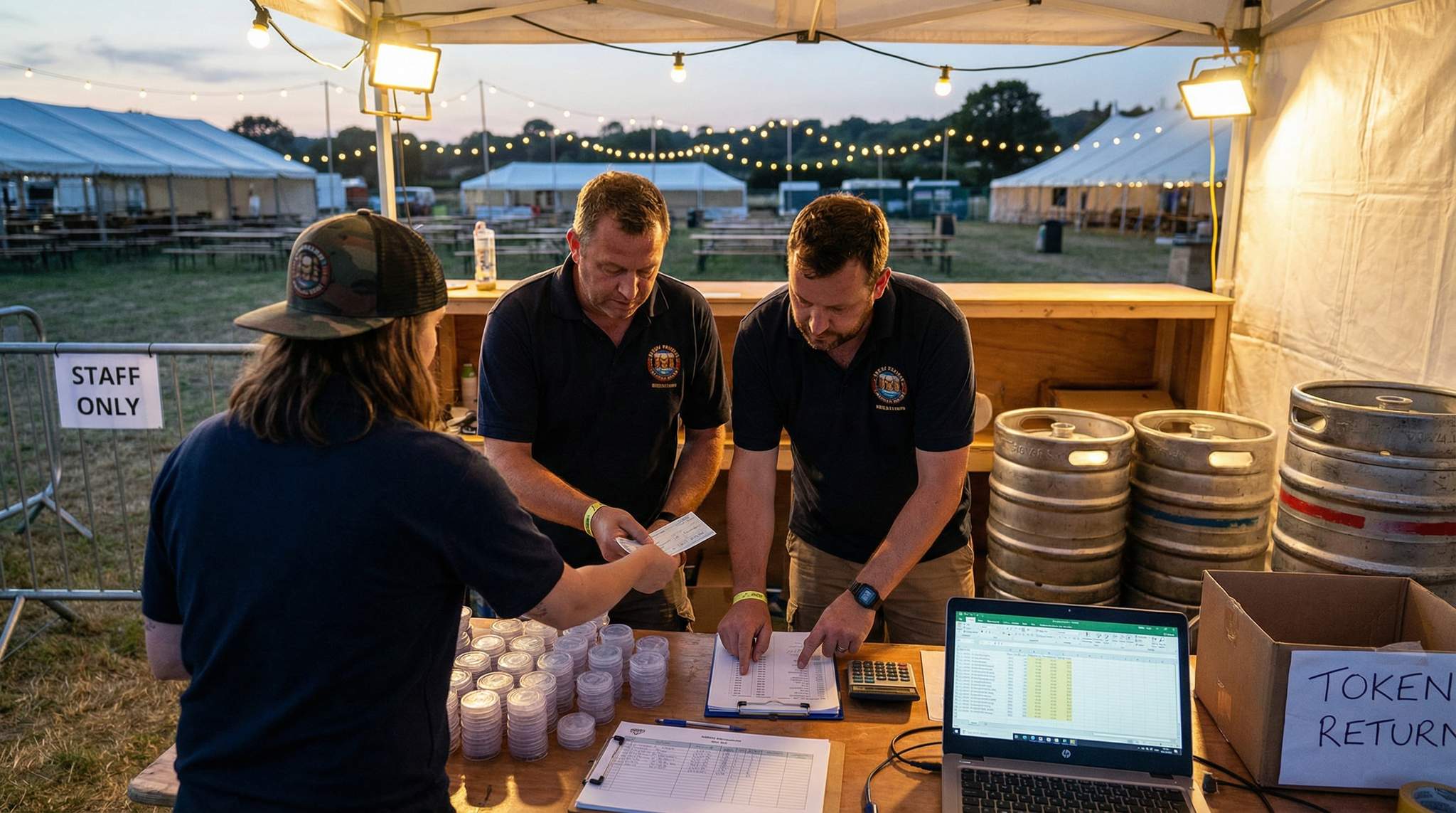
(Post-Event Reconciliation) After the last pint is poured and the crowds go home, a festival producer’s job isn’t over. Closing the loop with breweries and partners is critical for maintaining trust and setting up future success. Post-event reconciliation involves settling finances, handling leftover stock, thanking participants, and gathering insights for next year’s event. Whether it’s a boutique craft weekend in New Zealand or a massive beer festival in Germany, these wrap-up steps ensure everyone walks away happy – and excited to return.
Creating a Standardized Post-Event Reconciliation Timeline
To prevent administrative bottlenecks, seasoned producers rely on a strict timeline for their post-event reconciliation process. Without a clear schedule, vendor payouts can drag on, and crucial consumption data might be lost in the post-festival shuffle. A best-practice framework typically breaks the settlement phase into three distinct windows:
- 24 to 48 Hours Post-Event: Focus on immediate physical audits. This includes finalizing token counts, logging untapped kegs, and processing initial POS data exports. Securing this raw data immediately ensures your financial wrap-up is based on accurate, day-of figures.
- Days 3 to 5: Shift to vendor communications and preliminary accounting. Send out initial settlement reports to breweries for review, allowing them to cross-check your keg and token tallies against their own load-out notes. Resolving discrepancies early prevents prolonged disputes.
- Days 6 to 14: Execute final payouts, process any distributor refunds for returned stock, and compile the comprehensive post-festival audit. By the two-week mark, all financial ties to the current year’s event should be cleanly closed out, allowing your team to pivot fully toward next year’s strategy.
Integrating Reconciliation When You Organise a Beer Festival
Understanding how to organise a beer festival effectively means planning your post-event wrap-up before the gates even open. Veteran promoters know that the foundation of smooth settlements lies in the tools chosen during the initial planning stages. By deploying a centralized event management platform early on, you can automate vendor onboarding, track real-time token sales, and generate instant payout reports. This proactive approach ensures that when the final keg kicks, your team isn’t scrambling to decipher handwritten load-out notes, but rather reviewing clean, actionable data.
Mastering the broader mechanics of putting together a craft beverage event requires aligning your front-of-house operations with back-office accounting. From securing municipal permits and mapping out vendor stall placements to establishing clear revenue-share agreements in your initial brewery contracts, every early logistical decision impacts your final settlement speed. Producers who build these financial workflows into their foundational event strategy find that closing out accounts becomes a seamless extension of the festival itself, rather than a stressful afterthought.
Free Tool: Size Your Festival Site
Zoned capacity planning for arena, campsite, parking and entry lanes — against UK Purple Guide and NFPA density standards. Finds your bottleneck zone.
Settling Up: Token Counts, Kegs, and Payments
One of the first tasks after a beer festival is settling all accounts with breweries. Accuracy and transparency here can make or break your reputation:
- Token Reconciliation: If your festival uses a token or ticket system for beer samples, count the tokens each brewery collected. For example, some festivals give each brewery a token drop-box and pay them a fixed amount per token. In one U.S. craft beer bash, attendees purchased $2 tasting tokens and breweries received $1 for each token collected, with many breweries taking home hundreds of dollars in token revenue according to their FAQ. Make sure to redeem and pay out tokens immediately or within days of the event. Quick, on-time payment shows professionalism.
- Direct Sales or Revenue Share: If breweries sold pints or merch directly (common in countries like Germany or Mexico), gather sales reports or agreed revenue splits. Verify totals against your attendance figures or POS data. Resolve any discrepancies by cross-checking logs – a small oversight in sales numbers can strain relationships if not addressed.
- Per-Volume Settlements: For festivals that pre-purchase beer or pay per keg poured, tally keg counts and partials. Record how many full kegs each brewery delivered and how much came back unserved. If you promised payment per keg or per liter, adjust for partially used kegs. For instance, if a brewery brought 5 kegs but only 4 were fully poured and one is half-full, you might pay for 4.5 kegs (depending on your agreement). Always communicate these calculations to the brewery so they understand how their payment was determined.
- Paperwork and Invoices: Encourage breweries to send any final invoices promptly. Some may need an official purchase order or paperwork for their records. Aim to complete all settlements quickly – ideally within a week. Paying on time (or early) is not just courteous; it cements your festival’s reliability in the industry. Festival producers across the USA, UK, India, and beyond have learned that nothing secures a good reputation like fast, fair payment after an event.
Handling Leftover Beer and Returns
Beer festivals rarely sell exactly the amount of beer ordered – you might end up with leftover stock. A smart event organizer plans for this and handles it tactfully:
Planning a Festival?
Ticket Fairy's festival ticketing platform handles multi-day passes, RFID wristbands, and complex festival operations.
- Untapped and Unopened Stock: Identify any un-tapped kegs or cases. If your festival purchased these outright and they remain unused, coordinate returns with the brewery or distributor. Many suppliers in countries like Canada, Australia, and France allow returns of unopened kegs for credit or refund (especially if kept cold and within freshness dates). Promptly return these to reduce waste and recover costs.
- Partially Used Kegs: Once a keg has been tapped at the festival, its shelf life is limited. Some breweries will take back partial kegs if they can be quickly reconnected at their taproom (common with local breweries in close proximity). However, often a tapped keg can’t be resold, so plan how to handle it:
- Some festival organizers permit staff and brewers to enjoy the leftover beer once the event closes – a small after-party perk that prevents waste (while staying within legal and safety bounds).
- Alternatively, you may donate leftover beer to a partner venue for a post-festival event or dispose of it if necessary. Always check local regulations for transporting or consuming leftover alcohol.
- Equipment and Materials: Post-event, ensure that any borrowed equipment is returned in good condition. Breweries might have lent jockey boxes, specialty taps, gas canisters, or signage. Create a checklist during load-out: verify each brewery picked up their gear (or arrange to ship it back if they traveled from another city). Secure any keg deposit returns by promptly returning empty kegs to breweries or the rental vendor – unreturned kegs can incur hefty fees.
- Document the Details: Keep a log of leftover volumes and returned items. This not only provides transparency to breweries (“We returned 2 untapped kegs of your lager on Monday”) but also helps you forecast for next time. If you consistently had surplus of a certain beer style, you might order less of it for the next festival. Conversely, if one brewery’s kegs were drained completely while another’s had lots left over, it’s a sign of attendee preferences or placement effectiveness.
- Load-Out Efficiency: A major component of beverage festival logistics is the physical breakdown of the site. Schedule staggered load-out times for breweries to prevent traffic jams at the loading dock. Clear communication regarding exit protocols ensures that kegs, jockey boxes, and custom tents are removed safely and efficiently, minimizing venue overtime charges.
- Site Teardown and Waste Management: Beyond moving kegs, comprehensive site management requires coordinating with local waste disposal and recycling partners well in advance. Ensuring that glass, aluminum, and cardboard are separated during the teardown phase not only keeps your venue clean but also complies with strict municipal environmental regulations often tied to your event permit.
The Power of Thank-Yous and Sharing Assets
After settling the hard numbers, it’s time to express gratitude and solidify relationships with your brewery partners. Festivals thrive on community and goodwill, so make sure every participant feels valued:
- Prompt Thank-You Messages: Send thank-you emails or messages to each brewery within a day or two after the festival. Craft a sincere note acknowledging their effort: e.g., “Thank you for bringing your amazing stout – it was a crowd favorite!” A personalized touch (mentioning a specific beer or a moment, if possible) shows you paid attention.
- Highlight the Success: Share a brief recap of the event’s success. For example, inform them how many attendees came, especially if the number exceeded expectations, or if the event sold out. If the festival in Singapore drew 5,000 beer enthusiasts or the craft beer week in Mexico City doubled its attendance from last year, let them know. When breweries see the bigger picture impact, they appreciate that they were part of something significant.
- Social Media & Press Mentions: Compile some social media metrics and media highlights to share. For instance:
- Tell breweries how much online buzz the festival created – “#SydneyBeerFest was mentioned 1,200 times on social media over the weekend” or “Our event photos reached 50,000 people on Instagram and Facebook.”
- If any brewery got a special shout-out (perhaps a local blogger praised the hazy IPA from one stand), pass that along. Likewise, send links to any press coverage or beer blogger reviews that mention participating breweries.
- Photo and Video Assets: Provide access to event photos and videos. Brewers love having photos of happy crowds at their booth or people enjoying their beer. Upload the best shots to a shared folder and give them usage rights (with credit to the photographer or festival as needed). Many festival producers in places from California to Spain make a point to deliver a media package to vendors post-event – it’s a professional courtesy that can also give breweries content to post on their own social channels (extending the festival’s online footprint).
- Public Kudos: Consider thanking participants publicly as well. A post-event social media post or blog entry listing all participating breweries (tagging them if possible) can give them a bit more spotlight. Some festivals also announce awards or crowd-favorite beers in a thank-you post – if your event had any voting or judges, this is a great time to congratulate winners and thank everyone else for outstanding brews.
Securing Next Year’s Commitments
Right after a successful festival, enthusiasm is at its peak – leverage that excitement to start planning for the next edition:
- Early Invitations: Invite breweries to pre-register for next year while the positive momentum is high. If you’ve already set a date (many festivals in the US and Europe announce next year’s date during the current festival), let them know and say you’d love to have them back. This can be as informal as a save-the-date email or as formal as an early-bird registration form via your event platform.
- Offer Incentives: To sweeten the deal, you might offer returning breweries a small incentive, especially if you charge booth fees or space rental. Perhaps a discount on the fee for early commitment, or first pick of booth location for next year. For example, a beer festival in New Zealand might give past vendors first choice on prime stall locations near the stage.
- Gather Feedback: When reaching out about next year, also ask for feedback on this year. A simple survey or a personal call can uncover issues that weren’t immediately visible. Maybe one brewery found the load-in process confusing, or another wished for more rinse stations for glasses. Showing that you care about their experience makes them more likely to return.
- Goodwill Gestures: If the event was especially lucrative or important for a brewery, acknowledge that. Some festivals even send a small thank-you gift or certificate of appreciation to key partners. While not mandatory, a gesture like sending a commemorative poster signed by the team or a framed “Participant Award” can endear your festival to breweries in places as far-flung as India or Brazil, where craft beer communities value personal relationships.
- Lock in Anchor Participants: For large festivals, securing a few “marquee” breweries early (maybe a famous craft brewery from out of state or a big-name local favorite) can help anchor your next year’s lineup. Use the post-event goodwill to lock them in now. When others see that top breweries are already on board for next year, they’ll be eager to join too.
- Streamline Vendor Onboarding: Managing the complex moving parts of large-scale events requires robust software. Consider upgrading to a comprehensive beer festival ticketing system that handles not just attendee sales, but also vendor portals. Some organizers even provide partners with access to a specialized brewery ticketing system to manage their own guest lists, staff allocations, and VIP tasting sessions, making the return process seamless for next year.
- Centralize Credential Management: By utilizing advanced software to handle vendor passes and VIP access, you eliminate the chaotic email threads and spreadsheet errors that typically plague credential distribution. This level of professional organization demonstrates to your brewery partners that you respect their time, further encouraging their return for future editions.
Learning from the Numbers: Informing Future Orders and Layout
Each festival is a learning opportunity. Once the kegs are dry and the data is in, analyze what flew off the taps and what lagged:
- Track Beer Consumption: Dig into the numbers on beer poured. Which brewery served the most tokens or pints? What styles were most popular? If IPA’s ran out by mid-event and a certain stout barely had 50 takers, that’s vital info. Document these trends in a post-event report. Many modern festival platforms and POS systems can help by providing detailed consumption stats. For instance, Beer Nouveau discusses the benefits of using a till system for tracking, while other organizers rely on a specialized beer festival ticketing system to gather data for planning the next event. Even without fancy tech, you can gather input from breweries on how much they poured.
- “What Moved Fastest” List: Create a list of the top-performing beers or breweries. If five kegs of Brewery X’s pilsner kicked early, note it. If attendees formed long lines for the cider booth, that’s worth noting even at a beer festival. This list will guide your ordering next time – you might invite Brewery X to bring extra kegs next year or allocate more taps to popular styles. Conversely, if certain products didn’t move, consider adjusting how they’re presented (was it a placement issue?), or whether you need them in the same quantities next year.
- Layout and Placement Insights: Overlay your sales/consumption data with the festival map. Sometimes a beer that didn’t sell might simply have been in a low-traffic corner, or a superstar brewery did even better because they were right by the entrance. Note these factors: maybe next year you rotate locations so every brewery gets a fair shot at prime foot traffic, or you station that super popular brewery somewhere that helps distribute crowds more evenly.
- Time-of-Day Patterns: If your event had multiple sessions or ran all day, look at when certain beers spiked in popularity. Perhaps lighter beers were popular in the afternoon heat, while stronger porters picked up in the evening. Documenting these patterns can help in scheduling tapping times or promotional specials (like featuring lighter brews early and saving heavier ones for later).
- Attendee Feedback & Social Data: Beyond pure sales, see what attendees loved, possibly via post-event surveys or social media. Maybe everyone’s posting about the cherry sour ale from a small brewery in Belgium – even if it wasn’t the highest volume, the buzz suggests it was memorable. Incorporate this qualitative data when planning orders. Additionally, check beer rating apps (like Untappd) to see how festival beers were rated. This can highlight hits and misses in quality from the attendee perspective.
- Inform Your Partners: It’s smart to quietly share some of this insight with breweries, especially if it relates to them. For example, letting a brewery know “Your new hazy IPA was our #2 most checked-in beer on Untappd during the fest” can reinforce that their participation was worthwhile. Likewise, if a brewery’s product didn’t move well, you might gently discuss strategies for next time (maybe a different beer style or a more eye-catching booth).
Frequently Asked Questions
What is post-event reconciliation for beer festivals?
Post-event reconciliation involves settling finances, managing leftover stock, and gathering insights after a festival concludes. Key tasks include calculating token redemptions or keg usage for brewery payments, returning equipment, and analyzing consumption data. This process ensures financial accuracy, reduces waste, and maintains positive relationships with brewery partners for future events.
How should festival organizers handle financial settlements with breweries?
Organizers must settle accounts immediately or within a week to maintain trust. For token systems, count collected tokens and pay the agreed rate per token. For volume-based agreements, tally full and partial keg usage to calculate payments accurately. Prompt, transparent payment cements a festival’s reliability in the industry.
What happens to leftover beer after a festival ends?
Unopened kegs or cases should be returned to breweries or distributors for credit or refunds to reduce waste. Partially used kegs, which have limited shelf life, are often consumed by staff at post-event gatherings, donated to partner venues, or disposed of safely according to local alcohol regulations.
How can festival organizers strengthen relationships with breweries post-event?
Organizers should send personalized thank-you messages and share event success metrics like attendance figures within days. Providing access to high-quality photos and video assets allows breweries to share content on their own channels. Additionally, publicly acknowledging participants and award winners on social media solidifies goodwill for future partnerships.
How does tracking beer consumption data improve future festival planning?
Analyzing consumption data reveals which beer styles and breweries were most popular, guiding accurate ordering for the next event. By reviewing token counts, POS data, and “what moved fastest” lists, organizers can adjust quantities to prevent shortages of popular styles like IPAs while reducing orders for lower-demand products.
How can organizers secure brewery commitments for next year’s festival?
Leverage post-event excitement by inviting breweries to pre-register immediately after the current festival concludes. Offering incentives such as discounted booth fees, prime location choices, or “early bird” registration perks encourages early commitment. Securing key “anchor” breweries early also motivates other vendors to sign up for the subsequent year.
How do ticketing platforms improve beverage festival logistics?
A dedicated beer festival ticketing system streamlines beverage festival logistics by centralizing attendee admissions, token sales, and vendor management. Advanced platforms can also function as a brewery ticketing system, allowing participating brewers to easily manage their staff passes, guest lists, and VIP allocations, which simplifies post-event reconciliation and data analysis.
What are the most common discrepancies found during post-festival financial wrap-ups?
During the settlement phase, organizers frequently encounter mismatches between POS sales data and physical token counts, or discrepancies in partial keg measurements. Establishing a standardized post-event reconciliation timeline helps catch these errors early, allowing producers and breweries to cross-reference load-out logs and resolve issues before final payouts are issued.
What are the key steps when learning how to organise a beer festival’s financial wrap-up?
When figuring out how to organise a beer festival, planning the financial wrap-up is just as critical as booking breweries. Key steps include establishing a strict 14-day settlement timeline, utilizing a centralized event management platform to track token and keg data, and setting clear vendor payout terms in advance. Integrating these processes early ensures a seamless transition from live event operations to post-festival reconciliation.
How do early planning decisions impact the overall success of organizing a beer festival?
When figuring out the mechanics of putting together a large-scale tasting event, early decisions around vendor contracts, site layout, and technology directly dictate operational success. Establishing clear revenue-share models, deploying robust credential management software, and mapping out efficient load-in/load-out schedules ensure that both the live event and the post-festival financial reconciliation run smoothly.