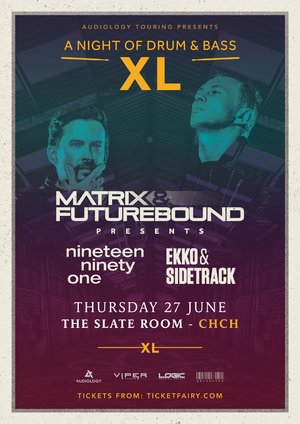
Important status: The Slate Room at 160 Lichfield Street, Christchurch, is permanently closed. There are no verified tickets, current events or announced 2026-and-beyond performances at the former venue. The 354–356 square metre tenancy has instead been marketed as a general hospitality, retail or office space.
Events and Programming
The Slate Room was best known as a hybrid pool hall, sports bar and late-night music venue. Its strongest identity came from drum and bass, jungle, electronic music and DJ-led club nights, although it also accommodated live bands, sports screenings, pool tournaments and private functions. The licensing description confirms that the majority of the premises was pool-table space, supported by a bar and dining area rather than a conventional theatre or concert-hall layout.
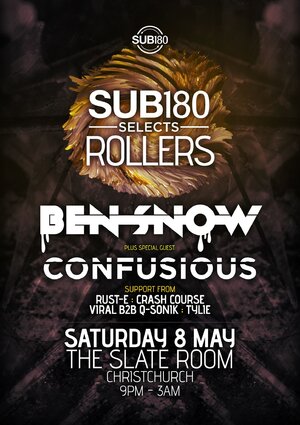
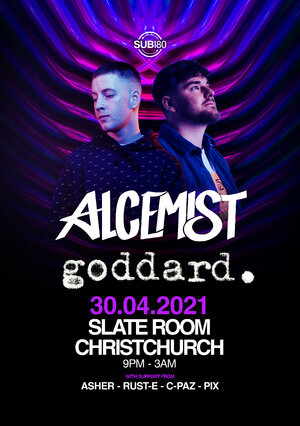
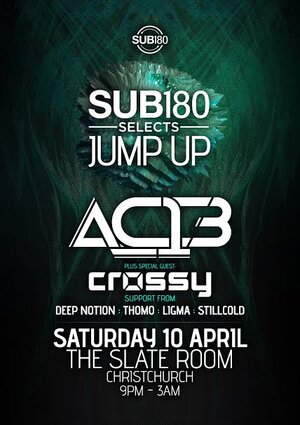
The most recent verifiable programme dates from 2021. Archived listings record Return to the Slate Room featuring Upgrade and Crossy on 27 March, Sub180 Selects: Jump Up with AC13 and Crossy on 10 April, Alcemist & Goddard on 30 April, Sub180 Selects: Rollers on 8 May, and Terrence & Phillip on 17 July. These were advertised as late-night, R18 events, generally beginning at about 9pm. The first three surviving event records show strong demand, with several ticket releases marked sold out. ticketfairy.com
I found no verified Slate Room performances in 2022, 2023, 2024, 2025 or 2026. Current concert calendars show no upcoming concerts, while property records identify the former premises as a space available for a new use. This means the venue’s live-event history ends with its earlier club programme rather than continuing into the current 2026 calendar.
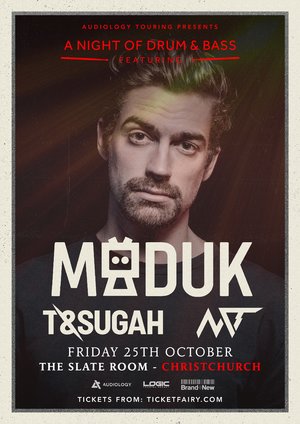
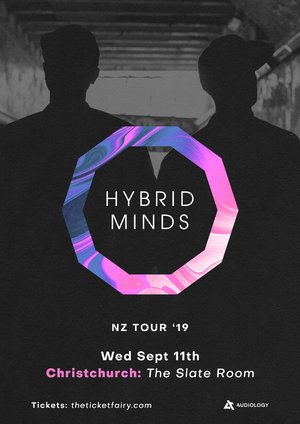
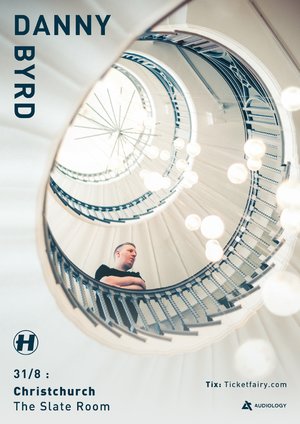
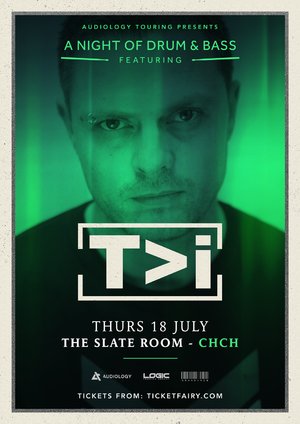
Earlier bookings show how focused the venue was on bass music. Notable listings included Hedex’s 2018 Christchurch appearance, Royalston with Deep Frequency, Mr Traumatik with Machete Clan, Deekline’s 2019 jungle show, Bou, K Motionz, T>I, Danny Byrd, Hybrid Minds, Maduk, Bensley, Mako Road, Cristoph and Pleasurekraft. Local support was a consistent part of the format, with Christchurch and wider New Zealand DJs appearing alongside visiting artists.
Events were commonly promoted as R18 club nights, with doors around 9pm or 9.30pm and performances continuing late. The room also hosted less formal entertainment: visitors described watching major sports, playing pool, listening to recorded music and using the bar outside gig hours. A Christchurch culture article noted that the space could be rearranged for different events and was available for hire.
Tickets and Booking
There are no current Slate Room tickets to buy. Historically, popular shows used staged releases: early-bird tickets were cheaper, followed by general and final releases, with limited door sales where capacity allowed. A 2018 Machete Clan event listed early tickets at NZ$15, general admission at NZ$20 and door entry at NZ$30. Other events in the surviving archive show typical advertised prices from roughly NZ$15 to NZ$30, with some early releases below that range and booking fees added separately.
The safest strategy for a high-profile booking was to buy during the first release rather than rely on the door. The 2021 Return to the Slate Room event was advertised with multiple ticket tiers, all later shown as unavailable. Door admission was sometimes mentioned, but it was not guaranteed and depended on remaining capacity. There is no evidence of a permanent public box office or reserved-seat ticketing system. ticketfairy.com
Because the venue has closed, old ticket pages should be treated as historical records only. They do not indicate a reopening, transferable tickets or a future event programme.
About The Slate Room
The venue opened in late 2017, rather than in 2019 as some secondary listings suggest. A Christchurch District Licensing Committee decision dated October 2017 approved a new on-licence for The Slate Room at 160 Lichfield Street, while visitor reviews from December 2017 describe it as a newly opened pool hall and entertainment venue.
The building was part of Christchurch’s post-earthquake restart programme. Design documentation describes a new building with a ground-floor bar and pool room, with The Slate Room identified as a sports bar and social club. The address sits within the SALT District, the inner-city locality around St Asaph, Lichfield and Tuam streets that developed a reputation for laneways, hospitality, street art, nightlife and creative businesses.
The available floor-area records describe approximately 354–356 square metres. Public venue directories reported capacity figures ranging from 480 to 500–600, but no official seating or occupancy schedule has been located. Those numbers should therefore be understood as event-directory estimates rather than a published technical capacity. The actual safe capacity would have varied according to whether pool tables, lounge furniture, a stage, dance space or production equipment occupied the room.
Seating and Layout
The Slate Room was not a seated theatre. It was principally a standing and social venue, with pool tables, a bar, lounge areas and open space that could be adapted for DJs or bands. The licensing record specifically says most of the premises was allocated to pool-table space, with a bar and dining area also provided. Fixed theatre seating, balconies and formal VIP boxes are not documented.
Historical descriptions refer to nine 9-foot slate pool tables, three 7-foot slate tables, six large sports screens and free pinball machines. Visitor reviews also mention a stage for bands and a substantial DJ setup behind the bar. These features made the venue suitable for moving between casual daytime or early-evening use and a much denser club configuration later at night. ticketfairy.com
For a music event, the best viewing position depended on the production layout. Standing near the front would have suited dancing and direct engagement with the DJ or performers; the bar and lounge edges would have offered a more relaxed view. Pool tables and support furniture could obstruct sightlines during busy events, and there was no published seating map to identify preferred sections.
Architecture, Design and Technical Capabilities
The venue occupied a modern post-earthquake commercial building rather than a protected heritage theatre. Its interior character came from the contrast between a practical pool hall and a deliberately nightlife-oriented fit-out. Reviews describe colourful artwork, a bright and playful atmosphere, good music and a full bar. Other accounts refer to low club lighting, graffiti-style decoration and a large open room.
The available design record confirms concept design and building-consent drawings for the fit-out, but it does not publish detailed architectural specifications, room dimensions, ceiling height, stage measurements or acoustic treatment. No verified renovation history has been found after the original fit-out. The former tenancy was later advertised simply as a hospitality-ready ground-floor space that could be split into separate areas.
Event records confirm that the venue could support amplified club production. A 2018 listing referred to a major sound-system installation, while another advertised “heavy production on site”. Visitor testimony also describes a lights-and-sound presentation during a drum and bass show. However, no authoritative technical rider identifies the speaker brand, mixer, lighting fixtures, power capacity, rigging points, stage dimensions or in-house backline.
Getting There and Parking
The former venue address was 160 Lichfield Street, Christchurch Central, within the SALT District. The location is close to the Christchurch Bus Interchange at Colombo and Lichfield streets. SALT District information describes the neighbourhood as one city block from the interchange, making bus travel practical for the surrounding precinct.
For a historical visit, the simplest walking route from the interchange would have been east along Lichfield Street towards the SALT District and the former 160 Lichfield Street frontage. The area is compact and designed to be explored on foot. Current bus services, stop locations and late-night timetables should be checked independently for any other venue now occupying the address.
Parking has historically been available in the Lichfield Street parking building and other central-city facilities. SALT District information identifies a secure covered car park at 160 Lichfield Street, accessed from Nurserymans Lane, as well as on-street parking and private car parks nearby. Christchurch City Council currently lists central-city on-street meter parking at NZ$5 per hour, although private facilities and operating hours can differ. There was no dedicated Slate Room parking arrangement confirmed.
No venue-specific rideshare drop-off point was published. For any future business at the address, a safe kerbside drop-off on an approved section of Lichfield Street or a nearby side street would need to be confirmed locally, particularly during stadium events or road closures.
Inside the Venue
Historical visitors could expect a full bar, dining or casual food service, pool tables, sports screens, pinball and a social club atmosphere. Reviews mention pizza, reasonably priced food, beer and a good range of spirits. The room shifted noticeably depending on the occasion: relaxed and conversational for sports or pool, then crowded, loud and dance-focused for late-night drum and bass events.
The licensing decision required food, water, low-alcohol and non-alcoholic drinks to be available, and required a manager to be on duty. The whole venue was designated supervised after 9pm. Alcohol sales were licensed until 3am, with sales required to stop at 2.30am so patrons could finish drinks before closing. These were historical licence conditions, not current operating rules.
No authoritative record confirms a permanent coat check, public phone-charging station, merchandise counter, accessible toilet, hearing loop or dedicated production office. Those details should not be inferred from the venue’s event listings or visitor reviews.
Nearby Amenities
The former venue sat in one of Christchurch’s most concentrated hospitality areas. The wider SALT District includes bars, breweries, cafés, restaurants, laneways, street art and casual dining. Current district listings include Little High, Dux Central, Earl, Jaba Grill and other food-and-drink operators around Lichfield, St Asaph and Tuam streets. These businesses are nearby amenities for the address, not facilities operated by The Slate Room.
The central city is compact enough for a pre-show meal or drink to be combined with a walk through the district. Before the venue closed, arriving 30–60 minutes before a popular club night would have allowed time for entry, identification checks, drinks and finding a comfortable position before the dance floor became busy. That advice remains relevant only to other late-night events in the same area.
Venue Policies and Regulations
Most surviving event advertisements specify R18 entry. A valid photo ID would therefore have been essential for club nights, even for patrons who appeared older than 18. The licence also required supervised-area controls after 9pm, responsible alcohol service, food availability, transport information and compliance with one-way-door restrictions under Christchurch’s alcohol policy. ticketfairy.com
No verified venue policy has been found covering bags, professional photography, flash photography, dress standards, outside food, outside drinks, smoking areas or prohibited items. It is more accurate to leave those points unconfirmed than to apply generic nightclub rules retrospectively.
Accessibility and Inclusive Facilities
No venue-specific accessibility statement, access map or technical accessibility schedule has been located. Published sources do not confirm step-free entry, accessible seating, accessible toilets, hearing assistance, tactile wayfinding or disability parking reserved for Slate Room customers. Because the business is closed, there is no current front-of-house team or ticketing channel through which those details can be verified.
The surrounding central city and bus interchange provide public transport infrastructure, but that should not be confused with confirmation of accessibility inside the former venue. Visitors needing step-free access would have needed to confirm the entrance, toilet and event configuration directly before attending.
Visitor Experiences and Testimonials
Positive reviews repeatedly mention friendly staff, colourful interior artwork, good music, pool tables, large screens, free pinball and a strong social atmosphere. One visitor praised the venue as clean, affordable and well serviced, while another described it as a welcome addition to the Christchurch central city and a place with more character than a standard bar.
The feedback was not uniformly favourable. One review criticised the condition of the floor during a drum and bass event, crowd behaviour, outdoor facilities and toilet arrangements. That account is subjective and should not be treated as a formal inspection, but it illustrates the difference between the venue’s comfortable pool-bar setting and its busiest late-night configuration.
What Made The Slate Room Special
The Slate Room’s distinctiveness came from combining three uses that are usually separated: a pool hall, a sports bar and a bass-music club. It gave local promoters a mid-sized inner-city room for international electronic artists while retaining a casual, walk-in atmosphere during ordinary trading. The venue’s programme connected Christchurch DJs and support acts with visitors from the United Kingdom, Australia and elsewhere.
Its cultural importance is best understood in the context of post-earthquake Christchurch. The building formed part of the city’s commercial restart, while SALT District developed as a gritty alternative to the more polished central-city precincts. There is no published economic-impact study attributing jobs, visitor spending or district growth specifically to The Slate Room, but its licensing record, event history and place within SALT show how it contributed to the city’s nightlife and live-music infrastructure.
Frequently Asked Questions
Is The Slate Room in Christchurch still open?
No. The Slate Room at 160 Lichfield Street is listed as permanently closed. The former tenancy has been advertised for other hospitality, retail or office uses, and current concert calendars show no upcoming Slate Room performances. Do not travel to the address expecting a bar, club night, pool tables or ticket collection under this name.
Are there any Slate Room events in 2026?
No verified 2026 event has been found. The latest surviving Christchurch event listings are from 2021, including several Sub180 drum and bass nights. Current listings show no upcoming concerts or announced programme for 2026 or beyond. Any old event page displaying a future date should be treated as an archived or inaccurate listing rather than evidence of a reopening.
Where was The Slate Room located?
The former venue was at 160 Lichfield Street, Christchurch Central, in the SALT District. It was close to the Christchurch Bus Interchange and the Lichfield Street parking building. The address remains useful for identifying the former site, but the Slate Room name no longer represents a trading venue there.
When did The Slate Room open?
The venue opened in late 2017. Christchurch’s licensing decision for a new on-licence was issued in October 2017, and visitor reviews from December 2017 describe the business as a new pool hall, sports bar and entertainment venue. Some later directory summaries incorrectly place its opening closer to 2019, but the contemporary evidence supports 2017.
What type of venue was The Slate Room?
It was a hybrid pool hall, sports bar, social club and late-night music venue. Pool tables occupied most of the floor, while the bar and dining area supported everyday hospitality. For concerts and club nights, the layout could be adapted for DJs, live acts, dancing and amplified production. This mixed-use format was central to the venue’s identity.
How many people could The Slate Room hold?
Public event directories reported capacities of about 480 and 500–600 people. No official capacity certificate or configuration schedule has been located, so these figures should be treated as estimates. The usable capacity would have changed according to the number of pool tables, furniture, stage equipment, dance-floor space and event production installed for a particular night.
Did The Slate Room have reserved seating?
No formal theatre seating plan has been found. The venue was principally a pool hall and standing club space with lounge seating, bar areas and pool tables. Most music events were general admission, with sightlines and personal space depending on arrival time and the night’s layout. There is no reliable evidence of permanent VIP boxes or numbered seats.
What music was played at The Slate Room?
Drum and bass, jungle, electronic music and DJ-led club nights formed the core programme. The venue also hosted hip-hop, live-band and crossover events, plus local support bills. International or touring acts such as Hedex, Royalston, Deekline, Bou, K Motionz, Maduk and Bensley appeared in the archived programme, alongside Christchurch and New Zealand artists.
What happened at The Slate Room in 2021?
Verified archived listings record five Christchurch events: Upgrade and Crossy on 27 March; AC13 and Crossy on 10 April; Alcemist and Goddard on 30 April; Sub180 Selects: Rollers on 8 May; and Terrence & Phillip on 17 July. These were late-night, R18 bass-music events, generally advertised for 9pm starts. ticketfairy.com
How much did tickets cost?
Historical ticket prices generally fell between NZ$15 and NZ$30, depending on the artist and release tier. Early-bird tickets could be cheaper, while final-release or door prices were higher. Examples include NZ$15–$30 for Machete Clan and NZ$15–$30 for several drum and bass bookings. These are historical prices only and do not represent current tickets.
Could people buy tickets at the door?
Some archived event notices mentioned limited door sales, but advance tickets were recommended for popular shows. Several listings show early, general and final ticket releases selling out. Door admission would therefore have depended on remaining capacity and the promoter’s arrangements. There is no current door sales facility because The Slate Room is closed.
Was The Slate Room an R18 venue?
Most documented music events were advertised as R18, with doors opening around 9pm or 9.30pm. The alcohol licence also designated the whole premises as supervised after 9pm. Patrons attending historical club nights should have carried valid photo identification. The licence and event restrictions applied to the former operation and are not current admission rules. ticketfairy.com
Did The Slate Room have pool tables?
Yes. Pool was the venue’s primary everyday function. Historical descriptions refer to nine 9-foot slate tables and three 7-foot tables, while the licensing record says most of the premises was pool-table space. Reviews also mention pinball machines, sports screens and a full bar, making the venue more than a conventional concert room. ticketfairy.com
What parking was near The Slate Room?
The former address was close to the Lichfield Street parking building, with access from Nurserymans Lane, as well as on-street and private parking elsewhere in the central city. Current Council on-street meter parking is listed at NZ$5 per hour, but private parking terms vary. There was no confirmed Slate Room-only parking arrangement.
How could visitors reach The Slate Room by bus?
The address was within easy walking distance of the Christchurch Bus Interchange at Colombo and Lichfield streets. SALT District information describes the neighbourhood as one city block from the interchange, and Christchurch’s central city has frequent routes through the interchange and Manchester Street. The exact walk and service timetable would have depended on the route and event time.
Was The Slate Room accessible?
No venue-specific accessibility statement has been located. Published records do not confirm step-free entry, accessible seating, an accessible toilet, hearing assistance or designated disability parking. The surrounding bus interchange and central-city streets should not be taken as proof of internal accessibility. Since the venue is closed, these details cannot now be confirmed through a front-of-house team.
Did The Slate Room have a professional sound system?
It supported amplified DJ and live-music production, and archived event material refers to major sound-system and production installations. Visitors also described strong lights-and-sound presentations. However, no authoritative technical rider has been found identifying speaker brands, consoles, lighting fixtures, stage dimensions, rigging or in-house backline. The venue was production-capable, but its exact specification is undocumented.
What did visitors like about The Slate Room?
Positive reviews praised the friendly staff, colourful interior, food, affordable drinks, pool tables, pinball, big screens and lively atmosphere. Some visitors considered it a welcome addition to Christchurch’s central nightlife. Other reviews criticised conditions during busy club nights, so experiences varied according to event, crowd size and time of night.
Why was The Slate Room important to Christchurch?
The venue provided a rare combination of pool-hall hospitality and genuine club programming in the post-earthquake central city. It gave local promoters a room for drum and bass, touring electronic artists and local support acts, while contributing to the social life of the SALT District. Its cultural contribution is documented more clearly through its bookings and location than through published economic-impact statistics.